Roads We Remember #9
“Road Trip!” when spoken like a call to arms, sets the heart a flutter. The mind races with thoughts of new horizons, awaiting adventures and the freedom of the open road. Yes, all true… however. And there always seems to be a “however.” In the case of road trips, the “however,” takes shape courtesy of the seemingly endless miles of endless miles to be covered on the way to the new horizon, miles devoid of any type of adventure or, if left unaddressed, any mental stimulation at all as a driver teeters on the threshold of white line hypnosis.
Such sleep provoking and mind numbing monotony has served as the desperate progenitor of games, distractions and challenges designed to spare drivers of the narcoleptic terror born of endless corn fields, soulless interstates, pitch black back roads illuminated only by the eye fatiguing glare of oncoming high beams and the kind of dull roads ideal for filming commercials for hands free driving features.
Now adding to the long list of keep awake tricks comes Elon Musk’s latest Tesla accessory, the TeslaMic car karaoke microphone set.
Karaoke, Elon Musk’s new weapon to fight driving doldrums.
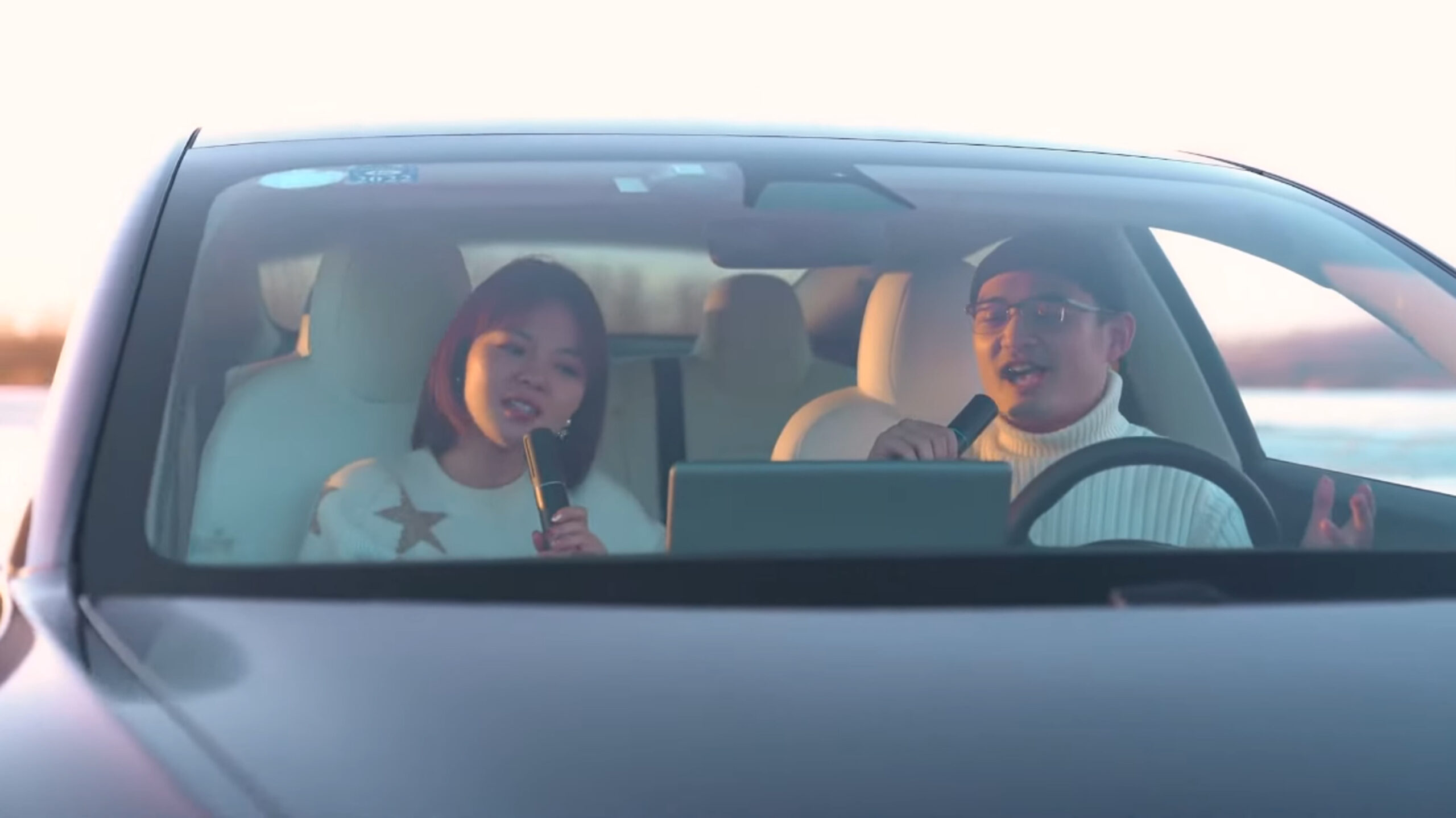
Last Friday Tesla released its new TeslaMic. Wildly popular, it sold out in less than an hour in China, the only market where the product is presently available. Offered as a set of wireless microphones, TeslaMic basically turns the car into a personal karaoke booth. Designed to function only when the car is stopped, the microphones pair with newly released Tesla in-car karaoke software that includes audio tracks and videos.
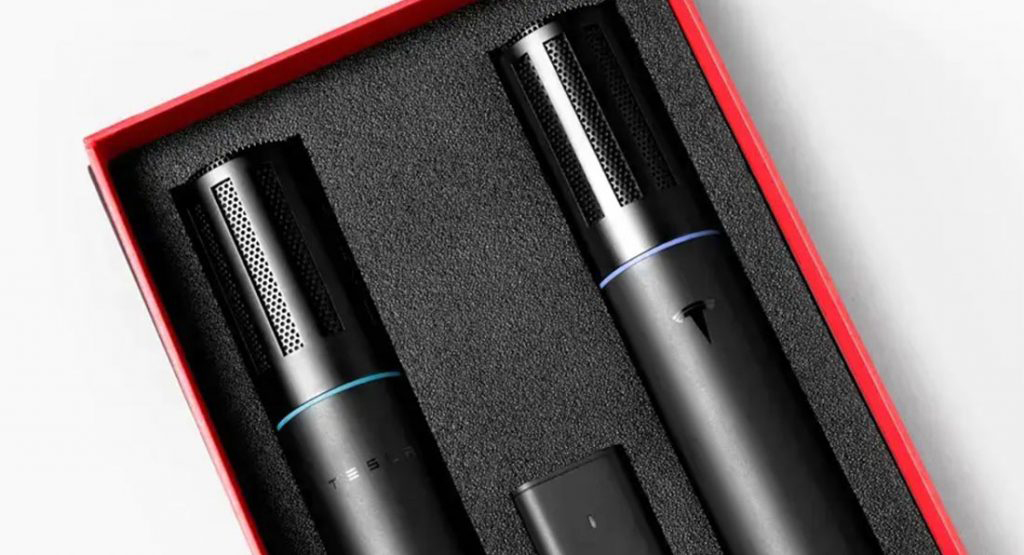
Last year, an estimated 500 million people used online karaoke services in China. Prior to Covid, individualized karaoke booths rapidly sprang up like proverbial mushrooms throughout malls, airports and other public places across China. Now, the top Musketeer with his TeslaMic looks to tap into the immense popularity of these individual karaoke booths. Using technology that transforms the Tesla owner’s car into a private karaoke booth, it allows one or two people to sing their hearts out without being heard by anyone else. It seems only a matter of time before the market savvy Musk adapts the TeslaMic as a shower accessory.
Made even more attractive considering Corona virus fears, the ability to transform an owner’s Tesla into a personal karaoke booth offers great appeal. Representative of the typical car karaoke aficionado in China, one man quoted in the press said, “It’s quite a way to alleviate boredom during a trip.”
Not surprisingly, karaoke booths can now be seen in America popping up in public places such as Mall of America and being available to rent for wedding receptions, bar/bat mitzvahs, corporate events and birthday parties. Clearly the Chinese karaoke booth concept has infected our culture with a strong likelihood of rapidly spreading. Why does that have a familiar ring to it? Anyway…
In this age of high tech hacking where some bright lad can remotely disable an automobile’s braking technology or a bank’s security system does it seem beyond belief that another bright lad could bypass the “only operates when stationary” function?
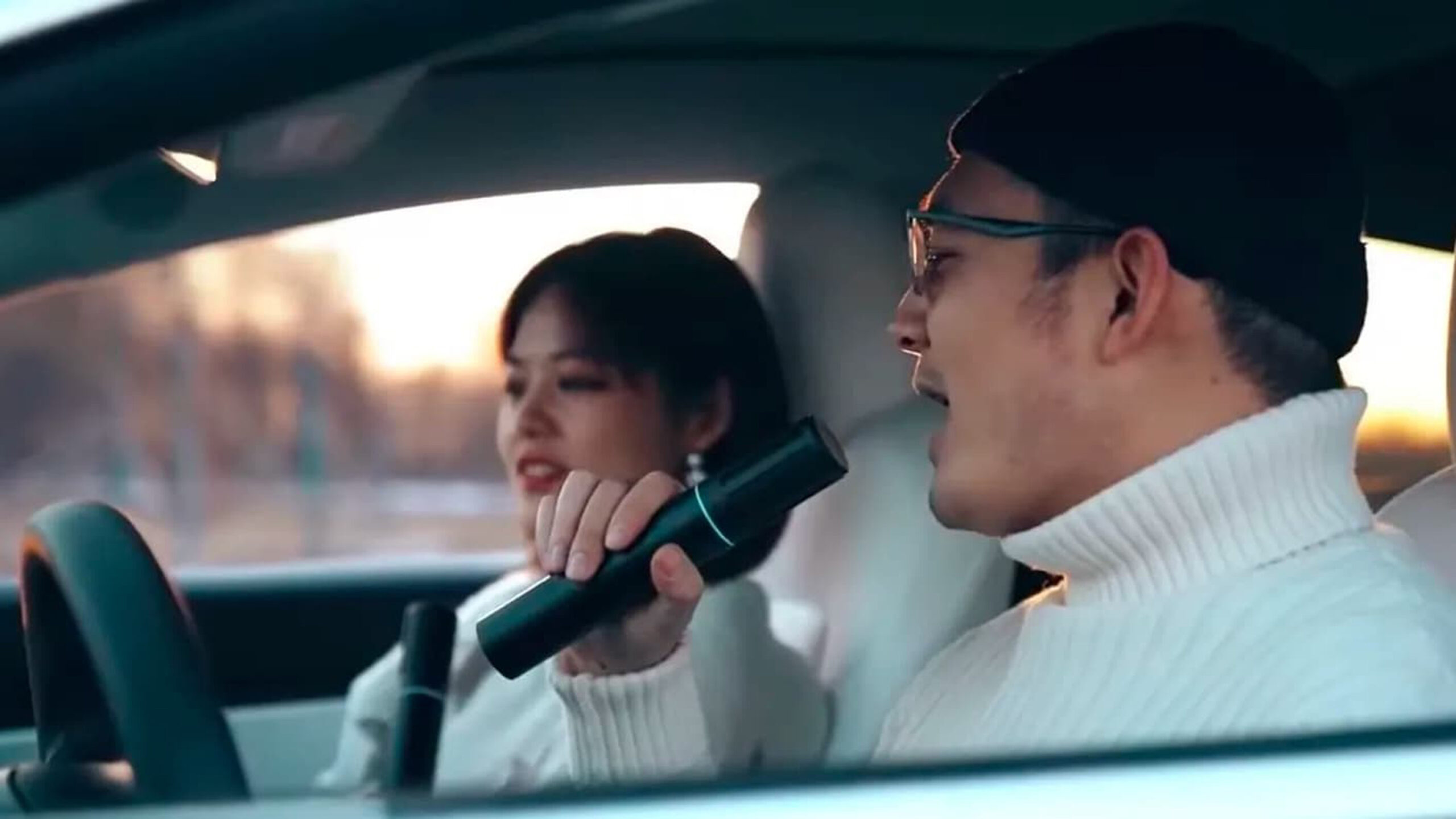
Now, instead of merely clapping hands, which are rapidly being reduced to vestigial appendages by our Tesla’s hands free self driving features, drivers can attend to the dashboard display as it guides them through a spirited personal interpretation of Jan and Dean’s “Dead Man’s Curve” or Pearl Jam’s cover of “Last Kiss.”
Call me old school but 20th century remedies for drowsy driving displayed a great deal more character, individual inventiveness and personal involvement.

Cranking up Cousin Brucie and rolling down the windows, time honored efforts to keep 20th century minds alert have evolved over the ensuing years. As we progressed into the 21st century the radio as entertainment and distraction experienced a reconfiguring and to a significant degree a supplanting by digital technology. Interestingly, the point of the digital spear, the cellular phone offered both greater connectivity and greater distraction. Today, some say driving while texting or speaking on a cell phone has produced more fatalities that driving under the influence of alcohol.
With the expansion of platforms born of digital technology and the power to personalize content choice the technological beat goes no yet it cannot supplant the priceless value of a trusted driving companion willing even eager to compete, collaborate or confound all in the name of staying alert. Old school solutions existed aplenty.
While driving
Warplane – (Can be played by one or more) Best played by those with a theatrical bent, Warplane requires creative skills and relaxed neck muscles. Equally applicable for bomber or fighter scenarios, Warplane requires the driver to roll his head to the left as if looking out the side of a warplane’s canopy. Then to create a story line calls out what he or she makes believe has been observed. For example “We are passing over the enemy power plant. Yes, there it is. The dam is directly ahead. The flack will be heavy. Bouncing these bombs across the water is the only way we can destroy this dam.” The extent of the dramatic scenario with all occupants contributing can be a function of the time required to revive the driver.
Rhyme – One person picks a word and everyone has to go around saying a word that rhymes with it. The first person to be stumped or to repeat a word loses.
The Movie Game. One person says the name of an actor and the next person must name a movie that actor has been in. The next player must name another actor who starred in that same movie. The next player must say another movie that actor was in, and so on.
Name the artist – With any music source that does not display the artist, when a new song comes on the first person to name the artist or group performing it wins.
Alphabet I.D. – Starting with the letter “A” the first person to see the letter as the first letter on a sign, vehicle or building. Go up through the alphabet. The person with t he most correct answers wins.
21 question naked challenge – A high stakes, bare knuckles and more, nuclear option for staying alert, it is only for those possessing a hardy spirit of adventure accompanied by a significant other cut of the same cloth. After a coin flip the winner thinks of something or someone. The other person then has 21 questions to identify the person or thing. The first question is often “is it a person, place or thing?” If the person exhausts their 21 questions without a correct answer they must remove one piece of clothing. This can require pulling over to a stop. First person naked loses. Dark roads and desolate highways in the southwest usually have preference over the West Side Highway and toll roads.
When stopped
It is recognized that regardless of the century, the greatest response when one feels sleep overtaking consciousness will always be to pull over.
Physical activity – Exiting the comfort of the vehicle in itself can revitalize a driver. Combined with physical activity such as jumping jacks, running in place and pushups against the front fender further reenergizes the mind and body.
As an activity when pulling over, Musk’s TeslaMic in its intended use does promotes mental and physical stimulation that can benefit a drowsy driver. But it is not the only one. A losing streak in 21 questions can do the same.



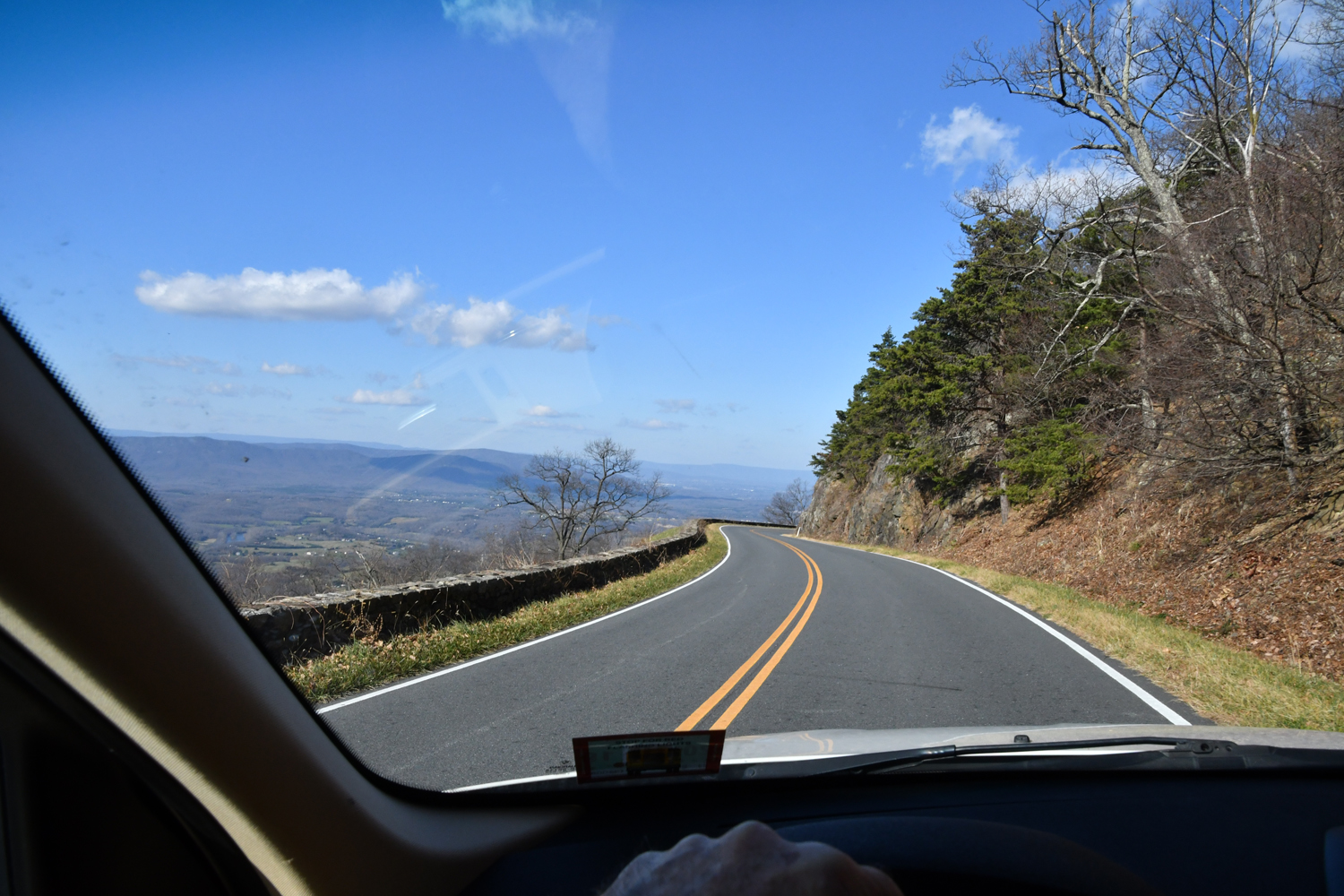
 re-calibrate a driver’s mood and expectations to a rhythm more in sync with the life, energy and surroundings to which this serpentine ribbon of black top belongs. Time spent attending to the dips and curves of blue highways actually engages a driver with real life experience rather than blowing though a countryside like the blur between subway stops.
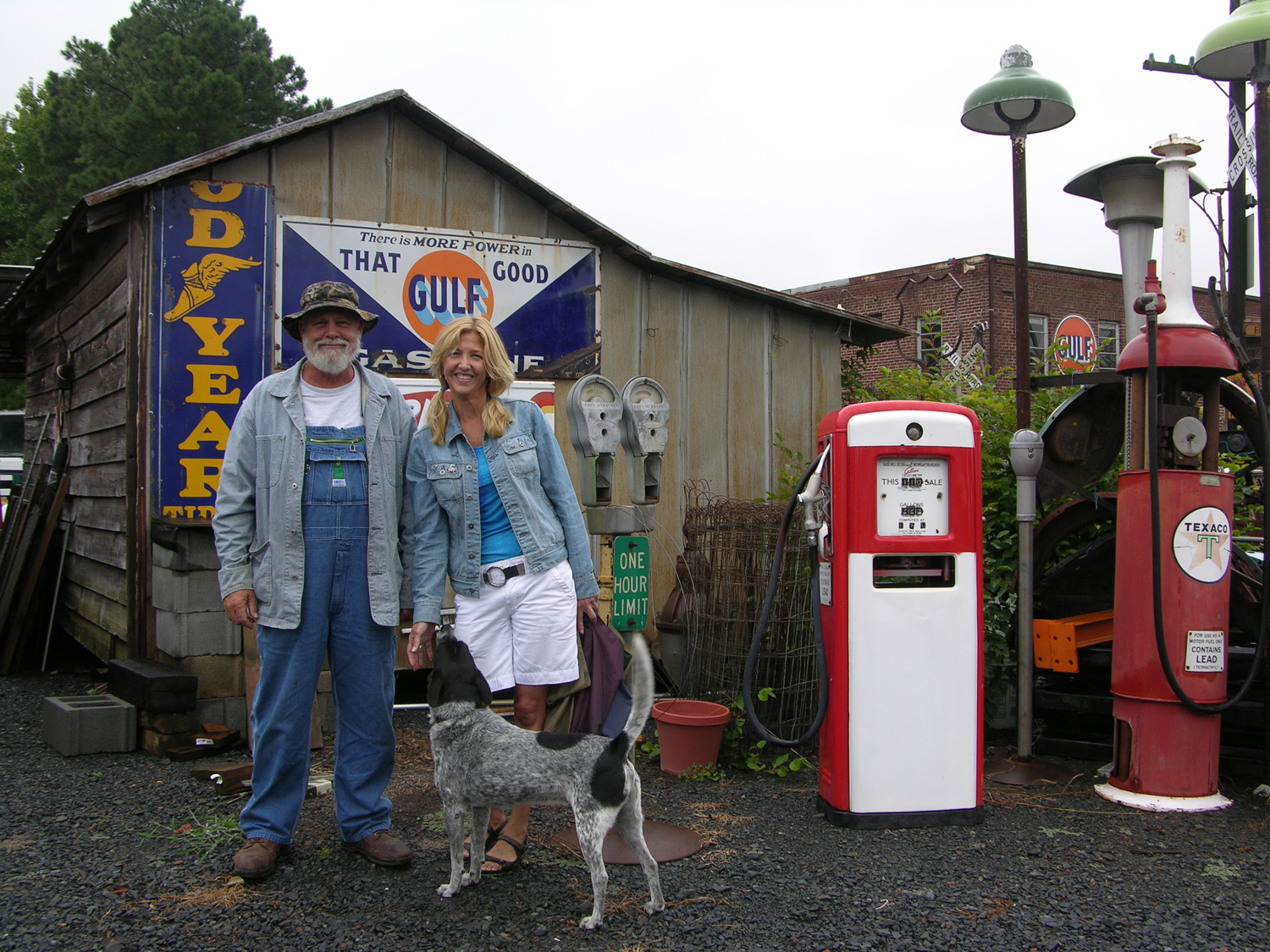
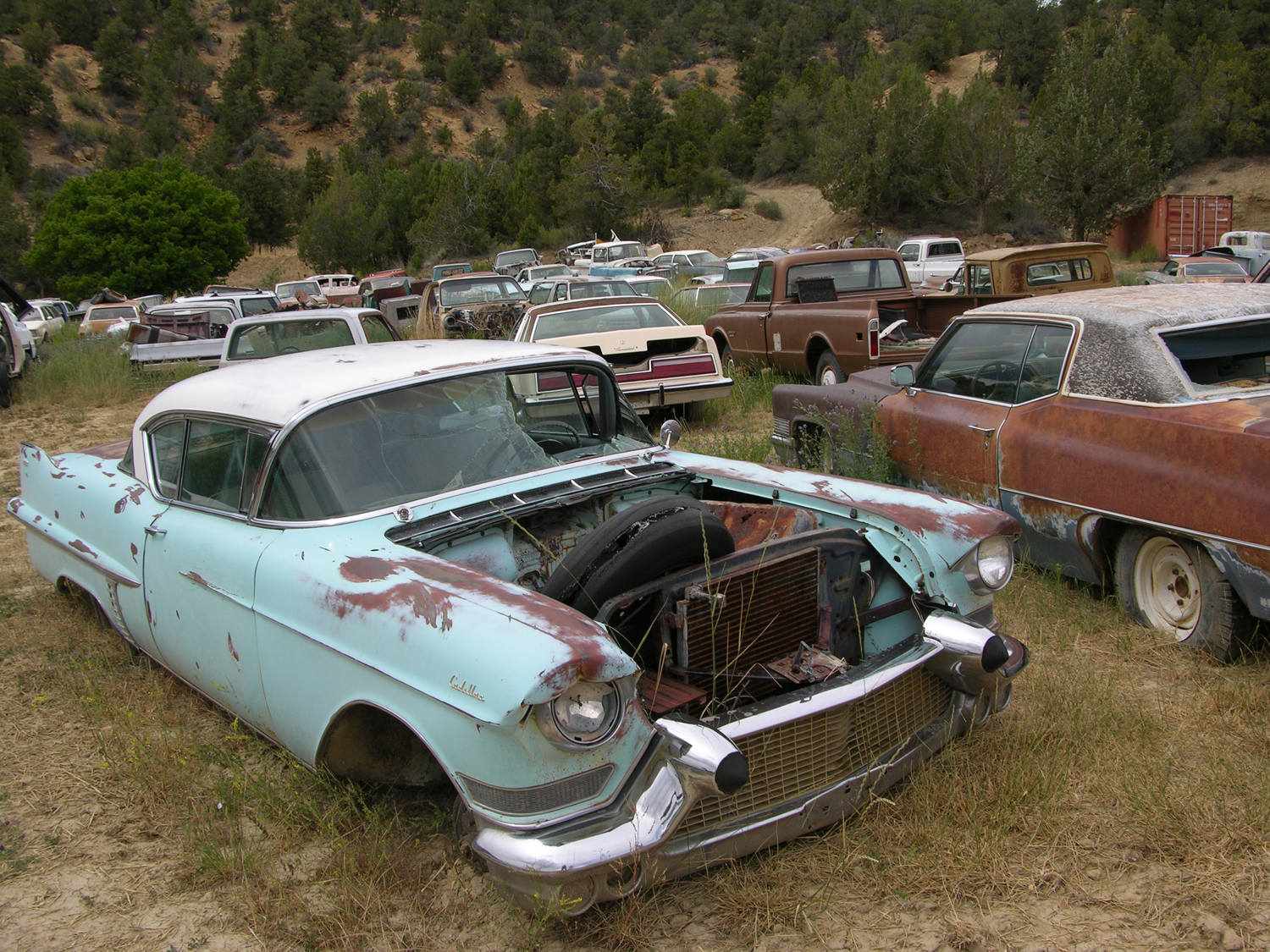 Often encountering a proprietor worthy of a Norman Rockwell illustration, my first question pretty much cuts to the chase, “What’s your story? I’ll ask. If not a general store, then a gas station with a rust trimmed Dad’s Root Beer sign or a hillside of sixty and seventy-year old Cadillacs with trees the size of schooner masts sprouting from hoodless engine bays. Regardless, there always seems to await a story ready to be shared.
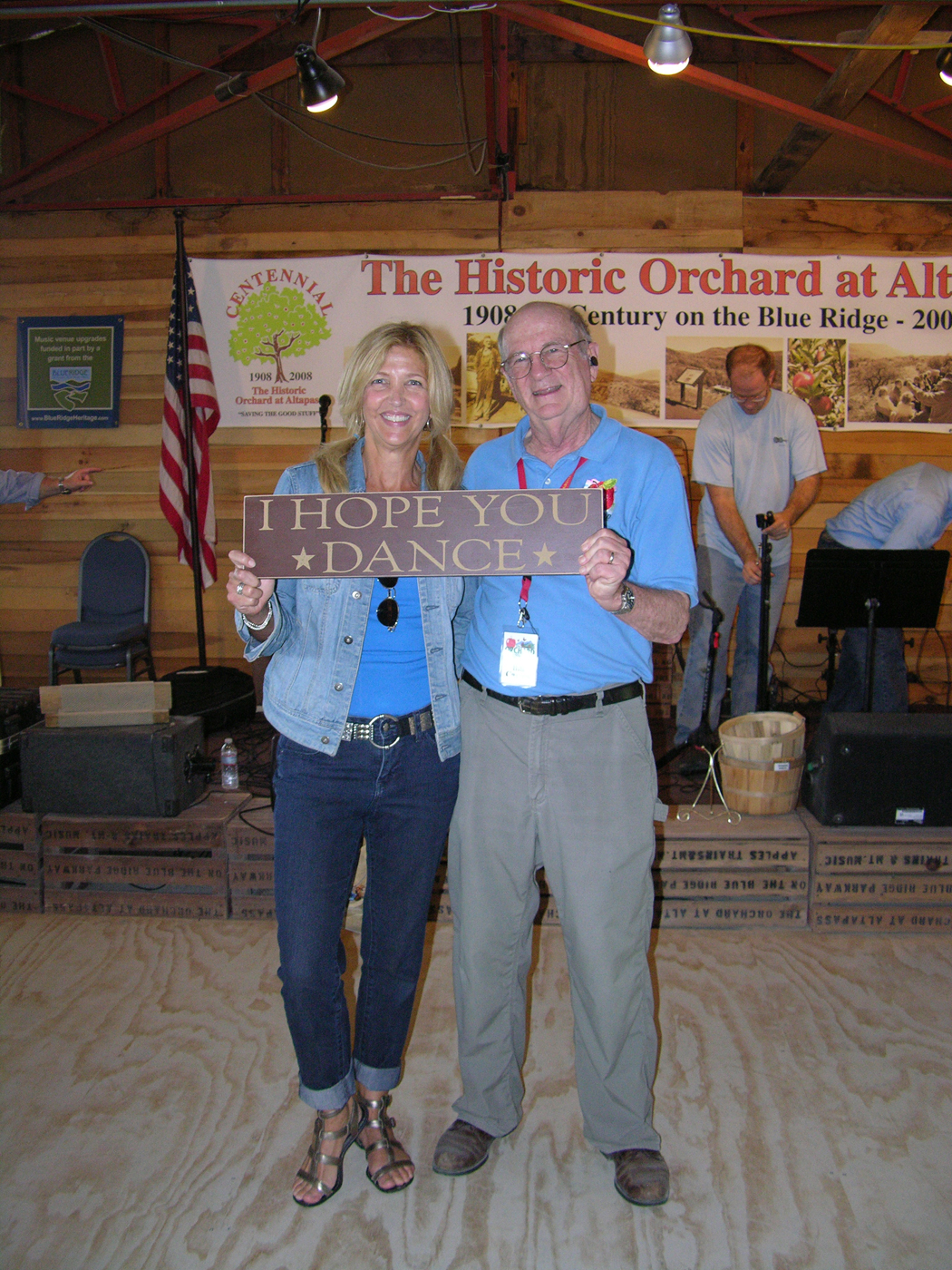 At a farm stand off the Blue Ridge Parkway, we met Bill. Genial and engaging, after introducing himself, he whisked Elaine out onto the dance floor. A terrific band of mountain musicians had just fired up their instruments and before my eyes transformed a roomful of people pleasantly chatting into a gyrating bluegrass flash mob.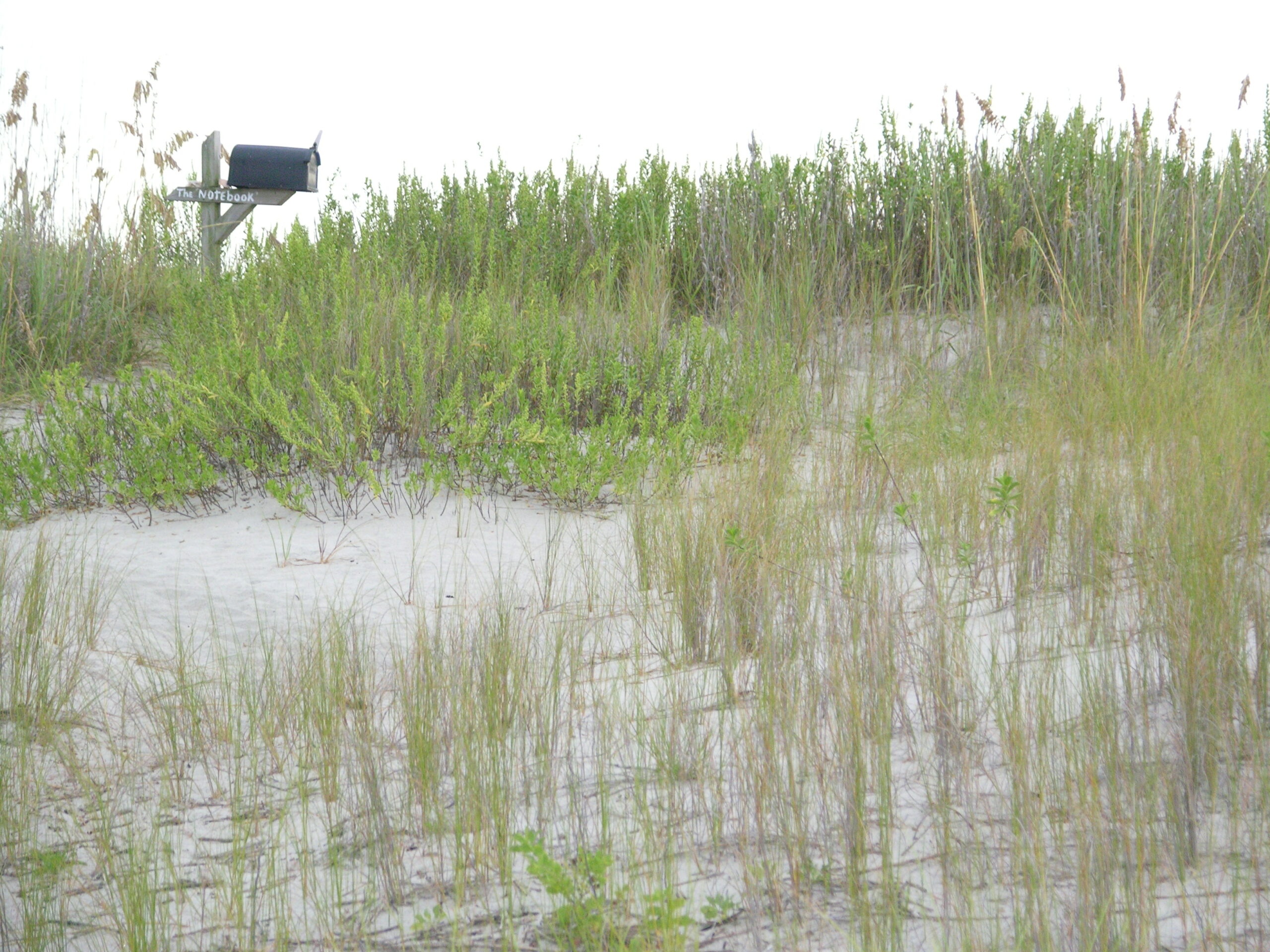
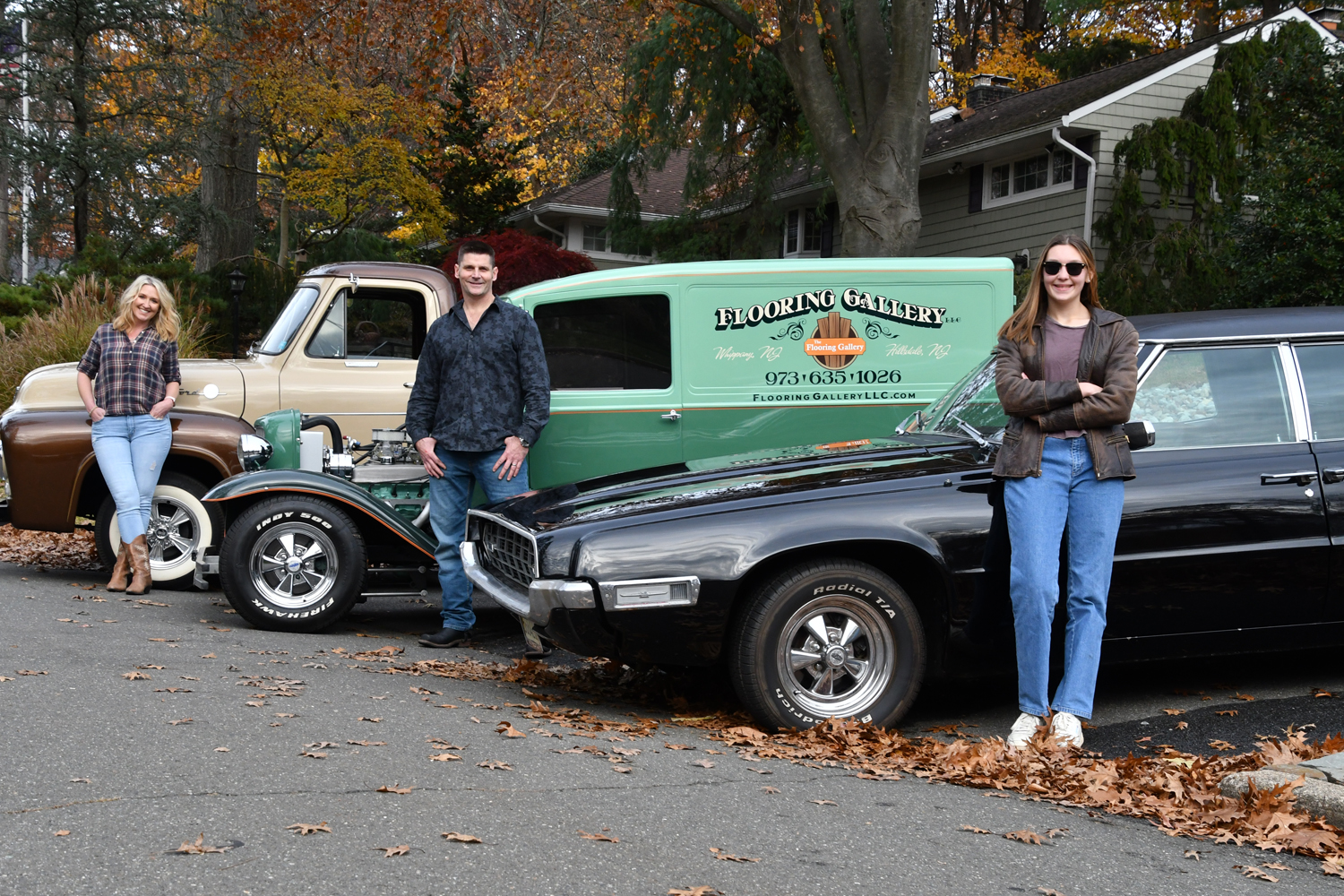





 If you suspect that the party you seek has passed away





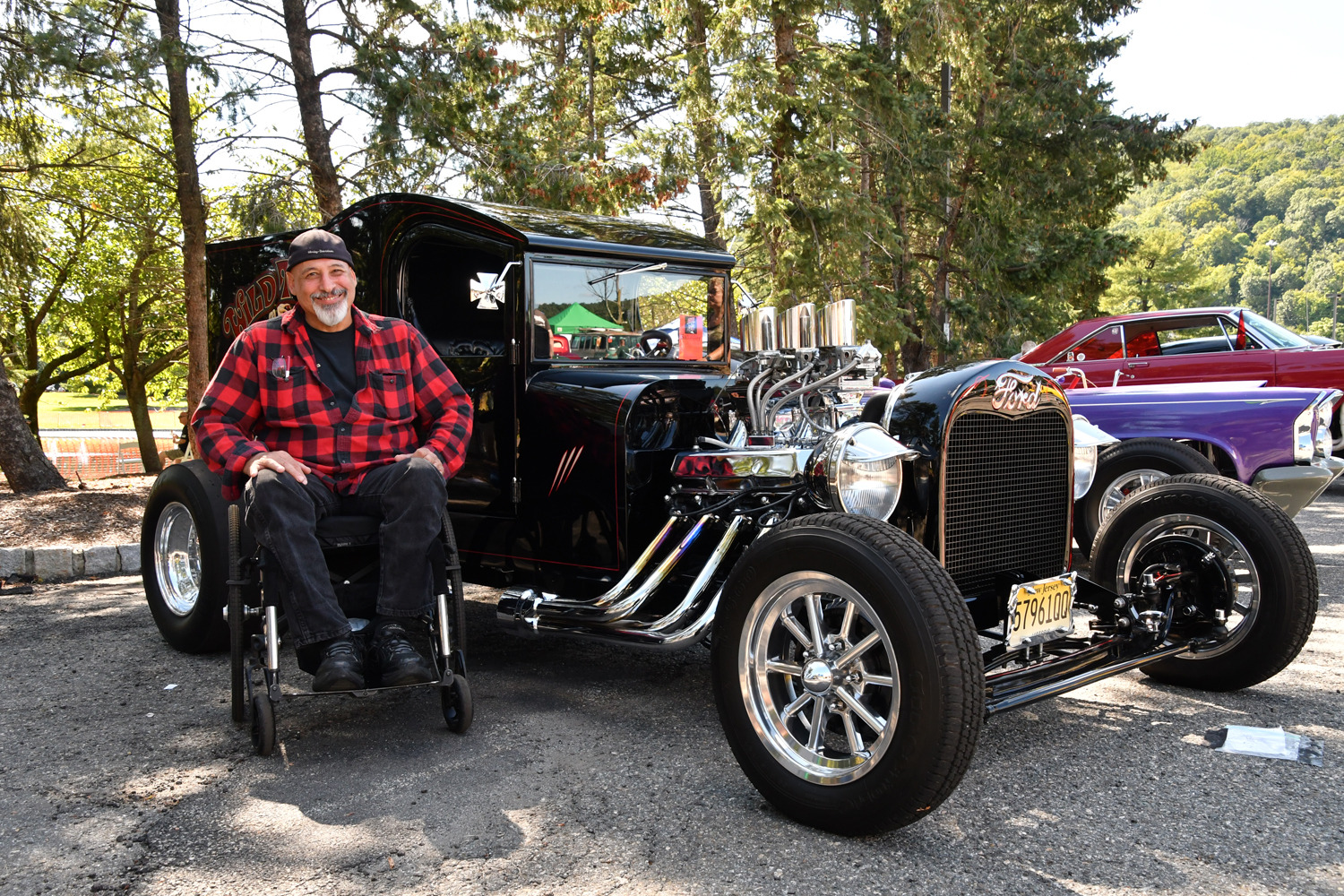

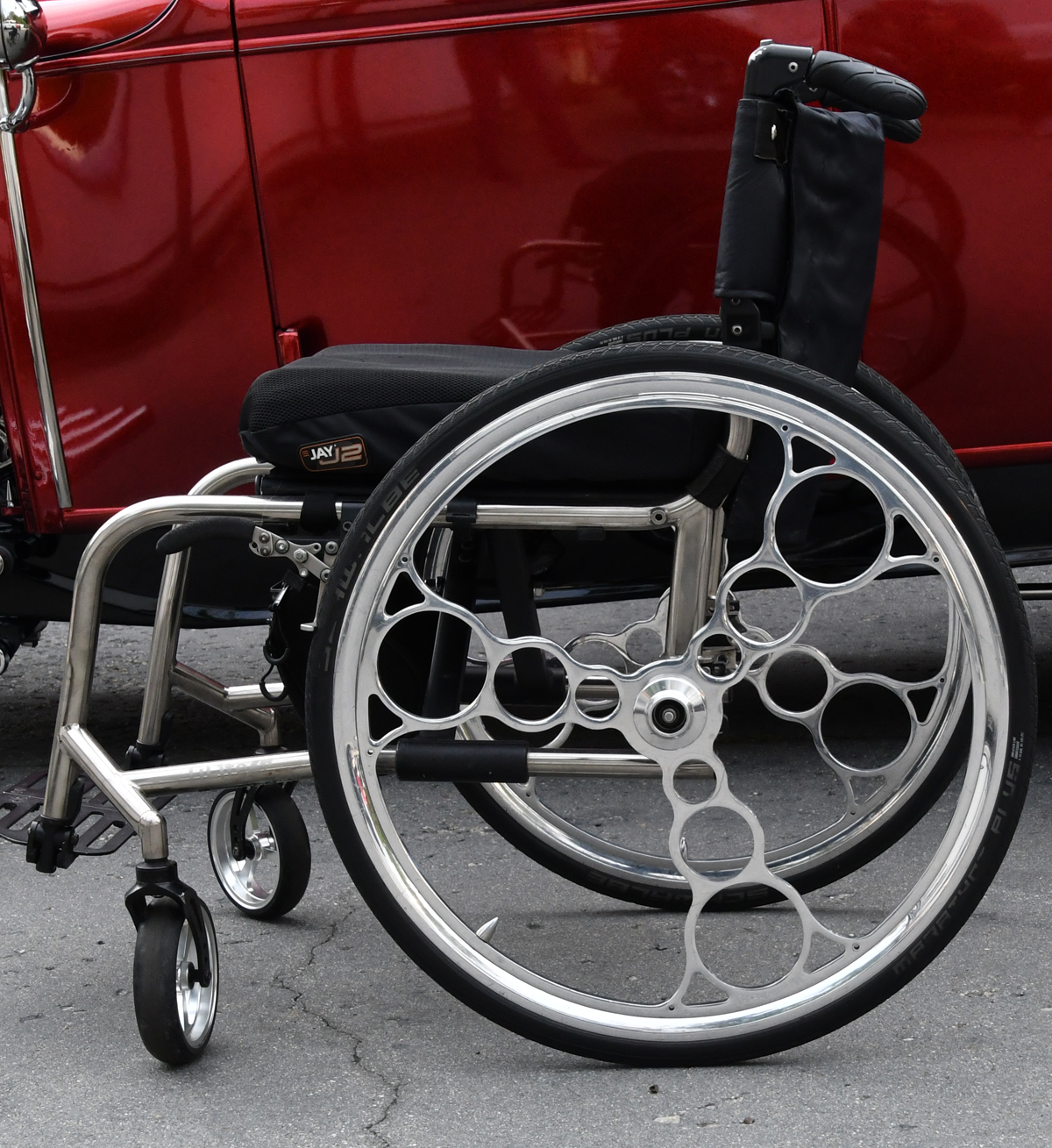
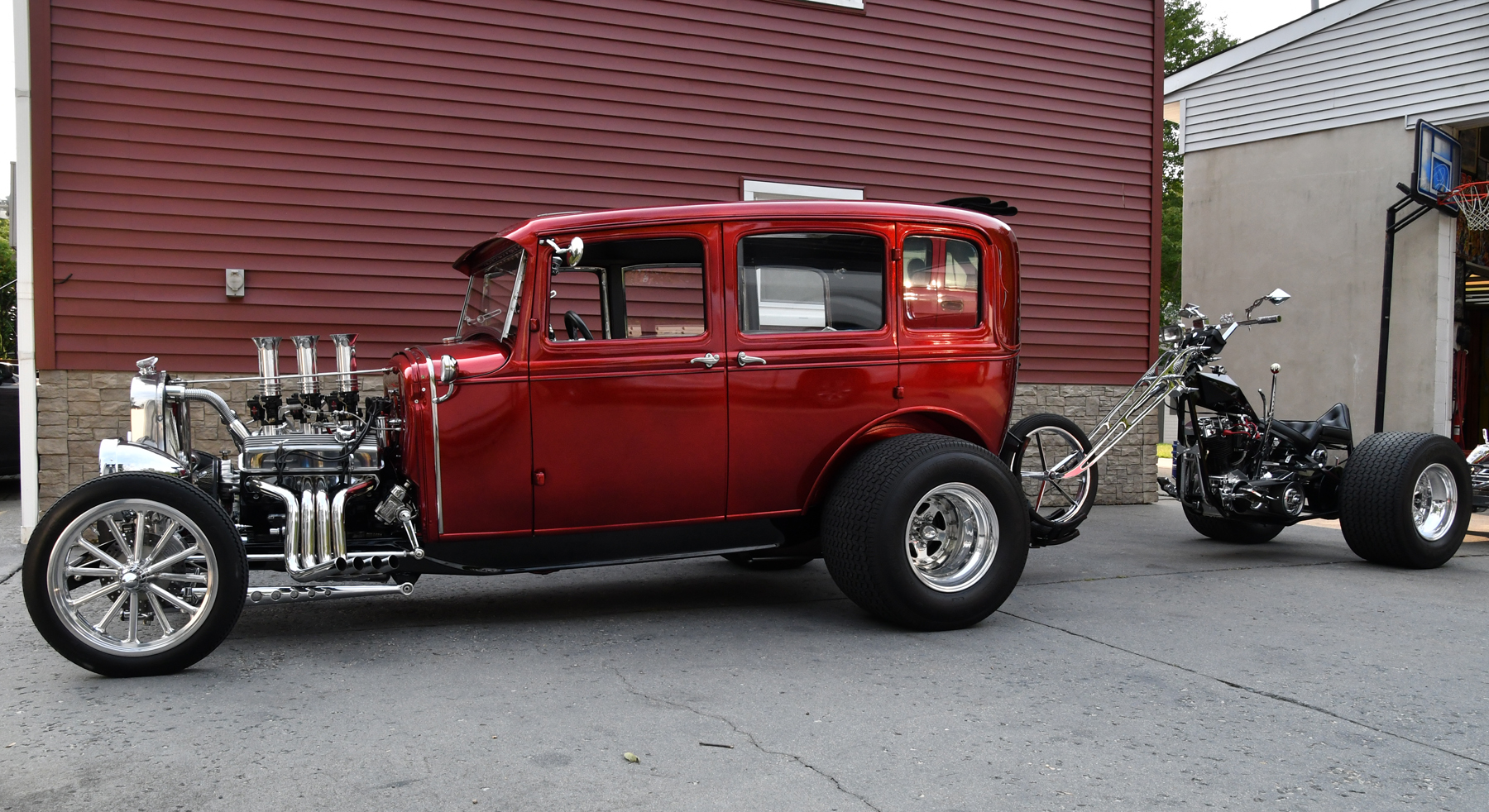
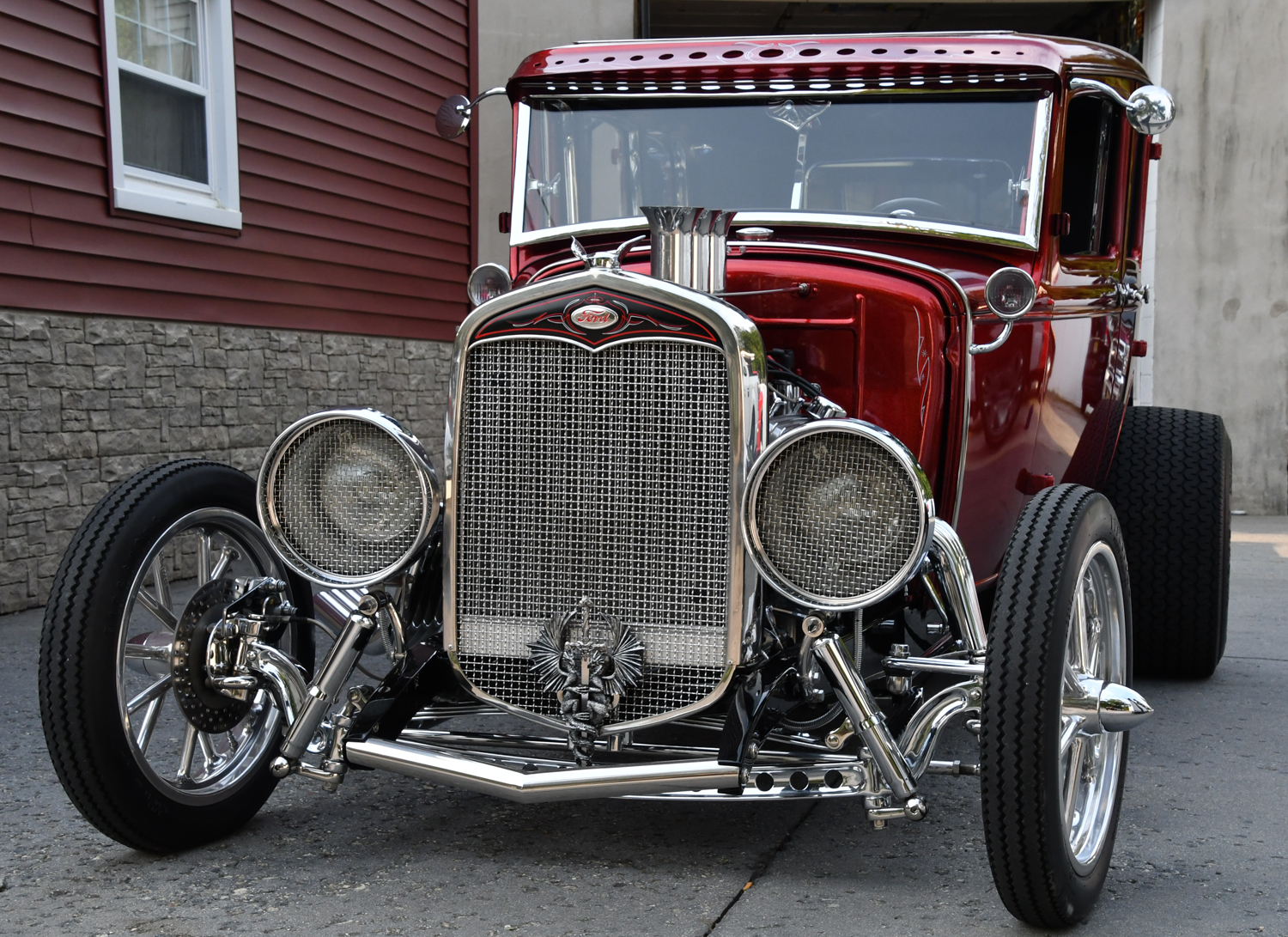
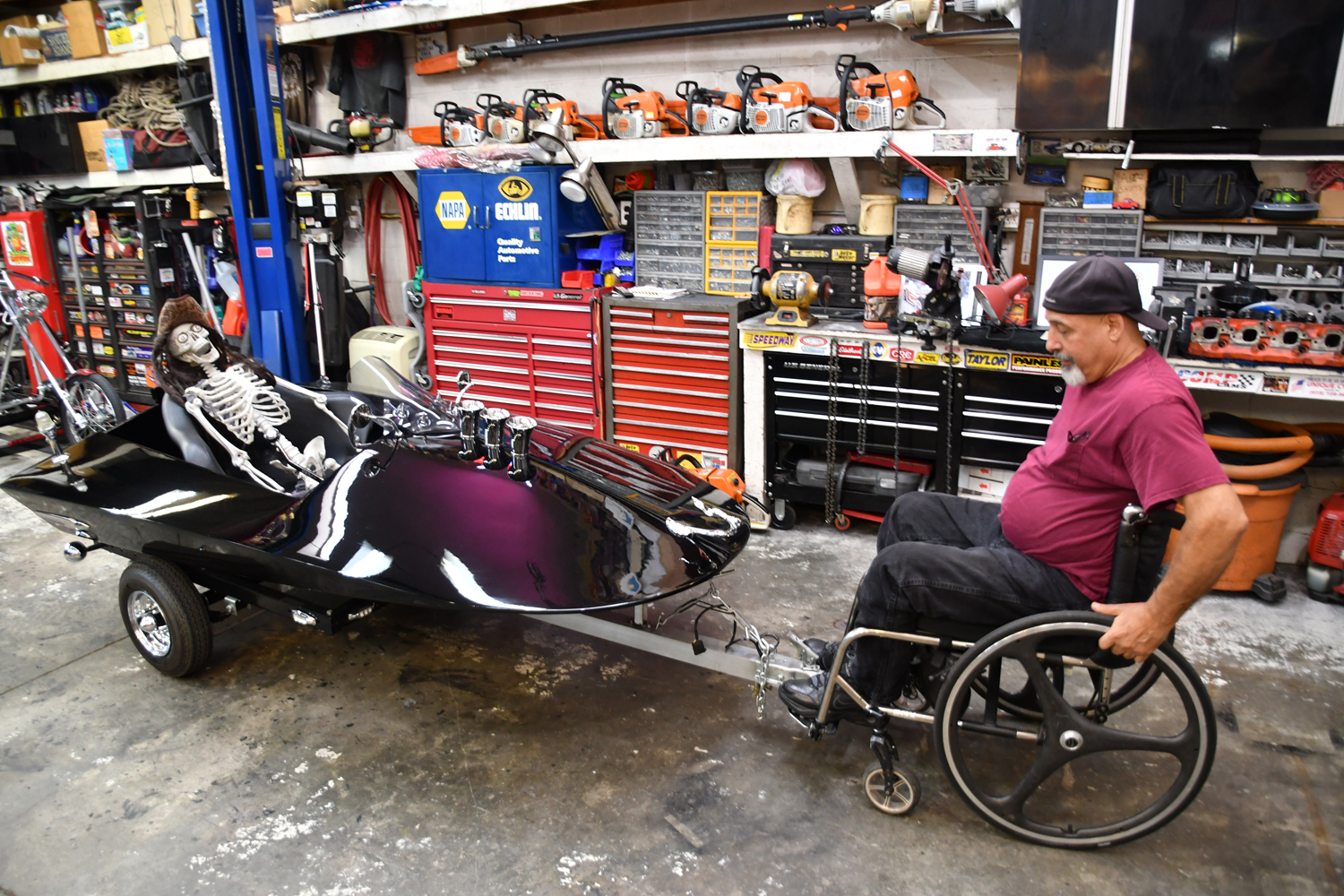
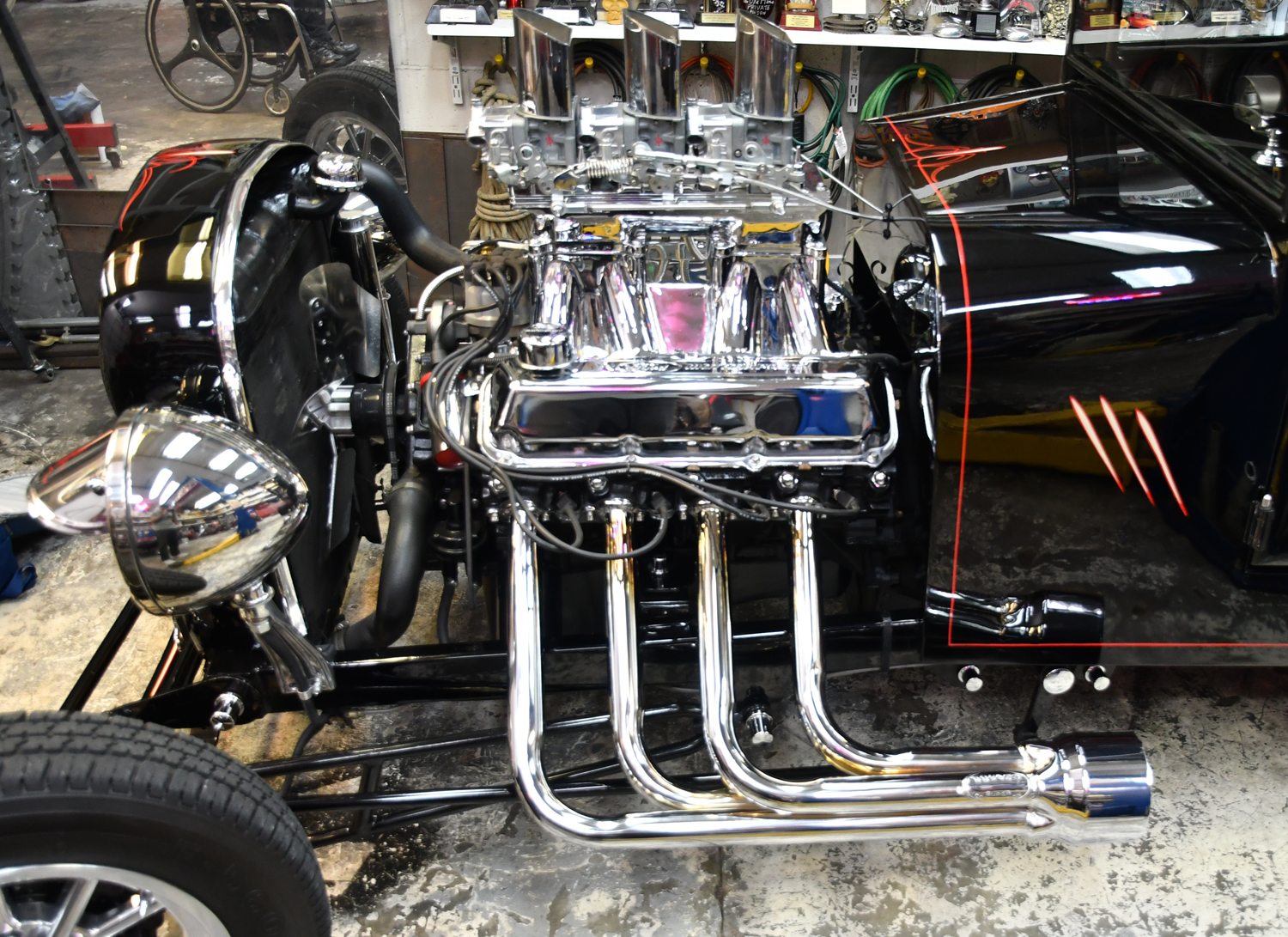 The big block 460 cu. in. V8 that came with the truck had side pipes. “Rory says, “I chopped them off because I couldn’t get in and out of the truck with my wheelchair.” Historically Rory always liked the gasser look with headers sporting a big bell on the end. Why not on the C-Cab he thought. He had the stripped down pipes, the flanges and the bell. Rory says, “It took me five hours to heat up and bend the contour and complete welding the pipes to the Bell, but it came out perfect. I sent it out for chroming. Once back I put some motorcycle baffles in it. And that was it.”