Blog

Conversations With People We Value #23

All Americans had been warned. No meaningful correspondence should be tossed into a hotel waste basket. Assume that your room has a listening device. Any private conversation should be held outdoors in the open square. These warnings were to be taken seriously when working behind the Iron Curtain during the cold war. So recalls Patty Moore a member of a unique team of exceptional design talent assembled by 20th Century industrial design icon Raymond Loewy. Talented and brash, the team faced the daunting challenge of creating a world car for the Soviet Union to market around the globe in the 1970s.

Though an American citizen, Mr. Loewy was French by birth and thus acceptable to the Soviets. However, the small team he assembled to create the design was 100% American.

For American and Soviet alike, pronounced egos and sharp elbows bruised at every turn. Conflicting creative styles and attitudes born of clashing ideologies destined the project to be equal parts car story and John le Carre novel.

In the early 1980s, I had been in contact with Mr. Loewy as well as members of his design team. I have taped interviews conducted in 1982 with design team members as well as what may be the only existing images of the concept car.

What follows is the birth story of the ill-fated Moskvitch XRL.

Raymond Loewy’s 1970s Soviet world car adventure

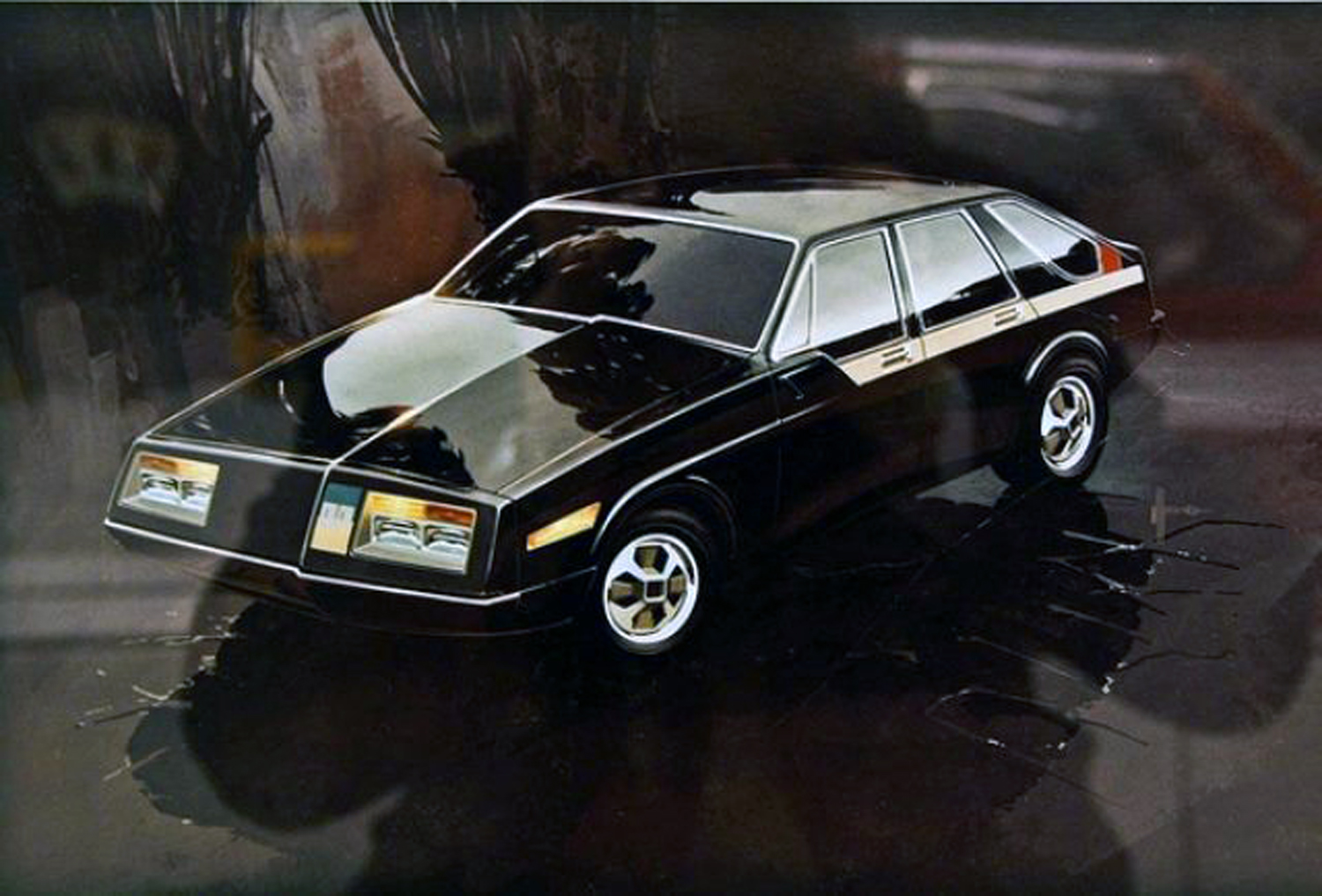
Initial version of Moskvitch XRL


For the Soviet Union in the 1970s, it was a bold undertaking. The Soviet plan called for producing a family sedan, the Moskvitch, to sell in the new car showrooms of the western economies. To pull it off they reached out beyond the Iron Curtain to a Frenchman by birth and a naturalized American citizen by choice. He would be the man bold enough to succeed. He was Raymond Loewy, father of industrial design, creator of the Avanti, Studebaker starlight coupe, Shell logo, modern Coca-Cola bottle and hundreds more cultural icons.

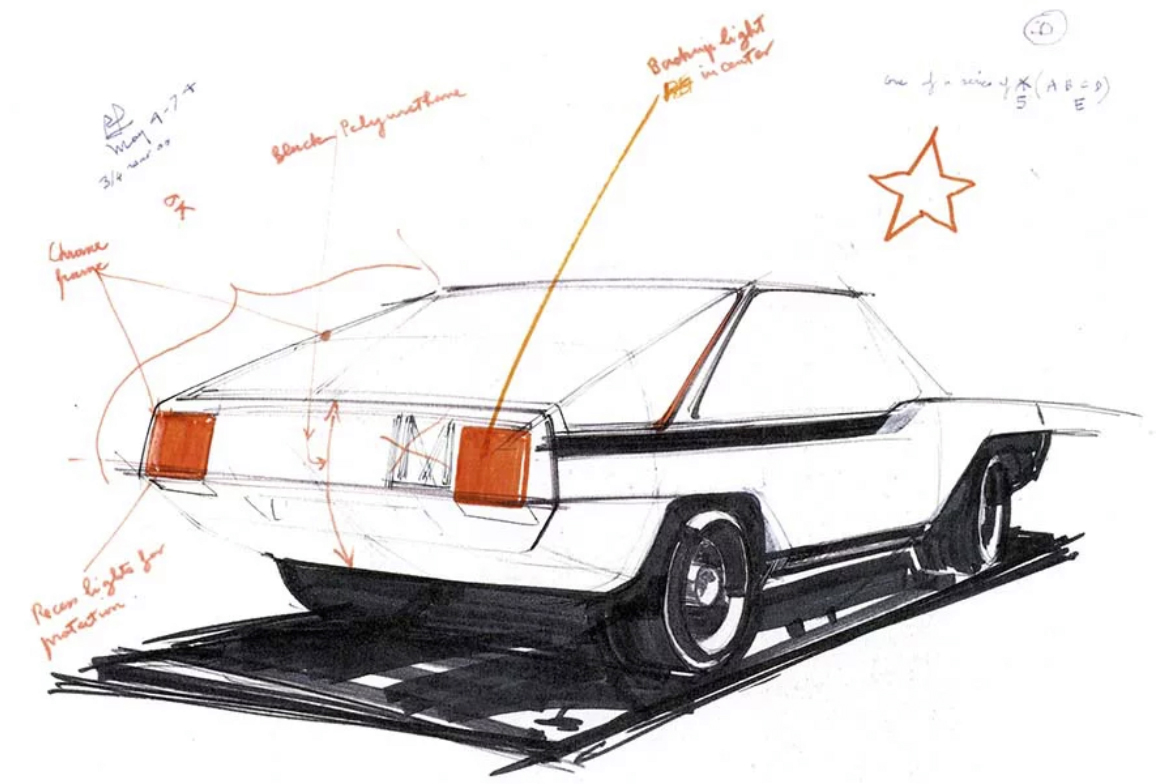
Early Moskvitch sketch

In this era of Nixon and Brezhnev, Détente was in bloom. This warming of relations coincided with a Soviet 5-year plan that emphasized aggressively marketing consumer goods to the West. The red stars had aligned to create a profound need for a serious upgrade of Soviet consumer product aesthetics.

Loewy anticipated the extraordinary opportunity. As the creative genius who fathered the field of industrial design, he enjoyed a good relationship with the Soviets that dated back to the early 60s. The Russians liked and respected Loewy. Loewy had cleverly positioned himself to achieve something no one had done before or would do again.

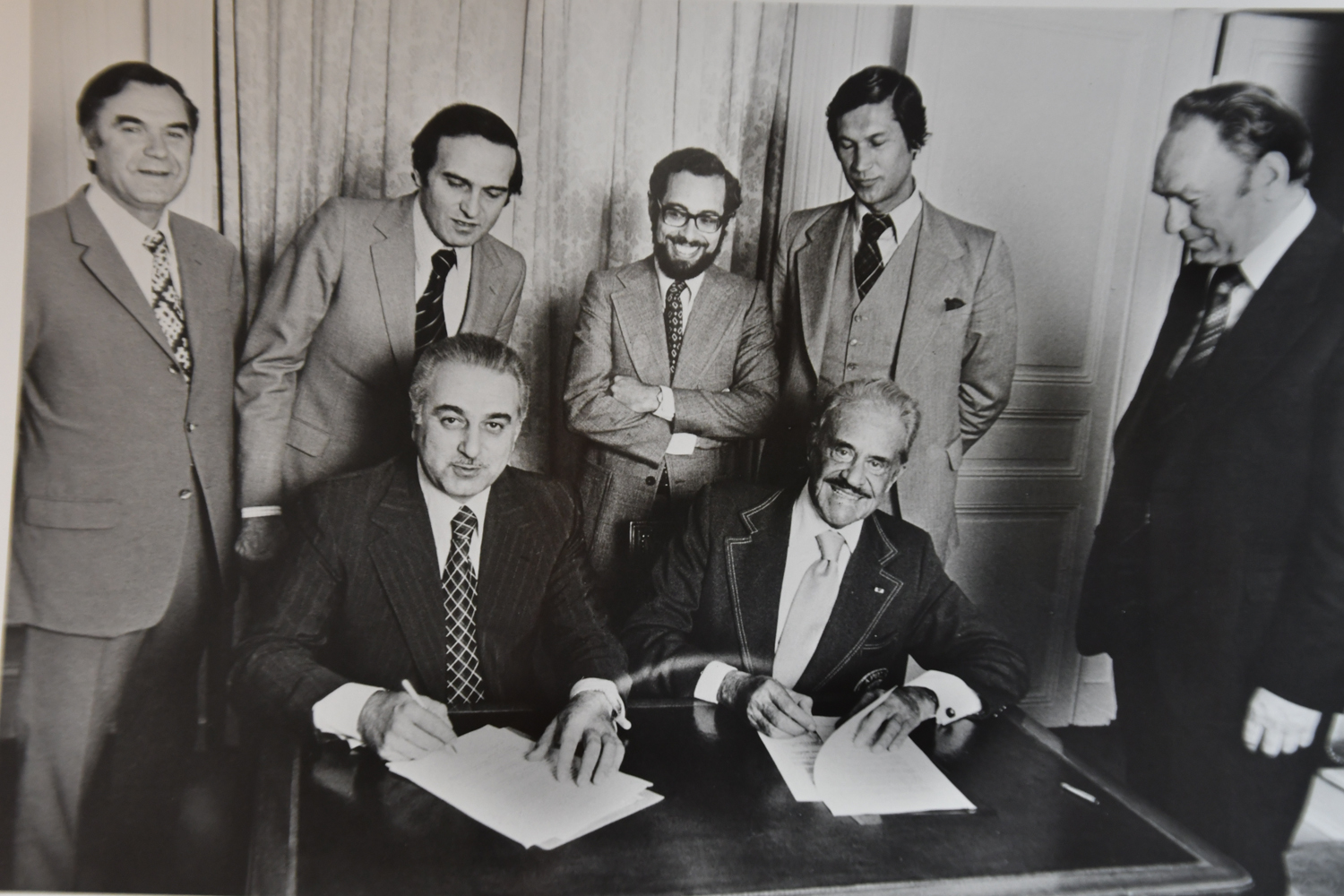
Signing of 5-year agreement with Dr. Jermen Gvishiani of VNIITE

In signing an historic design services contract with the Soviet Union, Loewy stands as the first and only person to direct a design exchange between an American company and the Soviet Union. In his own words Loewy called this design exchange, “the most important achievement of my long career.” In addition to the Moskvitch, the contract called for the design of a broad spectrum of products including clocks, cameras, motorcycles, hydrofoils and more.

1974 witnessed Loewy assemble a unique collection of gifted American designers in their 20s and early 30s to create the Soviet dream car, the Moskvitch XRL (X – experimental, R – Raymond, L – Loewy).

Team members included Patricia Moore, then in her early twenties, and responsible for the interior. Moore would go on to be named the Most Notable American Industrial Designers in the history of the field. And in 2000, was honored as one of The 100 Most Important Women in America.

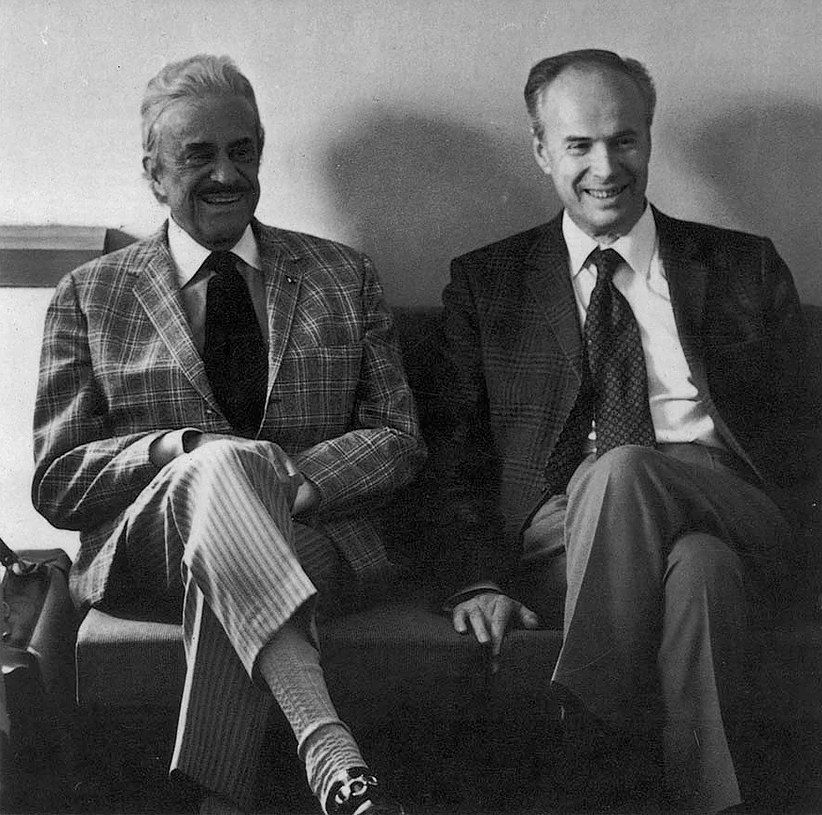
Raymond Loewy and Yuri Soloviev

Syd Mead served the team by creating contextual visualizations of the Moskvitch design. Mead would later become famous as a neo-futurist concept artist who visualized environments for science fiction films such as Alien, Tron and Blade Runner.

Though well respected by the Soviets, Loewy held no great admiration for their political system. Loewy’s impressions from his Soviet experiences where sharp and divided. He had great respect and admiration for many of the individuals and professionals with whom he dealt. Yuri Soloviev the Director of VNIITE (The Soviet All-Union Scientific Research Institute of Industrial Design) was one. However Loewy felt nothing but loathing and contempt for the communist system of governance. In a letter to partner William Snaith following Loewy’s first visit to the USSR in 1961, Loewy wrote, “In spite of the wonderful welcome, we returned more than ever convinced that communism is the greatest hoax in the history of the world. I cannot tell you the dreariness, the gloom of life under this system.”

Loewy after signing of 5-year agreement standing with iconic Avanti designed by Loewy

When worlds collide might best describe the cross cultural interactions between the two decidedly different cultures.

It evidenced itself dramatically when a young Patty Moore took a team of six visiting Soviet Project Managers and a Soviet psychologist on a walking tour of Manhattan. The Psychologist viewing the experience from a psycho-social basis was interested, intrigued excited by everything.

The Soviet engineers and scientists, however, displayed the attitude that the Soviet Union unquestionably stood superior to America. They clearly viewed America as the enemy and a competitor.

As the late afternoon sun lengthened shadows, the Russian Managers crossed Manhattan’s 5th Avenue. Like Darwin first touring the Galapagos, they faced a world both foreign and fascinating. They swam through waves of American culture swirling in the canyons of New York City. High heels, long legs, bell bottoms and bright colors. Late summer of 1975 greeted them. They had come to see the automobile that Raymond Loewy, iconic father of industrial design has created. They ended up getting much more than they ever could have dreamed.

During the walking tour the Soviet psychologist would frequently become excited and animated at the New York experience. His exuberance would be quickly and consistently squelched by senior officials sharing the tour. In Russian he would be directed to refrain from speaking in such positive terms.

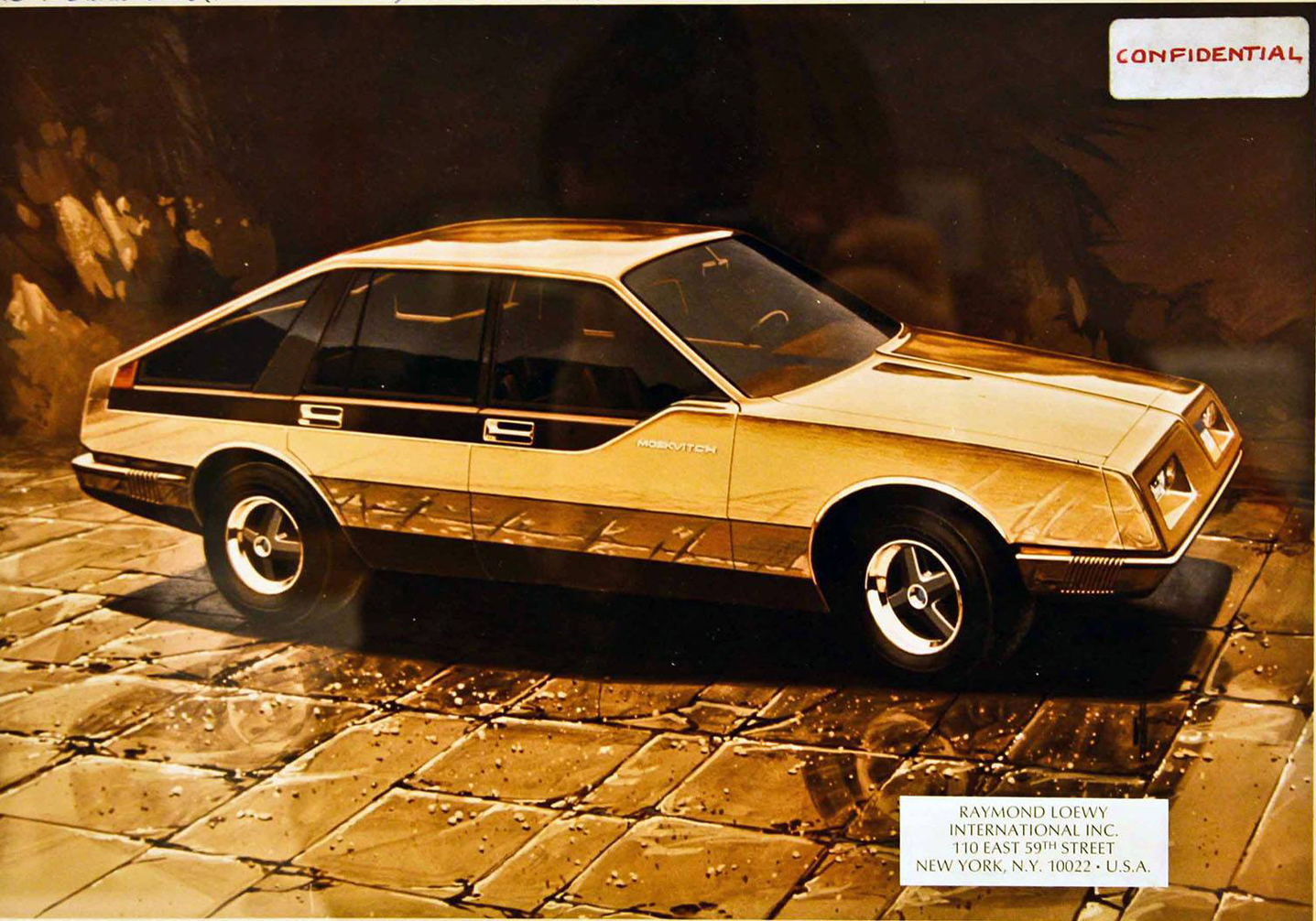
Final Version of Moskvitch XRL

American team members when visiting Moscow had significantly different but equally telling experiences. Never relaxed, team members would purposely leave important looking but useless documents in their hotel trash cans. Conversation outside of buildings enjoyed a significantly different flavor. Inside meeting rooms, positive comments highlighted deadlines being met and schedules moving according to plan. Conversations in open air parks revealed a totally different truth comprised of missed deadlines and poor follow-up. Still, under Loewy’s stern and sharp oversight the Moskvitch XRL concept itself moved on as promised.

Loewy, both confident in and adamant about his vision of the world car his team would create for the Soviets, envisioned the Moskvitch with wide tires and a wide body with flush wheels set out at the corners and a low beltline with a forward slanted body silhouette. However, having provided that direction he said, “Let’s see what the kids have on their mind when given leeway.” Those “kids” were his highly talented team of youthful American designers in their 20s and early 30s all who would speak  deferentially of Mr. Loewy throughout their lives.

Loewy, with steely conviction, directed the final concept accented by a color pallet featuring gold and a signature sharp slash at the “A” pillar. Loewy envisioned the driver’s seating position as a cockpit, executed in darker richer leather. In his mind the driver’s seat would be a throne superior to the other seating positions.

While delivery of the completed Moskvitch XRL concept received a warm welcome from the approving Soviets, it coincided with a perfect storm whose winds blew no good for the future of Loewy’s concept.

Moskvitch XRL Interior

As Loewy noted in a discussion of Soviet manufacturing capabilities, “In nucleonics, rocketry, steel plants, and heavy machinery, they do outstanding things. Consumer goods on the contrary are terrible, only fit for a captive market.”

Stated simply, the Soviets did not presently possess the ability to build Loewy’s design. The Loewy team had designed a dream for the Soviets which they were incapable of making. At the same time a new Soviet 5-year plan with a reduced emphasis on foreign markets now held sway. Loewy’s Moskvitch XRL would not be built.

Loewy’s greatest professional achievement proved to be his final professional achievement. Financial problems had surfaced with maintaining such a large operation on multiple continents. By 1977 Raymond Loewy International had filed for bankruptcy.

In retirement Raymond Loewy and his wife Viola moved to France where they continued to live an active life where all was art. Raymond Loewy died in 1986 at the age of 92.

After Loewy’s death two of his former associates wrote in the New York Times saying, “Raymond Loewy altered the look of American life by bringing his streamlined style to nearly every aspect of our lives.”

Loewy at the age of 82 boldly sought to do the same for the Soviet Union. While his designs for the Soviets did not make it to the marketplace, Loewy profoundly advanced the field of industrial design in the Soviet Union by introducing a new language of design and fresh insight into the importance of user-friendly solutions.

By |2021-06-17T10:42:52+00:00June 17th, 2021|10 Comments

Conversations With People We Value #22

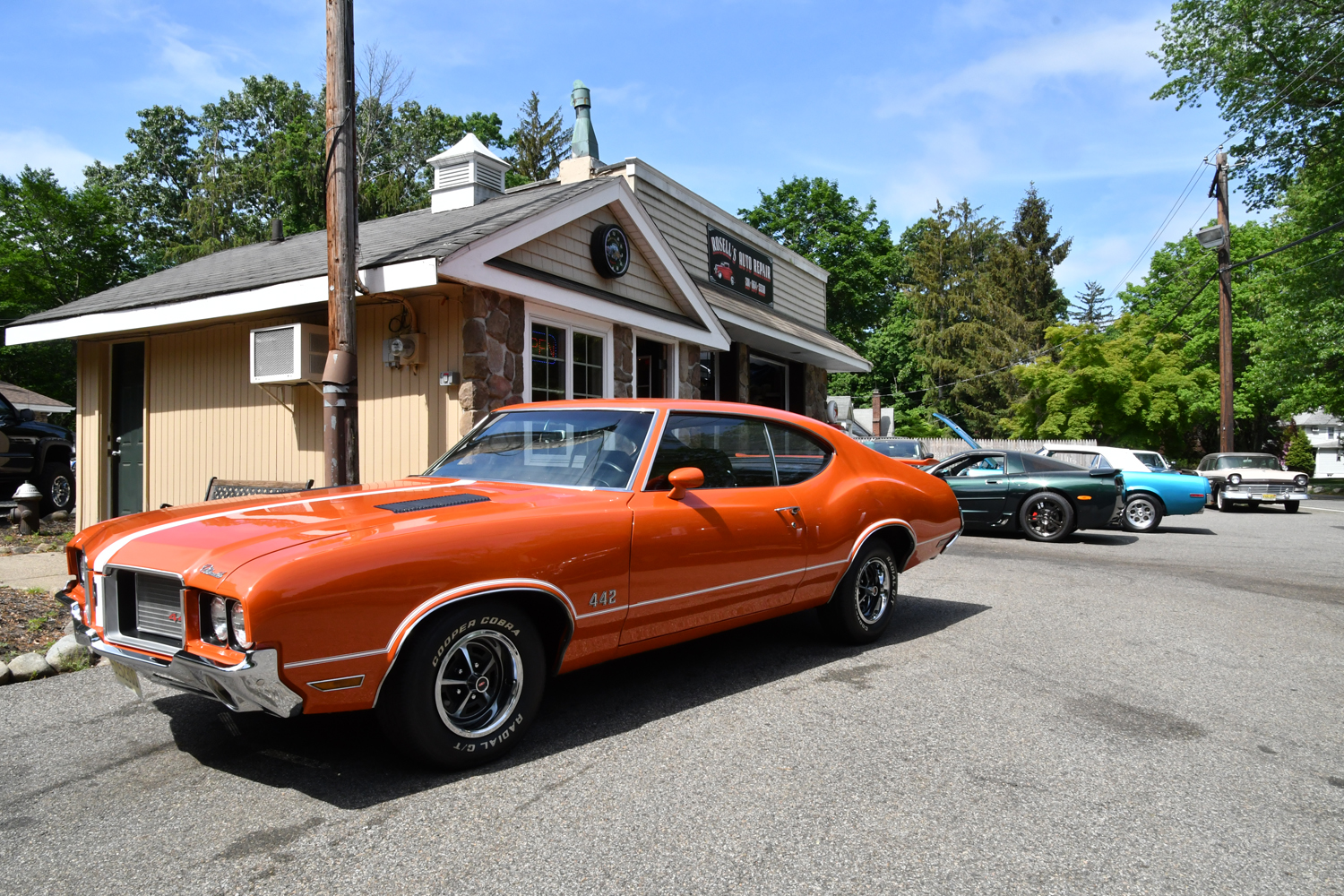
For decades Rosell’s Auto Repair has been a Muscle Car eye candy treat that snapped you to attention, compelled you to slow and maybe linger a little too long as you digested the visual feast, and only then, to move on. The small neat structure sporting two bays housed in an immaculately maintained shop, sits on neatly groomed grounds populated by an ever changing eclectic assemblage of really interesting special interest automobiles. Solid examples of rust prone mid-fifties Detroit iron, such as 1957 Fords and Forward Look Plymouths often grace the grounds as do hot rods, tweaked Model Ts, Mopar muscle, Corvettes, 442s and Pontiacs, lots of Pontiacs. The owner is a classic as well, he is as genuine a New Jersey product as Taylor Pork Roll and Bruce Springsteen. Meet Al Rosell.

90 GTOs, 30 Corvettes and counting


If there can be a middle of nowhere in Northern New Jersey, Rosell’S Auto Repair can be found in it. Like a collectible car oasis situated in a wooded sprawl of forest and fine homes, Al Rosell’s four acres of automotive finery, years ago, served this once rural area as an off the beaten path, back road Citgo Service station. To this day no other commercial property exists for a mile at least in any direction.

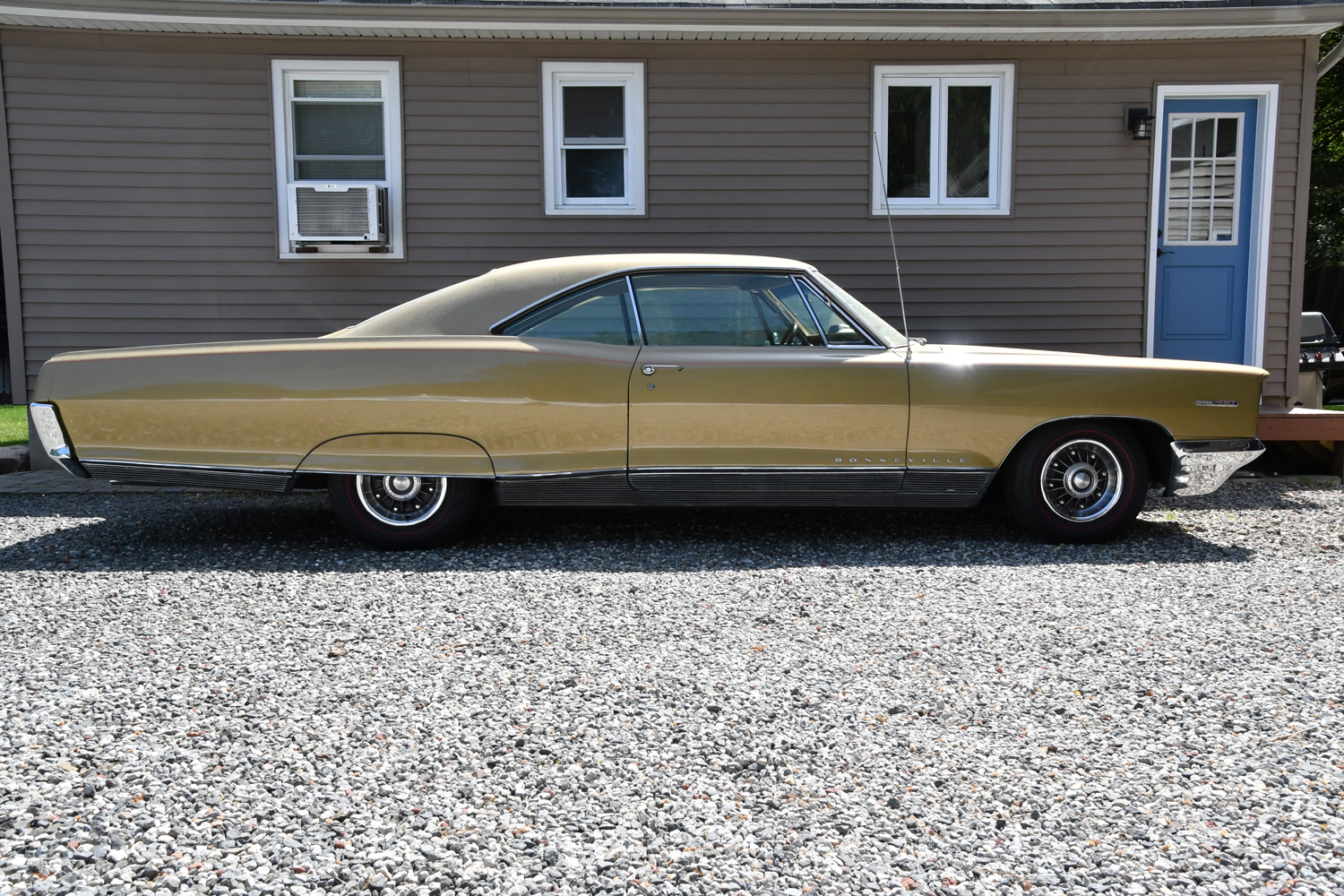
Raised in Westwood, New Jersey, Al harbors a real passion for Pontiacs. It all began at the age of eleven in 1974 when his sister’s boyfriend, now husband, blew the engine in his 1965 GTO and parked the dead Pontiac in Al’s family driveway where it sat all summer. Throughout that summer young Al could be found sitting in that GTO for hours at a time stoking the fires for his future Pontiac passion.

At the age of sixteen Al bought the first of his 90 (and counting) GTOs, a 1966 hardtop with no drive train. He swapped in a Chevy V8 by himself with sufficient expertise that he enjoyed driving that car for a year until someone offered to buy it for twice what Al had in the car. Sold! In that same year young Al started pumping gas at a local service station. Within a few months the skilled beyond his years teenager had been taken inside to apply his considerable talents to ever increasingly demanding projects. A few years passed and Al moved on to a repair shop with higher level challenges including electrical trouble shooting, air conditioning and some custom work. With a few more years of experience under his belt, Al knew the time had come to go out and run his own shop. 1n 1996 Al purchased the little back woods Citgo station in River Vale, New Jersey. While having  high hopes Al had no idea of the bright future in store for the little gas station as a classic car Mecca.

Given the opportunity to buy all four acres surrounding the station, Al jumped at the chance. He knew this would afford his business the opportunity to grow. Grow it did, but never to where it lost the appeal and high octane charm of Al’s small “can do” performance boutique dedicated to delivering a very personal and consummately professional experience.

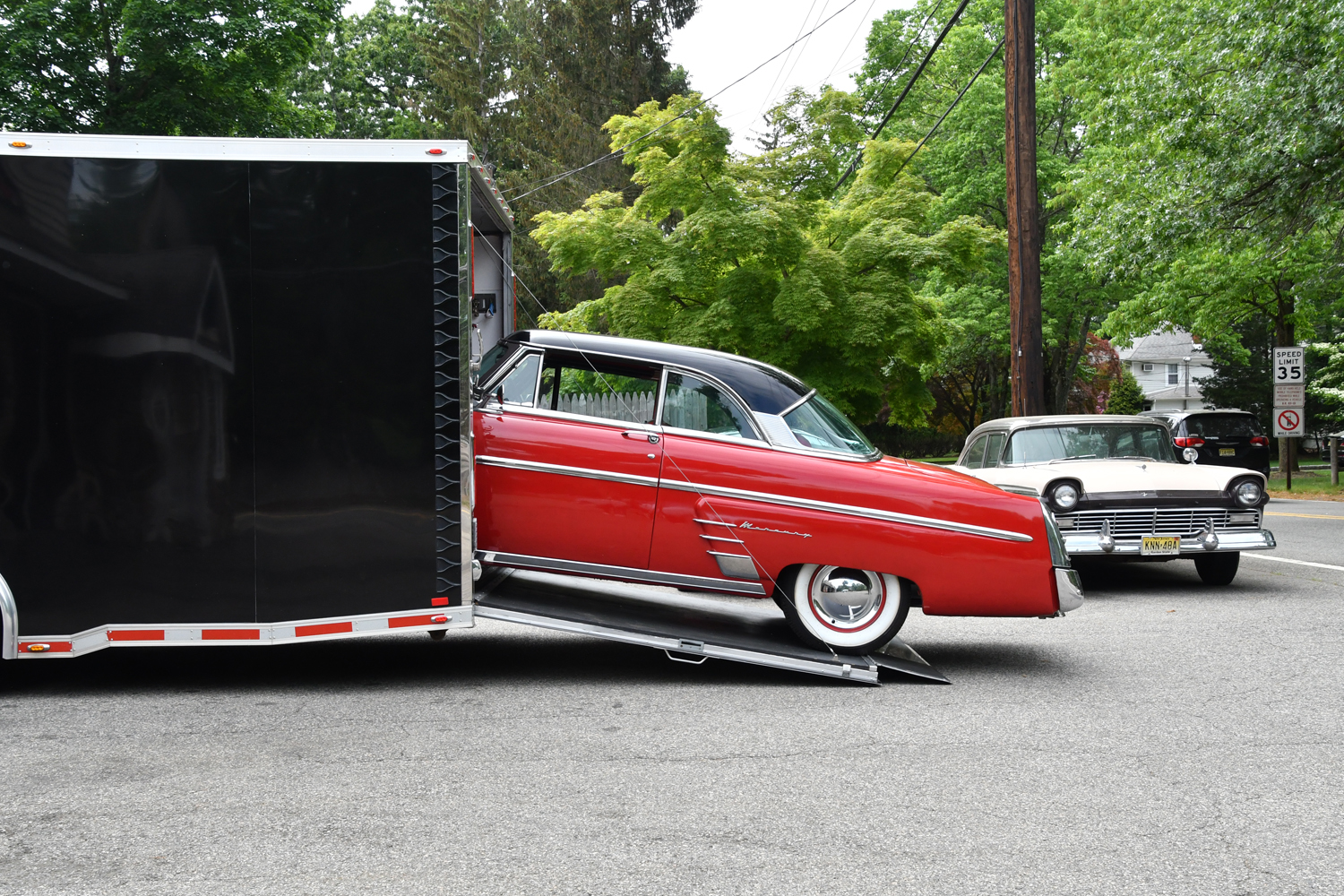
Brokered car off to buyer

Rarely if ever caught without a lit Marlboro wedged between index and middle fingers, 58-year old Al, now a seasoned and gifted classic car technician and shop owner, moves through work areas cleaner than most kitchens with the poise of a relaxed predator scouting for a target. In Al’s case he stands ready to contribute to the efforts of his two expert mechanics Greg Martino and Scott Jodzio.

Al’s approach to business has earned him the respect of the classic car community as both a skilled resource and an honest partner in advocating for what he sees as the proper course of action even if it means turning the job down.

Al notes that less and less of his shop’s clientele involves the traditional everyday work associated with keeping the family vehicle running. With his reputation for skill and ease with conquering high performance and vintage vehicle challenges, the working lifts in his bays most of the time serve a second purpose as classic car display pedestals.

“We do everything except body and paint”,” says Al. Rosell’s Auto Repair eagerly accepts power train and chassis challenges. Al says, “We do new engines, great motors for speed, a wide range of conversions, suspension upgrades, disc brake work, all of that kind of stuff. We also do interior work.” In describing his favorite work Al says, “I love doing engines. We will pull an engine, rebuild it, dyno tune it, detail it and if the customer wants, we incorporate chrome touches to whatever degree desired. When finished, that engine stands out as a work of art that can smoke the tires through all the gears.”
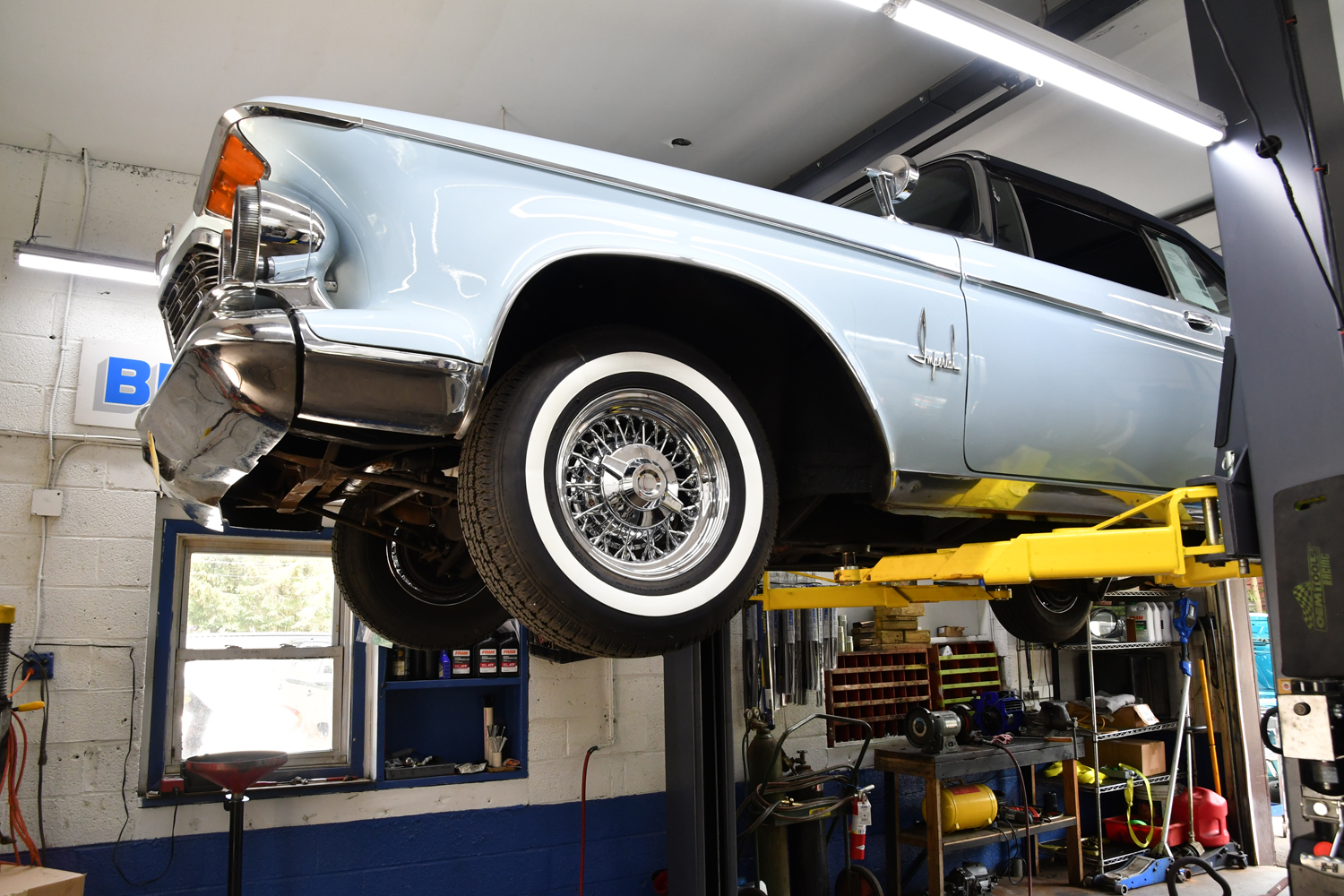
In observing the state of the performance shop industry, Al bemoans the relentless disappearance of the machine shops, true auto parts stores with knowledgeable staff and the expert craftsmen that reside at the heart of custom performance solutions. Al says, “These guys are the very soul of the business. I am watching their numbers melt away without any replacements.” He also notes that the really good auto parts stores are disappearing. He says, “There is no money in it. Nobody has bearings pressed on and off anymore doing U-joints and such.”

1965 Bonneville 421 cu. in. tri-power 4-speed

In recent years Al has expanded his services to address the desire of classic car owners to separate themselves from the sale of their vehicles.

Al  says, “I have found myself selling more and more collectible cars for people.” Unlike earlier times when car guys bought and sold their cars, a new generation of owners don’t want to be troubled. They have the money to buy what they want. When they grow tired of it they want somebody else to deal with the inconvenience of its disposal.  Al says, “People with money come in expressing an interest in having me assume the process of selling their classic car. The reasons are always the same. ‘I don’t want people in my house. I don’t want to deal with scheduling. I don’t want to negotiate.” For Al it offers a double benefit. He brokers the deal and becomes the “Go To” guy who people come to rely on when they look for their next collectible car. Al says, “It’s like an annuity. Some people develop a pattern of short term fascination with a classic car and then quickly tire of it. I can benefit on both ends of that romance.”

One significant trend that Al has observed over the last few years is the ascendance of the restomod as a preferred choice by many enthusiasts versus the traditional classic car with its original equipment.
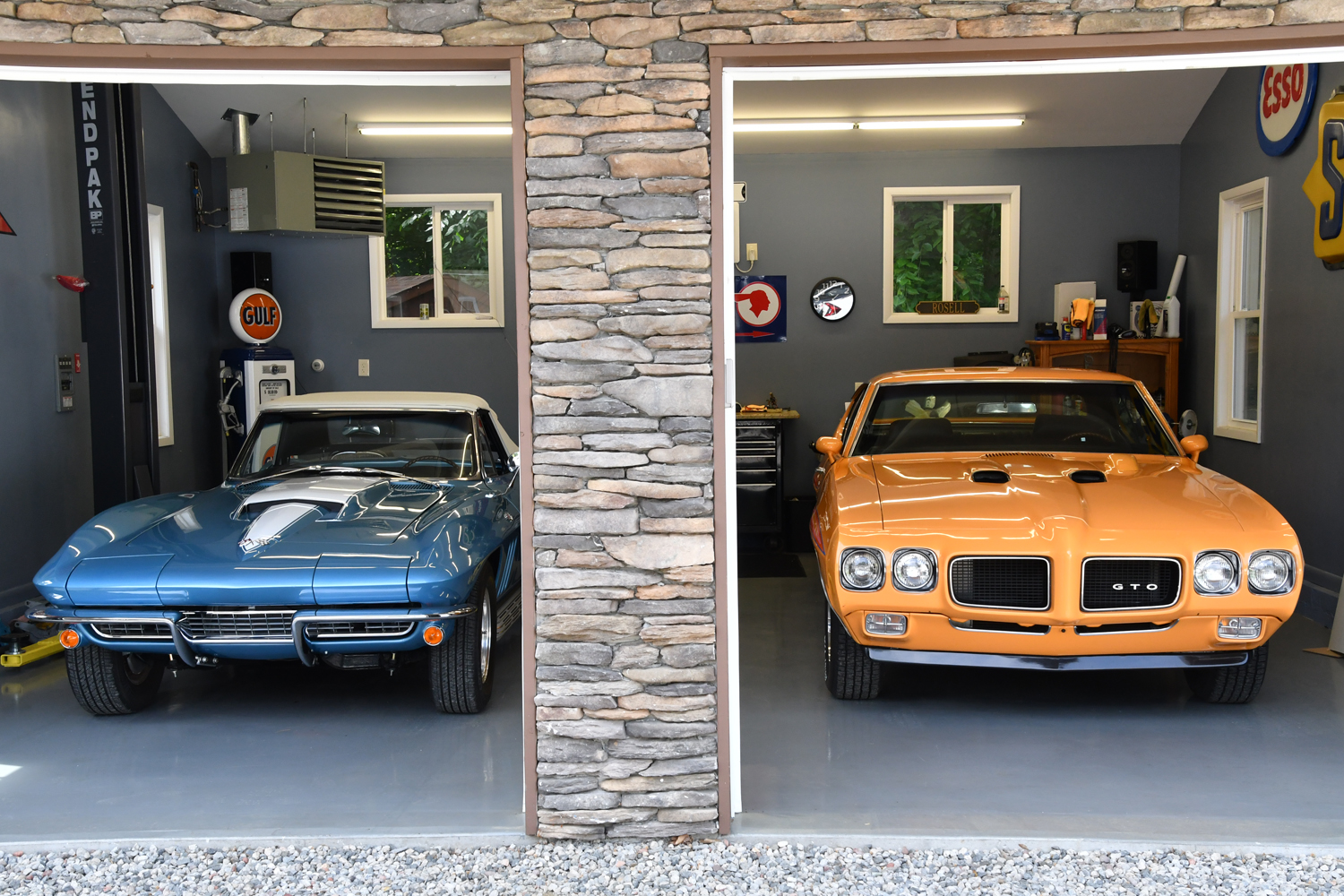
Pointing to a nice mid-sixties Corvette Al says, “If you took this car and put an LS motor in it, it would increase its value by $50,000. More and more that is what the new generation buyer wants today.” Many, now in the market, instead of seeking originality want reliability, handling, comfort and air conditioning. Al says, “They don’t want the old stuff. People are different today. They want all the creature comforts of their new car, but the look of the old. The demand is there.”  When asked when the market changed  Al indicates that the change in priories became evident about five years ago.

When asked about interesting cars that came out of his shop, Al recalls a 1930 Model A. He ripped out the original drive train and replaced it with a Ford Pinto four-cylinder motor with a C4 transmission. He used the same rear, put in an adapter kit and got rid of the torque tube. Al says, “Car’s phenomenal 90 horsepower versus 40, electronic ignition. Thing runs beautiful.”

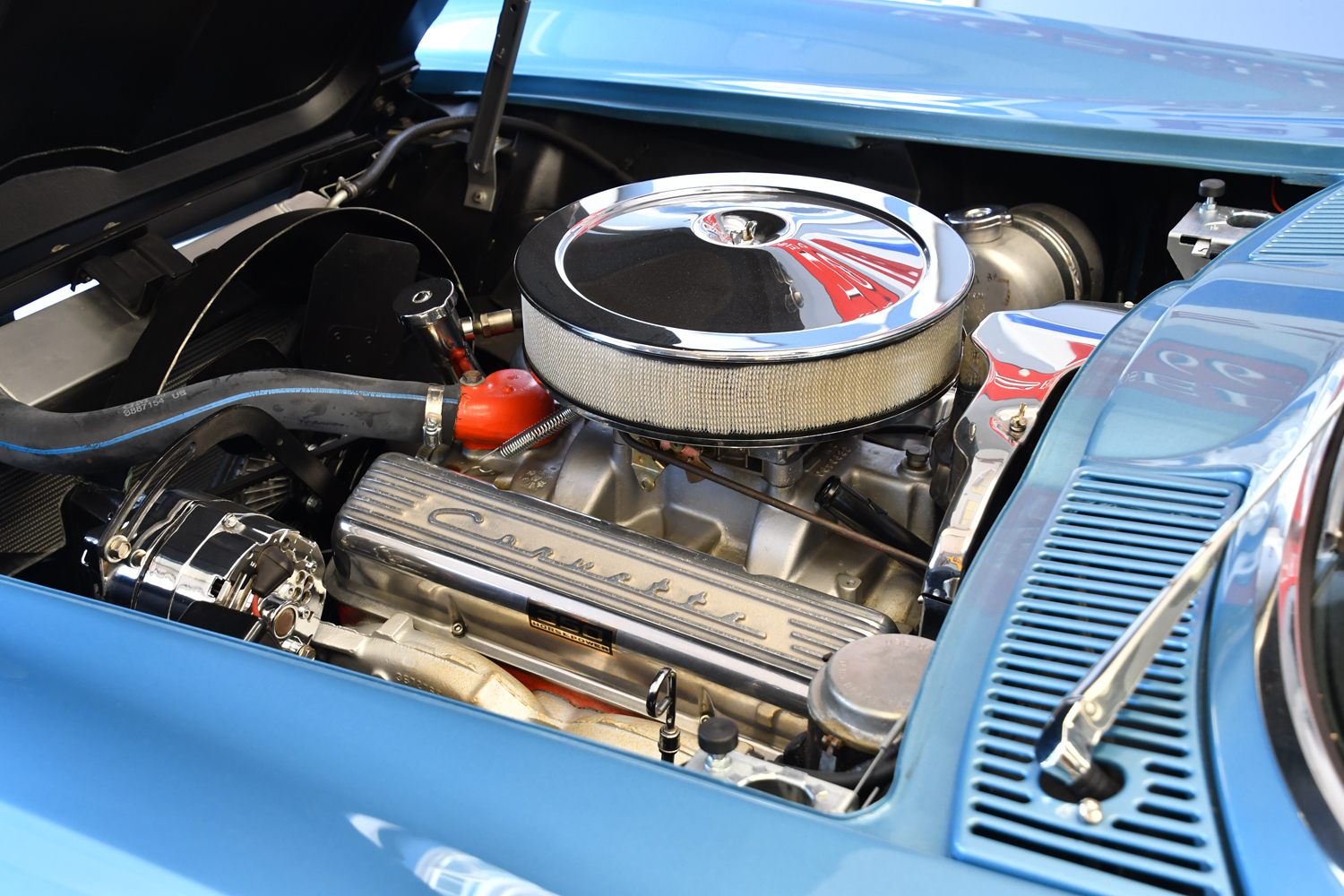
Two very interesting cars reside in a special place in Al’s heart. In 2015 an older gentleman approached Al describing a 1966 Corvette that had been in his garage since a bad accident in 1971. Al saw the car. It rested under a deep shroud of dust. Al bought it. He did a complete frame-off restoration. Al says,  “Every piece of the car is new except the antenna and the grill. “The  Nassau Blue beauty sits proudly in Al’s personal two-bay garage he built on his 4 acres. The other bay holds the subject of a love lost and found.
In 1996 Al bought a 1970 Orbit Orange Pontiac GTO Judge. He then sold it to a friend who had it for fifteen years. It was sold again with the next owner keeping it for 7 years. When it went up for sale again Al bought it back. Since he first sold the car, the two subsequent owners had driven the car a total of two times. Of his 90 GTOs the Orbit Orange Judge ranks at the top.

In reflecting on his years running Rosell’s Auto Repair, Al displays a balanced perspective. He says, “I have a great group here. I love my business. I even still have 30% of my hair.”

By |2021-06-03T11:11:11+00:00June 3rd, 2021|8 Comments

Conversations With people We Value #21

Nowadays conversations about things that have traditionally mattered to those having the discussion often deteriorate into a bemoaning of the unchecked disappearance of the topic of interest in question. Whether products displaying exceptional craftsmanship or the skilled craftspeople possessing the ability to produce the superior product, both seem to live in the crosshairs of a culture fast losing its appreciation for hand crafted excellence.

In the face of such a perceived depressing trend, a rare feel good story came out of the pandemic that featured a world-class company renowned for producing premium trade show displays.

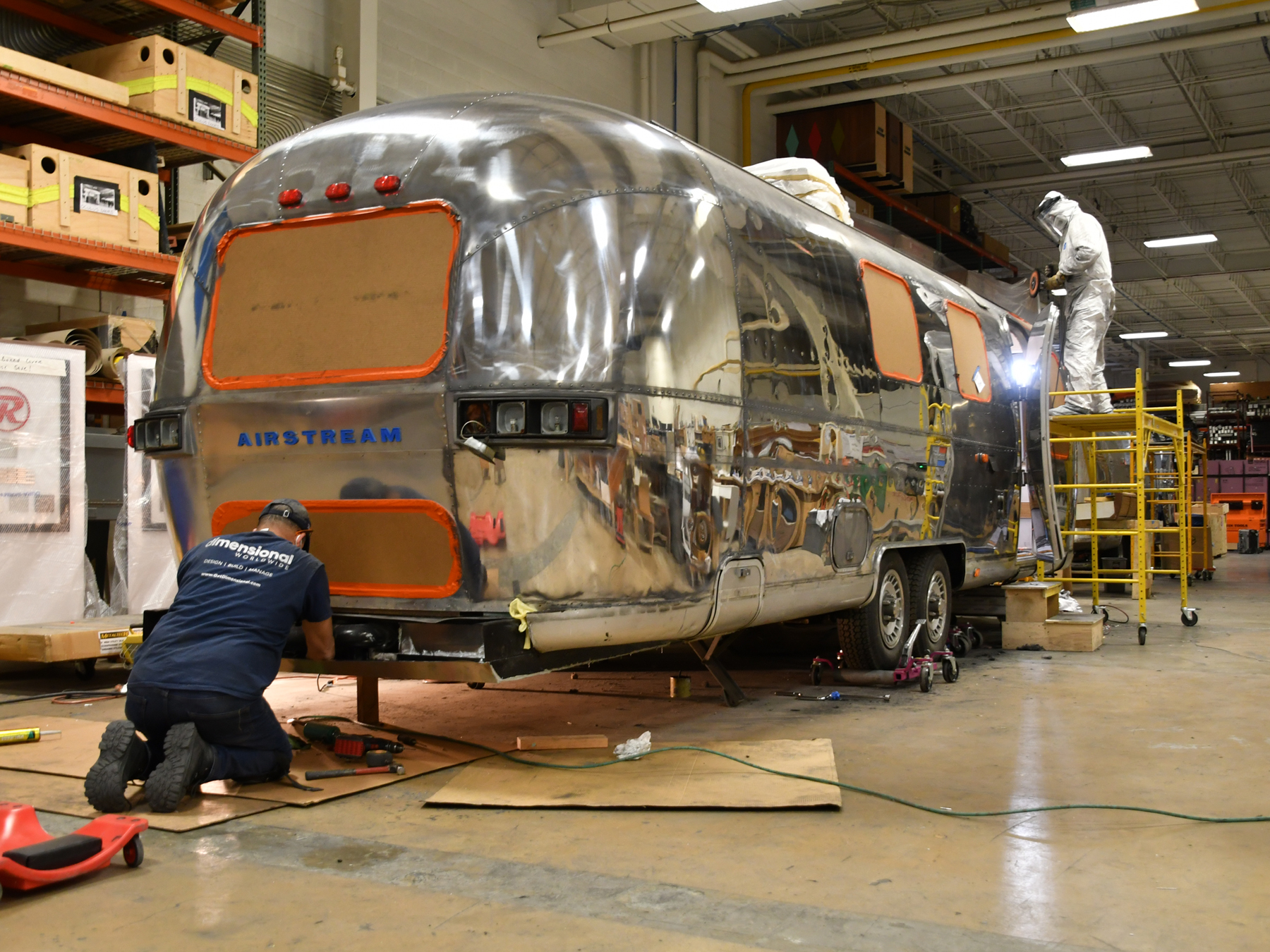
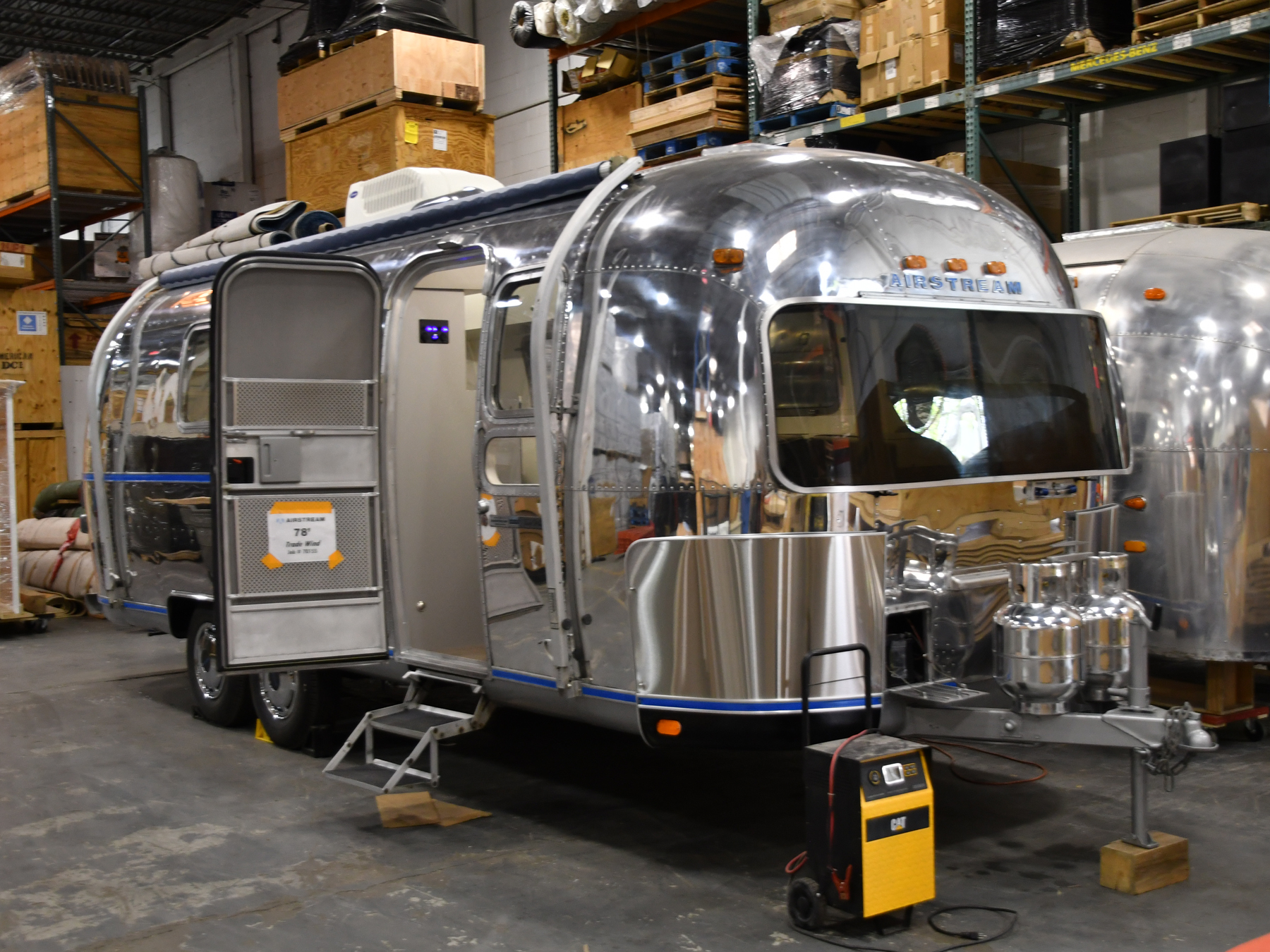
Though suffering a considerable loss of work from Covid-19 cancellations, the business, with a belief in better times returning, turned its attention to ensuring that it retained its staff of highly skilled craftsmen. With great hope for a better future when the world would return to normal, they allowed their imagination to stray way outside the box. Their brainstorming gave birth to an inspired plan to keep their highly respected craftsmen working, preserve a part of iconic Americana and possibly creating a new market opportunity. They would turn their craftsmen loose on restoring and updating vintage Airstream trailers.

Meet Dimensional Worldwide.

An inspired venture to preserve American craftsmanship and vintage Airstream trailers


Unbeknownst to all involved, the actual seminal moment for the vintage Airstream venture came when Dimensional Worldwide executive Lee Martindell asked Company President Doug Fixell if, during the Covid downturn, he could employ the company’s presently underutilized stable of skilled craftsman to rebuild his personal 1959 Airstream trailer. Martindell says, with the great skills our guys have, there was no reason our guys could not do the whole thing.” Fixell agreed saying that hours would be logged and Martindell would be billed. The agreement poised to unleash a torrent of talented carpenters, cabinet makers, metal workers, electricians. painters and printers on Martindell’s 1959 Airstream.

In recognizing the potential of this suddenly activated high quality Airstream restoration juggernaut, Martindell’s imagination took a leap. He approached fellow company executive Karen Samnick with one of those “this may be crazy but, what do you think” blue sky thoughts.

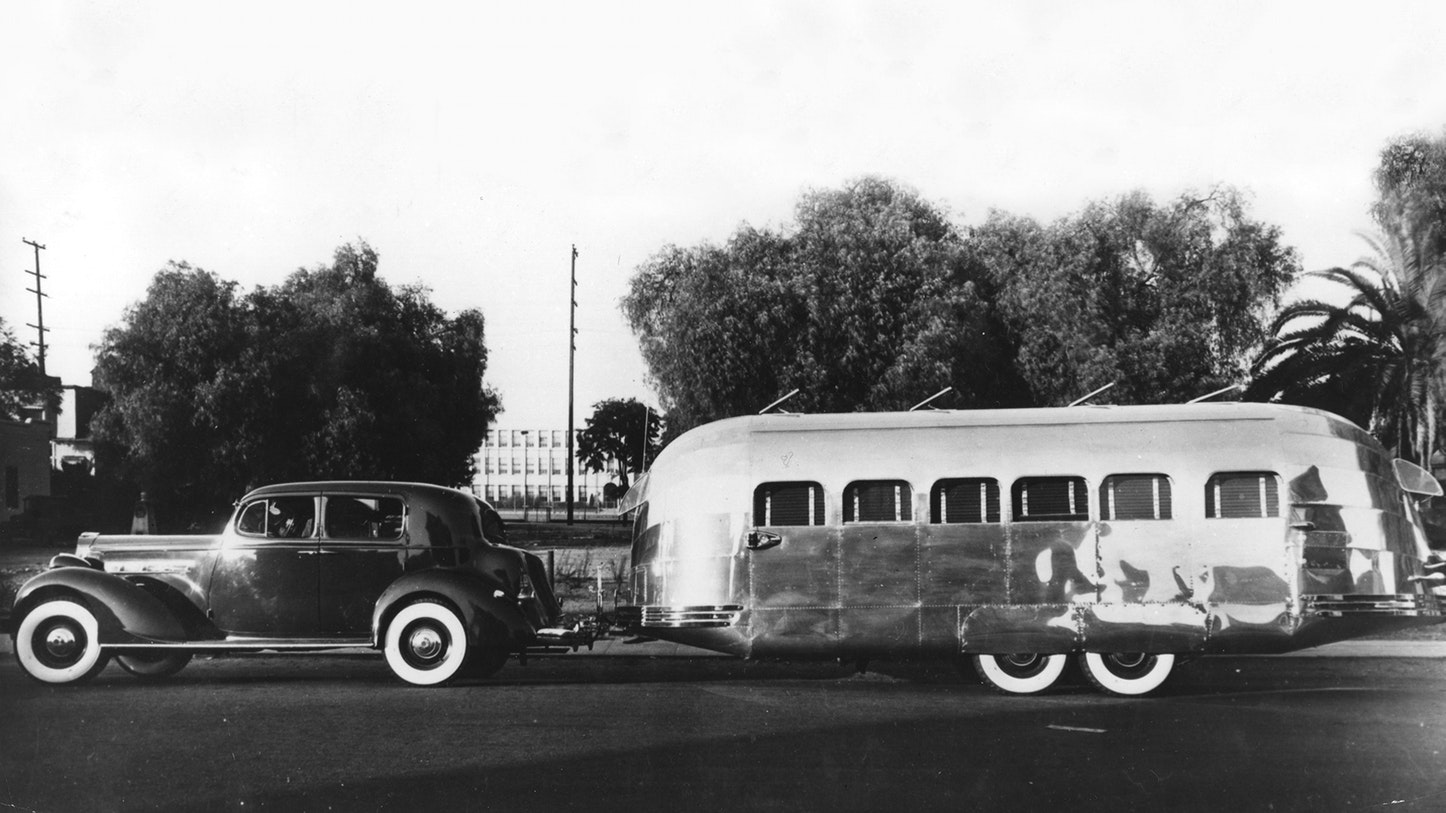
1936 Airstream trailer

Historically the original brainchild of Oregon native Wally Byam, Airstream trailers always had a following dating back to Airstream’s beginnings in 1931. They originated with a DIY Popular Mechanics article written by Byam on how to build the trailer. Soon people asked him to build the trailer for them. Airstream as a business came to life.

Since the beginning, Airstreams have earned an extraordinary reputation for longevity built on the quality of their materials and construction. Byam’s design focused on function with aerodynamics and low weight being critical design objectives. Airstream’s signature steel frame featured a riveted aircraft quality aluminum hard shell ensuring Byam achieved his desired superior strength and light weight.

Martindell suggested to Karen, “What if we went down the rabbit hole and restored vintage Airstreams as a business?” Initially aghast, Samnick’s says, her first thought was, “We are going to search for and work on trailers that have had more mice in them than people in the last, you know, decade or two?.”

However, Samnick quickly warmed to the idea as Airstream owner Martindell’s deep affection for Airstream trailers and the associated culture of quality and commitment that surrounds them took hold of her imagination. Samnick says, “So I am listening to Lee tell the story of why people like these trailers and what this world of Airstream people is really like. Then, the next day we are going to a meeting out in Montauk. We pass an RV trailer park, and there’s literally a bazillion Airstream trailers. I do a little quick research and find that you can’t even get a reservation. It’s all booked.”. That was enough for Samnick. She was sold on the idea.

With Karen on board Martindell pitched it to President Fixell. Without hesitation Fixell’s replied, “Great let’s do it.”

However, Martindell and his team quickly realized that the search for a solid east coast trailer would closely parallel the search for a solid vintage car not riddled with damage and deterioration. That said, the Airstream aluminum body represented a significant plus.

While being very particular in the quality of the trailers selected, success was realized with three being purchased. (1968, 1975, 1978)

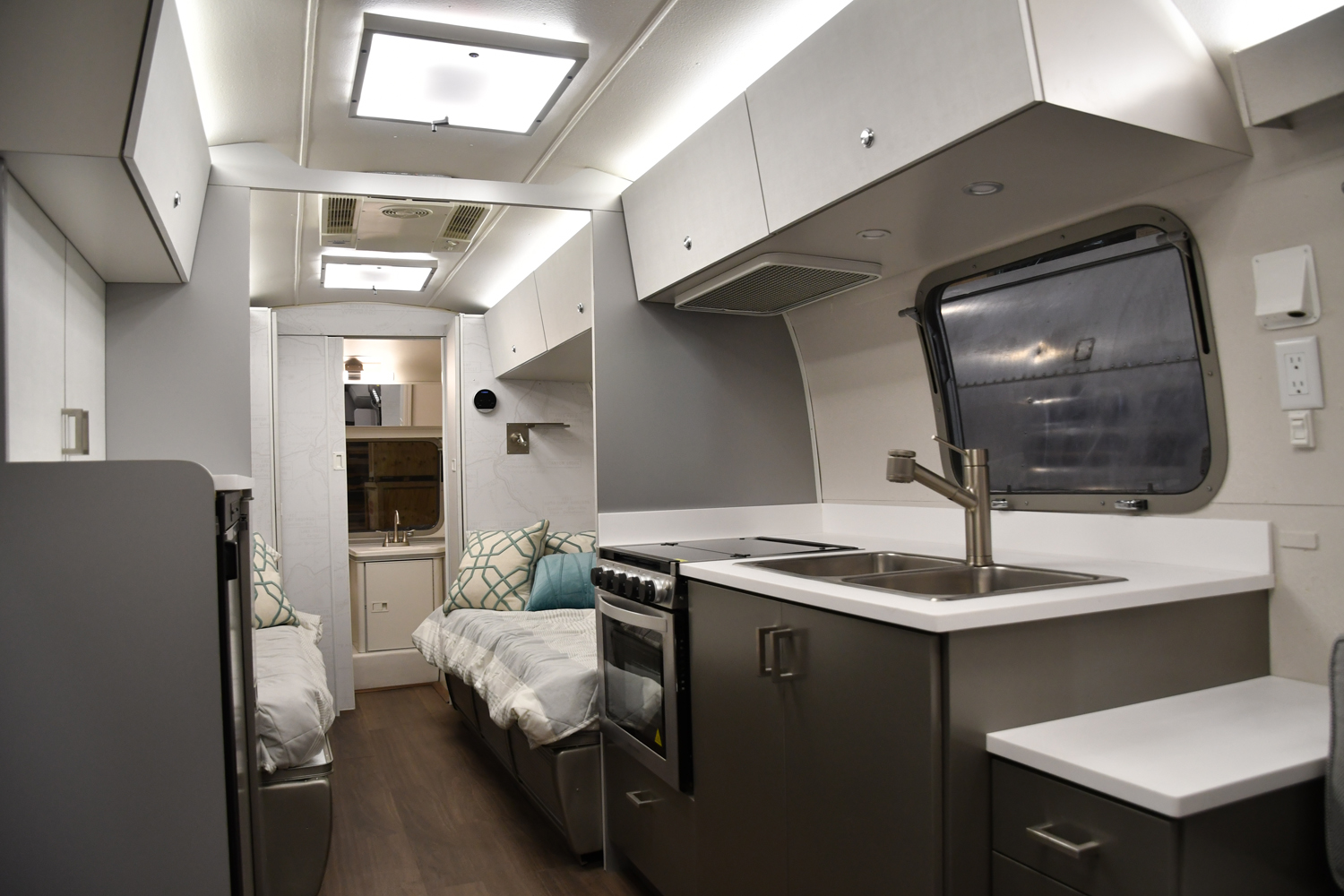
At this point President Fixell had an epiphany. Fixell realized that it did not make sense for Dimensional to sell the trailers. They needed to establish a brand. They needed to create an entity dedicated to marketing and selling the restored Airstreams. Thus, Rivet Custom LLC came to life as the home of high quality restored vintage Airstream trailers.

As the Rivet vision morphed into reality the wisdom of its creation quickly displayed itself.

Martindell says, “We knew that even with no work in the shop or on the horizon, these guys were so talented, so special, that if we laid them off we were not getting them back. Not only are they skilled craftsman but, they are also really good people. The kind of quality individuals you want as the foundation of your organization.”

Fitzroy Hutchinson

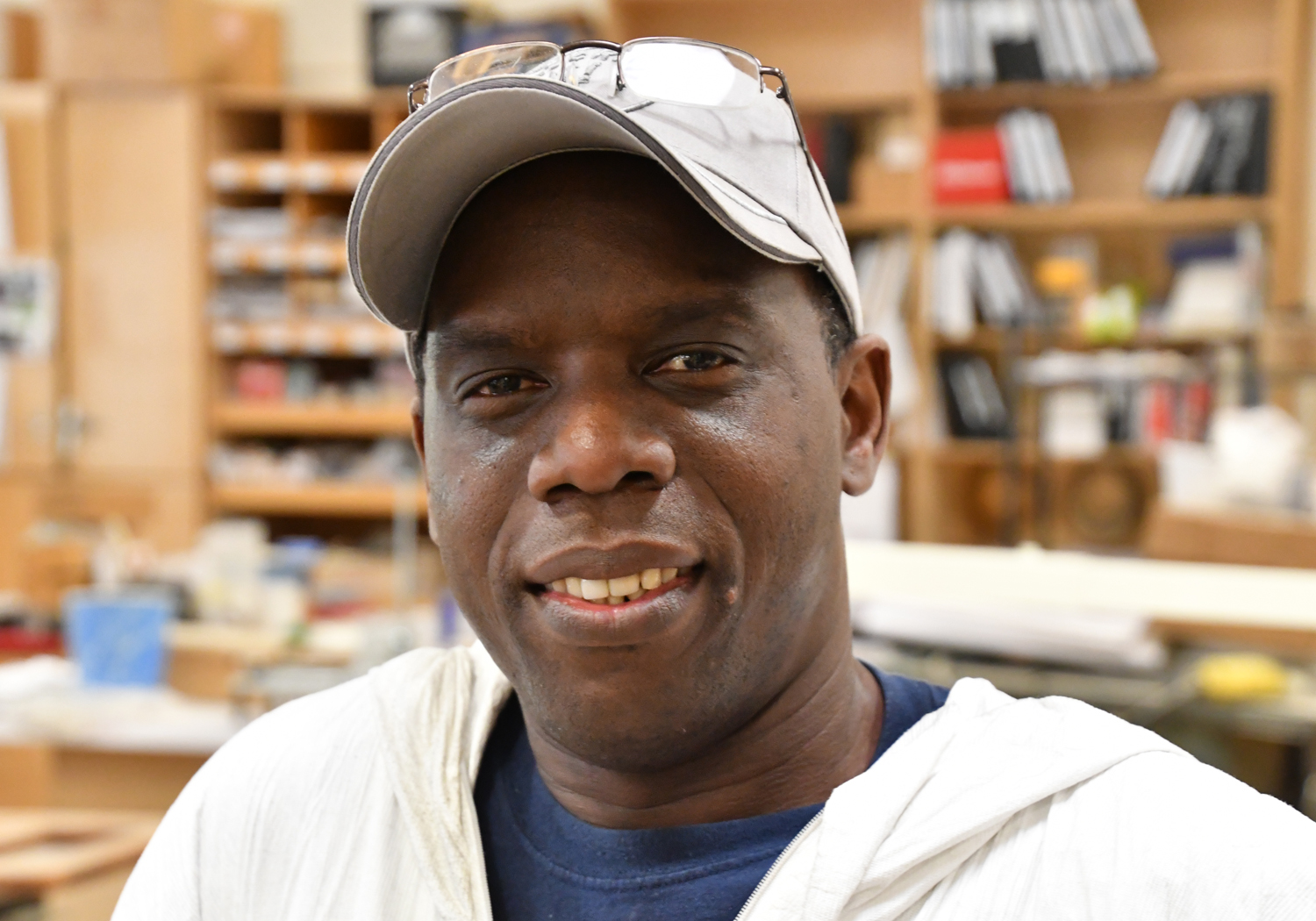
Craftsman Fitzroy Hutchinson says, “ With the Covid lockdown we were all scared that we would lose our jobs.” Hutchinson’s last employer closed for good in 2009 when the economy took a nose dive. Hutchinson had worked there for 17 years. Being laid off deeply concerned all of the Dimensional staff.

Plant manager and super skilled craftsman Jerry Cardillo says, “As to Lee’s crazy Airstream plan, needless to say it excited the guys to have an alternative to having no work.” Initially some of the guys had known about Airstream trailers, other guys had no clue.

Hutchinson ads, “We quickly got the hang of it and, then, the fun began.” The Airstream adventure brought an added source of pride to already highly accomplished craftsman. Hutchinson says, “The guys love it because it’s like bringing a classic car back to life. Cardillo laughs saying, “Maybe we can get our own TV show, Trailer Tales.”

Jerry Cardillo

It soon became evident that the Airstream project not only provided meaningful work, but work that inspired already accomplished craftsmen with an elevated sense of purpose born of preserving recognizable and treasured pieces of American camping and highway history. And while the focus had been on preserving jobs, It became evident that Rivet may have stumbled upon a concept with significant sales potential.

Right now there is a two-year waiting list for a new Airstream. At this time Rivet can provide a totally rebuilt vintage Airstream for about half the cost.

A well spring of curiosity has bubbled up from commercial interests. Martindell with a smile says, “We would like nothing better than an order for a half dozen custom Airstreams from Corona Beer or a similar number from a glamping site looking to permanently station them for nightly renting.”

Each one of the Airstream trailers provides Rivet with a one-of-a-kind opportunity to preserve the past and at the same time introduce new families into a brand new “vintage” camping experience reflecting a past distinctively American lifestyle. Martindell says, “We believe Covid sensitized families to the value of being together.” He sees a real interest for the unique combination of high quality and the more traditional character of Revit Airstreams.

Martindell goes on to say, “I’ve got hundreds of thousands of dollars worth of TVs in inventory. None will go into a Rivet Airstream as a standard install. We have the ability to give you Wi-Fi so that the kids can have their iPads and their iPhones. Our Airstreams will have none of it. We believe Rivet Airstreams offer people a unique opportunity to personally reconnect with each other. I believe in these times it is a most worthy goal to pursue.” If people request an Airstream to be equipped a certain way, Rivet will of course integrate a quality installation.

Martindell’s own experience illustrates the powerful attraction of vintage Airstream ownership. He says, “With log books often available, we would love to provide new owners with a diary of the journeys experienced by the original owners. We want to  share the lives these trailers have already lived as part of the Rivet vintage Airstream experience. Connecting with the people and experiences once enjoyed paves the way for a new round of adventures and delivers a powerful emotional connection across generations.” Rivet offers products with the exceptional and unique power to generate fresh memories for a family afforded the joy of continuing in the spirit of the earlier family’s wanderlust.

Martindell personally owns a 1959 Airstream that came with a log of the campgrounds that the prior owners visited. Martindell says, “This September I’m intentionally taking the trailer back to Maine to the same camp grounds that they had visited in 1961.

Right now there is a two-year waiting list for a new Airstream. Rivet can presently deliver a totally rebuilt example for about half the cost. Examples will be on display May 22nd At Dimensional Worldwide in Mahwah, New Jersey.

Rivet’s motto  says it all, “preserve the past, plan for the future, build for now. But above all enjoy the journey.”

By |2021-05-20T11:43:25+00:00May 20th, 2021|2 Comments

Cars We Love & Who We Are #20

Visual acuity of eagles to site targets at great distances far exceeds any capability possessed by man. However, one select group of homo sapiens demonstrates an extraordinary ability to utilize their peripheral vision. That subset would, of course, be Car Guys.

Car Guys possess the ability to be weaving through a chaos of bouncing steel scrap unleashed from the back of a poorly stacked semi while still checking out from the corner of their eye the contents of an old barn behind a rickety farmhouse in a distant field.

Locating a barn find resides on a pedestal in the pantheon of Car Guy dreams. However, for one Car Guy in search of storage in garage starved New Jersey, his sharp eye caught site of a barn that would soon house his collection.

Meet Carl Grady.

When the find is the barn


Born and raised in Sydney Australia, Carl Grady emigrated to the United States right after 9/11. Always a car guy even as a young boy, Carl says, “On family rides in the countryside outside of Sydney, I’d be sitting in the back of the family sedan. I’d look out at the farms and the garages and barns and hope I’d get a sneak peek of something. You know, something sitting out there waiting to be discovered. I loved doing that.”

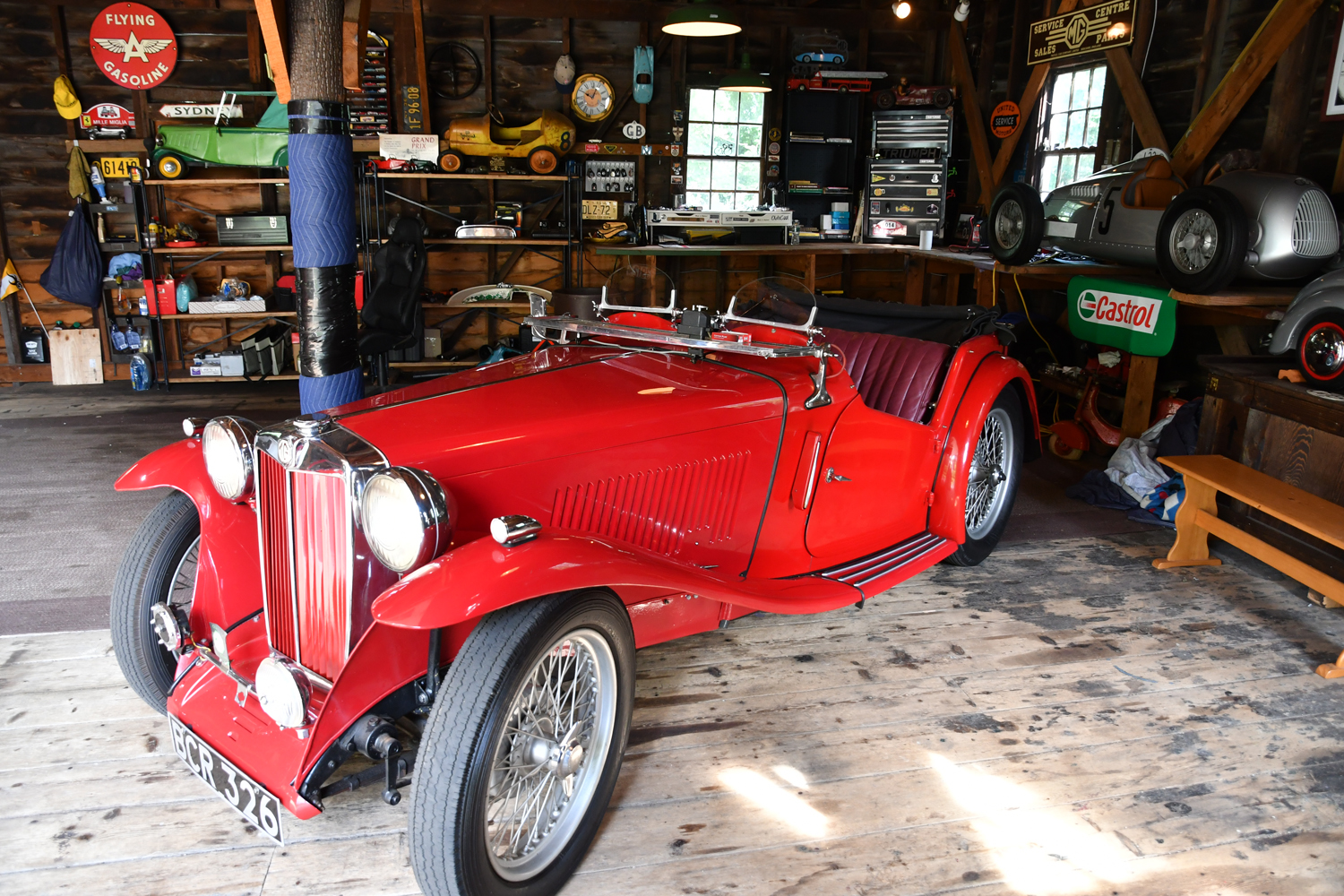
1937 MGTA

Once in America, Carl enjoyed and took advantage of vintage car prices considerably more reasonable than those for comparable British and American cars in Australia. As a result he began to build a collection. However as all Car Guys know, when building s collection, space is the final frontier.

Carl’s “barn” find did not demand a long journey to the back country. Carl actually had a home in walking distance from where he found the barn three years ago. He says, “At the time I had a few cars. Unfortunately, I only had a single-car garage.” This resulted in his eclectic collection of American and British vehicles being strewn about the grounds of his home. He had cars parked in the driveway and around and about under covers. Then, Carl says, “We had a pretty bad winter. I knew I had to do something about protecting them.”

In the midst of a Google search for available garage space, a reference to a house with a four-car garage close to his home popped up. He laced up his sneakers and strolled from his home to take a look.

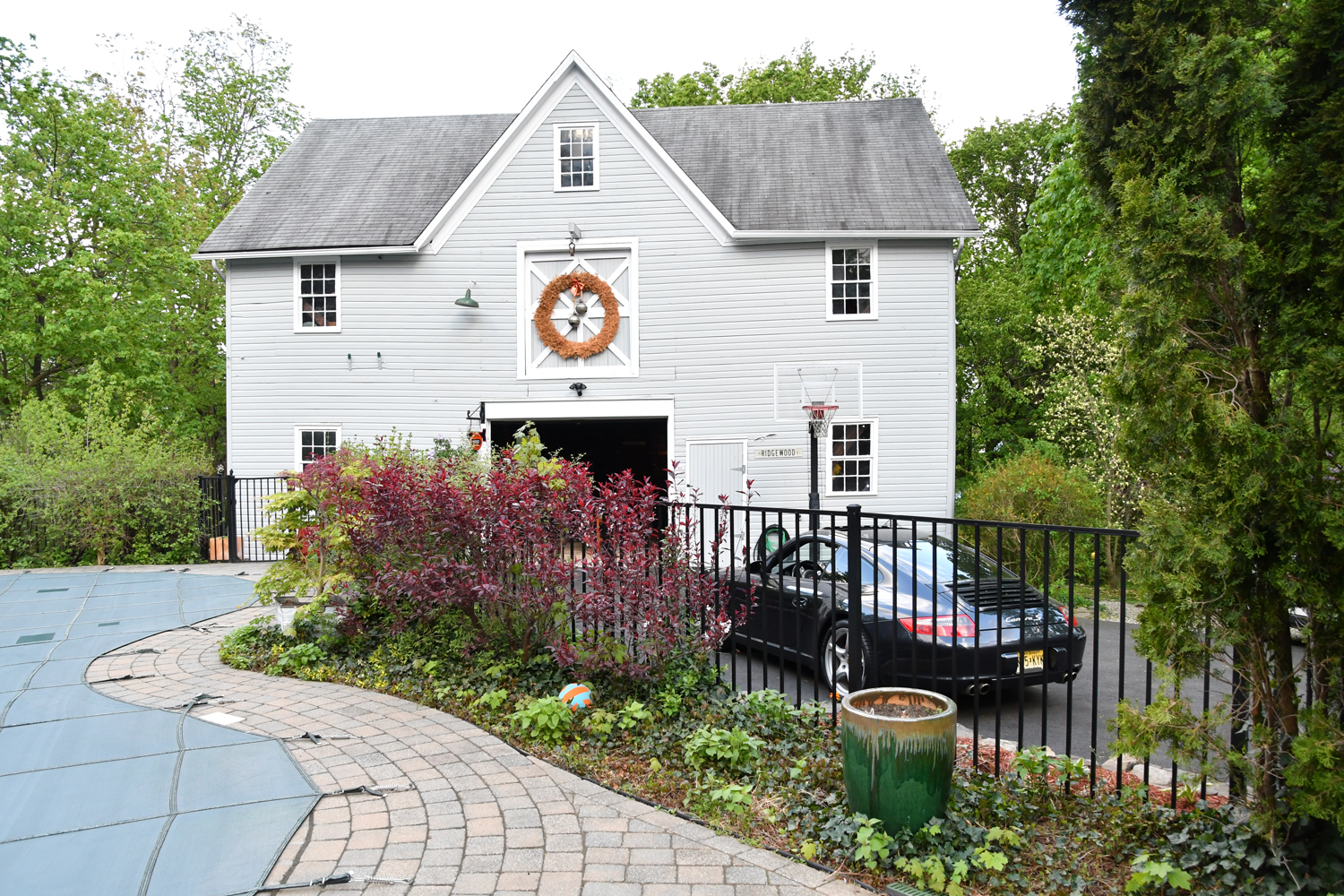
Hidden away behind the home being sold stood a 3 1/2-story barn built into sloping property with vehicle access on two levels. Carl says, “I told my kids to meet me for a look.” He did not even look at the house. When his kids got there he simply told them “We are moving.” Carl says, “It was just too good to pass up.”

Built in 1902, the barn served as a kind of parking garage for the horses and carriages that transported people around the town of Ridgewood, NJ when they came by train from New York to visit.

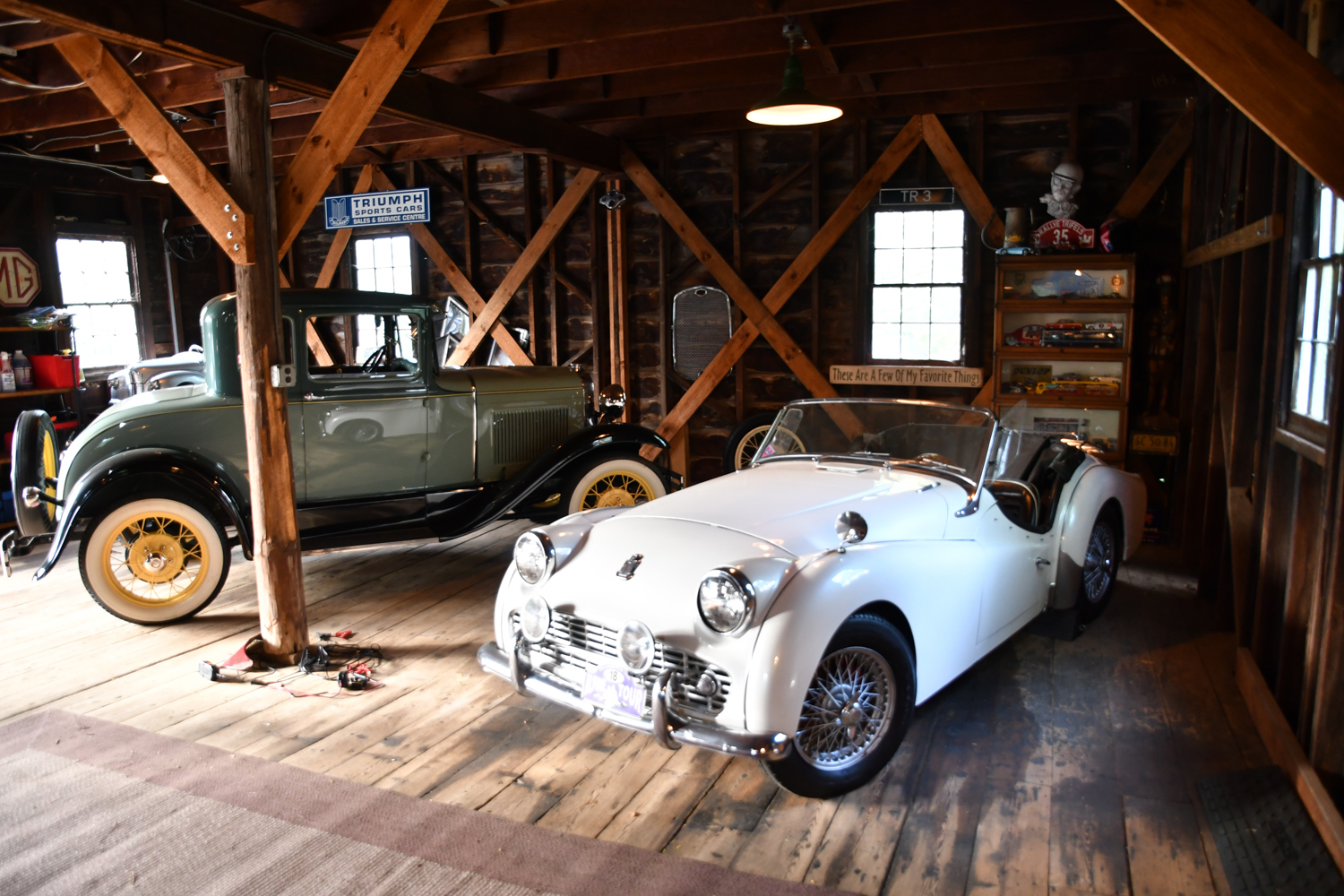
Model A and TR3

The barn’s second floor that opens to the driveway actually served as the main level providing the area where the wagons would be parked. The gravel path leading down and around brought the horses to stables on the first level in the rear.

Carl says, “It’s still pretty much the original barn. You can see the tree trunks that hold it up. I’ve tried to keep it as rustic as possible. If you go downstairs, you’ll even see some of the horse stalls and some of the original harness paraphernalia.” In fact a buggy that was built in 1902 is still on the ground floor in its original unrestored condition.” Until Carl the barn had never housed a vehicle.

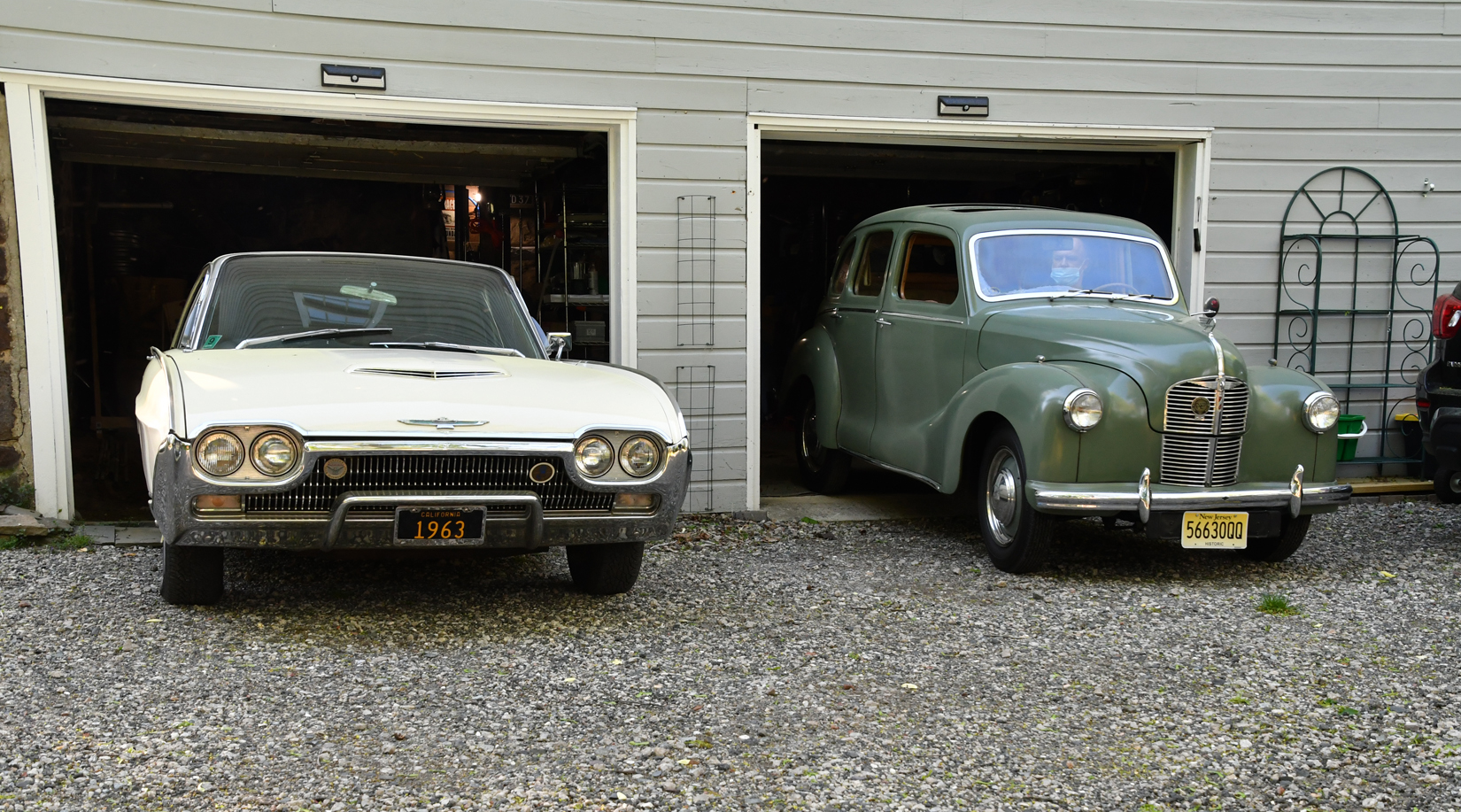
As all Car Guys know, there is no such thing as an empty garage bay, its more accurate description is that of a place holder for the vehicle yet to be purchased. In Carl’s case his spacious barn quickly filled. With the recent sale of his 1960 MGA fixed head coupe and TR6 and the addition of a 1930 Ford Model A coupe and 1948 Austin 840 Devon Sedan his collection consists, together with the Model A and Austin, of a 1937 MGTA, 1960 Triumph TR3, 1960 Triumph Herald Coupe, 1960 MGA roadster and a 1963 Ford Thunderbird.

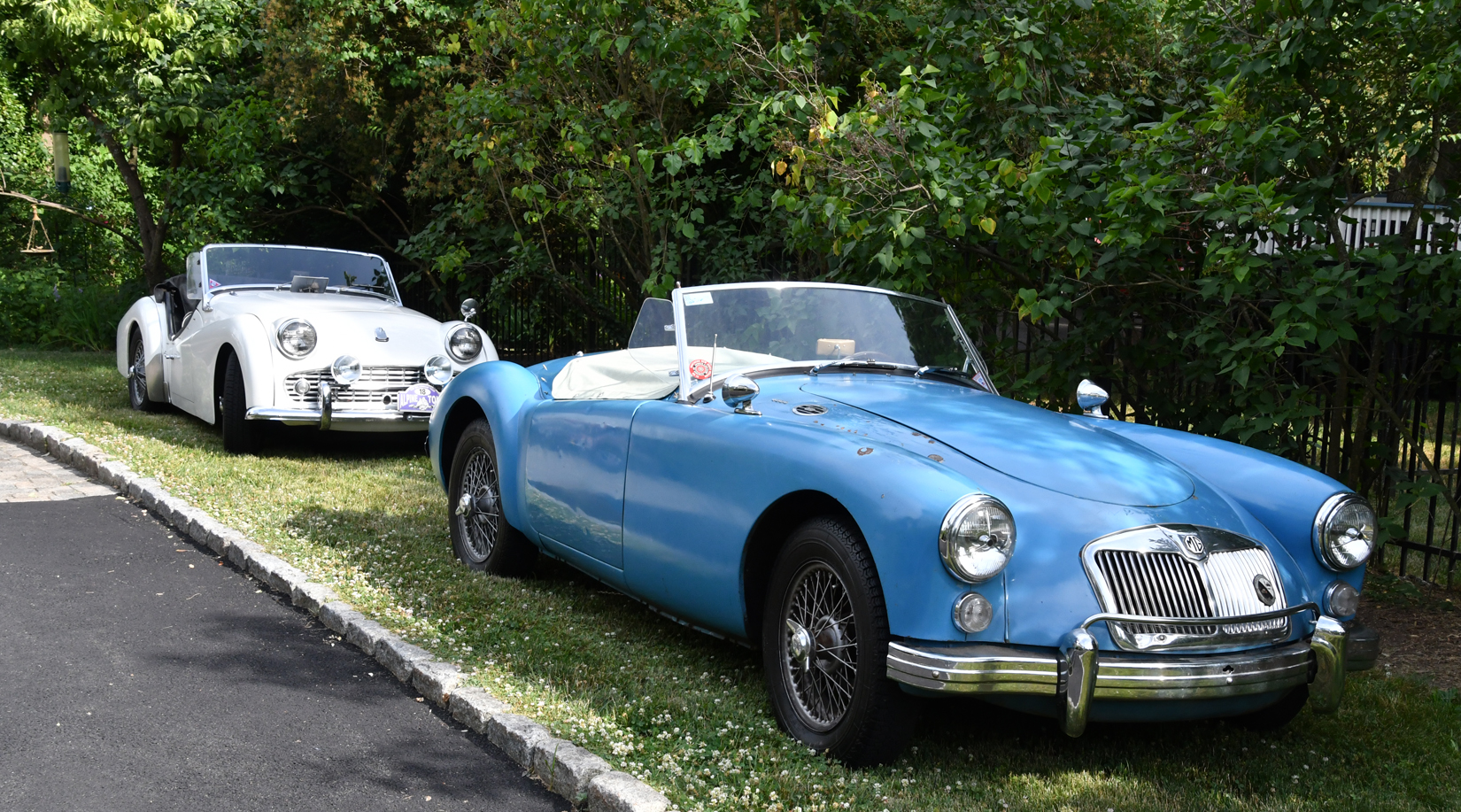
Carl admits his passion resides with American and English makes based on his youthful exposure in Australia where English makes provided the majority of road traffic with American models enjoying the stature of almost an exotic. His passion for Anglo Saxon brands accompanies an equal passion for using the cars in his collection as they were intended and that means his cars are driven. Carl says, “While I view them all as pieces of art, I believe their beauty stands out best when in motion.” For Carl the best part of car shows comes with driving to them and back home. He says, “I’m not interested in concours shows that demand hours of cleaning. It’s just not my deal, I don’t care necessarily about a hundred point car. I just like a car to look neat and original without getting too carried away.” He feels his blue 1960 MGA roadster displays his philosophy perfectly. Like battle scars, the nicks and dings acquired through spirited driving on real roads enhance the spunky blue MGA’s well earned patina.

When asked about his favorite ride, Carl falters a bit in committing saying, “The MGA roadster was my favorite, but now it competes for attention with the MGTA and the TR3. Last summer, I drove the TR3 more than any of the other cars.”

Carl says, “I have  always liked the MGA. It has the MGB engine in it. It goes. It moves. It’s just noisy. It has a 4-speed and is just a lot of fun to blast around. Carl with a self-deprecating smirk goes on to say, “It’s broken down so many times on the road, but hey that too represents a signature quality of the British sports cars motoring experience.”

TR3 and MGA

Carl’s affection for the TR3 begins with the cut down doors and the feeling that it delivers a more relaxing and less intense driving experience than the noisy MGA. Comparing the two, Carl says, “The TR3 is just as enjoyable but instead of delivering the intensity of a sprint, the TR3 delivers the more relaxing experience of a long leasurely run.”

In speaking about the 1937 MGTA Carl says, “Just the novelty of driving a pre-war vehicle in itself is cool. Plus it’s right-hand drive. It’s a beautiful car. Granted, you don’t drive fast, but with the windscreen and windows all down the driving experience transports you with a stirring time behind the wheel of a time machine. It really delivers a cool nostalgic drive.”

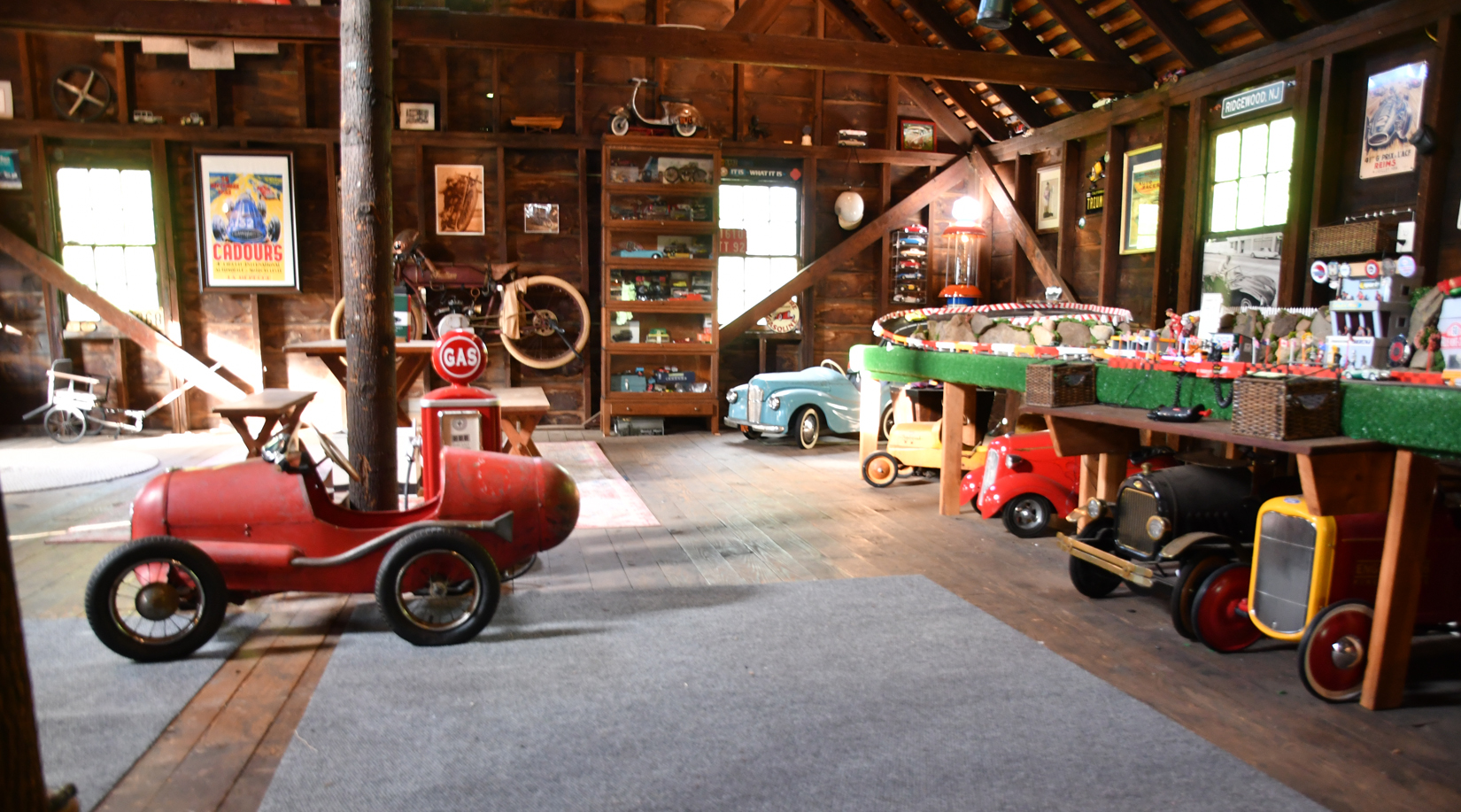
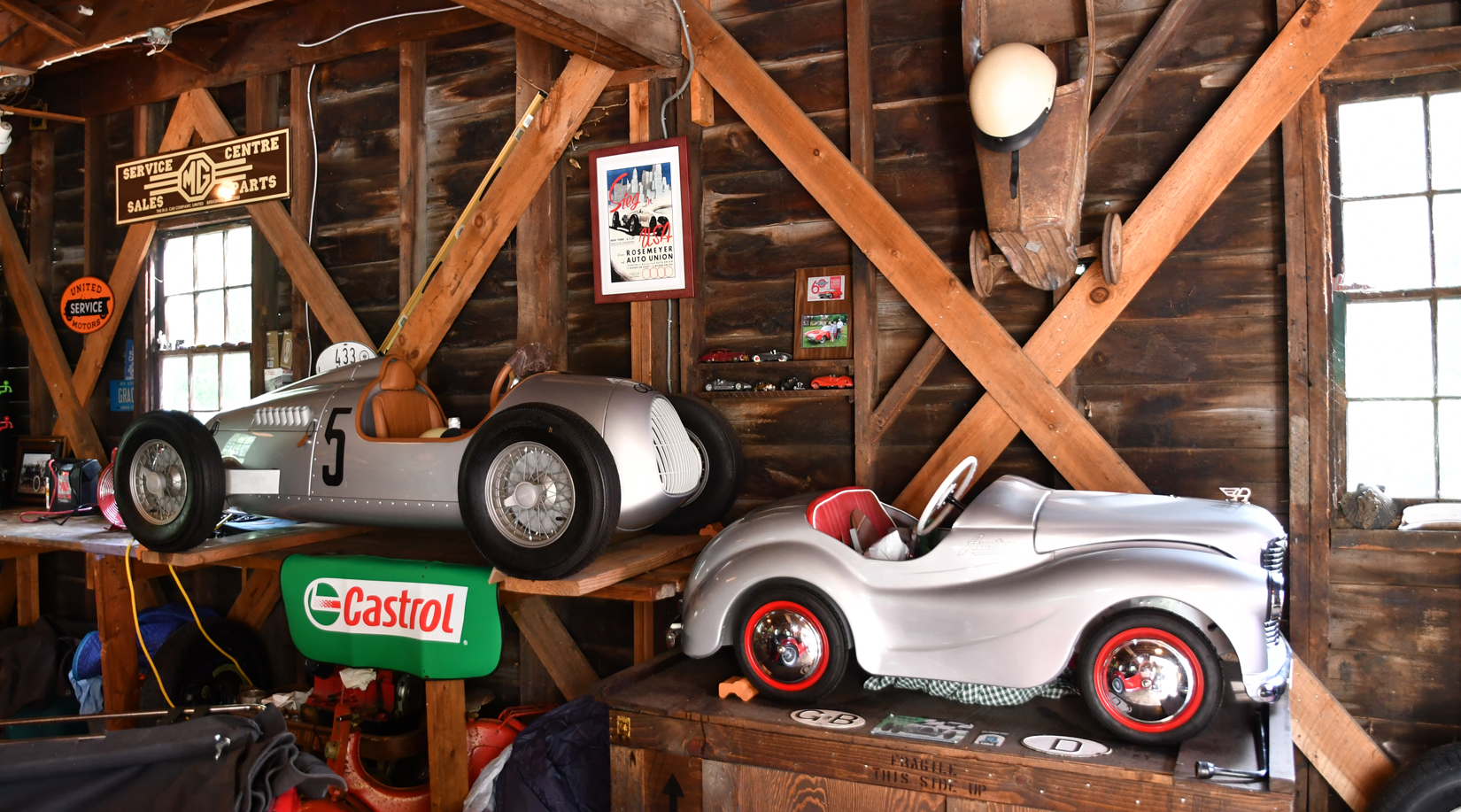
Again demonstrating the powerful draw presented by open and readily fillable space, Carl’s barn features an extraordinary array of pedal cars and automobilia.

While always attracted to pedal cars Carl never thought about collecting them. However, under the constant urging of his friend Buz Korn, a skilled and dedicated collector of all things automotive, Carl took the plunge. After buying a French pedal car that had caught his eye, Carl’s pedal car pursuits were off and running. As Carl says, “I just started to look and then got a little crazy.” Two of his favorite pedal cars are an Austin J40 and an Auto Union Type C pre-war Silver Arrow Grand Prix.

Auto Union and J40 Pedal Cars

Like it drove out of “Who Framed Roger Rabbit” its curvy voluptuous body style makes the J40 a kid and collector favorite. Carl says, “There is an event every year at Brooklands. The kids run to the cars, jump in and race down the track to win a prize.”

The original concept for the pedal came as an act of the British Parliament in 1943. The act recognized that coal miners were being struck down with the black lung disease. The plan for providing work for these stricken miners was to have them build a toy pedal car based on the Austin Devon and made from the scrap metal left over from the production line. Production ran from 1950 to 1971 with 32,098 models being produced.

Carls’s Auto Union Grand Prix pedal car plays to his strong interest in the Grand Prix cars of the pre-WWII era.

1963 Thunderbird and Austin 840

Commissioned by Audi in 2007 as a promotional item with a limited run of 999, it provides full racing bicycle mechanics and rear wheel drive gearing. Anyone who can fit in it can pedal it.

On a far more altruistic plane, Carl envisions his barn offering the opportunity to gather far more than interesting vehicles, he sees it as a meeting place to foster camaraderie among people of like interests. Carl says, “I would love for the barn to serve as a welcoming venue to promote the gathering of car enthusiasts.” He would have it become a casual arena for the sharing of stories, information and friendship.

As we come out of the age of Covid, Carl’s vision offers a wonderful inspiration to escape the no longer forced isolation.

By |2021-05-06T10:49:55+00:00May 6th, 2021|10 Comments

Conversations With People We Value #20

Covid has not so much made time stand still as it has made everybody and every event stand down, nowhere more so than in the crowd oriented classic car venues. Car show after car show, concours upon concours, swap meets and cruise nights all fell victim to pandemic panic.

Like the freak year-long winter of 1816 caused by the eruption of Mount Tambora, the 2020 classic car season fell victim to the icy chill of pandemic fears. Now in 2021, like a green shoot in early spring, the Korzinski family of Paul’s Motors in Hawthorne, NJ boldly struck a blow for a return to normalcy when they hosted the April 10th Man Cave Garage Sale.


Man Cave Garage Sale unmasks covid boredom

With a vigor just short of children departing school to start summer vacation, car enthusiasts eagerly flocked to Paul’s Motors’ Man Cave Garage Sale to experience, after more than a year long drought, an honest to goodness car event. Granted, masks adorned every face, yet it had a familiar social feeling that felt so good.

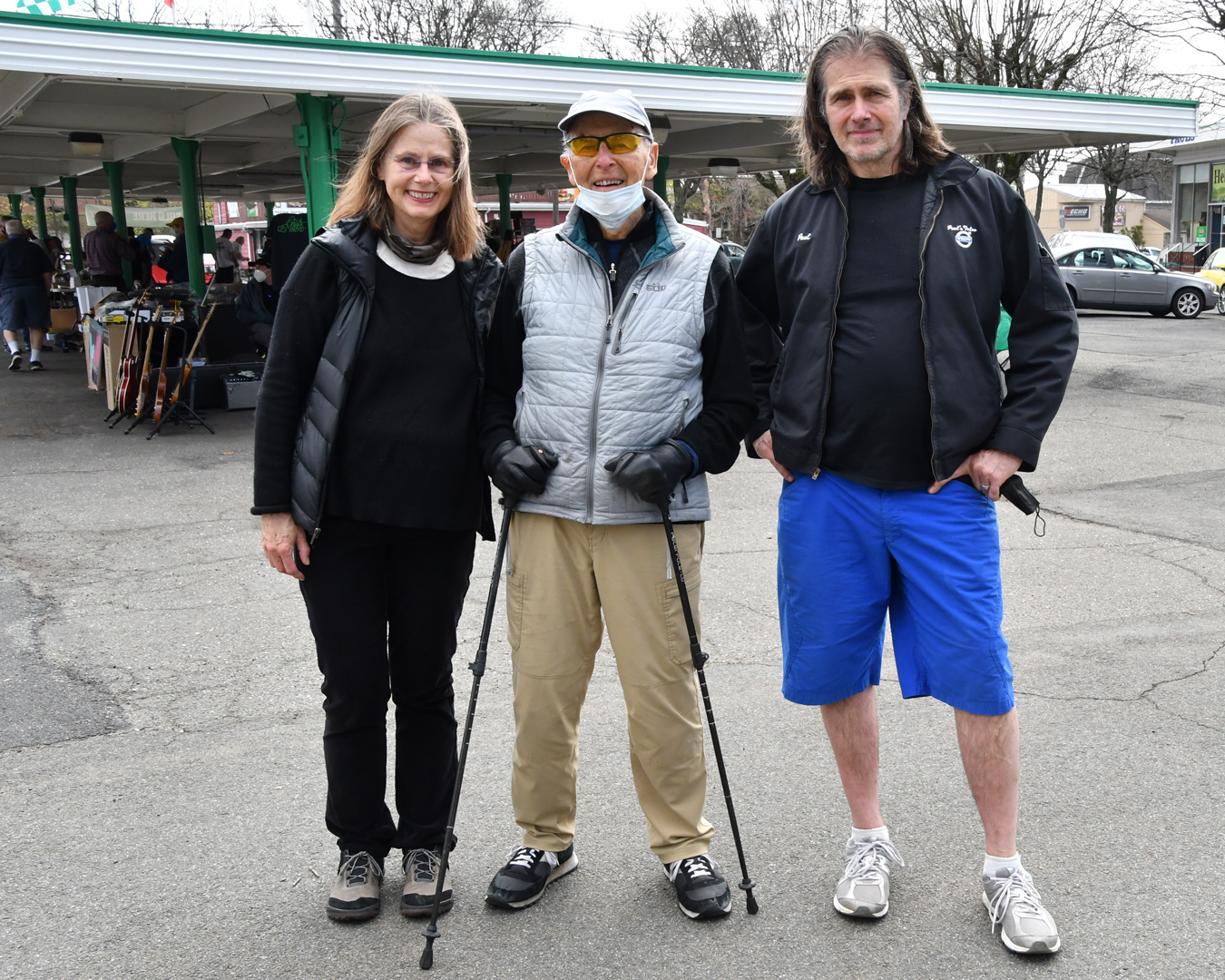
96-year old Paul Korzinski with daughter Diane and son Paul

Adding to the upbeat atmosphere was the opportunity to spend time with 96-year old Paul Korzinski whose father started Paul’s motors 101 years ago. Daughter Diane Korzonski says, “My grandfather began the business as a repair shop in 1920. My father took over after the end of WWII. He has worked here all his life.”

In 1957, the first year Volvo came to America, Paul took on a Volvo franchise. He liked Volvo because of its concern for safety. In a sign of the times, Paul’s Motors turned in its Volvo franchise after 60-years in 2017 as the corporate franchising demands placed on the small family run operation made for a money losing proposition. Always known for high quality used cars Paul’s Motors continues to be the go to place for a used vehicle.

The inspiration for the early season sale came out of a conversation between Diane and big time car enthusiast Bob Austin.

Diane says, “Bob and I were talking about how we have collections of things. As I showed him a great anvil and an old scale from one of our shipping containers, I mentioned that we’ve been here for a hundred and one years. We have a lot of old stuff. So Bob said, well, I have a lot of old stuff. Maybe we should have a Man Cave Garage Sale. What a great idea, I thought.”

While clearly car flavored, various vendor offerings provided an eclectic array of goods. Man Cave organizer Bob Austin says, “We had some interesting vendors with everything from gumball machines to airplane propellers and fur coats.” With a good size crowd throughout the day the feeling was festive and the selling was brisk. A smiling Austin says, ”Absolutely a fun day and for some of us it afforded a great opportunity to reunite with friends that we haven’t seen for the better part of the year.” As for Covid concerns, with a good breeze and everyone wearing a mask confidence ran high.
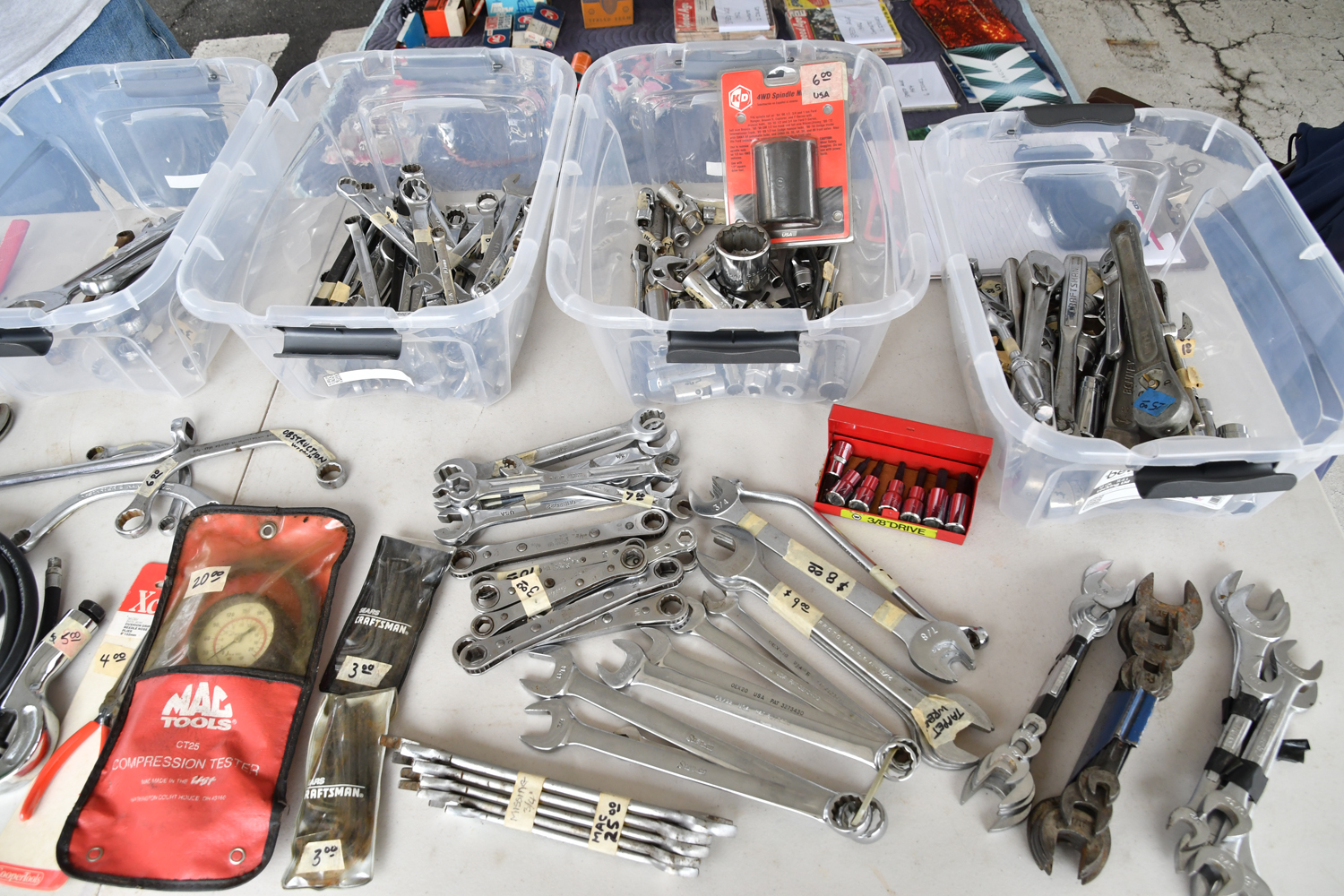

Vendor Rocco Scotellaro was clearly happy to be at the Man Cave sale. When asked about being there, Rocco said, “Excellent, historically as a vendor I usually do about two or three shows a year. Last year I did none. It’s great to be back in business.” When asked to evaluate buyer action, Rocco quickly offered that the show was much better than he expected emphasizing that the turnout was quite good. Rocco says, “A major challenge for vendors like me is deciding what to bring. It’s always a guessing game.” Sporting a big smile, Rocco went on to say, “I guessed right for the Man Cave sale and did very, very well.

Clearly people savored the opportunity to share space and time with others in a non-Zoom real world environment. Diane commented that, “I think a lot of people came in looking for something free of Covid gloom, something to make them happy. We’ve all been kind of cooped up all winter. Watching the news certainly hasn’t helped.”

Jaguar Land Rover Archivist Fred Hammond brought a treasure trove of classic car models and automobilia. Fred says, “The Man Cave Sale has been a tremendous success in so many ways. I mean one can put it in the context of saying that I sell stuff. Yeah, you bet. I sold a lot of things but the real enjoyment here was seeing friends, fellow car enthusiasts and talking to people sharing the joy of being outside with others, at last. Everyone seemed to be  basking in the joy of feeling a kind of normalcy.”

Pieces, parts and even a very clean 1996 Mustang Cobra changed owners thanks to being on display at the Paul’s Motors event.

Clearly, everyone has suffered through serious cabin fever with a nasty Covid hangover and could not wait to rub elbows with their fellow man. If the Man Cave Garage Sale represents any indicator, social distances show every sign of shrinking as humanity pokes its collective head out from under the Covid rock.

By |2021-04-21T13:47:40+00:00April 21st, 2021|6 Comments

Cars We Love & Who We Are #19

The Drivin’ News theme of “Cars we love and who we are” invites the reader into experiencing great cars and learning about the interesting people associated with them. Normally the motivation behind the “why” that inspires the great affection is taken as a given considering the desirability, beauty and provenance of the classic cars in question. However, some times the “why” leads us down an even more interesting path revealing a vehicle made beautiful by a patina of sweet memories. Such stories rooted in personal history often involve love, loss, salvation and heartwarming resolutions.

In the garage of Vinny Plotino resides an incongruous pair of treasured vintage cars with very different “whys.”

The odd couple in Vinny Plotino’s garage


Vinny Plotino and his “Odd Couple”

Housed in an orderly and well equipped 2-bay garage both cars make a statement. For the 1970 Plymouth Superbird on the right, the “why” screams at you, for the other, a quite pedestrian and weary 1962 Ford Falcon the “why” softly asks “why?”

Indeed, screamingly obvious in its attraction, the Superbird sports a nose cone front end and outsized rear spoiler with signature “Roadrunner” graphics. Resplendent in 1970 Plymouth Blue Fire Metallic or B5 Blue (color code) as it is known throughout Mopar circles and among collectors, Vinny Plotino’s Plymouth Superbird leaves no doubt as to what inspires the love. With the original 440 cu. in. V8 fed by a single 4-barrel and delivered through a 4-speed manual trans Vinny’s Superbird delivers 375 horsepower. It reigns as an iconic presence in the pantheon of muscle cars of the golden age.

Created by Chrysler corporation purely as a means to dominate NASCAR racing for the 1969-1970 season, the Superbird with its 19-inch extended bullet nose and car wash nightmare, outsized rear wing did not move especially well out of the showroom as a retail money maker. For homologation purposes 1,920 Superbirds came from the factory for retail sale. It did, however, achieve its intended dominance by exceeding 200 mph at Talladega Superspeedway to set a NASCAR record. In NASCAR race trim, powered by a 426 Hemi V8 with a 0 – 60 mph time of 4.8 seconds and a drag coefficient of 0.28 (still an impressive level of slipperiness 50-years later) the Superbird with Richard Petty at the wheel won eight NASCAR races and finished high in others.

Right around that time as a 16-year old teenager pedaling his bike past Frey Chrysler in Bergenfield, New Jersey, young Vinny fell under the spell of the new Superbird in the showroom window. He would just stop and stare at the outrageous Roadrunner on Steroids and dream. One day Vinny knew he would own one.

History would prove Vinny right, twice. He found a B5 Blue Superbird in 1979 and grabbed it. However with the birth of his daughter Vinny’s first Superbird left to feather the nest for the expanding Plotino family. While appreciating the necessity for the move, Vinny immediately regretted it.

It would be another ten years before the second opportunity arose when Vinny could again own his dream car. In 1989 a B5 Blue Superbird appeared on his radar and shortly thereafter arrived in his driveway and with 36,000 original miles rolled into his garage. Today, 30 plus years later that B5 Blue numbers matching Superbird now with 40,000 miles, receives with great frequency the same loving gaze that first inspired the dreams of a teenage boys heart.

When asked for any stories of interest relating to the Superbird, Gina Plotino, Vinny’s wife, offered a small story that spoke volumes about relationships, priorities, love, friendship and understanding, not necessarily topics one immediately associates with iconic muscle cars. Gina recalled when Vinny faced a challenging task that involved replacing the Superbird’s exhaust system.

Gina said, “I watch him at car shows when a father and son or daughter come by his car. It is so important to him that he provides an opportunity for the father to engage with his children. Vinny really cares about others. He is such a good person. Now, I always take good care of myself and I love my nails, but, Vinny needed help with the exhaust system. I cut my nails off so we could do the job together. I love him.” They have been married 40 years.

Worthy of inspiring a softly quizzical “why”?, a fairly forlorn 1962 2-door Ford Falcon with a level of patina edging ever closer to crossing the line to perforated corrosion nobly plays the role of sidekick to the bigger than life hero Superbird.

Told with warmth and feeling, Vinny lovingly shares the story behind his deep affection for “Mrs. Olesko’s Falcon.”

“I grew up in Bergenfield, New Jersey, says Vinny, “I was 9-years old when my friend Ron Olesko’s mother bought a 1962 Falcon.” From the day she took delivery until today, it has never left Bergen County. Ron was the only child and the car serviced all the family needs by going to church, the grocery store and taking Ron to and from school. Vinny says, It probably never took a longer ride than 20 miles.”

Since in years later Mrs. Olesko had a concern about mice getting into the car inside the garage, the Falcon stayed outside exposed to the elements from around 2002 to 2017. After Mrs. Olesko turned in her driver’s license due to poor eye sight, the Falcon sat idle for a few years. Despite Vinny’s most passionate pleas she refused to sell the car. She wanted it out in front to let potential burglars know that someone was always home. Son Ron Olesko says, “Despite my best efforts I could not persuade her that a rusty car with four flat tires would not fool anyone.”

After taking a fall Mrs. Olesko moved into a nursing home. Her first thought expressed when she moved was, “Give the car to Vinny.” When contacted by Ron, Vinny asked how much Ron’s mom wanted for the beloved Falcon. Ron said, “All she said was maybe Vinny could get it running and someday ride it in a parade.” Mrs. Olesko passed away in 2017.

1962 Falcon refurbished interior

Interestingly the original purchase paperwork and window sticker accompanied the car. As displayed on the window sticker, the Olesko family purchased a 2-door model with the 85 horsepower 6-cylinder engine and 2-speed Ford-O-Matic automatic transmission. Vinny says, “The only option it had was the deluxe package which gave you some chrome trim on the sides and behind the wheels and those little guys on the top of the fenders. No radio (Vinny still has the little radio opening block-off plate). No power steering. No power brakes.“ The paperwork indicates a payment of $45.99 a month for 36 months.

Transporting the Falcon to Vinny’s garage posed some major challenges. Wheels had bonded to brake drums and would not turn. Vinny finally freed up the wheels and with the help of his Cousin Frank rolled the Falcon onto Vinny’s trailer. Changing all fluids and replacing all brake lines allowed the Falcon to slowly rise like the Phoenix from its past as a dead rusted hulk. Inspired by a ,now running car, Vinny found NOS 1962 Falcon upholstery and installed it.

When Mrs. Olesko passed away Vinny drove the refurbished faded blue Falcon to the church and followed the hearse as they drove one last time past her house.

Vinny says, “I do not want to remove the rust and repaint the car. I want to retain the patina that represents the loving life of Mrs. Olesko. While some may look at it and see only rust, I see a big part of a person’s life and memories that can never be replaced.”

Son Ron Olesko is quoted as saying, “Thanks Vinny, you do fine work. My mom got her parade.”

Loved for very different reasons but with equally heartfelt affection, Vinny Plotino’s odd couple sit side by side emblematic of the very human connection bonding people, the cars they love and the emotional charge that seals that bond and expresses human values far deeper than the attraction of horsepower and chrome.

By |2021-04-08T11:31:38+00:00April 8th, 2021|12 Comments

Cars We Love & Who We Are #18

So it’s late summer of 1977. A bright eyed blonde haired young man just out of his teens with a gift for things automotive had become known for his accomplishments while working with his father restoring vintage Jaguars. One afternoon a customer approached him mentioning knowledge of a Ferrari being prepped for IMSA class endurance racing. He asked if the young man would be interested in interviewing for the team? With his father’s blessings, young Bryan Maletsky left work at closing and headed off to meet the Ferrari 512 Berlinetta Boxer (512BB) that would ultimately bring him to the 24-hours of LeMans in 1978.

LeMans 1978, a young man’s memories

Bringing the Ferrari to the starting grid

Bryan Maletsky entered the workshop of Randy’s Motors in Clifton, New Jersey. Surrounded by the Ferraris, Maseratis and Lamborghinis in which Randy’s Motors specialized, Bryan arrived to meet the IMSA class Ferrari’s Chief Mechanic, Randy Randazzo, owner of Randy’s Motors.

After Bryan acknowledged to Randy that he had little experience on Ferraris but had considerable electrical troubleshooting experience Randy said, “Good, you can start tonight. Let’s see how you do.” “Do what?” asked Bryan. He was directed to rewire the Berlinetta Boxer’s instruments and dashboard, put in new connections and correct all the wiring that had been improperly done previously, re-solder all the connections and secure all the wires. At the end of the night Bryan had earned Randy’s respect and a place on the racing team.

Randy’s 512BB began life as a NART (North American Racing Team) car built and campaigned across America by famed Chinetti Motors for the 1975 and 1976 seasons.

Acquired from Chinetti in 1977 by new owner Howard O’Flynn the 512BB shipped from Connecticut to Randy’s where the car would be prepped for the 1978 season with hope but no guarantee of going to LeMans.

As a new team member Bryan’s days filled up quickly. Still committed to supporting his father’s East Rutherford, New Jersey Jaguar restoration business Bryan would leave there around 5:30 and head straight to Randy’s where the team worked into the wee hours of the morning focused on getting the Ferrari sorted out and ready for the 1978 IMSA endurance race season.

Born to run and bred to run fast, this 512 BB got life from a seriously worked 5-liter, flat 12-cylinder with 12 Webers. It far exceeded the stock 340 horsepower delivered through the 5-speed manual transmission.

“Swiss cheesed” rear panel

Running fast not only meant adding power but equally critical it demanded losing weight. Weight reduction meant anything that did not contribute to structural integrity or performance would be lightened or removed. With the interior already gutted, attention turned to any flat piece of steel that had no structural purpose. It would immediately be “swiss cheesed” using an array of different size hole saws to remove as much metal as possible. The lightening process got down to stripping paint from any part that did not need to be painted. It got to the point where any bolt that extended needlessly far past the nut would be replaced with a shorter bolt. Lightening efforts resulted in a weight reduction of 70 Kg.

With the Ferrari ready and the season upon them, the O’Flynn team faced an IMSA endurance race schedule that included Daytona, Watkins Glen, Road Atlanta and Talladega. Now, late nights would be spent making the car ready for each subsequent race.

The road to LeMans for a prospective competitor must be paved with high levels of competitive performance at major endurance races. The O’Flynn Berlinetta Boxer proved its mettle on the track and earned an invitation to LeMans. The car was going and So was Bryan.

The invitation put all hands on deck and all things in crates. As Bryan recalls, “Tool chests, tools, no matter what you thought you had was enough, it was always doubled or tripled.” All needs, every contingency had to be accounted for.”

Then in what Bryan says, “Felt like a blink,” the prepped Ferrari, parts, tools and team found themselves high over the Atlantic headed for touchdown at La Sarthe the small regional airport convenient to LeMans.

Bryan Maletsky at driver’s door pushing 512BB to starting grid

With the Ferrari on a separate plane the team focused on getting to their accommodations. They would be staying at the home of lead driver Francois Migault’s parents. Work on the car would be performed at a local Renault dealership.

For Bryan and the rest of the team, hitting the ground sent them into a whirlwind of car support activity that would not subside for the coming week and half right through race day.

Bryan says, “We really didn’t even have time to think about the race except to make sure that the car benefitted from everything being done and done properly.” “By properly” means that every nut and bolt tightened would be marked with the specific personal color identifying the team member who secured the nut, bolt or fitting.

In preparing the car, a serious problem arose when lead driver Migault took the Ferrari out on a local airfield to shake the car down and run it at some race level speeds.

When Migault pulled in and exited the car after a number of runs, he clearly lacked enthusiasm for the 512BB’s engine’s ability to deliver the goods. He felt the engine, one of three the team had brought, could not deliver the power needed to be competitive. Interestingly this engine had been provided by Ferrari in Italy. Acting to rectify the problem the team swapped out the Ferrari built engine to be replaced with the engine that had been prepped back in the States at Randy’s. After some serious testing, Migault returned to announce that this engine had the guts to chase the glory.

The 512BB running at Daytona

While Bryan’s lack of French fluency for the most part served as a hindrance, it did offer a few key benefits particularly during questioning by the scrutineers (French judges who determined if a car complied with all rules and requirements). Anything that the team did not want discussed became a troublesome language issue that would frustrate the French officials to the point that it would usually result in the judges simply walking away.

As well, a little theatrics came to the rescue when the team realized that their rear end body dimensions fractionally exceeded the width limit. As the scrutineers approached, Bryan got into a boisterous shouting match with a fellow team member. French officials wanted nothing to do with the crazy Americans and simply walked on by. Disqualification averted.

At last, race day arrived bringing a confluence of spectacular cars, world class drivers, iconic signage, thunderous engine noise, screaming crowds and the pungent smells of high octane auto racing in the air. Drivers for the O’Flynn team would be Francois Migault and Lucien Guitteny. Bryan says, For me it was an event of a lifetime.”

Strong and nimble the 512BB attacked the course. It effortlessly clocked over 200 mph on the Mulsanne straight. Tire swapping played an important role in a strategy designed to promote the survival of the car to the end of the race. Taller tires would provide a higher top end. Shorter tires would provide quicker acceleration. So depending on day or night and the car’s position in the race tire choice played a major role.

Disaster would strike midway through the race when the Ferrari’s driveshaft broke away from the pits. When a car breaks and does not make it to the pits, LeMans rules demand that any repair must be performed by the driver. The only thing a team mechanic can provide is verbal direction. With a replacement driveshaft in hand a team member took a service road out to the broken Ferrari’s location and stood by the driver providing point by point instruction which Driver Guitteny carried out flawlessly.

With no further problems destined to occur, the Ferrari roared back to complete the race third in class and 16th overall. No Ferrari finished higher in the standings. Actually no other Ferrari, factory sponsored or otherwise, even finished the race.

To the nationalistic displeasure of some competing European teams, Bryan and his team members draped an American flag on the car as they toured the track.

In reflecting on the experience 40 plus years later, Bryan says, “Simply to be part of that international racing experience was an honor and then to be competing and finishing? Oh my God. That we finished, made us feel like we won the race.”

By |2021-03-25T11:31:07+00:00March 25th, 2021|Comments Off on Cars We Love & Who We Are #18

Conversations With people We Value #19

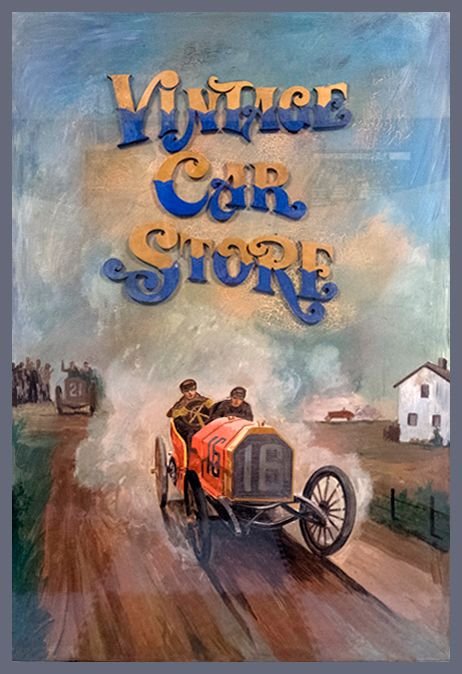
In retrospect, Ed Jurist’s Vintage Car Store clearly stood way out ahead of its time in the 1960s and 70s. Unlike today when a sprawling worldwide collectible vehicle business pretty much blankets the globe, the Vintage Car Store in Nyack, NY ranked as one of few top tier go-to places for connoisseurs seeking high quality classic cars. Ferraris, 4½-liter Bentleys, Rolls Royce Town Cars and Maseratis mingled with a 12-cylinder Allison air craft engine on display and striking transportation themed wall art. However, even in this rarified atmosphere of vintage collectibles, Jurist’s exterior display area featured a real show stopper, a 1943 M4A3 Sherman Tank, for sale.

A Sherman tank’s incredible journey from Nyack, NY to the final episode of M.A.S.H.

Bill Wahnish in his Sherman tank


Note 275 GTB for $35,000

While sitting in Ed Jurist’s cozy almost cramped Vintage Car Store office in the early 1980s I noticed a brass ring mounted on a wooden plaque. Inquiring of Jurist, I learned that this treasured artifact had been attached to the ripcord of a parachute that had safely floated him to earth after his WWII B-17 bomber had been shot down over Nazi Germany. Taken prisoner by the Germans, Jurist subsequently succeeded in escaping his captors. This pretty much tells you all you need to know about Jurist the pioneer classic car and vintage military aircraft aficionado. After taking ownership of the Vintage Car Store in 1961, Jurist traveled all over the world seeing South America, India, Europe, Middle East, Far East and Australia to set up agents and ferret out salvageable military equipment and locate desirable classic cars.

When I spoke with Jurist in 1982 the tank had been sold two years prior (February 1980) to Bill Wahnish, a gentlemen with a large film industry car rental business (Bill’s Car Rental) in Hollywood. In  1979 Bill had flown back east slammed a hatch or two, kicked the treads and said, “I’ll take it.” It would be two almost three months before Bill would take delivery in Los Angeles.

For Jurist selling a 73,000 pound Sherman tank with a seized engine is one thing. Moving it is quite another.

Jurist laughed when recalling and said, “It’s not like the town will let you drag it through the streets or over the sidewalks.” Transporting the M4A3 would require winching the tank onto a low flatbed. Jurist said, “That may sound easy, but how do you get that low bed into position? The flatbed is a huge trailer. It would require the street to be blocked off.

This operation called for serious planning, coordination, wide load clearance and timing. Local Nyack Police, NY State Police and NJ State Police stood poised and ready in the dark early morning of February 29, 1980.

Quiet streets allowed the loading to proceed smoothly though achingly slow. Once loaded, the flatbed with Sherman tank firmly lashed in place moved through the silent streets with all the dexterity of a house being relocated.

After slowly creeping towards and across the New York/New Jersey state line, the heavily burdened flatbed then made its way to a Paterson, NJ, rail head. As the railroad lacked the equipment to lift the tank, the Sherman had to be positioned on the loading platform so that the railroad flatcar could receive the beast.

With the tank loaded and firmly secured including the turret which had to be turned around to face backwards like a catcher wearing a baseball cap, the tank would head west. What could possibly go wrong? The answer, plenty, as time would show.

One day into the journey from Paterson, the tank broke loose. It took another week for riggers to lash it down again. After just ten miles of its rail journey to Chicago, it broke loose again. Another week’s delay. Just outside of Chicago, the tank came loose and was almost sideways on the flat car as the freight train rumbled towards the Windy City. Conrail was traveling west but the tank was facing south. Finally Santa Fe sent out a crew to lash the tank down once and for all. This added one more week. Lashed properly at last, the tank arrived three days later in the Los Angeles Rail Yards.

Bill Wahnish a warm and friendly bear of a man began in Hollywood as a truck driver for the movie studios. By 1980 Bill and his wife of 42-years Beverly had been restoring old cars as a hobby for over 25-years. During that period Bill’s collection of cars had attracted the attention of the film industry. By the time the tank arrived that hobby has morphed into a full time car rental business for the film industry with credentials that including the contracts to supply period vehicles for films like “Chinatown” and “Day of the Locust.” Bill’s Car Rental now had over 130 vehicles available.

When asked about the tank Bill said, “I have wanted to restore a tank for over twenty years.” At that time probably no more than a half dozen Sherman tanks could be found in the country that ran. Bill said, “I just wanted the feeling of accomplishment that I had restored one.”

Bill first set eyes on his new purchase as he drove down the Long Beach Freeway and saw it in the rail yard from an overpass. With the tank loaded by railroad crane onto his flatbed the tank began its journey to Bill’s storage lot. Crowds formed as the flatbed bearing the tank slowly navigated its way.

With all hands on deck the restoration took about 6 months. Happenstance and good fortune certainly helped in speeding the restoration. Job one for Bill? He needed to replace the seized 1100 cu. in. 500 horsepower Ford V8 that propelled the Sherman up to 24 mph.

1100 cu. in. Ford V8

Bill thought he would get some tips from his friends down at the local Fred George Military Surplus store. Indeed he did. When he asked a counterman for any suggestions, the counterman called to the back asking, “Do we still have that rebuilt 1100 cu. in. Ford V8 in the crate back there.” “Yes,” came back the reply. Clearly with the wind to their back, Bill’s dedicated team of employees and volunteers poured an enthusiastic 2,000 man-hours into the restoration.

Interestingly, Bill had never driven his completed tank. Bill said, “I just love to look at it go.” When I got my own opportunity to ride in the tank, it would be driven by, then, 23-year old Craig Michelson. Craig’s father, Donald Michelson founded the American Society of Military History Museum which gave young Craig incredible access to and experience with military vehicles of all types.

Craig Michelson at controls

Craig arrived and climbed up onto and down into the Sherman. It fired up with an angry growl. That served as my invitation to climb aboard. Bill’s storage lot provided a large open area for my test drive. Poised at the open turret hatch, I had a General George Patton-like vantage point to savor the opportunity to take a spirited ride in military history. The best part came when the Sherman under Craig’s capable control stormed up to the end of Bill’s property and pulled alongside the McDonald’s parking lot bordering Bill’s property. He locked up the tank to an abrupt stop and rotated the decommissioned 75-mm turret gun towards the parking lot with the customers munching away in their cars. You had to see the looks on their faces. Priceless.

Sherman in one of many feature film appearances

Bill’s Sherman had made many appearances in feature films but its most famous appearance resulted due to a serious forest fire in the Malibu hills where the M.A.S.H. set was located.

Much of the final episode had been shot for the 1983 finale. In the episode, a Chaffee light tank has been driven into the camp by a wounded soldier. With the tank in the M.A.S.H. camp, enemy mortar fire begins to rain down on the medical facility. The shot that had not been filmed before the forest fire required images of the tank being driven out of the camp by Hawkeye. However, not only was the M.A.S.H. set destroyed, which could be rebuilt, but so was the Chaffee tank. A call went out to Bill’s Car Rental and Bill and his Sherman tank answered the call. If you ever look at a rerun of the final M.A.S.H. episode take notice that the tank driven into the camp is not the same one driven out. Did not catch that the first time did you?

By |2021-03-11T12:10:23+00:00March 11th, 2021|10 Comments

Conversations With People We Value #18

My footsteps echoed off the walls of the long, mostly doorless hallway. Aged large format black & white action photos of vintage sports cars lined the walls and whet my already eager appetite for the experience that awaited. As a car guy and owner of a 1953 Jaguar XK120 my destination held great fascination for me. Summer of 2012 blazed outside as I came to make a pitch for the contract to digitize the thousands of original photographs, slides and films housed in the Jaguar Land Rover North American Archive. I would be meeting with Jaguar Land Rover Archivist and retired import car industry public relations legend Mike Cook and Assistant Archivist Fred Hammond.

Jaguar Archive – Preserving the soul of the brand


Mike Cook approached me flashing a ready smile and a genial demeanor as I entered the Jaguar Land Rover North American Archive. Mike could not have been a more gracious host as he guided me through the rows of files, shelves and cabinets. During my tour Mike took the opportunity to, in one single action, indelibly impress upon me the rich historic value residing within this treasure trove of 20th Century British automotive print, film, photography and documents.

Fred Hammond      Mike Cook

As a side note, while Land Rover is included in the Archive title, it has a significantly smaller presence than Jaguar as it was only added to the Archive around 2008. From here on Jaguar will be the focus.

Turning to the large open floor of the archive’s main room, Mike spread his arms open to the room and instructed me to pick any cabinet, open any drawer, pull out any file and remove any document and then said, “tell me what you found.” I did just that.

With the resulting file in hand, I removed two slips of paper.

Inspecting the first slip of paper revealed a letter written around 1957 from Sir William Lyons to another “Sir” explaining his great relief that “this unpleasant business” of wresting control of Jaguar distribution in America from Mr. Hoffman, referring to the notorious Max Hoffman, had been concluded.

The second slip of paper could not have been more historically significant. It was a telegram sent from home office shortly after the tragic events at the 24-hours of Le Mans in 1955, which Jaguar won. It instructed the North American office that Jaguar would neither promote nor advertise its victory at Le Mans.

Both documents, though brief, delivered powerful insights into life in the mid-20th century North American automobile business and powerful reminders of real life events in the automotive world that possessed industry and international significance. Wow, all in just one folder.

1948 New York Auto Show First U.S. showing of XK120

Viewing its rows of closed drawers and shut cabinets made clear that an archive differs significantly from a museum. Rather than an interactive visual display, an archive offers a thoughtfully curated comprehensive brand reference resource. It offers a place to conduct research and disseminate information. Jaguar’s North American Archive contains documents, data and materials all designed to provide a detailed and nuanced understanding of the company from its introduction in the North American market in the late 1940s through the current day. Its second component, a huge technical reference library represents a priceless resource for maintaining, servicing, preserving and restoring Jaguars. The archive gets calls from repair shops looking for specific information. A shop undertaking a ground-up restoration may need to know at what VIN# a change was made. A hobbyist doing his or her own work may want to know if the engine in an E-Type could be removed without the transmission. FYI: the answer is no.

As I witnessed when watching Mike and Fred in action, calls to the Archive were warmly received, treated with a sincere commitment to provide a correct answer, and, the conversation is free.

Having been awarded the contract, I enjoyed the opportunity to explore and marvel at the Archive contents for years and subsequently become a friend of the Archive. In my involvement, I found equally impressive the encyclopedic automotive knowledge of Mike and Fred, not just for Jaguar, but for the industry as a whole. At times I would be present when they would get into recalling the fine details of automotive or racing events in witnessed in their teenage years from 40 or 50 years prior. No archive much less a Jaguar Archive could be in better hands than those of Mike Cook and Fred Hammond.

Group 44 jaguar XJR-5

In 2018 Mike, then in his mid-80s passed away. A bright, fun loving car enthusiast with an acknowledged special love for all things Triumph brought an enormous knowledge of the British car industry in North America to the Archive. He started in the British car industry in the mailroom of Standard Triumph in 1958. He retired as Vice President of Public Relations for Jaguar Cars in 1990. He became archivist for Jaguar in 1990. In 2017 Mike was inducted into the British Sports Car Hall of Fame.

Fred Hammond who succeeded Mike as Jaguar Archivist holds Mike in very high esteem. Fred first met Mike when Fred, fresh out of college in 1973, began working at British Leyland Motors. In recalling the qualities Mike brought Fred says, “Mike was a mensch, honest, giving, caring, smart, reasonable and sincere. And the Archive reflected his personality, serious but not taken with itself.”

Today, Fred brings those same qualities in keeping the Archive active and available despite Covid restrictions. Fred with his vast wealth of product knowledge and commitment to the Jaguar brand and the Jaguar owner has kept the Archive active and available to all requests even when required to work from home. Fred says, I believe it is imperative that the marketplace and especially our owners have confidence in our presence and know that, even in these challenging times, the flag is still flying.”

Fred points out that a significant difference exists between the North American Jaguar Archive and the Jaguar Heritage Trust in the United Kingdom. Fred says, “The UK archives specifically focus on what happened in the UK in the home market at the factory. In North America Jaguar served as a marketing arm with enormous freedom to create our own advertising, literature, public relations imagery. Our focus targets preservation of that body of work.

1962 New York Auto Show U. S. reveal of E-Type

A legion of users take advantage of the Jaguar Archives easy access and vast resources. Owners of individual vehicles, all forms of media, buyers and sellers even the police turn to the Archive.

Fred says, “The most consistent requests we get revolve around histories of individual vehicles.” Having a chassis number, an owner will call looking for the vehicle build date. Others call seeking to identify the proper engine or transmission number.”

A gentleman in Texas has six huge barns filled with Jaguar bits and pieces, chassis, engines and transmissions. He tries to reunite cars with their correct individual components after having been acquired dismantled. He will call for information on a specific chassis number or with just an engine number. The Archive can then provide the other corresponding numbers. Fred says, “We are pleased to respond to these requests. That’s why we are here.”

If someone is buying a Jaguar or looking to sell a Jaguar they may call to confirm that the car has matching numbers.

First customer D-type arrives at Idlewild Airport New York

Demands by various media play an increasingly growing source of requests. Fred says, “These days with the exploding number of platforms some people want still images, television may want moving pictures and internet requests look for everything.”

As to being contacted by the police, Fred says, “I think the most interesting one was a recent inquiry about an XK 140 that had been stolen back in the very late 1950s. The car had just disappeared and when the serial number came up decades later, it came up as a stolen vehicle.” After the caller confirmed his identity as a police officer, Fred provide not only the vehicle numbers but the original owner’s name and address.

In summing up the critical importance of a manufacturer’s archive Fred says, “Essentially a quality archive details the story of where you, the company, came from. It paints a vivid picture of your history. Our Jaguar Archive assures that future generations of the Jaguar family will have an understanding of where the company came from and what that imparts to our product.” Fred believes whole heartedly that preservation of history provides the foundation for appreciating the soul of a brand. Fred says, “If you don’t have that brand identity you reduce yourself to the level of commodity. And as a commodity the only motivation for a customer to walk across the street to buy your product is a lower down payment and less per month. That does not bode well for a profitable future.”

By |2021-02-25T16:32:32+00:00February 25th, 2021|8 Comments

Conversations With People We Value #17

Considering Covid, sheltering in place, social distancing and a steady diet of heavy snow, the attraction of distraction cannot be underestimated. And the explosive growth of online activities clearly leads the pack in the distraction derby. However, when it comes to winning the “selling winter coats in Miami when the temperature plunges” sweepstakes, nobody has been better positioned to benefit from social isolation than Bring-a-Trailer.com.

For an insider’s look at the Covid fueled Bring a Trailer online marketplace phenomenon, we reached out to Matt Maisano, classic car broker and owner of Motorcar Manor a premium vehicle storage facility in Ramsey, NJ.

Carried away by Bring a Trailer


Matt Maisano of Motorcar Manor

For car enthusiasts what began quite humbly over a decade ago has become an obligatory hour lost each day to ogling an eclectic and glorious array of exceptional vehicles from around the world being auctioned in real time. Matt Maisano, with a shrug, concedes, “It’s highly addictive for sure, but it’s a great tool for understanding the market, far better than Autotrader or eBay and if you’re looking to kill an hour of Covid boredom. BaT is for you.”

True to its name, Bring a Trailer began in 2007 as pretty much a car enthusiast website for selling incomplete project cars and race cars incapable of being driven home. Then, in 2014, based on the evolving culture and expanding community of Bring a Trailer, co-founders Randy Nonnenberg and Gentry Underwood took what would be a tentative and ultimately profoundly disruptive step impacting the business of collectible automobile auctions. They launched BaT Auctions.

Nonnenberg grew up as a kind of millennial version of older car guys like many of us. The type who in days past would be at the newsstand waiting for delivery of the WantAd Press. How about that for a blast from the past? Or the type who would follow the NY Times delivery truck to its next stop on a late Saturday night to get first crack at the automotive classified section in the Sunday Times. Yes, I did that.

Born out of Nonnenberg’s passion for all things automotive, Bring a Trailer came to life and evolved into what, in the time of Covid, ranks as the dominant classic and special interest vehicle auction venue.

Bring a Trailer’s very first auction on July 23, 2014 offered three cars, a 1970 “Boss” Mustang, Nonnenberg’s own 1991 BMW M3 and a 1964 Alfa Romeo coupe. Today BaT has over 300 cars auctioning at any one time. The total number of listings per month exceeds 1400 with a sale rate of approximately 80%. Vehicles sold on BaT include vehicles ranging across the full spectrum from category 5 “full restoration needed” to absolutely top tier classics. Six-figure sales are common place with seven-figure sales of a 1957 M-B Gullwing and a 2007 Saleen S7 LM on record. Among the cars Matt has sold on BaT, a 1972 Ferrari Daytona went for mid six-figures.

MG TC non-running project car

BaT’s community comprises a vast population of informed and engaged members. While the number constantly spirals up, BaT’s knowledgeable community exceeds 450,000 users and over 200,000 registered bidders. Matt when asked as to who the bidders are blurts back, “With Covid everybody has become a bidder on Bring a Trailer.” Since Covid came to town the concept of the typical BaT bidder has gone out the window. Matt says, “I’ll have guys – who’ve been dedicated sideline watchers of BaT but who have never purchased anything. Next thing, you know within three months time they’ve purchased two cars from BaT.”  Matt confirms that he knows guys during this pandemic who have gone nuts buying cars on BaT.

At this point BaT enjoys a backlog of over 5,000 cars waiting patiently for their turn to cross the BaT online auction block.

Bring a Trailer’s success has not gone unnoticed by big business. Just recently Nonnenberg and his partners sold BaT making it part of the Hearst multinational mass media empire. Nonnenberg will continue to manage it.

A visual and content rich feast for the car enthusiast, each vehicle being auctioned features high quality photography, driving videos and succinct and detailed descriptive copy. Matt says, “BaT really upped the game for photo quality from the craigslist days of ‘here’s a wheel’ and ‘here’s a bumper’ to BaT’s current comprehensive photo profile of easily 100 or more pictures.

However, it is the “comments” section that stands out as a key measure that enhances the total BaT experience and clearly distinguishes and differentiates its offering from others. Matt says, “Aside from the friendly, ‘I had one and loved it’ comments, real value exists in the pointed and technically astute insights in the comments section.” Matt strongly recommends that anyone in the market for a  specific vehicle take the time to monitor the comments offered by knowledgeable people in reference to the same type vehicle. Being an informed bidder can save a great deal of buyer’s remorse. This clearly helped a personal friend considering a BMW Z3. The comments section offered great insights such as lifting the trunk carpet to check the condition of the spot welds anchoring the rear suspension. Broken spot welds would indicate hard driving and necessary repair.

Want to be a registered BaT user? Simply go to the BaT homepage, go to “log on,” click “register and provide your email, a user name (What people will see if you comment or bid) and a password. Done.

Itching to place a bid? First thing, understand the costs involved. Compared to what many see as the usurious 10% buyer premium charged by the in person auction houses such as RM, Bonham’s, Barret-Jackson, Gooding to name a few, BaT maxes its buyer fees at a pretty painless 5 percent up to a maximum of $5,000. Matt says, “To become a bidder the steps are clear cut. Create a login name, register by completing some agreements and provide BaT with your credit card information. Bidder credit card info must be on file. The reason being that when you place a bid, BaT immediately puts a hold on your credit card for 5% of the bid.

Unlike eBay, BaT does not permit sniping. Sniping refers to a common practice on eBay where a bidder waits to the last second to place a hopefully winning bid while leaving no time for another bidder to counter. BaT, however, prevents sniping by adding an additional two minutes to any last second bid. Matt points out that the two minute extension can actually draw a bidder in and overwhelm the bidder’s better judgment. Matt says, “It gives other people time to jump in. Acting on behalf of a client and under the client’s direction, I found myself in an online bidding battle. Someone else REALLY wanted this car. It got to the point where the bidding had gone far beyond reason. Someone would be paying way over its true value. I had to pull my client back and say this is crazy.”

Have a car to sell? Matt says, “Initially you must provide your name, your email address, your vehicle description and pictures. You don’t have to submit all 100 pictures, but definitely give them at least 20 picture so they can get an overall sense of the vehicle.” In a process BaT calls “curation” it subjects your vehicle to careful scrutiny that it meets its standards including repair records, ownership history, accurate mileage and special features. BaT always demands to see acceptable proof of ownership. Listing a car on BaT carries a fee of $99.

While BaT clearly stands as the online auction big dog, it also makes an attractive target. Competitors have begun surfacing intent on carving out their niche. Gaining in popularity, online auction site “Cars and Bids” features its founder, Doug DeMuro, an engaging, knowledgeable and opinionated automotive journalist and You Tuber. Focused on cars of the 1980s,’90s and newer, DeMuro puts a distinctive and personalized stamp on the vehicles auctioned on his website. DeMuro’s popularity grows as does the “Cars and Bids” community.

Additional BaT competitors include pcarmarket.com specializing in Porsches, the mbmarket.com a Mercedes-Benz only website, Hemmings online auction and, coming in March, radforsale.com offering just cars from the 1980s and newer.

Clearly the affinity of Millenials and Gen Xers for all things digital makes online auction sites a natural draw for those demographic groups. Matt says, “Online definitely attracts a younger community compared to in person auctions. I mean granted I recently sold a Ferrari Daytona online to a 75-year old gentleman. But definitely the online community is more youthful. Look Gen Xers and Millennials are just more used to doing things online.”

When asked if older buyers are waiting for the in person auctions to return, Matt responds without hesitation. Matt says, “Oh without a doubt. First of all, it’s a destination. They want an excuse to get out of their homes. As well, the older buyer wants to touch, feel, smell and experience the car they intend to buy. Buying cars online is still a really weird place especially if you are not a digital native. In addition, older buyers are much more concerned about getting screwed on a car. For some reason Gen Xers and Millennials are a little bit more forgiving with an attitude of ‘oh it is what it is.”

Matt also believes that the traditional auction houses, while most have ventured on line with some success, yearn for a return to in person events. Matt says, “Online you lose out on the whole live theater experience. Live is where a bidder can seize the moment. Bidders get caught up in the atmosphere. Your buddies pump you up and cheer you on. Whether it’s peer pressure or booze pressure, chances are enhanced that you’re going to keep buying and that’s what the auction houses want. You don’t get that on line.

By |2021-02-18T11:44:33+00:00February 18th, 2021|2 Comments
Go to Top