Talking with the skilled professionals who support our passion for collectible automobiles.
Conversations With People We Value #63
In my last posting I stated my intention to go on vacation, take a break and look for stories. Friend of Drivin’ News Bill Hoover responded with the comment, “Just relax, the stories will find you.” He was right.
Join me for a tour of The Ice House Museum and a fascinating look at early 20th century American cars and culture hosted by Bob Evans a most interesting gentleman.
Ice House Museum: A Car Guy Getaway that a Wife Will Enjoy Too

Volunteers Jeff and Ben with Elaine at the Ice House Museum
 On vacation in New London, New Hampshire, a bucolic corner of New England, Elaine and I set out for a carefree morning’s adventure. With thoughts of Drivin’ News on the back, back burner, I chose to leave my cameras behind at the B&B. Chrystal clear lakes perfectly reflecting densely forested shorelines populated a magnificent countryside made spectacular by an explosion of vibrantly colorful flora at every turn.
The sound of stones crunching beneath the SUV signaled our departing the Historic Lake Pleasant Inn. Reaching the pavement I turned to climb a narrow road that wiggled through dense woodlands. This idyllic adventure lasted roughly five minutes before an unexpected sight ignited my Drivin’ News instincts and sent me scurrying back to fetch my camera backpack. I had stumbled upon a collection of open barns with a surrounding field all populated with pristine Model Ts and century old bicycles, toys and technology. I had serendipitously discovered New London’s quirky, quaint and intriguing Ice House Museum.
Entering the parking area we saw visitor’s milling about the open barns and field of Model Ts. Another group came bouncing in off the road having been taken for a ride around town in a 1931 Model A Woody Station Wagon. Amidst these many pockets of activity could be seen older men in green Ice House Museum volunteer shirts directing the attention of various groups of visitors.
First out of the smiling pack of volunteers turning our way came Ben Cochran a genial retiree with over 30-years of experience running his own body shop; clearly a handy guy to have in a museum filled with century old cars, toys and machinery. Funny, folksy, engaging and knowledgeable Ben would become our Model T driving instructor by day’s end. Joining Ben would be Jeff Hopkins and Doug Baxter, equally great guys. In meeting them, I would learn of previous lives with successful careers in a variety of professions. That said it seemed clear to me that, while I could not be sure, I had a high level of confidence that their prior business lives could not have delivered the level of fun they appeared to be experiencing in their present docent roles.

Ben Cochran, Doug Baxter, Bob Evans, Jeff Hopkins
However, when I asked who would be the best story teller, the guys turned to Bob Evans; an interesting and accomplished guy as well, but more about Bob’s background later. I got the vibe that the others deferred to Bob when it came to speaking for or about the Museum. Indeed his ability to play off the articles on display afforded a colorful and insightful tour through the history of 20th century America by way of the evolution of the technology that defined the age.
THE ICE HOUSE MUSEUM

Bill Kidder
Bob said, “The Ice House Museum serves as a living, working time machine profiling 20th century American technology and culture courtesy of Bill Kidder, the man who created the museum. Bob says, “The Kidder family tree had branches filled with movers, shakers and certainly philanthropists.” In 1911 Bill’s father, William Kidder, saw the future coming and with it the dominant role of the automobile.
Betting on his vision, Bill’s father established the first automobile garage in New London. Born in the following year of 1912 Bill spent his life in New London. Eventually he ran the Kidder garage. In the 1950s he bought the Ice House building just down the road from the garage. With New London being a magnet for summer retreats, vacation home owners would not only ask Bill to service their cars but to store them over the off season. He eagerly obliged. The Ice House served that purpose and Bill’s interests well. Bill, a born tinkerer, spent considerable time in the  Ice House which accommodated his workshop and customer cars. Time saw his storage expand beyond the single Ice House to a total of seven additional buildings. He needed the extra space to house customer cars plus his own blossoming collection of vehicles, riding toys bicycles, the decommissioned town jail cell and a constellation of modern equipment that had aged out of usefulness and found a place on a shelf or in a corner. Bill passed in 2005 the same year that the Ice House Museum became a registered 501c3. Now 21 years later Bob began our tour.
When my significant other, Elaine, calls attention to all the automobile related items I have acquired over the years, I take pains to distinguish being an archivist and a hoarder with the archivist being organized. The good people tending the large and eclectic collection of iconic examples of early 20th century technology gathered at the Ice House Museum are archivists.
WWII Jeep
 Chronological order does not rule the day at the Ice House, Thus our first stop brings us to a WWII Ford version of the Jeep produced from 1941 to 1945. Ford got into Jeep production because Willys-Overland the company who had won the Jeep contract could not produce them fast enough. Ford ultimately produced 277,000 Jeeps for the war effort. Bob pointed out some interesting things. Motioning to the front seat, he said, “Look at the back of the seat. It has a stamped Ford indicia. Every nut and bolt on the Ford Jeeps had a Ford indicia.” Bob explained saying, “Compared to Ford, Willy’s made one hundred dollars less per Jeep which, apparently translated into lower quality control. Willys parts had a greater failure rate.” Henry Ford did not want Ford to be stuck with the warranty cost of Willy’s failed parts. So he differentiated all his parts with his Indicia. This resulted in army technicians only wanting Ford parts to fix broken Jeeps. Thus, unused Willy’s parts stacked up. The solution? The War Department made Ford stop stamping its parts rather than telling Willys to improve quality. Armed forces veteran Bob concluded with some disparaging remark involving the words Military intelligence and oxymoron as we moved on.
1923 Model T
Bob says, “Our 1923 T Fordor is quite unusual. It’s one of eleven in the world.” Its original design added 700 pounds of steel and glass. Considering the only available engine was a 20 horsepower 4-cylinder Ford chose to build the car using light weight aluminum from the grill shell back. Bob noted, “So few survivors exist because the WWII metal drives sought out their aluminum bodies.” He also notes, “This car represents as extraordinarily original example.” It has only 6,000 original miles. All of them were put on by the chauffeur employed by the two little old ladies who owned it. As Bob opened a rear door he said, “Look at the interior. This is 100-year old worsted wool that looks new.”
1915 Model T
Bob pointed out that the distinctive brass trim on the 1915 Model T would be gone after 1916 not only for the Model T but for all automobiles. He said, “While tastes were evolving away from brass in automotive design, the real driver for the disappearance of brass in automotive production, came from the exploding (No pun intended) demand for the brass needed by WWI combatants in the production of ammunition. Not only did the supply dry up but the cost skyrocketed.” Thus, 1916 pretty much witnessed the end of the ’Brass Era.’ Bob’s Model T presentation also corrected a misconception I have held since childhood.
Englewood, New Jersey, a town near where I grew up, had a very steep hill with seven plateaus that climbed to the top of the famous Palisades cliffs. In the early part of the 20th century when my dad was a young man it had been nicknamed the “Seven Sisters” hill. My father had told me that when he was a boy the cars like the model T had to go in reverse to back up the hill to make it to the top. I always thought it meant that they needed the low gearing offered by reverse to make it up the grade. I never thought much about it again, until Bob gave the real reason. He explained saying, “The Model T gas tank rests under the front seat and relies on gravity rather than a fuel pump to feed the engine. Thus, when going up a very steep hill the engine will starve when the carburetor sits higher than fuel level in the tank.” Backing up the hill will reverse the tilt and feed the carburetor. This brings us to another uphill climb, women’s suffrage and bicycles. As I noted, the Ice House Museum deals with much more than automobiles.
BICYCLES
The start of the 20th century witnessed events that served to catalyze societal evolution; Women’s suffrage being a major one.

Penny Farthing face plant
Bob brought us into the Golden Age of the bicycle by introducing the Penny Farthing on display. A vintage high-wheel design from the 1870s and 1880s, it featured a huge front wheel and a tiny rear wheel. With no freewheeling and a cruel braking system that would catapult the driver over the front wheel, it was not for everyone least of all a woman. However, the ingenuity of Scotsman John Dunlop was about to change bicycle riding for everyone especially women. Bob explained saying, “In the late 19th century John Dunlop invented the pneumatic (air filled) tire. It did several things. The old solid rubber tires amplified shock. Dunlop’s design absorbed shock. Wheel spokes could be lighter. The frame could be lighter. Dunlop’s tires could grip the road better. Braking could be more effective and safer. The bike could now freewheel so pedals did not beat you to death going downhill. Dunlop’s invention made bicycles significantly lighter and bicycling in general super easy.” Now when a man got on a bicycle he found its operation simpler and much more fun; women found the same thing. So by the early 20th century, women had passionately embraced pedaling all over the place. History views the

Elaine enjoyed the 1890s Atlantic City Boardwalk tricycle
bicycle as a powerful tool in promoting women’s liberation in the early 20th century. It afforded women an inexpensive way to travel independently. It created a Rational Dress Movement by promoting comfortable bifurcated garments and rejecting cumbersome layers of clothing that made bicycling impractical and dangerous. At the time suffragist Susan B. Anthony proclaimed, “Let me tell you what I think of bicycling. I think it has done more to emancipate women than anything else in the world. It gives women a feeling of freedom and self-reliance. I stand and rejoice every time I see a woman ride by on a wheel…the picture of free, untrammeled womanhood.”
TOYS
Toys offer a common sight throughout the museum, one on which Bob offered a very interesting perspective. He said, “When archaeologists conduct a dig of an ancient site, they look for toys? Toys can be a very useful indicator of how affluent the population was, how advanced the population was.” Finding toys in archaeological digs provides critical insights into ancient daily life, child socialization, and past manufacturing techniques. While written accounts focus on wars, politics, and rulers, toys offer a rare glimpse into the private lives of ordinary families and the common experience of childhood.

Bob says, “At the archeological dig of the Mayan pyramid at Chichén Itzá (Circa 1000 AD) they found small wheeled toys used exclusively for children’s play things. The heavy duty construction of the pyramid made no use of this advanced technology. It raises question as to who was in charge of what in that culture.”
Time periods with which we may be more familiar are the Great Depression of the 1930s and the booming post-War era of the 1950s. Bob says, “In the Depression toy cars looked exactly like real cars. Toy trains looked exactly like real trains. It indicated no real imagination in depression-era play things. Babies born in the 1930s were known for being very, very reality-based, very concrete and possessing a hard-nosed work ethic. Children born after the war had toy rocket ships, Lionel trains with missile launching flat cars. Movies had Godzilla stomping around Tokyo. The era could be described as one of expansive thinking and futuristic vision.” Indeed, for archeologists, children’s toys rather than simple playthings often serve as a valuable key to better understanding a culture.
TIME MACHINES
 One of the true delights of our four hours at the Ice House Museum (be mindful that for Elaine enduring 30 minutes of car stuff normally sorely taxes our bonds of love) came with Ben Cochran at the wheel of both the 1931 Model A Station Wagon and the open Model T.
Truly a journey back in time, both of these well maintained examples of motoring staples of a century ago functioned in all of their rudimentary automotive technological glory. This included the highly functional and frequently used squeeze bulb horn. Ben provided a detailed primer on the 3-pedal driving of a Model T. It is nothing like 3-pedal operation of a modern manual transmission. Ben also demonstrated how to crank start a Model T and avoid getting your wrist broken. Not only does the proper grip matter but retarding the ignition timing reduces the threat of a dangerous and often quite painful kickback.

Ben crank starts a Model T
OUR GUIDE BOB EVANS
Engaging, easy going, certainly bright and a splendid tour guide. As a docent Bob comes across as a pretty normal good guy. Then I asked Bob the “What did you do before question.”
After college and a six year tour as a member of the U.S. Air Force Special Warfare Community Bob’s life got really interesting. Bob, without a shred of bravado, says, “I spent 20 years as a media executive in post-Soviet Russia. I was president of several different television companies including Kosmos TV in Moscow and ICTV in Ukraine. I ran Zvezda media which became NTV. NTV was a big Russian outfit. I led media development programs through the Georgian Revolution and the Armenian Revolution. Lastly, I worked in media in Kosovo after the Balkans War. And, yes, I was always working with the state department So, I’ve been through the mill.” I had no reason to distrust a word Bob said but when you write a story you want to be sure. So I did a deep dive into Bob. The following is word for word what my research showed.
“A senior television and media executive named Bob Evans spent over 20 years managing international media development. His career prominently included launching and managing independent television stations and media projects in Kosovo and other post-conflict or transitioning regions (such as Russia, Ukraine, and Georgia). In this context, Bob Evans worked directly with international aid agencies to build sustainable, independent broadcast journalism infrastructure in Kosovo following the Balkan conflicts.”
I spoke of how unusual it was for Elaine to enjoy hours spent at an apparently car-centric museum. In retrospect, the swift passage of time may have been a function of Bob’s gift for creating a vivid context that communicated the time frame and cultural import of the wide array of items on display.
To emphasize the value of Bob’s presentation, I recall his just having finished weaving a nuanced story detailing a fully functional 200-year old jack and the skills the long gone blacksmith employed to create it, Elaine in a whispered voice as much to herself as those around her said, “Wow, that is the fifth time you have given me goose bumps.”
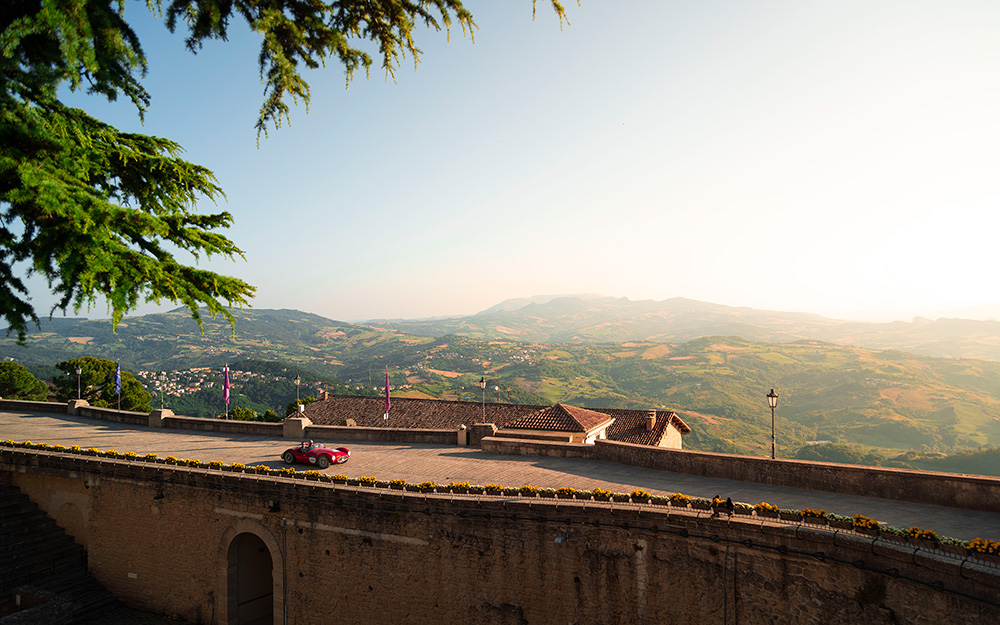
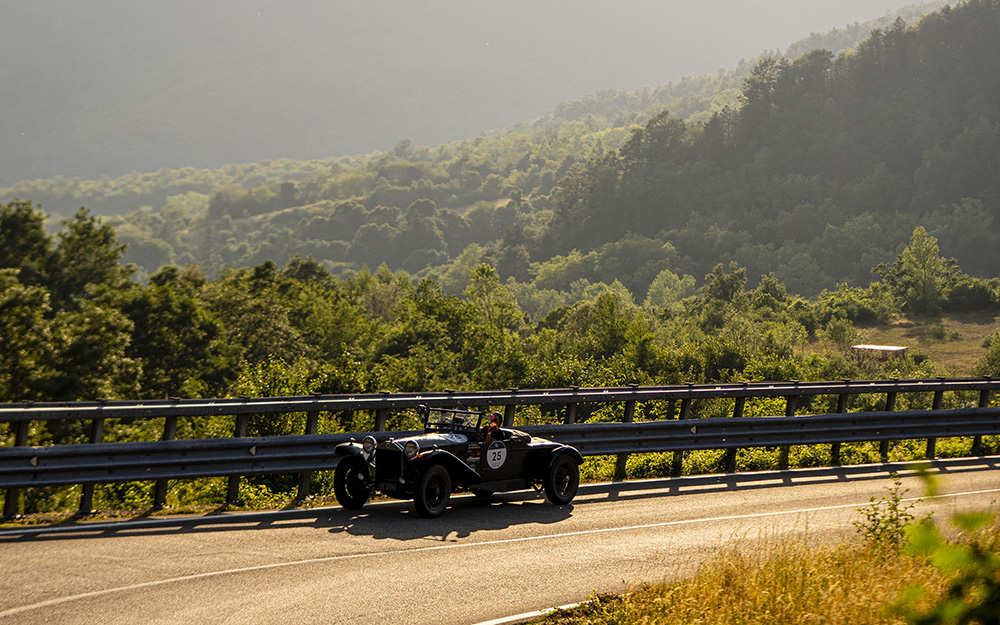 For 2026, the route will replicate the original roughly 1000 mile figure-eight course. Each of its five timed stages will take drivers on grueling 10 to 12 hour treks through a challenging mix of fast changing elevations while traversing winding, mountain passes; rugged dusty backcountry paths; narrow twisting cobblestone lanes squeezing through rural villages; and picturesque open vistas viewed from ancient roads clinging to cliffs overlooking the Adriatic Sea. Bruce Amster has seen and driven it all many times over since the 1970s.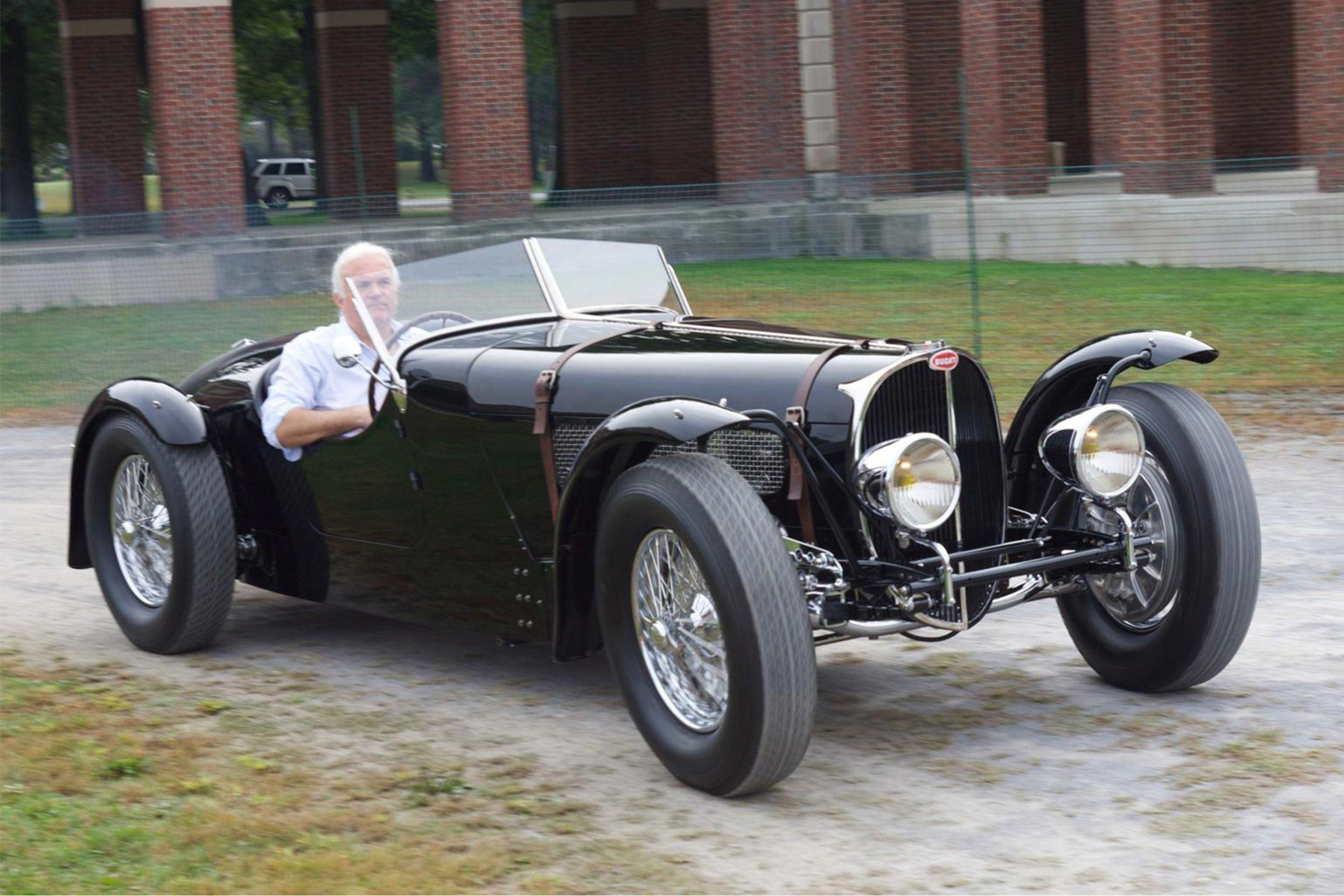
 It also makes sense for a newcomer to include a seasoned veteran as part of the team considering the price of admission. First to get accepted requires selection by the governing fathers of the Mille Miglia. The Management Committee of the Registro 1000 Miglia and the official 1000 Miglia Organizers select the vehicles based on originality and historical relevance. Eligible cars must typically be models that participated in or were registered for the original 1927–1957 races, with a preference for survivors. For an entrant who owns a car, Bruce understands the costs involved. Allowing that so many variables impact expenses, especially the cost to properly prep the car, Bruce describes his estimation as a ballpark figure. He says, “For a car coming from the United States, the cost for car preparation, shipping to and from Europe, travel costs, entry fees, support staff costs and myriad other “incidentals” the number can climb to somewhere south of $100,000.” When asked why he chose to campaign a coupe for this event rather than a cabriolet, his answer is simple. He says, “I have previously driven 10 hours in spyders with no tops that were not meant to be driven in the pouring rain. Even with all the proper rain gear we were still sitting in puddles of water. I don’t need to or want to check that box again.”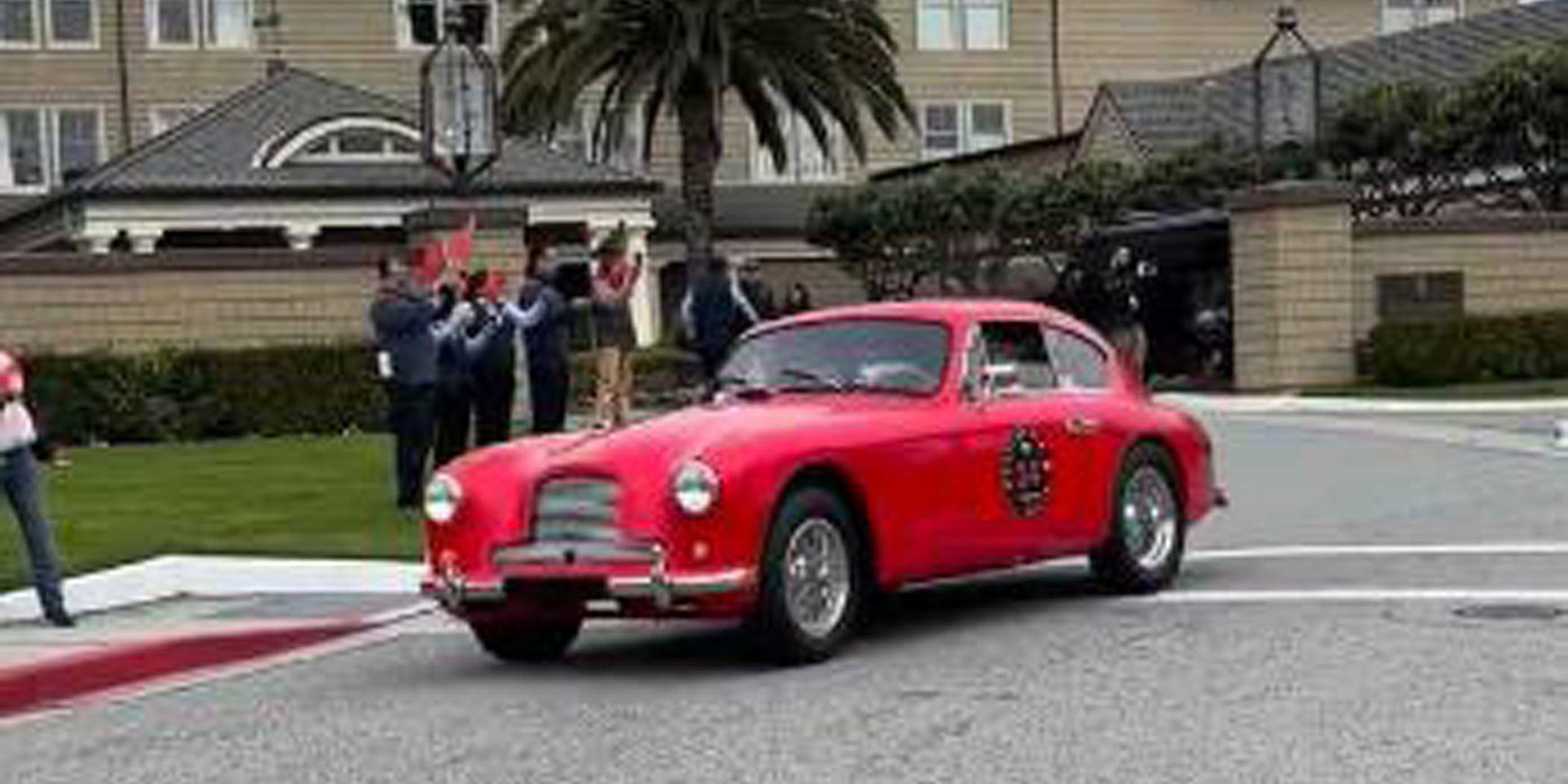
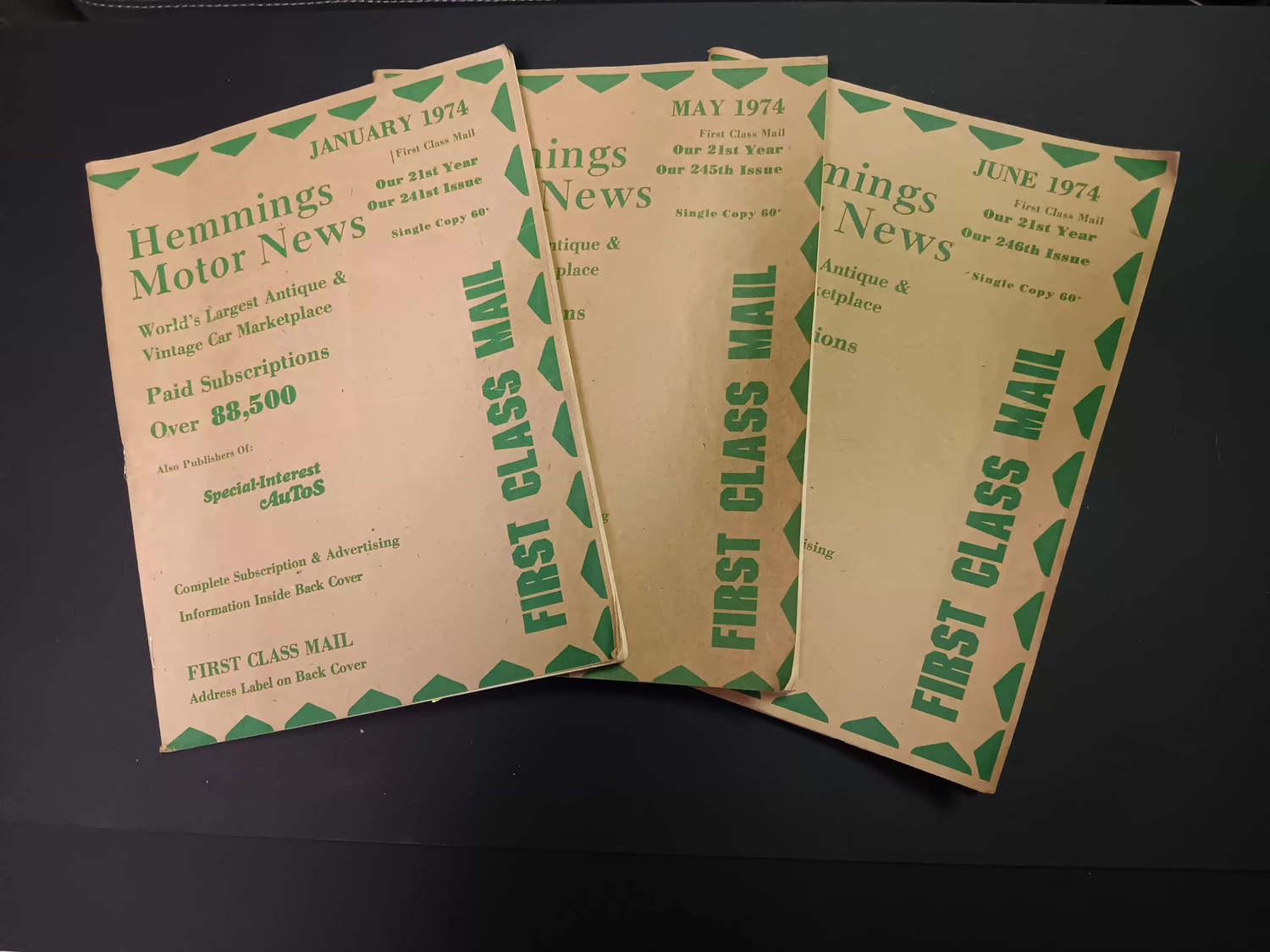

 As a harbinger of coming change early 1974 saw a new company called “Computerized Antique Car and Parts Service” advertise in Hemmings. Like some ancient aquatic denizen in an early but unsuccessful attempt to venture onto land, this business sought to apply computerized search techniques to marketing vintage cars and parts. It failed. However, decades later that business’ basic idea, empowered by 21stt century e-commerce tools, resurfaced as a powerful global entity energizing the collectible car culture. It had evolved into the online auction site Bring a Trailer and its kin. Indeed, the winds of change spurred on by profound advancements in digital commerce have expanded the enjoyment and associated business opportunities associated with a global collectible car culture to heights unthinkable fifty years ago. Such changes clearly demanded adjustments in the content and character of an evolving Hemmings.
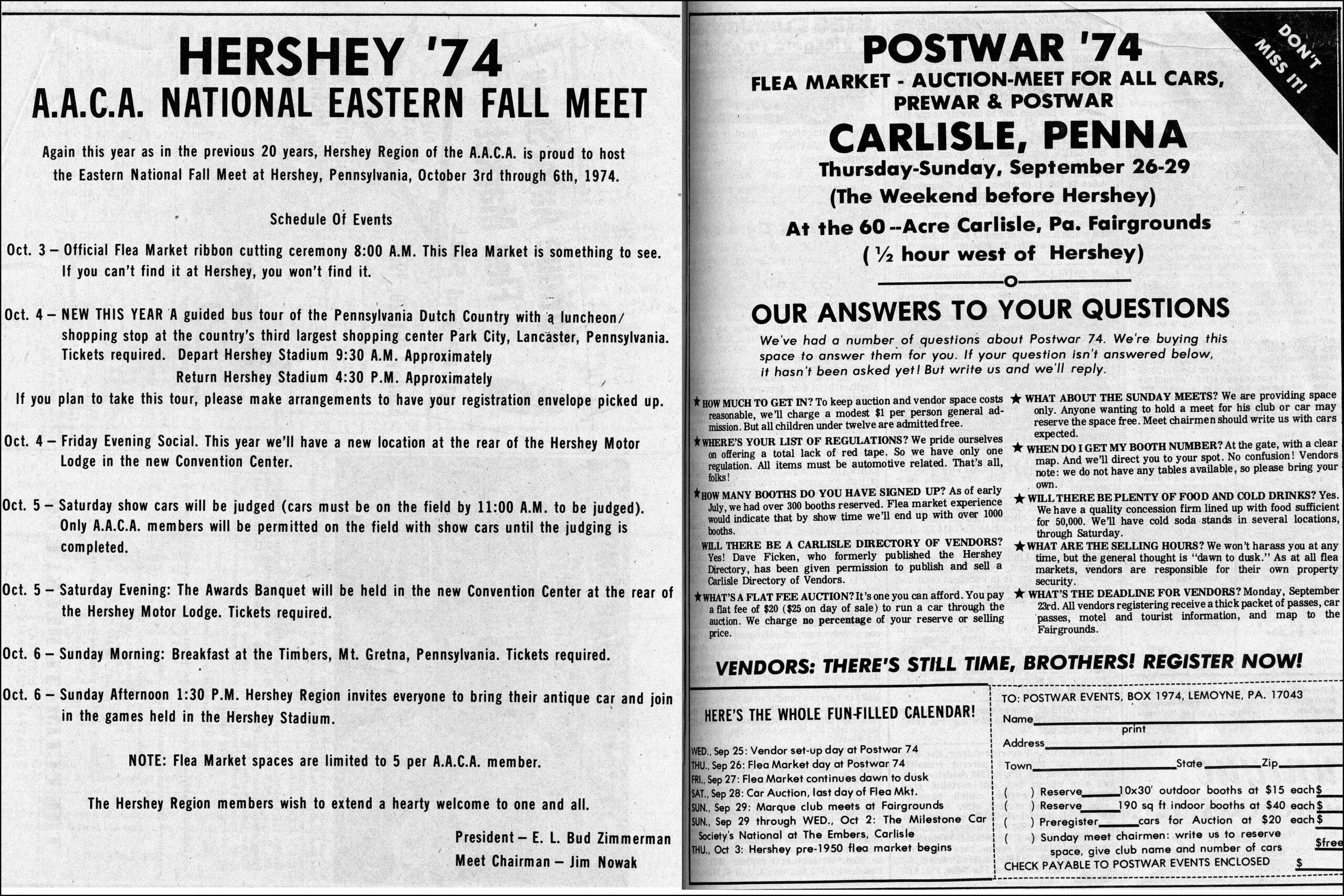 It would be into this fertile yet largely untapped realm of classic car culture that a few visionaries would initiate a sea change.Nurtured by a Hemmings advertiser, Leo Gephart, an Ohio classic car dealer, the seeds of change had shown green shoots by the early 1970s. Gephart, whom many consider the father of the modern large-volume classic car auction, had an idea. His experience had shown that car collectors would travel from state to state looking for old cars at estate sales. Based on this he believed that a lot of collectors could be expected to gather if a huge number of cars had been assembled for sale in one place. Gephart, a long time member of the Auburn-Cord-Duesenberg Club, approached a friend Russell Kruse with the idea. Till then Kruse had specialized in the auctioning of Construction equipment. Both men like the idea. On Labor Day in 1971 Kruse Auctions in collaboration with the Auburn-Cord-Duesenberg Museum hosted the Auburn Labor Day Auction.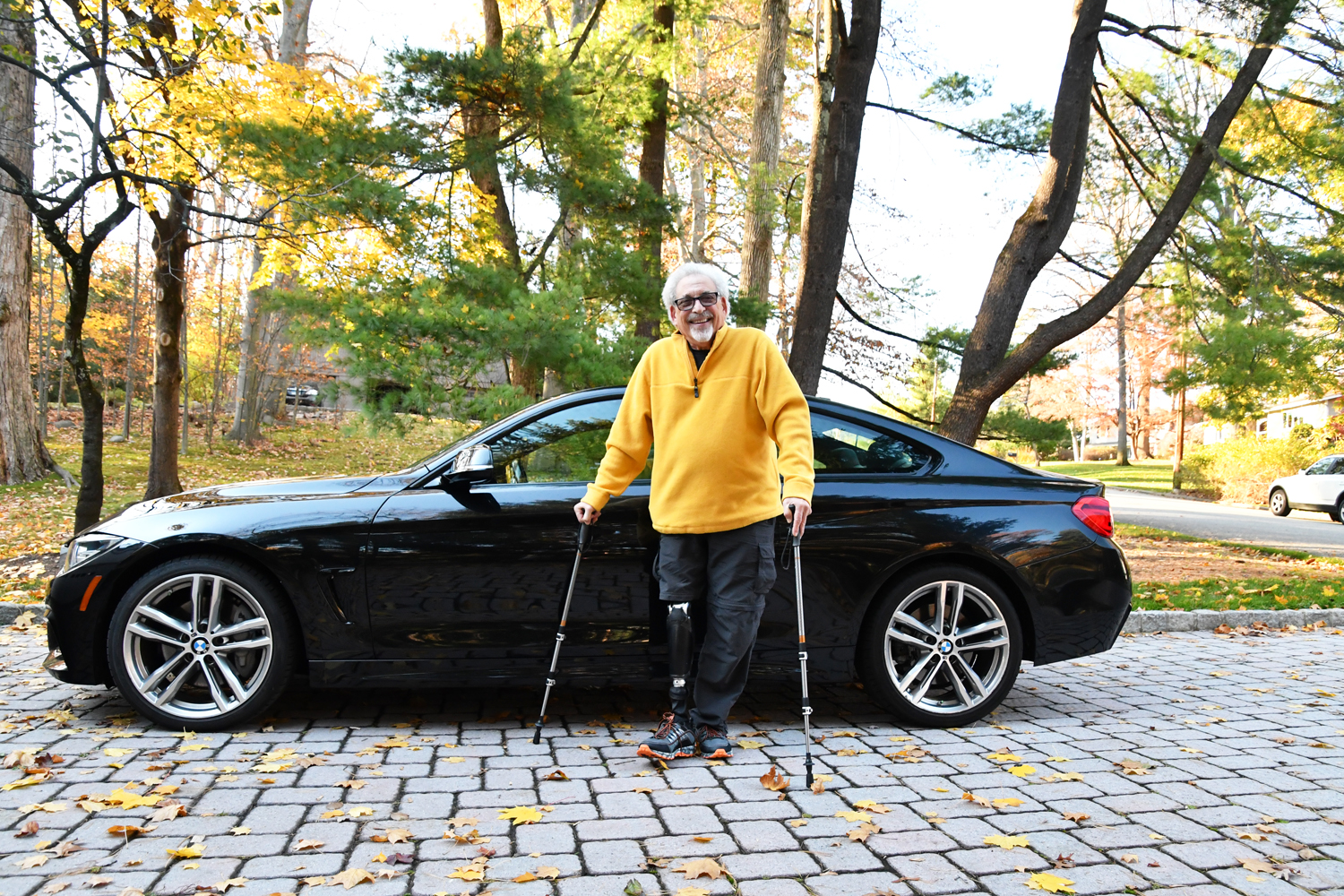
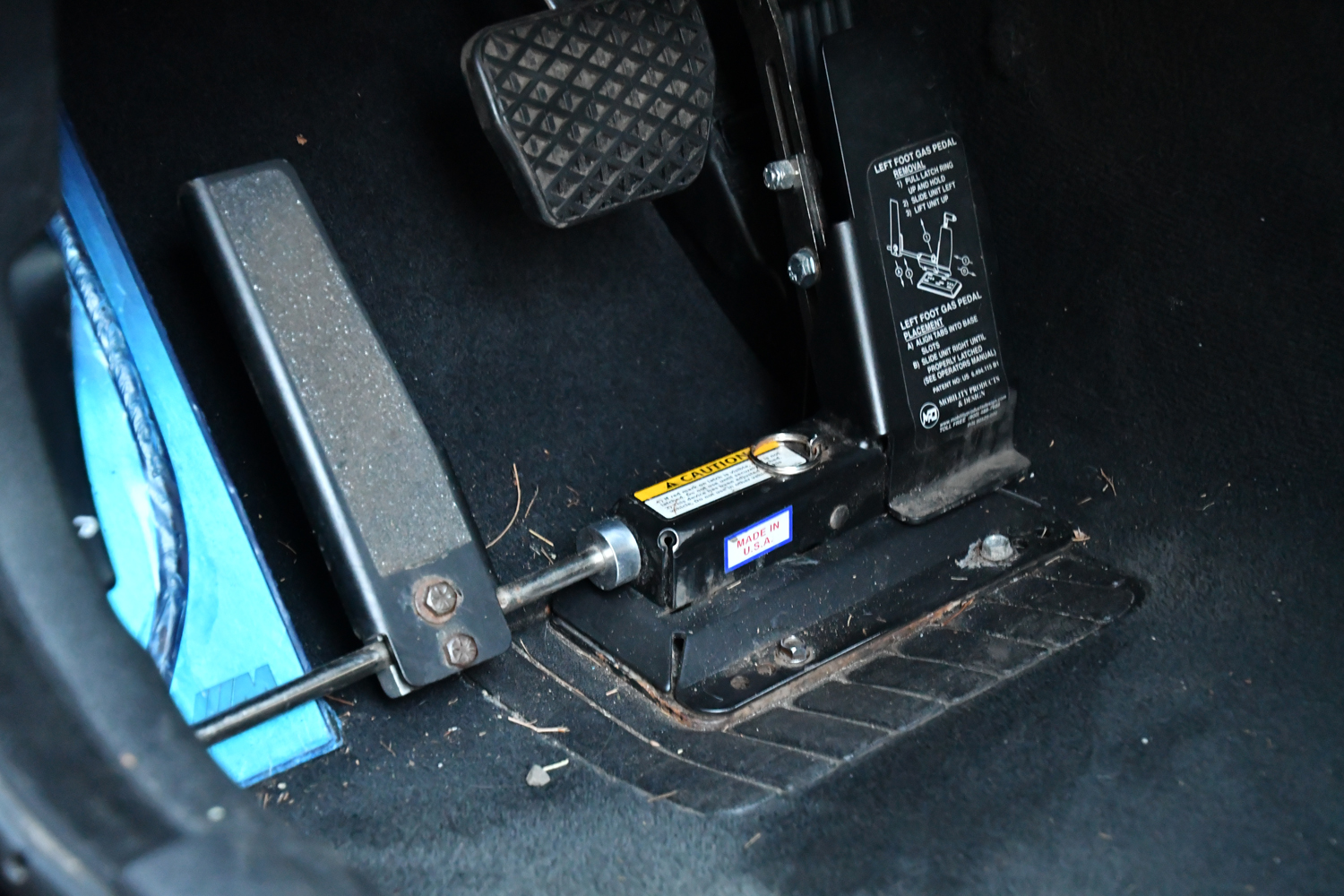 amputees. When they took off my leg I had first intended to get rid of my 440i and buy something else. But then, I learned I could drive my BMW using my left foot with a device available locally. What a great device.
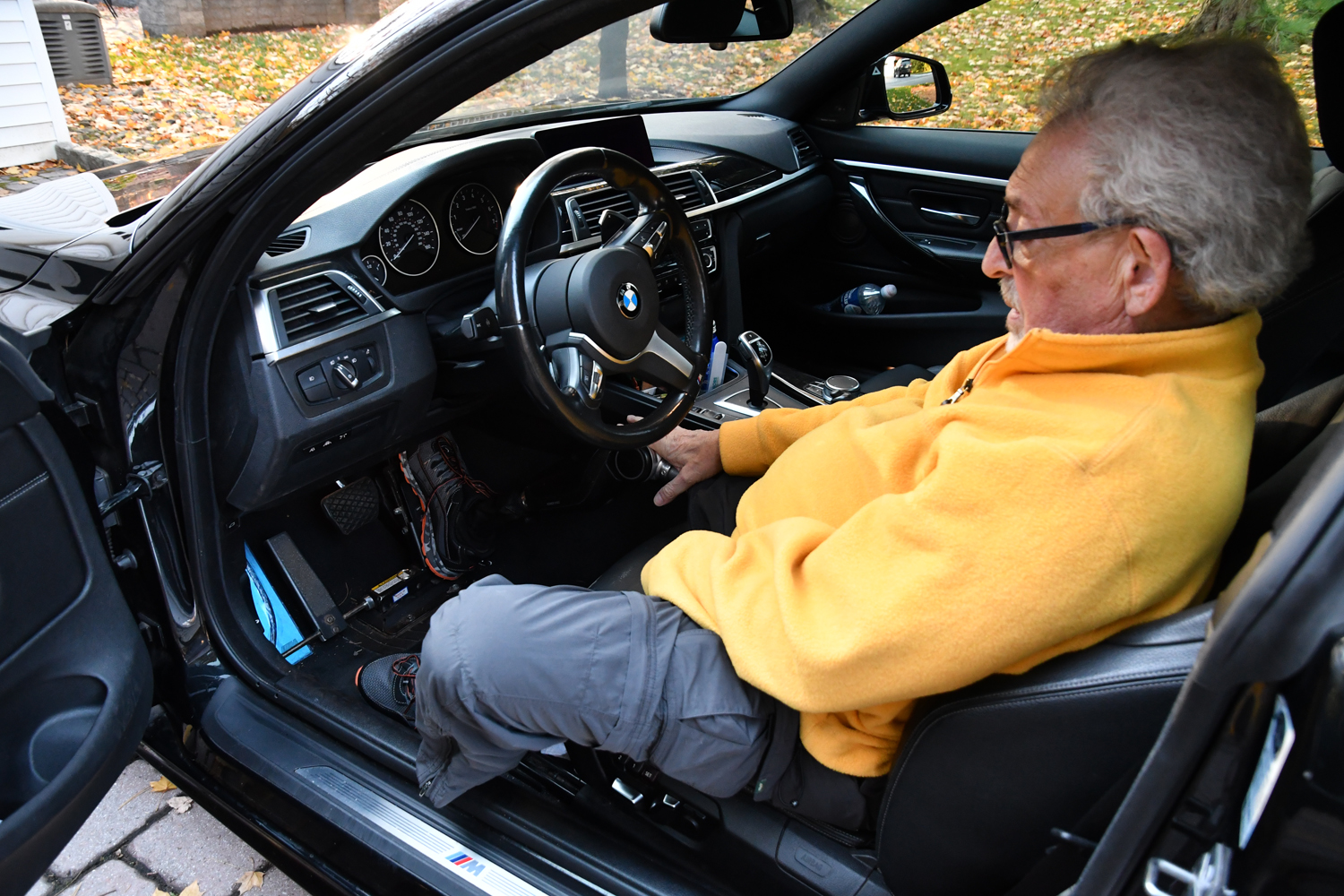 “I have to have a 2-door coupe, like my 440i,” says Herb. He explains why saying, “You need a big door when you have a prosthetic leg. In my case, it’s my right leg, and I’m sitting on the left side of the car. I have to lift my right leg with my hand, slide it out and then slide my body. In order to do that, I need a big door and automatic seat settings.” To exit the car requires Herb to have the seat all the way back. Herb says, “I couldn’t drive a car that didn’t have electric seats because without a memory seat, it would be a nightmare every time I got in and out of the car.”
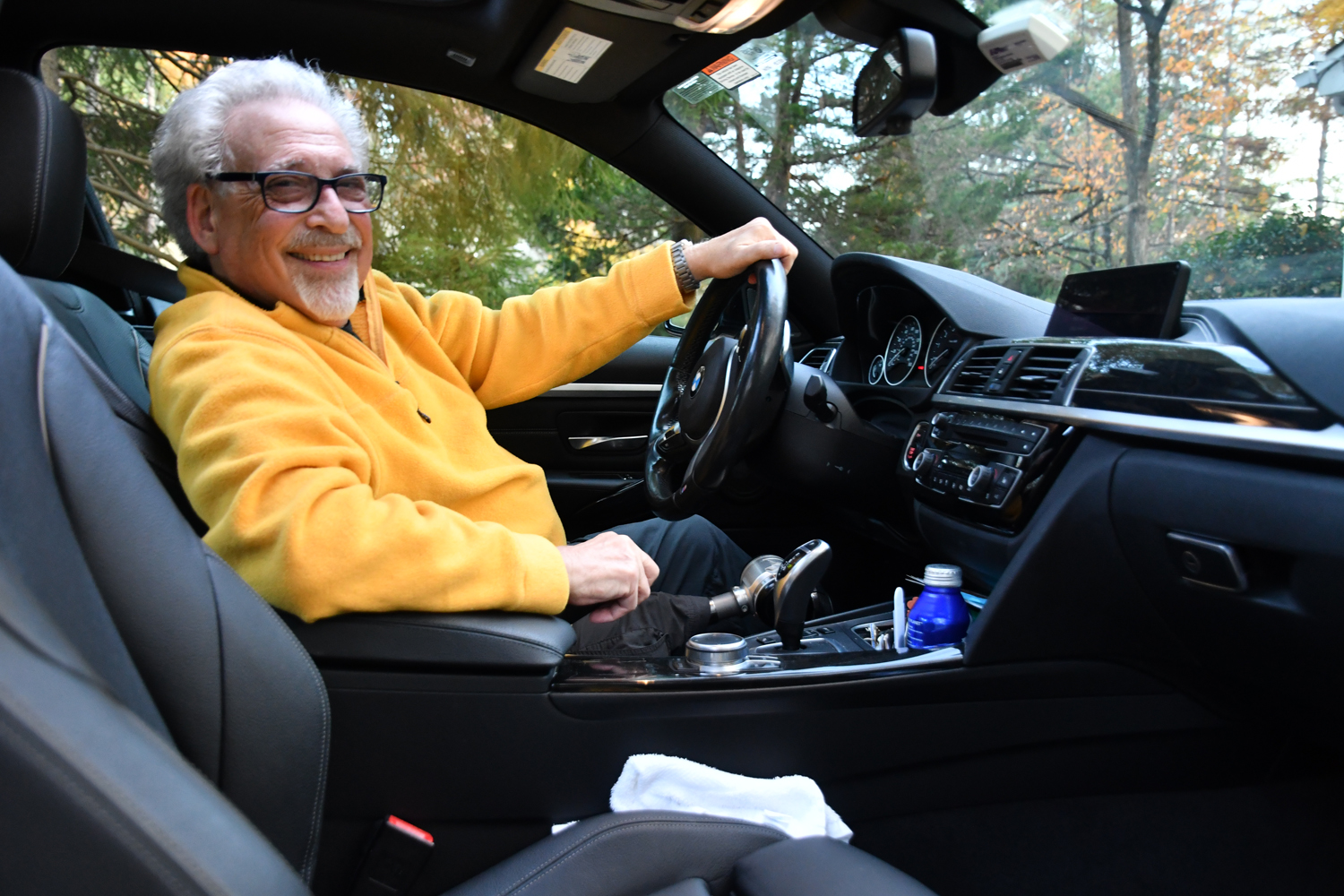 When asked if the driving experience changed with the prosthetic device, Herb says, “Yes and no. I have always loved driving, however, all my cars had been stick. However, because of what happened I can no longer drive stick. But considering that pretty much all brands have stopped making them, it seems an inevitability. I don’t like the paddles. Not the same, not even close. So that’s where it’s changed. But I got used to it and I still love to drive. I mean, I get relaxation. I love being surrounded by my music. I love the quickness and toss-ability of my BMW. I rejoice in tracking on a serpentine back road. Yeah, I still take exit ramps at 60 miles an hour, you know, just to feel how the car holds the road.”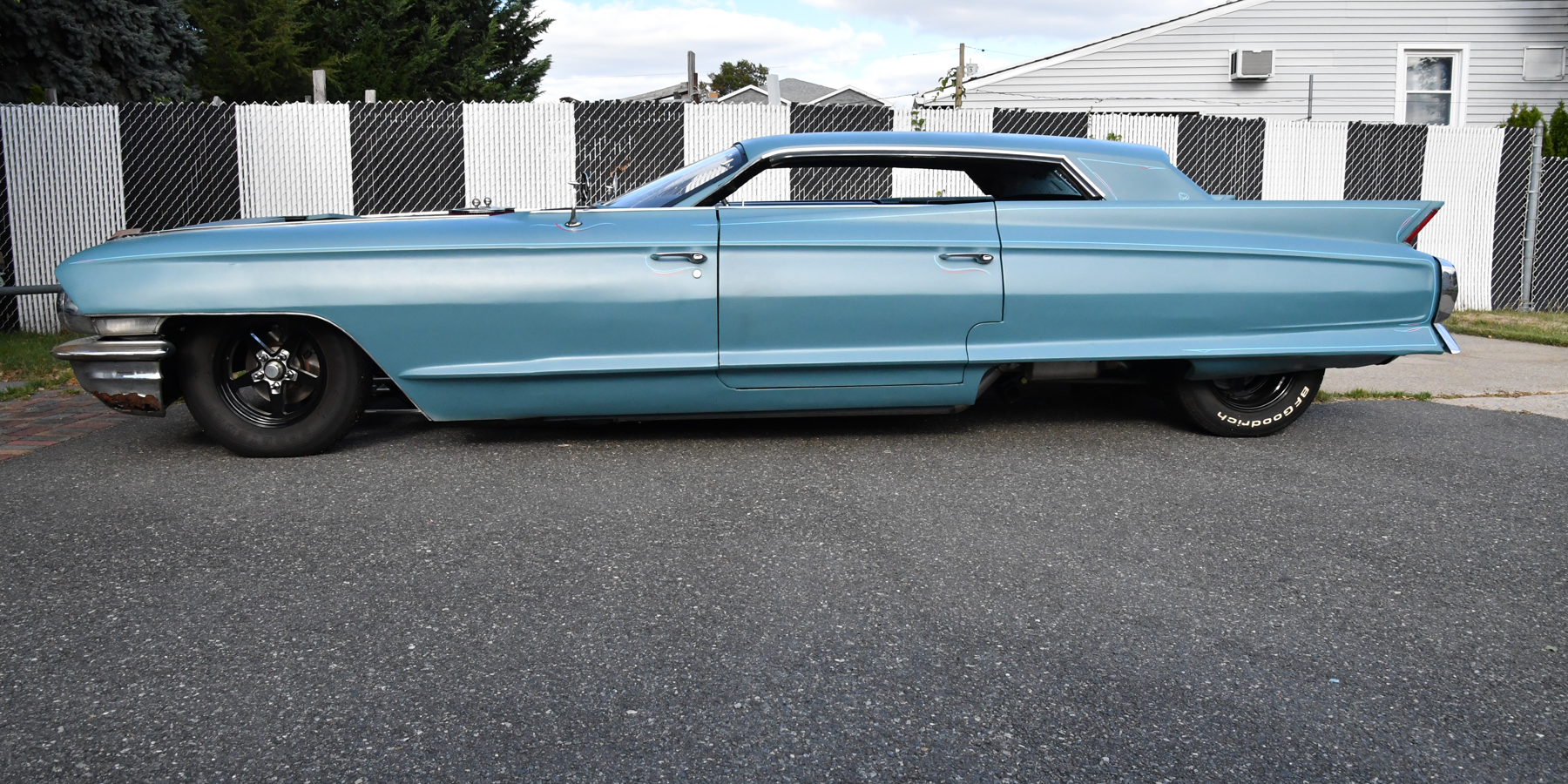
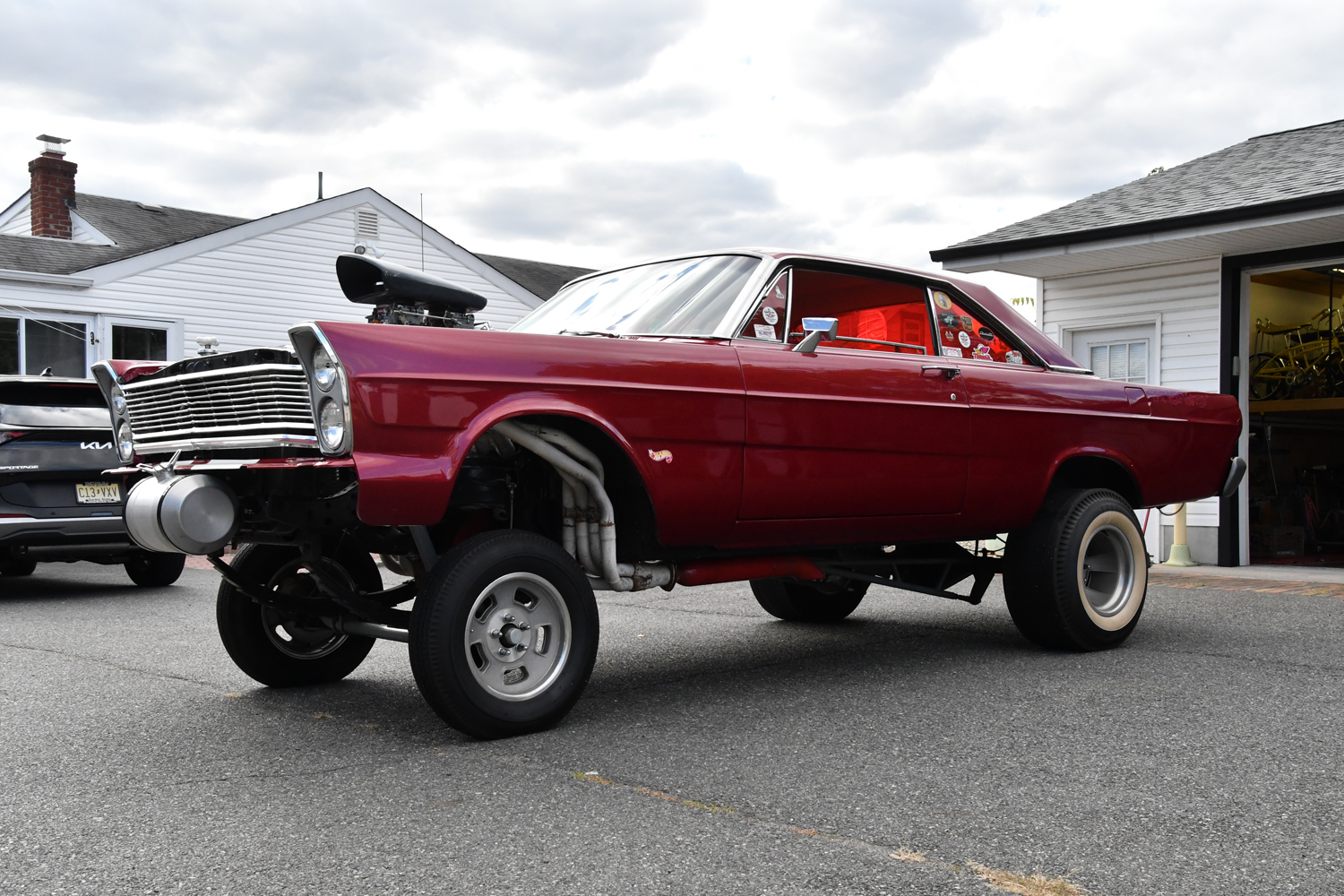
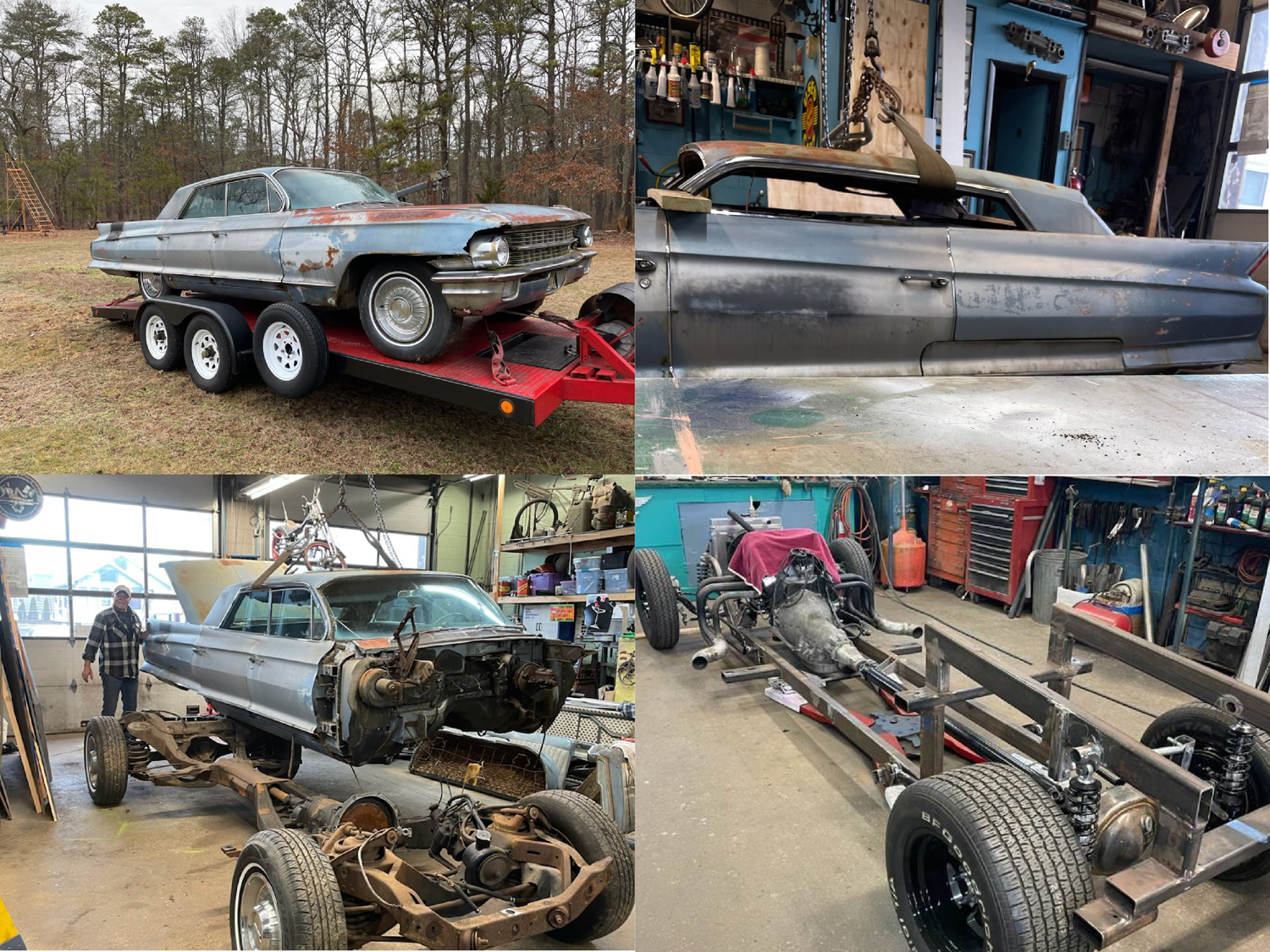
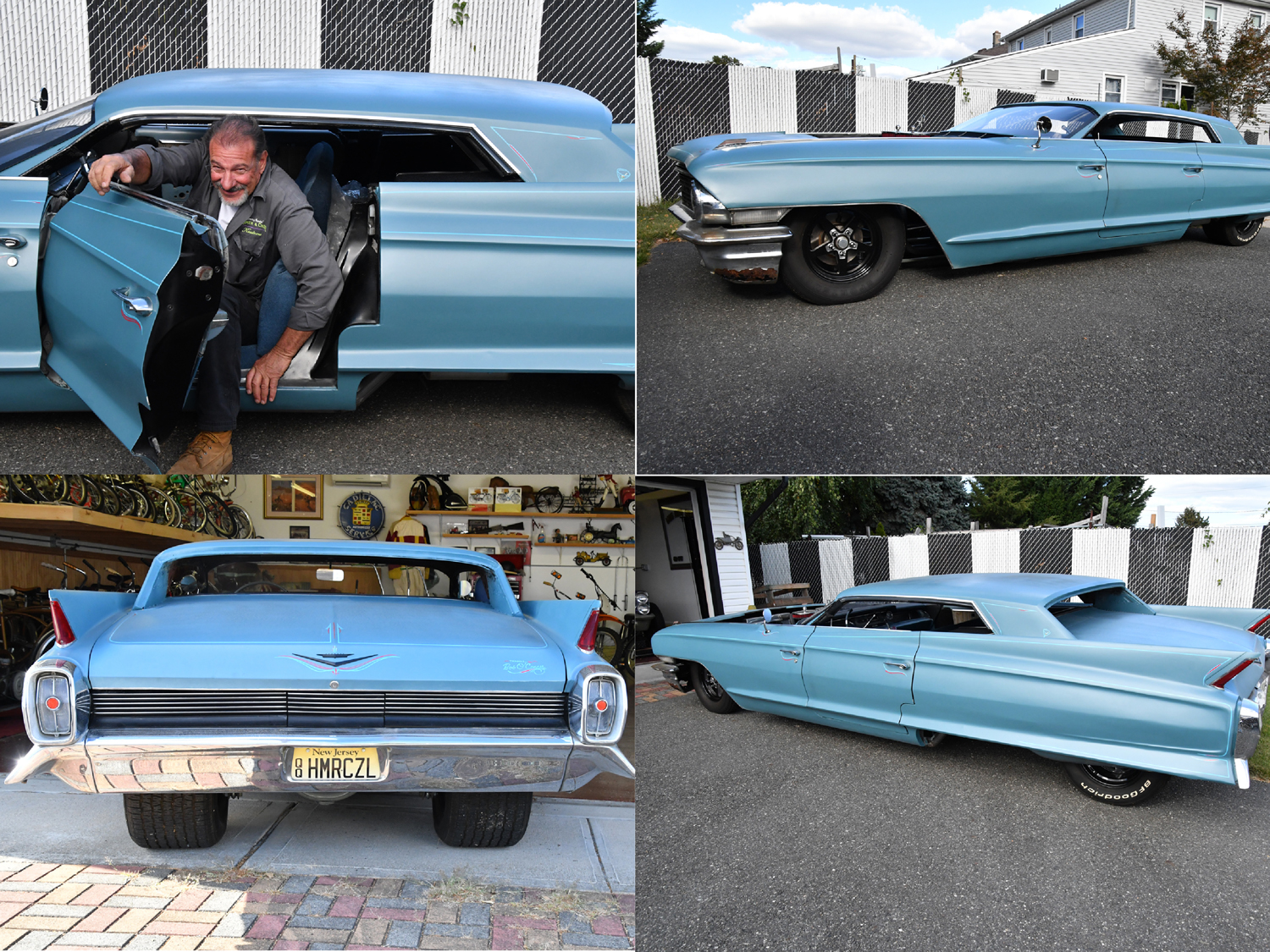
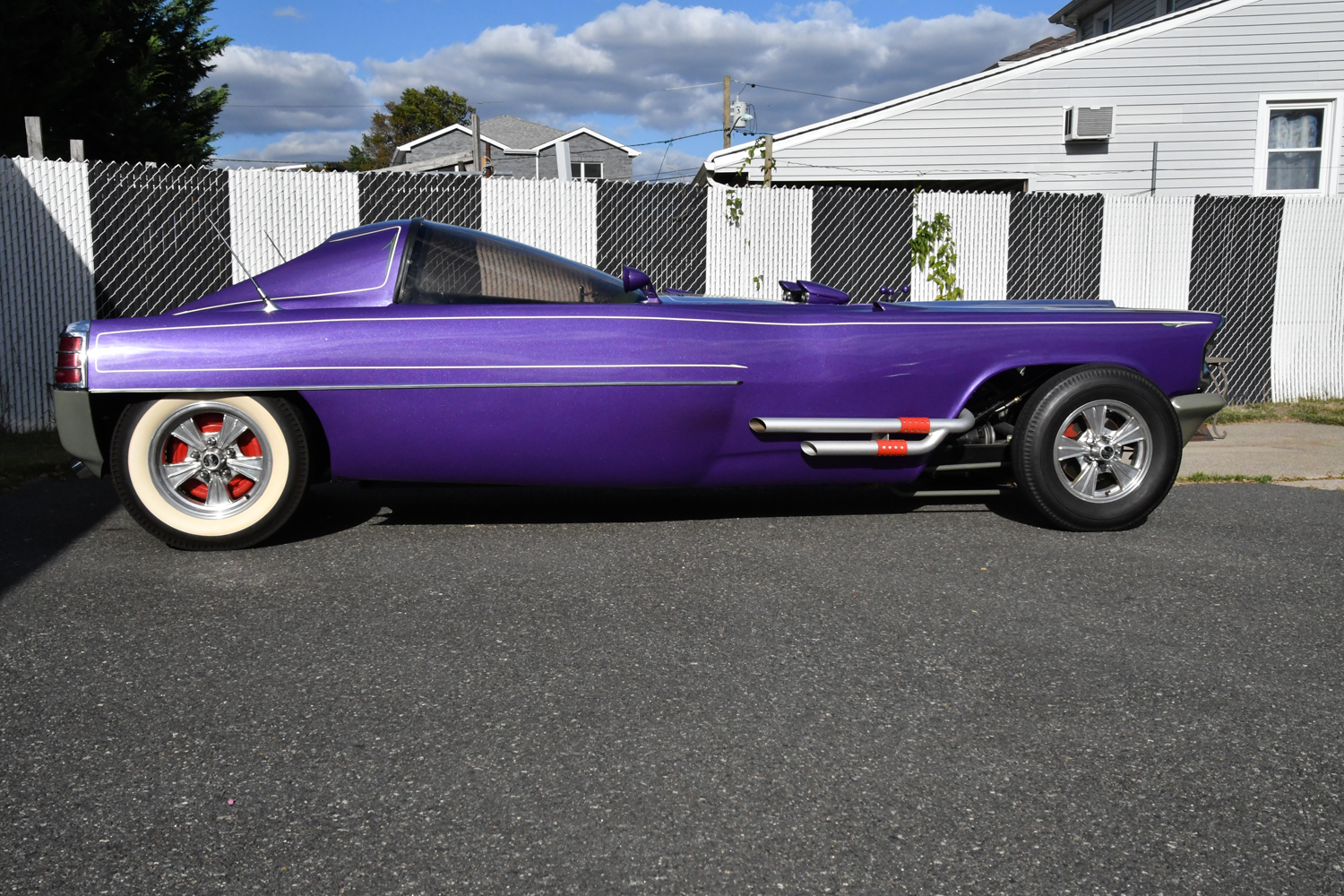
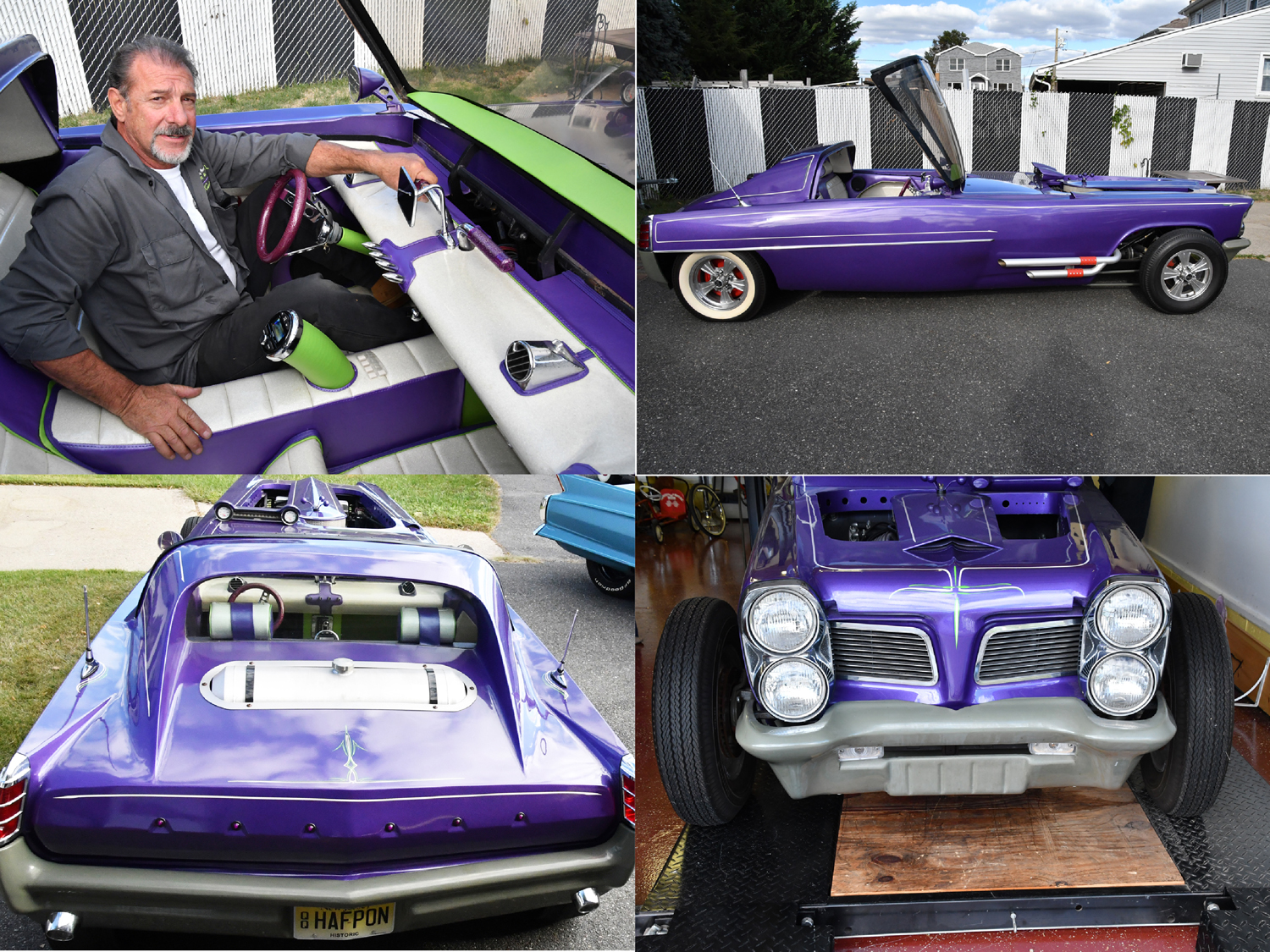
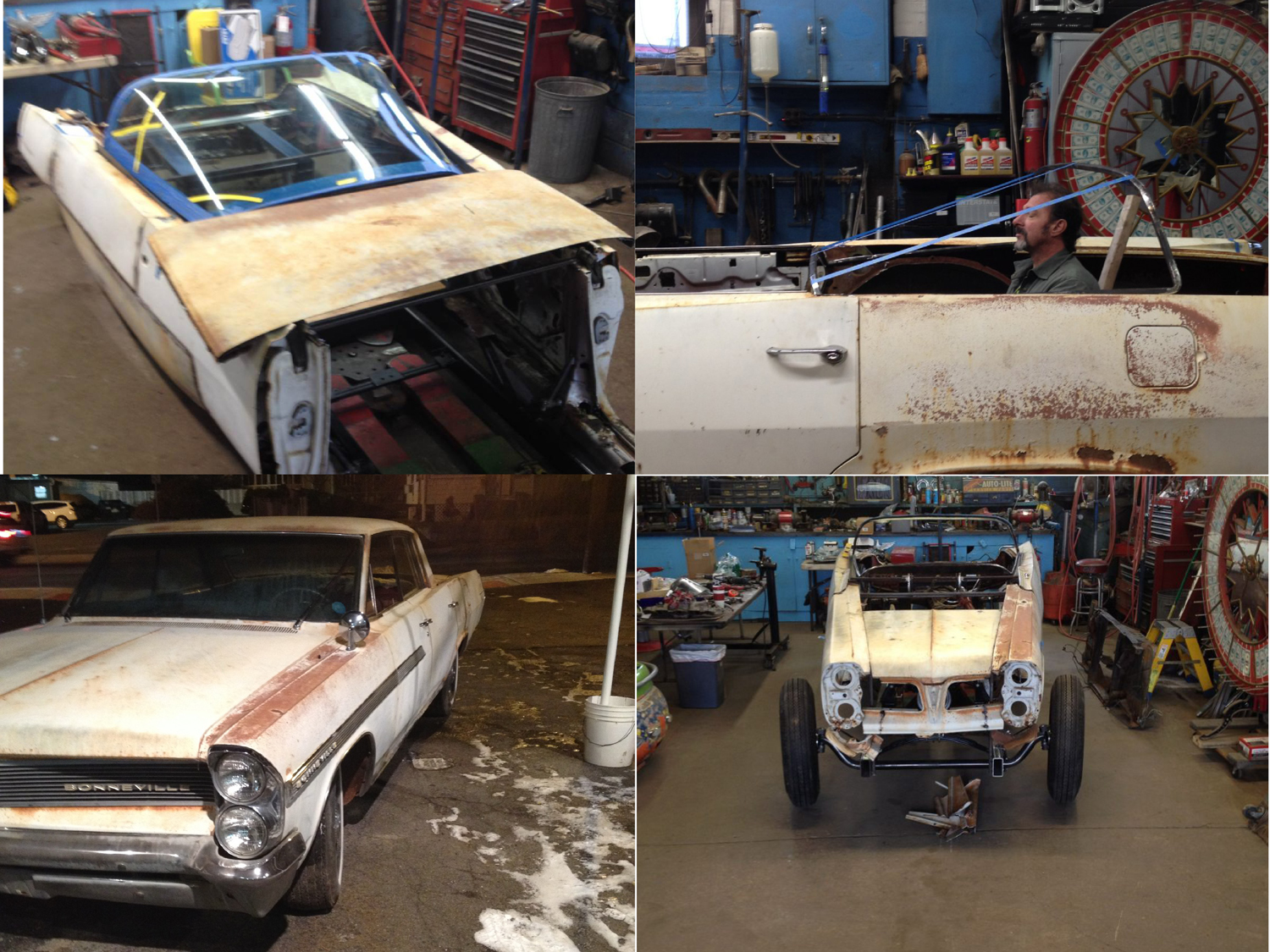
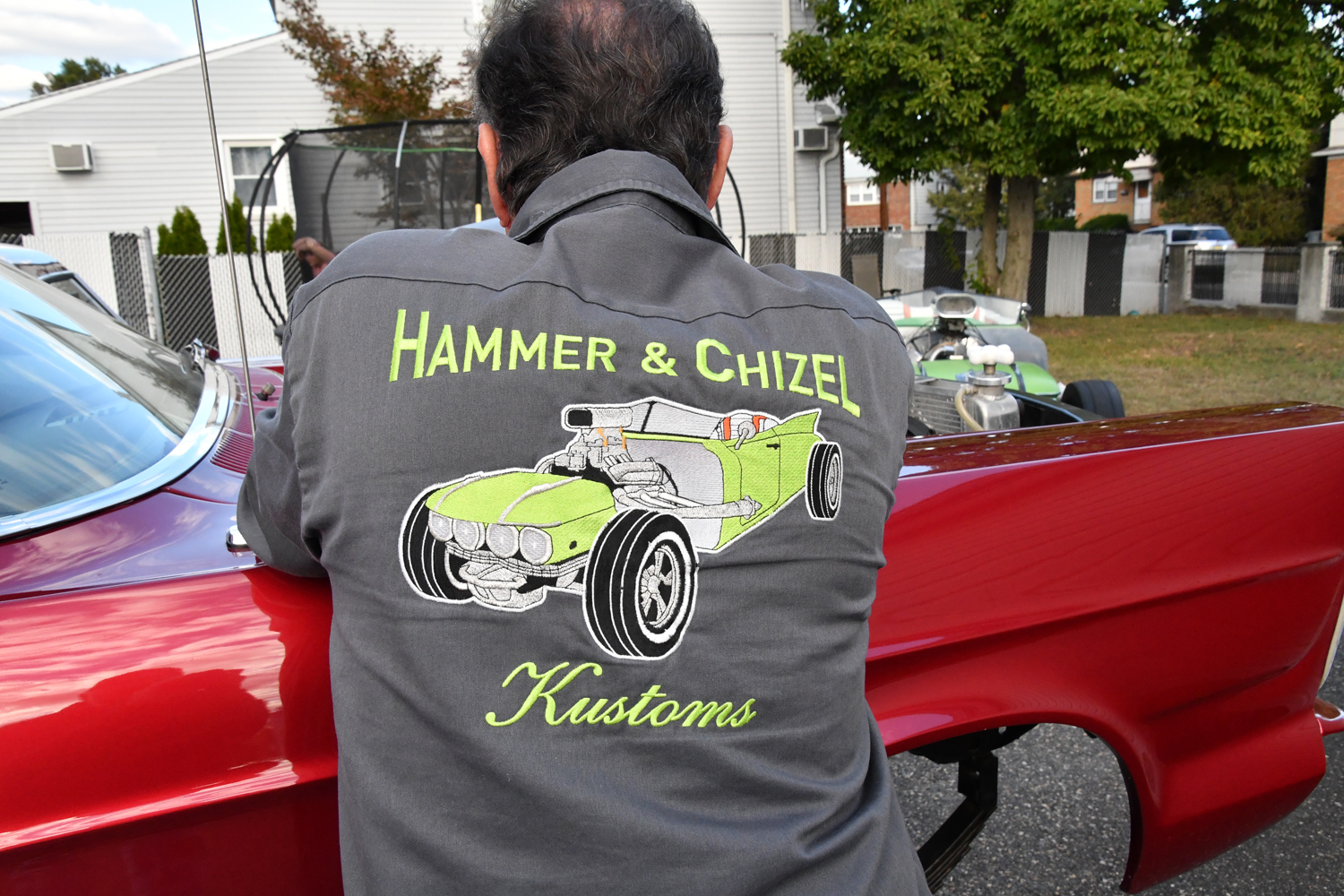 reflecting on his passion for hands-on car creation Jim says, “Most of my found happiness is probably through my father. He owned the used car lot that colored my early life experiences. He had the passion for cars. He is gone now but his spirit lives on through the life my work brings to his garage.” As an added bonus Jim says, “Ours is a neighborhood of close friendships. Even after my father passed, his old friends and, now, my old friends like Big Bill, Mike and Bob stop by the garage regularly to check in and maybe lend a hand on my latest project.” Jim has even continued hosting what was once his father’s annual Christmas party at the garage.”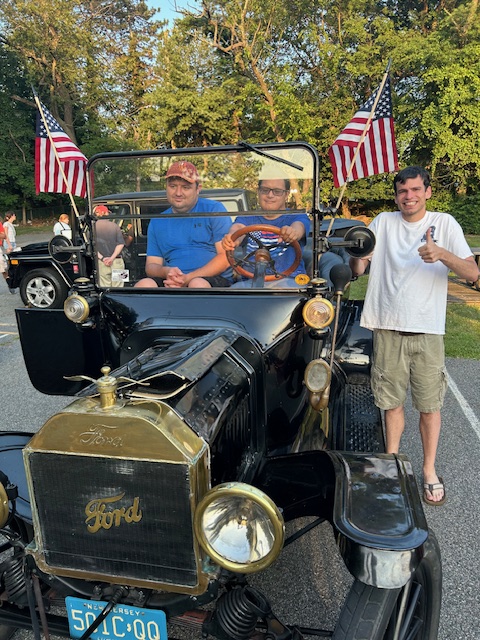
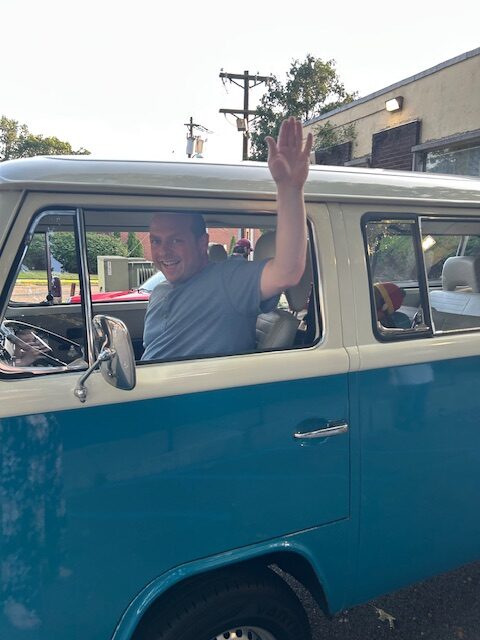 The “Car Show” represented a unique activity in the ongoing effort to create engaging monthly social events. In this setting these young adults could engage with the classic cars and the owners in a social setting with familiar faces. In so doing they could develop the social skills necessary to improve their quality of life.
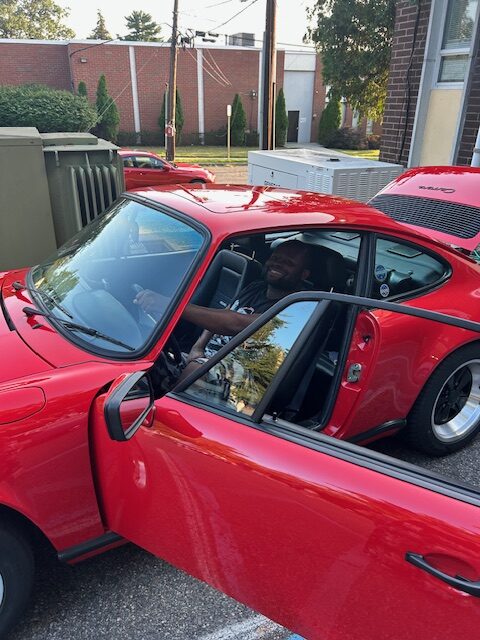 One great example of the conflicting cognitive versus social abilities of clients occurred with Peter, the owner of an especially nice 1986 Guards Red Porsche 911 Carrera and a knowledgeable car guy. One of the clients approached to view Peter’s Porsche. Peter invited the client to take a seat behind the wheel. “Oooohhh nooo,” the young man replied as he retreated from the interaction. A while later the young man returned to ask if he could, indeed, sit in the Porsche. Peter guided him behind the wheel while taking his place in the passenger seat. Peter in delightfully describing his shock says, “This young man spoke so knowledgeably about Porsches I was completely blown away. I never expected that.”
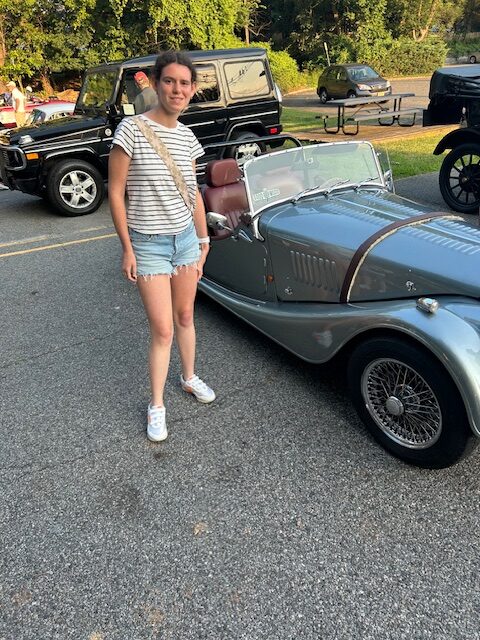 Car-centric activities engaged the clients throughout the evening till the summer sun sank to the horizon. Long shadows signaled that the time had arrived for the show to end. Illuminated in the golden glow of the sweet light cast by a setting sun, the eclectic collection of classic cars individually departed to the cheers of the clients as they gathered to wave goodbye to their new friends.
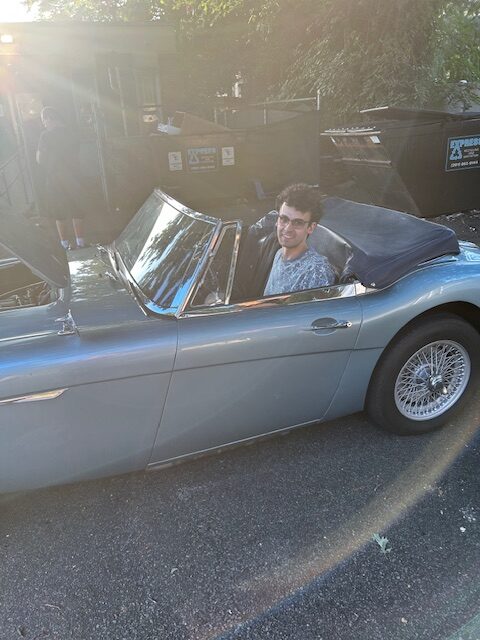 Both Arlene and Kayleigh praised the owners. Arlene said, “Your people were so patient. I watched and saw how some of them kind of stood back and observed. And when a client approached close enough to indicate interest that’s when the owner would slowly make his way over. He would casually go up and say, ‘Do you want to see it?’


 been called upon by the Mark V’s octogenarian owner to arrange its sale. Bryan, with decades of Jaguar experience operated of one of the most respected Jaguar restoration and repair shops in the country While gifted with exceptional restoration and technical skills, Bryan did not claim the same mastery with the writing and photography skills necessary to properly market the vintage Jaguar. He wisely reached out to his long time friend and fellow car enthusiast Bob. With Bob’s extensive experience in photography, copy writing and sales, he gave Bryan a high level of comfort and rightfully so. October 2023 witnessed Bob enthusiastically embark on the requisite preparation to list the Jaguar.