Conversations With People We Value #28
A number of weeks back Drivin’ News took a look at the birth and adolescence of the printed new car brochure from 1900 up to World War II.
Mirroring the explosive advancement in automobile design and execution as the Depression ebbed, the new car brochure came of age just as the world plunged into global warfare.
The creative outpouring poised to blossom in automotive literature would stall until millions of men and women would march off to war to save the world from the greatest tyranny civilization had ever faced.
Marked by the exhilaration born of war’s end, American consumerism exploded with an insatiable appetite for things decidedly modern, exciting and innovative.
With a population exhibiting a manifest destiny-like determination to create a better future, the years following WWII ushered in the dawn of the pinnacle period for a dominant American automobile culture and the accompanying golden age of the new car brochure.
As noted in Part I, the dawn of 21st century digital delivery efficiencies would doom the high quality, brilliantly photographed, aesthetically striking and increasingly expensive print bibles of the new car sales effort.
In Part II, Drivin’ News looks back at the high point of the new car brochure genre in the latter 20th and early 21st Centuries.
Evolution of the new car brochure, Paper to Pixel –
Books that sold the American dream
(Part II 1946 to 2010)

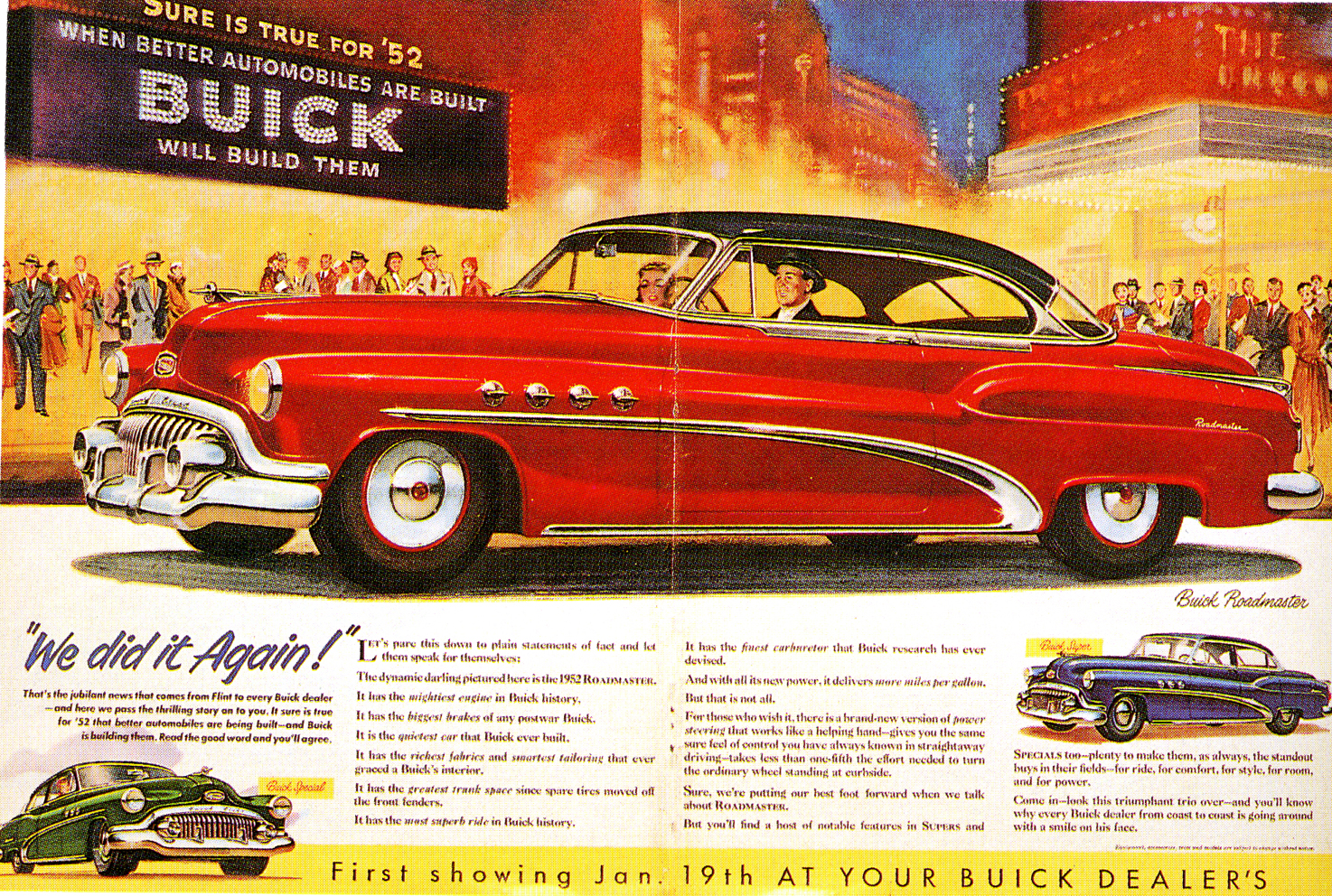
1952 Buick brochure
Just like the postwar automobiles they featured, new car brochures in the 1950s radiated a bold vitality with vibrant colors and striking presentations. They embodied the fruits of greater graphic design sophistication, the ready availability of high quality art and the emergence of photography as a powerful creative tool. Brochures grew in size. Artistic representations of new car models grew in size and in scale when compared to the stature of their blissfully confident diminutive drivers and passengers.
Lifestyle dominated every spread with family an important theme. Images on the page in the fifties displayed greater color saturation but continued to be lacking in detail due to period limitations of the printing process.
By the mid-1950s four-color photography gathered support as a tool considered superior to high-end illustration as a source of hero imagery. Research decidedly favored photography over illustration as the superior technique for delivering visual impact.
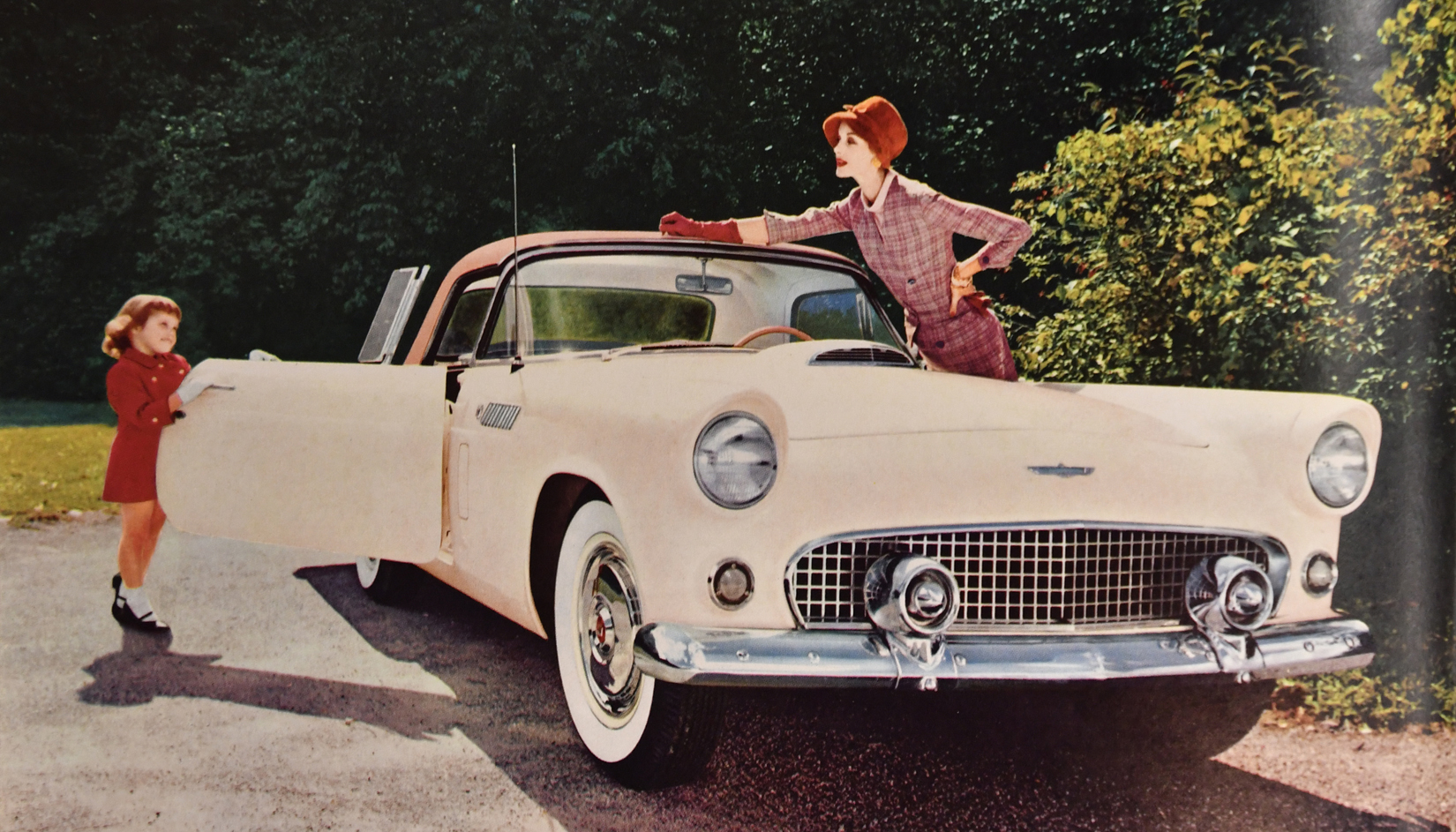
1956 Thunderbird brochure
Post WWII America, confident, motivated and determined, embraced the automobile. The automobile empowered millions to fuel the explosive growth of suburbs where they could enjoy the fruits of their efforts and live the good life. It was a life vividly displayed throughout period new car brochures. 1950s new car brochures not only sold cars, they trumpeted the achievable rewards of pursuing the postwar American Dream.
1960s to 1974, Muscle cars to gas lines
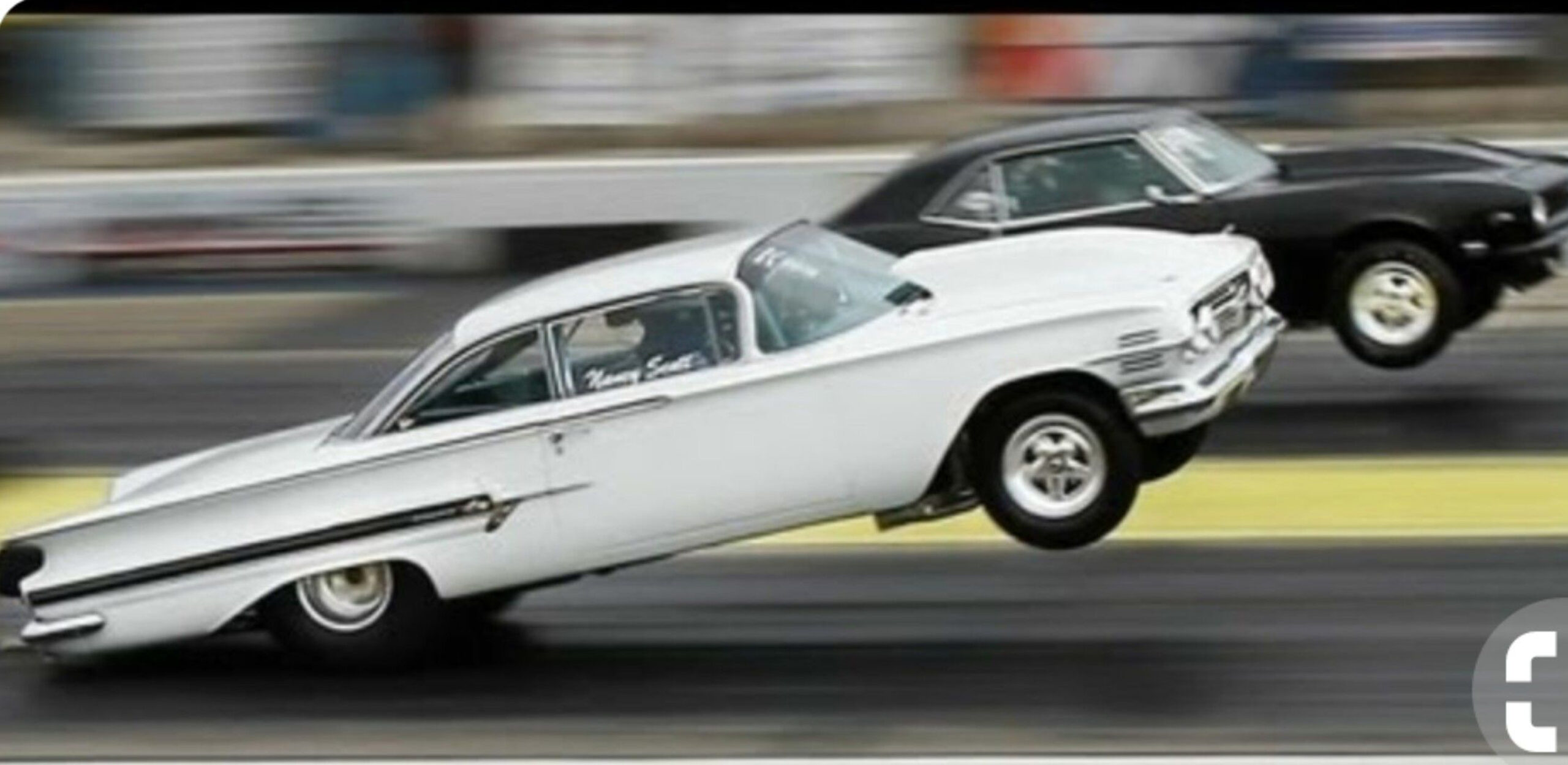
1960s drag racing
As all those postwar babies started growing up, American culture would convulse through seismic shifts that reconfigured social, environmental and automotive values. Early on, muscle cars burst onto the scene sparking an intense love affair with power, performance and aggressive automotive design. Horsepower wars sounded a steady and loud drum beat heralding escalating competition on the track and on the street. At the same time other Americans gave their hearts and loyalty to small cars especially the Volkswagen. In many ways consensus splintered as perspectives and paths diverged. However, by decades end with environmental and safety restrictions winding down the horsepower, performance and land yacht party, the stage was set for the last nail in the coffin of the mid-century performance joy ride. Enter “The gas crisis.” For new car brochures it was, at first, the best of times and then abruptly the worst of times.
The 1960s witnessed photography supplant illustration as the dominant source of new car brochure imagery. That changing of the guard coincided with two partnerships that stood above all others as giants in the history of automotive promotional imagery.
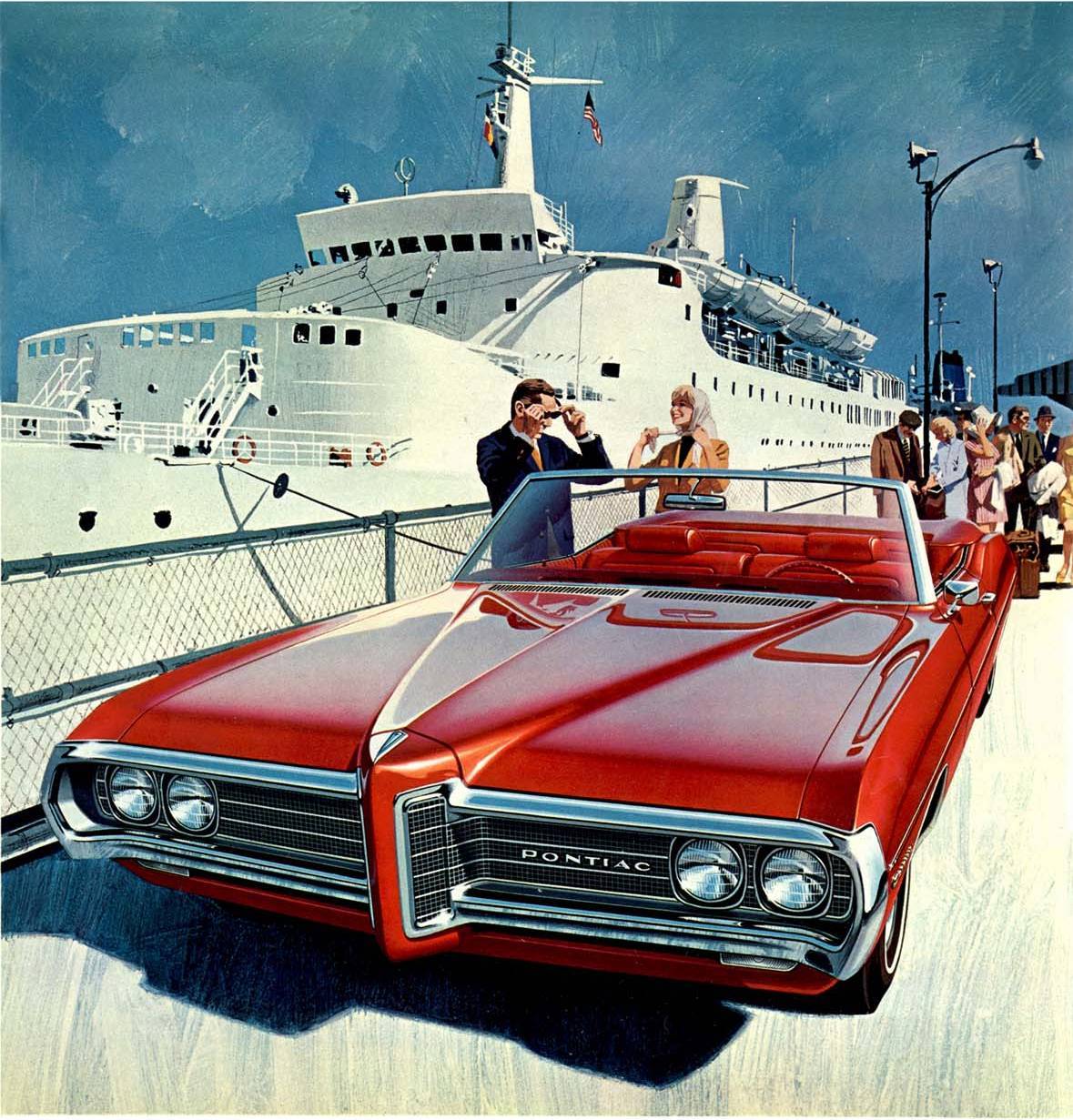
Fitzpatrick and Kaufman Pontiac art
Illustrators Art Fitzpatrick and Van Kaufman and Boulevard Photographic founders Jimmy Northmore and Mickey McGuire reside in the pantheon of automotive artistry. Fitzpatrick created deliciously distorted visualizations that powerfully expressed a stylized vision of a vehicle’s attributes. Kaufman, a former Disney animator, created evocative lifestyle imagery employing exotic places and attractive, active people. The two then collaborated to combine their separate creations. They did so brilliantly. Their work in creating and promoting Pontiac’s “Wide Track” promotional imagery stands as the signature representation of their artistic genius. In viewing Fitzpatrick’s and Kaufman’s work, most notably for Pontiac from the late 1950s to the early 1970s, there is no doubt who did it.
Boulevard Photographic towered as a creative force thriving on photographic challenges. Boulevard, powered by the collective visionary genius of Northmore and McGuire, literally willed photography into the forefront of automobile commercial imagery.
Printing’s ability to put ink on paper improved significantly during the 1970s as did the finishing process. Breathtaking imagery and exciting graphic design supported by exquisite typography transformed the new car brochure into a dynamic sales tool that offered a new fresh perspective.
Powerful photographic images displaying a driver’s point of view demonstrated a greater emphasis on interior design. The use of coated glossy paper stock with a richer feel became more prevalent. Full color gatefolds pulled out for more powerful presentations.
During this period American showrooms witnessed the appearance of foreign cars, predominantly European. Initially brochure work for imports reflected a conservative approach to layout with design featuring photography that offered a straight forward depiction of a product usually fairly well devoid of romance. This would change as American attitudes towards brochure imagery migrated to Europe. To quote Mickey McGuire of Boulevard Photographic, “We introduced Europeans to sex and romance…at least as far as car advertising is concerned.”
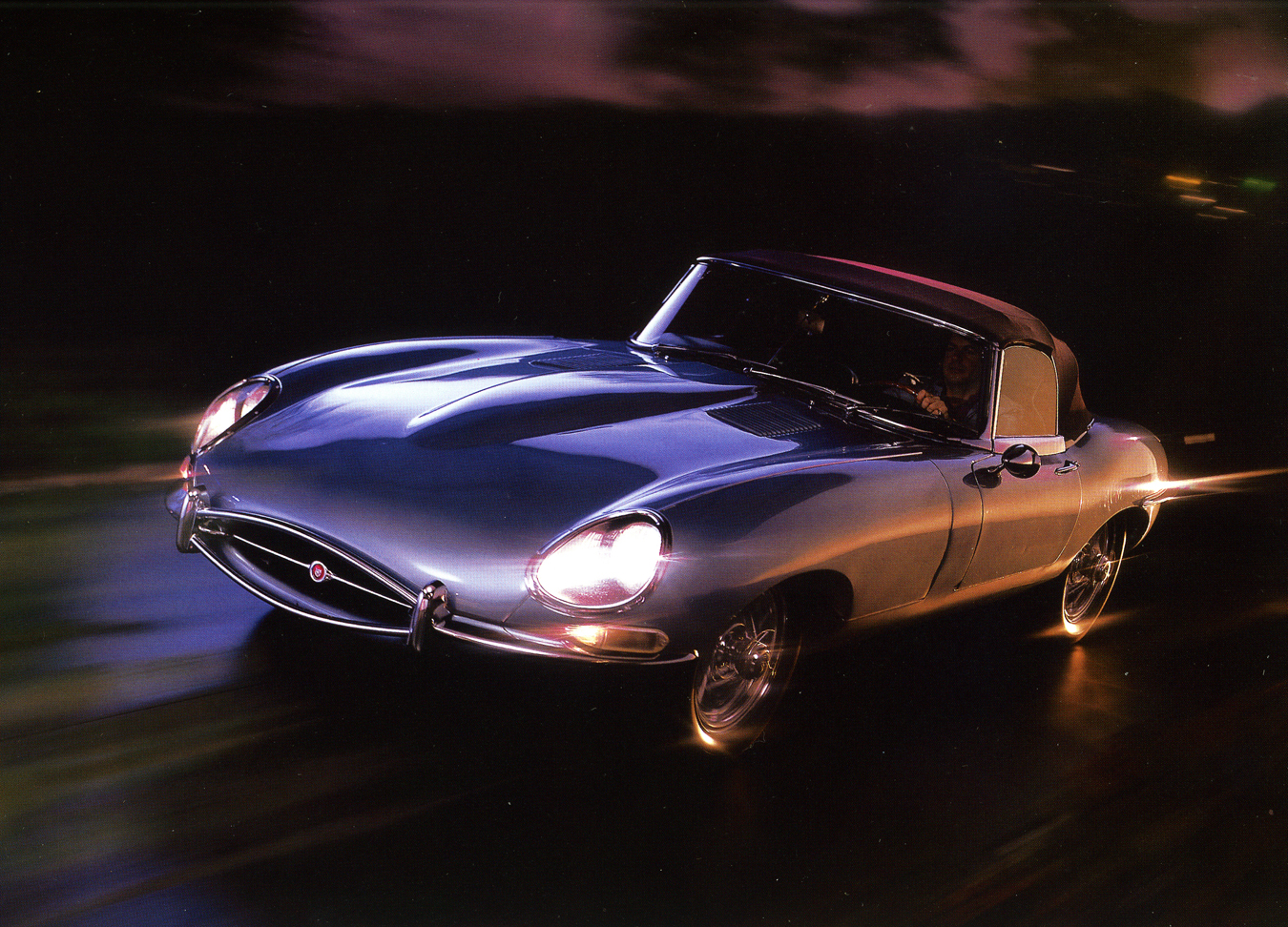
Boulevard Photographic photo for Jaguar
1975 to `1990, The thrill is gone
By the mid-1970s the execution of the traditional automobile new car brochure had reached a point of maturity in design, production and printing. Brochure production had found its groove. The automobile business, on the other hand, was anything but groovy. America’s gas crisis of 1973 and the ensuing 1975 government CAFÉ standards disoriented an automobile industry already stumbling in its response to the restrictions imposed by the creation of the NHTSA in 1966 and the Clean Air Act of 1968. America’s automobile marketplace would, now, for the most part, offer for sale smaller, slower, often odd looking and frequently badge engineered products often at odds with the traditional interests of the new car buyer.

1982 Cadillac Cimarron
For the new car brochure, the challenge was daunting. Faced with significantly less steak to sell, new car brochures offered a double dose of sizzle with efforts that often emphasized and aggrandized the trivial. Copy sought every possible way to impart excitement to features like smaller engines, overdrive, improved efficiency, weight reduction and the mini-spare. In these dark times for automotive excitement the new car brochure served as the metaphorical “Potamkin Village” of automobile marketing.
After 1975, new car brochures grew larger as horsepower and vehicle dimensions shrank. Bold photography of boring cars filled oversized brochure pages. Striking gatefolds, improved printing, sophisticated page coatings, and perfect bindings did their best to infuse anemic products with life. For some niche brands such as Volvo, the new age of increased safety awareness and clean air concerns benefited sales.
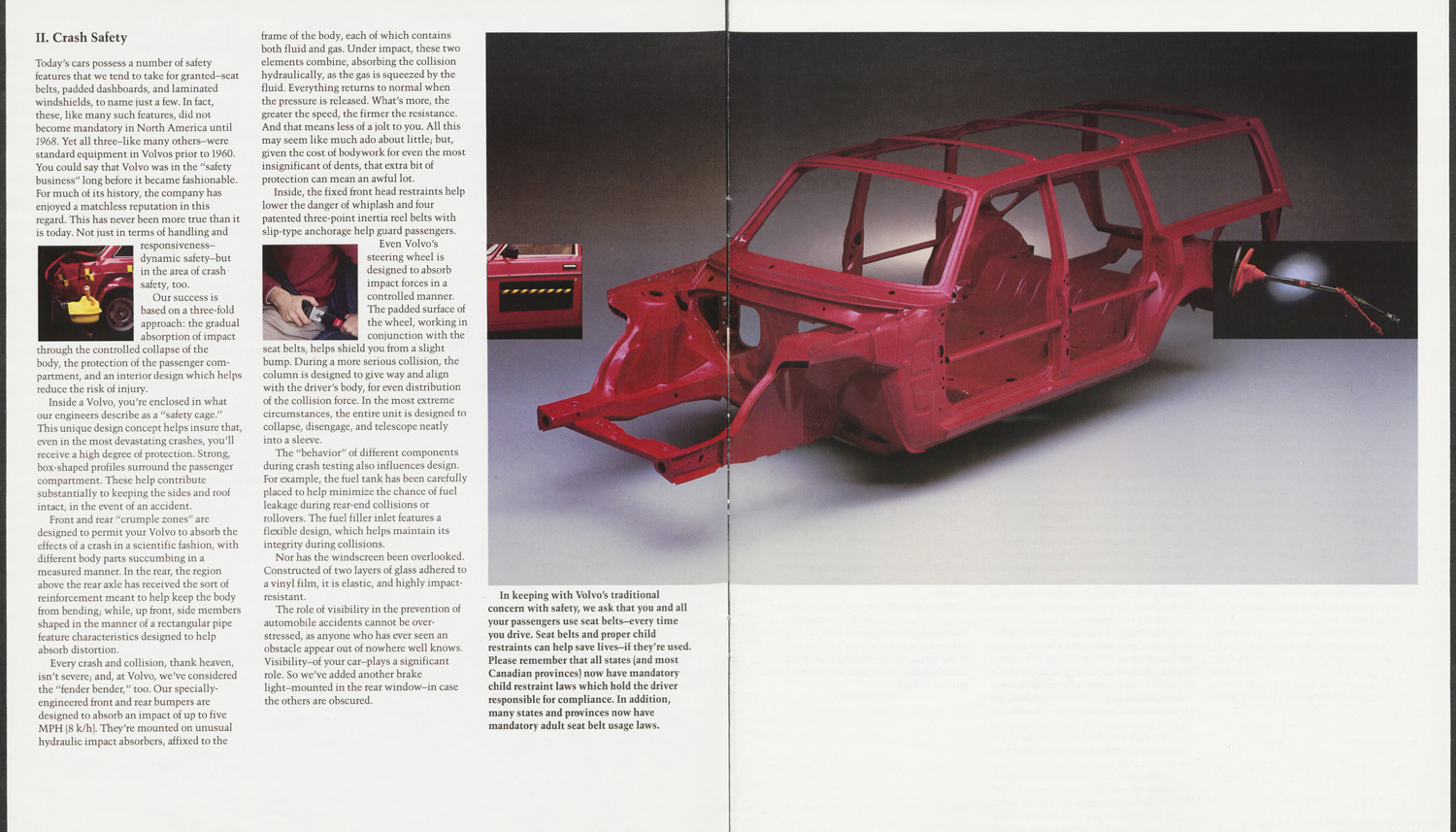
1986 Volvo brochure touting safety cage
Volvo trumpeted its safety design and Lambda-sond emissions control with showroom brochures that were well executed but reserved, just like the brand. Others such as GM suffered from short cut attempts that resulted in underpowered and unreliable diesel engines and unadvertised brand mingling of parts that resulted in embarrassing and apologetic mea culpa copy. However, on the horizon technological advancements in materials, technology and design brought hopes for the light at the end of the dark tunnel of boring cars. However, for the traditional new car brochure, that light would be attached to a distant but onrushing train.
1990s to Today – Evolution to Revolution
The 1990s ushered in three transformational forces that would challenge the very existence of the new car brochure.
- Digitization of print design and production
- Elevated environmental consciousness
- Rise of the web
DIGITAL REVOLUTION
Revolutions produce casualties. Digital revolutions are no different. By the turn of the 20th century dead professions littered the field of print design and production. The old ways stood defenseless before the powerful onslaught of digital technology. Digital-based desktop publishing, PageMaker in particular, by the start of this new century would dominate print design and production. Simultaneously CGI or Computer Generated Imagery revolutionized image creation resulting in a profound change in creating product photography. By the early 2000s, CGI made it unnecessary to have the real car to produce a high quality photograph of the car.
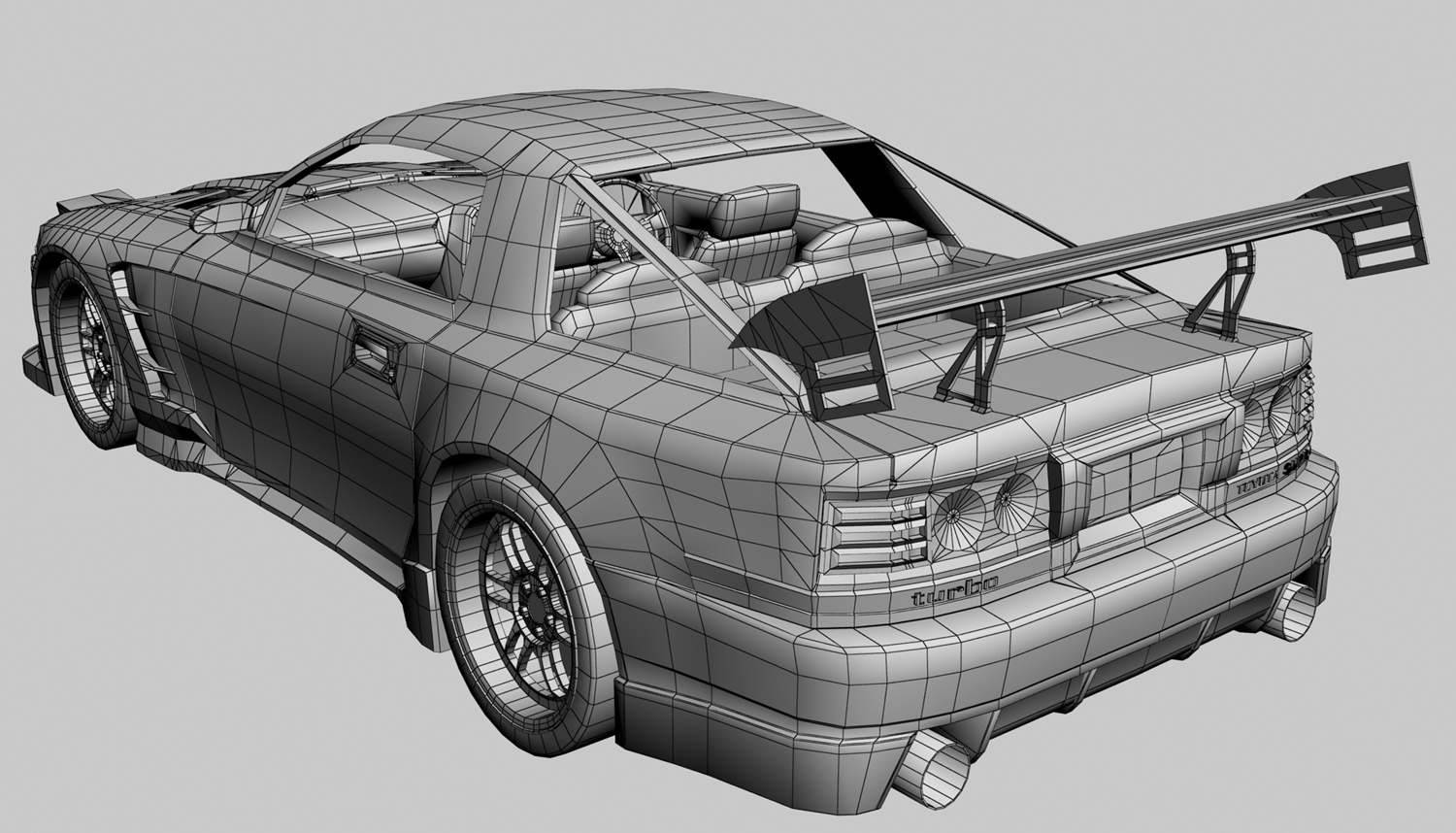
Computer generated Image (CGI)
With CGI, brochure images, at most, only needed a background into which a CGI created car image could be placed. As well, the first decade of the 2000s witnessed the ascendance of digital photography (No film, no Polaroids, no processing, no waiting). At the same time, Photoshop revolutionized image modification. Now an already digitally produced photo could be manipulated to reflect a designer’s vision, if not reality.
By the second decade of the 21st century digital presses employing Variable Data Printing equipped a print run to personalize each individual brochure to target a different person. Digital printing quickly supplanted traditional print for short runs and variable data applications.
By 2010, technology allowed for a digitally created PDF of a brochure to be posted to a website where anyone with a web connection and a color printer could download and print the brochure. While of significantly lower quality than a professionally printed brochure, the download gave manufacturers a significantly cheaper alternative to the printed brochure.
ENVIRONMENTAL CONSCIOUSNESS
Environmental concerns as related to printed matter first moved to the fore in middle 1990s new car brochures. Initially some new car brochures would contain copy proclaiming their efforts to be environmentally responsible. Next, recycling Icons showed up on back covers. With the dawn of the 2010s the FSC (Forest Stewardship Council) icon approached ubiquity on new car brochures. A voluntary program, The Forest Stewardship Council set standards for responsible forest management.
As we approached the third decade, “carbon footprint” has stepped to the fore in the environmental conversation with profound implications for the printed new car brochure and its important role as a messenger of history for future generations.
A peek at the future may have been provided by a columnist for the Wall Street Journal covering a recent World Economic Forum in Davos. He was informed by an aide at the registration desk that, ”no paper maps of the town were being distributed to reduce the event’s carbon footprint.”
We will return to the implications of that mindset shortly.
THE WEB
Around the late 1990s web addresses began quietly appearing on new car brochure back pages. Initially, websites peacefully coexisted with 1-800 customer service numbers and Business Reply Cards. However, as a new, fertile and promising mediascape for creative applications, websites were quickly embraced and thrived. By the mid-2000s the auto industry fully embraced the power of the web. By the early teens the auto industry harnessed the web with QR codes, e-brochures, configurators and social media networks.
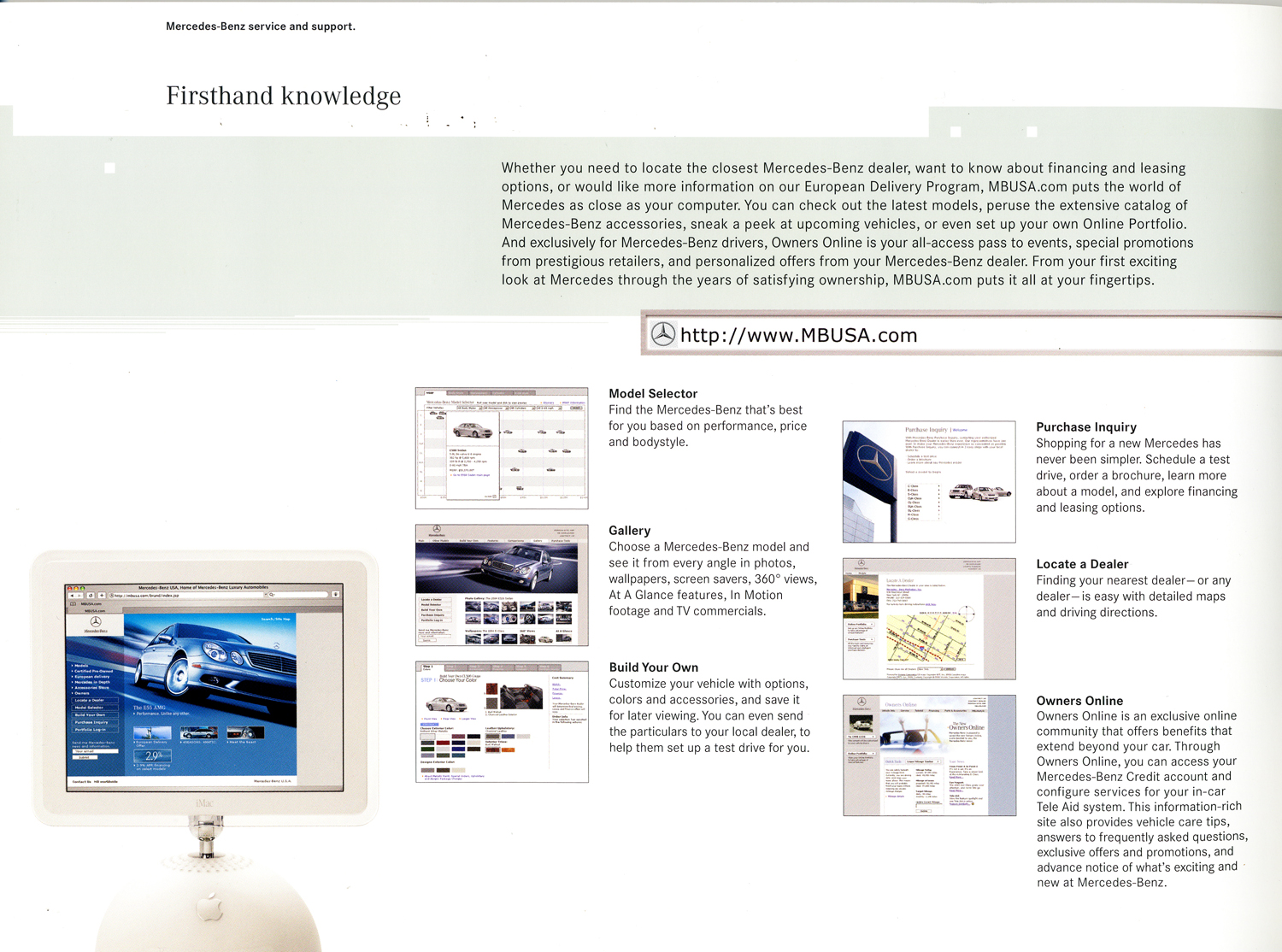
Mercedes-Benz social media page in 2007 brochure
Social media rapidly expanded its influence into automobile marketing. Model year 2012 saw icons for Facebook, Twitter and You Tube prominent on back covers. By 2015 social media had fully embedded itself in the new car buying experience.
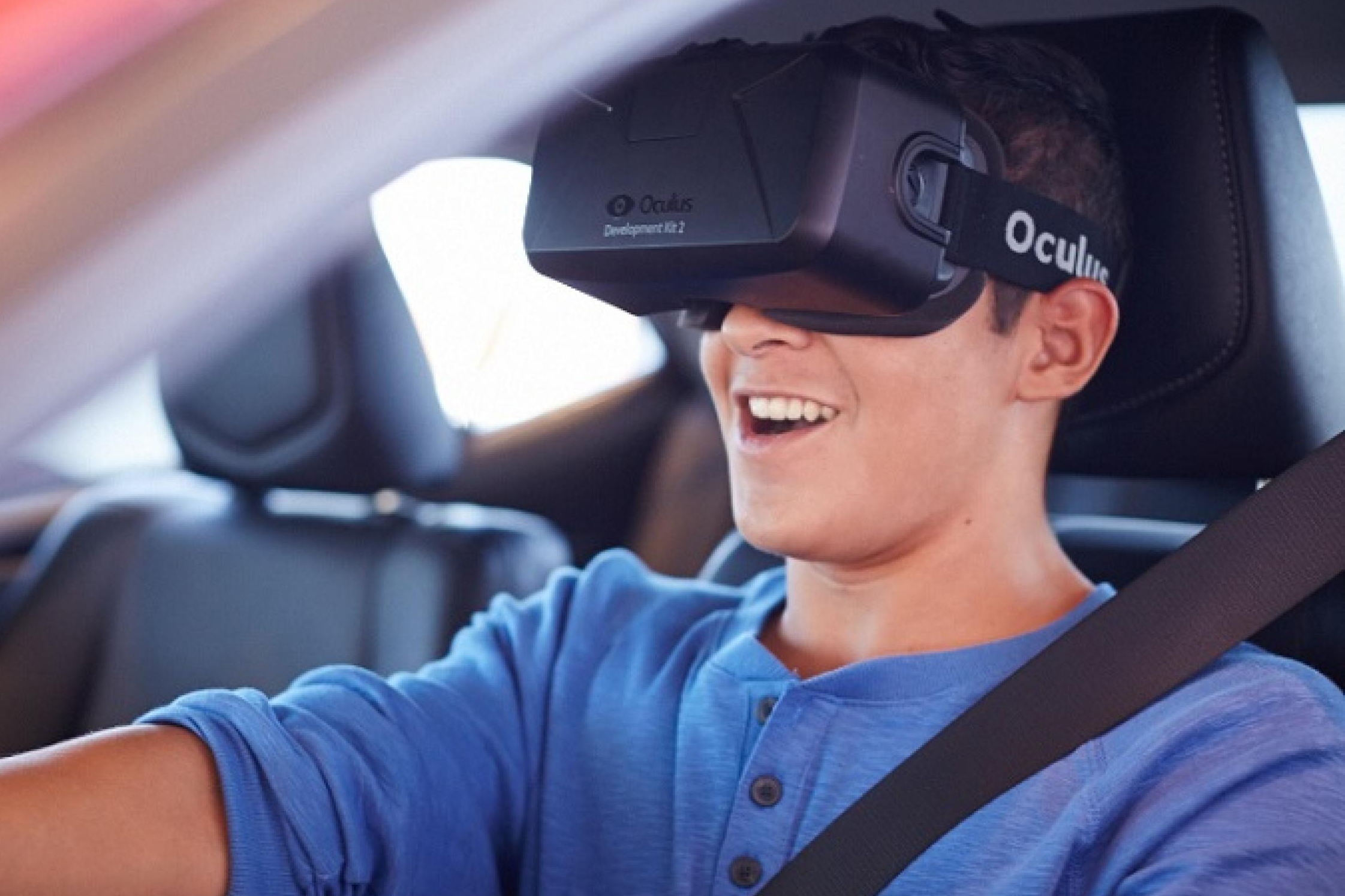
Virtual reality headset
Today, analytics reign supreme like a metric tail wagging the marketing dog as manufacturers struggle to harness the potential power resident in the available flood of marketing and social media data. Tomorrow is already knocking on the door with Augmented Reality and Virtual Reality applications.
Looking Ahead – The Perfect Storm
Digitization, carbon footprint and the web, Is this the perfect storm that will doom the new car brochure as the ubiquitous sales tool for enticing new car prospects. In a word, yes.
What does the future have in store for the new car brochure? At present, there appears two divergent paths.
For most mass market product lines, the print new car brochure has been replaced by the downloadable e-brochure. Alternatively, hypercar brands distinguished by their performance and exclusivity will offer premium, frequently hard cover print pieces. However, rather than traditional new car brochures, these pieces offer detailed and exciting brand profiles employing production values consistent with the superior quality of the exclusive product.
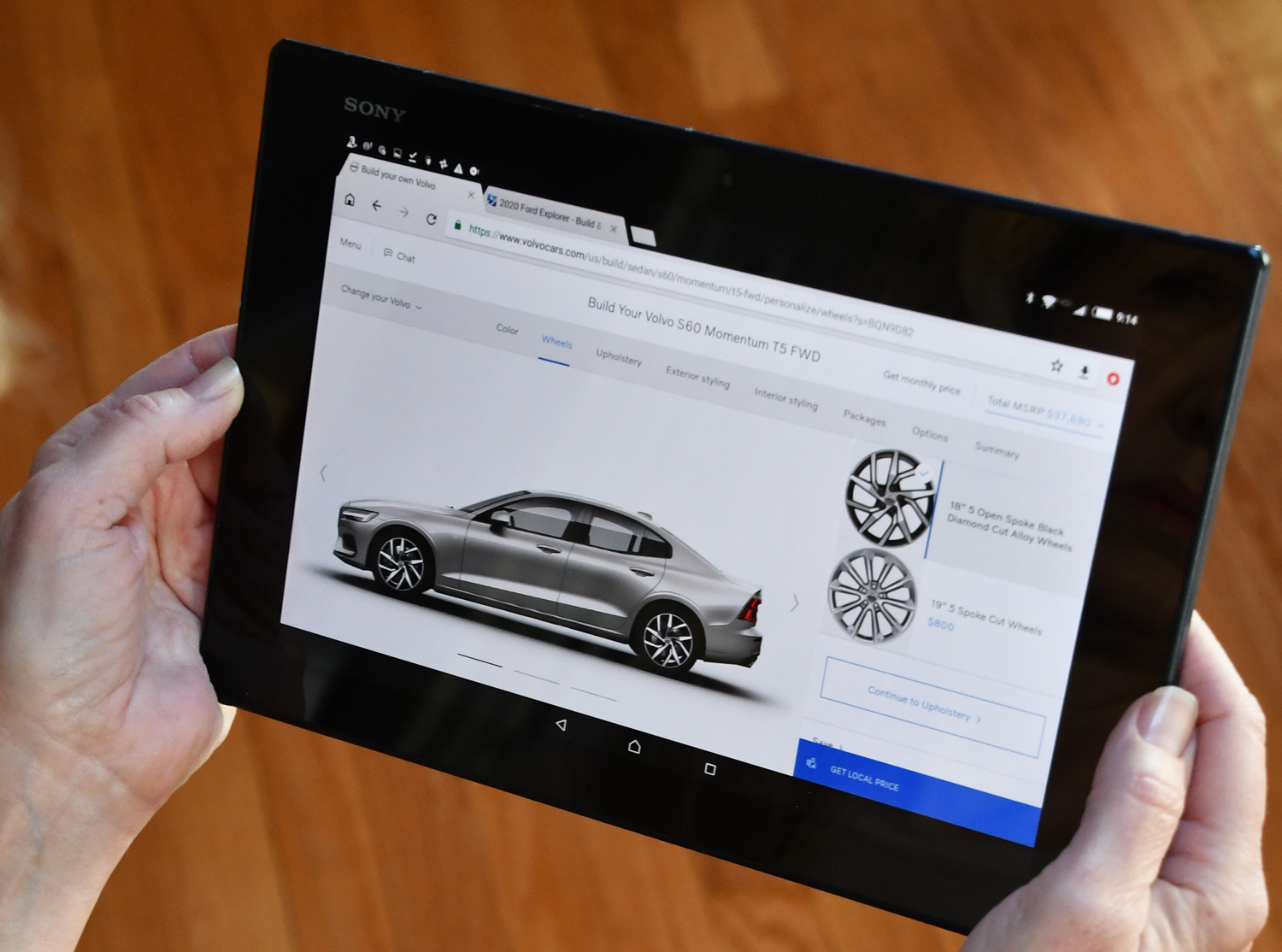
e-brochure
In our current world where bean counters outrank any individual concerned with quality at the cost of an extra nickel spent, the life prospects of the print brochure equate with the proverbial snow ball’s chance in hell. The wasted money from discarding outdated literature in inventory, the inability to immediately adjust to product changes and the cost of printing and shipping in the face of digital technology efficiencies ensured the rapid disappearance of the new car brochure.
As with all profound changes, the law of unintended consequences rears its head in the disappearance of the new car brochure. While not the intent of the manufacturers, its value as a meaningful record of history cannot be dismissed.
Archiving solutions may require museums and libraries to develop closer relationships with manufacturers in the hope that the OEMs can transfer files to ensure that our museums and libraries have the digital records necessary to continue the valuable role new car brochures fulfilled as messengers of future automotive history.
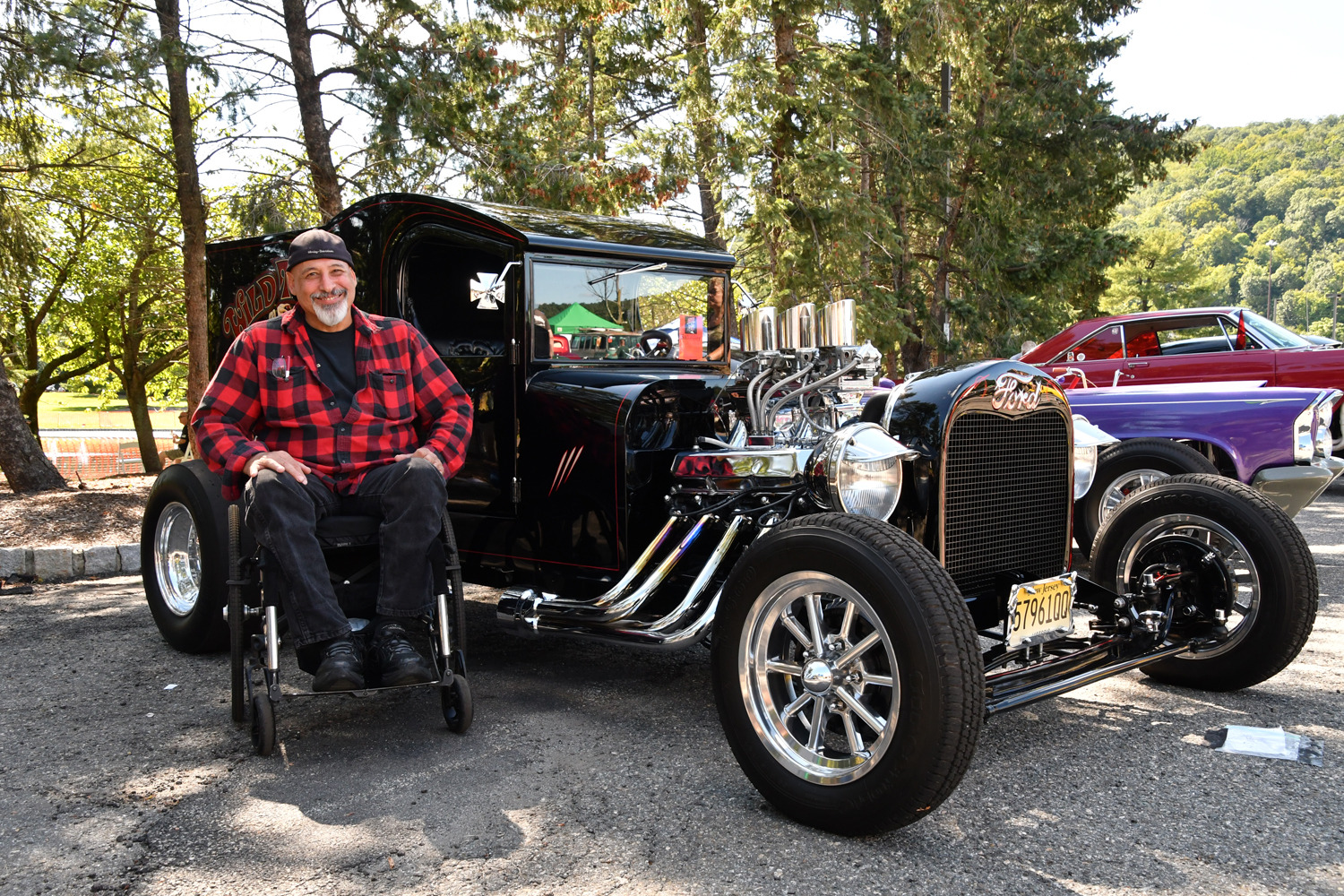

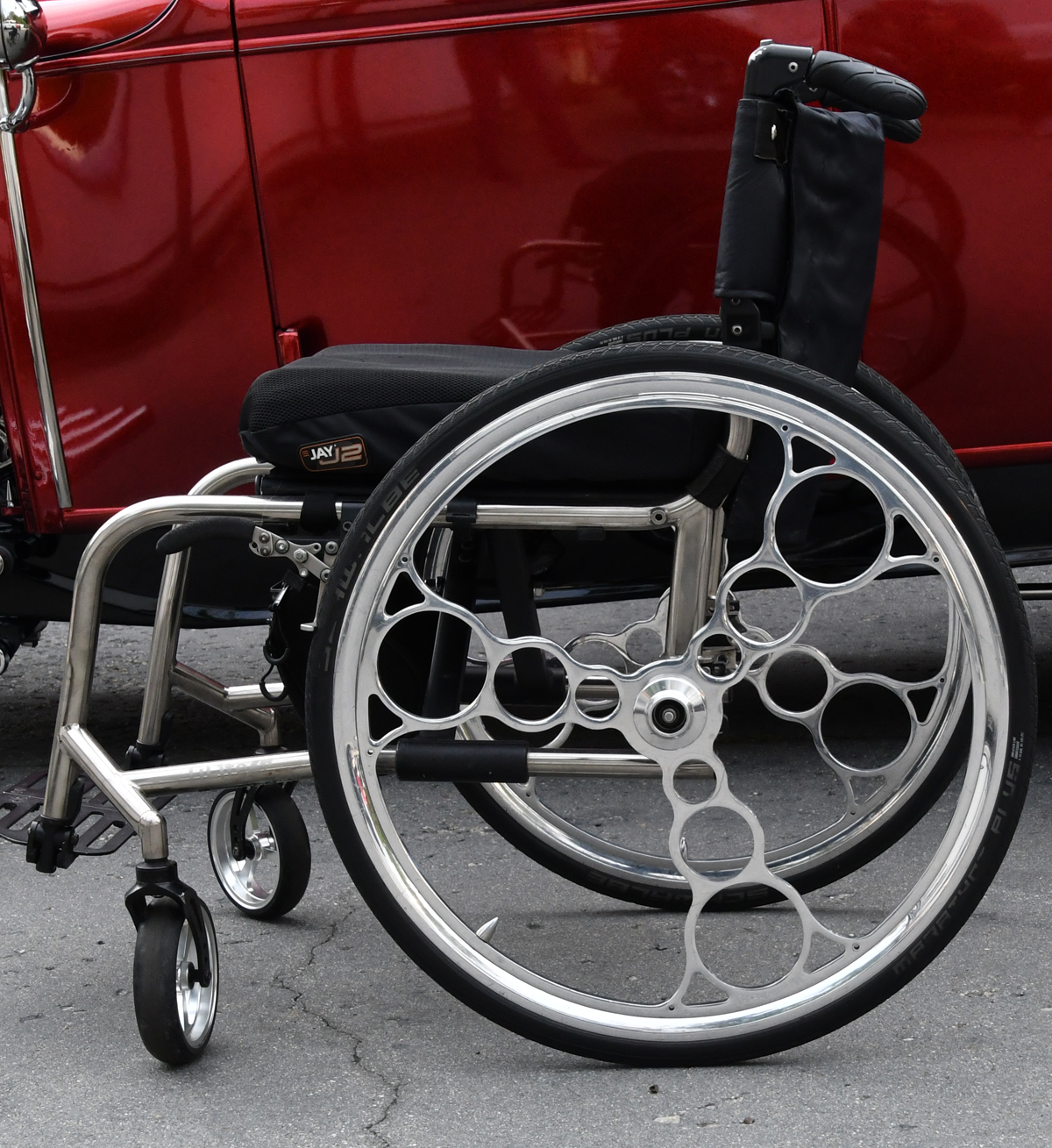
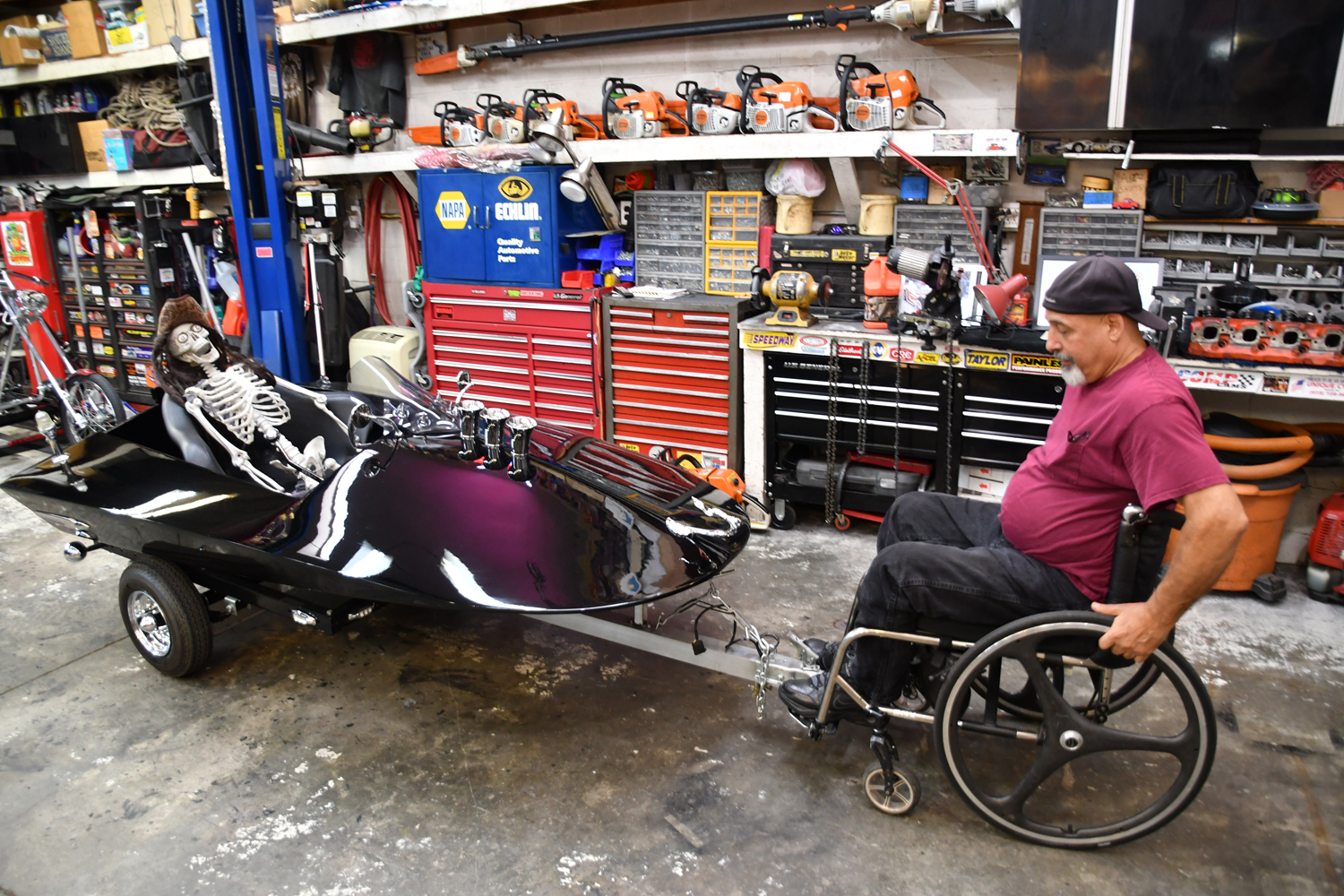
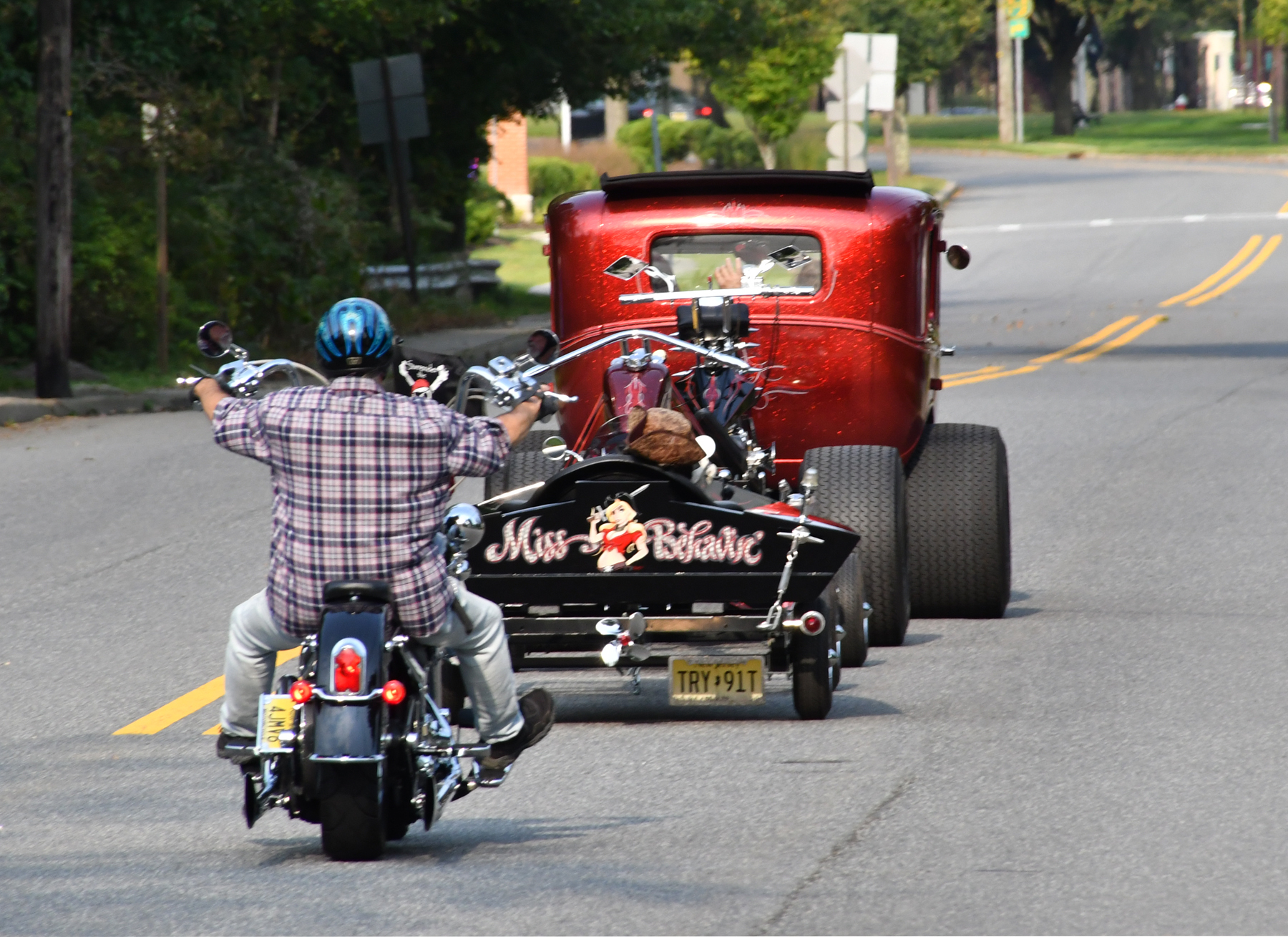
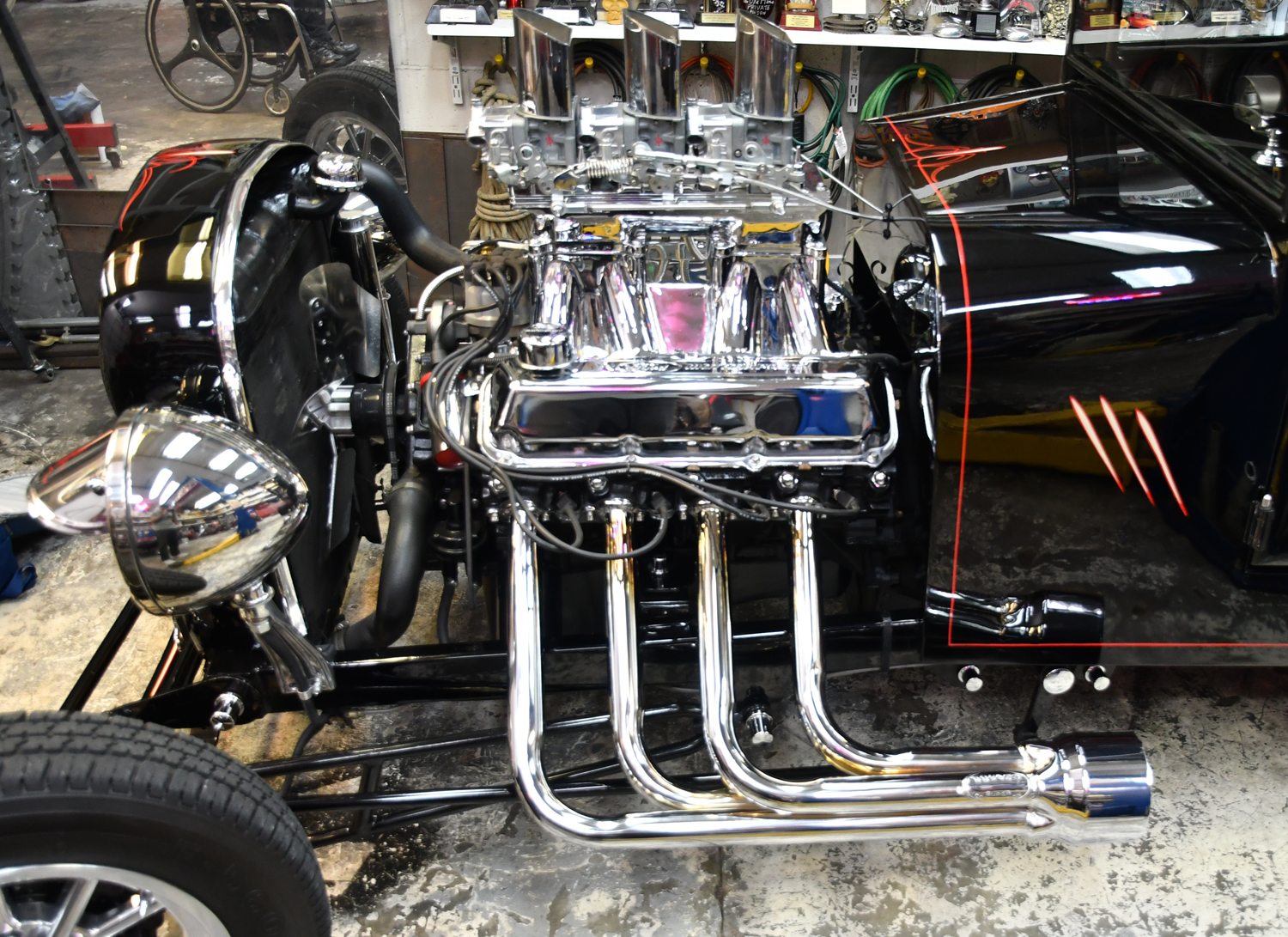 The big block 460 cu. in. V8 that came with the truck had side pipes. “Rory says, “I chopped them off because I couldn’t get in and out of the truck with my wheelchair.” Historically Rory always liked the gasser look with headers sporting a big bell on the end. Why not on the C-Cab he thought. He had the stripped down pipes, the flanges and the bell. Rory says, “It took me five hours to heat up and bend the contour and complete welding the pipes to the Bell, but it came out perfect. I sent it out for chroming. Once back I put some motorcycle baffles in it. And that was it.”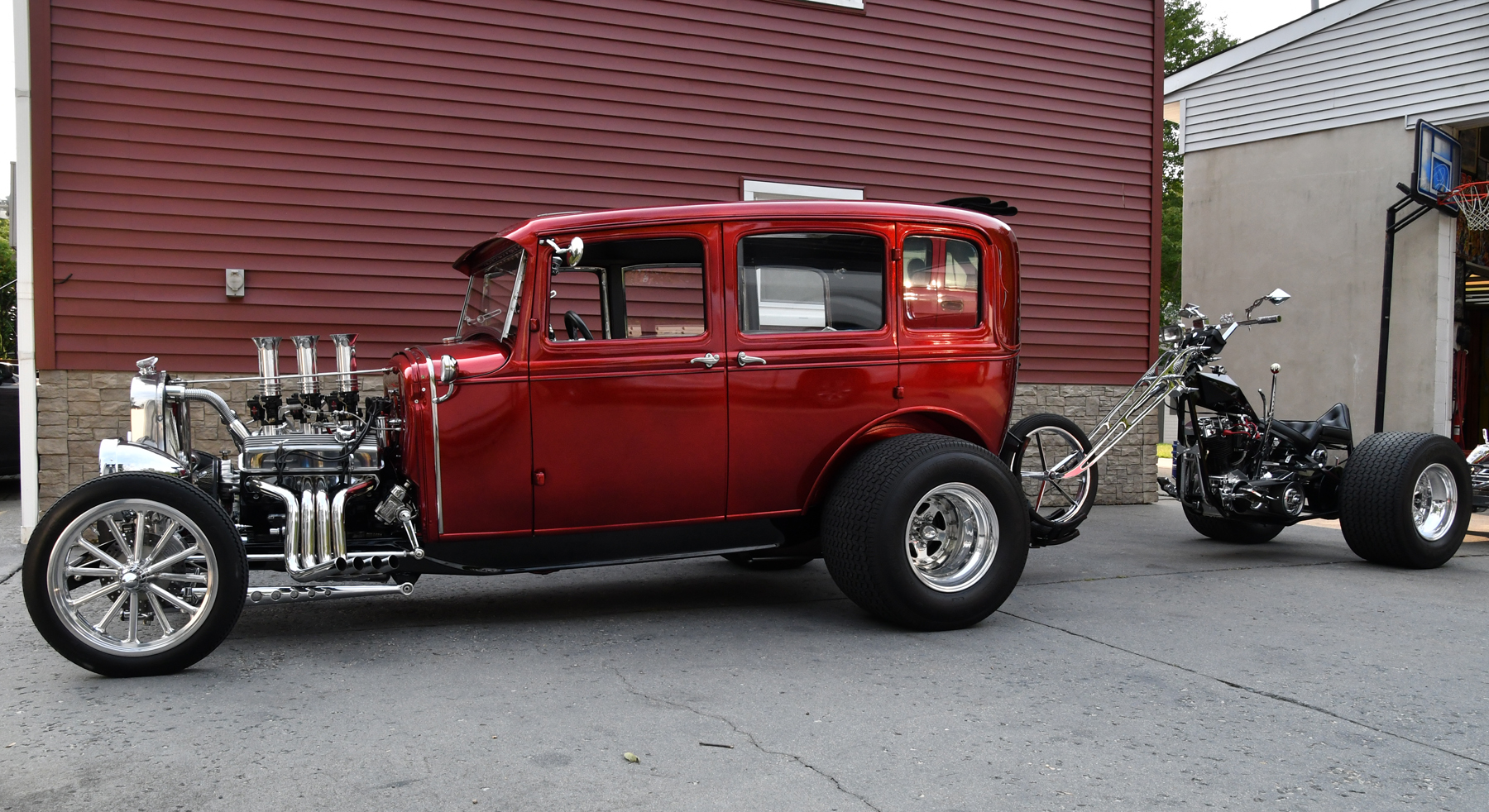


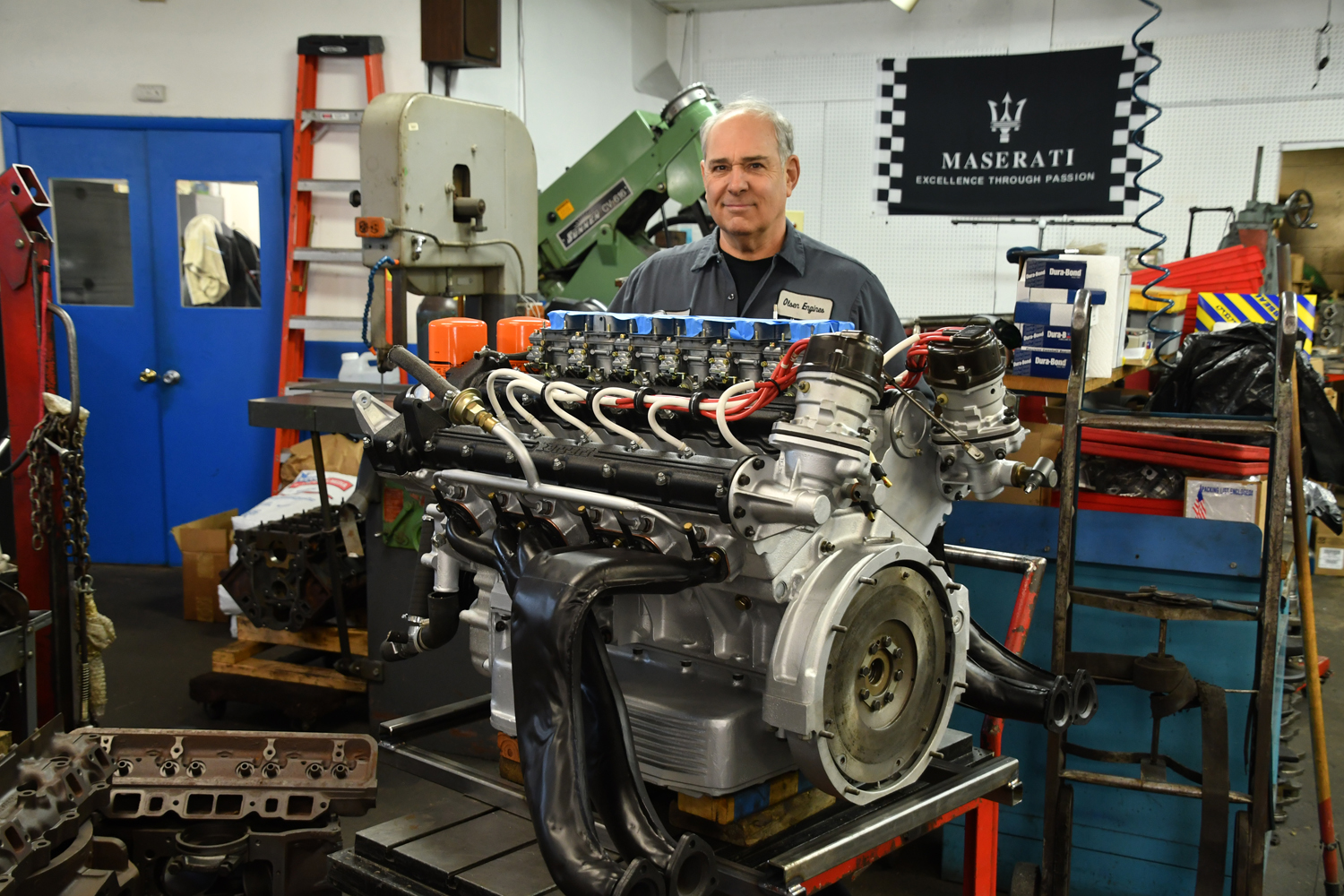

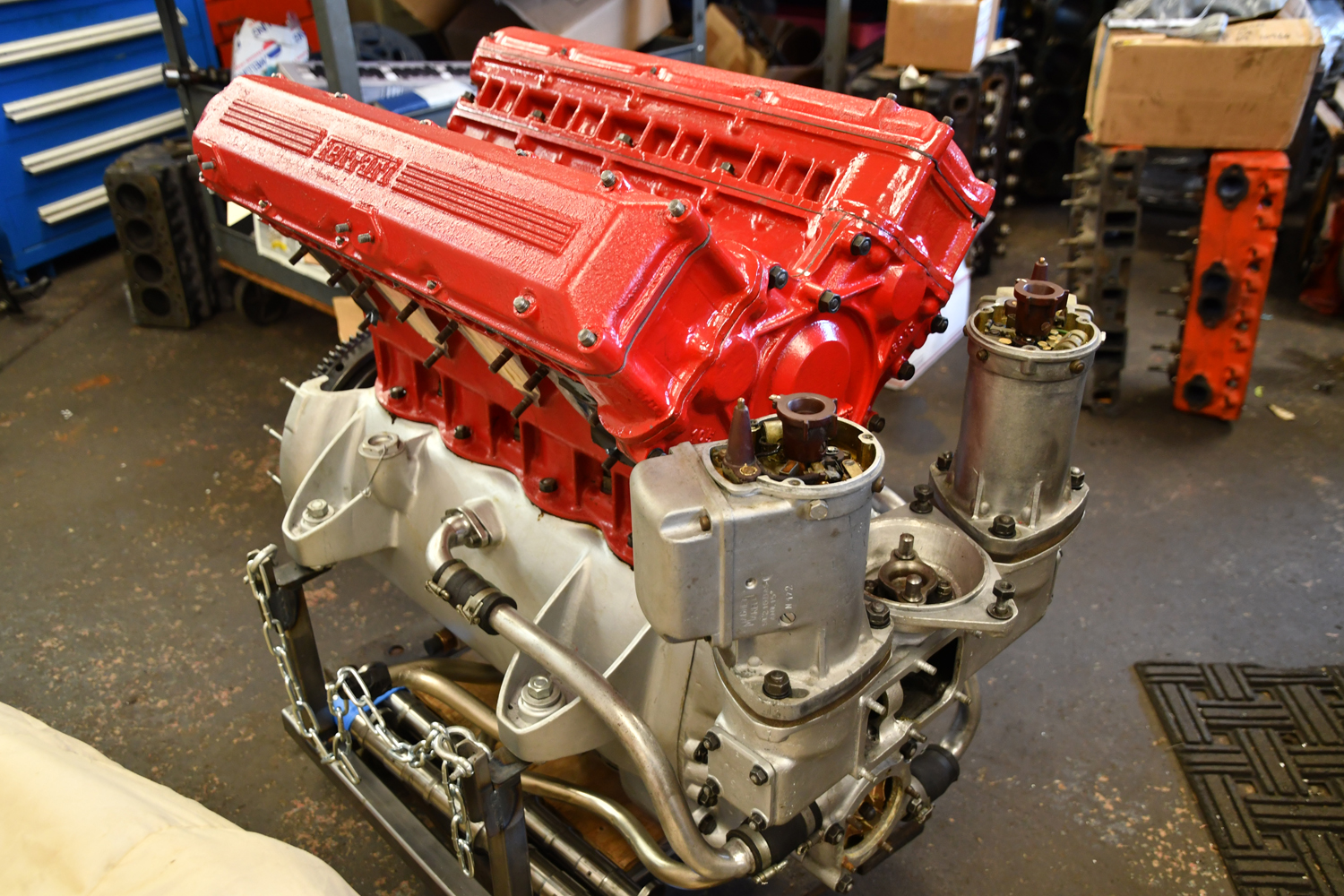

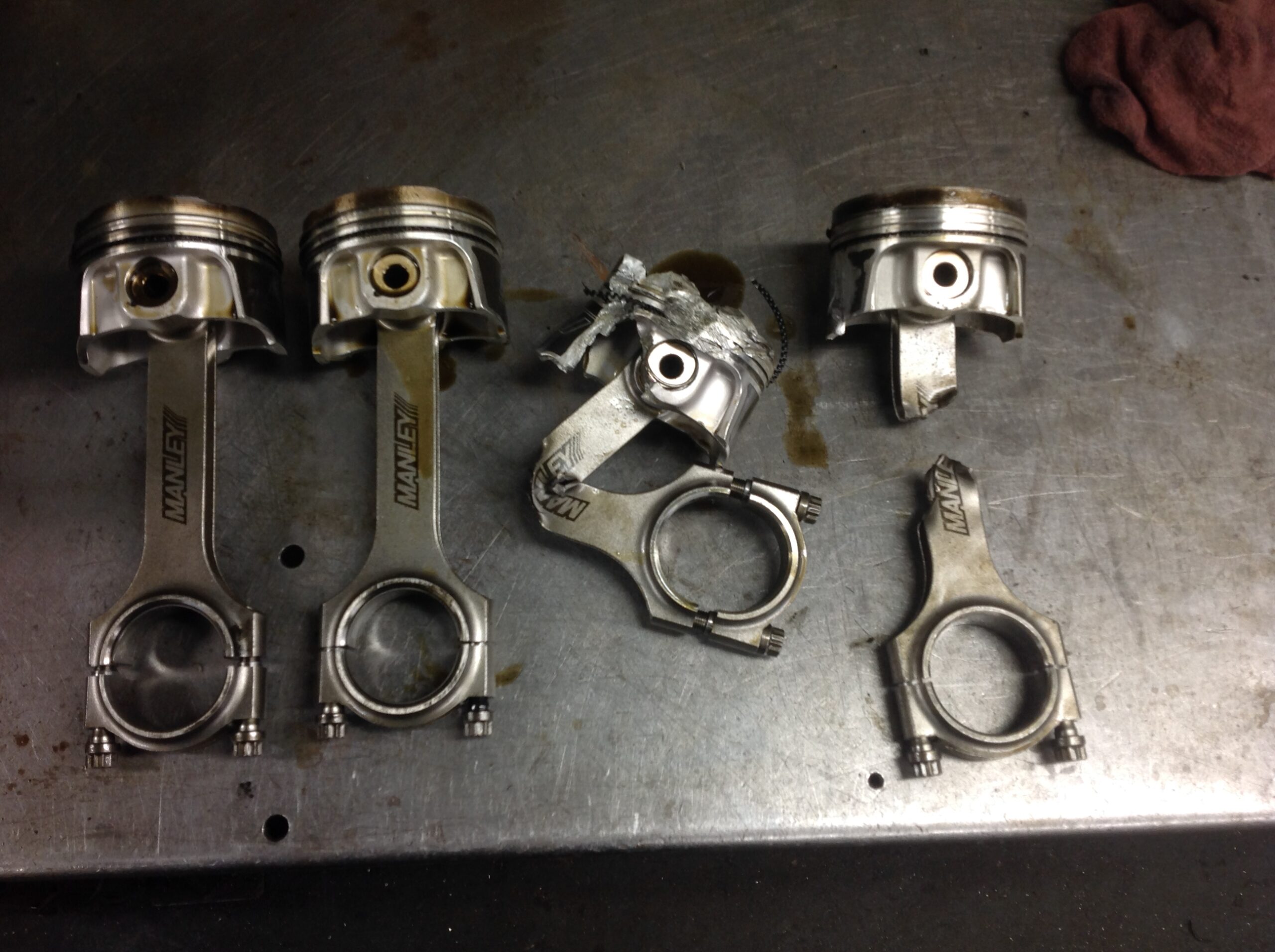
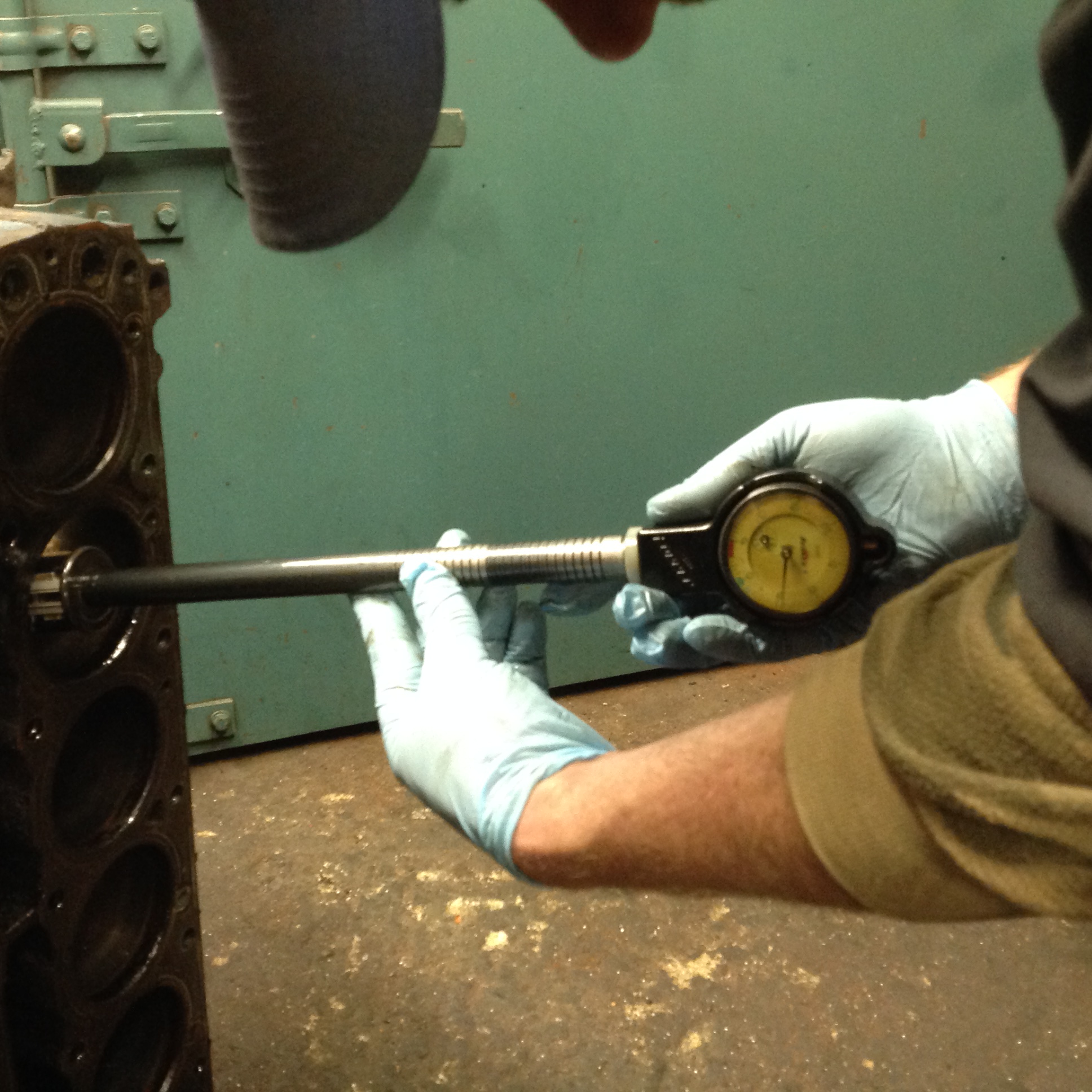 In discussing engine rebuilding for 21st century modern engines Charlie says, He does not recommend rebuilding an engine for a stock production vehicle. He recommends simply buying a new engine.” Interestingly Charlie says that OEM production techniques have improved so much that modern engines are close to blueprint quality due to the superior production and inspection technology used today.

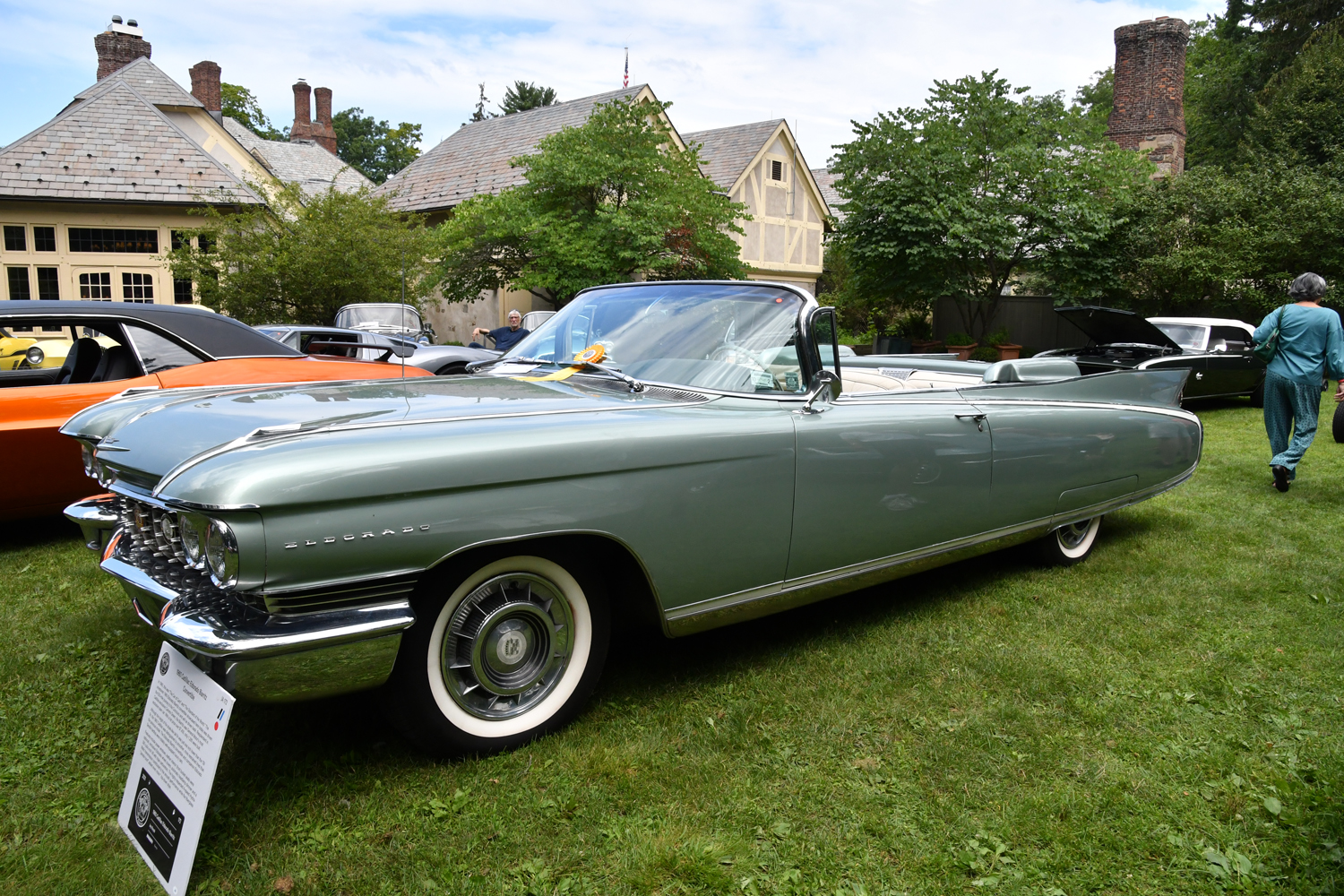
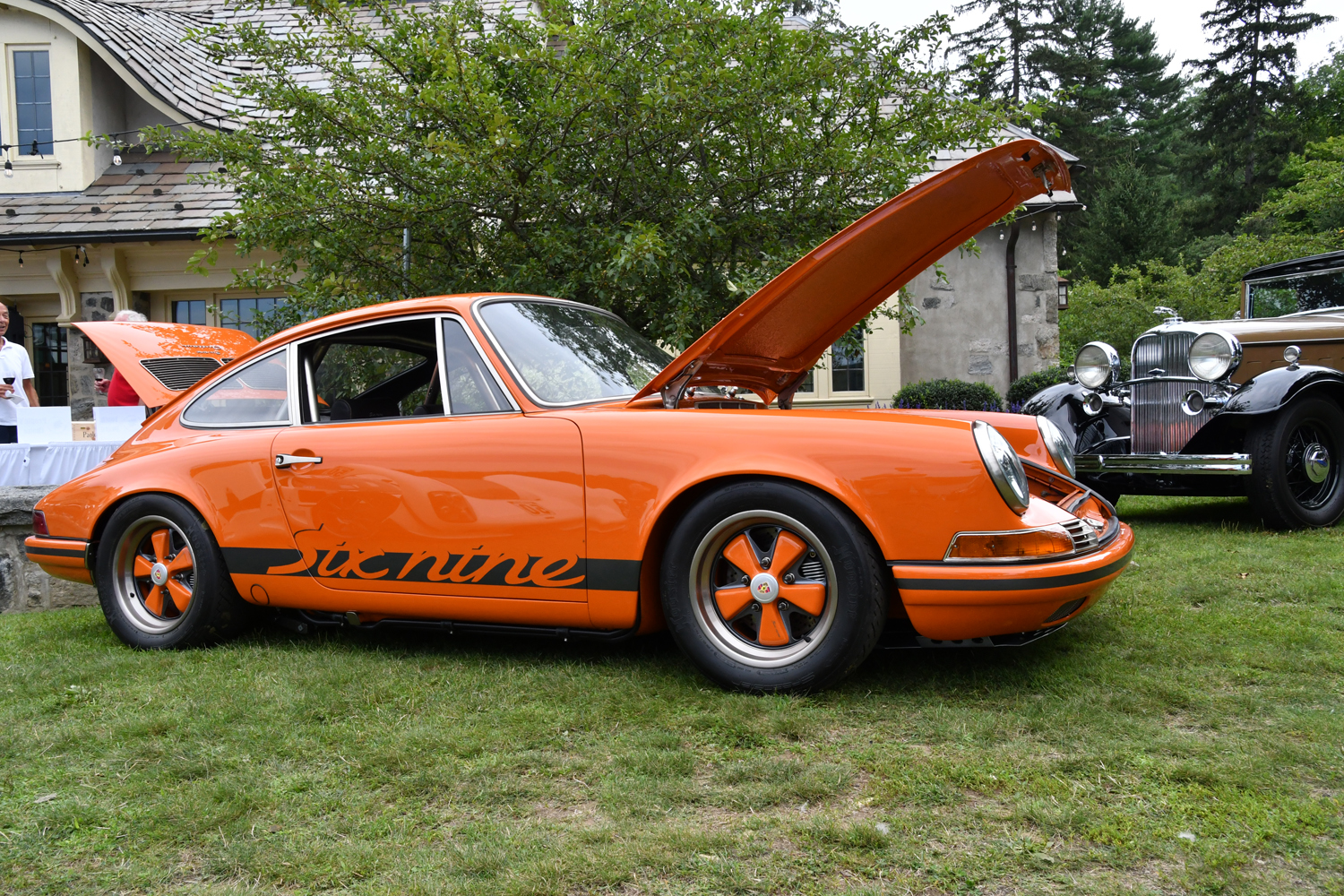
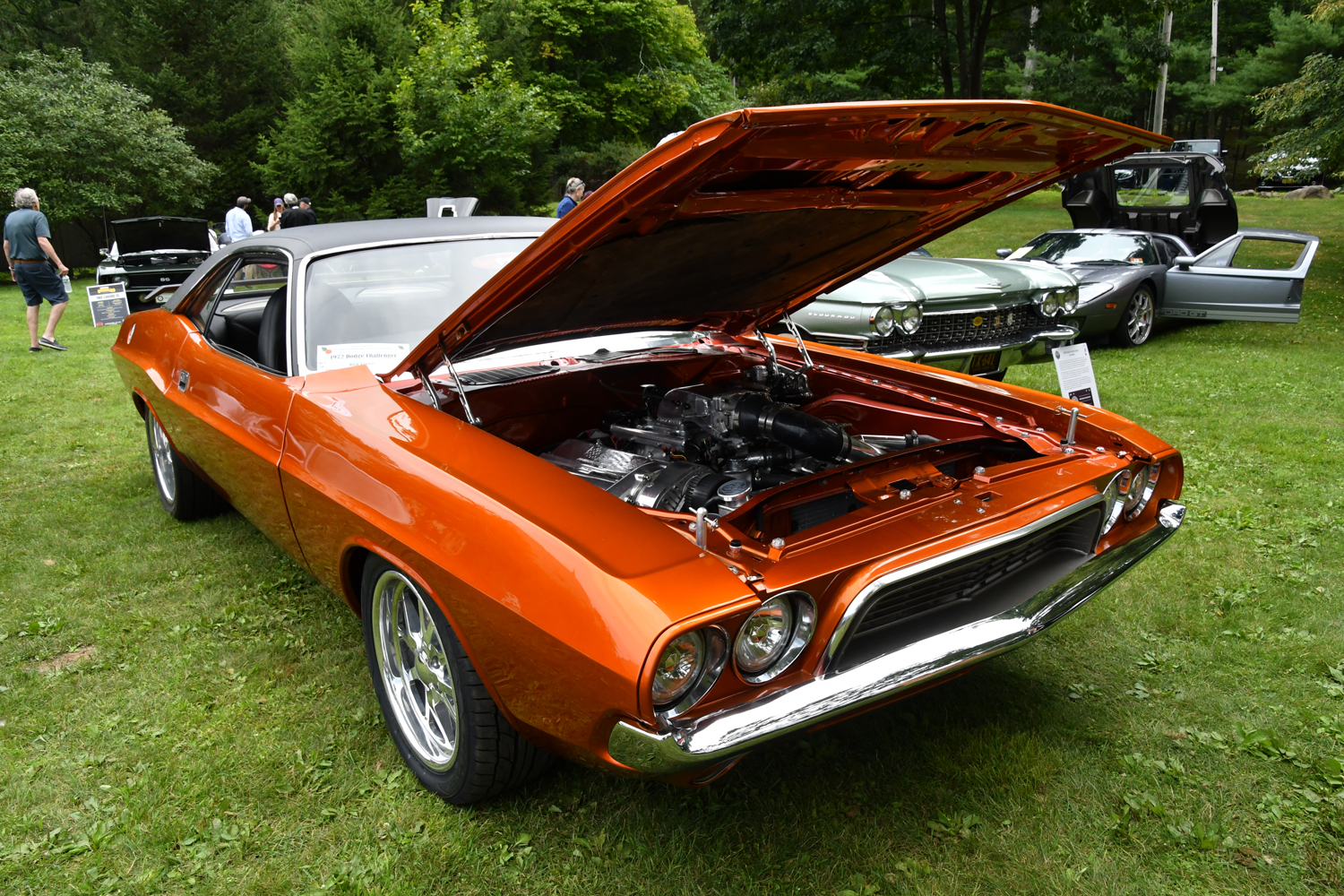
 Here comes a Ferrari La Ferrari. There goes a Lamborghini Countach. Step aside for the Chaparral race car. Make room for the Bentley Continental Coupe. Make way for the BoCar. As an amazing array of predominantly iconic German, Italian, English and American rolling artwork begin to populate the lush green hillside, I had the chance to ask Borteck about his unique event.
 and guests. Much like one artist discussing his work with others. He says, “I strive for the event to be both a learning experience for viewers and a teaching experience for the dedicated owners. Here, people can share with each other without crowds or craziness.”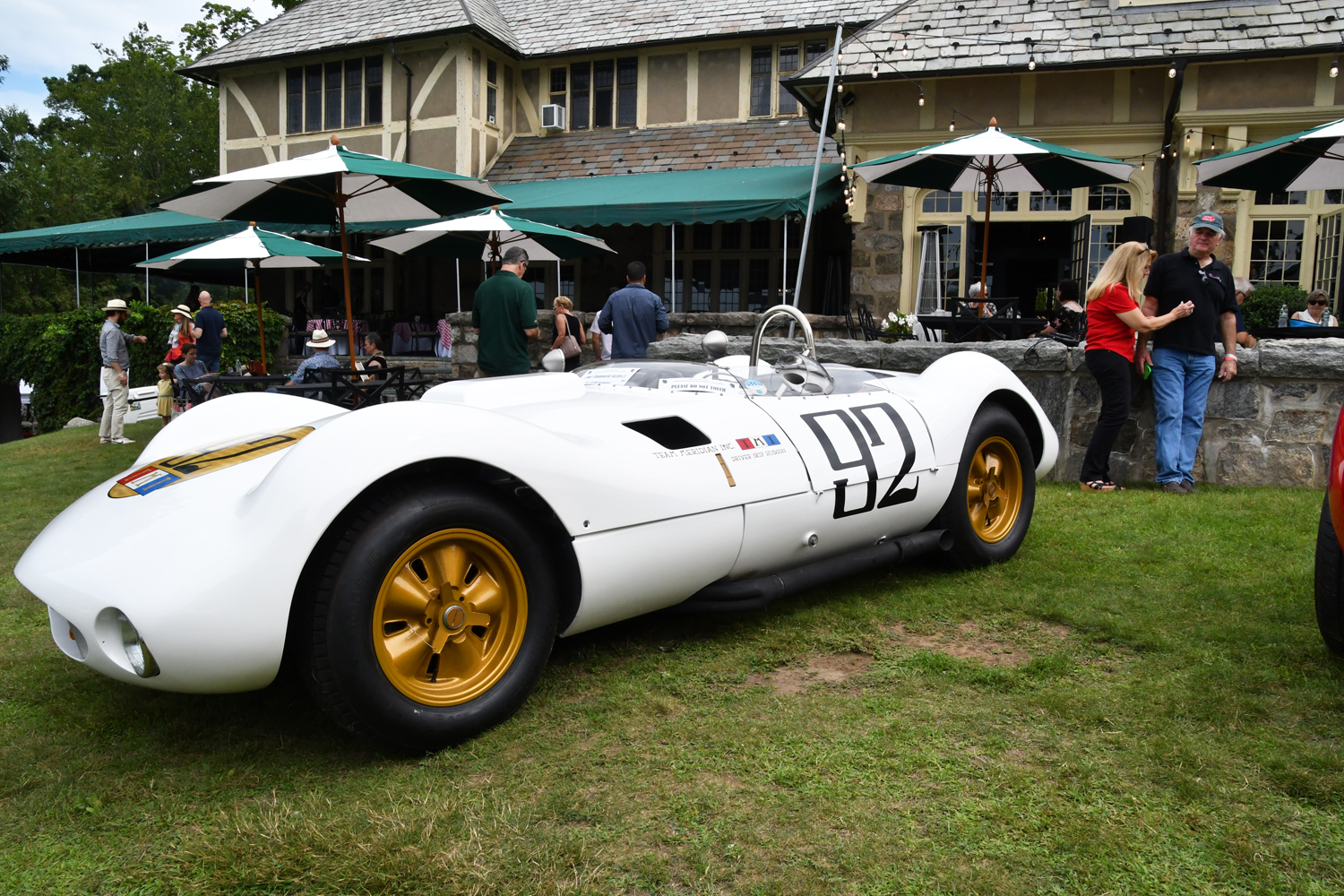





 reality as a subject of cause and effect. It is all about waiting for something outside of us to change how we feel inside of us.
 his high state of consciousness the individual will have aligned his or her thoughts with the one frequency among the infinite possible outcomes in the quantum field that matches the future the person desires. When the person returns to the 3D state in which we live they will experience life as if they have already achieved their goal. They do not experience a life of lack. SKEPTICS ALERT! I Get it.
 So how do we go from, I have this negative emotion. It’s controlling my life. It’s got me in this cycle where I think about the emotion which then triggers a chemical reaction which trains my body to feel that way. This makes it more likely that I will do it again. So, now, I find myself in this unconscious vicious cycle.




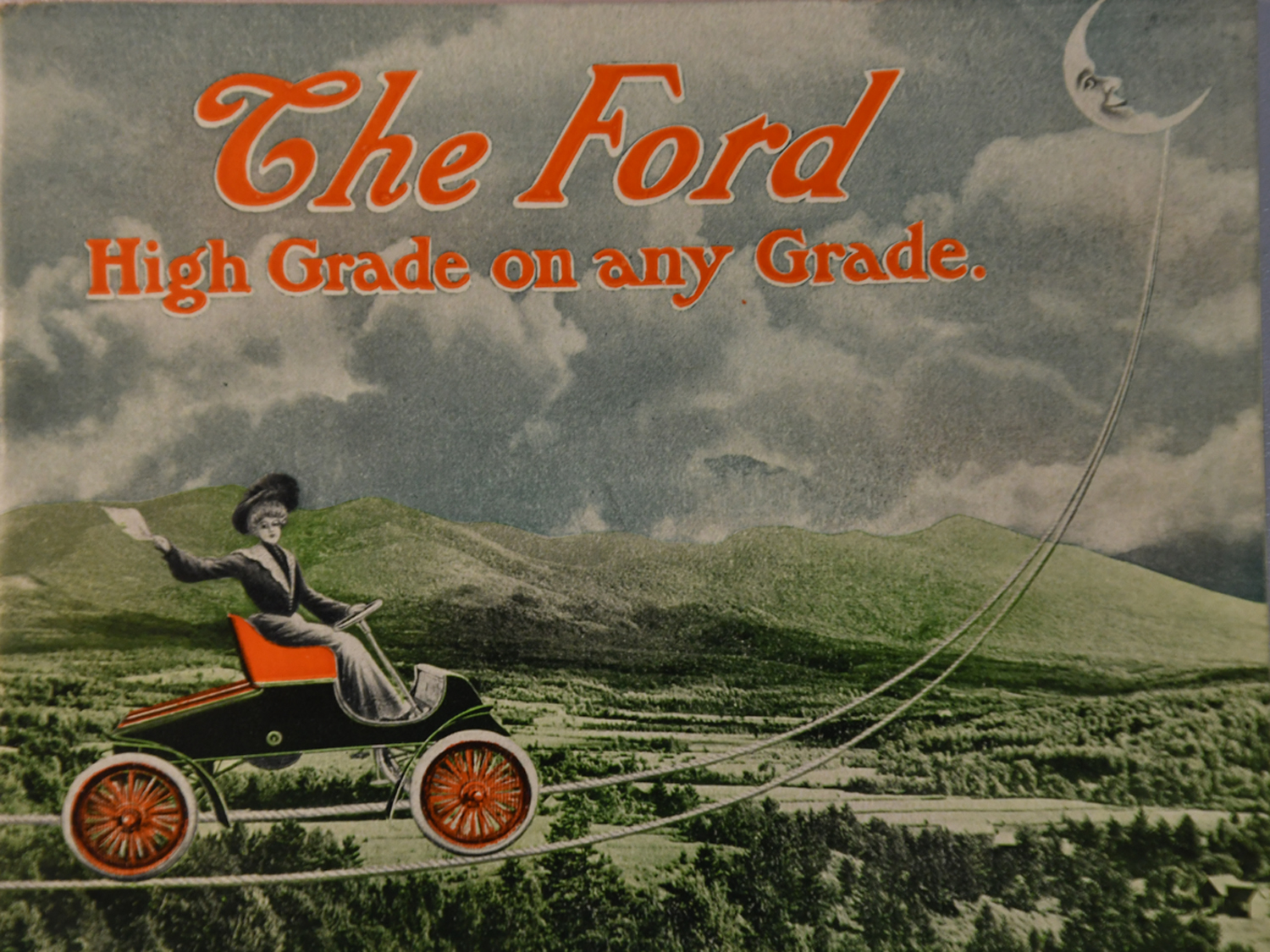
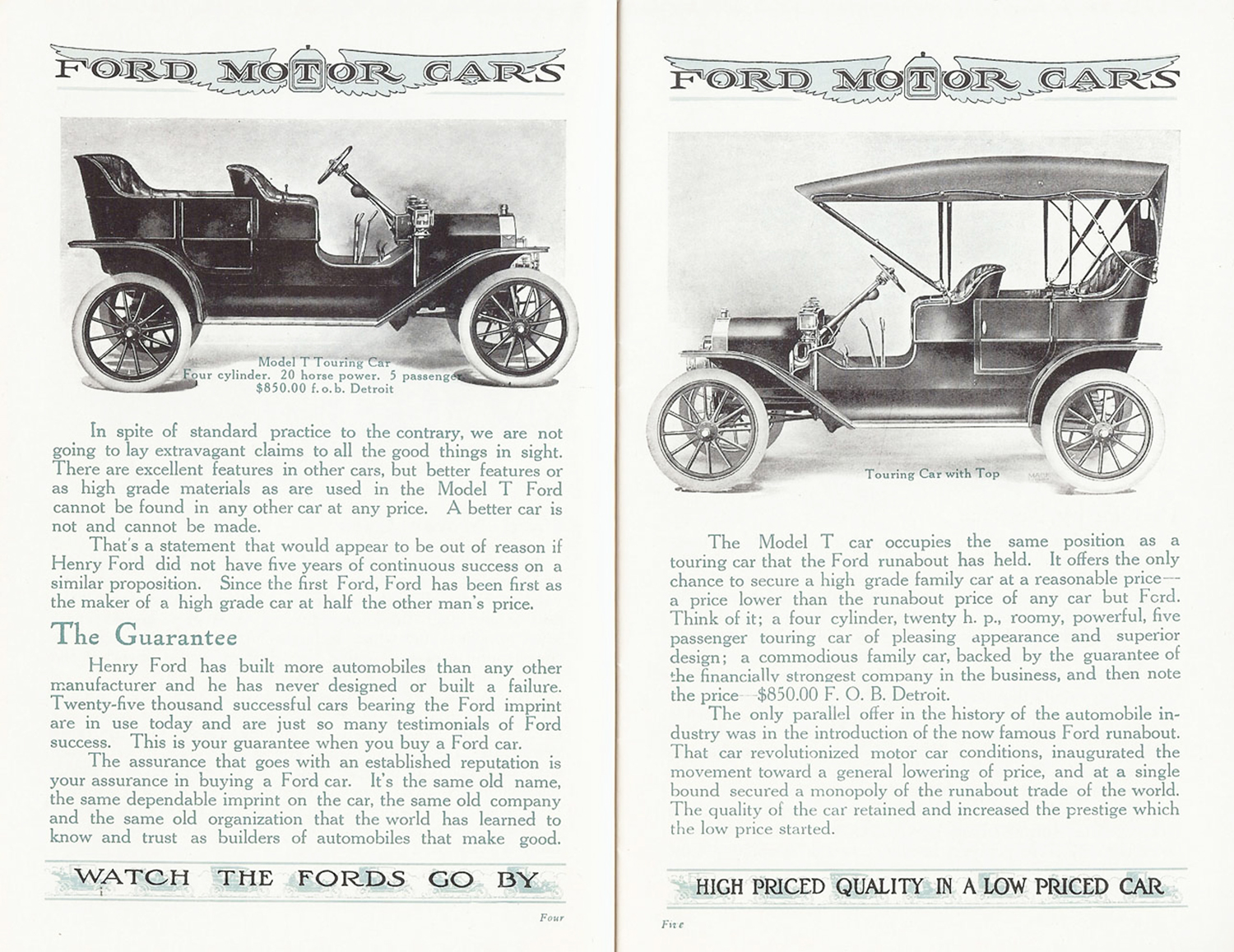


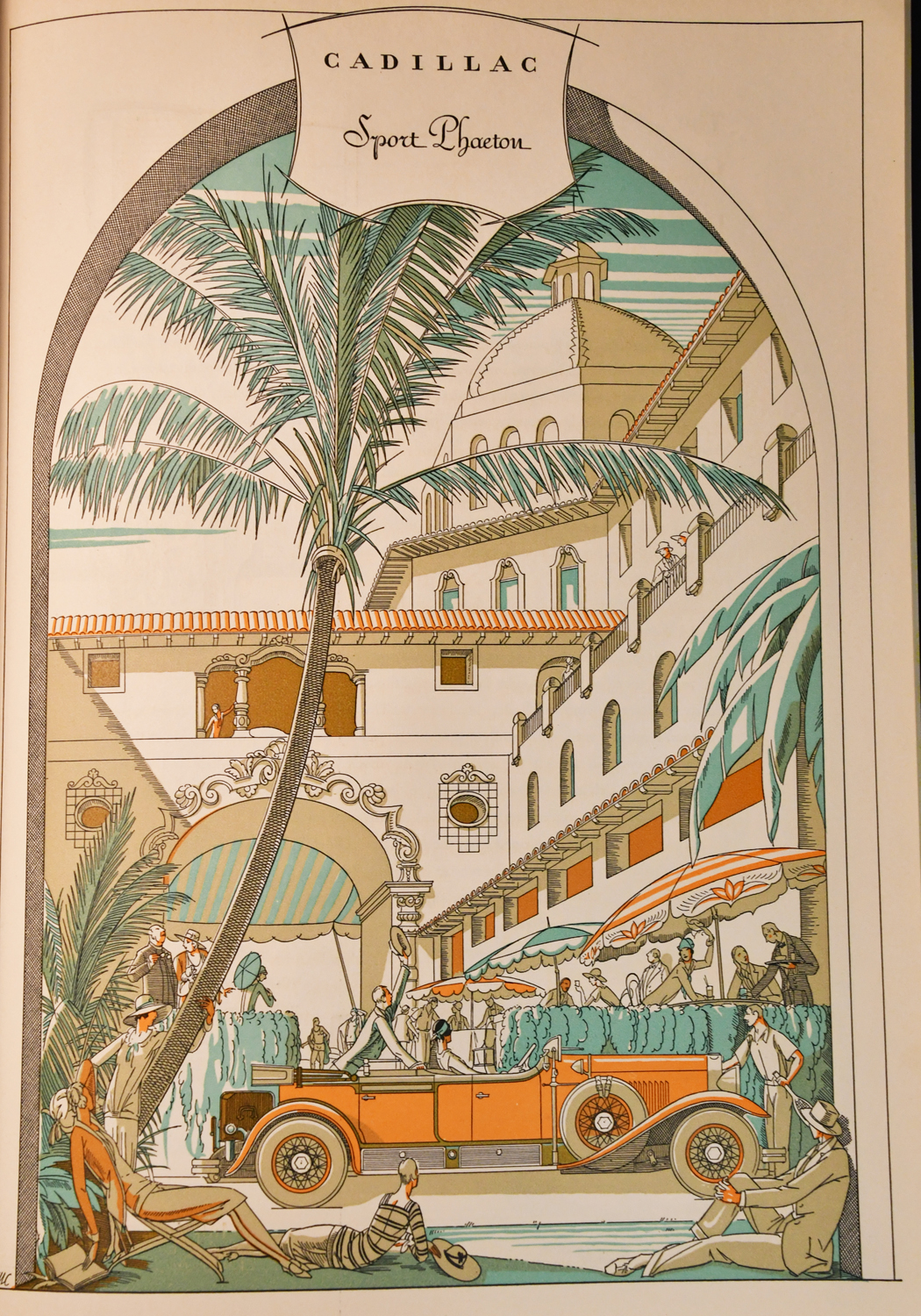

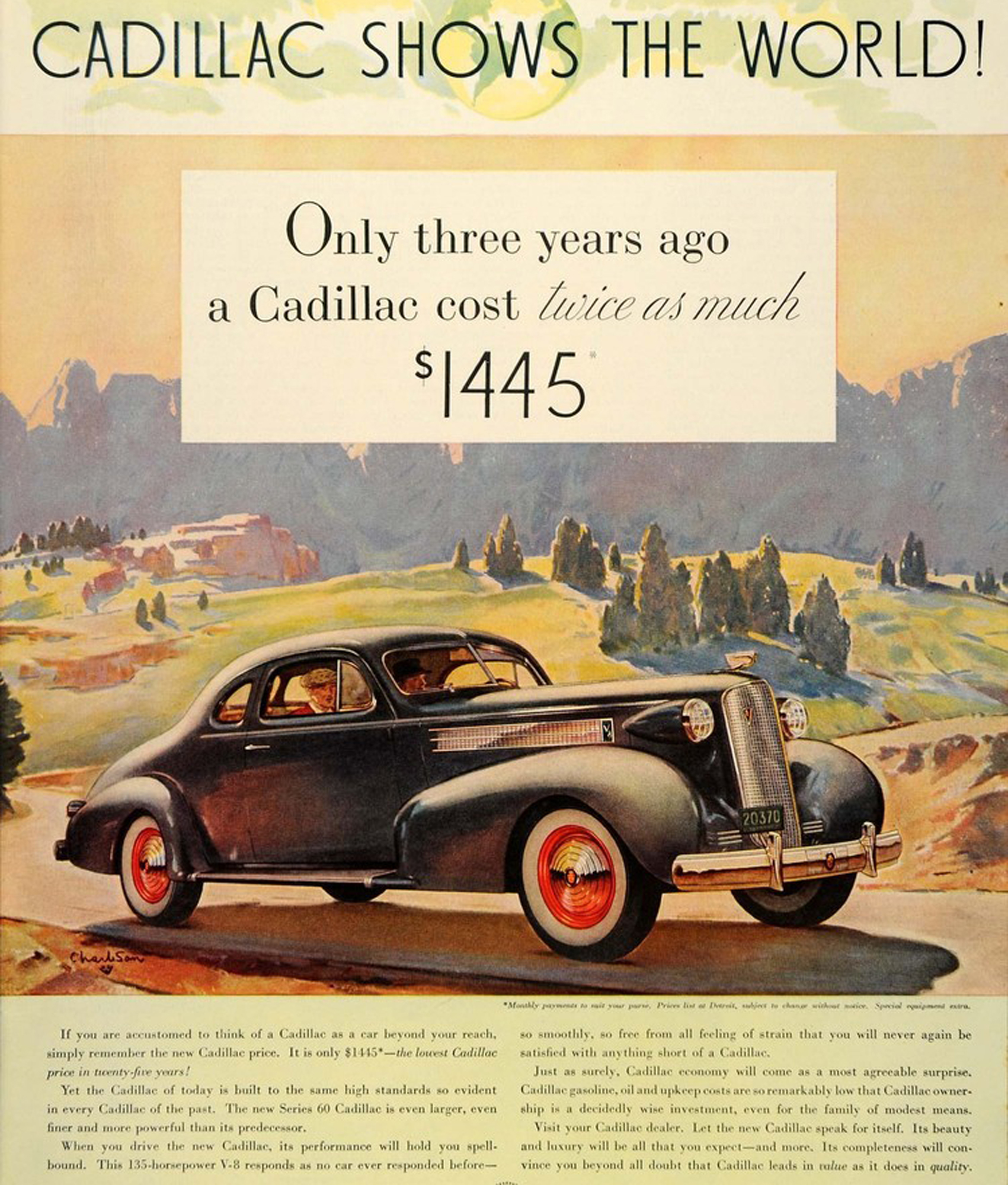

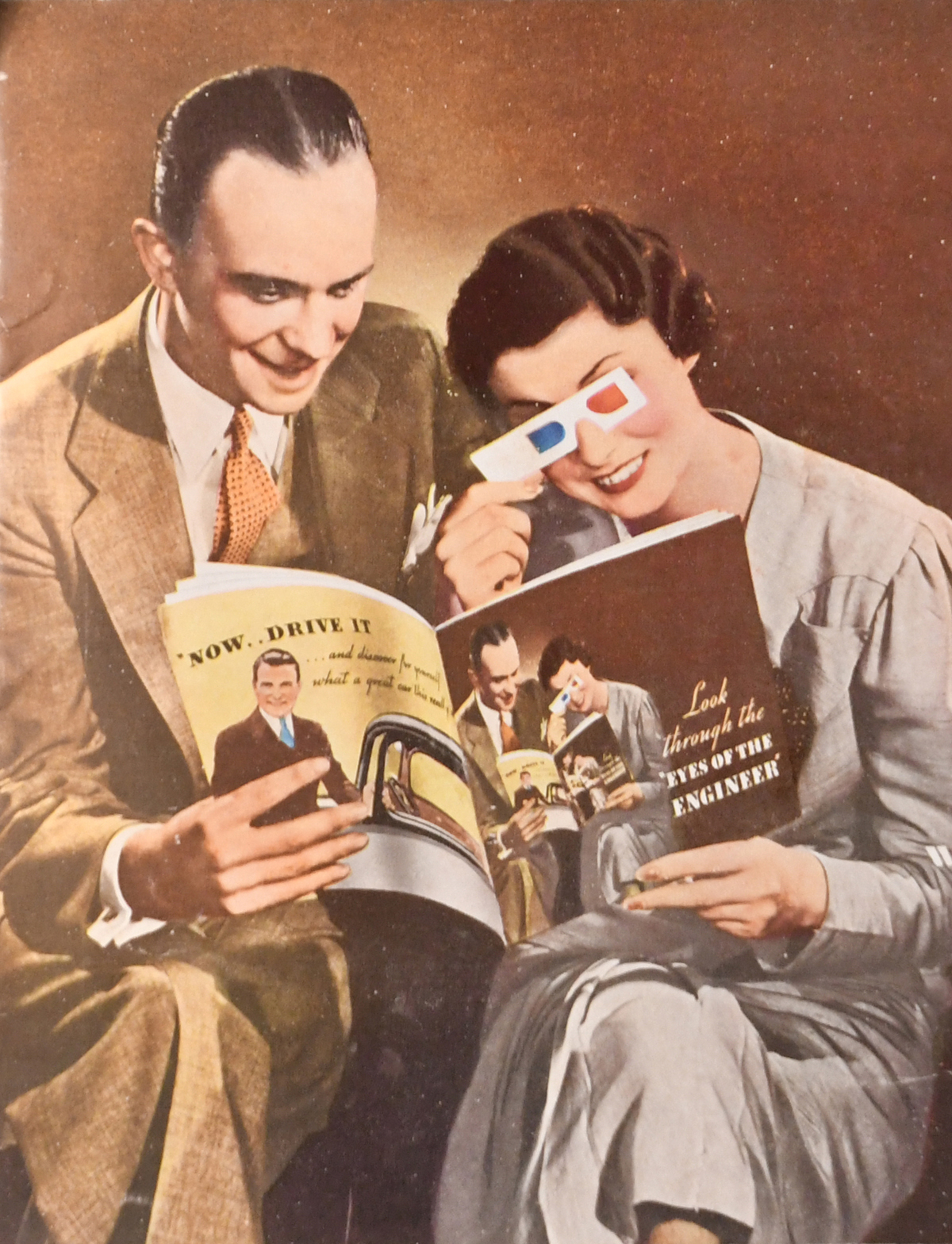
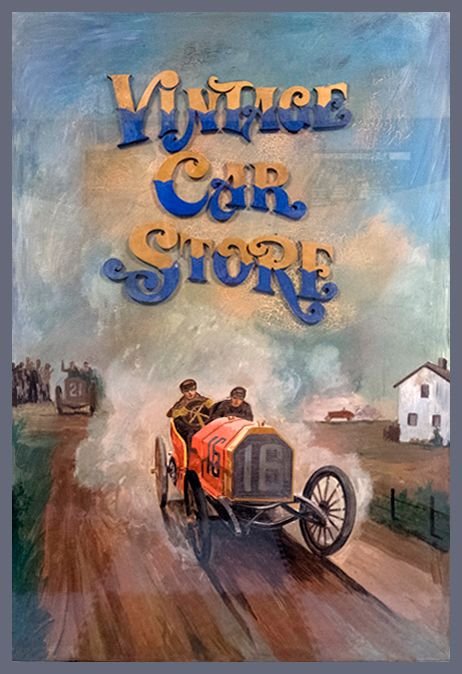 Entering Ed Jurist’s Vintage Car Store in Nyack, New York offered a visual wonderment of not only vintage automotive but, as well, vintage aircraft art and artifacts. A 12-cylinder Merlin engine, the type famous for powering the P-51 Mustang, sat proudly cradled where it could be viewed through the building’s large front window that faced the street.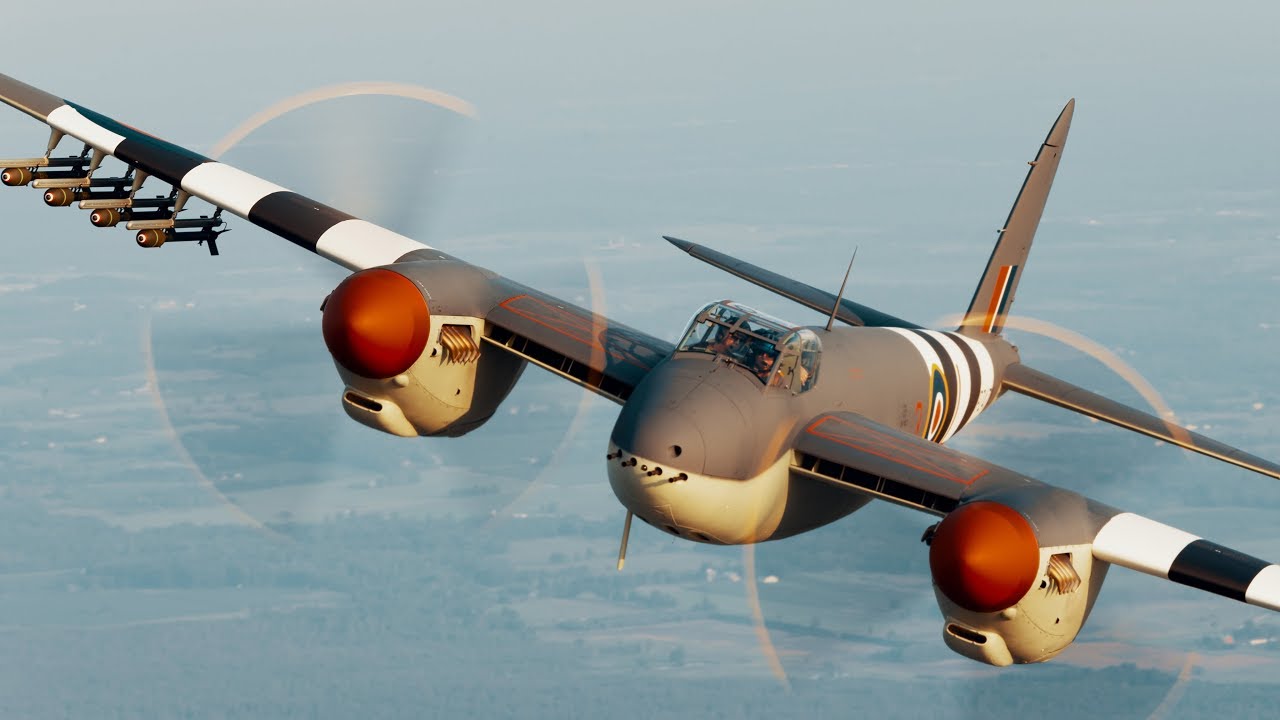

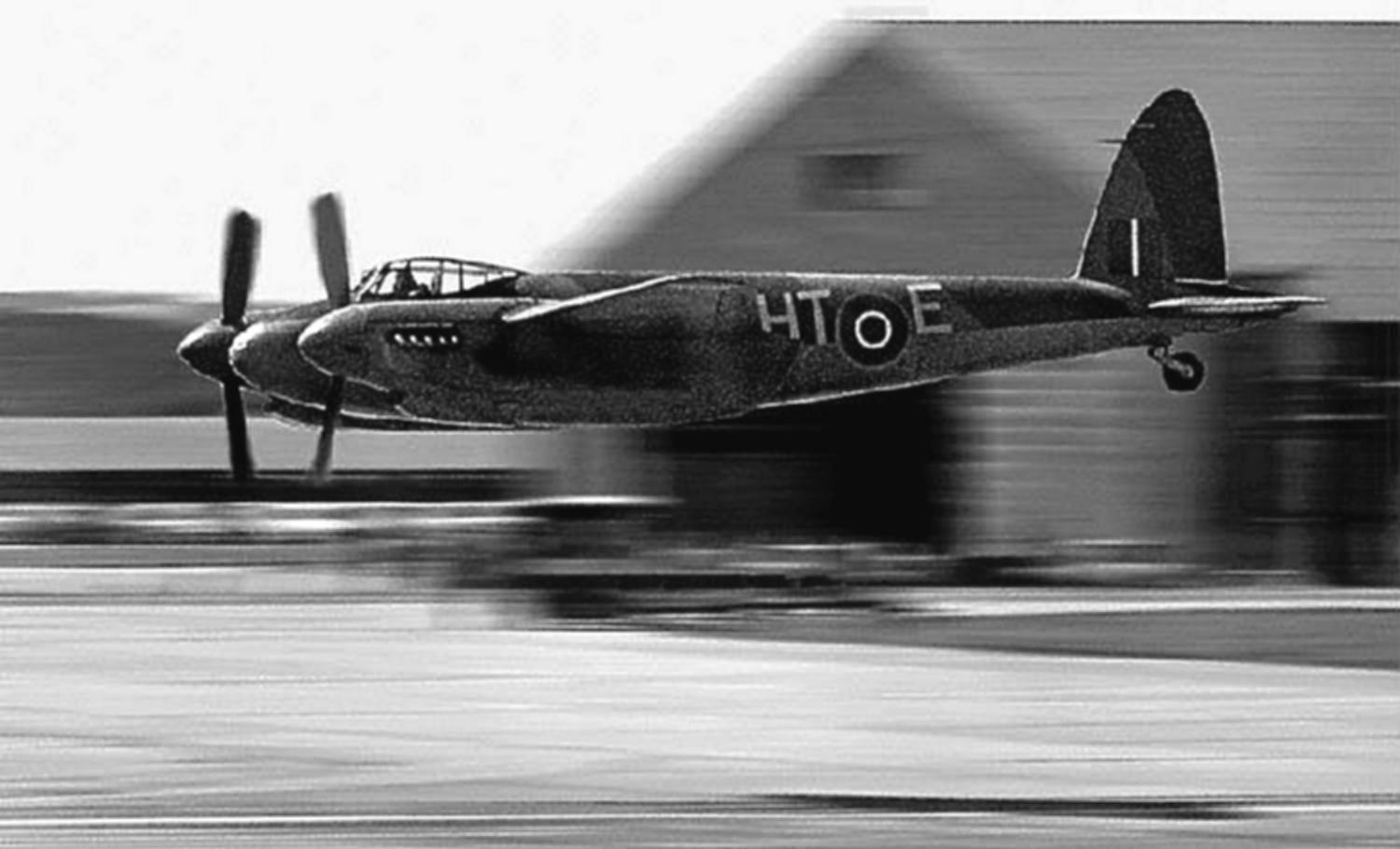 Powered by two Rolls-Royce Merlin engines, the Mosquito had a maximum speed of 415 MPH that made it the fastest aircraft on either side during much of the war. It had a range of 1,500 miles with the ability to carry a bomb load of 4,000 lbs. That bomb load equaled the capability of the four-engine B-17 flying fortress. With a crew of two consisting of a pilot and navigator/bombardier, the Mosquito filled a broad range of roles including bomber, fighter and special operations specialist. One wonderful Special Ops example highlighted the Mosquito’s ability to execute high speed, pin-point, low level attacks. It took place on the morning of January 31, 1943 at a parade in Berlin billed to feature an address by Hermann Goering. As head of the Luftwaffe, Goering had boasted that no enemy aircraft could fly unscathed over Berlin. As Goering prepared to present to the assembled crowd, a squadron of Mosquitoes appeared out of nowhere and effectively put an end to the morning’s festivities. Later that afternoon a second squadron of Mosquitoes put an exclamation point on the RAF’s refutation of Goering’s claim of enemy free skies when a second parade intended to feature a Goering address received the same treatment as the morning festivities.



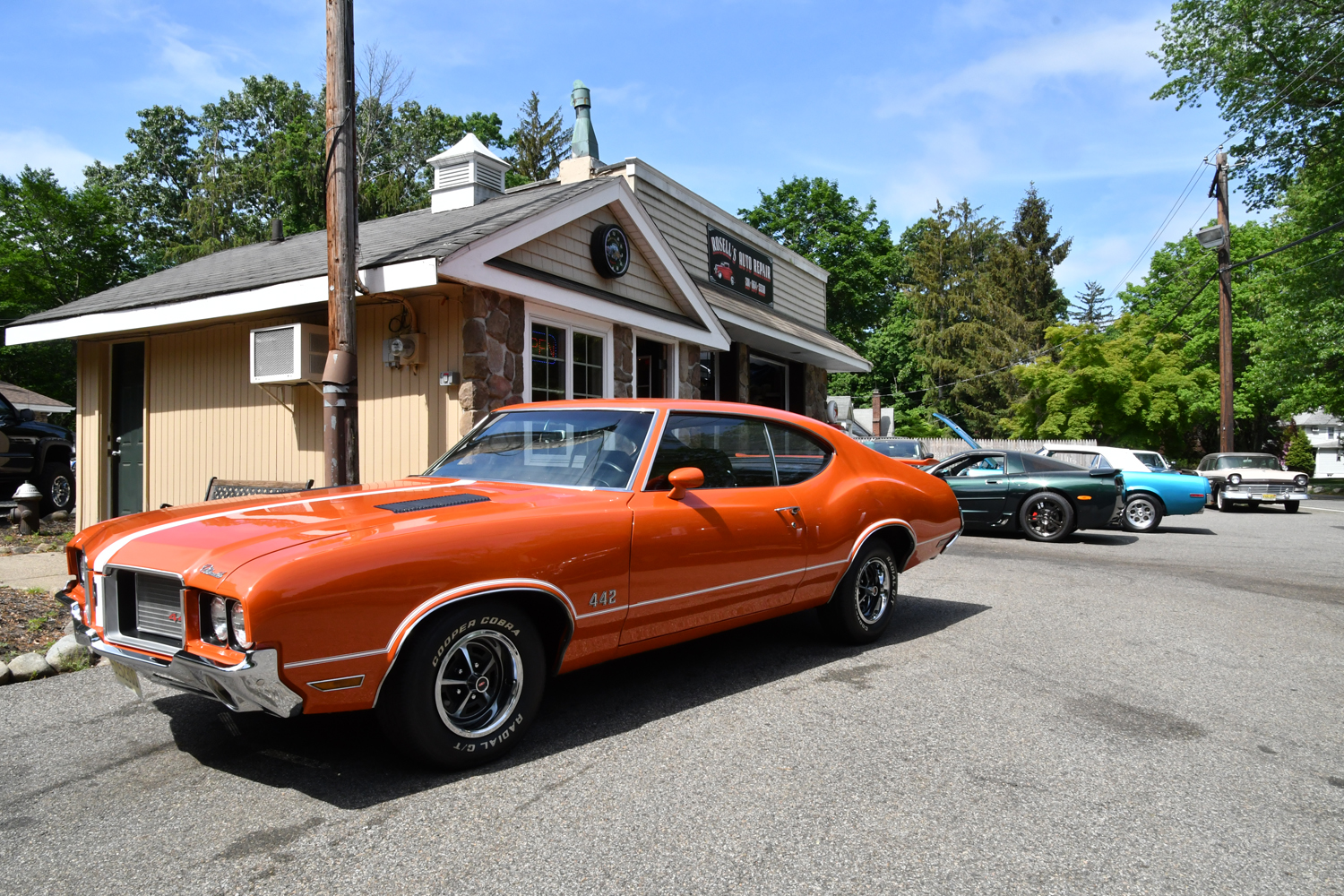
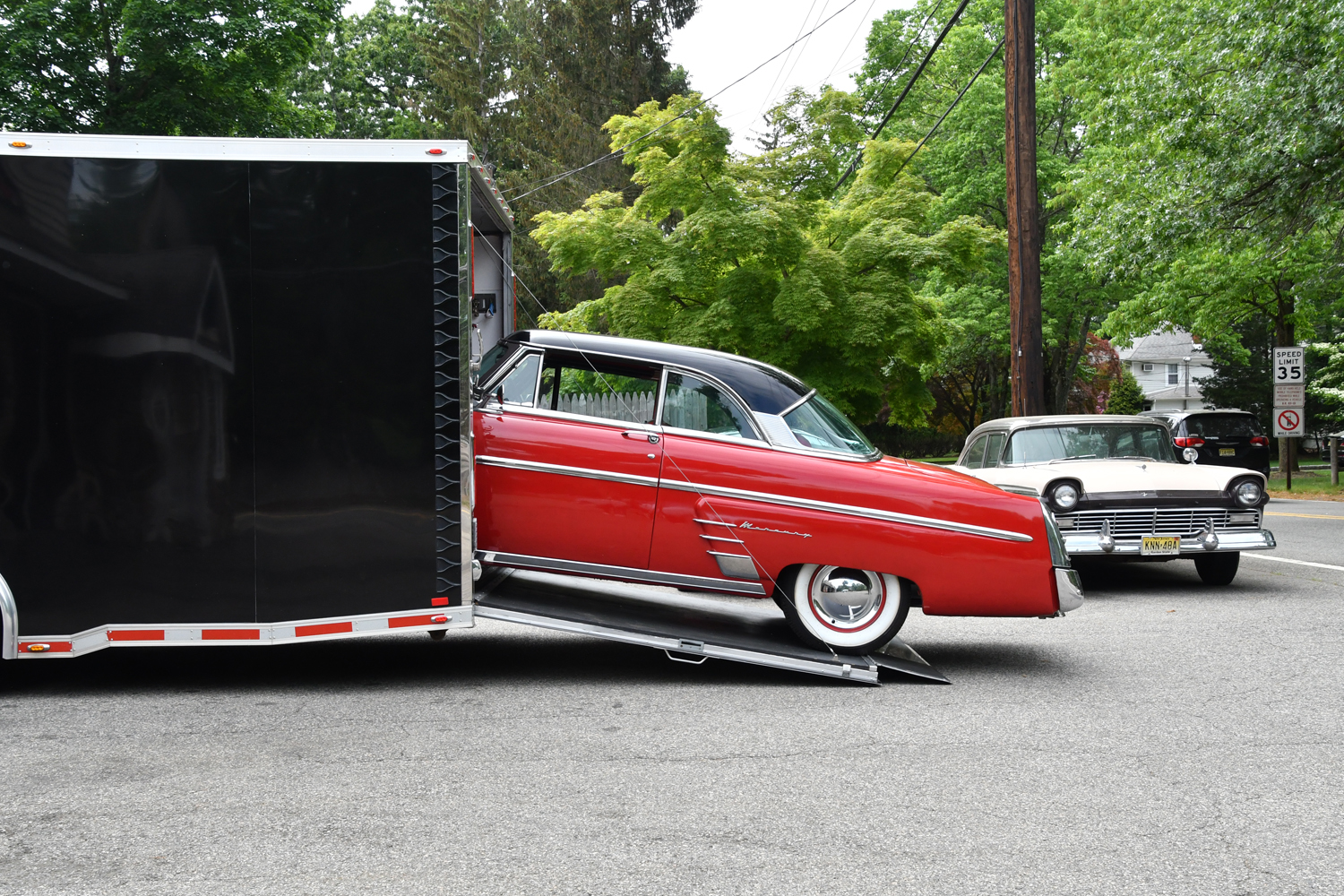
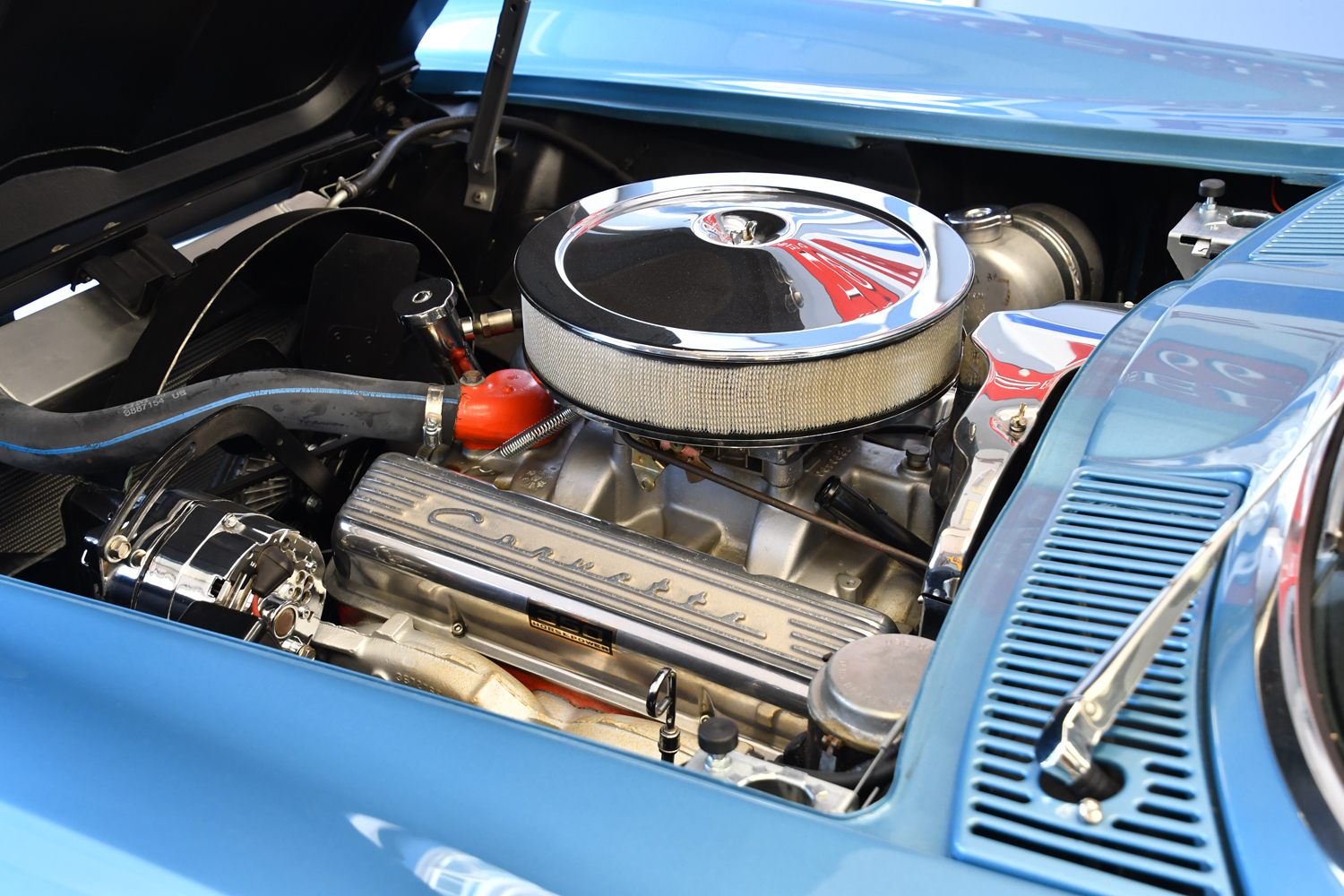 “We do everything except body and paint”,” says Al. Rosell’s Auto Repair eagerly accepts power train and chassis challenges. Al says, “We do new engines, great motors for speed, a wide range of conversions, suspension upgrades, disc brake work, all of that kind of stuff. We also do interior work.” In describing his favorite work Al says, “I love doing engines. We will pull an engine, rebuild it, dyno tune it, detail it and if the customer wants, we incorporate chrome touches to whatever degree desired. When finished, that engine stands out as a work of art that can smoke the tires through all the gears.”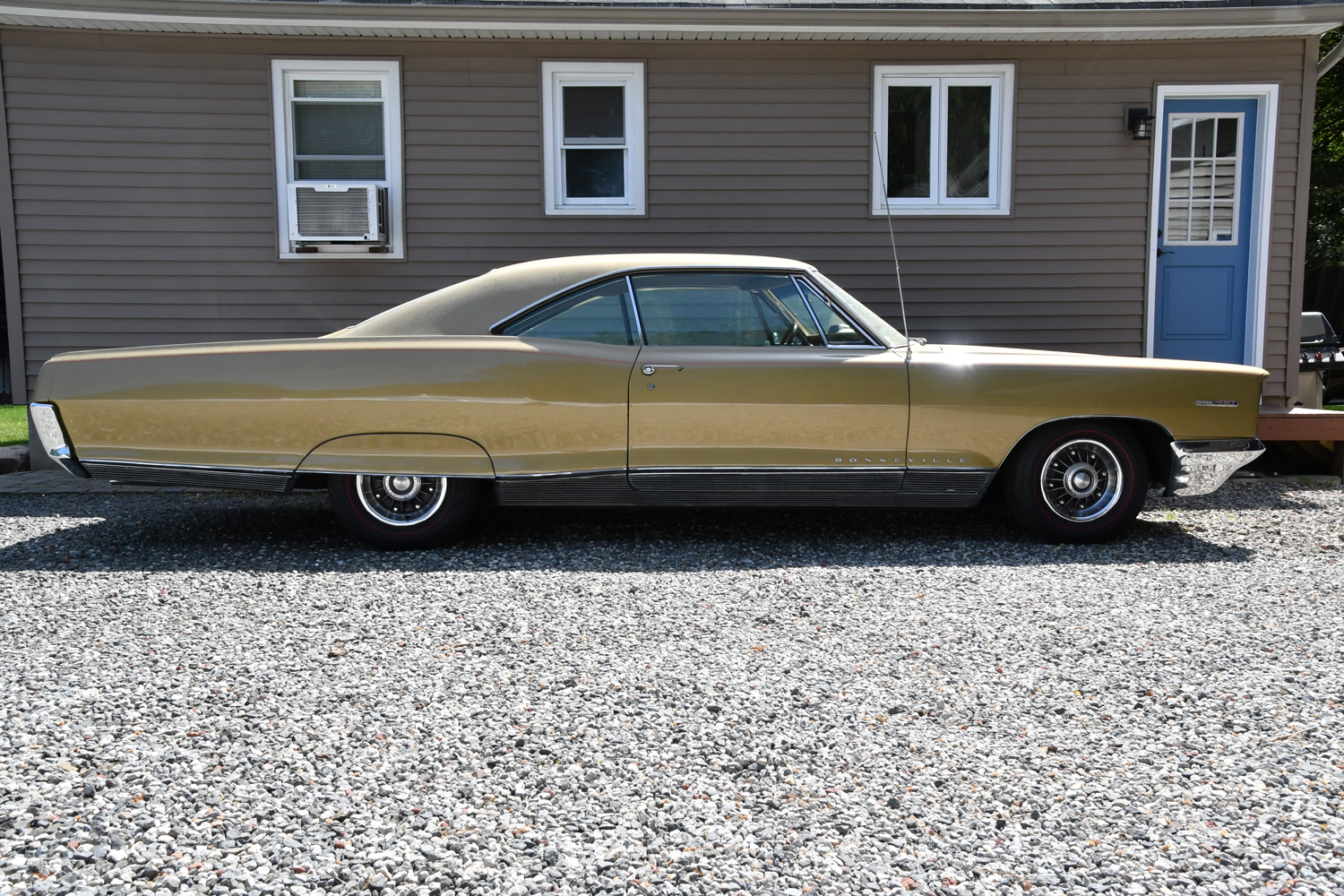
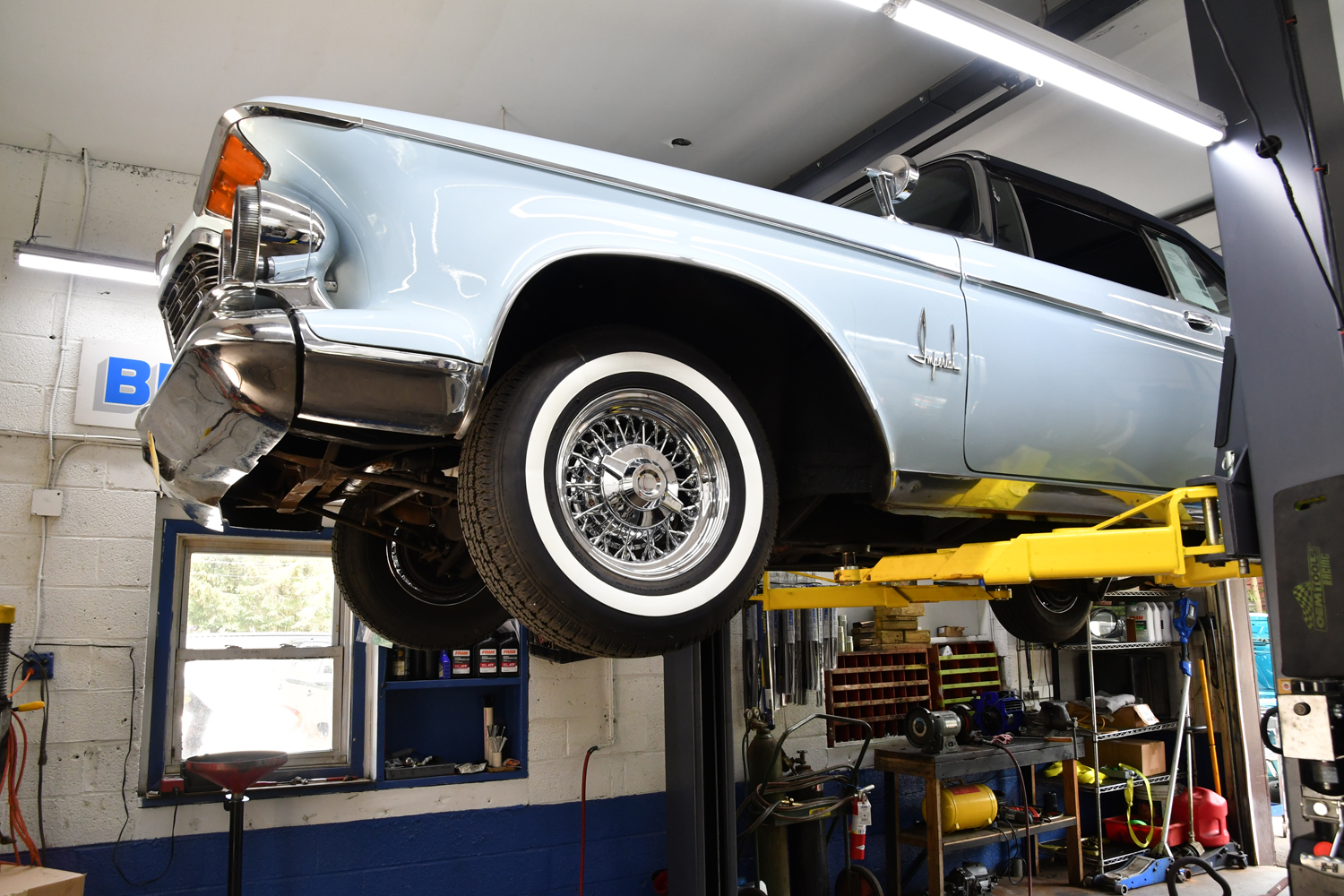 One significant trend that Al has observed over the last few years is the ascendance of the restomod as a preferred choice by many enthusiasts versus the traditional classic car with its original equipment.
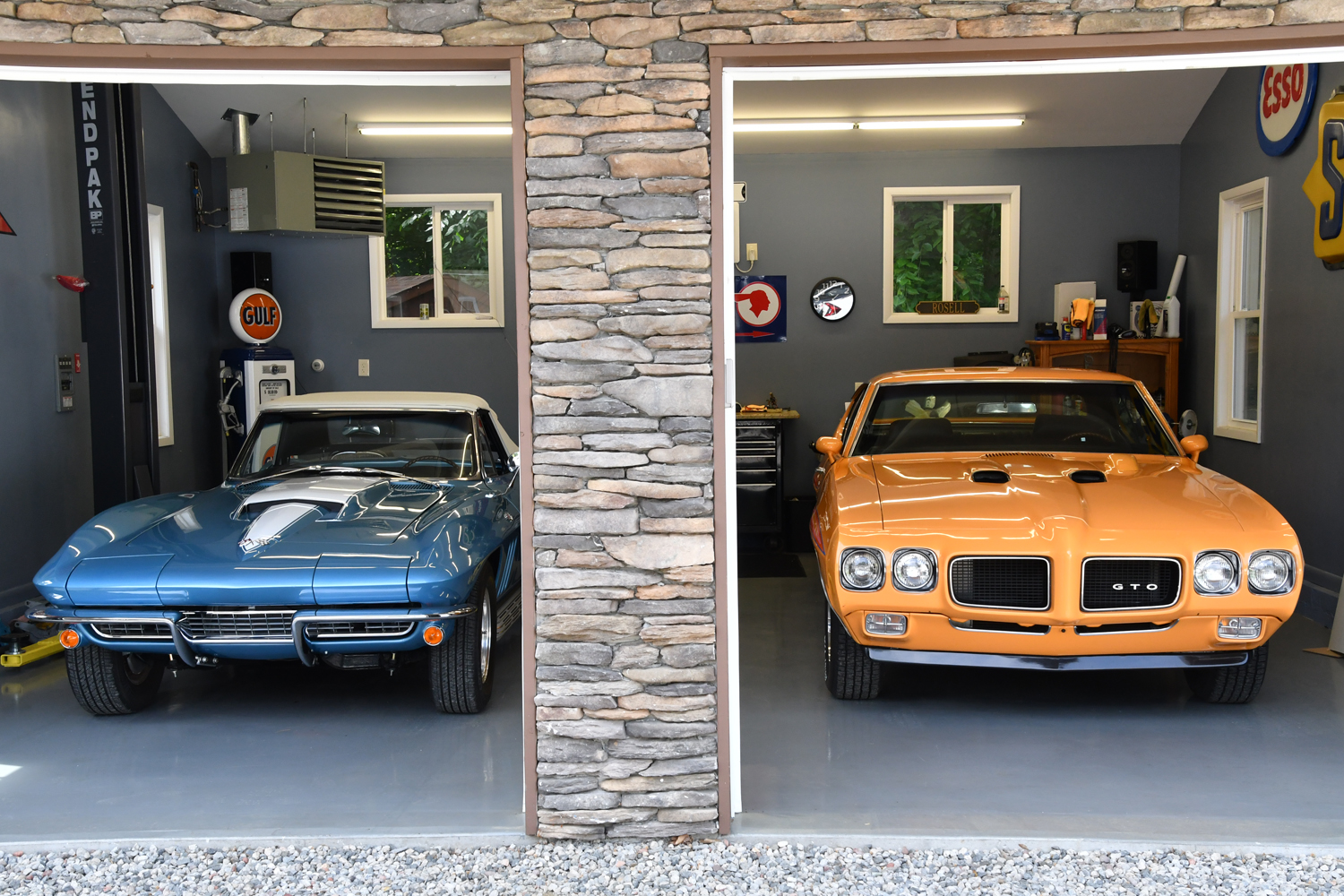 ery interesting cars reside in a special place in Al’s heart. In 2015 an older gentleman approached Al describing a 1966 Corvette that had been in his garage since a bad accident in 1971. Al saw the car. It rested under a deep shroud of dust. Al bought it. He did a complete frame-off restoration. Al says, “Every piece of the car is new except the antenna and the grill. “The Nassau Blue beauty sits proudly in Al’s personal two-bay garage he built on his 4 acres. The other bay holds the subject of a love lost and found.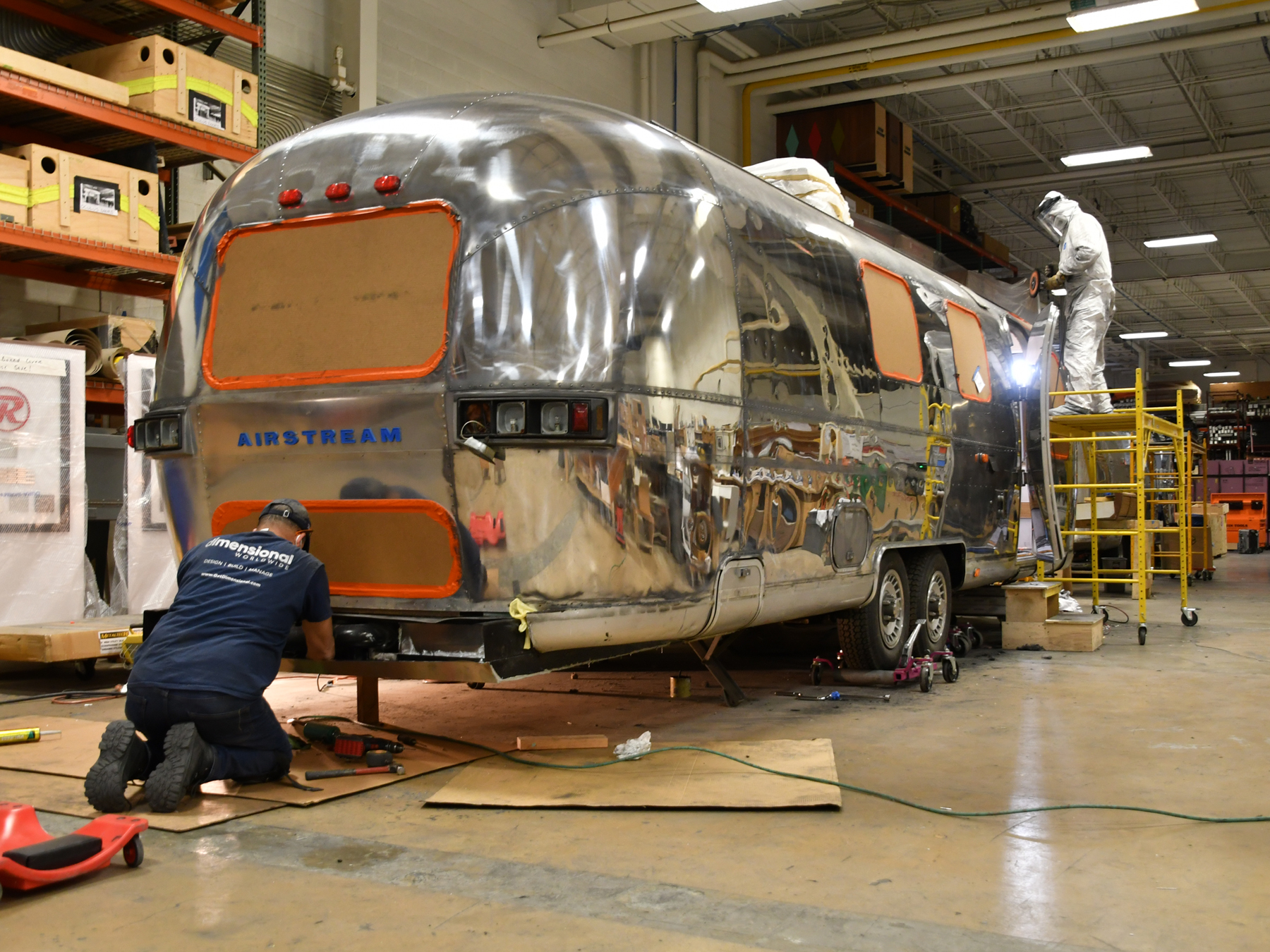
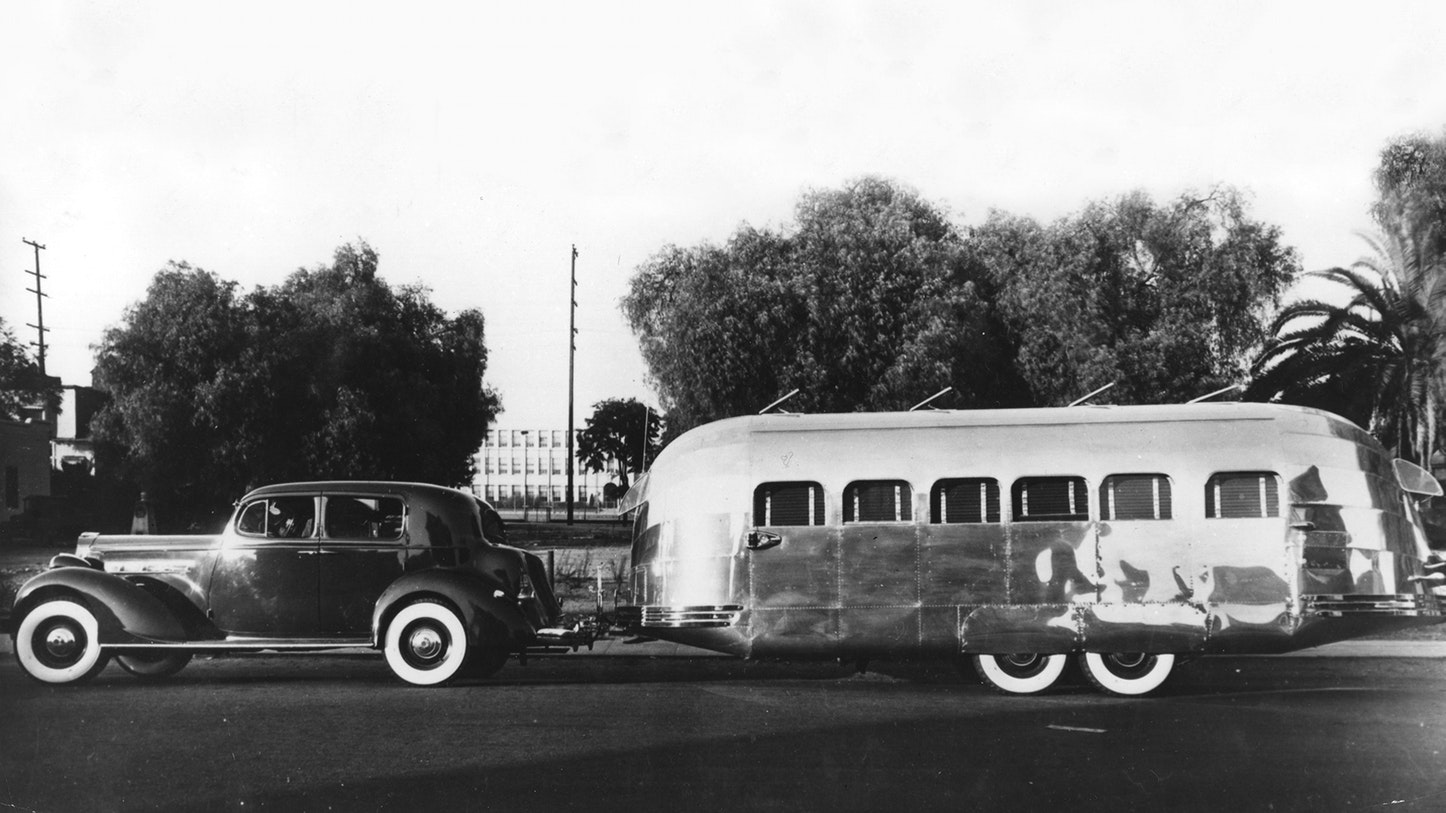
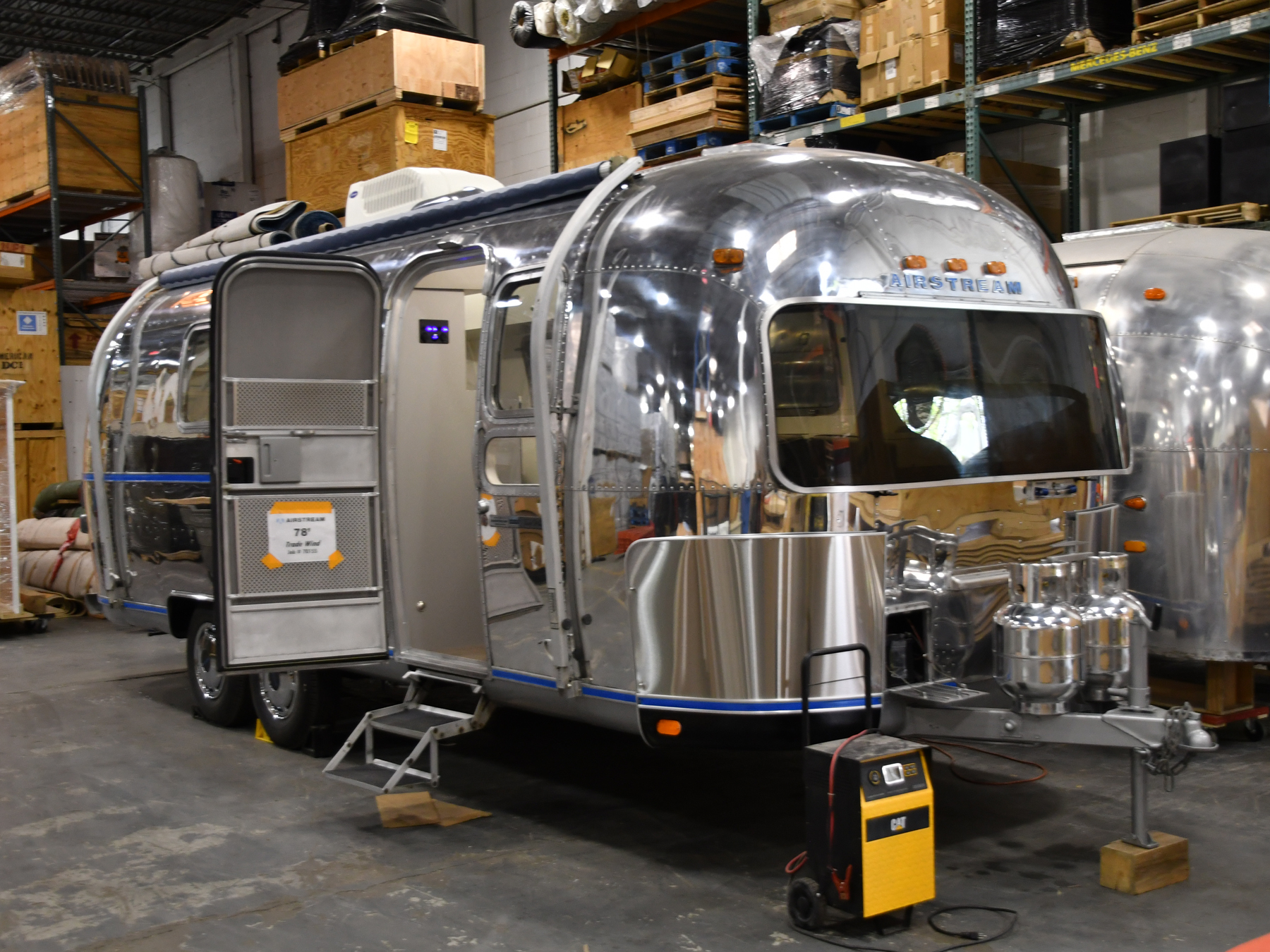 While being very particular in the quality of the trailers selected, success was realized with three being purchased. (1968, 1975, 1978)