More than the polished parts and hard to find pieces, the special interest vehicles people collect embody the character of each owner. “Cars We Love & Who We Are” profiles individual special interest vehicles and the proud owner committed to its preservation.
Cars We Love & Who We Are #52
I am really pleased. My adult school class of car enthusiasts loves the idea of hosting a Collectible Car Fair for Kids and Teens. A palpable excitement swept the predominantly “Boomer” filled classroom. They embraced the thought of introducing some of the most significant automobiles of the 20th century to pre-teens and early adolescents, a cohort some fear to be oblivious to classic car culture and, worse, much of American history. Yet I believe these youthful digital natives possess an un innate yearning to feed a neglected hunger for positive real life hands-on experiences. The visceral pleasure of the analog driving experience being one excellent example.
Dauntingly, with this task comes the challenge of creating a meaningful and engaging hands-on experience for today’s Generation Alpha Digital Natives (Born after 2010). This latest wave of new born humanity has entered the world after the death of the new car brochure, the ascendance of Uber and the displacement of Henry Ford by Elon Musk as the reigning father of personal transportation. On the positive side the Wall Street Journal recently reported writing, “Stick shift sales (While still a small percentage) have rebounded over the past three years, fueled by younger buyers.
Making it Happen: Collectible Car Fair for Kids and Teens


The profound impact of the automobile’s introduction in the early 1900s manifested throughout the known world but nowhere more so than in a strapping young 20th century America ready to take its place on the world stage. Like a snap shift of tectonic plates, the impact of the automobile’s introduction on global society cannot be overestimated. Interestingly a single word captures the source of power that compelled society’s wild embrace of the automobile. The ground shaking power of this word revolutionized the life of every individual as well as the fabric of modern society in general. That word? Freedom! Freedom as granted by the automobile to all races, colors and creeds of common man, unmistakably represented the Industrial Age’s greatest gift to social mobility, in more ways than one.

Some fear that the appreciation for the awesome privilege of freedom no longer resonates with newer generations. It would seem that boys and girls have not been raised to appreciate the largess and independence that they largely take for granted. Many of today’s youth experience a life fraught with digitally induced stress and anxiety. Driven to distraction in a social media world of likes and influencers, today’s children too often are in danger of self-sealing into tactile deprivation bubbles. However, all may not be lost. The previously referenced Wall Street Journal article quotes one stick shifting digital native who says, “Computer people are car people. Half of my co-workers drive manuals.”
Children benefit from positive hands-on experiences that address all of their senses. It constructively counterbalances the gravitational pull of the social media consciousness that draws them away from recognizing and appreciating the full mental, physical, emotional and spiritual richness of a life well lived.
 For today’s youth a vast informational marketplace offering interpretations of history, experiences and contemporary events resides at their finger tips. However, to what sources do those fingers point? Apparently more often than not the fingers of contemporary youth point to undisciplined sites like TikTok for information. As a highly respected English teacher I once knew preached to her writing classes, “Don’t tell me, show me.” My class agrees. For them a virtual world offers no match for the sensory feast available in the real world. It calls to mind the “feelies” in Aldous Huxley’s literary classic Brave New World. Life in the story’s totalitarian state promotes a soulless world of sizzle, not steak.

In presenting the Classic Car Fair for Kids and Teens idea to Dave Franz the Director of the Hillsdale Free Public Library, I found a supportive kindred spirit and creative resource. Dave says, “The Hillsdale Library strives to provide a place for people to share their enthusiasm and passion. Equally important it equips individuals to expand their awareness of the world around them. This event offers children and their parents the opportunity to interact with people passionate about the history, excitement and significance of classic automobiles.”
With the availability of Hillsdale’s splendid library and its spacious parking made available, we picked a date and a time. The Library would host the Fair on Sunday September 8th from 10:00 am to 2:00 pm. Game on!
HAVE A SEAT – In creating our hands-on event, our intention calls for us to keep it simple. Our goal demands we keep it real. The Collectible Car Fair will be as hands-on as you can get. Children will be welcome to sit in each vehicle on display and experience the living history of the greatest gift of the industrial age. Through this hands-on experience students will better understand the character, beauty, and excitement of the iconic vehicles that revolutionized individual lives and forever changed global culture in the 20th century.
We hope to create fertile ground for promoting probing questions from bright young minds. Such questions might be:
- What makes this car special?
- Why is the steering wheel so big?
- Why three pedals?
- Why are there crank handles on the door panels?
- Why did they put fins on cars?
- What is a Muscle Car?
- Why doesn’t this car have side windows?
- What does road feel mean?
- Unlike older cars why do new cars all look the same?
- Why does it seem old cars are more fun?
- When my grandfather was young, why were teenage guys so interested in cars?
- What is meant by “Freedom of the road?”
- Why were there songs about cars in the 1960s?
- What was a drive-in movie?
Event staffing will be by men and women from the “Collectible Automobiles as a Passion” class. These knowledgeable car enthusiasts wearing their GUIDE button own the individual models of well maintained classic automobiles to be displayed. They will be prepared to speak knowingly about their vehicle and the year in the 20th century when the vehicle came to market. Cars on display will include a 1928 Rolls-Royce Phantom 1, 1970 Plymouth Superbird, 1961 C1 Corvette, 1962 Lotus 7, 1974 DeTomaso Pantera, 1986 911 Porsche, 1956 Thunderbird, 1959 Cadillac and many more. Each car will bear a windshield placard offering selected facts about the vehicle and America in that year. For the 1961 Corvette and 1974 Pantera the placards would read:

1961 Corvette
Staff members can not only discuss the technical and design features of their car, they can explain why this car has special meaning for them.
For children the power of “story” can be profound. Everybody loves a good story. A car someone holds dear often provides a vehicle for relating an important aspect of the owner’s life. For me, I have owned my 1961 Corvette for 57 years. Over the span of my lifetime every meaningful person in my life has sat in that car.
And for the hands-on experience, just what will the children be putting their hands on? A few examples are:

1928 Rolls-Royce Phantom
1928 ROLLS-ROYCE PHANTOM 1
Representing the finest automobile of its time and the expression of superior quality and luxury that continues to this day. Built by hand
with the finest materials and the most exacting technical specifications. The automobile brand favored by the fabulously rich, the outrageously famous and the most elevated royalty.
1952 MGTD
This little spindly wheeled British sports car that  came to America right after WWII brought home by American soldiers who had fallen in love with it in England. It created an exciting new class of automobiles in America, the “sports car.” That it had no roll up windows, a frail leaky convertible top and under-powered engine did not matter. America loved it.
1963 356 PORSCHE
Nicknamed the bathtub Porsche because of its rounded lines, the 356 took America by storm. A lightweight and nimble-handling, rear-engine, rear-wheel drive, two-door sports car it came as both a hardtop coupé and convertible. After coming to America in the early 1950s this spirited German sports car quickly became a dominant force on mid 20th century race tracks.

1963 Porsche 356
1965 PONTIAC GTO
The 1965 GTO belongs to the first generation of the Pontiac midsize 2-door coupe equipped with a high performance V8 engine. Generally recognized as the car that ushered in the era of the American Muscle Car and the associated Detroit horsepower wars.
1982 DELOREAN
Most famous for its role in the hit movie series “Back to the Future,” The DeLorean owes its existence to the same man who created the Pontiac GTO, John DeLorean. All DeLoreans were silver due to their bodies being stainless steel as DeLorean did not want his car to rust. Actually the factory in Belfast, Ireland that built the DeLorean produced two non-silver versions. They were gold plated for an American Express promotion.

1965 Pontiac GTO
LEARNING TO JUDGE – Children will also have the opportunity to learn how competing cars are judged at a car show. Children who register in advance with the Hillsdale Library can attend a “How to judge a car” class given on the morning of the event. The class will be taught by experienced concours judge, automotive journalist, past Director of the Rolls-Royce Club of America and friend of Drivin’ News Bob Austin. All registrants who complete the class will have the opportunity to actually judge vehicles on display. All children who complete the class and participate in judging will receive a certificate of recognition.
FUN FACT HUNT – To further involve the children, a “Fun Hunt for Car Facts” will challenge them to find answers to a list of questions relating to the classic cars on display. Each child finding all the correct answers will win a poster of himself or herself posing with their favorite car.

1982 DeLorean
CAREERS – Closing out the event McPherson College graduate and McPherson student mentor Nicholas Navarro will present on the topic of college degree and non-degree opportunities associated with classic car restoration and automotive technology.
HILLSDALE LIBRARY -A benefit available throughout the Fair will be Dave’s availability to provide information on materials available at the library relating to classic cars, the automobile industry and the car culture. As well, Hillsdale Library offers knowledgeable staff, extensive reading lists, available movies, how to videos and a vast array of materials and experiences accessible through the Bergen County network of libraries (BCCLS).
Hillsdale Library also features a vintage truck enthusiast. That would be Library Director Dave. He and his son are restoring Dave’s grandfather’s 1949 Chevy 3100 pick-up.



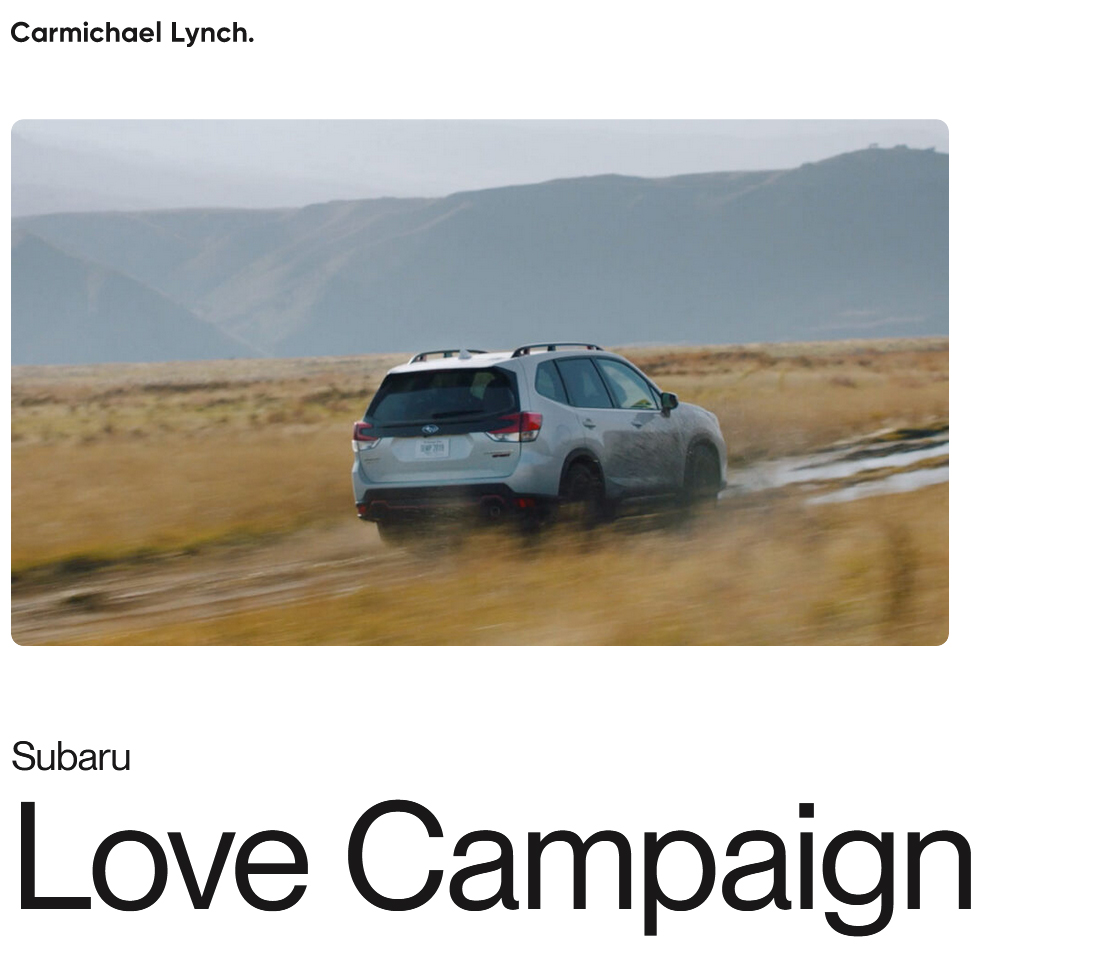
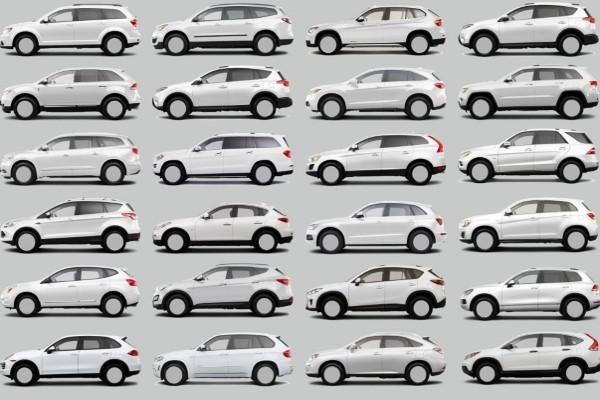
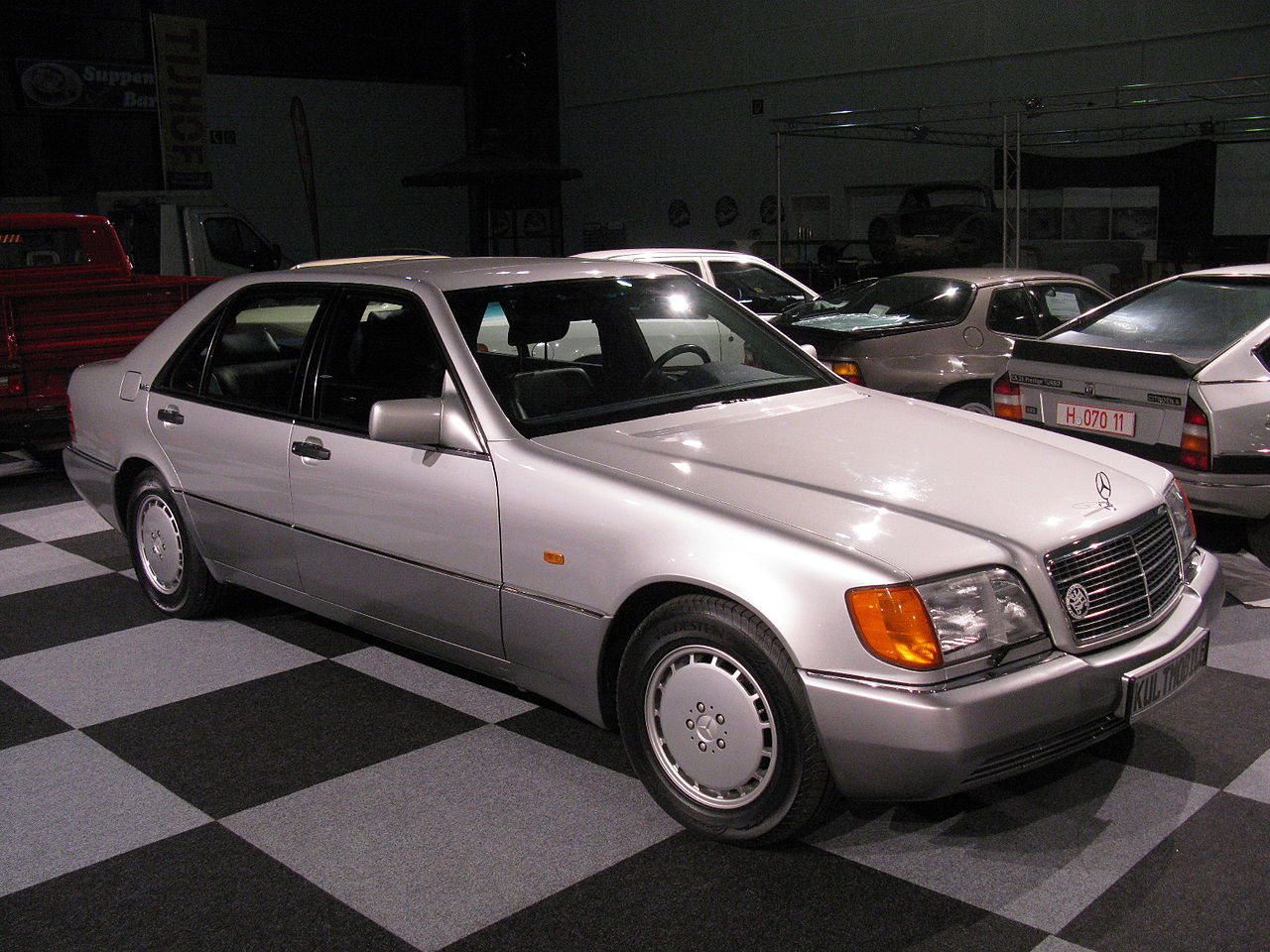
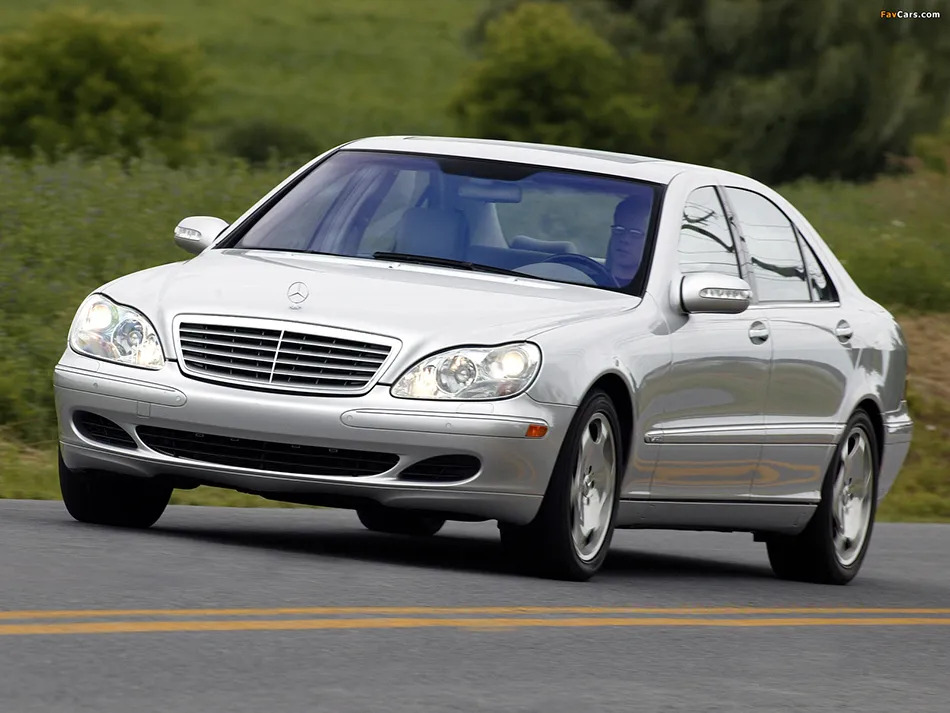
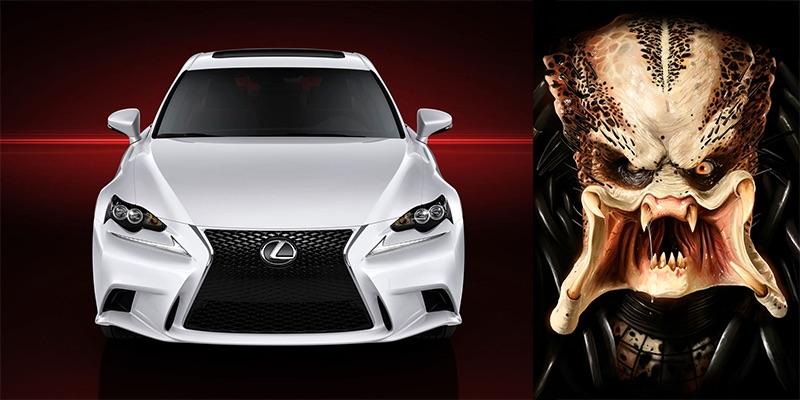 As an apparent natural byproduct of big grill disease, the ugly bordering on downright disturbing aesthetics of some creations produce, in the viewer, a kind of curious morbid fascination like seeing a two-headed cow and wondering how could this be? Case in point, the Lexus “Predator” grill design. Really? Don’t laugh Audi your grill offers no visual feast for sore eyes either. But BMW? It already possessed what many consider one of the most recognizable grills in the business.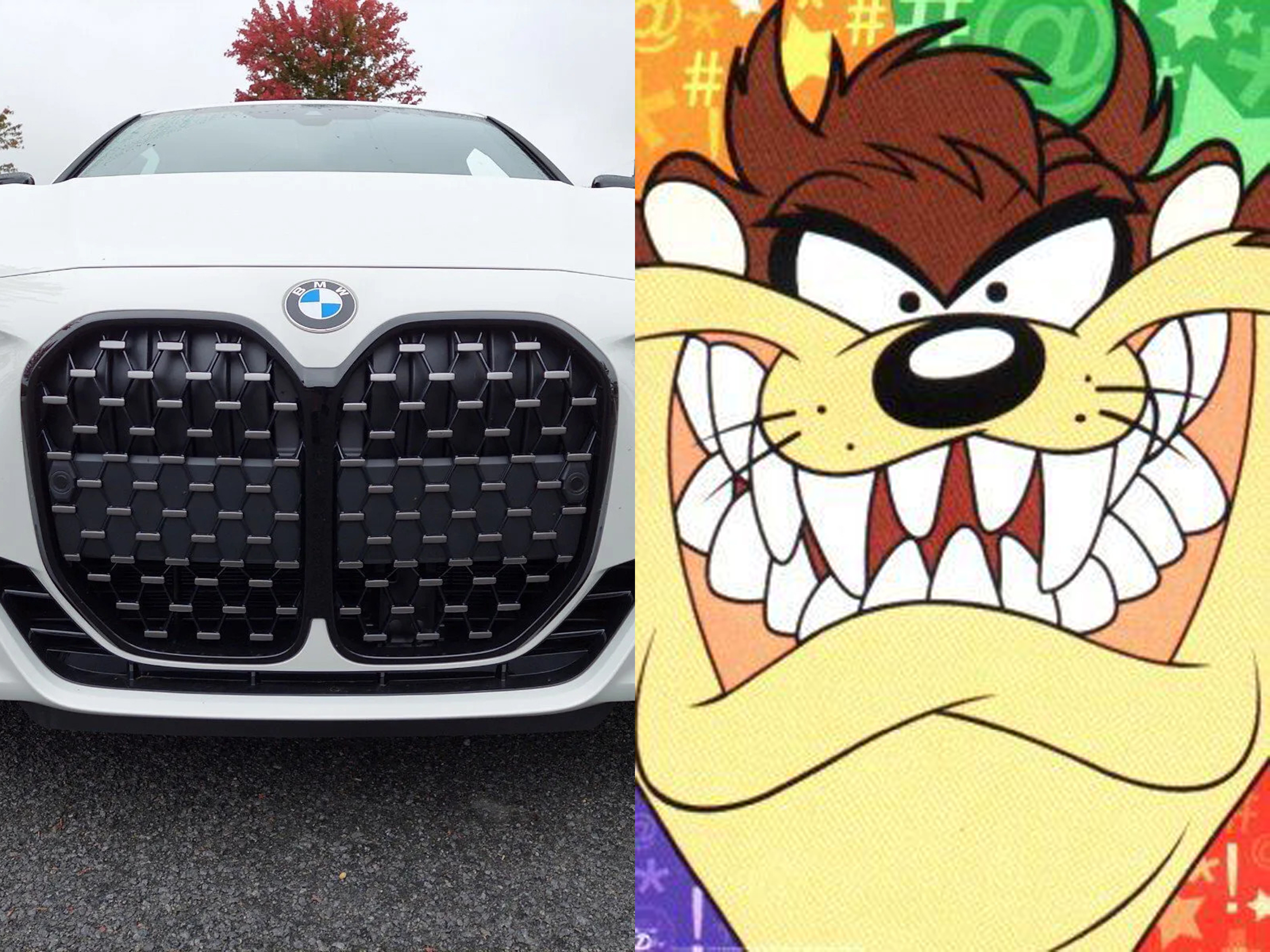





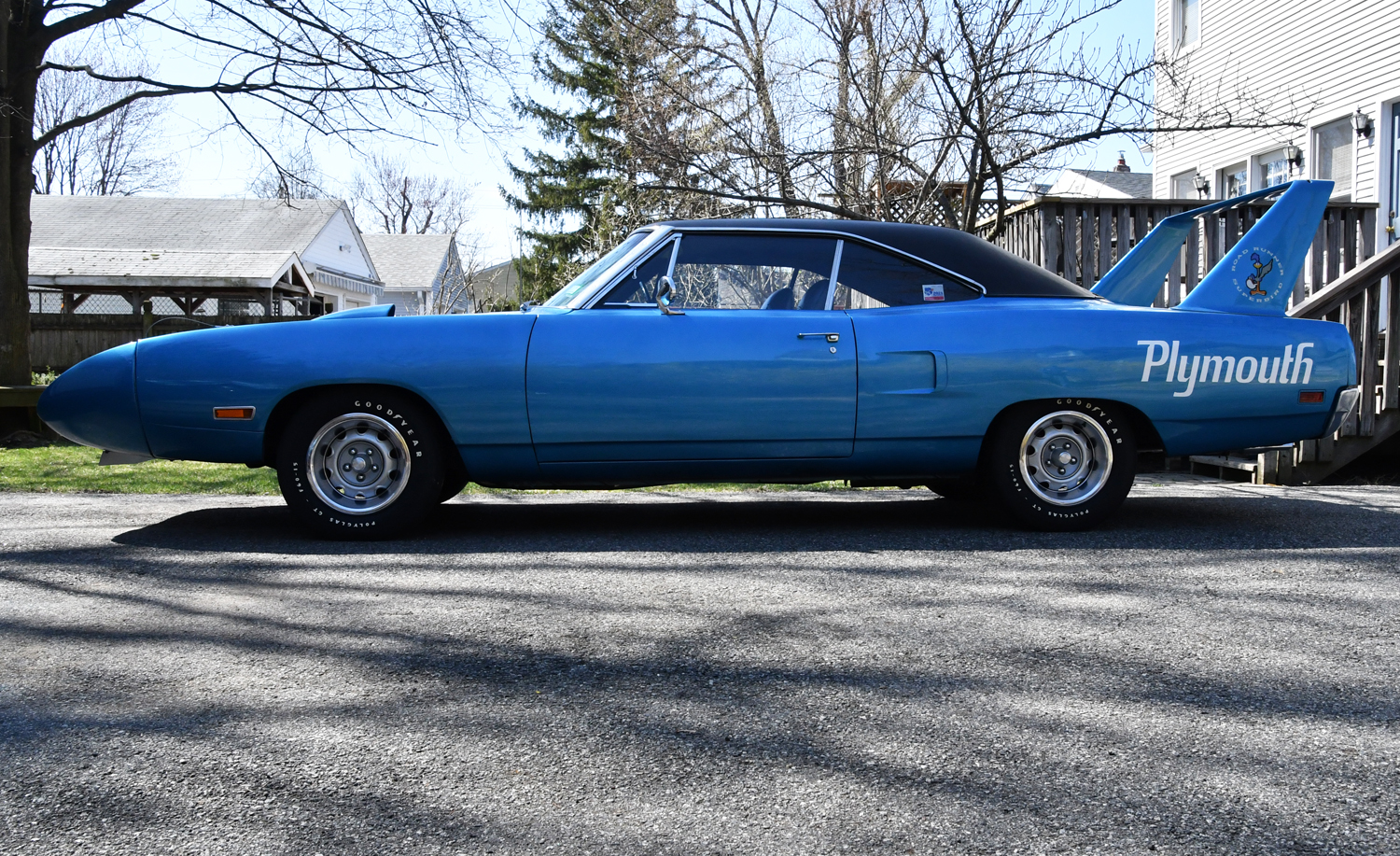
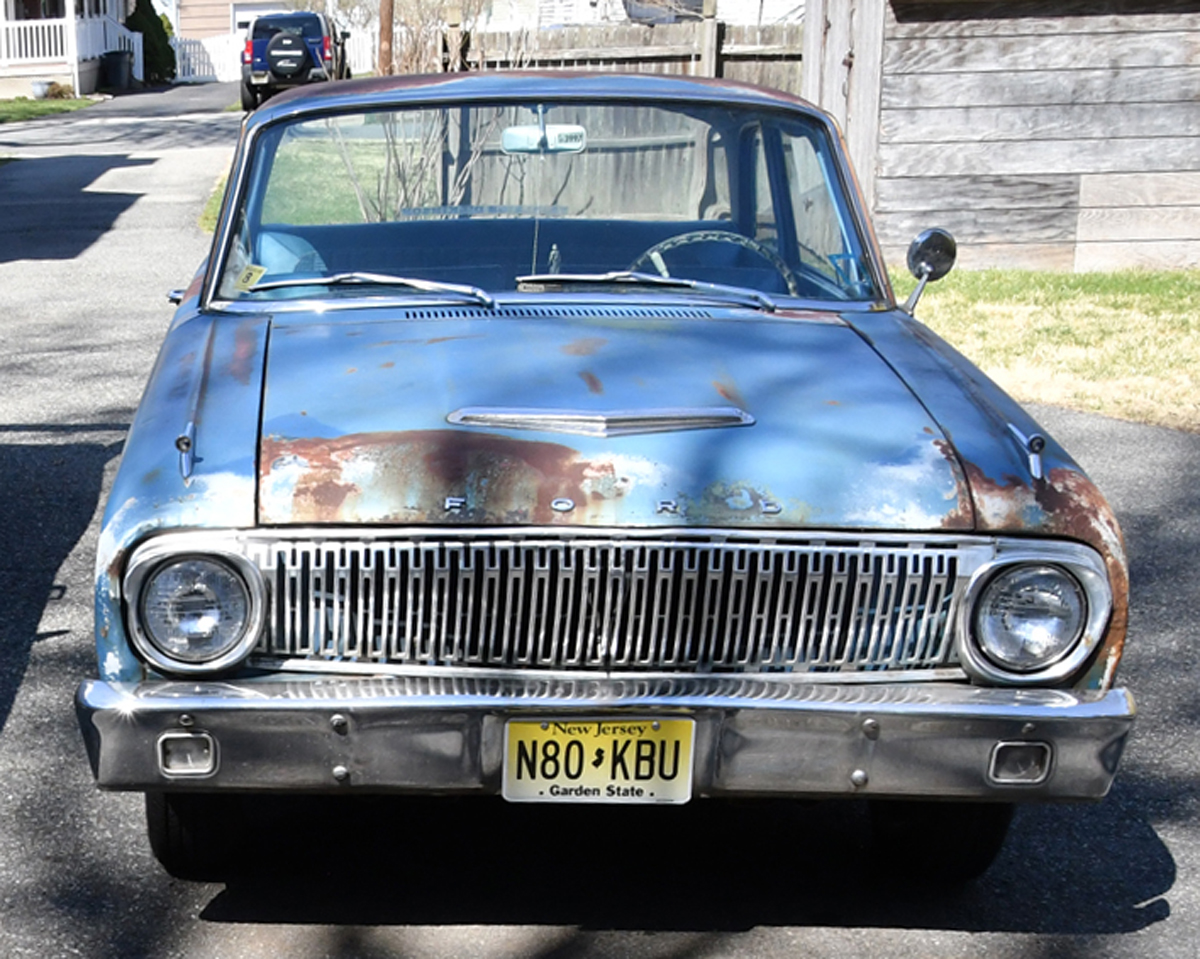 Opening the garage doors reveals a pristine B5 Blue 1970 Plymouth Superbird and a severely distressed 1962 Ford Falcon. Few cars could stand farther apart on the collector car spectrum. Vinny’s Superbird towers as an unmodified, low mileage, highly valued iconic beacon of visually outrageous high performance.
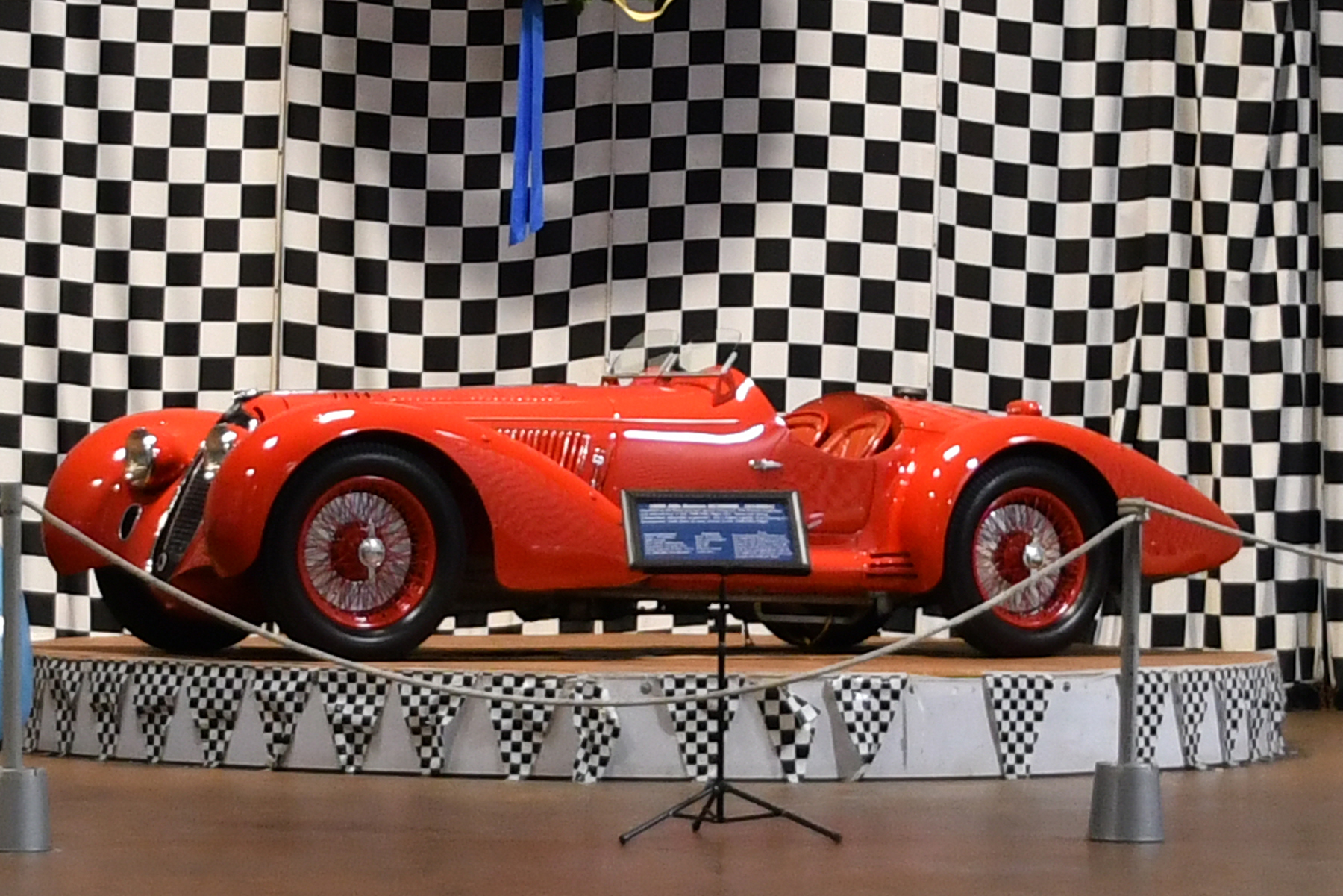
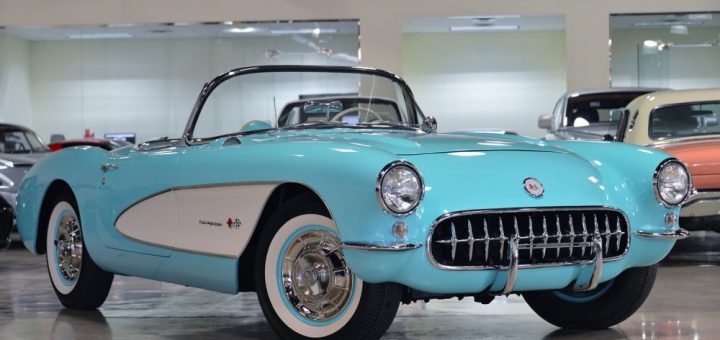
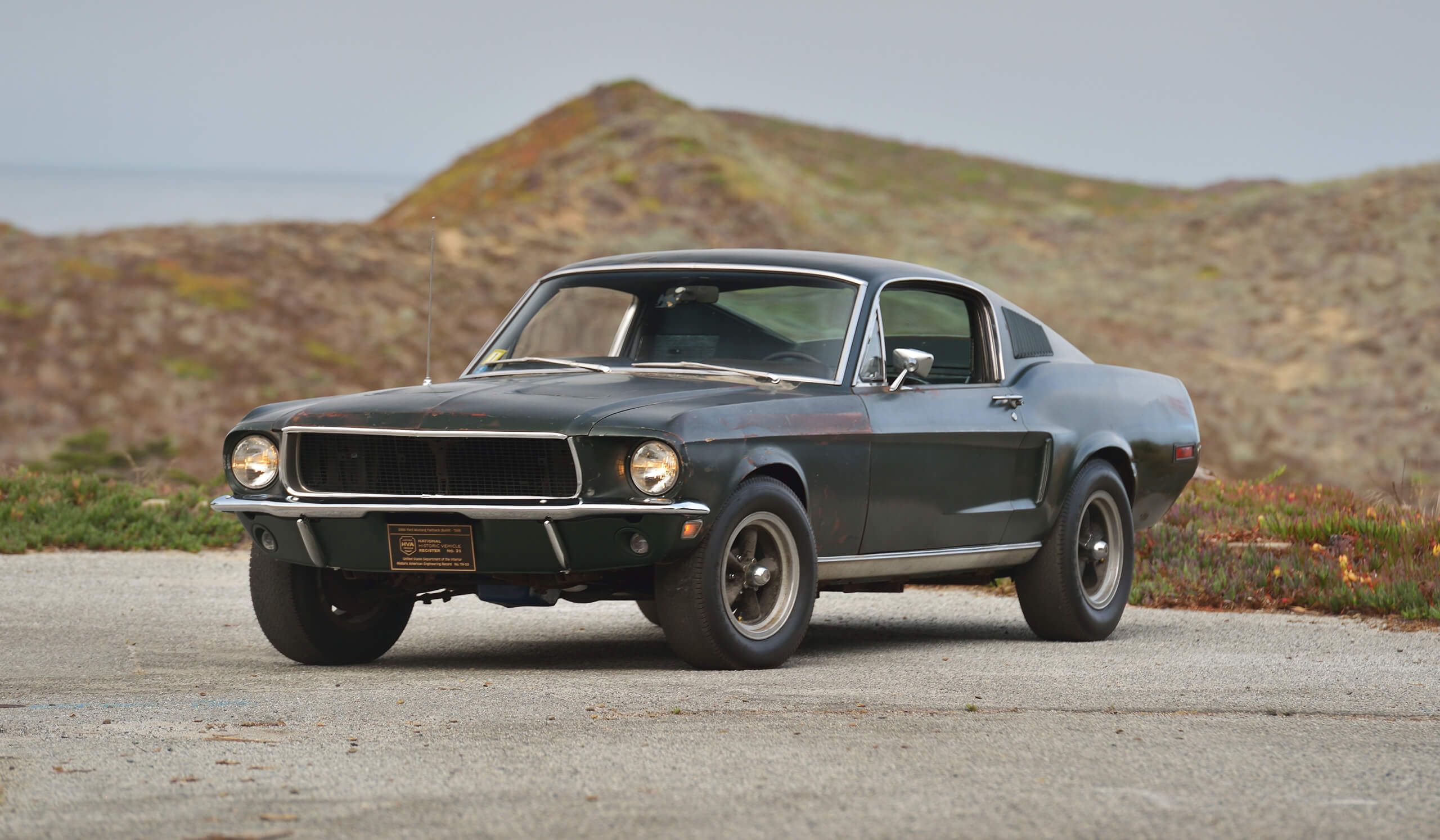

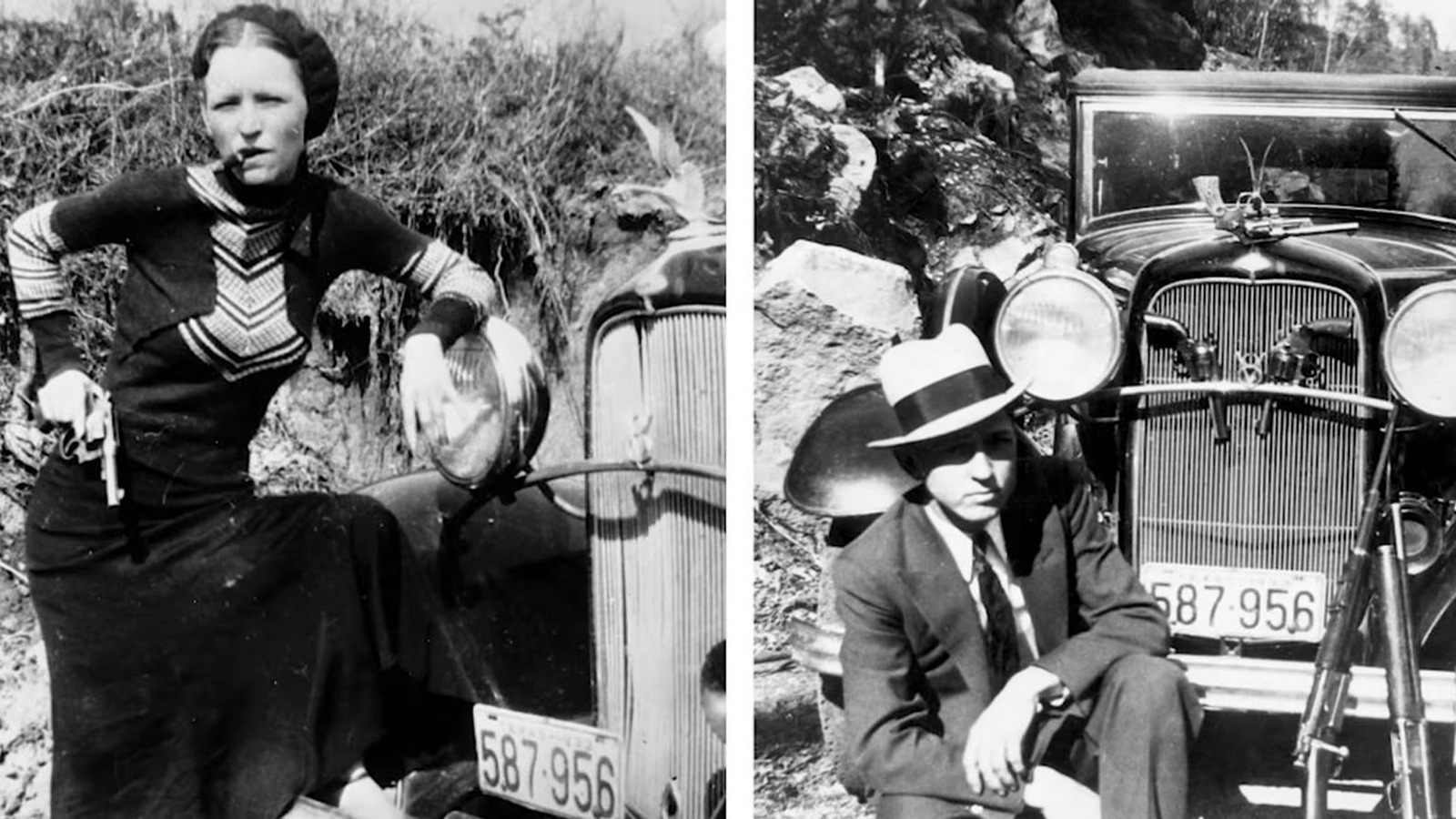
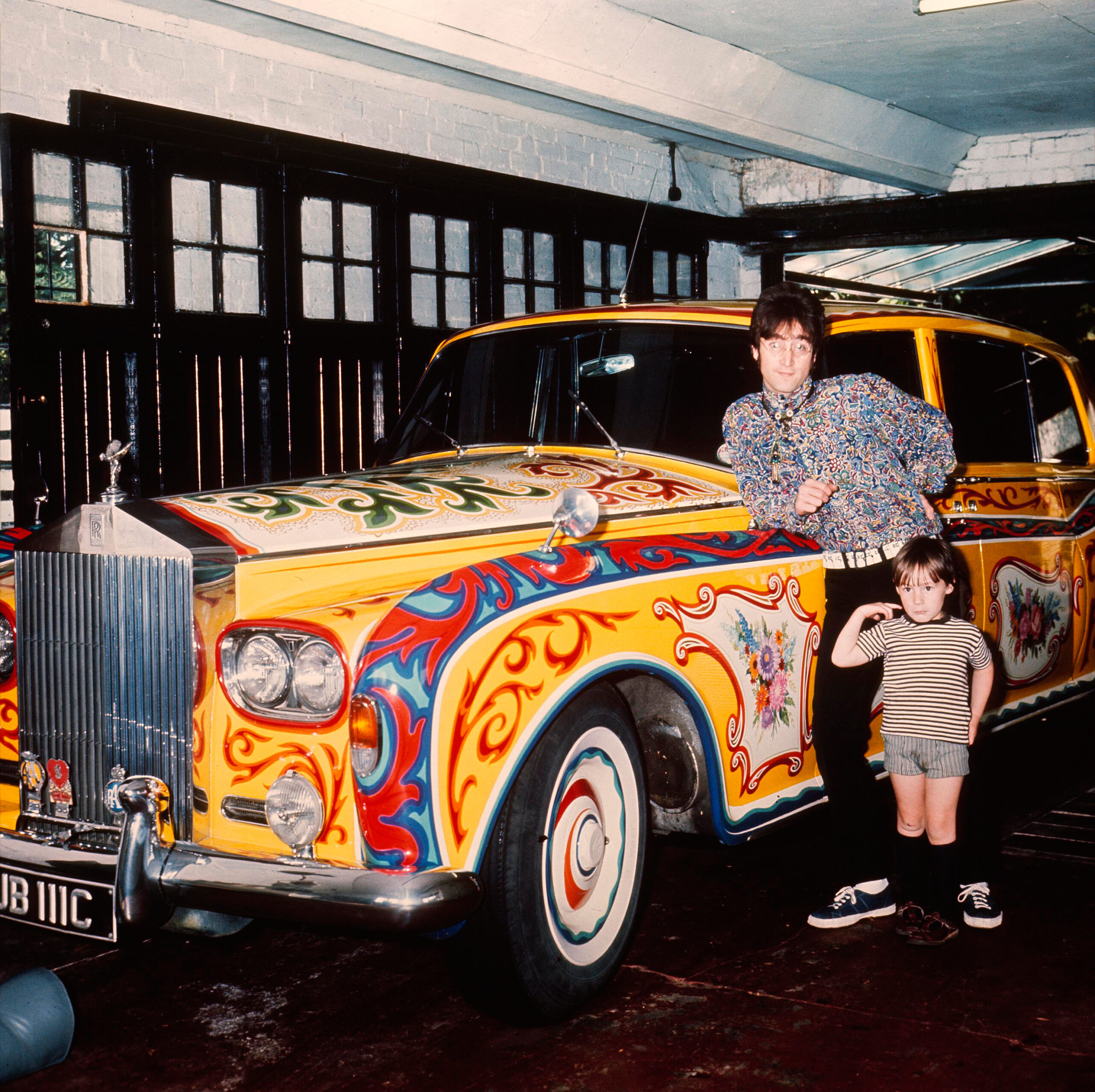


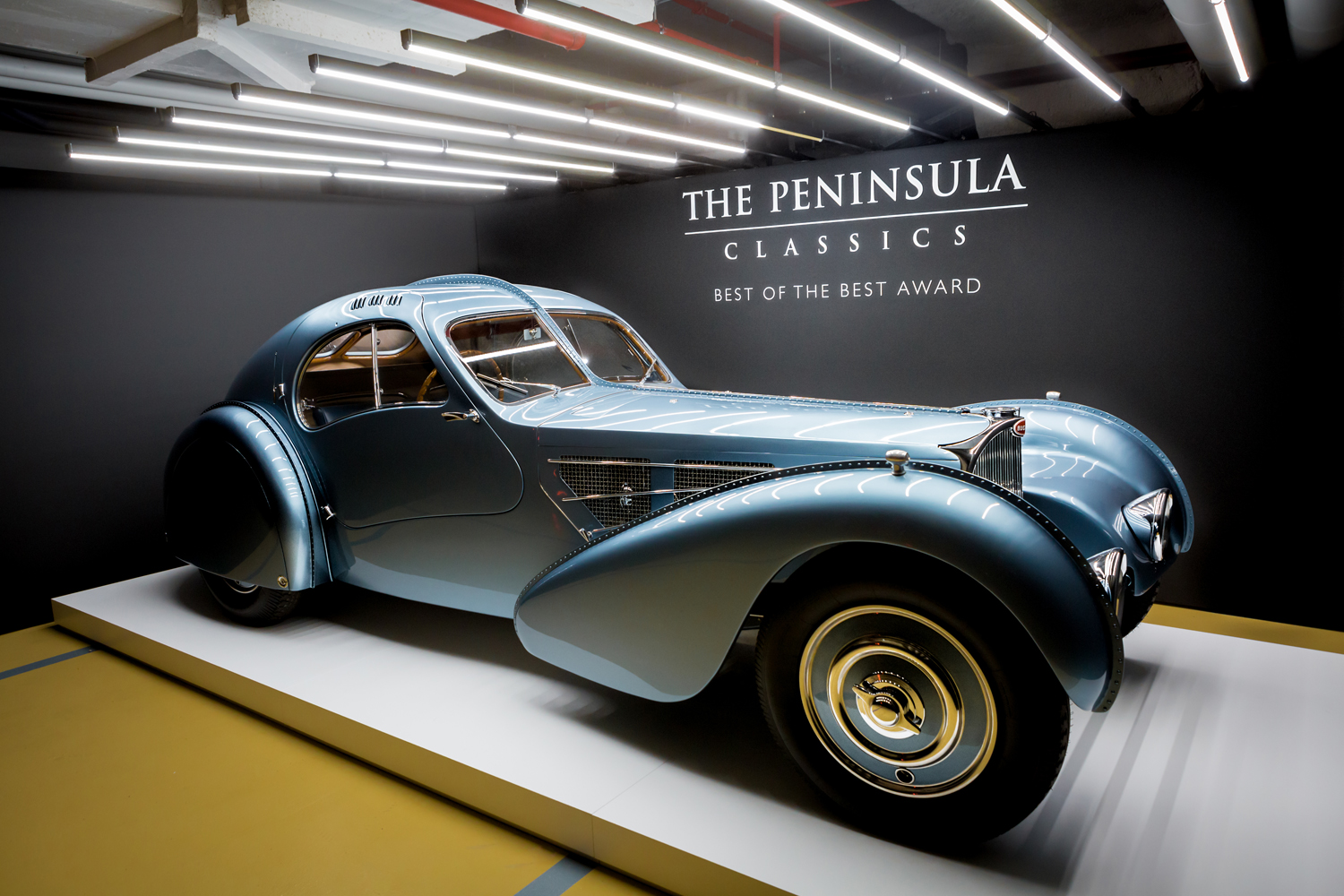

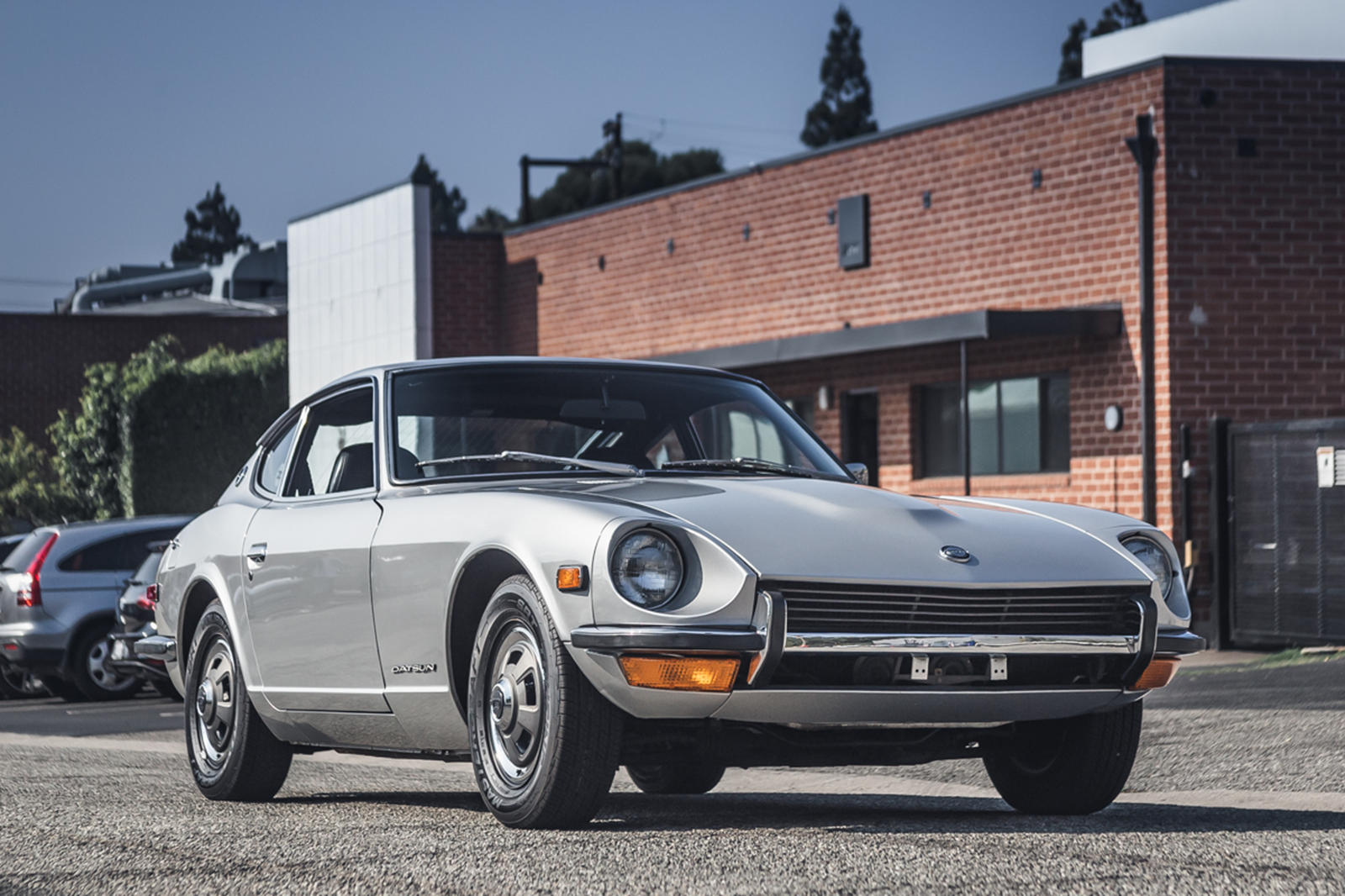
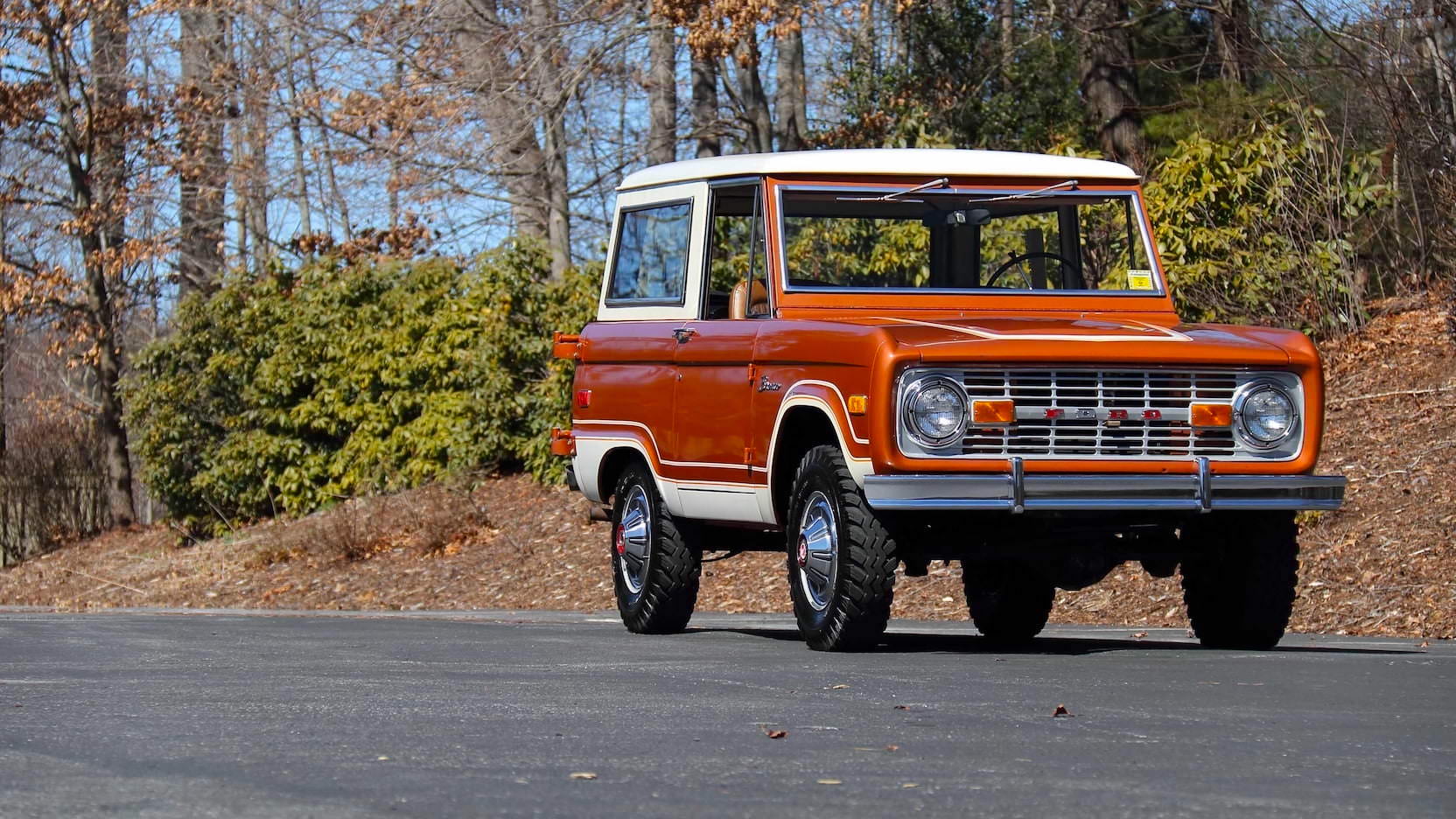
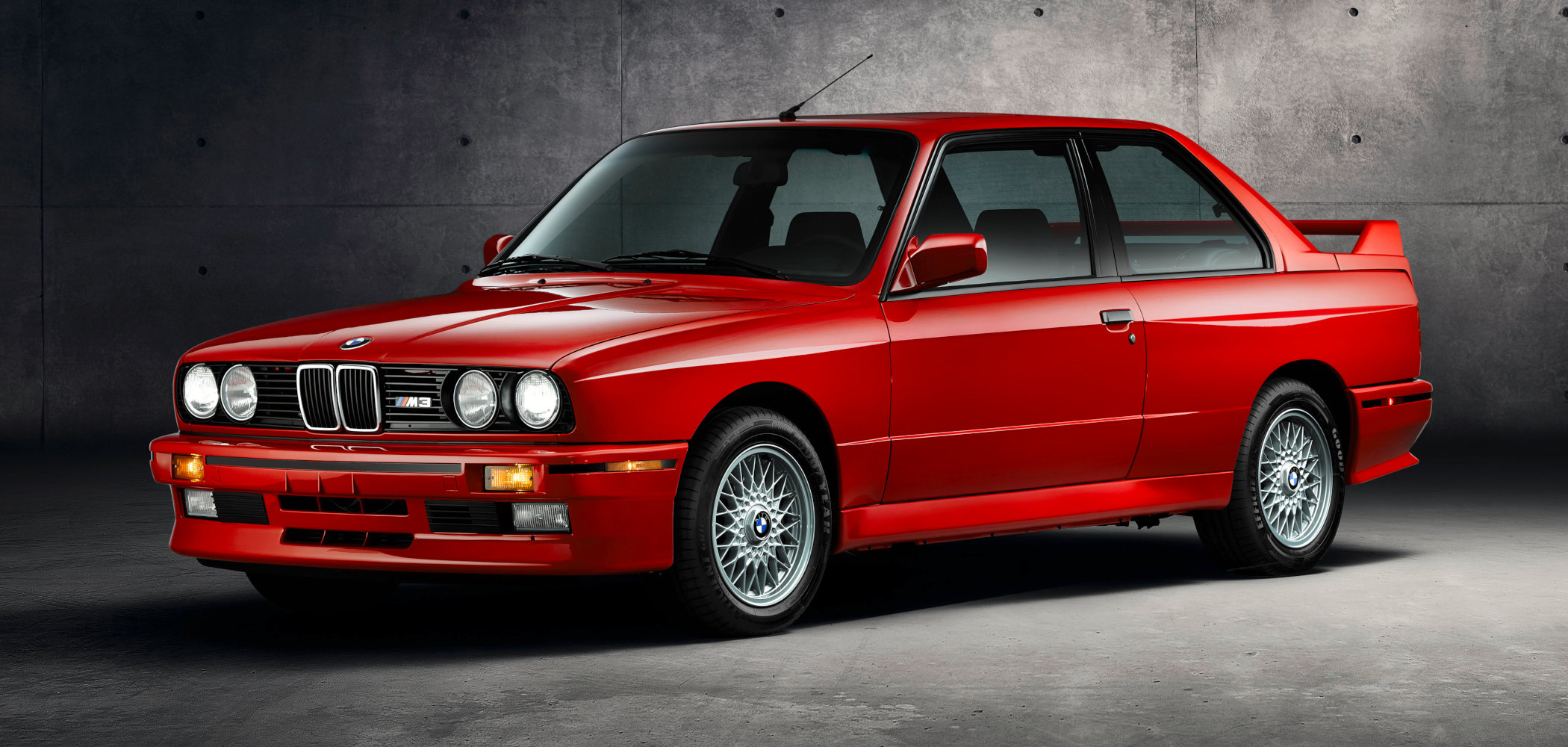


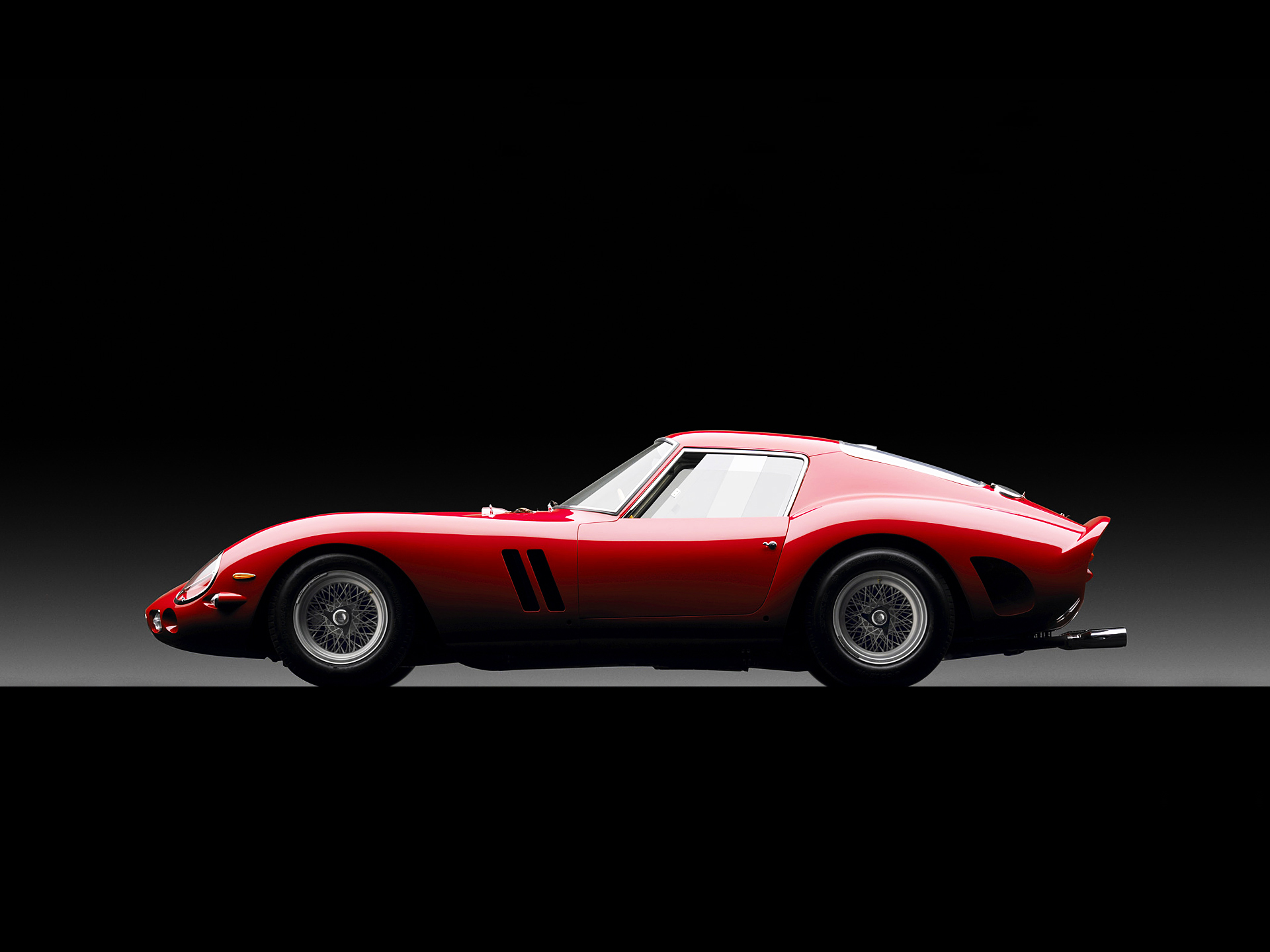
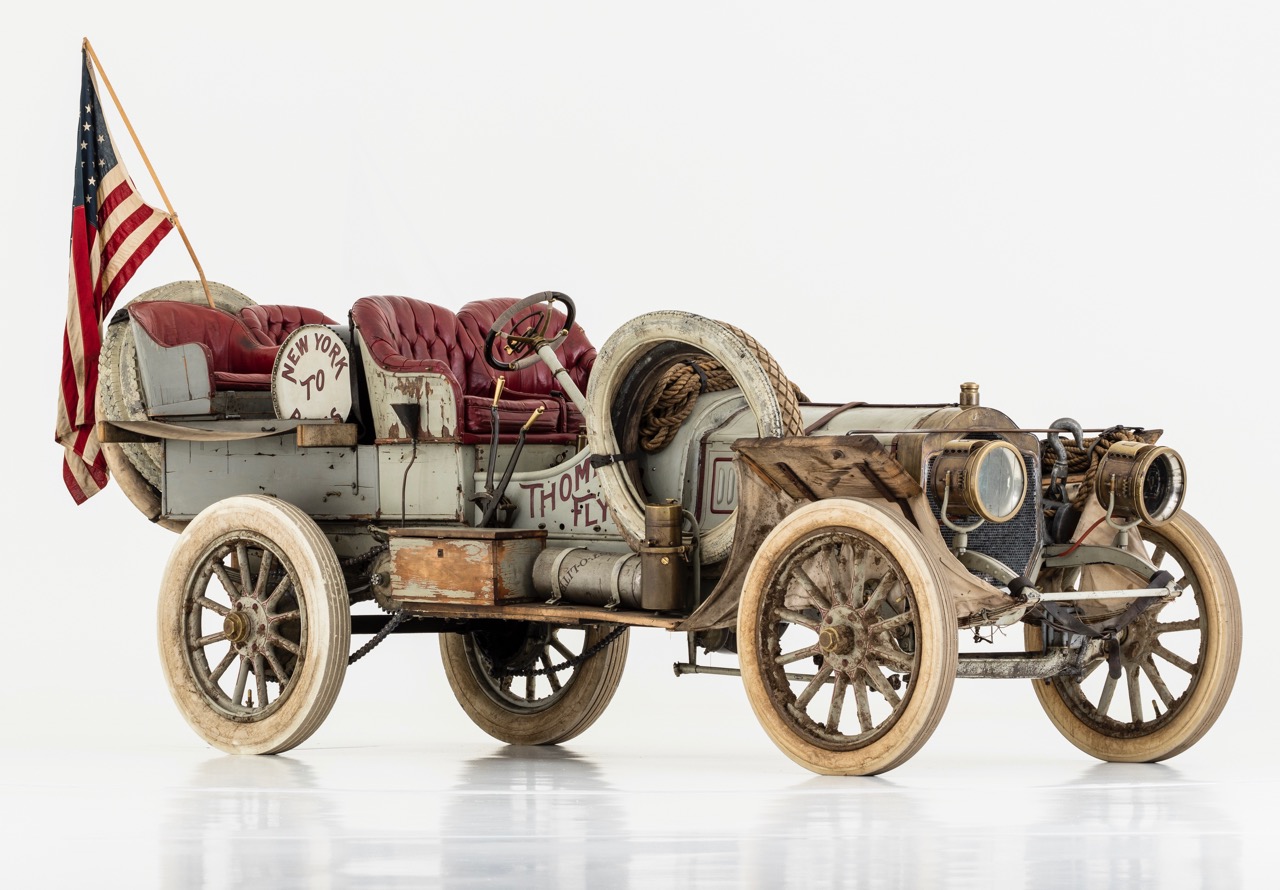
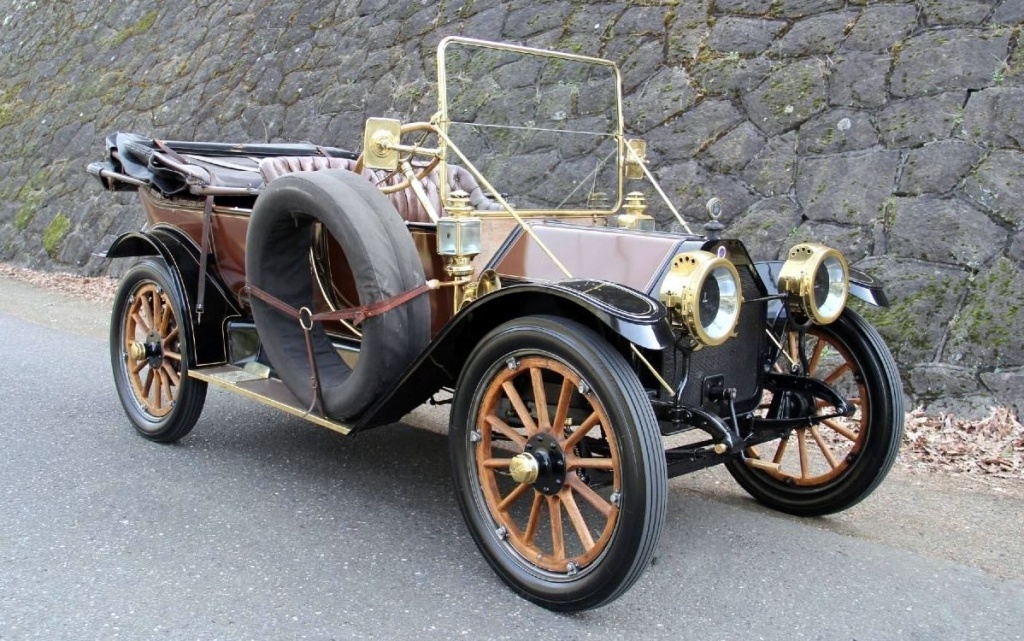
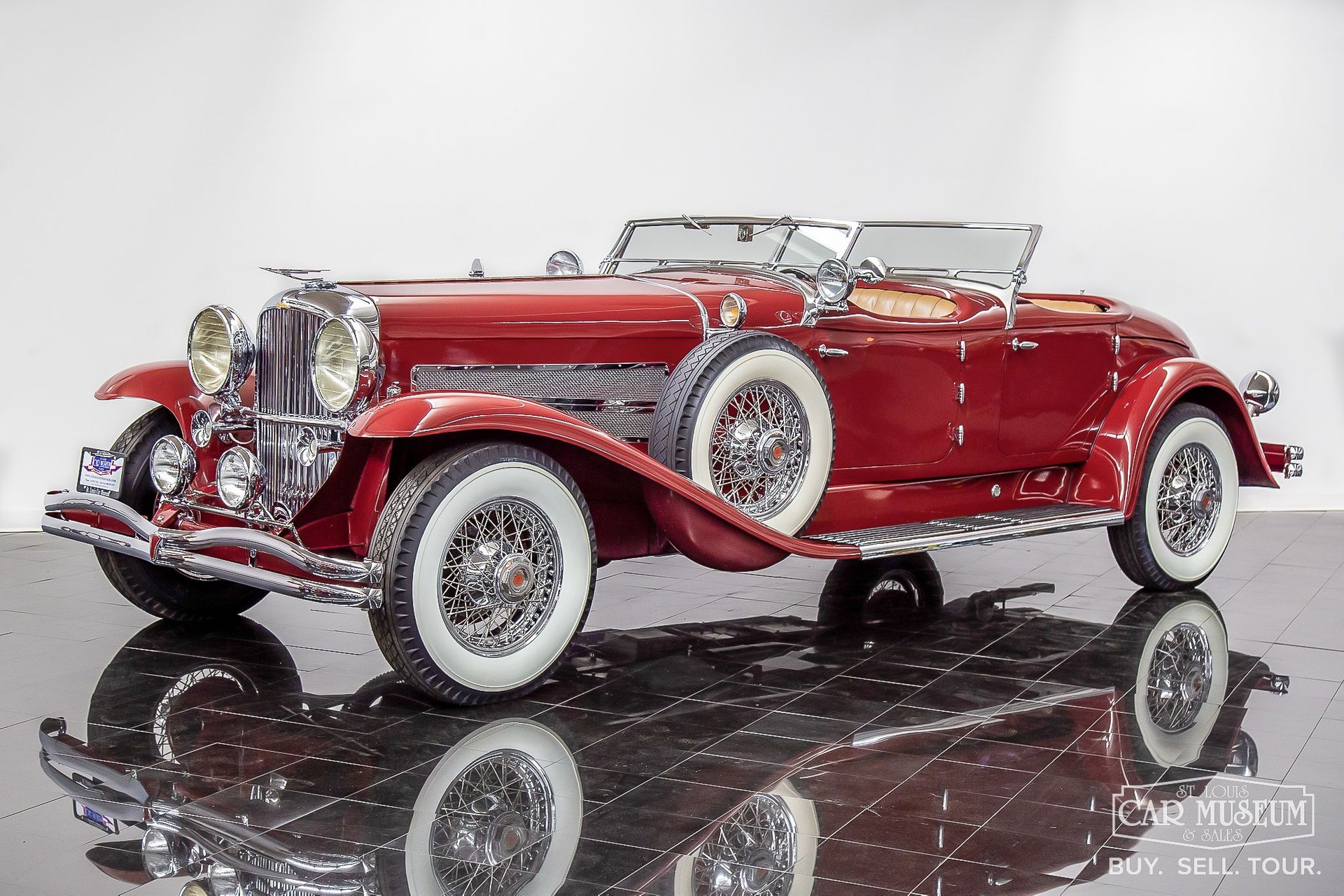
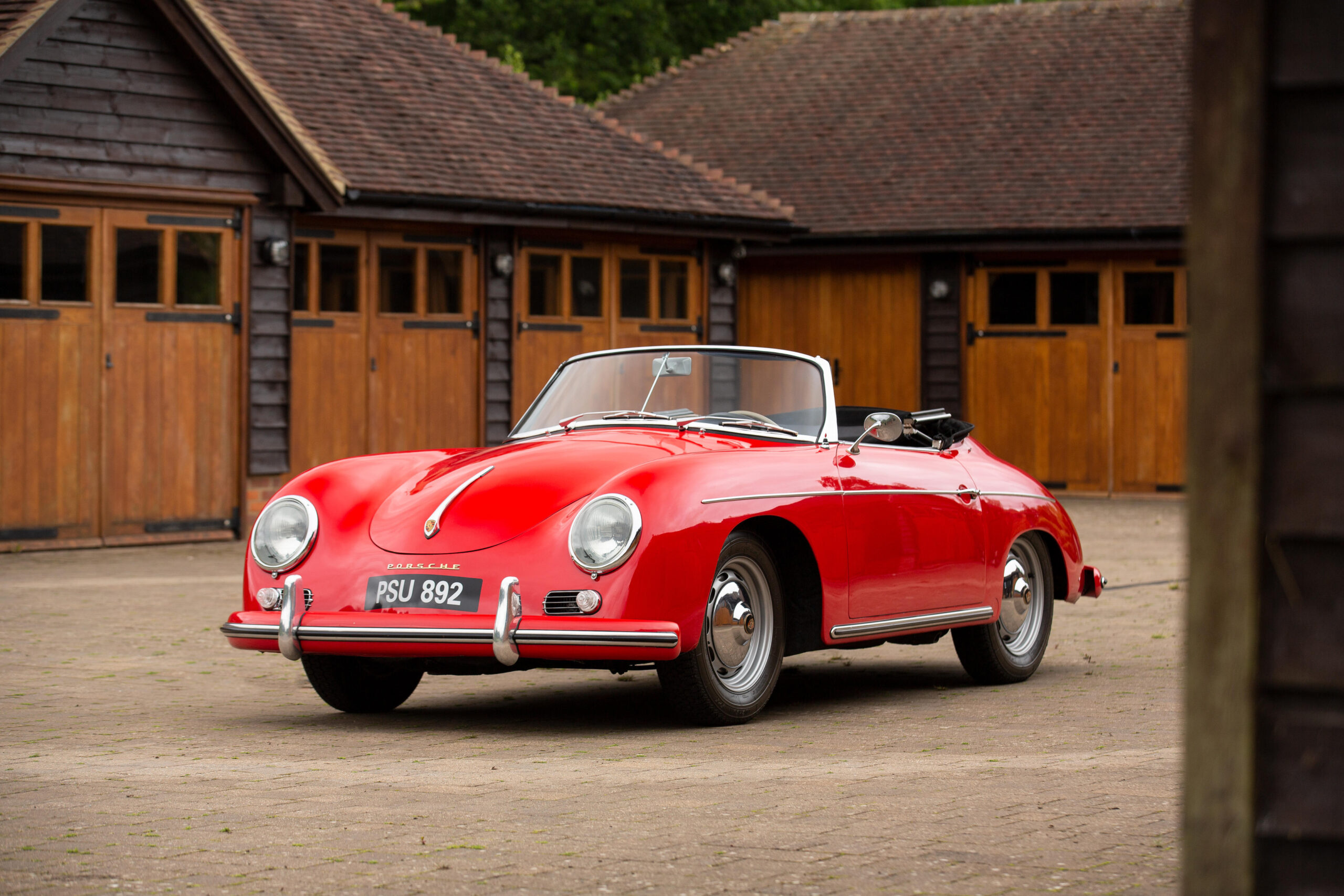
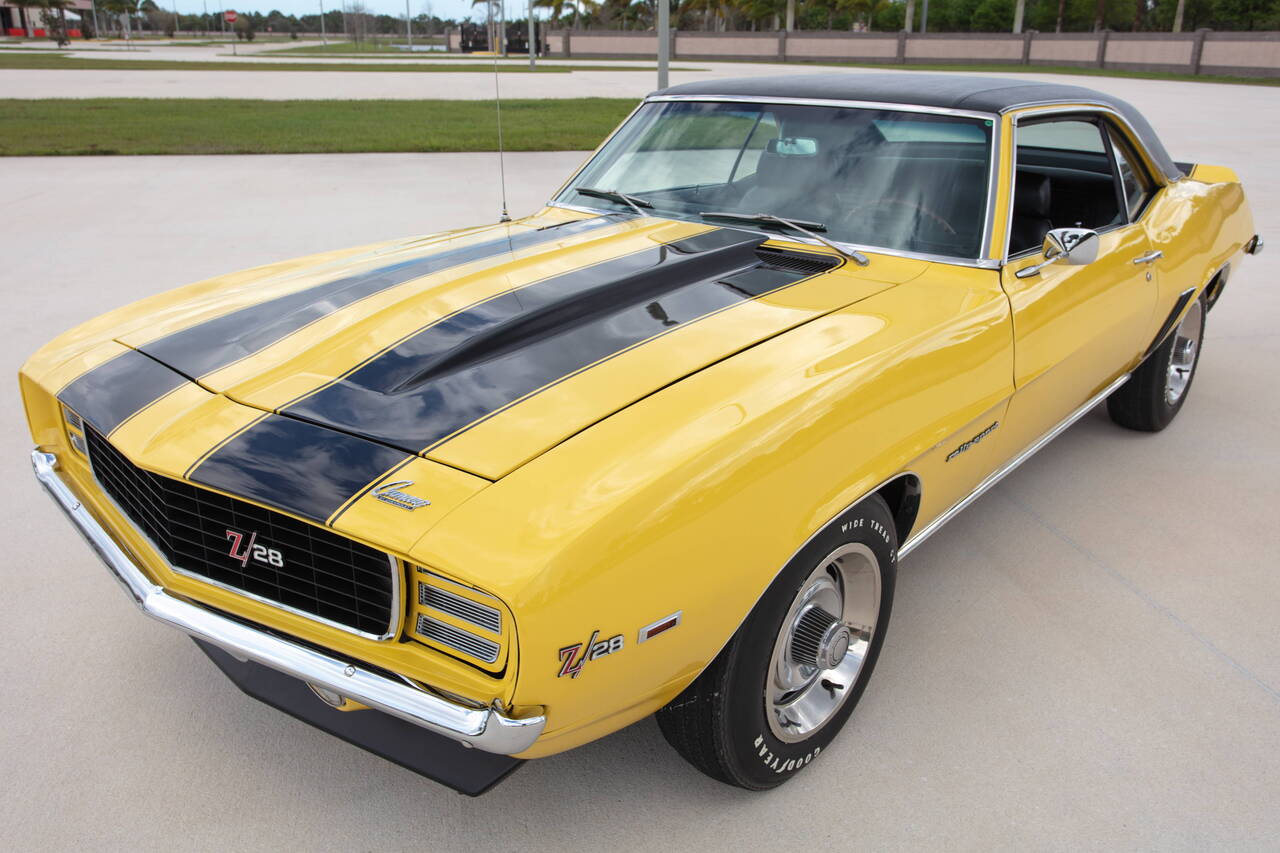
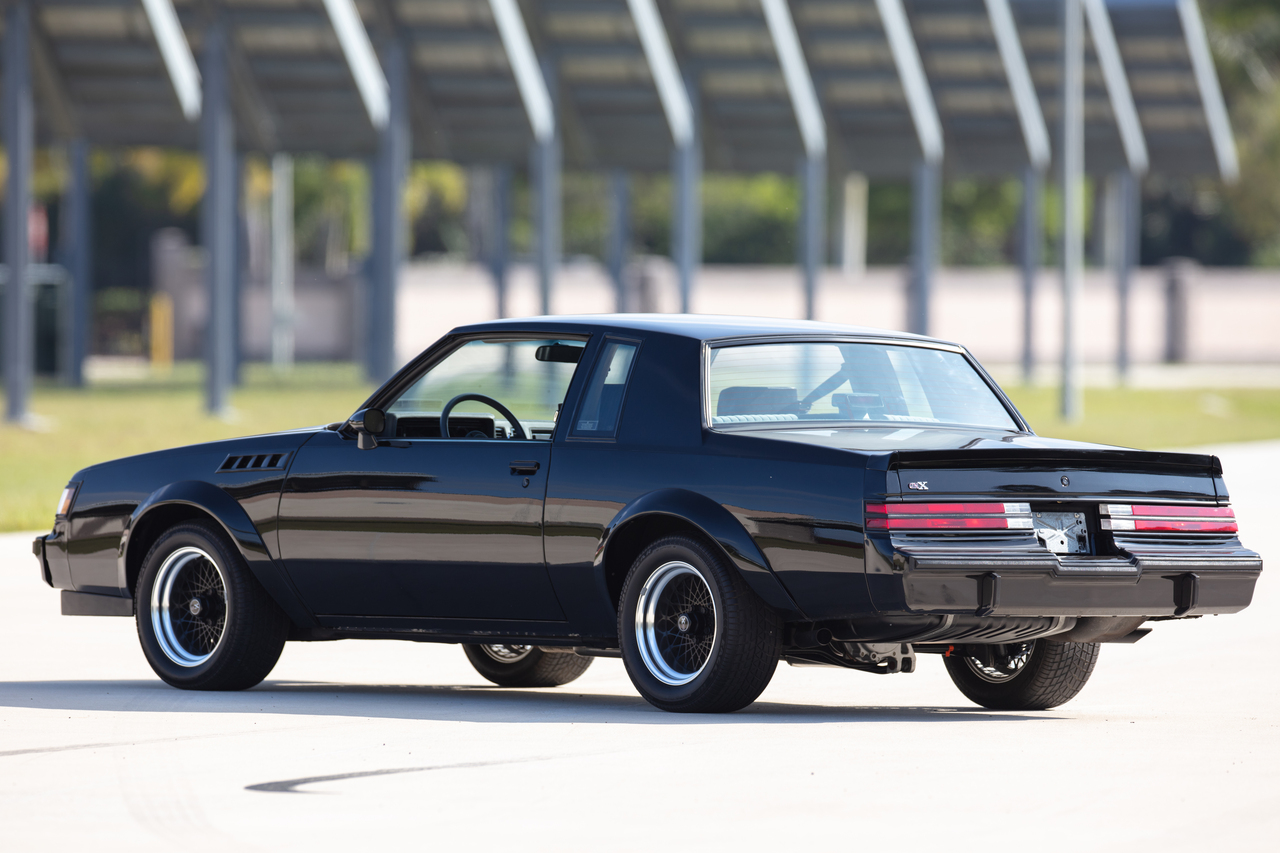
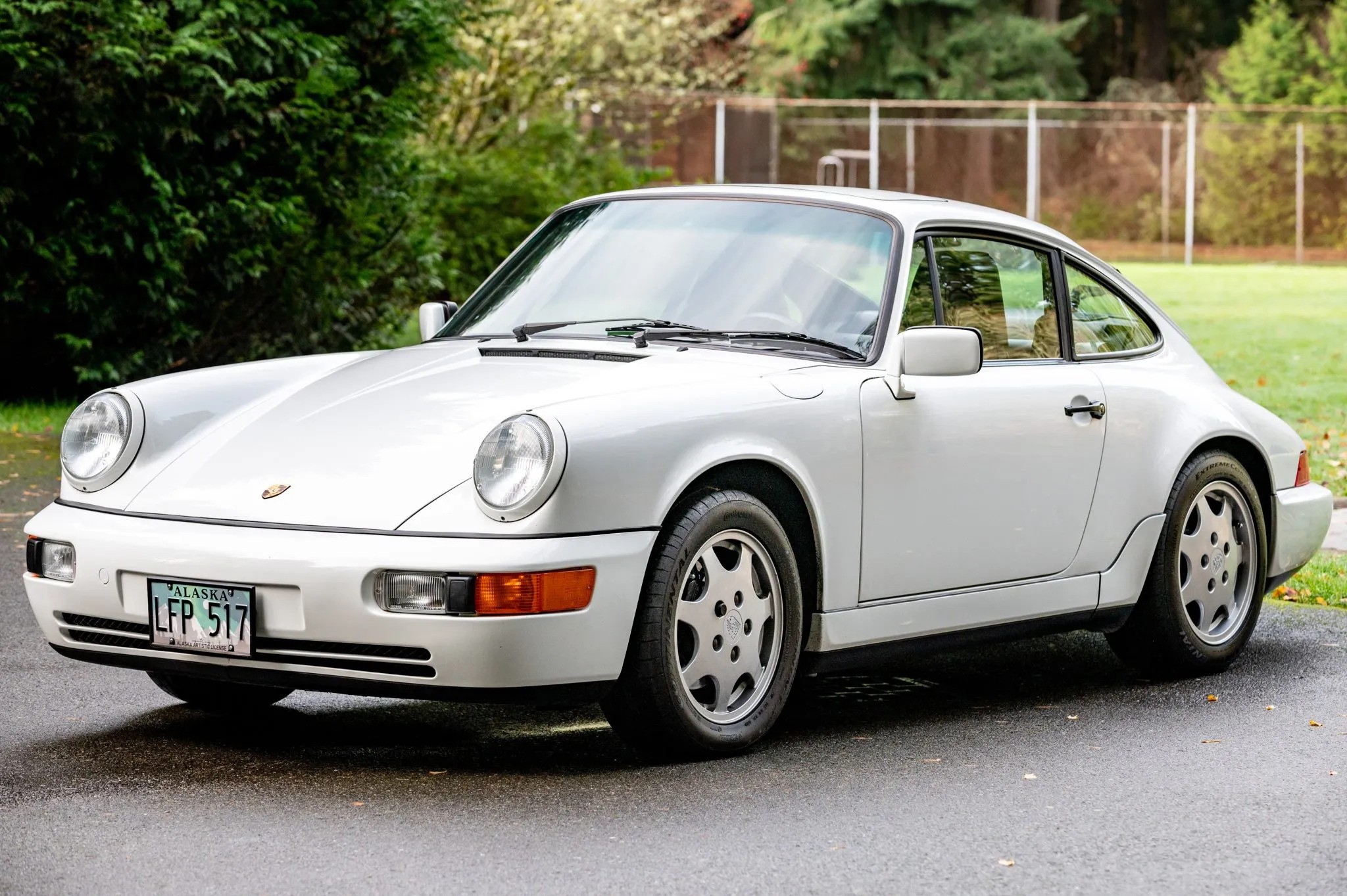

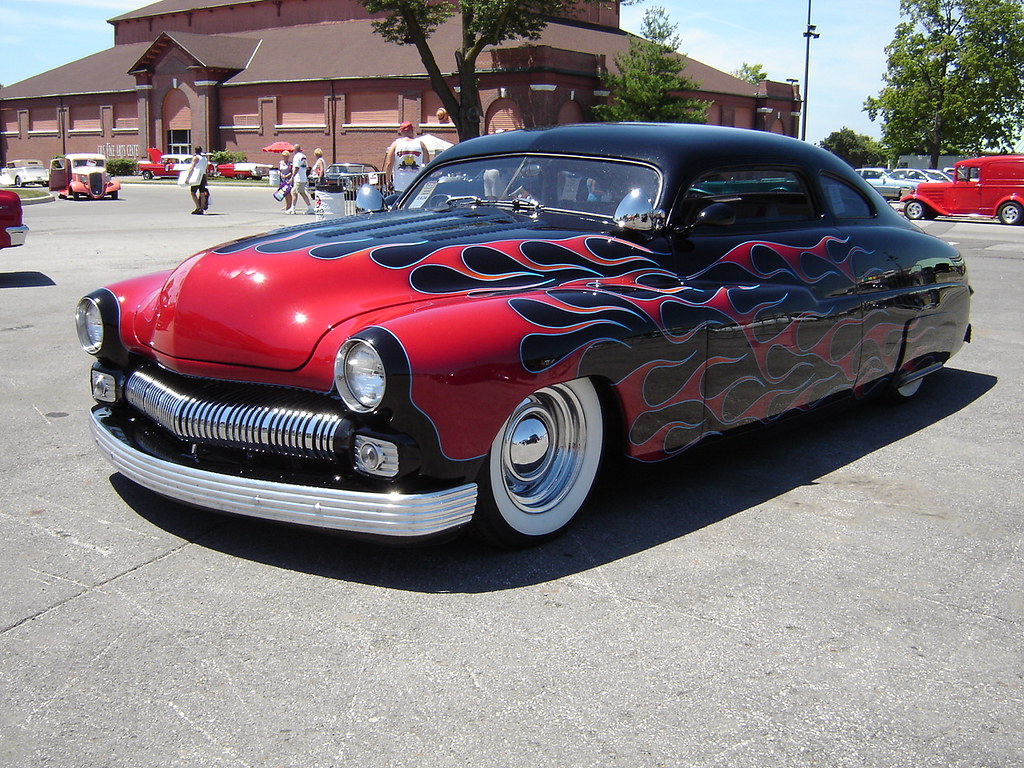


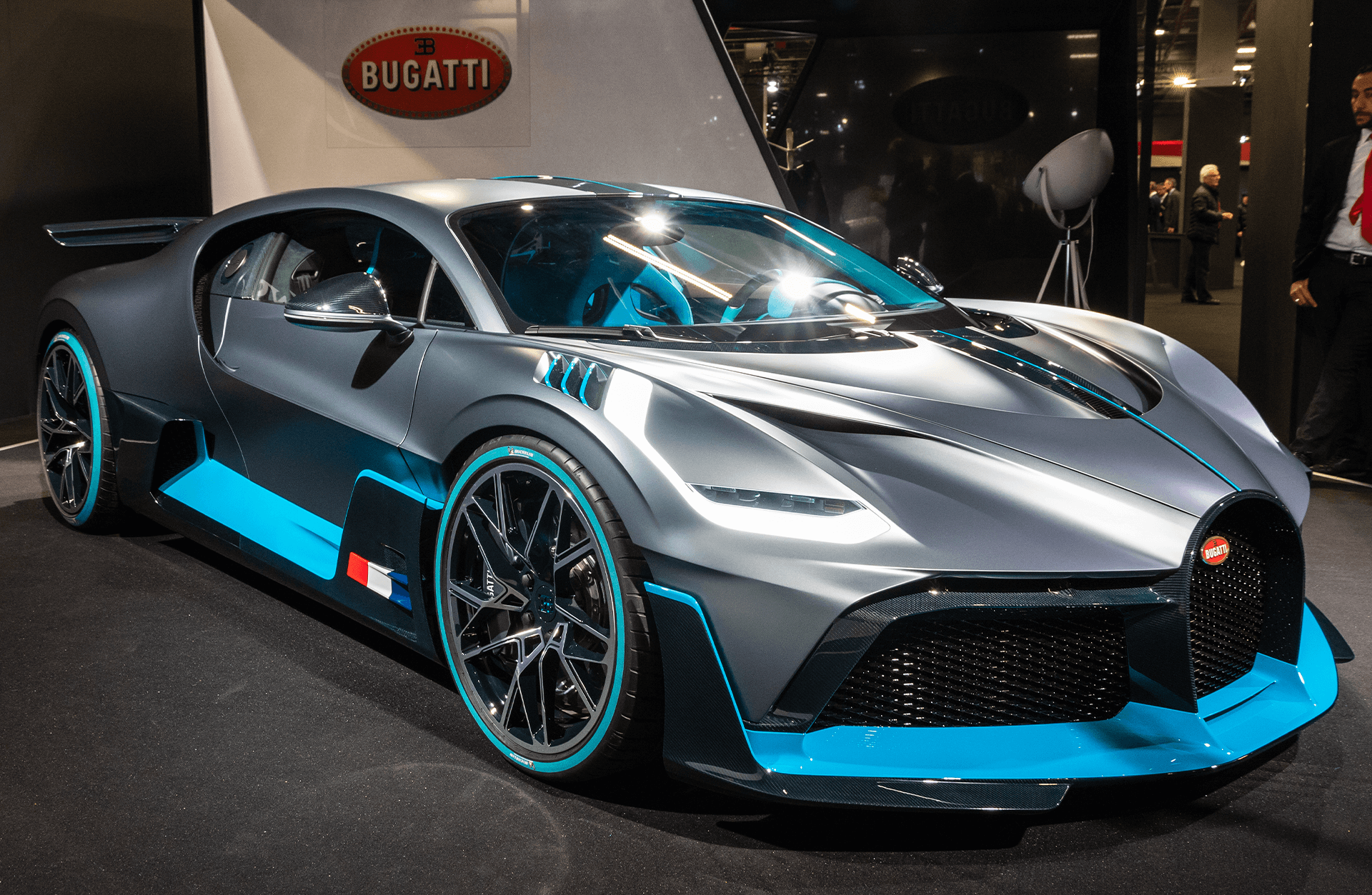
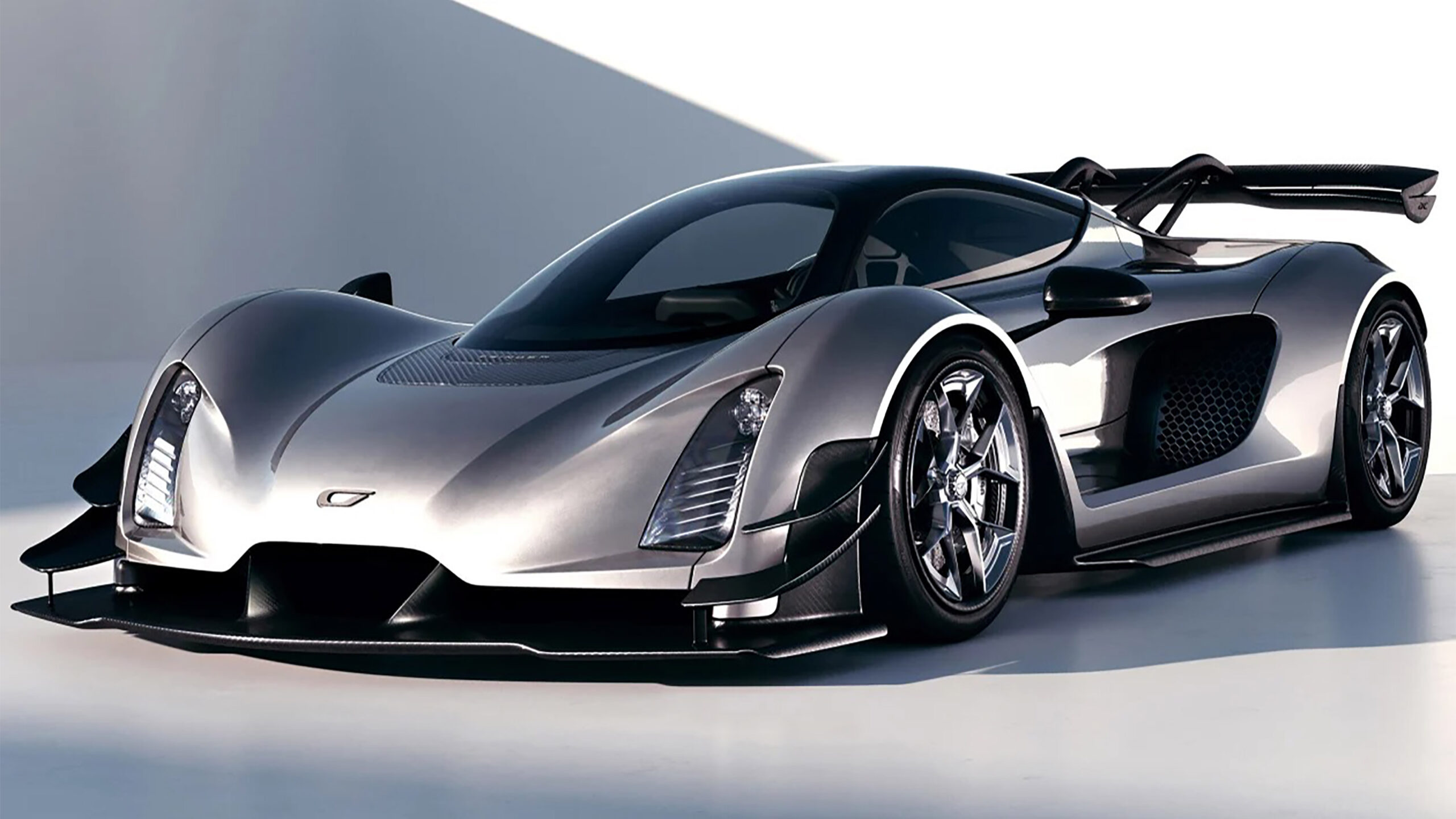
 Basically, emotional appreciation of a car by car enthusiasts translates into monetary appreciation in the car’s value. Thus defines the difference between a Collectible Car and a used car.





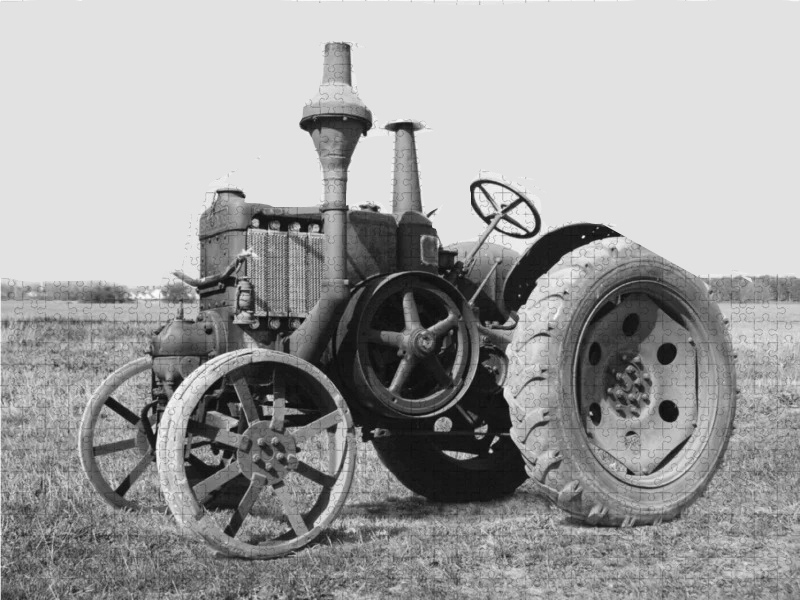



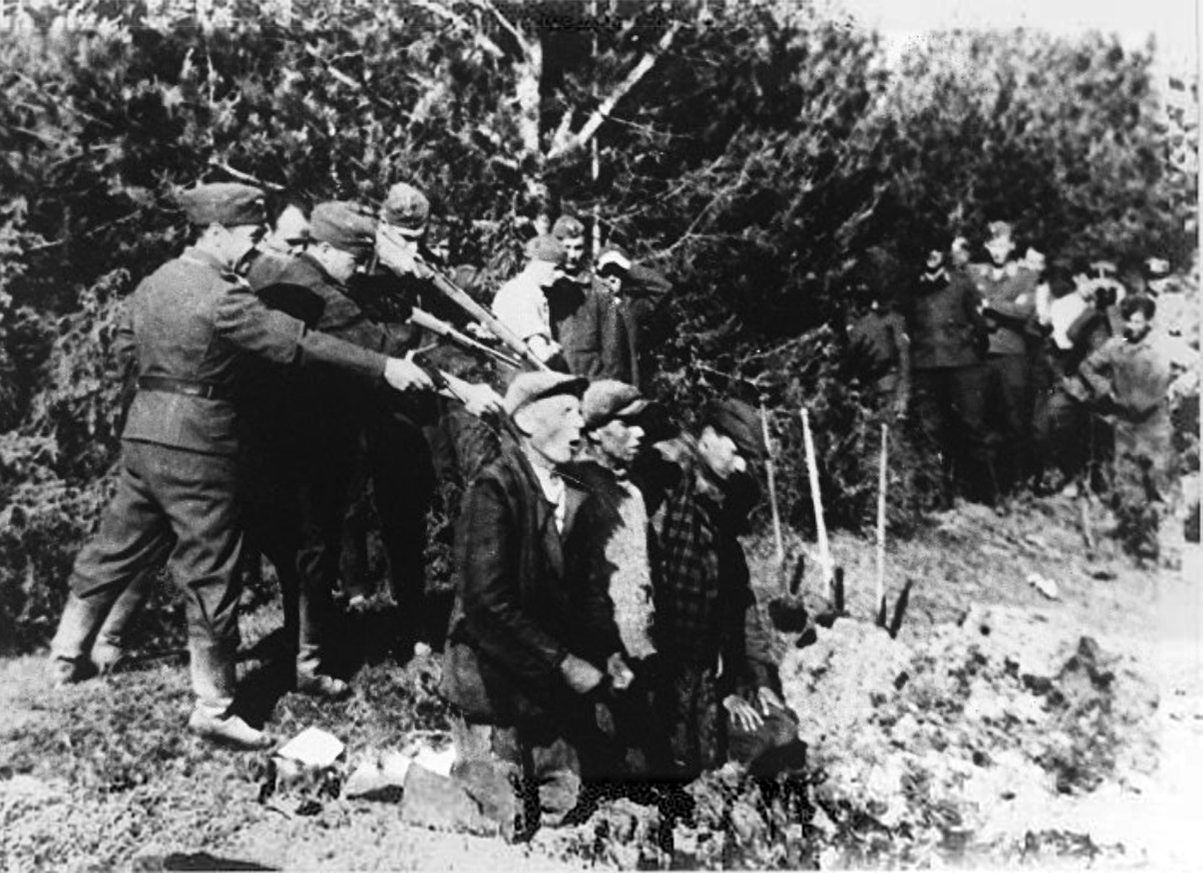
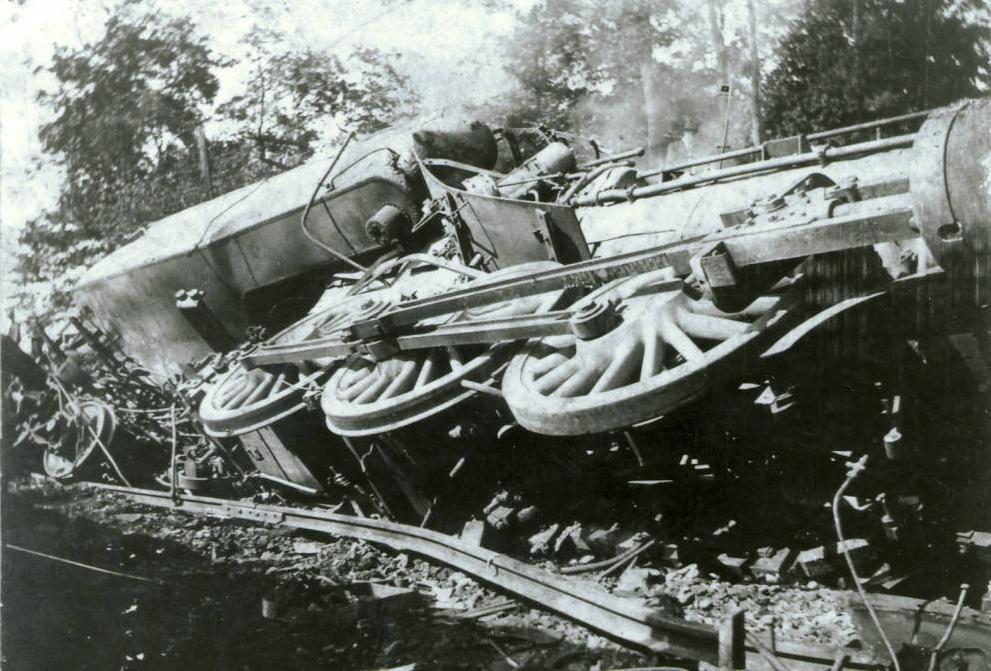


 Unfazed by neither the low quality gas nor questionable driving skills diminished by a heavy dose of Schnapps, Archie raced up the incline to the intersection. Like a speeding avalanche of steel and steam, the dusty black shape to the right grew larger and larger. It would be a close call, but it appeared the Maybach would pass ahead of the onrushing behemoth. Then Archie missed a down shift and the great Maybach shuttered like a fighting bull surrendering its life. Archie attempted to stop to no avail. In locking up the brakes he merely succeeded in teeing up the Maybach for a perfect broadside by the thundering train. Two farmers in a wagon waiting at the crossing for the train to pass recounted seeing the impacted Maybach shed parts with explosive force. Its cruelly contorted body, bent like a horse shoe, clung to the massive locomotive’s cowcatcher as if welded in place. The impact launched all the Nazi guards seated atop the prisoner rail cars with deadly results. The mighty freight train departed the rails creating a domino effect of box cars tossed about like a child’s discarded toys. Rail cars, off the tracks and strewn about with wood and steel still creaking and doors popped open, disgorged themselves of scores of prisoners who fled and melted into the countryside. Only years later would some tell of their miraculous salvation. Both farmers reported four bodies ejected from the open cabriolet. Archimedes Antonescu and the three mechanics had died instantly and with them, so too, the location of the 7th Royale.