More than the polished parts and hard to find pieces, the special interest vehicles people collect embody the character of each owner. “Cars We Love & Who We Are” profiles individual special interest vehicles and the proud owner committed to its preservation.
Cars We Love & Who We Are #44
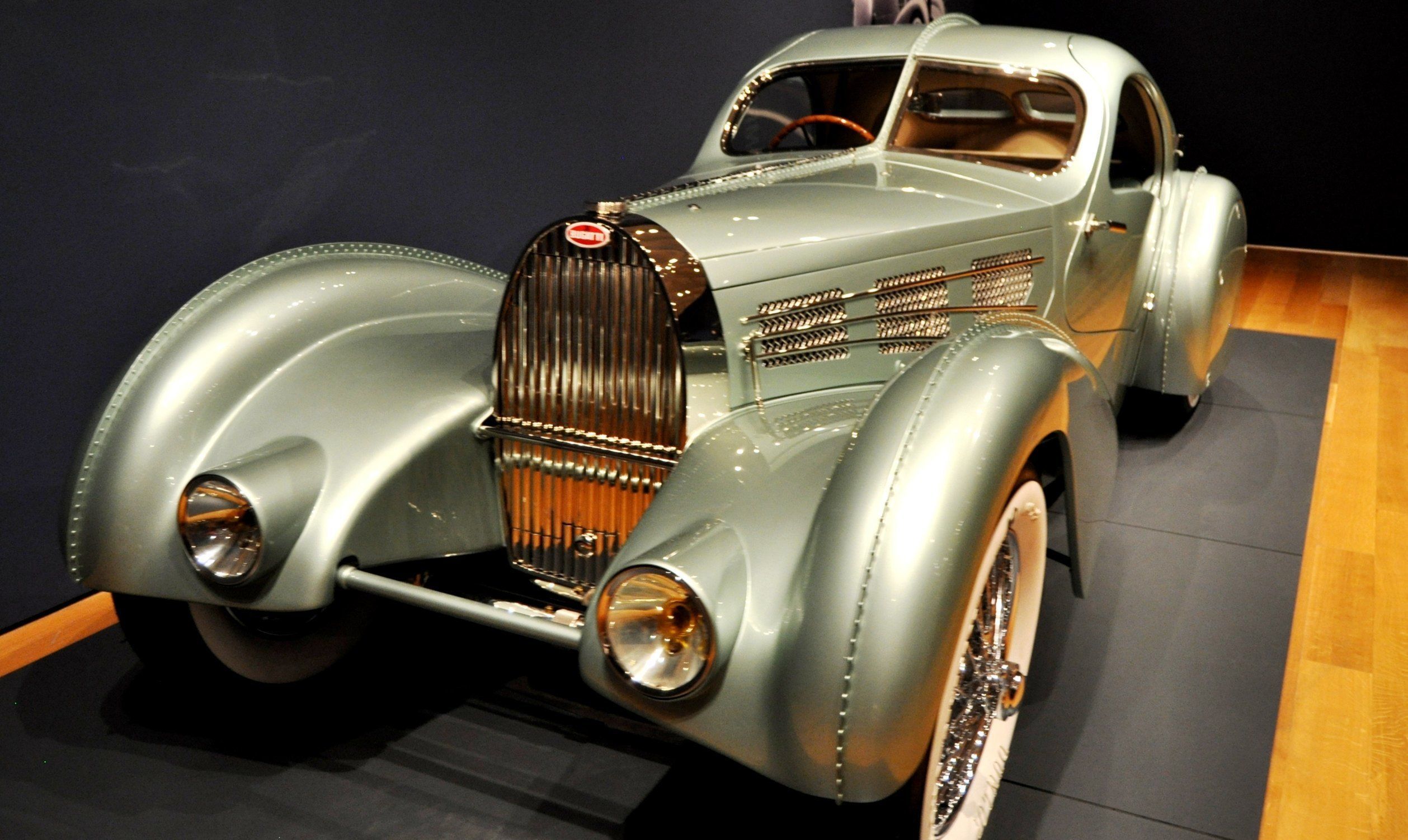
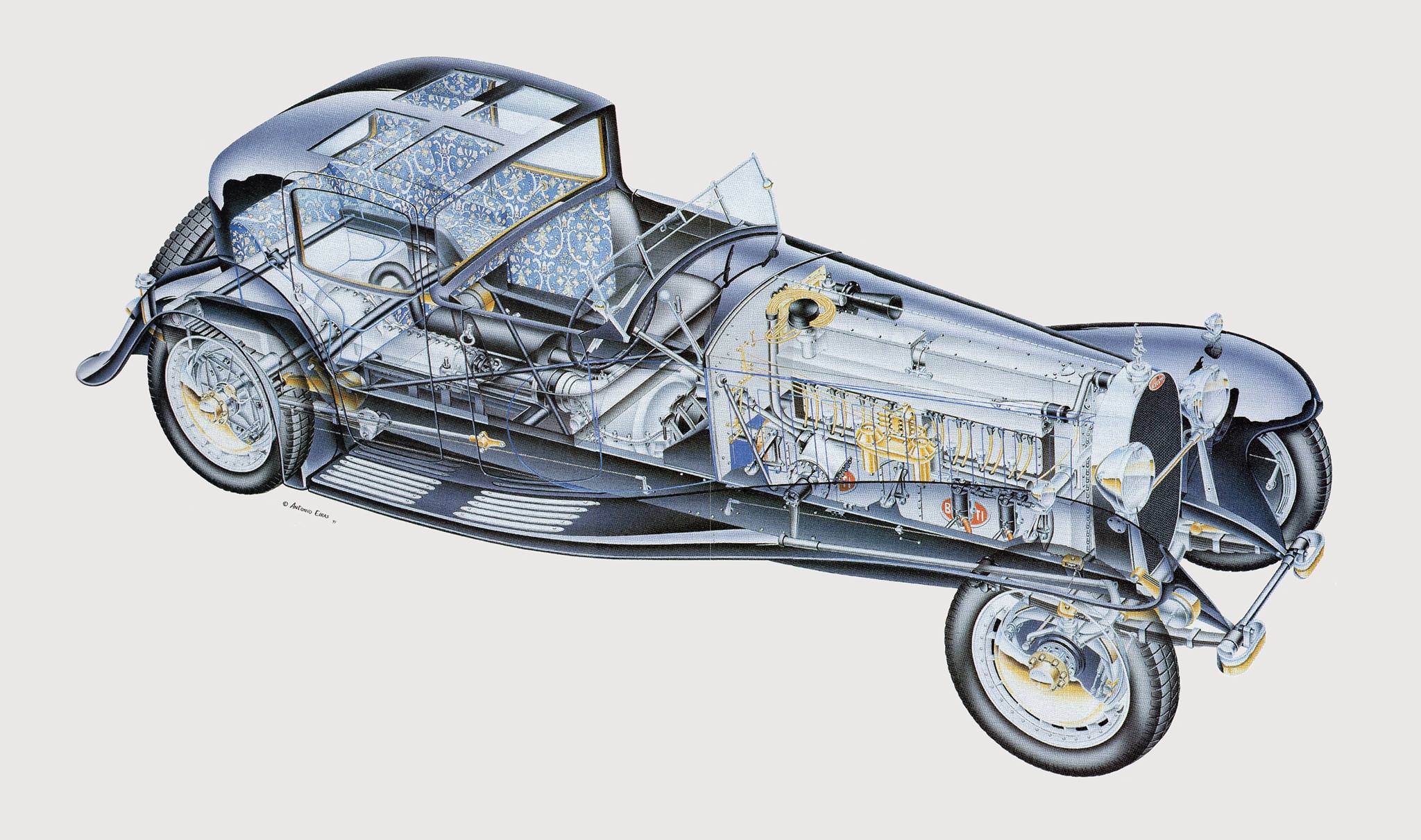
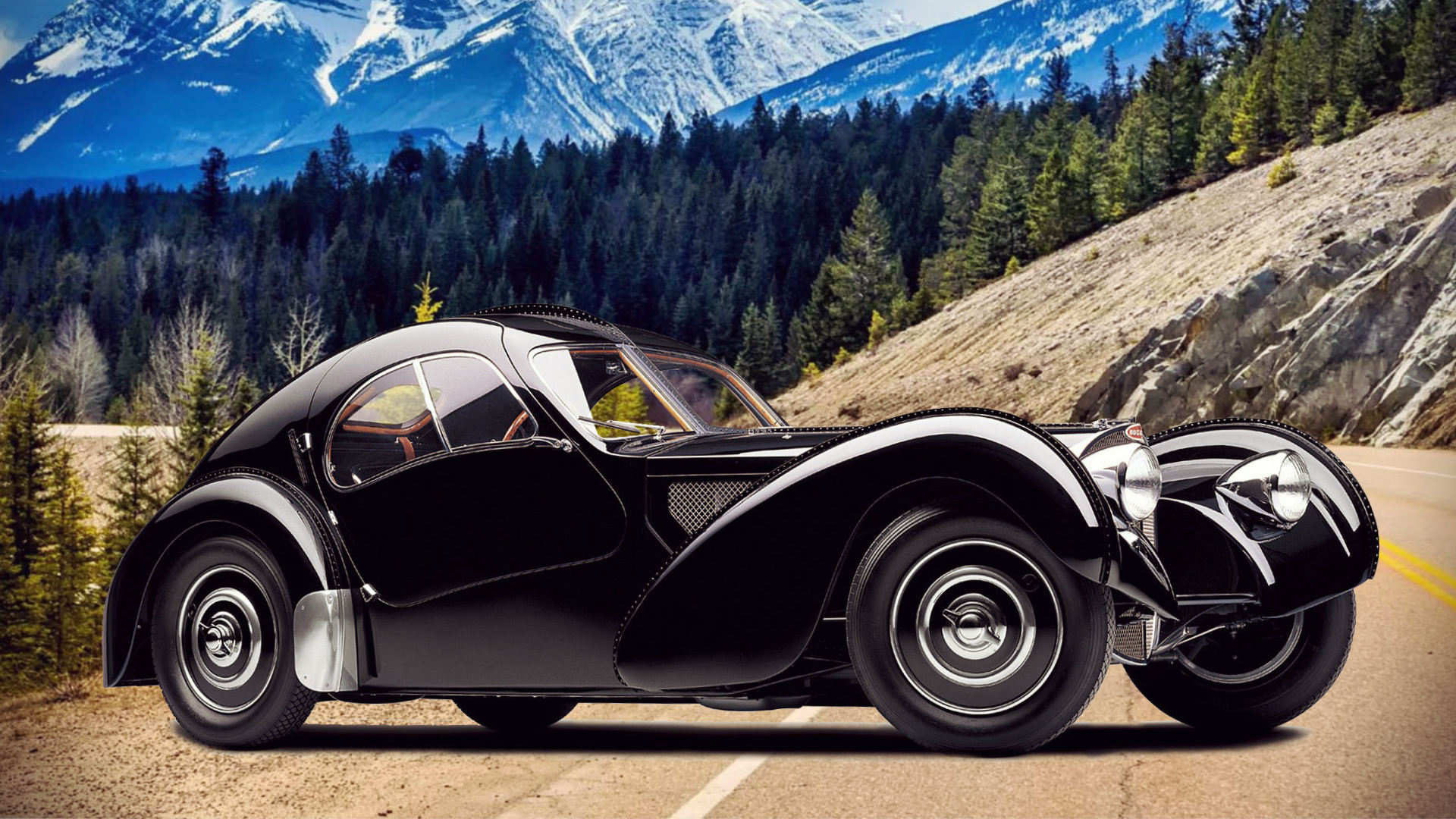
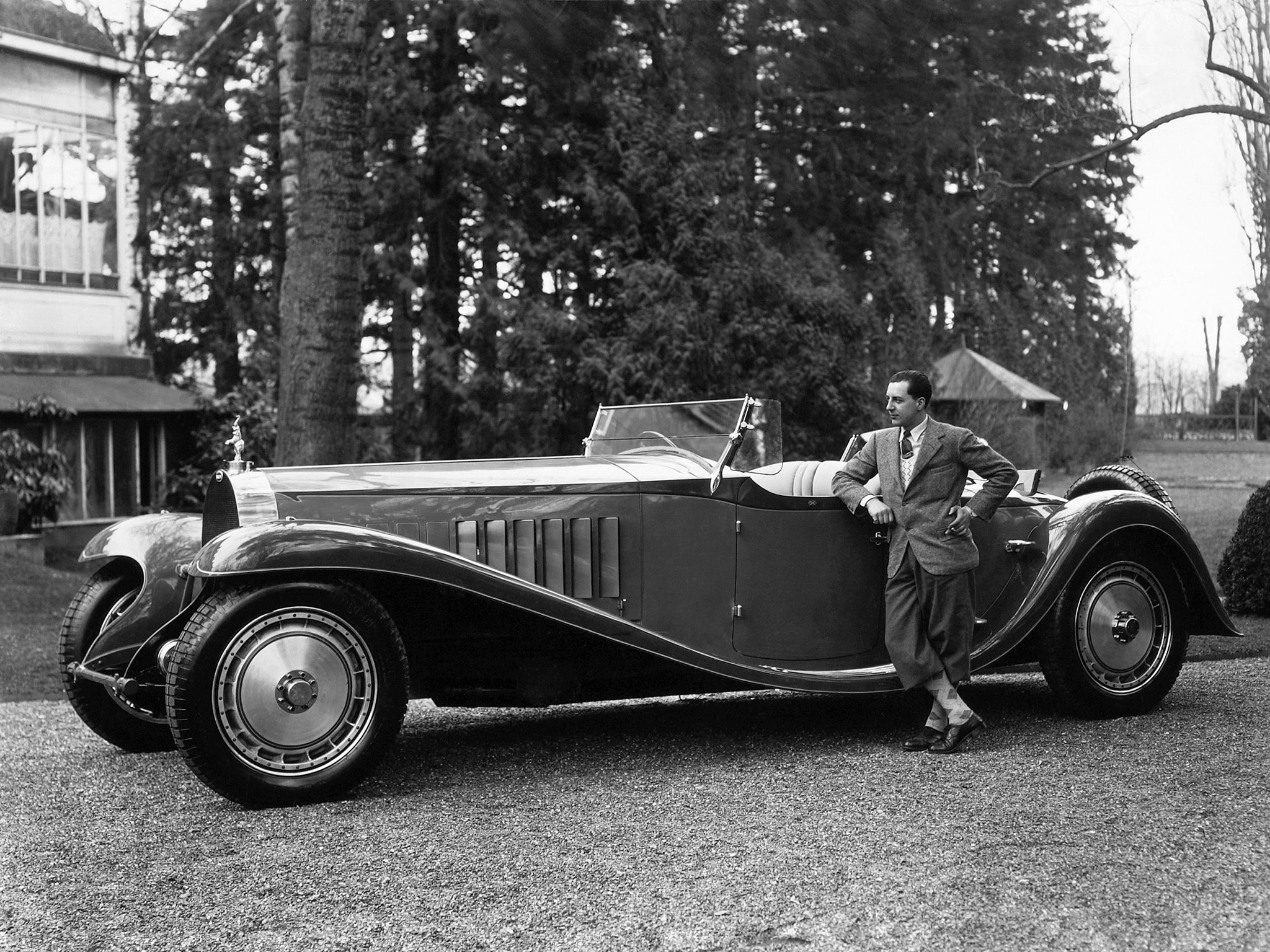
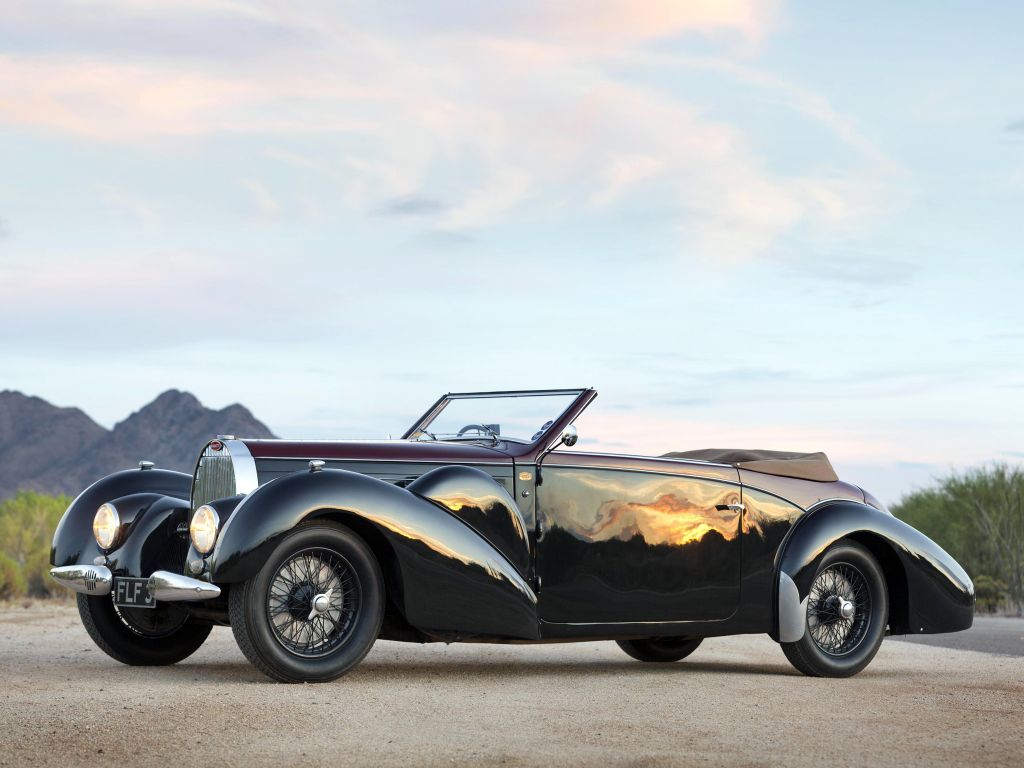
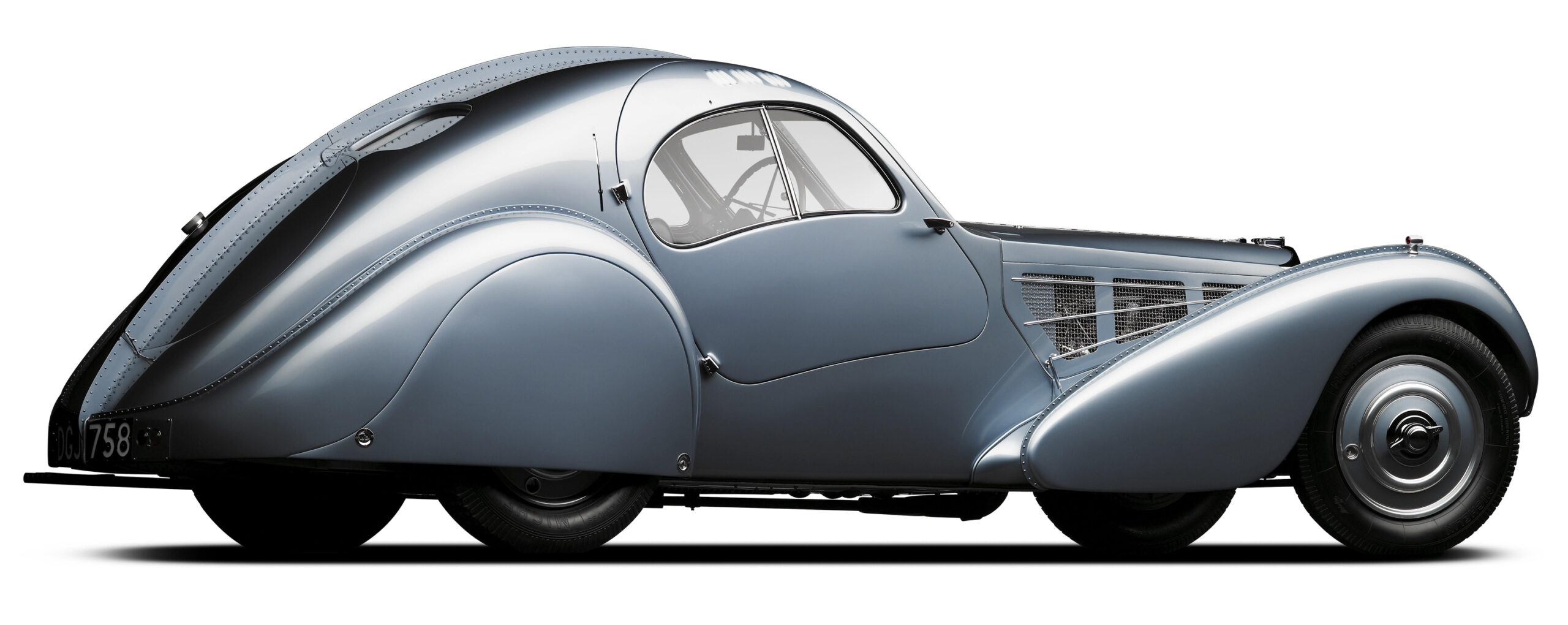
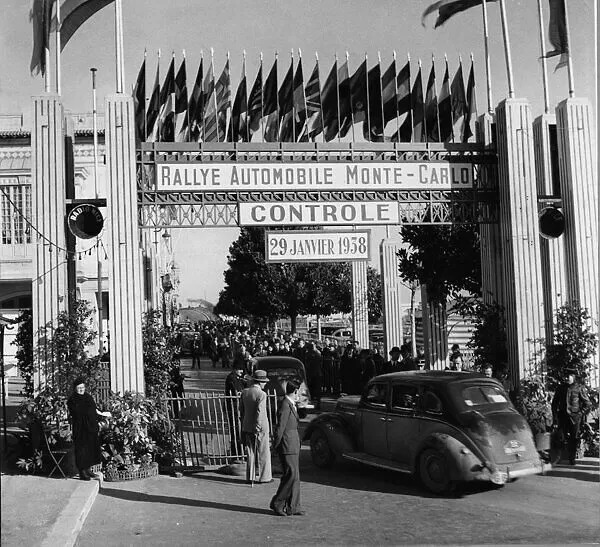
The death of wealthy Romanian playboy Archimedes “Archie” Antonescu, had placed Estonian farmer and gifted mechanic Jaak Oja in a precarious situation fraught with danger. Antonescu had prepared a fabulously expensive one-off race-tuned Bugatti Royale with the intention of competing in the 1939 Monte Carlo Rally. Tallinn, Estonia had been selected by Antonescu for his starting point.
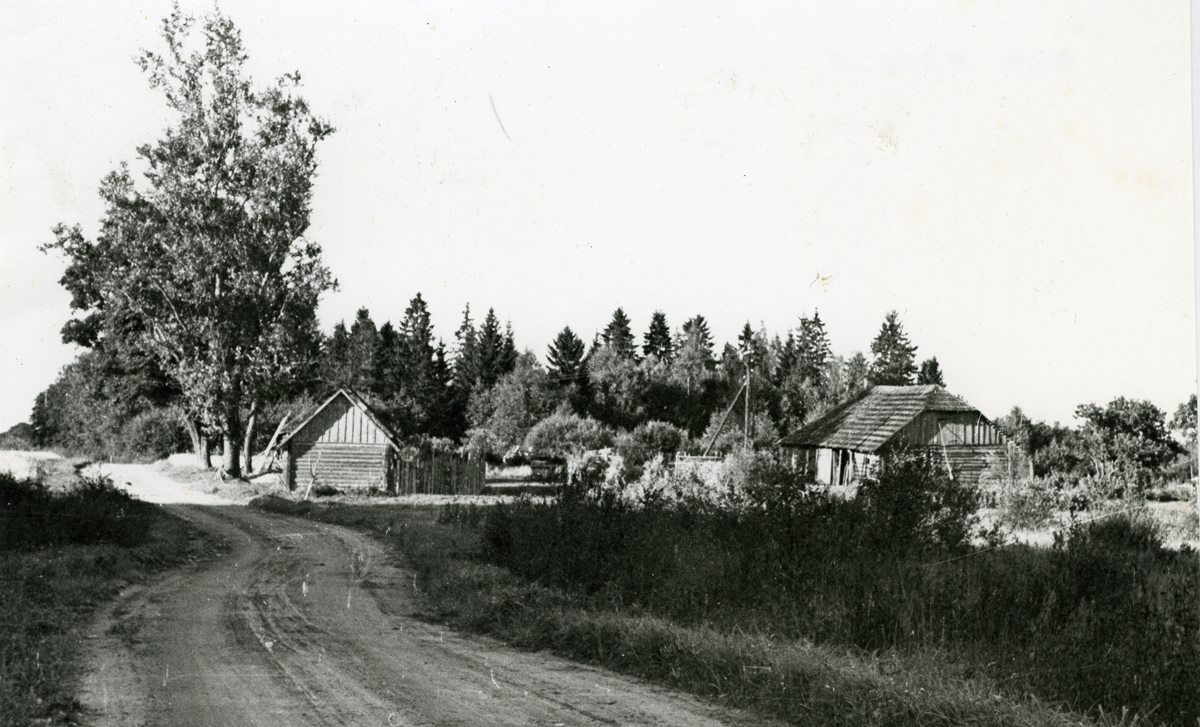
Unfortunately damaged in pre-race preparation, Antonescu’s Royale had been secreted away to Jaak’s farm for desperately needed repairs. Jaak had been chosen both for his mechanical skills and his rural location. At his farm repairs could be performed without prematurely revealing the spectacular Royale’s existence to the world automotive press. Now with Antonescu dead, and Estonia immersed in deadly pre-WWII political turmoil that threatened Jaak’s son Mihkel, the suddenly orphaned Royale in Jaak’s barn radiated a powerful gravity that attracted danger that threatened Jaak and his loved ones. Jaak had to warn his son and make the Bugatti disappear.
In Search of the Lost 7th Royale
(Part 1 – Episode 8 – Darkness Swallows a Priceless Treasure)
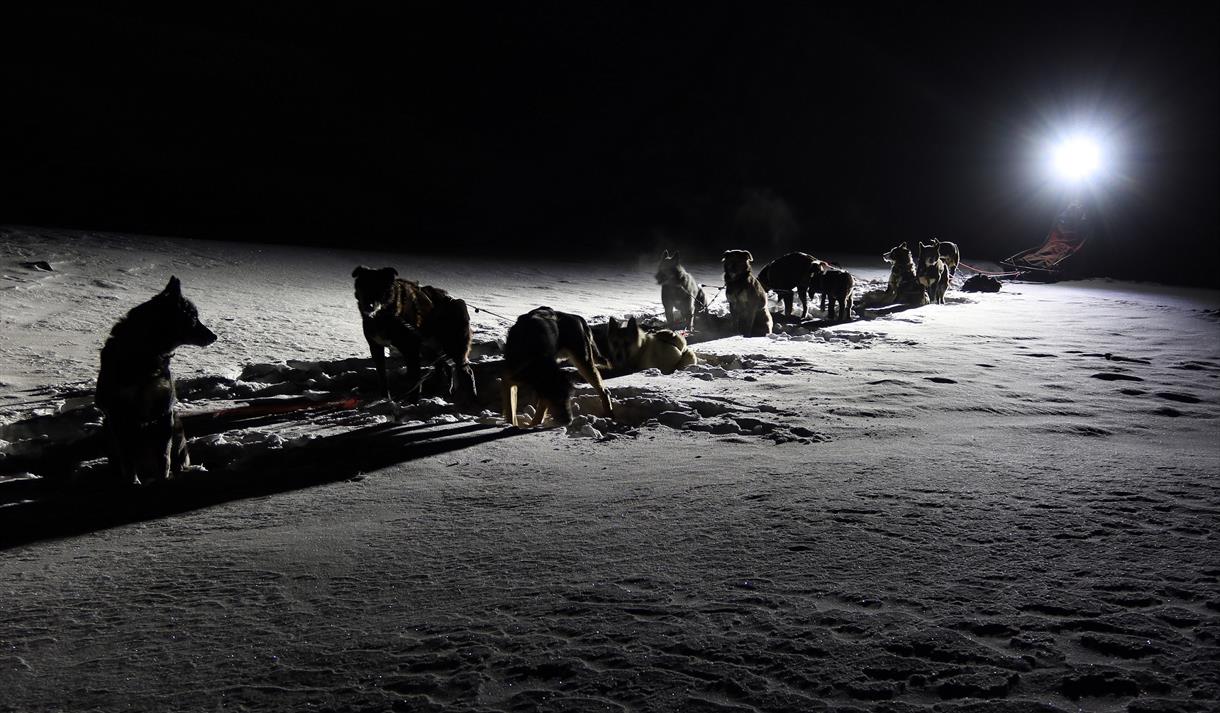
A clearing alive with barking Malamutes and Siberian Huskies opened up before Jaak. From a cabin with a thick ribbon of smoke rising from its stone chimney came a young man who had not long ago been an athletic teenage boy laughing and eating at the Oja family dinner table. Now, more angular in face and form, his time in the woods had begun to chisel his manhood. Arms spread and smile wide Mihkel Oja ran full speed to his father. For Jaak the hug from his son warmed his heart even as he feared it might break his ribs.
They laughed and listened as stories spilled out about home and family and adventures experienced and lessons learned during time spent in the forest. They wiped the dampness from their eyes that both described as sweat. However, looking at Jaak, Mihkel knew only something very serious would force his father to risk betraying his son’s whereabouts.
With Mihkel’s friend Juri out gathering firewood, Jaak let it all out in a flood of emotion, confusion, fear and bewilderment. He updated Mihkel on the worsening political climate that portended frightening violence at the hands of both Nazis and Communists alike. Against that background he spoke of the spectacular Bugatti with the elephant hood ornament. He related his amazement when viewing the damaged masterpiece that had been trucked to the Oja farm and his barn for repair. He described “Antonescu” the sinister Romanian who owned it and damaged it. He almost shivered in sharing Antonescu’s bare faced threat to Mihkel’s well being. He admitted his complete bewilderment at how Antonescu knew about Mihkel. He admitted his fears for his son’s well being had only gotten worse. Finally, he looked at Mihkel with painful confusion on his face and beseeching arms spread wide to express his quandary. What should he do with this fabulously expensive orphaned work of art sitting in his barn. Its Nazi sympathizer owner and the only other people who knew its location other than Jaak, Ann and, now, Mihkel had died taking with them their secret.
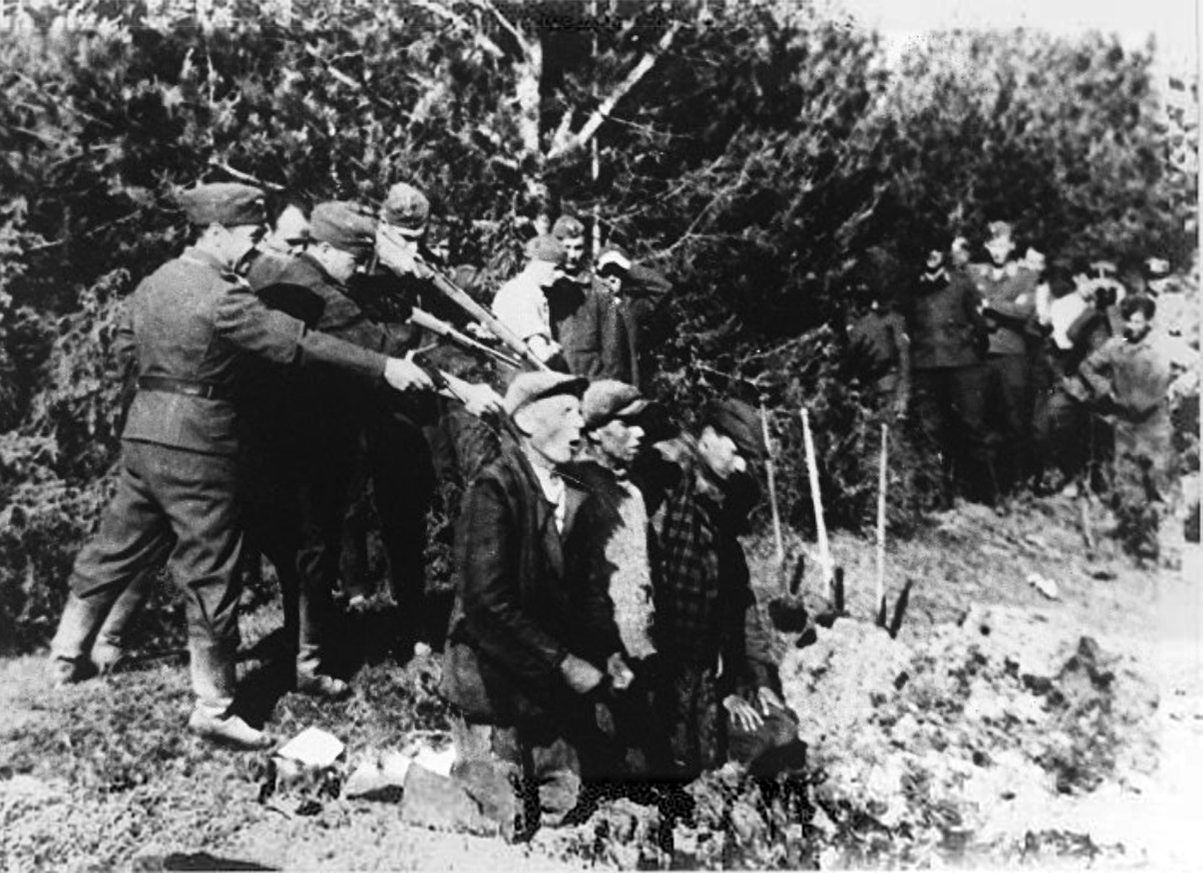
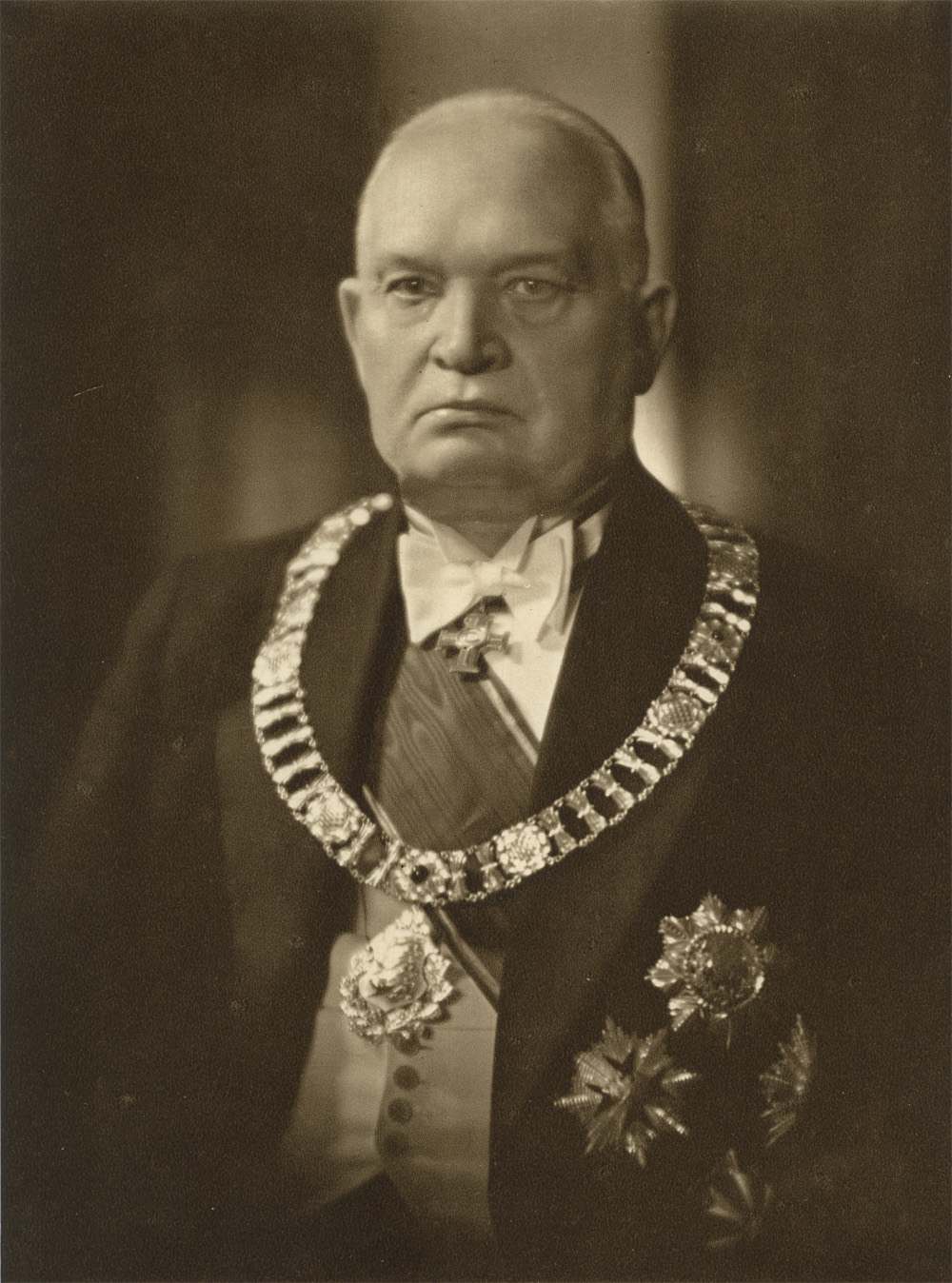
Years later history would refer to life in Estonia during this period as “Estonia’s Silent Era.” After leading a coup, government official Konstantin Päts established himself as a heavy-handed dictator. His regime barred political parties, suspended elections and took control of the newspapers. Estonians no longer had access to news other than that put out by the Ministry of Propaganda. Päts closed Estonia’s borders and imposed a strict lockdown. No one could get out, not even Estonian diplomats. Päts quickly evolved into a Soviet puppet. He allowed Russia to build military bases in Estonia and bring in over 50,000 troops. The ugly face of Soviet dominance revealed itself in many ways, some horrific and brutal. During the winter of early 1939, Red Army troops captured Estonian soldiers on the Estonian side of the lake that separated Russia and Estonia. The Russians dragged all the captured Estonian soldiers onto the frozen lake and shot them all.
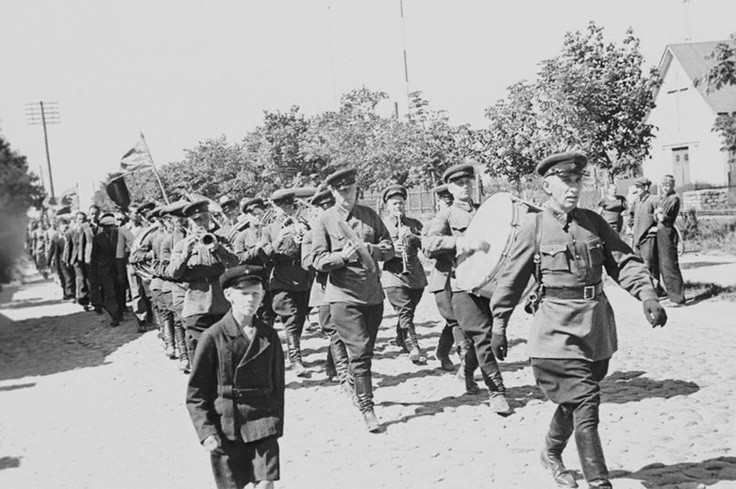
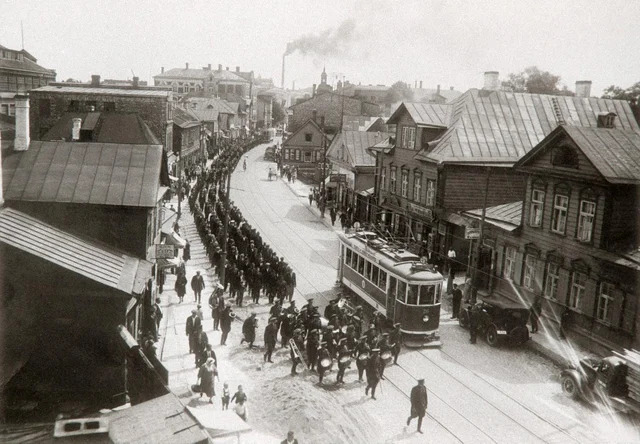
Soviet troops marching in Tallinn, Estonia
Considering the state of their world, father and son agreed that survival, however unpleasant, offered the only hope. With the hated communists clearly gaining the upper hand, Mihkel needed to flee Estonia, but for now, his only choice required he remain hidden and wait for an opportunity. His skill at living off the land would be tested and not for the last time. As to the elephant in the barn, both agreed its discovery would doom both Jaak and Ann. The secret of its existence must be preserved. Jaak assured his son he had a plan to do just that.
The falling sun in the early afternoon sky dictated the painful necessity of concluding this heart rending meeting of father and son. The only joy each took from this dangerous rendezvous came from the faith each had in the other’s ability to prevail, regardless the odds. The hug they shared reflected an unspoken awareness that it might have to last forever. Jaak climbed into the buggy. Päts (Jaak’s horse, sarcastically named after the Estonian dictator) looked back as if to capture a final vision of the young boy, now man, who had so lovingly cared for him on the farm. No longer explained away as “sweat,” accepted tears ran down the cheeks of both father and son as Päts turned towards home.
Over the following months that ran from spring through the autumn of 1939 Mihkel probed and probed for an escape route. To no avail. At times he would allow himself to dream of finding his way to America and freedom. Living off the land and training his dogs, Mihkel felt the mounting pressure of political forces that could end his life. More than once he had barely eluded Red Army troops in the Estonian forest. He had seen their encampments, on Estonian soil. It infuriated him. Being powerless only made the pain worse. He hated the Russian Communists. He remembered his grandmother’s story of the Bolshevik led slaughter of Estonians going back to 1905.
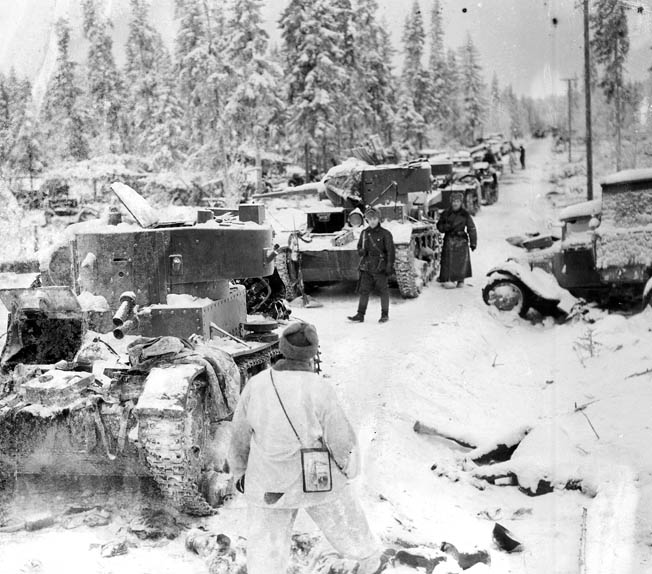
June of 1939 witnessed Konstantin Päts fold under the pressure of communist revolutionaries. While Nazis remained in Estonia for the time being, Communists with their lies of a better life had ascended to new heights. Estonia teetered on the brink of being torn apart. August of 1939 saw Germany and Russia sign a non-aggression treaty that among other things divvied up the Baltic states with Estonia going to the Russians. September 1st brought the start of what would become WWII. To Mihkel the impossibility of fleeing Estonia seemed more pronounced than ever as the bitter winter of 1939 arrived and with it the Finnish-Russian “Winter War” of 1939 – 1940. So bitterly cold, the winter of 1939 to 1940 saw the Gulf of Finland freeze over. Desperate times call for desperate measures. Mihkel had an idea.
The Winter War had brought chaos to the Gulf of Finland region. Huge troop movements with lots of unusual activity would not attract the same level of attention expected in peace time. A frustrated and angry Mihkel saw this as his best ticket, frankly his only ticket to freedom. He would punch that ticket behind his team of dogs and speed across the frozen Gulf of Finland to Finland and freedom.
While he normally used a team of six or eight dogs, his “Freedom Team” would include all twelve of the Malamutes and Siberian Huskies he personally trained. He wanted freedom for them as well. And what of Juri? A dear friend who had become even more so over the previous year, Mihkel had always said that he trusted him with his life. In this case Mihkel’s concern for his own life rated second to his concern for Juri’s. Mihkel eliminated any trace of his presence in the camp, took what he needed and quietly slipped out well before dawn. He left to be burned a note to Juri. It read, “With hate in your eyes, tell anyone who should ask about me that Mihkel, that crook, stole your best dogs and a sled. If they catch him you want your dogs and sled back! And you don’t give a damn what you do to him.” Below the instructions the note concluded with “Take care my brother.”
Like an idling steam engine, Jaak exhaled into the bitter morning air creating a swirling white cloud. Rattling shut, the big wooden barn door closed behind him. His eyes swept the full expanse of the barn’s interior. Not a trace of the Bugatti remained. Jaak allowed himself an expression of sad satisfaction at the success of his plan. This muted relief mirrored that derived from having quelled the pain of an aching tooth while knowing the tooth remained.
A few months back, in facing the challenge of how to make this beautiful beast disappear, Jaak had allowed himself a few moments to simply gaze at the great Bugatti in an attempt to comprehend its magnificence. The diffuse morning light filtering into the barn softened the Royale’s heroic visage. Its presence in this rough hewn barn seemed irreconcilable with reality, not unlike discovering Michelangelo’s David tucked away in a forgotten broom closet. Jaak’s thought of the David tucked in a closet sparked his imagination. It give birth to a solution. He would hide the Royale in plain sight.
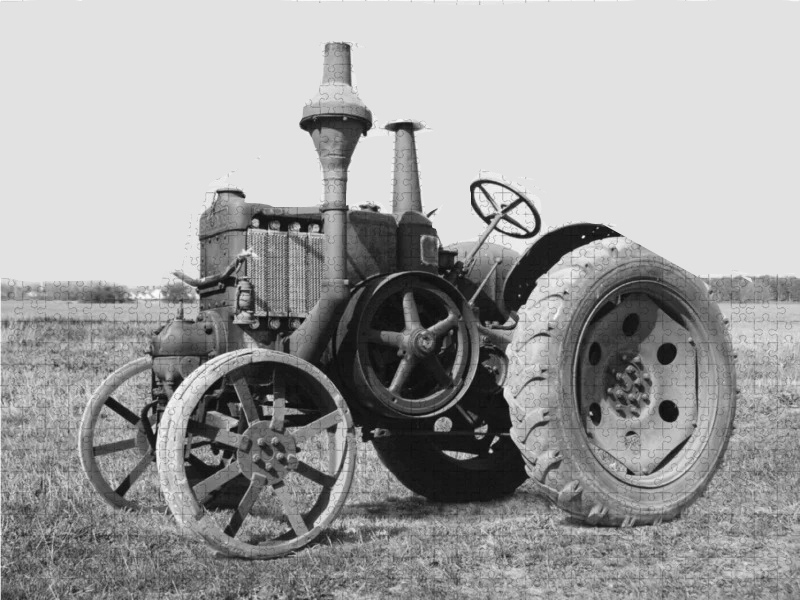
Placed beneath each of the Bugatti’s 36-inch wheels, four wheeled dollies fabricated by Jaak would allow the massive Royale to be re-positioned without being started. Maneuvering its prodigious mass, however, presented an additional challenge. Luckily, one with a ready solution. Prior to the arrival of the Bugatti, the Ploesti owned oil shale company had brought a Lanz Bulldog tractor to Jaak’s shop for repairs. In a fortuitous twist of fate, the political turmoil erupting in the ensuing months resulted in the departing Nazi’s abandoning the tractor.
Now, with Jaak at the controls, he effortlessly eased the Bugatti into close proximity with the rear inside wall of the barn. For Jaak, all that remained to do required gathering the readily available weathered barn siding strewn about the farm and constructing a new wall to match the old one. Completed, the new wall plunged the beautiful Bugatti into decades of dark isolation. Isolation, yes, abandonment, no. Once every month for many decades to come the Bugatti would have a visitor. He would lift the great hood and remove the dual sets of spark plugs. Oil would be squirted into each cylinder and the engine would be given a few turns. Jaak could not allow the beautiful beast to die.
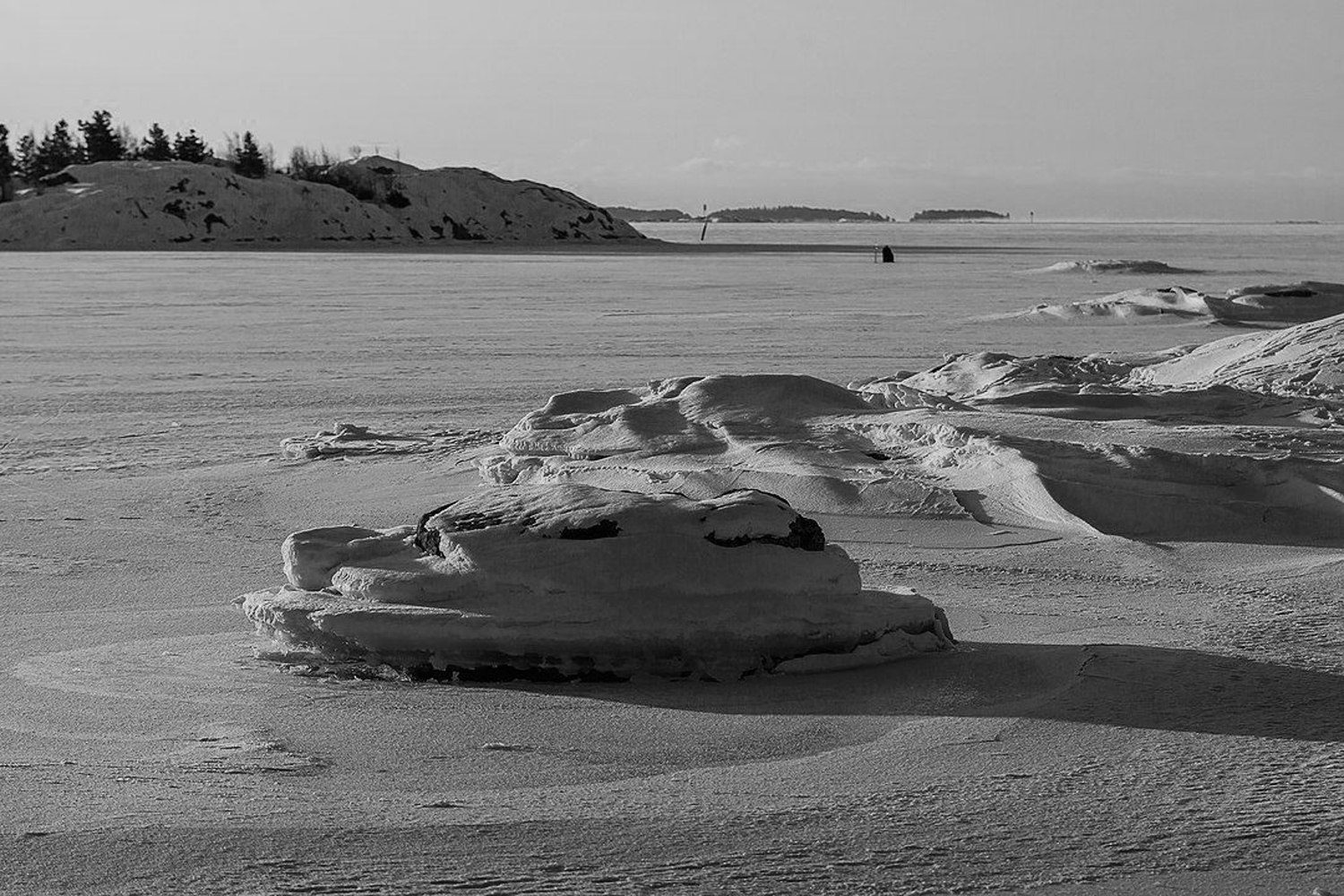
Frozen Gulf of Finland
Mihkel having smeared petroleum jelly on the exposed skin of his face turned his attention to his beloved dogs. Each dog’s paws received a proper application of the same petroleum jelly and a fitted reindeer hide boot. There could be no turning back. His dogs capable of covering 100-miles in a day could do 20-miles an hour. He estimated the distance across the gulf to be 50 miles, 50-miles of dark uncertainty and danger.
With Siberian Husky Maksim in the lead, Mihkel eased the dog sled down the gently sloping shore line of what in summer would be the water’s edge of the Gulf of Finland. On this winter night the unrelenting bitter cold temperatures had turned the gulf into an expansive ice road reaching from Estonia to Finland. A road Mihkel prayed would take him safely to freedom. In a firm but low voice he commanded his team to go. Eerily, with the well trained sled dogs silent and focused on the task, the only sound came from the soft rasp of the sled blades skimming the ice.
This 8th installment of “The Lost Royale” completes the first of three-parts comprising a book detailing the fate of the Oja family and the lost 7th Royale to which the family is inextricably linked.
With this the 101st issue of Drivin’ News, I will take the opportunity to pause and recharge. Drivin’ News will return after a brief hiatus with stories collected over my time away. My intention is for Part II of “The Lost Royale” to return before year’s end.
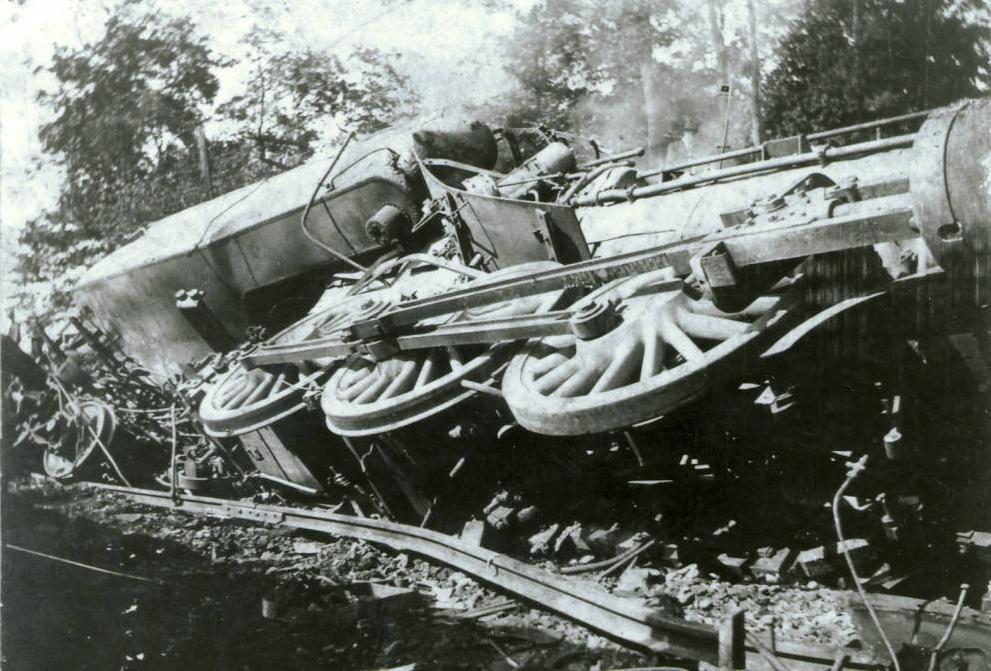

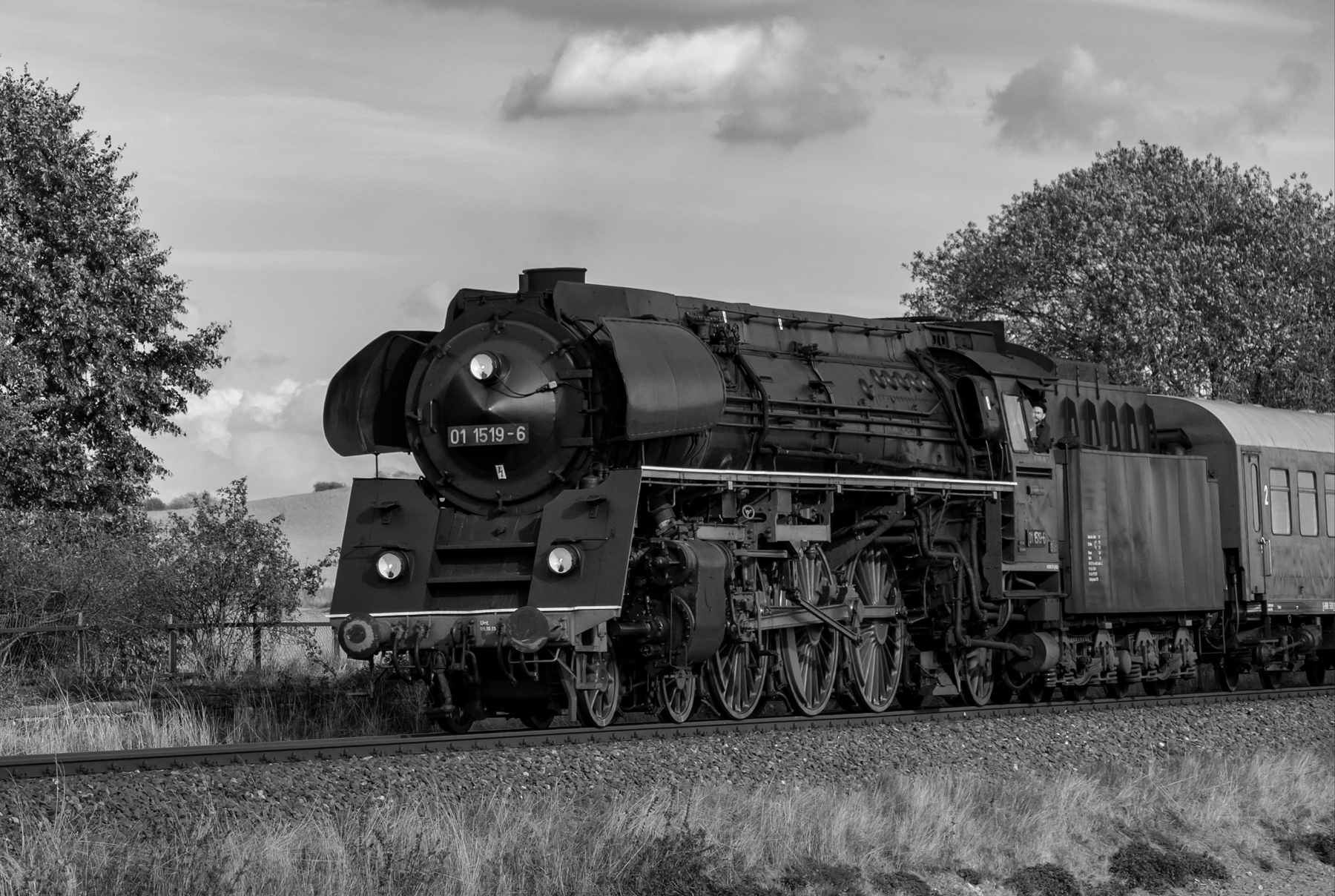
 Unfazed by neither the low quality gas nor questionable driving skills diminished by a heavy dose of Schnapps, Archie raced up the incline to the intersection. Like a speeding avalanche of steel and steam, the dusty black shape to the right grew larger and larger. It would be a close call, but it appeared the Maybach would pass ahead of the onrushing behemoth. Then Archie missed a down shift and the great Maybach shuttered like a fighting bull surrendering its life. Archie attempted to stop to no avail. In locking up the brakes he merely succeeded in teeing up the Maybach for a perfect broadside by the thundering train. Two farmers in a wagon waiting at the crossing for the train to pass recounted seeing the impacted Maybach shed parts with explosive force. Its cruelly contorted body, bent like a horse shoe, clung to the massive locomotive’s cowcatcher as if welded in place. The impact launched all the Nazi guards seated atop the prisoner rail cars with deadly results. The mighty freight train departed the rails creating a domino effect of box cars tossed about like a child’s discarded toys. Rail cars, off the tracks and strewn about with wood and steel still creaking and doors popped open, disgorged themselves of scores of prisoners who fled and melted into the countryside. Only years later would some tell of their miraculous salvation. Both farmers reported four bodies ejected from the open cabriolet. Archimedes Antonescu and the three mechanics had died instantly and with them, so too, the location of the 7th Royale.
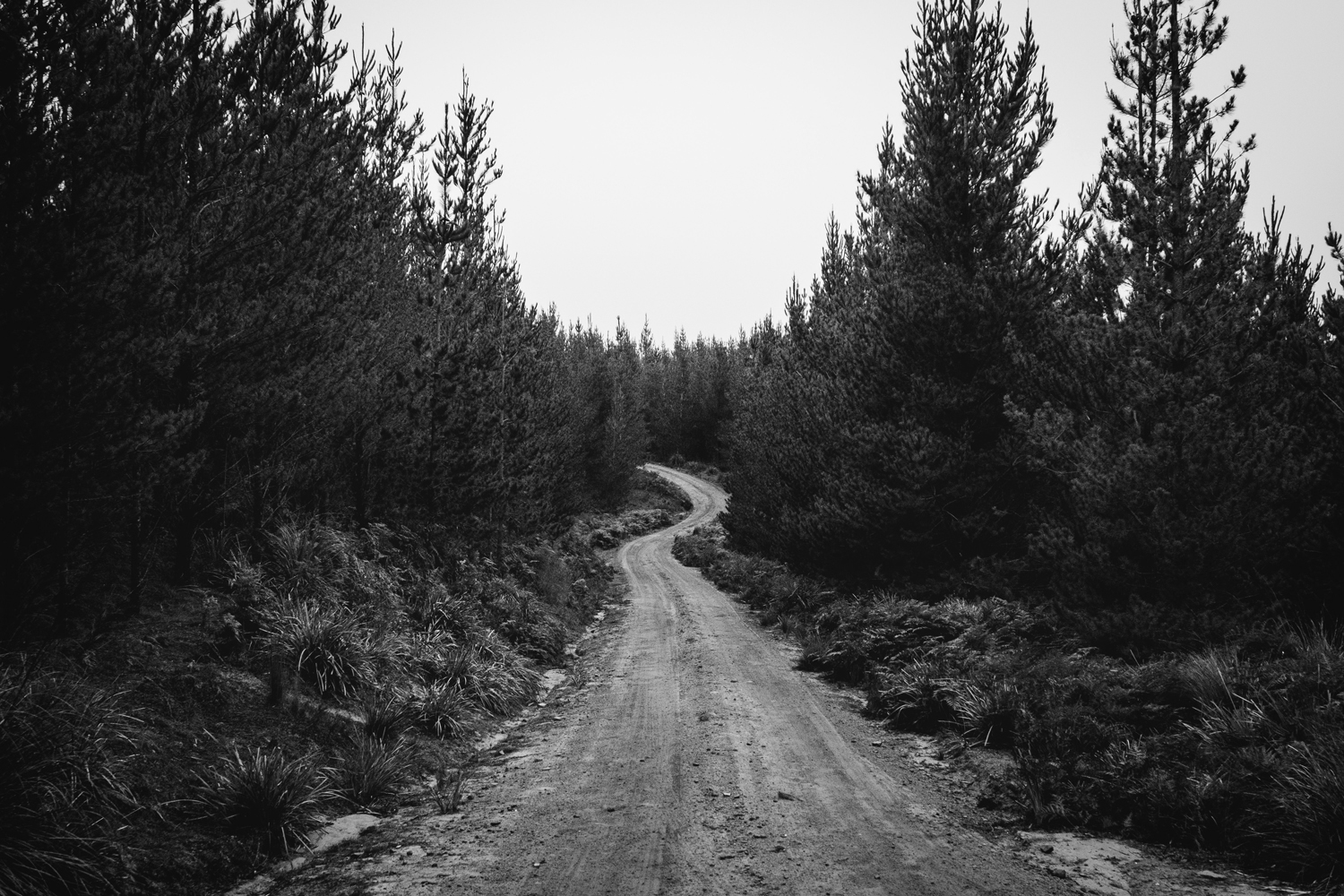
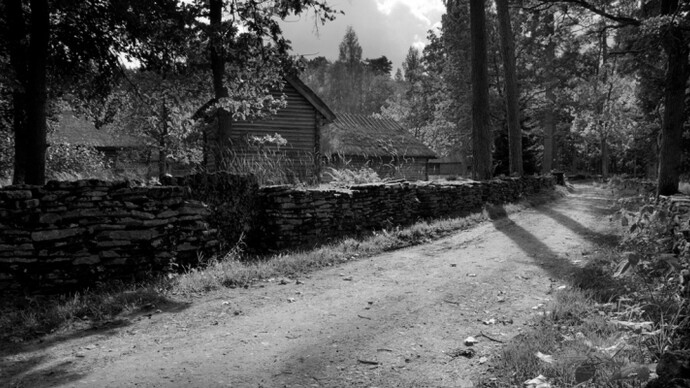
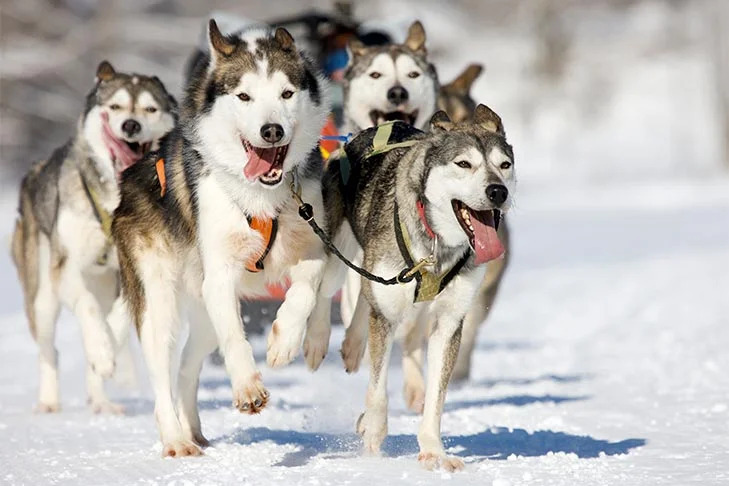 As for now, Mihkel immersed himself in learning the skills necessary to assemble and command sled dog teams in the brutal Estonian winters. Depending on the load, dog teams could range from six to eight dogs, more if needed. Mihkel had learned how to organize a good sled team. Leader dogs needed to be strong willed, fast and reliable to set the pace for the others to follow. After the leaders came the swing dogs with the responsibility to steer the team around turns and curves. Lastly the wheel dogs, located closest to the sled, possessed the superior strength to pull a sled out from deep snow. Mihkel had selected twelve dogs to train comprised of a mix of Malamutes and Siberian Huskies both male and female. He gave them names that suited their roles. Leaders included Maksim, Arri, Leenart and Aleksandra. His four nimble swing dogs had names of Anna, Laine, Sofia and Leks. Kalju, Markko, Mikk and Keert formed his cadre of powerful wheel dogs. With winter snows coming, training his team had given him both something for which to look forward and a distraction from the chaos that loomed on the horizon. To ensure that with the first decent snow fall he would be ready, Mihkel had been training his team using a wheeled cart. One day Juri offered him a test run. A local fishery had an order for a facility being built deep in the forest probably for the oil shale company. Unfortunately the fishery truck had broken down. Mihkel could deliver it. Mihkel jumped at the chance. He craved a little excitement and loved the idea of working the dogs. On a good surface his team could do 30 kilometers per hour. On rough roads maybe 9 or 10km/h.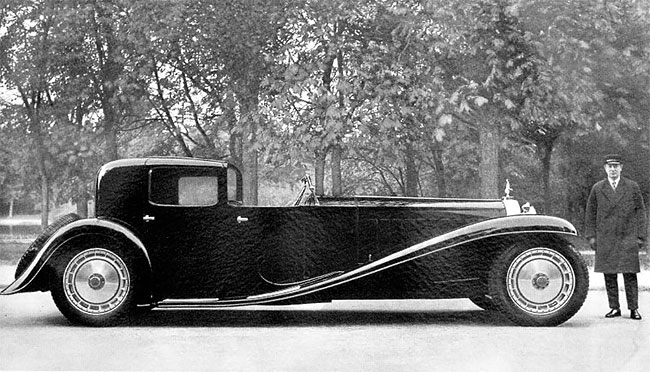
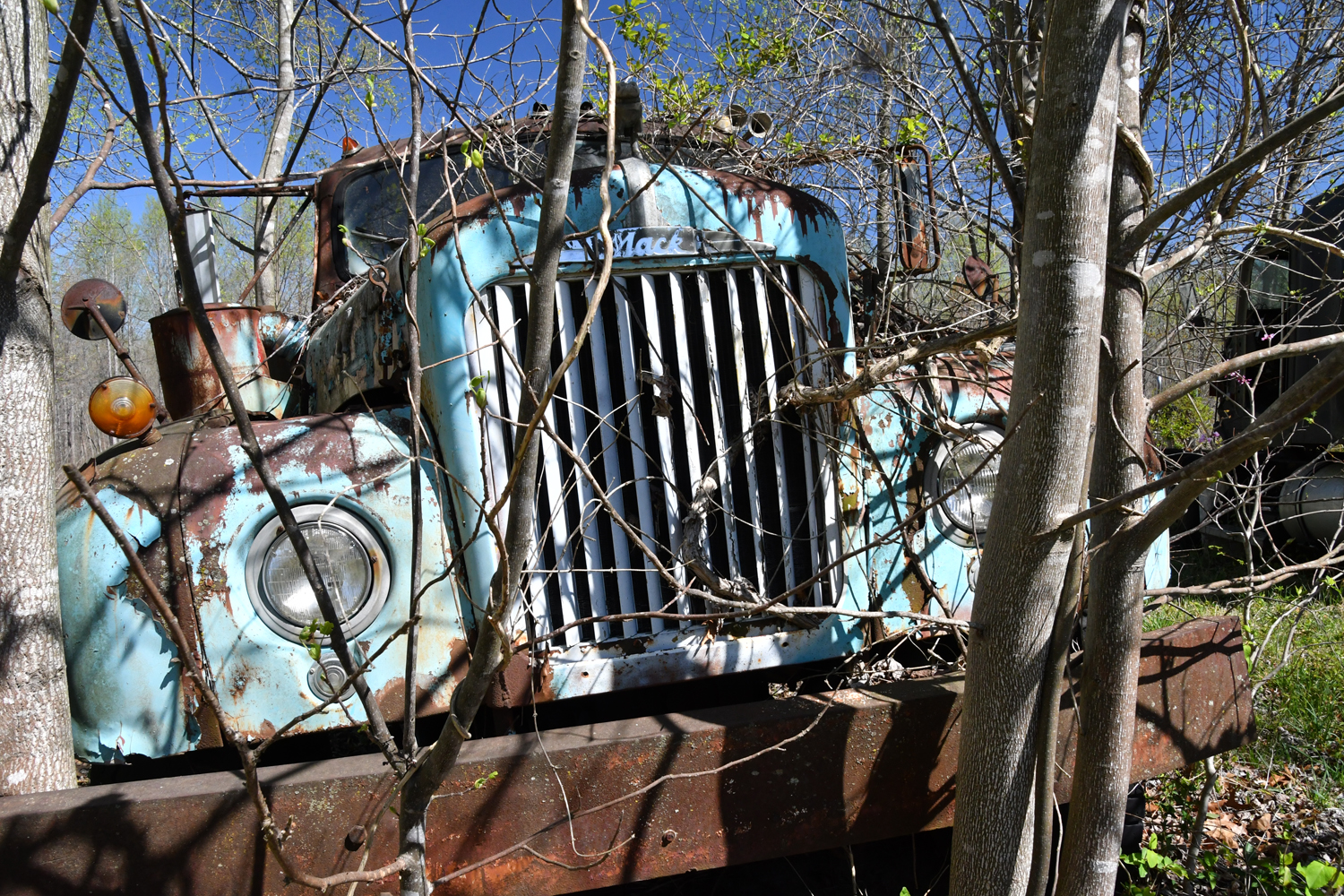
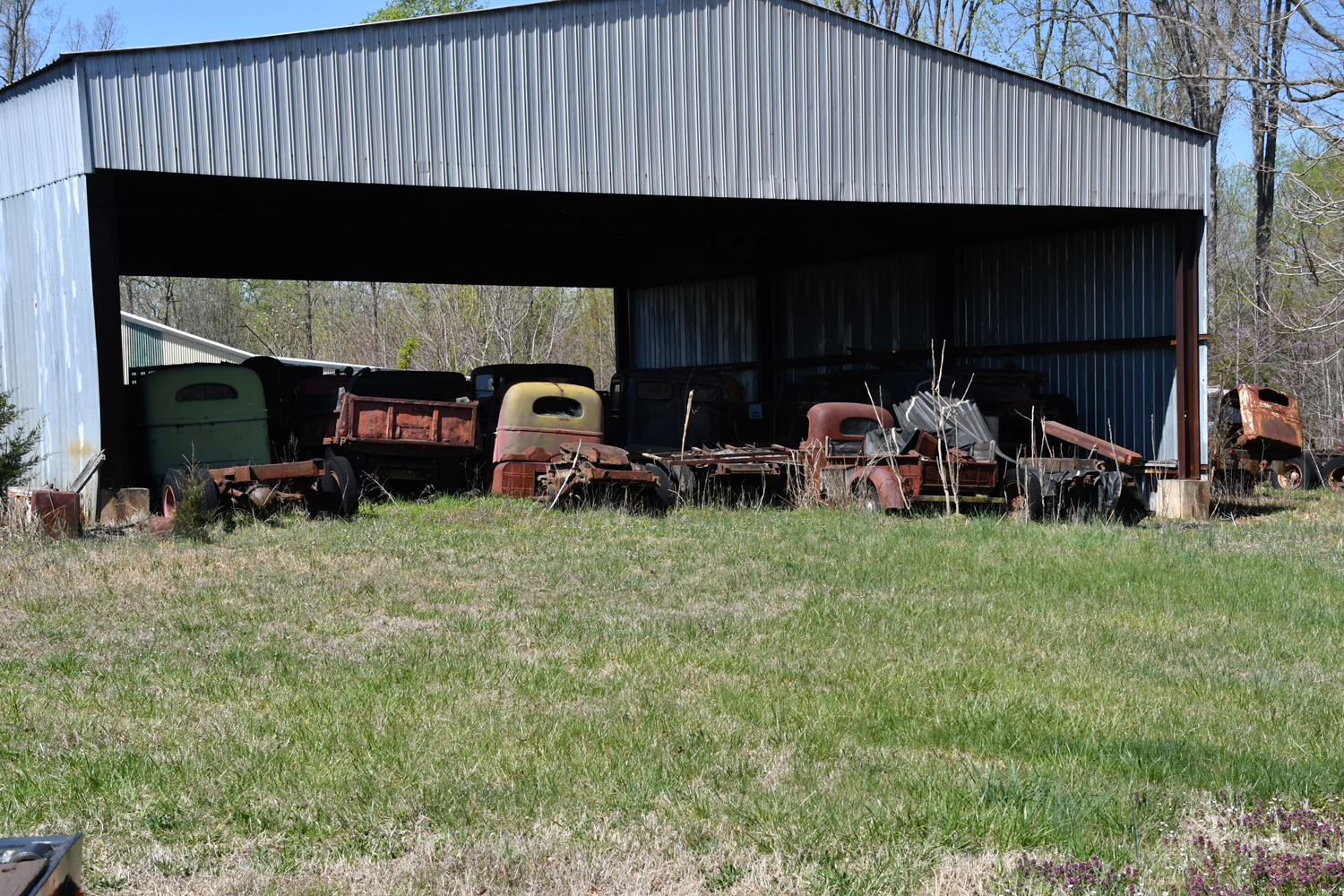
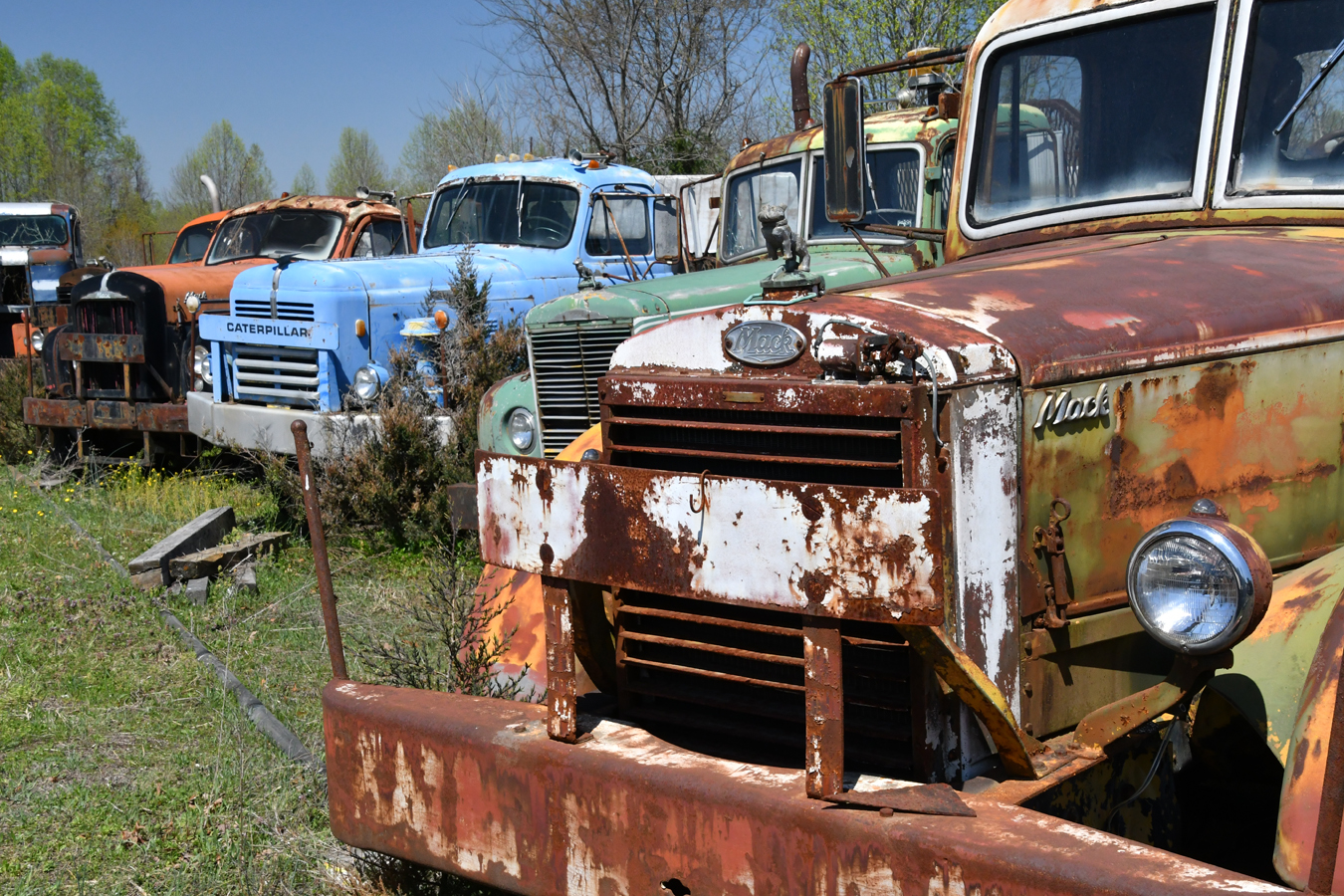
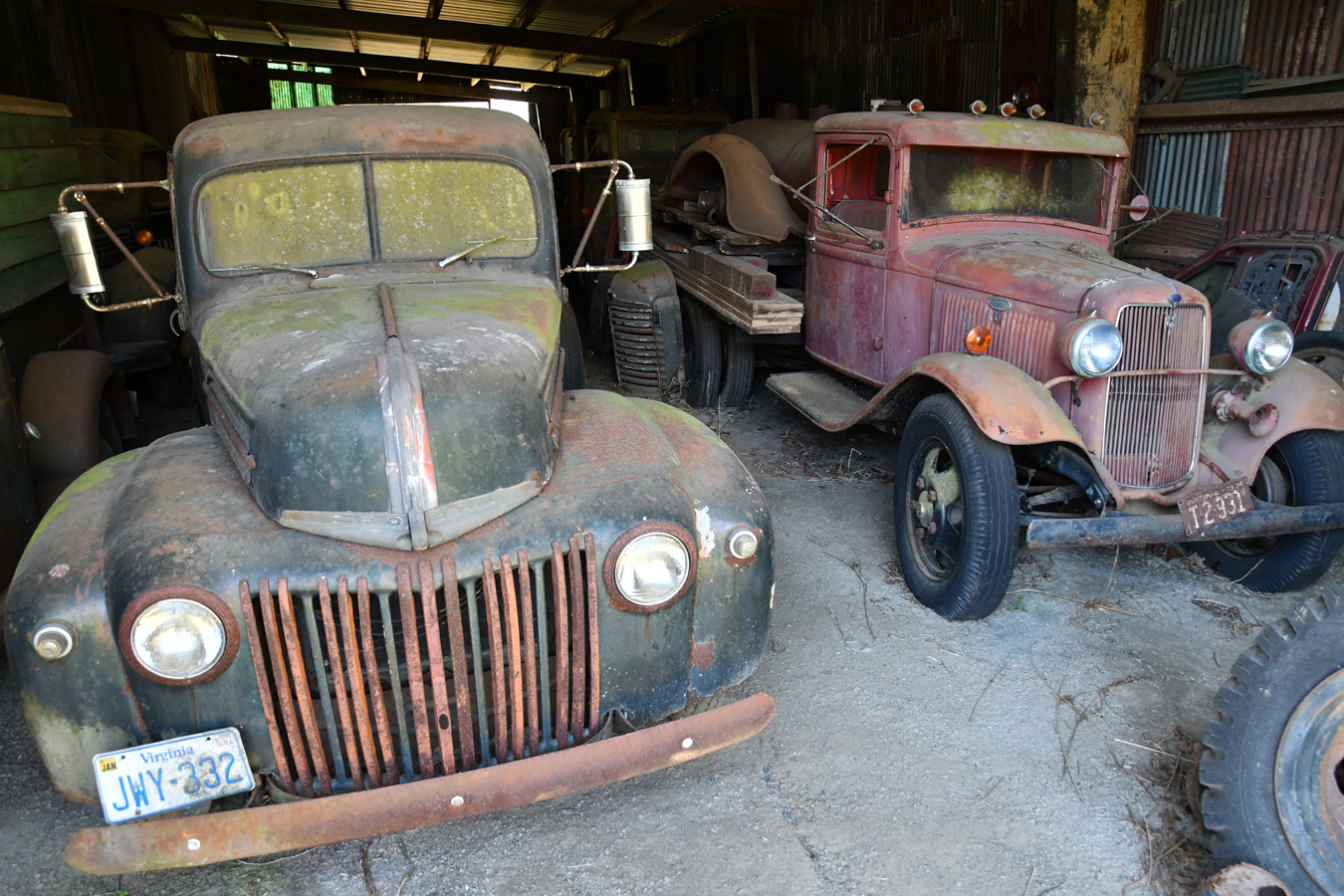
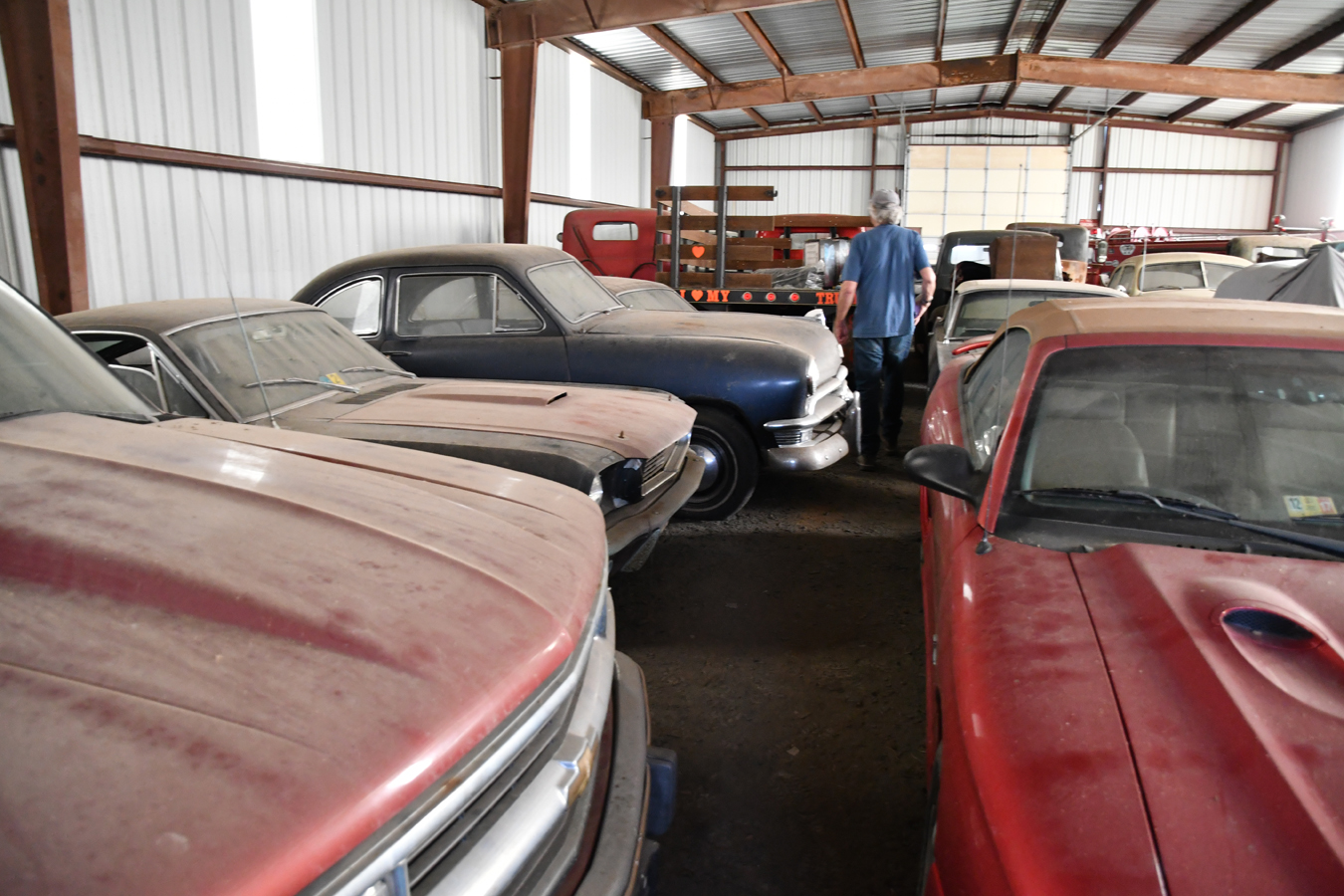
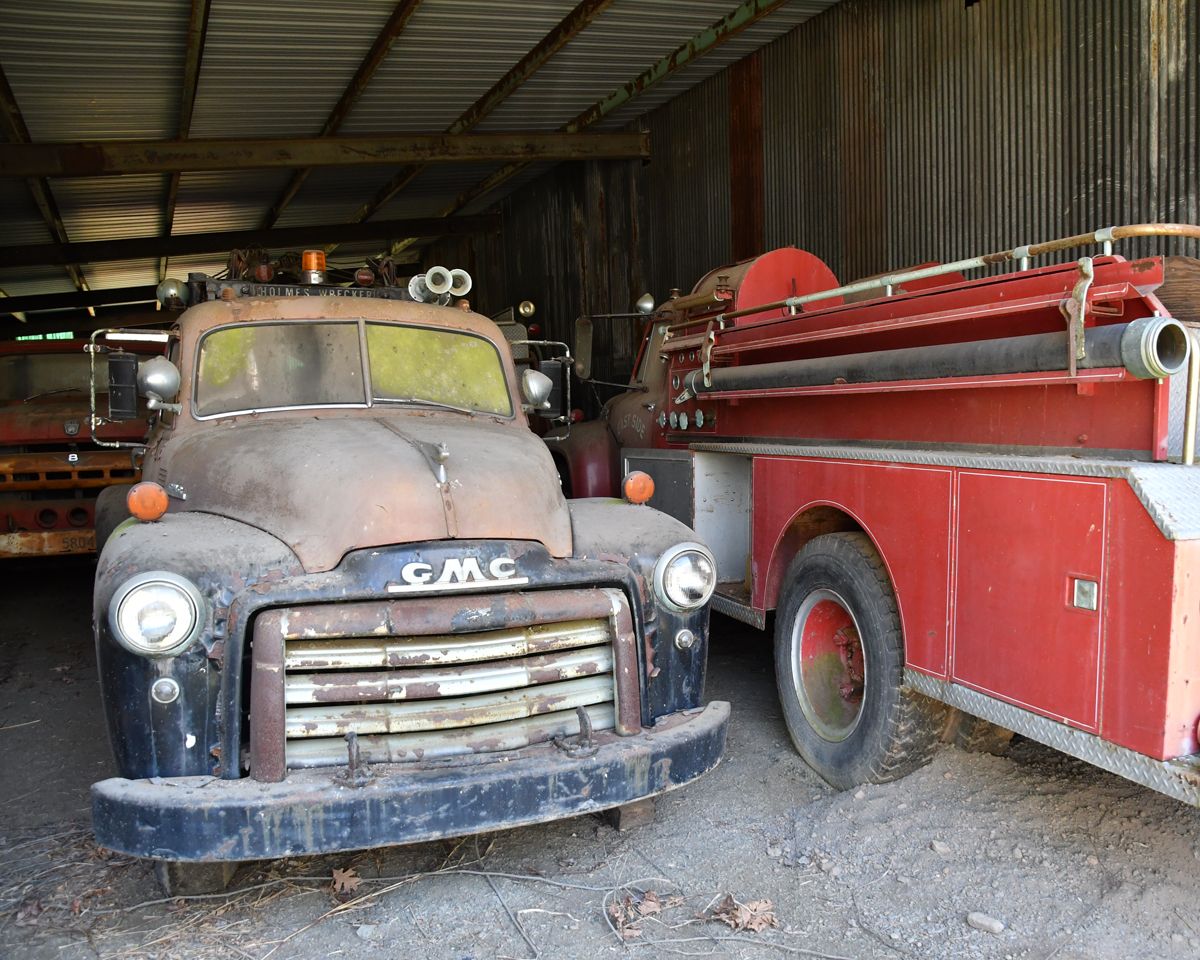
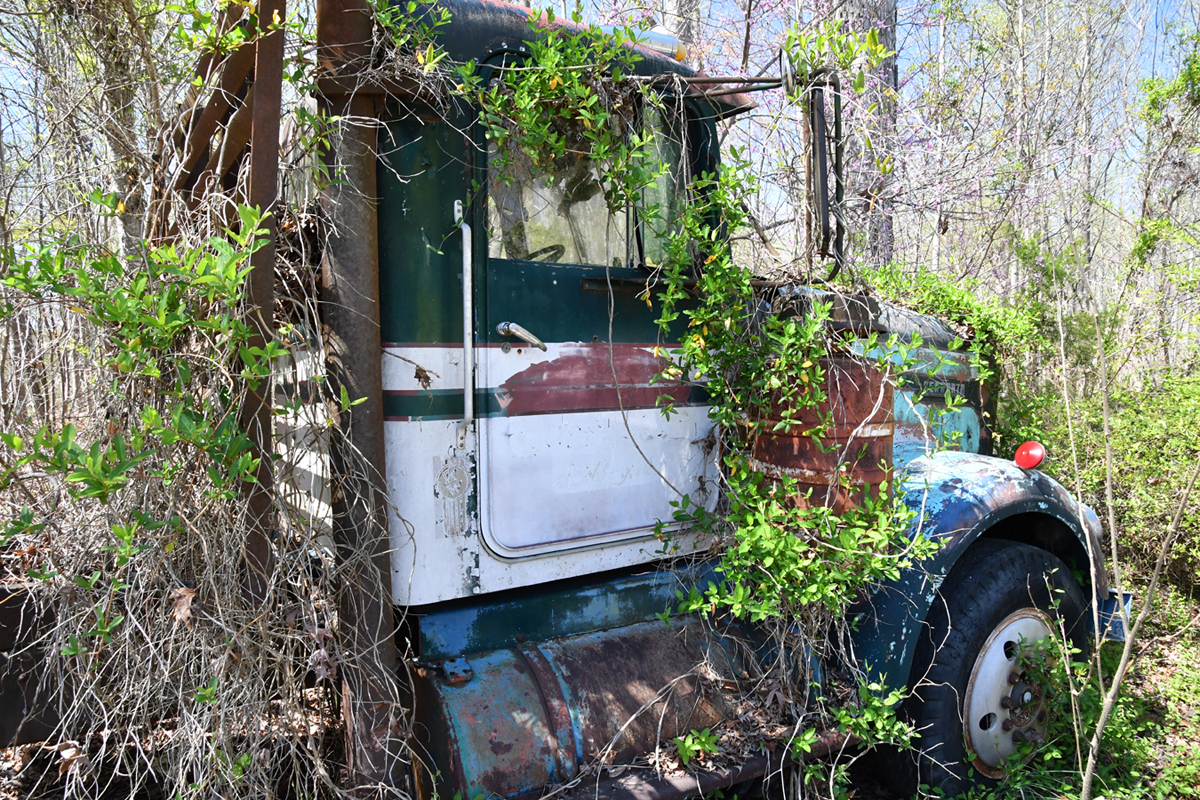 To navigate among the entombed occupants for a closer look would be nearly impossible as the vehicles had been stored in a manner not unlike an overstuffed Manhattan parking garage. This impenetrability would be a challenge faced repeatedly during my exploration of this elephant burial ground for hard working vehicles with past productive lives spanning much of the 20th century. However, much of what awaited would be found bleaching naked in the sun.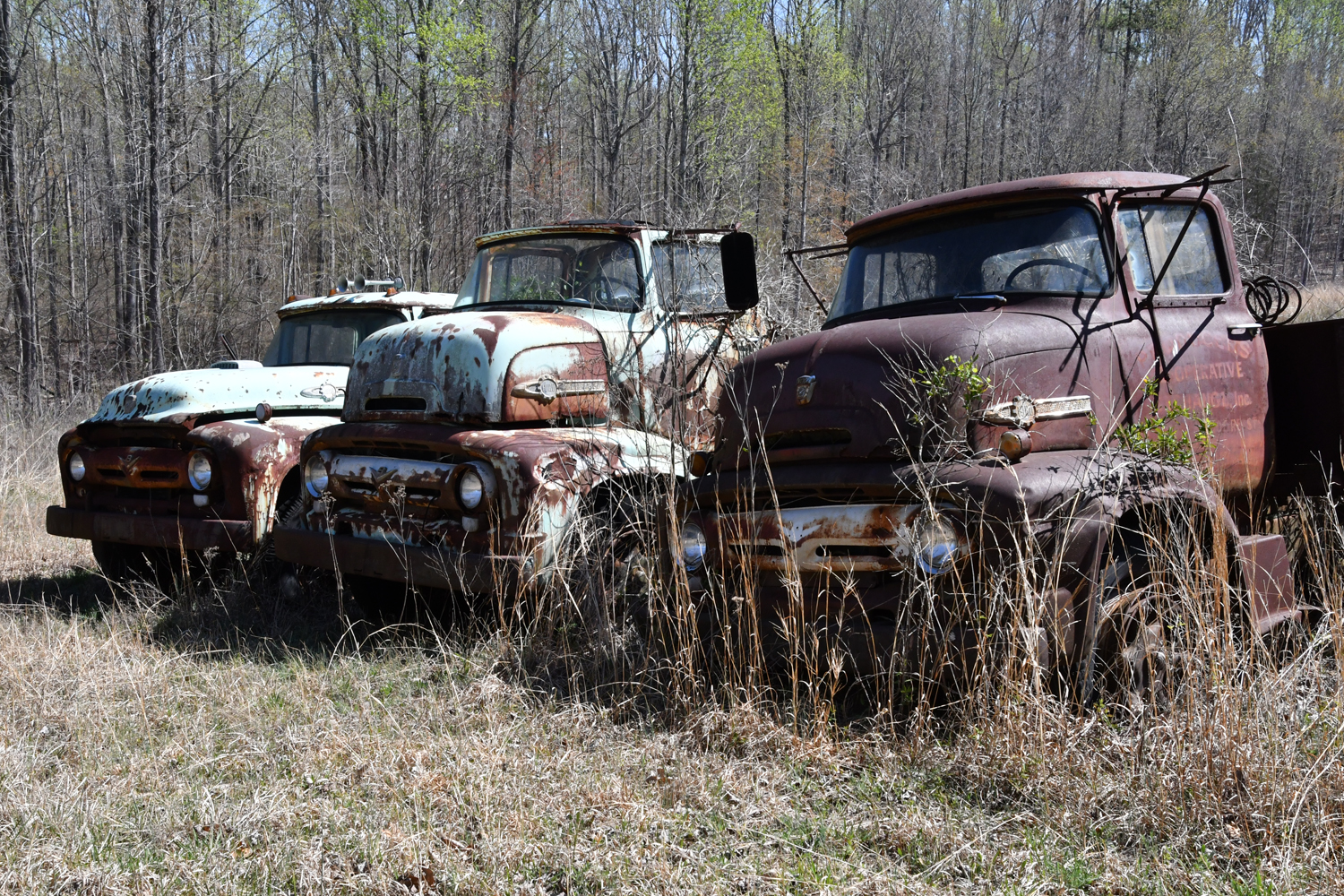
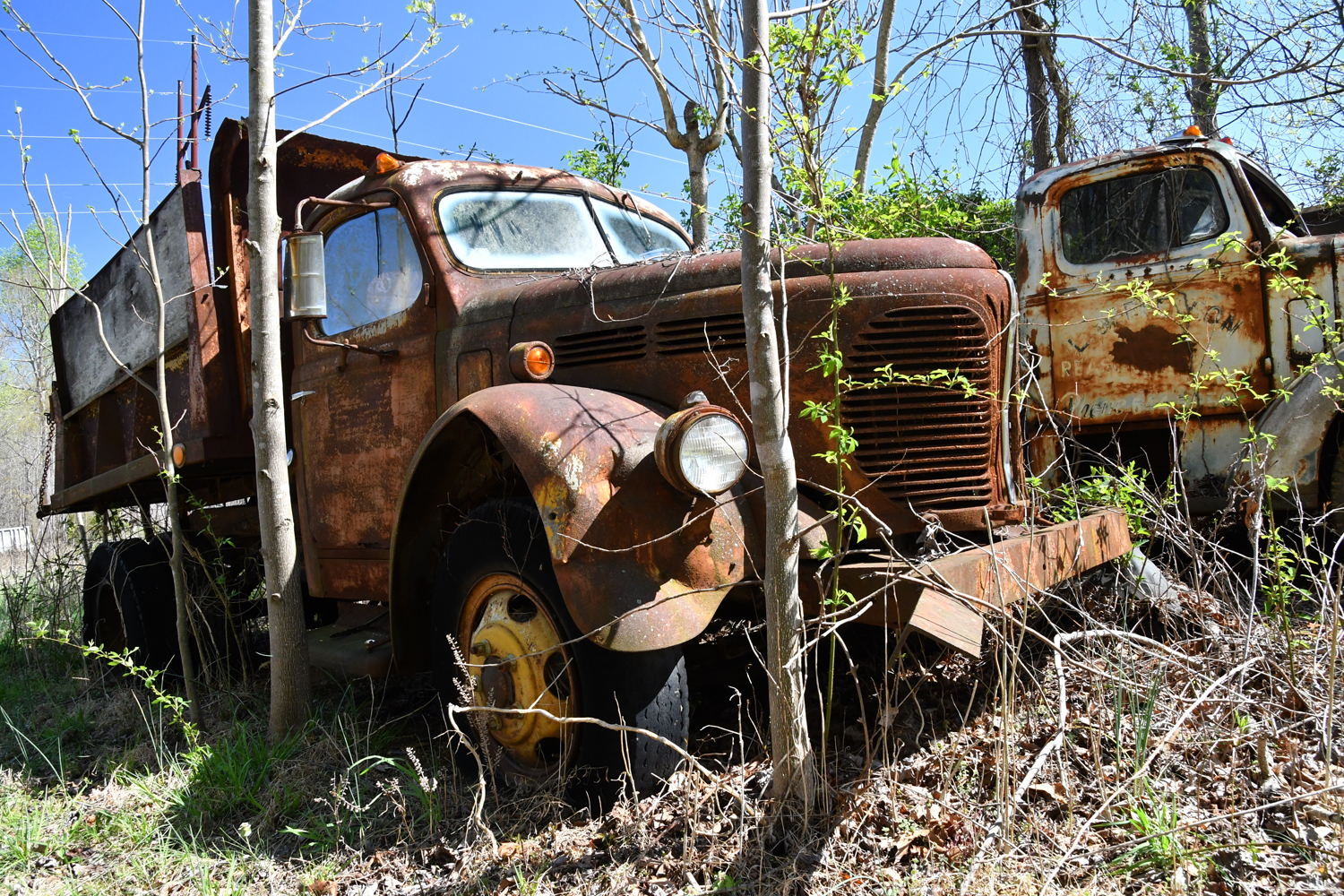

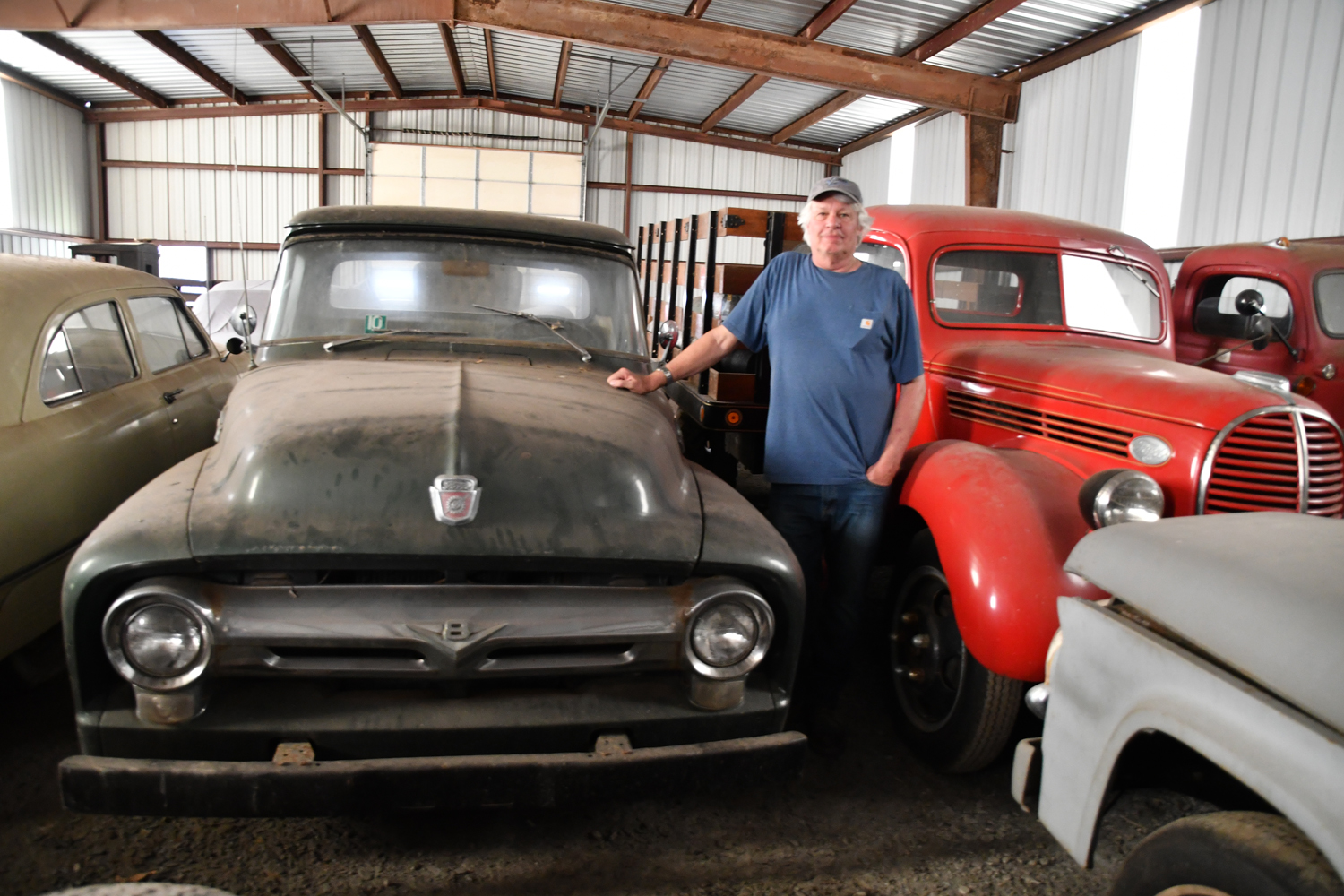

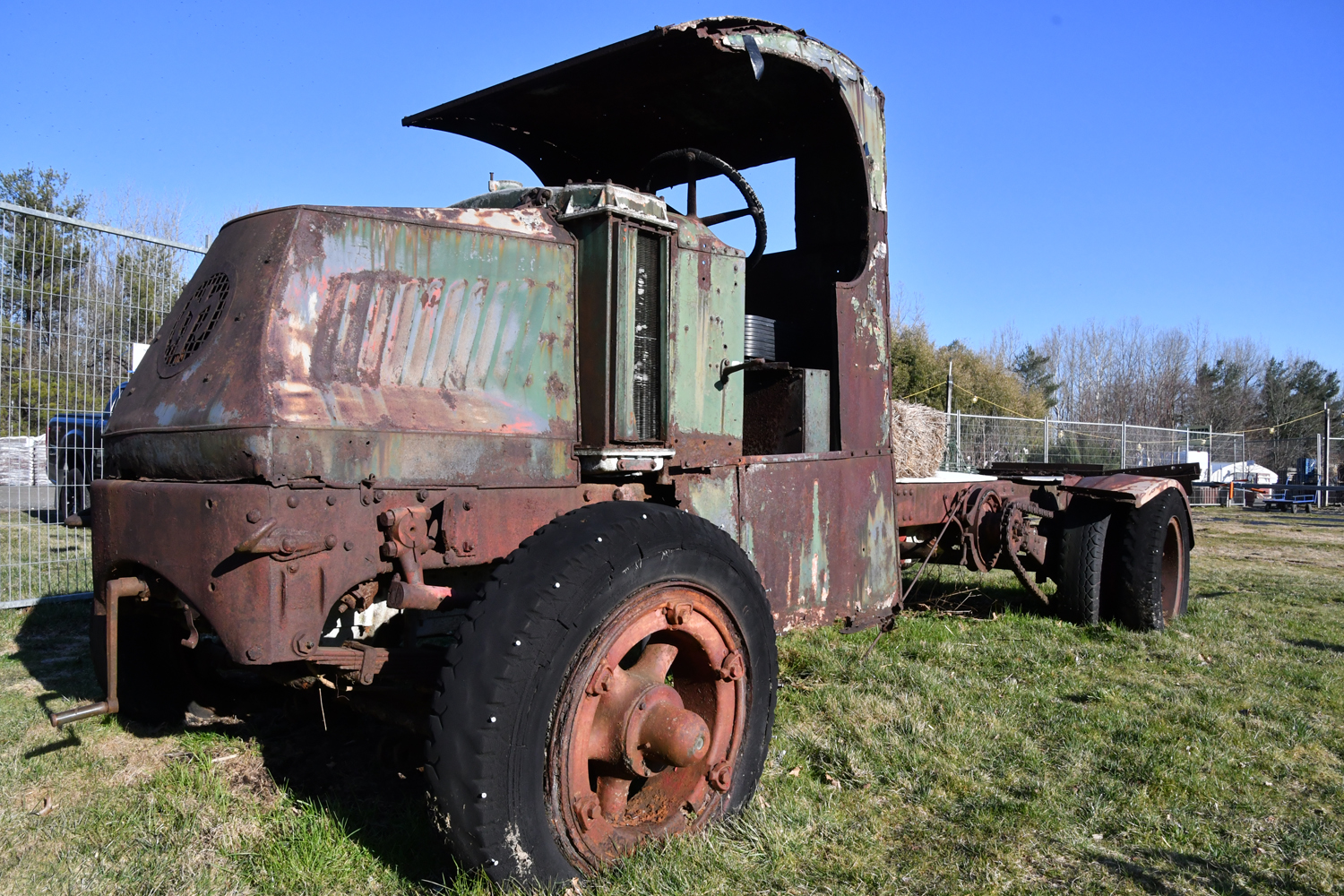
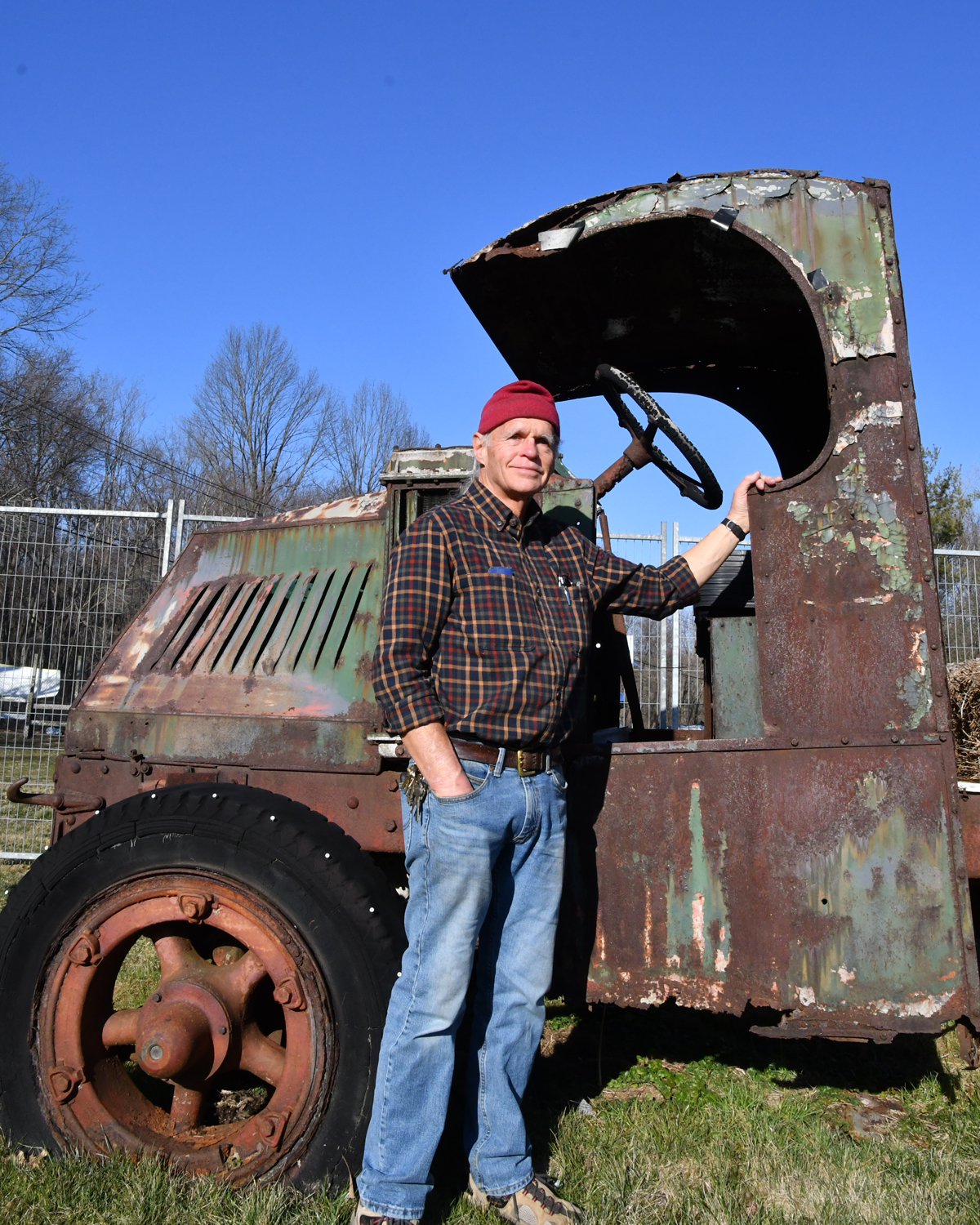
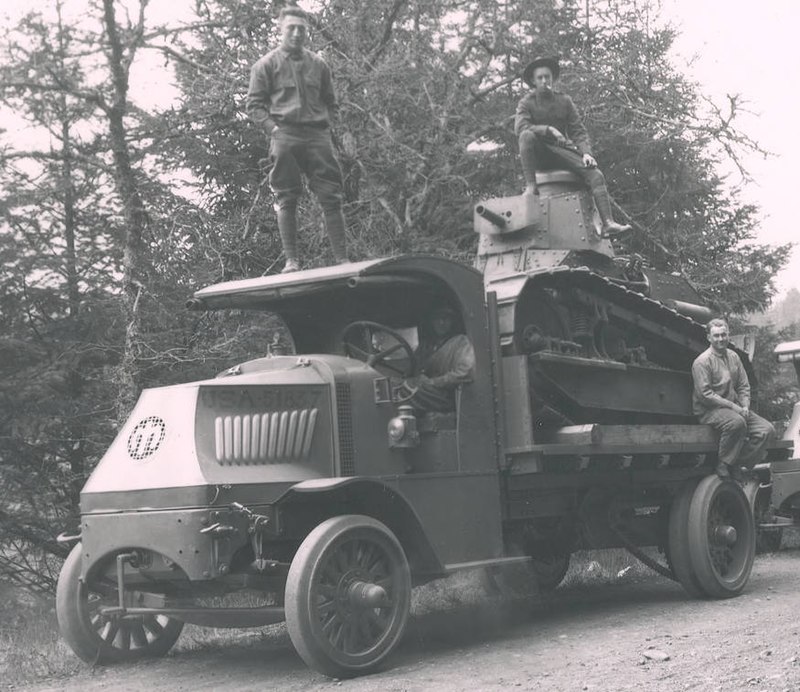
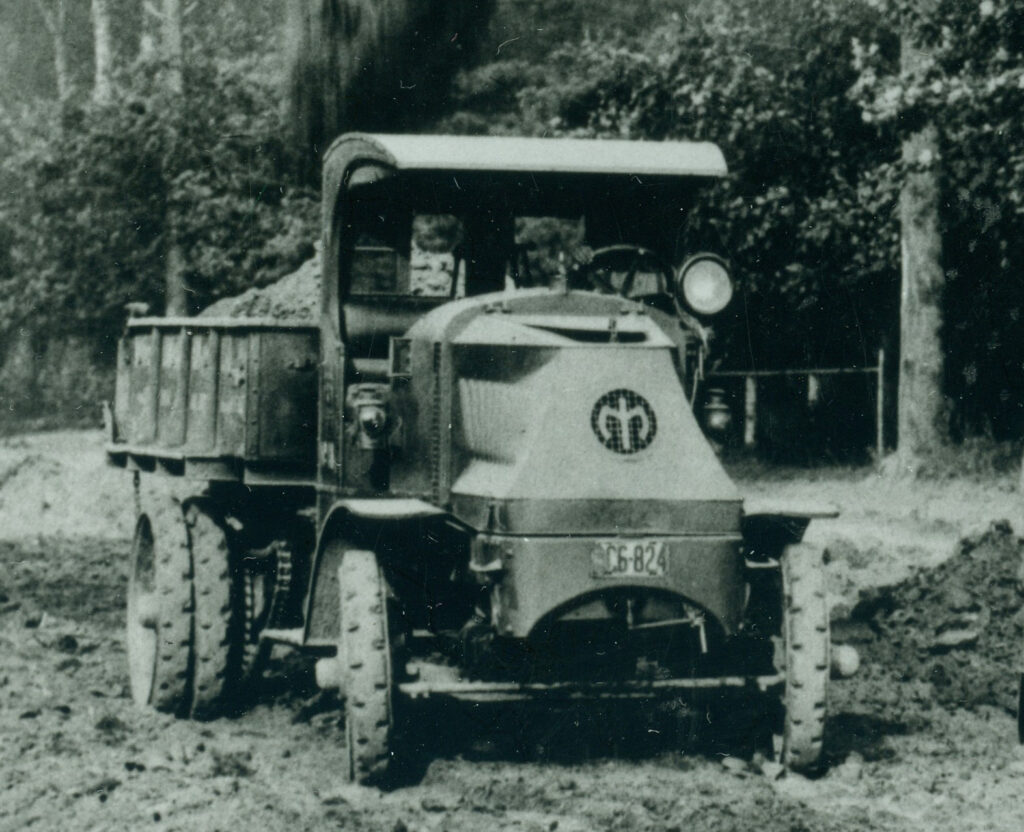
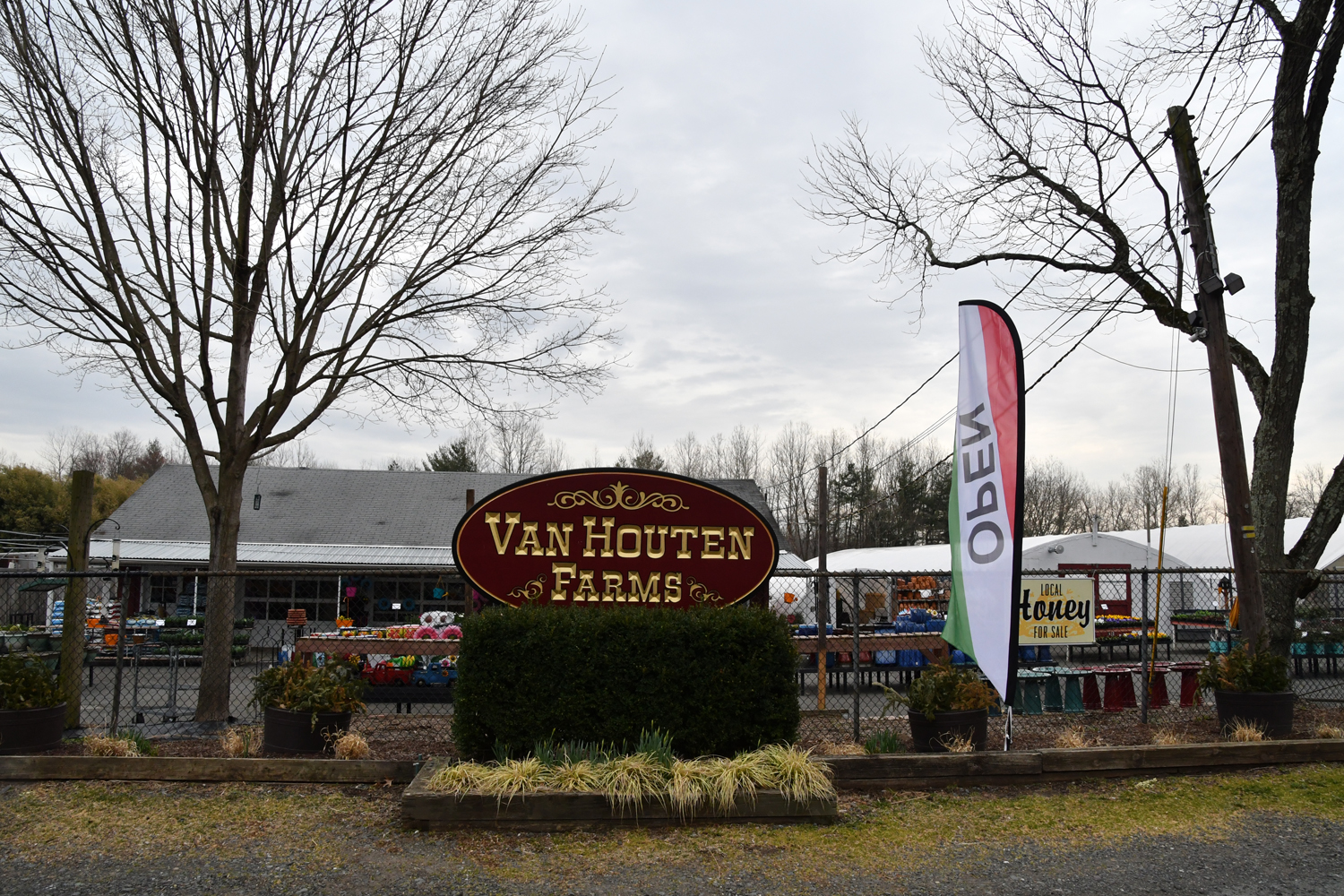 At last Jim took charge and brought the Mack over to the Van Houten Farm Nursery and produce retail site. On staff Jim recalls a young employee adept at all things mechanical. Jim set him loose on the truck and recalls saying, “He got the darn thing running. I actually drove it around the neighborhood.” Being late in the season, the truck went behind the farm stand for the winter. Jim recalls saying, “With winter coming the mechanic drained everything.” Jim then winces saying, “At least we thought he did. It did not drain completely.” When spring came a big crack had developed at the bottom of the radiator. Jim says, “I do not believe the engine suffered any damage.”