Conversations With People We Value #14
As car enthusiasts we revel in the beauty, the performance and the perfection of the vehicles we love. We also recognize that for the vast majority of us the skills required to properly maintain the 4-wheeled objects of our affection exceed our level of expertise. The responsibility for preserving our classic automobiles at a high level rests on the shoulders of a shrinking body of skilled artisans. As these gifted craftsmen age out of the community we find ourselves painfully aware of their critical value in preserving the health of our classic car hobby. Once plentiful, this, now, dwindling breed features men who rank as savants in their respective fields. None more so than Steve Ellis.
Rebuild it and they will come –
The life of Carburetor Steve
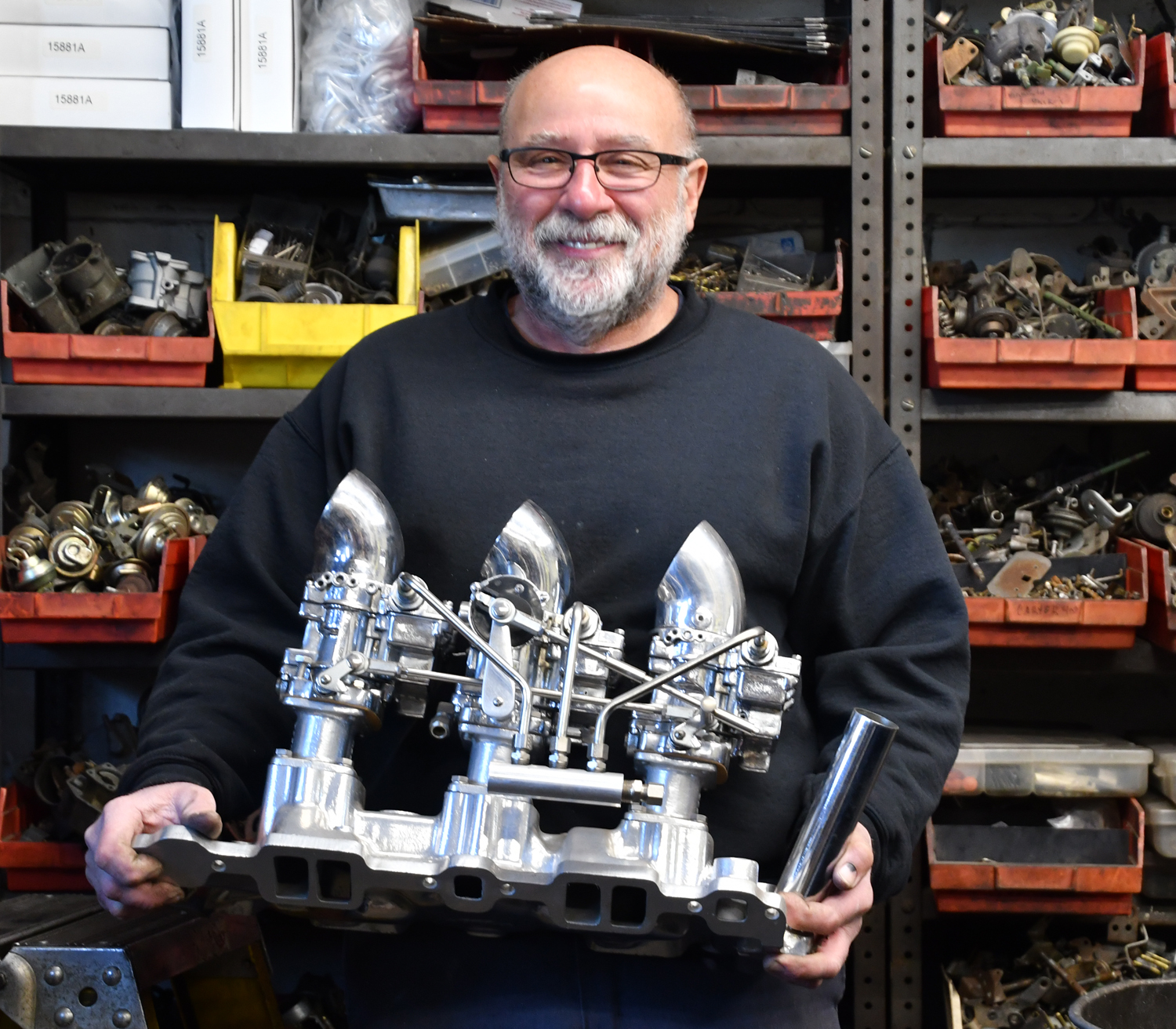
Steve Ellis with custom tri-power for a Chevy small block
Sitting on Steve’s work bench, the three Weber carburetors belong to a 1964 Ferrari Lusso. Steve, in the process of explaining his complete rebuild of the, now, perfect threesome, gets interrupted by a guy who bursts through the door announcing his entry with a warning. “This box stinks! Careful when you open it.” Within the stinking box resides the carburetor for a 1948 Dodge sedan afflicted with vintage gas from before Hess sold toy trucks. As Steve says, “Welcome to my world.”

1948 Dodge 1-barrel and 1964 Ferrari Lusso Weber tri-power
Better known and revered as Carburetor Steve, Steve Ellis has displayed his total mastery of everything “carburetor” for 41 years with the last 37 years spent in his own business, Steve’s Carburetor Shop in Lyndhurst, New Jersey. Totally at home and at ease amidst a thoughtfully organized chaos of carburetor innards and completed foreign and domestic setups, his shop features completed examples of vintage carburetion ranging from the mundane to the exotic.
Since Steve began, profound changes driven by emissions requirements, computers and performance demands have morphed the nature of carburetor rebuilding. Over the last 40 years Steve’s business has pivoted from an emphasis on supporting a vast population of primarily generic travel appliances to providing life support for the vehicles owned by automobile enthusiasts dedicated to enjoying the landmark cars that brought the 20th century’s golden age of the automobile to life.
Steve says , “When I started, my business was purely wholesale supplying gas stations. I had three guys and a driver working here. I used to do a lot of Hondas, Toyotas and Nissans but that’s all gone. Now it’s shrunk down to where it’s just me and a part-time guy.” However, for Steve the enormous community of vintage car enthusiasts in New Jersey and across the nation keeps him busy. Steve says, “Almost all of those vintage cars have carburetors which need service every couple of years. I am doing carburetors over now that I did ten or fifteen years ago.”
Shortly after the stinky 1948 Dodge carburetor made its appearance, a kind of “Back to the Future” Doc Brown personality enters and introduces his vintage project. “It’s off a ’57 Buick,” Says Doc Brown. Not unlike presenting a vintage time piece to the expert on Antiques Road Show, Steve displays a comprehensive knowledge of the 60-year-old Carter AFB as evidenced by the probing and nuanced questions he asks. Doc Brown simply says, “do it.”
When asked specifics about Doc Brown, Steve, with a shrug, acknowledges he has never seen him before. That says it all about reputation. Clearly word of mouth had brought that 1957 Carter AFB to Steve’s. “That’s pretty much how it works, people with vintage jobs just show up.” says Steve. He adds, “You know like in the movie Field of Dreams ‘build it and they will come,’ well in my business it is rebuild it right and they will come.” And they do.

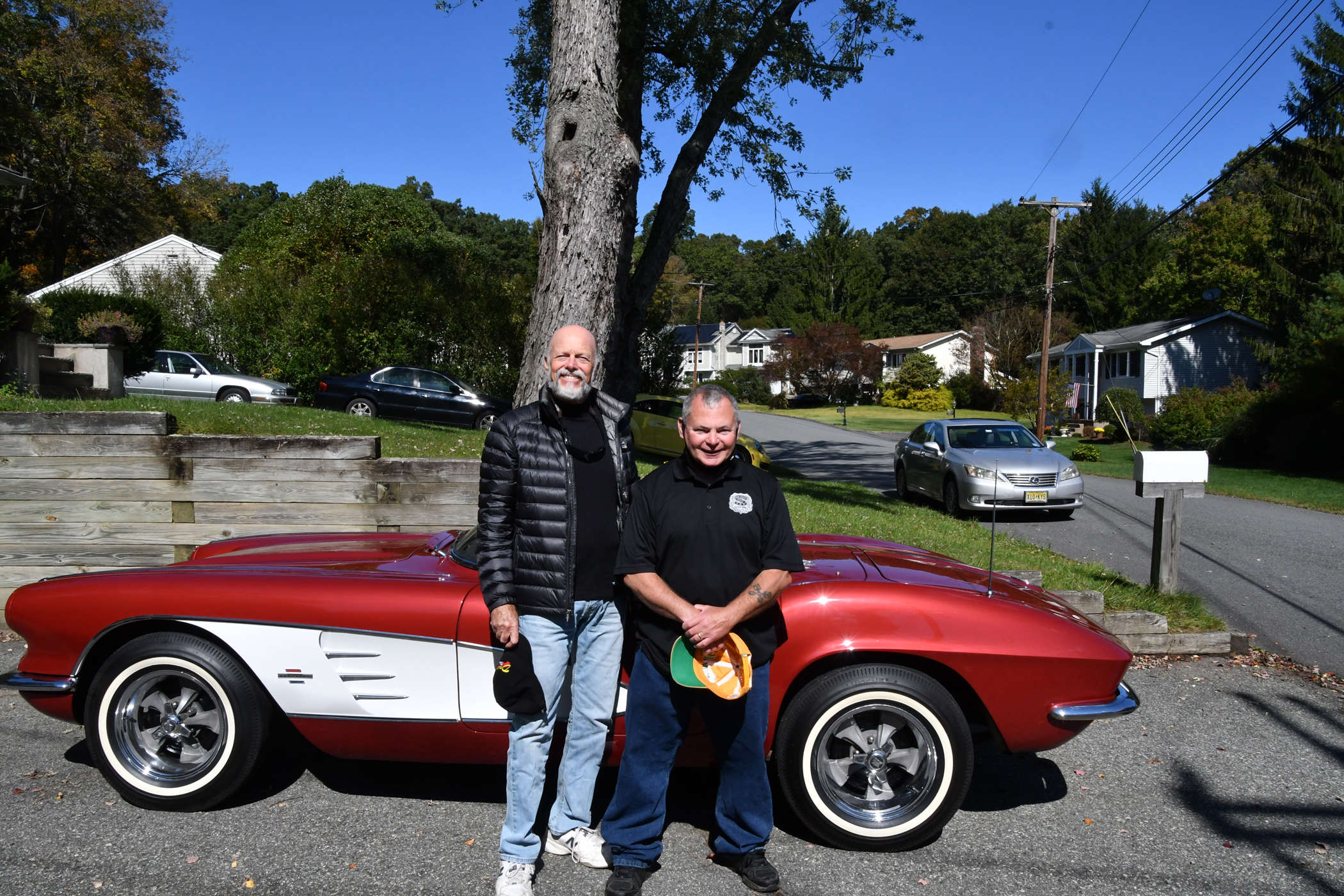
Steve in the process of confirming that my 1961 Corvette’s dual quads need help
When asked about competition, Steve recalls that when he first started just about every other town had a shop specializing in rebuilding carburetors, generators and starters. Today in the whole state of New Jersey less than a handful, maybe three or four at most, can do what Steve can do. And just what can Steve do?
Regardless of its pedigree every carburetor rebuilt by Steve enjoys the same comprehensive overhaul. It starts with a full teardown and cleaning. Steel parts go to an industrial plater. Castings are subjected to ultrasonic washing followed by glass beading and then a second ultrasonic wash. Steve says, “it not only makes a difference functionally but aesthetically as well. Aesthetics can be a big deal if the car is being shown.” With all old material and grime removed new gaskets and worn parts are replaced. With a jeweler’s eye for perfection, Steve reassembles the carburetor to the point where it is ready for final tuning after being returned to the engine.
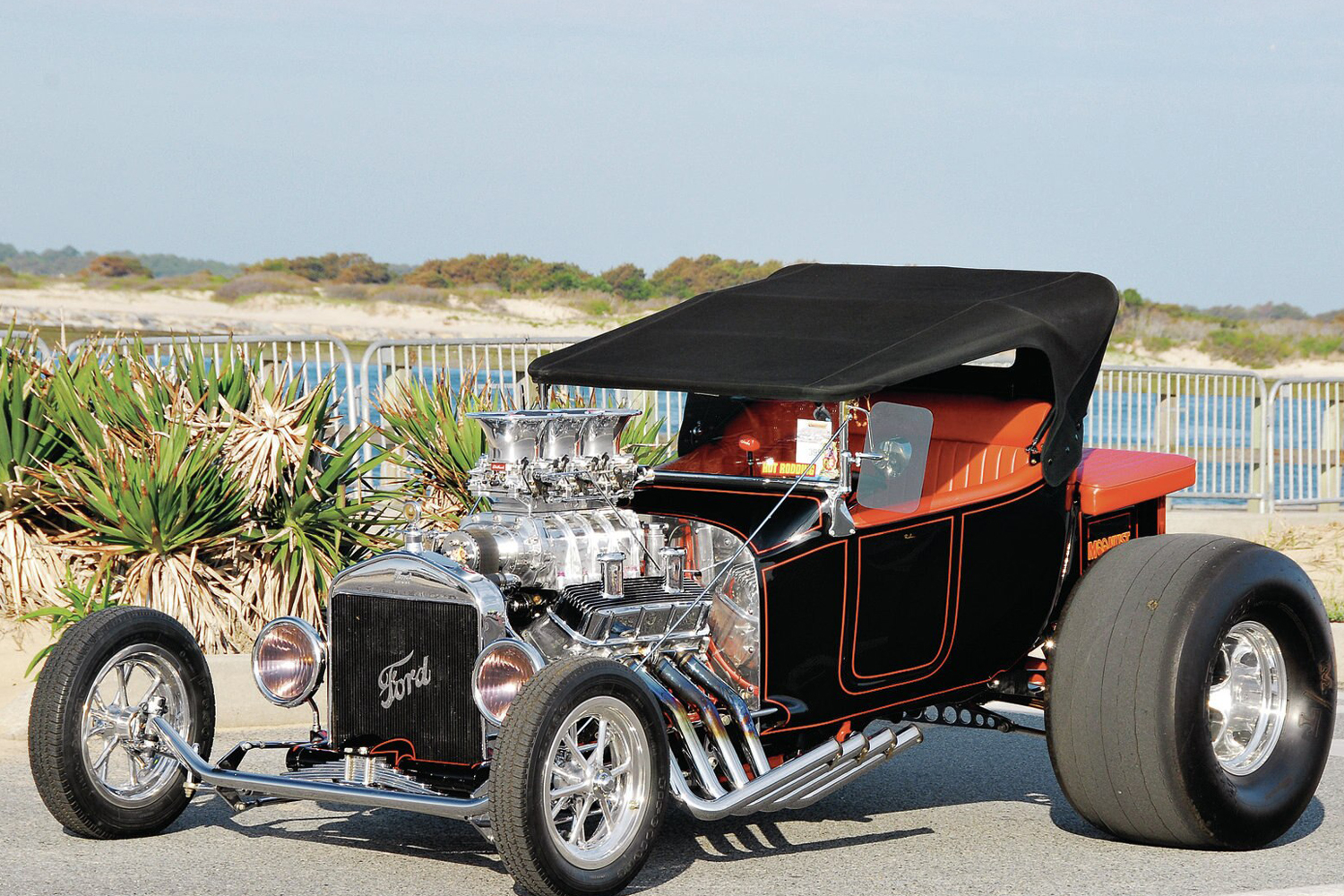
Moonkist
A recent arrival to Steve’s work bench stands out among the many custom setups from landmark vintage cars entrusted to Steve’s skilled hands. Awaiting Steve’s attention are a trio of Edelbrock 500 carburetors from “Moonkist,” a legendary T-bucket hotrod from the 1970s. Inspired by the brilliantly wicked early 1970s Randy Bianchi designed T-bucket “Sunkist,” Moonkist, built in the late 1970s featured the joint vision and skill of Bianchi and the late Willy Donato.
Admittedly, Steve had suffered from being victimized by his own obsession for perfection. For a period he would build custom tri-power systems for clients. A gifted machinist, Steve, working with stainless steel, tailored fuel logs in a variety of shapes from hex to square to round. He fabricated custom fuel lines and linkages and brackets from stainless all with a jewelry finish.
However, work for a custom client named “Mr. Skate” put the stainless steel nail in the custom tri-power coffin.
Mr. Skate approached Steve expressing a desperate desire for a custom tri-power set-up. Steve explained that he created custom systems during slow times at the shop. Skate agreed. Steve says, “It was like he hadn’t left my shop yet and he was asking when it would be done.” Skate began calling repeatedly. He would make demands saying that he needed the tri-power right away. Steve says, “I would see him at cruise nights. He would harass me with comments like ‘I’m a customer too. I want my tri-power.” Steve had had enough. Steve, to satisfy Mr. Skate, would come back to the shop at night to finish all the finely detailed custom stainless work. He delivered the system. Steve recalls, “With the system completed, Mr. Skate now had a problem with the price.” And, thus, Skate earned his name. As Steve says, “Mr. Skate was excessively frugal.”
 In looking back Steve says, “I’d make all these little pieces on the lathe and Bridgeport. They’re all stainless. I polished the heads of all the bolts and they’re all stainless. The process proved enormously time consuming. I wound up losing money. I had to stop.”
As a kind of “carburetor whisperer” Steve offers insights into the proper care and feeding of vintage carburetion. With systems like dual quads and especially tri-power Steve advises, “Every time you take the car out you have to put your foot into it. You have to open up the end carburetor(s). Steve tells the story of a guy who wanted tri-power for his Mopar though he believed that they would be a pain in the neck and a nightmare to set up. “Not true,” says Steve, “Just set them up right. It’s always one of two things. Either the linkage is out of whack or the end carburetors don’t get used and they gum up.”
To make his point Steve returns to his “favorite” customer the excessively frugal Mr. Skate with his tri-power. Steve says, “He came in and wanted me to show him how far down he could push the gas pedal before the end carbs kicked in. He didn’t want to waste gas.”
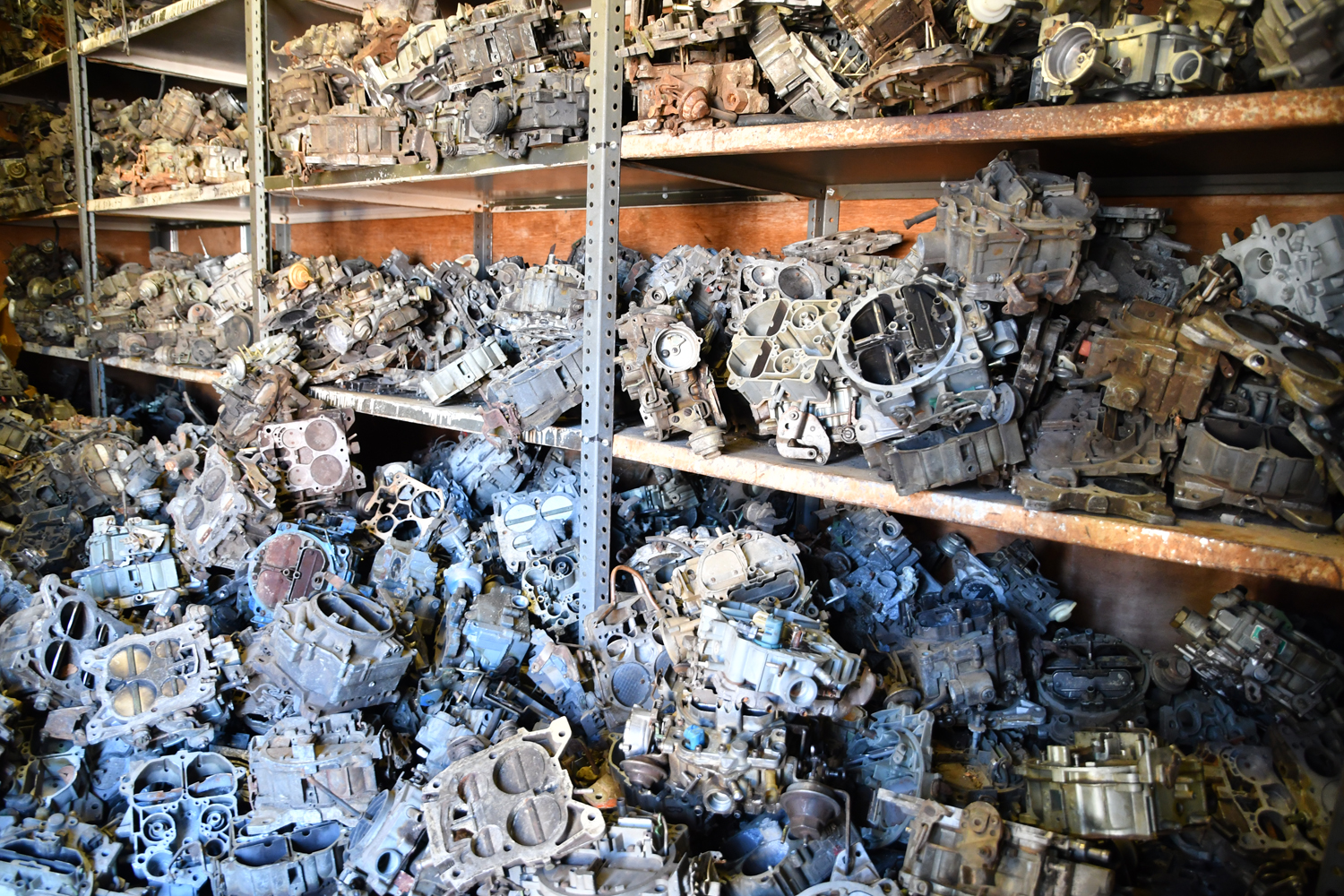
In walking around Steve’s shop a respectable pile of old carburetors fills a corner. When called to his attention Steve just laughs and opens a door to his back lot. Outside a shipping container roughly nine feet high and 55 ft. in length fills a side of his parking lot. Unlocking an access door reveals shelves lining the full length on both sides filled with old carburetors. But wait there’s more! Having exhausted all shelf capacity, a thigh-high snow drift of old carbs cover the floor for the length of the container. Steve utters a self-deprecating laugh as he explains the calls he gets from the children of deceased mechanics or downsizing hobbyists with boxes of old carburetors looking for a new home. “I never say no,” says Steve. Reflecting on his past misjudgment, Steve recalls his total confidence in knowing that when he bought the container he could never exceed its cavernous capacity.
When asked about the future of carburetor repair Steve says that even if someone has the desire to learn it, so much can no longer be picked up in everyday work experience. He laughs saying that he has float levels for generations of carburetors committed to memory.
Steve also makes a point of acknowledging the help he received along the way. He gives great credit to an older friend he recalls as being a big brother when he needed one. His friend, Charlie, generously shared his extensive technical knowledge and commitment to excellence in welding, painting and engine work. Turning serious for a moment, Steve slows to give emphasis to his words, “Everything I do and how well I do it has its foundation in everything Charlie taught me.”
When asked about his future Steve says, “I am going to continue doing antique carburetor work. Maybe someday I’ll retire but not now.
Time spent with a remaining artisan like Carburetor Steve triggers recollections of an earlier era when appreciation and respect was rightfully accorded the honest labor, commitment to excellence and pride associated with the mastery of a craft. As well, it reminds us how good we feel when in the presence of such mastery.












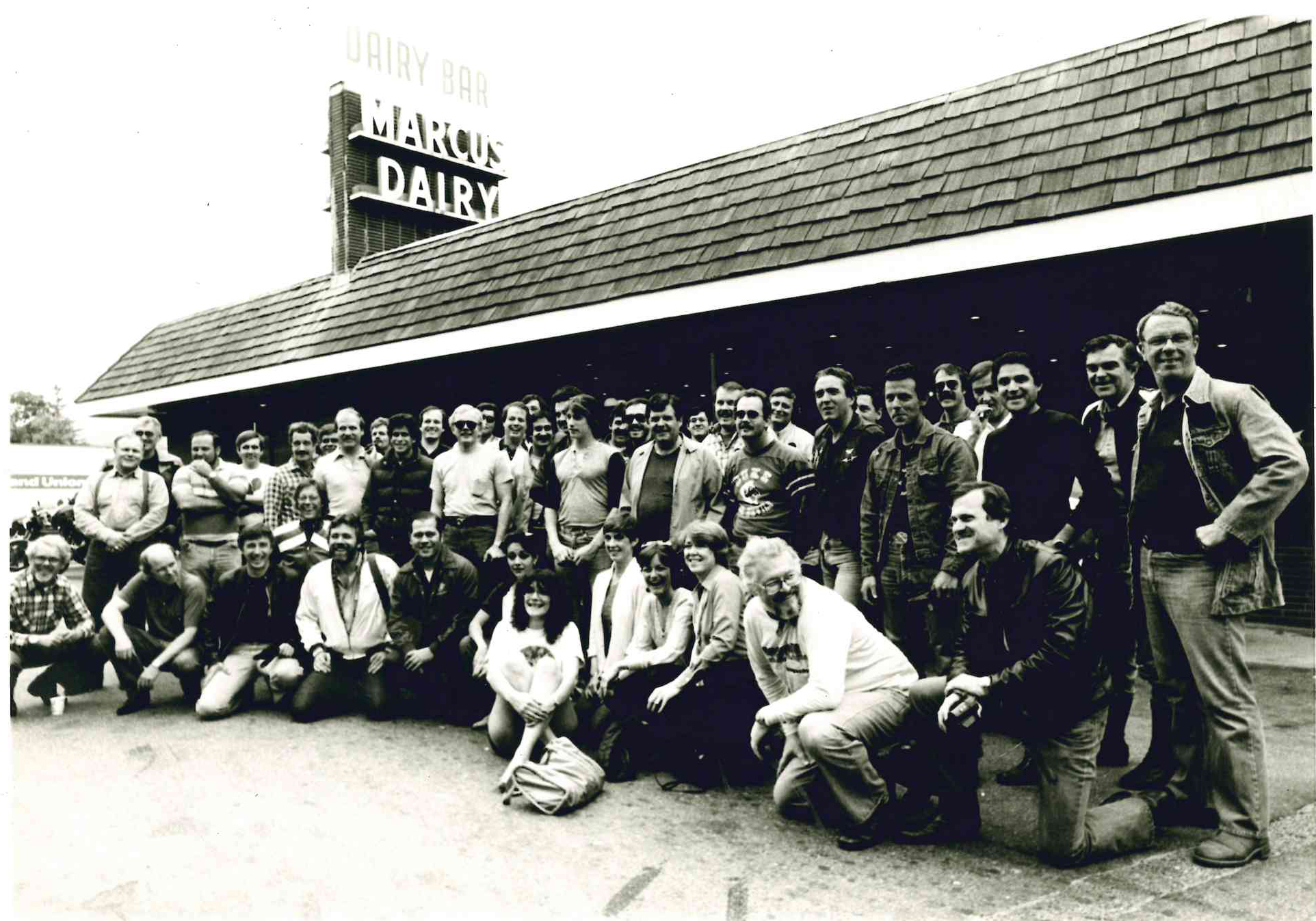
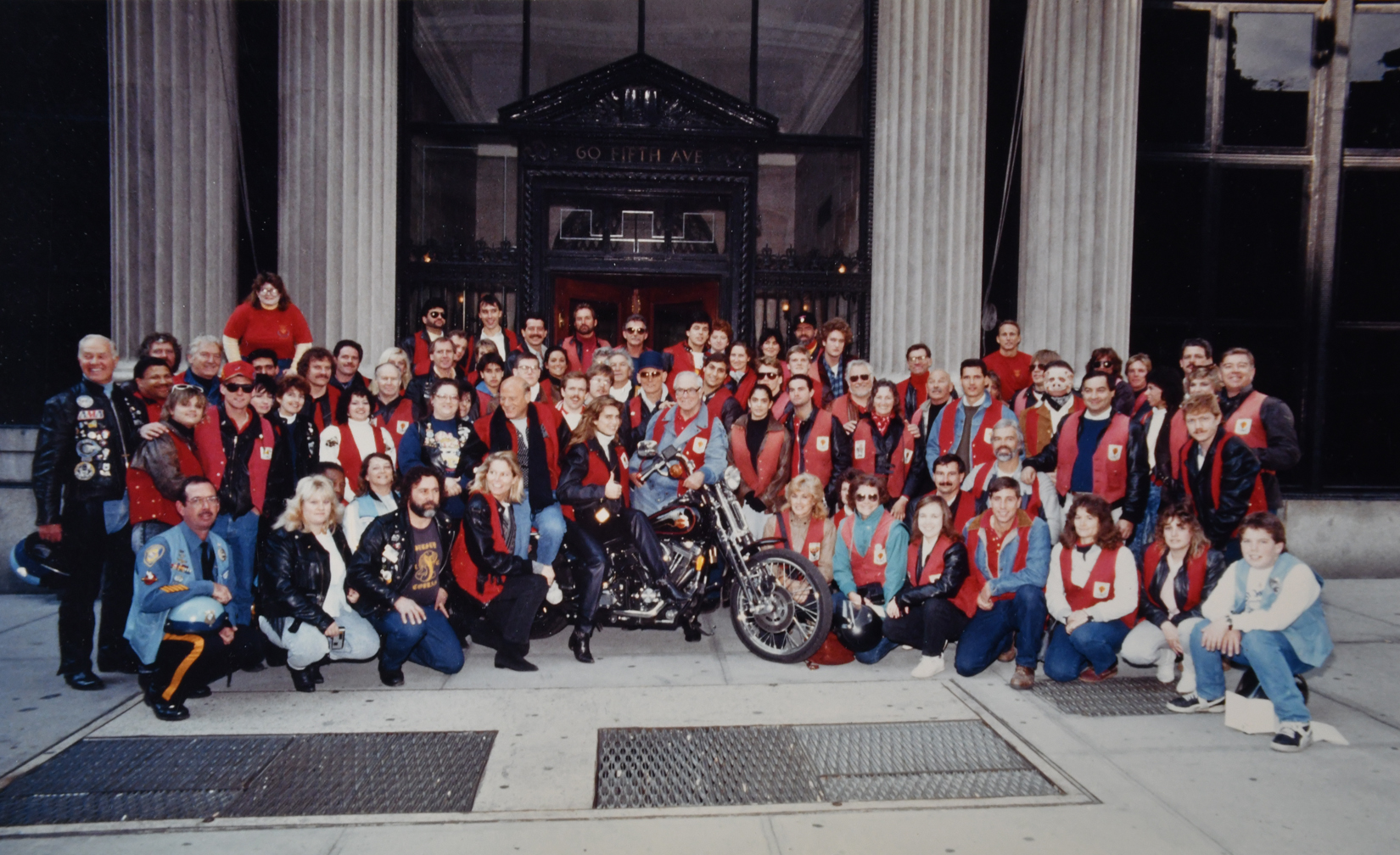
 f Danger” as a group could only have been born in the halcyon days of the later 20th century when automobile accounts pumped excitement and money into advertising agencies and magazines. Populated with automobile and motorcycle racing champions, automotive industry leaders, creative minds from advertising and publishing and gifted free spirits, the “Sons of Danger” roster boasted a selective coast to coast who’s who of fun loving motorheads. Those who belonged included cultural icons such as Malcolm Forbes; Paul Newman; Olympian Bart Conner; writers Brock Yates, P. J. O’Rourke and David E. Davis; champion drivers Dan Gurney, Kenny Bernstein, Don Garlits, Tom Sneva, Sam Hanks and Steve “Yogi” Behr; and Corvette designer Larry Shinoda. The list goes on. Membership could not be requested. It could only be offered.
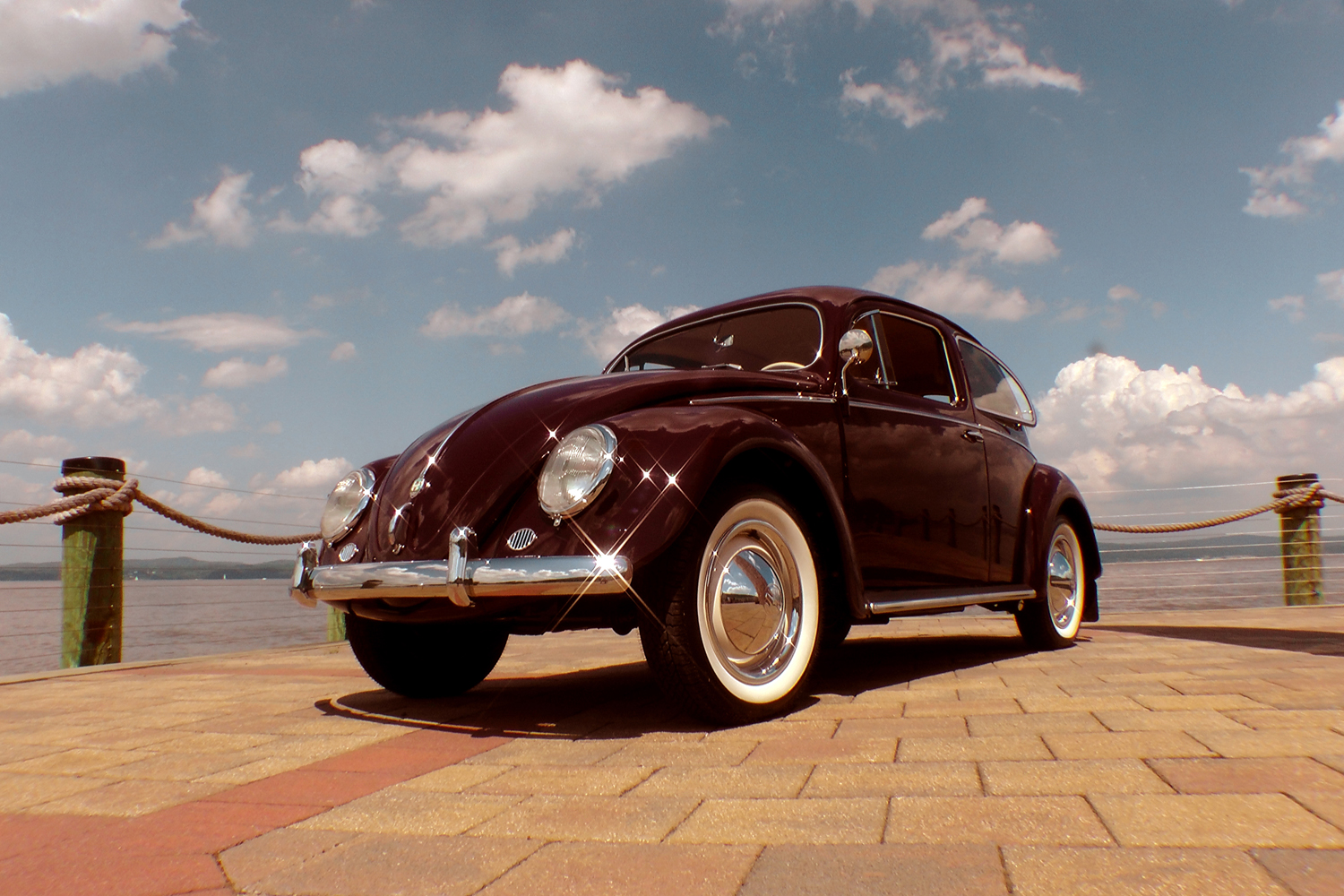
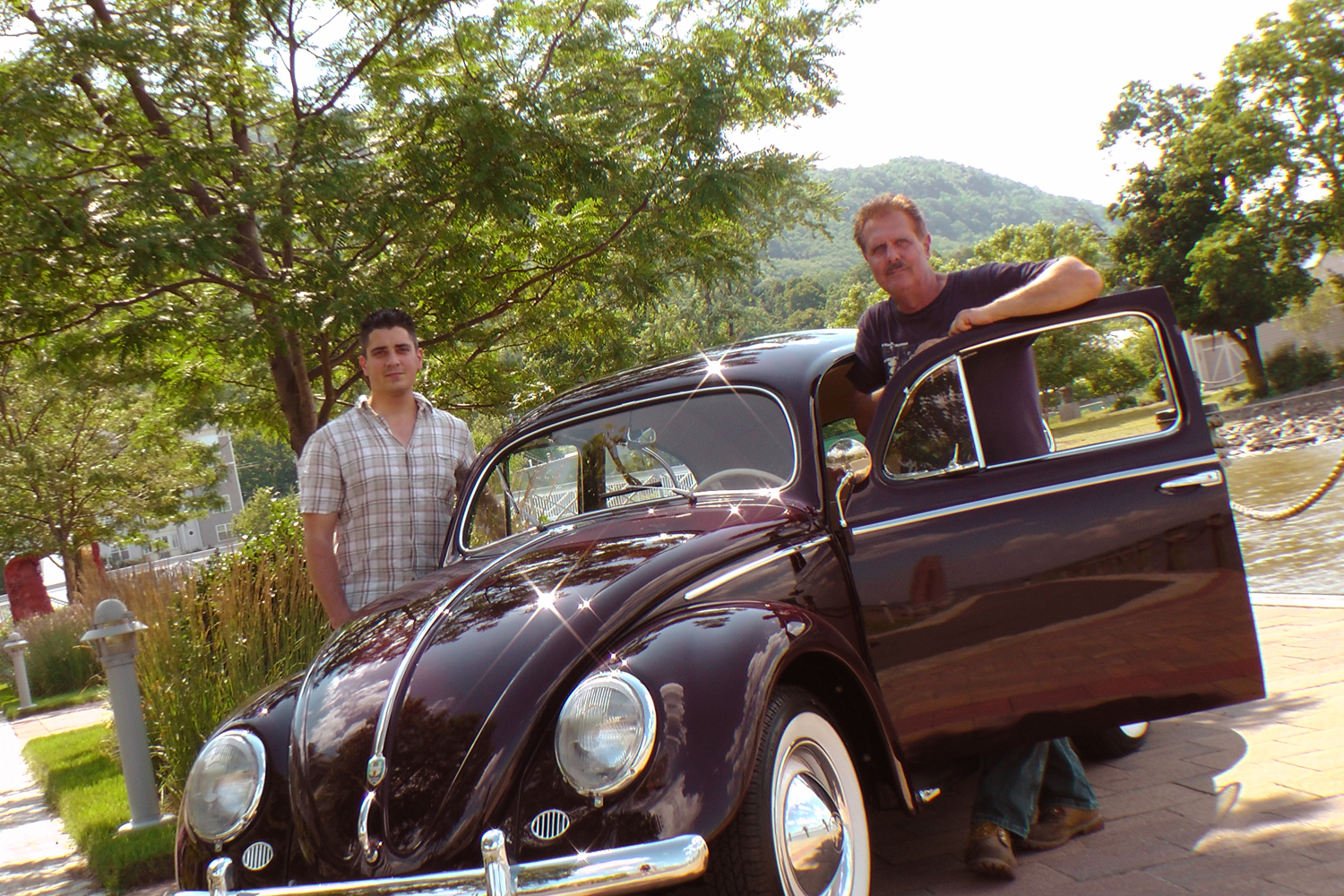
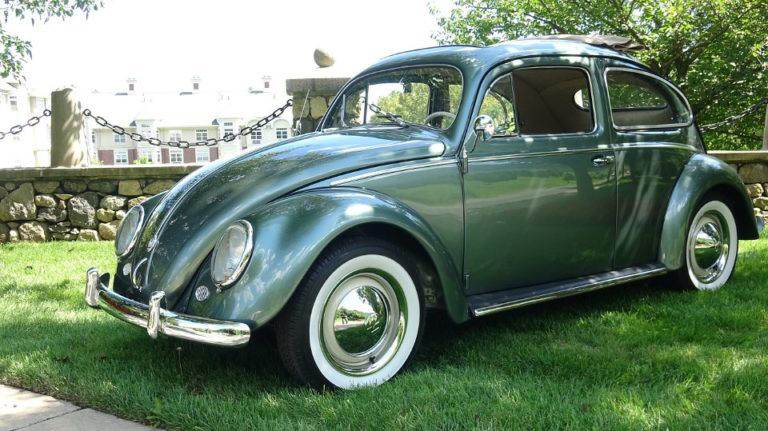

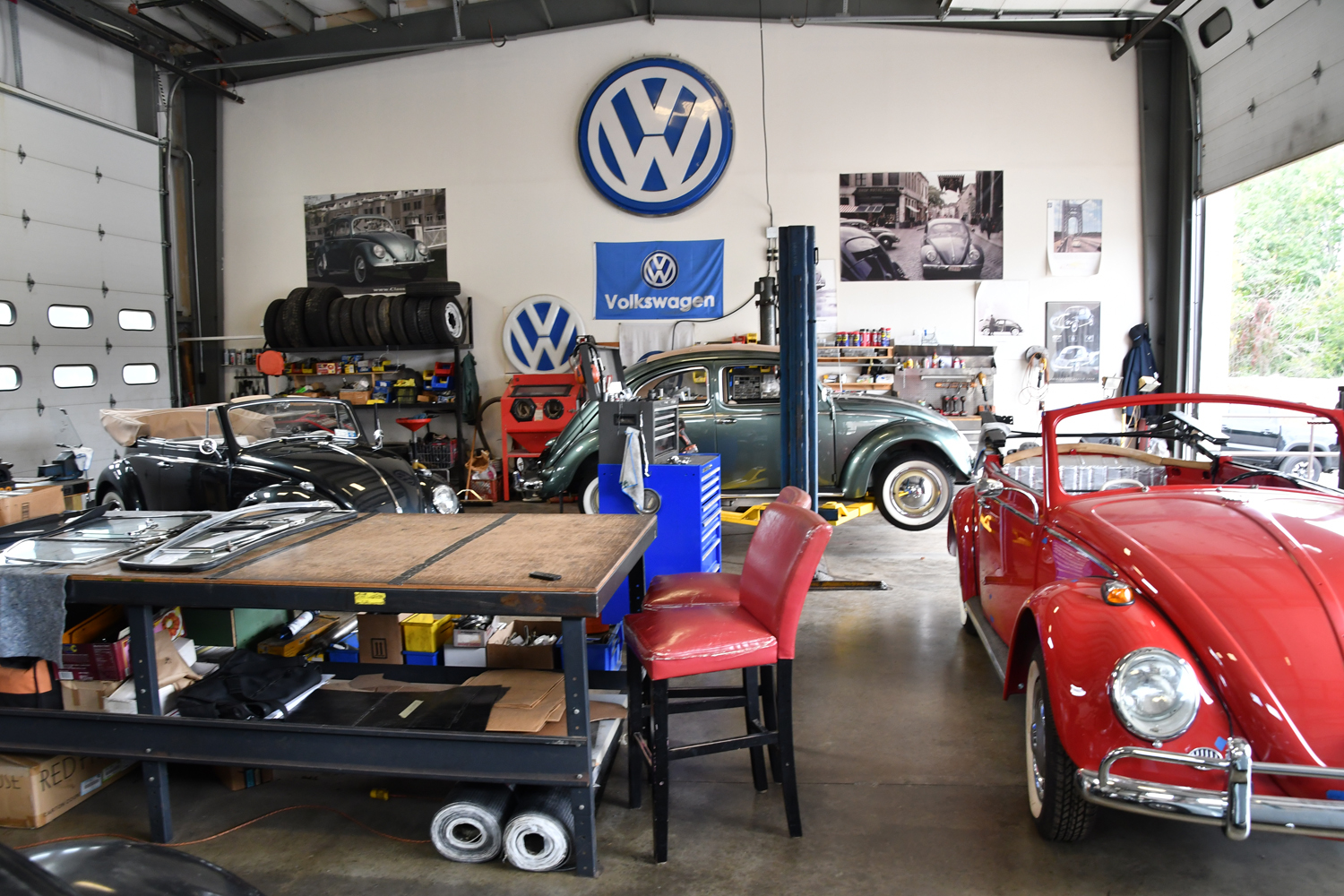
 Chris sees this trend inspired by a motivation quite different from say the muscle car or resto-mod markets. He says, “To a significant degree it is nostalgia driven.” Chris senior says, “People’s youthful personal experiences wove the Beetle into the fabric of their soul. It remains there today.”
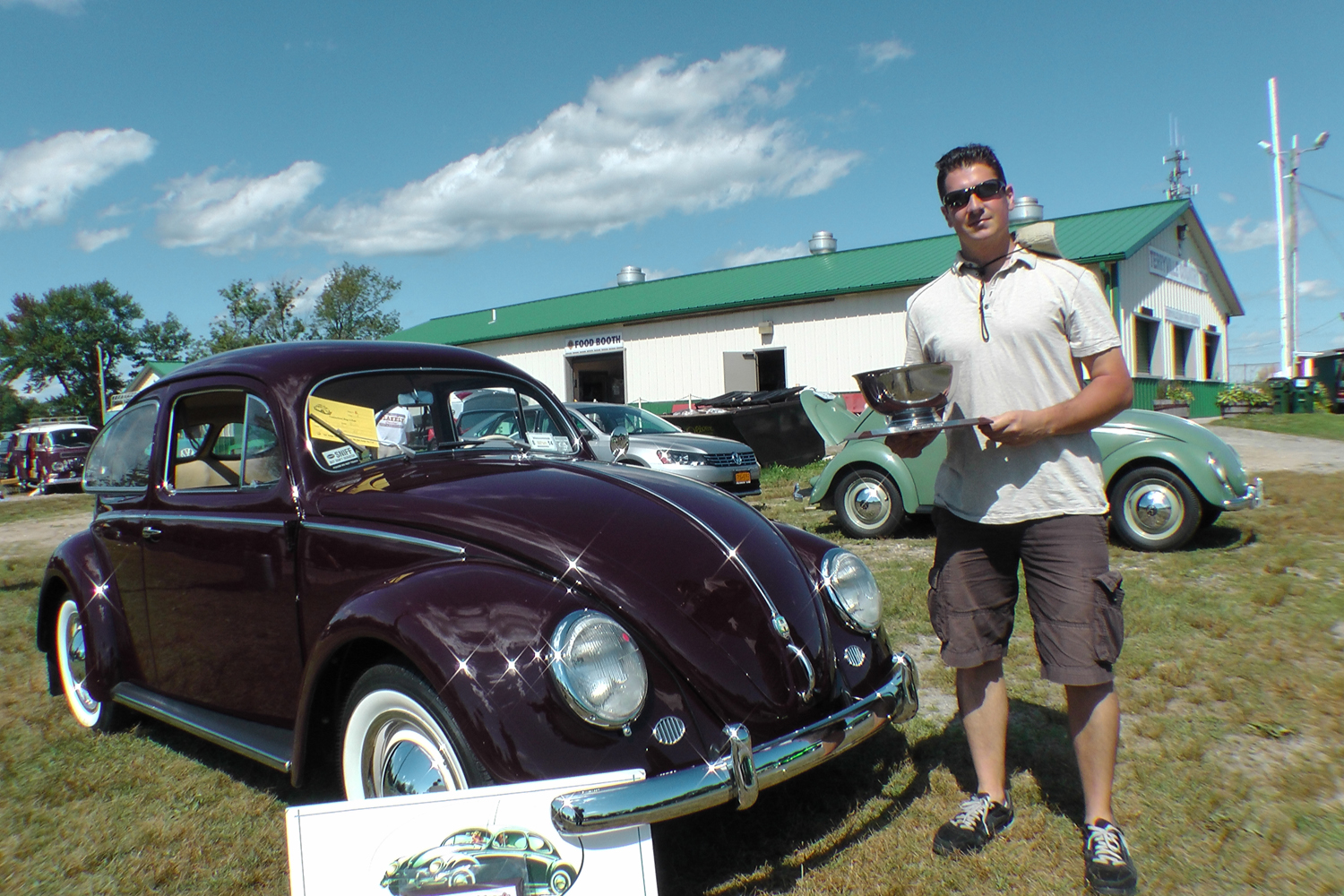 this past summer when a clearly satisfied Seinfeld brought another Beetle to Chris’s shop. Chris took the opportunity to ask Seinfeld how he found Classic VW Bugs. Chris says, “Sure enough it was YouTube.”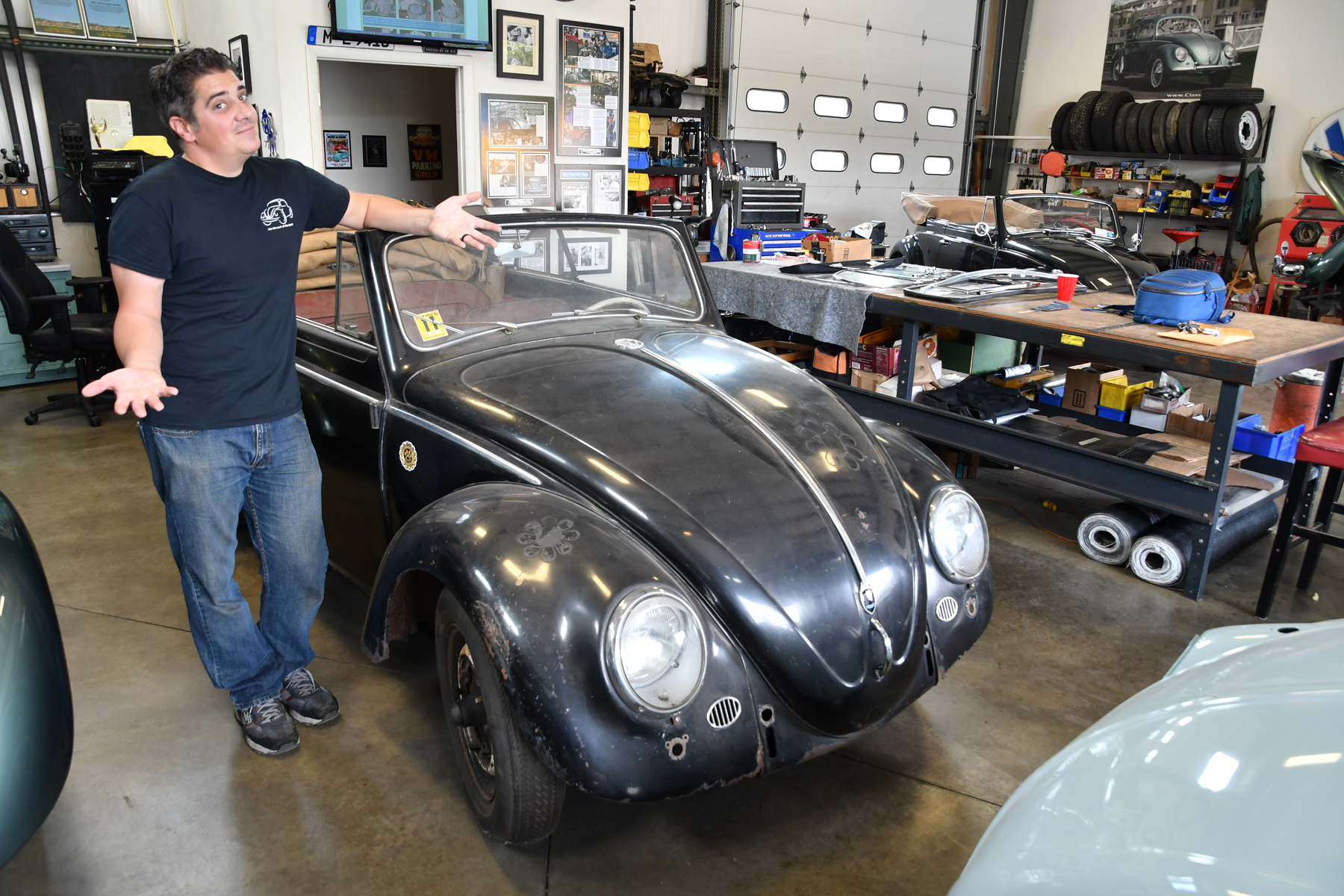
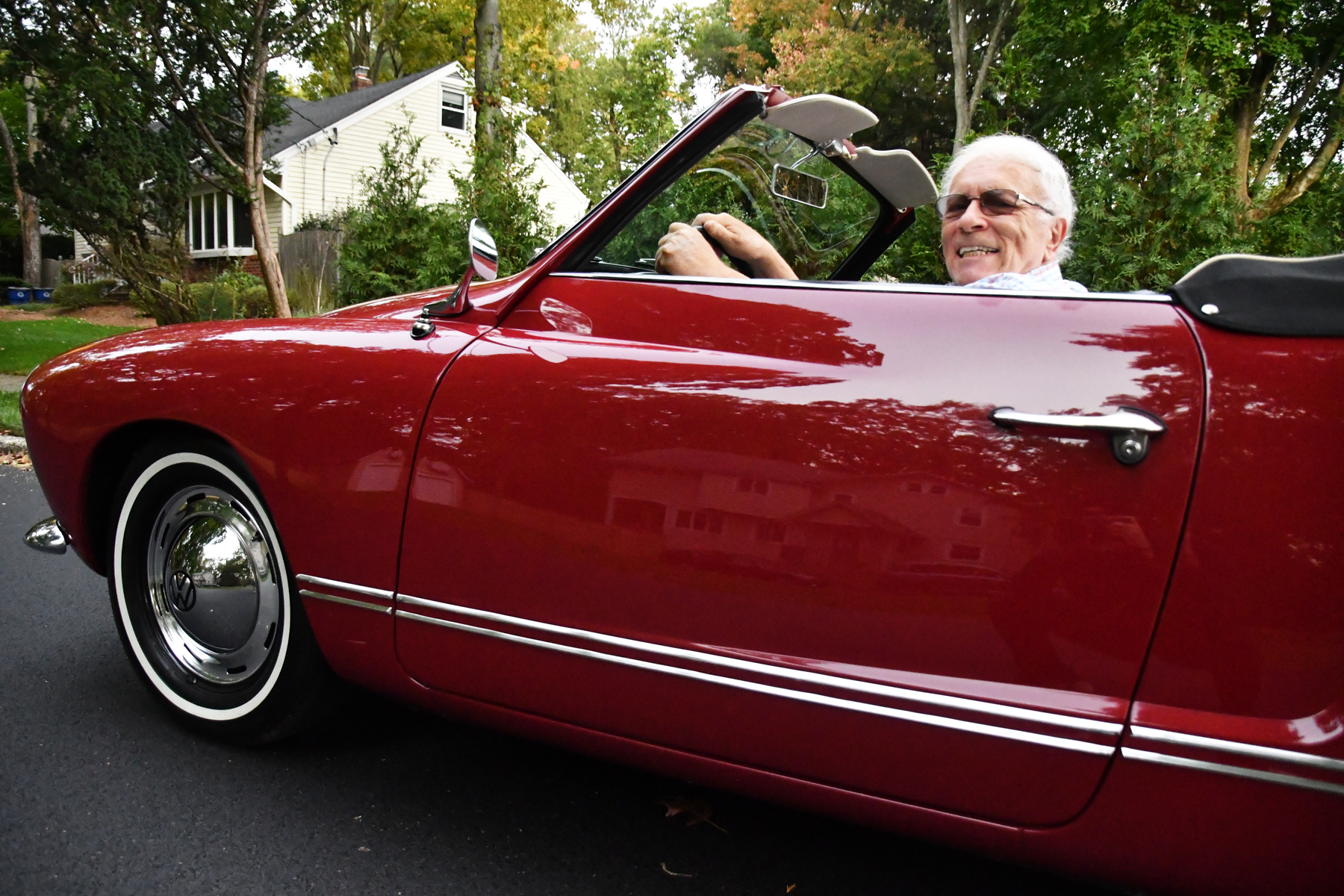

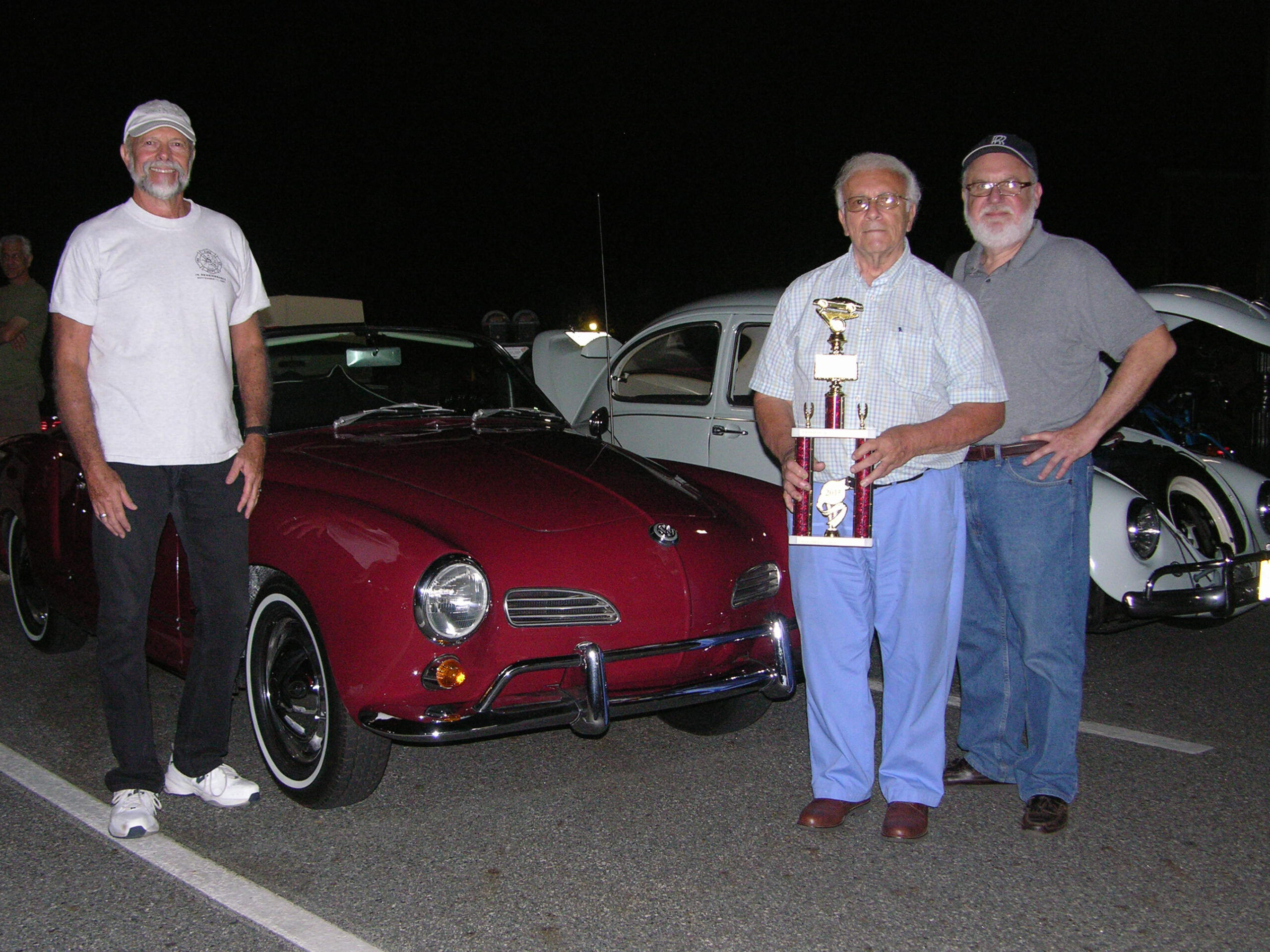
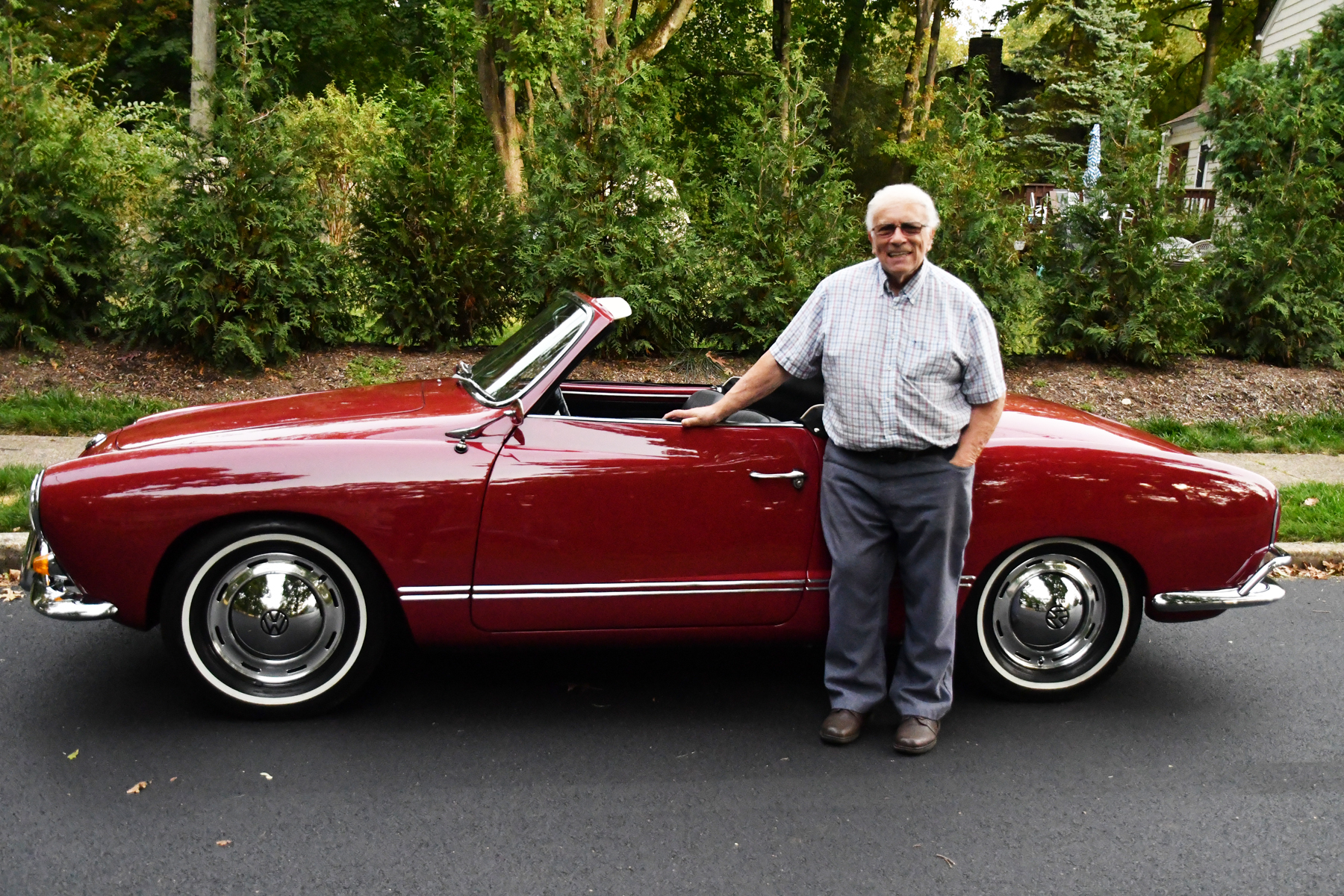
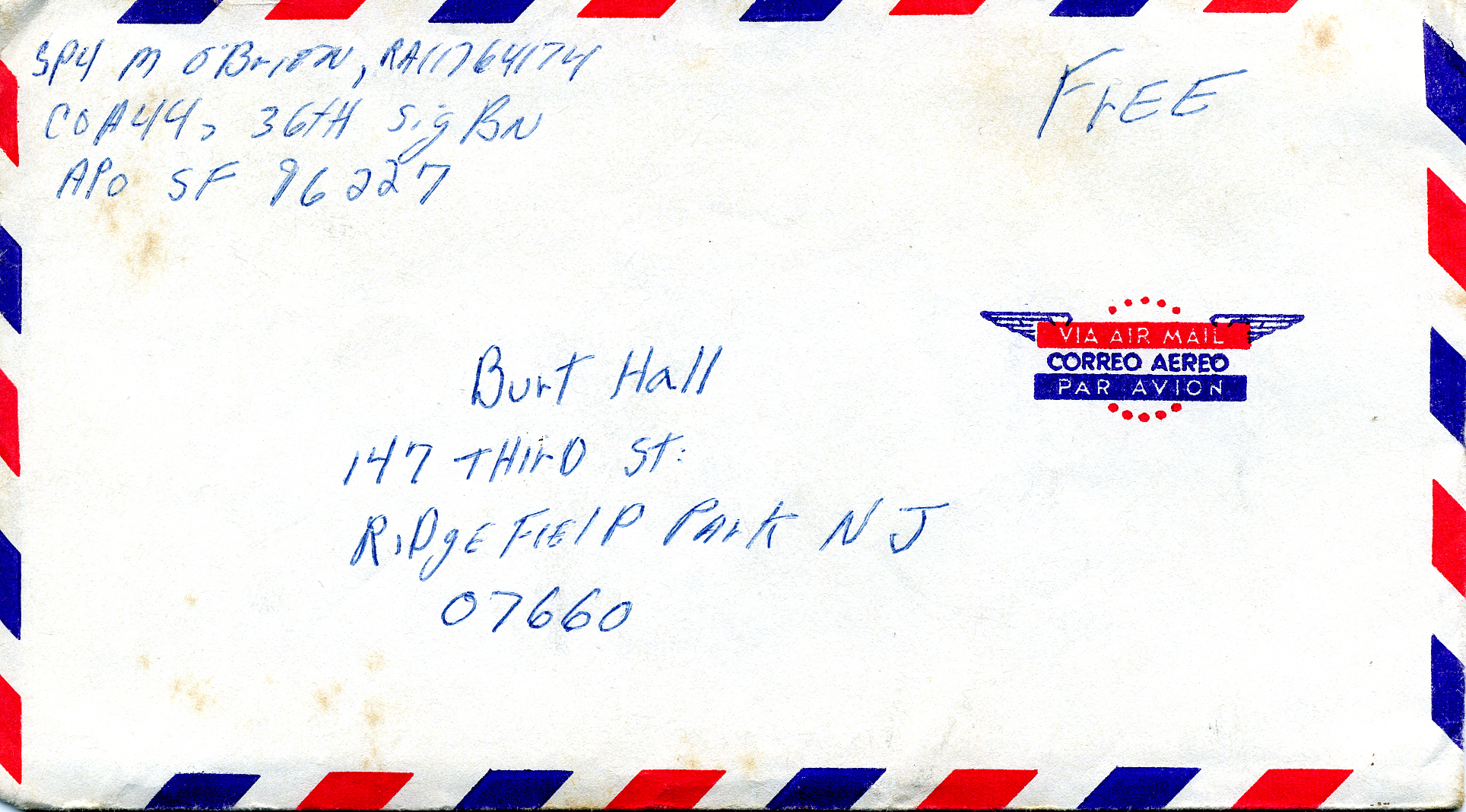
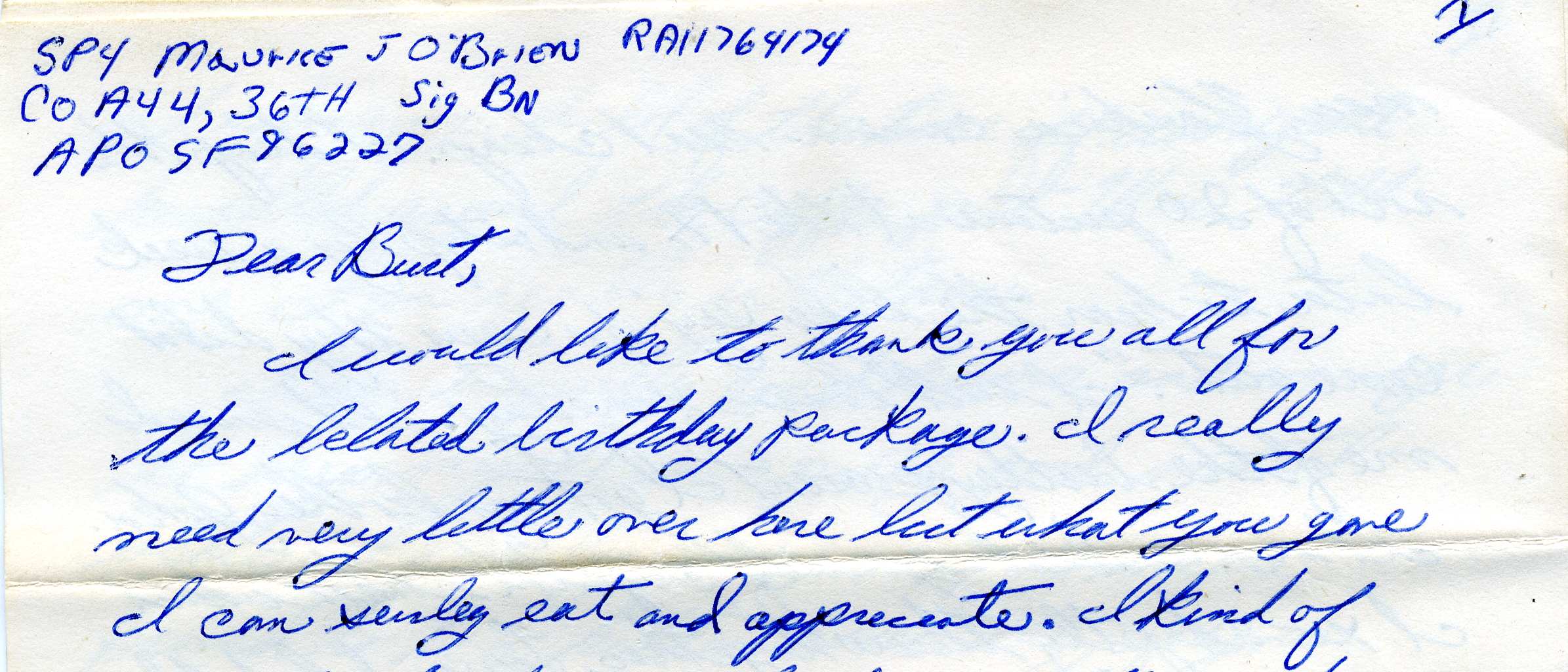 reports in his voice from the engine room of the southeast Asia war machine. Their content expressed details all at once funny, intensely personal and profound in their worldly perspective.
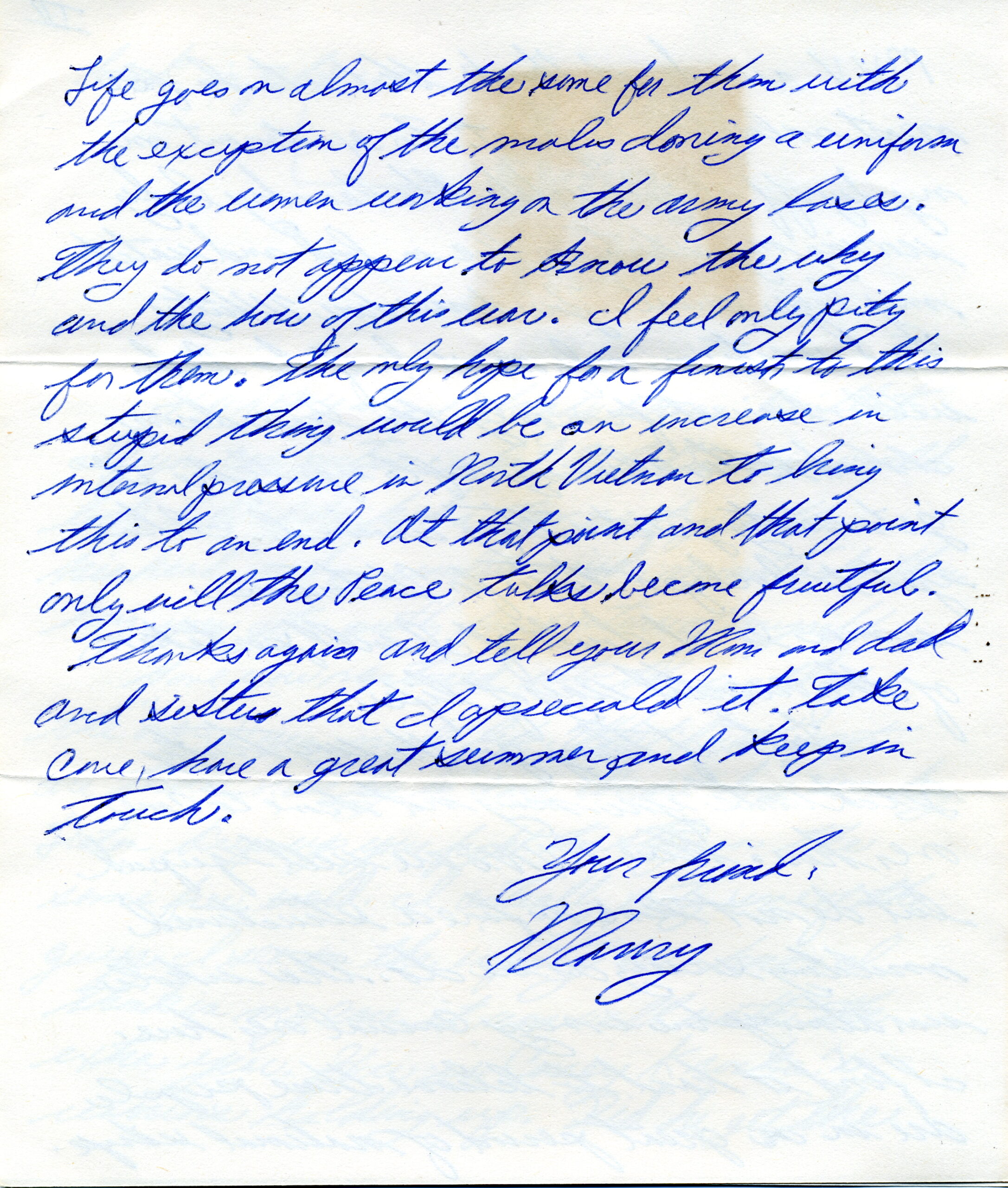 His observations of the world around him in 1969 are worth quoting. He wrote, “I find it hard to believe these people (South Vietnamese) are in a great period of national strife. Life goes on the same for them except the males are donning a uniform and the women work at the army base. They do not appear to know the why and the how of this war. I feel only pity for them. The only hope for a finish to this stupid thing will be an increase in pressure in North Vietnam to bring this thing to an end. At that point and that point only will the peace talks become fruitful.”