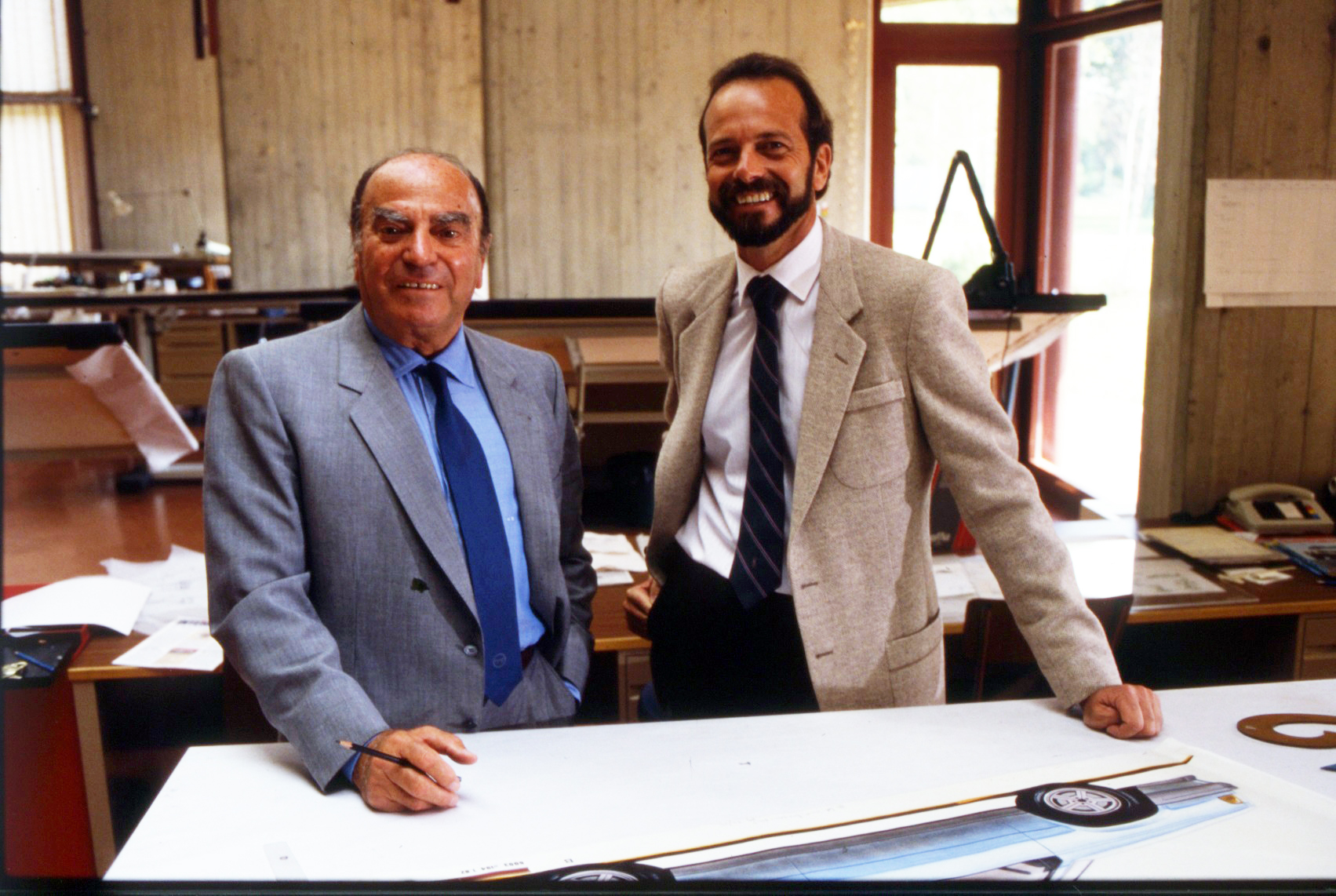
Conversations With people We Value #21
Nowadays conversations about things that have traditionally mattered to those having the discussion often deteriorate into a bemoaning of the unchecked disappearance of the topic of interest in question. Whether products displaying exceptional craftsmanship or the skilled craftspeople possessing the ability to produce the superior product, both seem to live in the crosshairs of a culture fast losing its appreciation for hand crafted excellence.
In the face of such a perceived depressing trend, a rare feel good story came out of the pandemic that featured a world-class company renowned for producing premium trade show displays.
Though suffering a considerable loss of work from Covid-19 cancellations, the business, with a belief in better times returning, turned its attention to ensuring that it retained its staff of highly skilled craftsmen. With great hope for a better future when the world would return to normal, they allowed their imagination to stray way outside the box. Their brainstorming gave birth to an inspired plan to keep their highly respected craftsmen working, preserve a part of iconic Americana and possibly creating a new market opportunity. They would turn their craftsmen loose on restoring and updating vintage Airstream trailers.
Meet Dimensional Worldwide.
An inspired venture to preserve American craftsmanship and vintage Airstream trailers
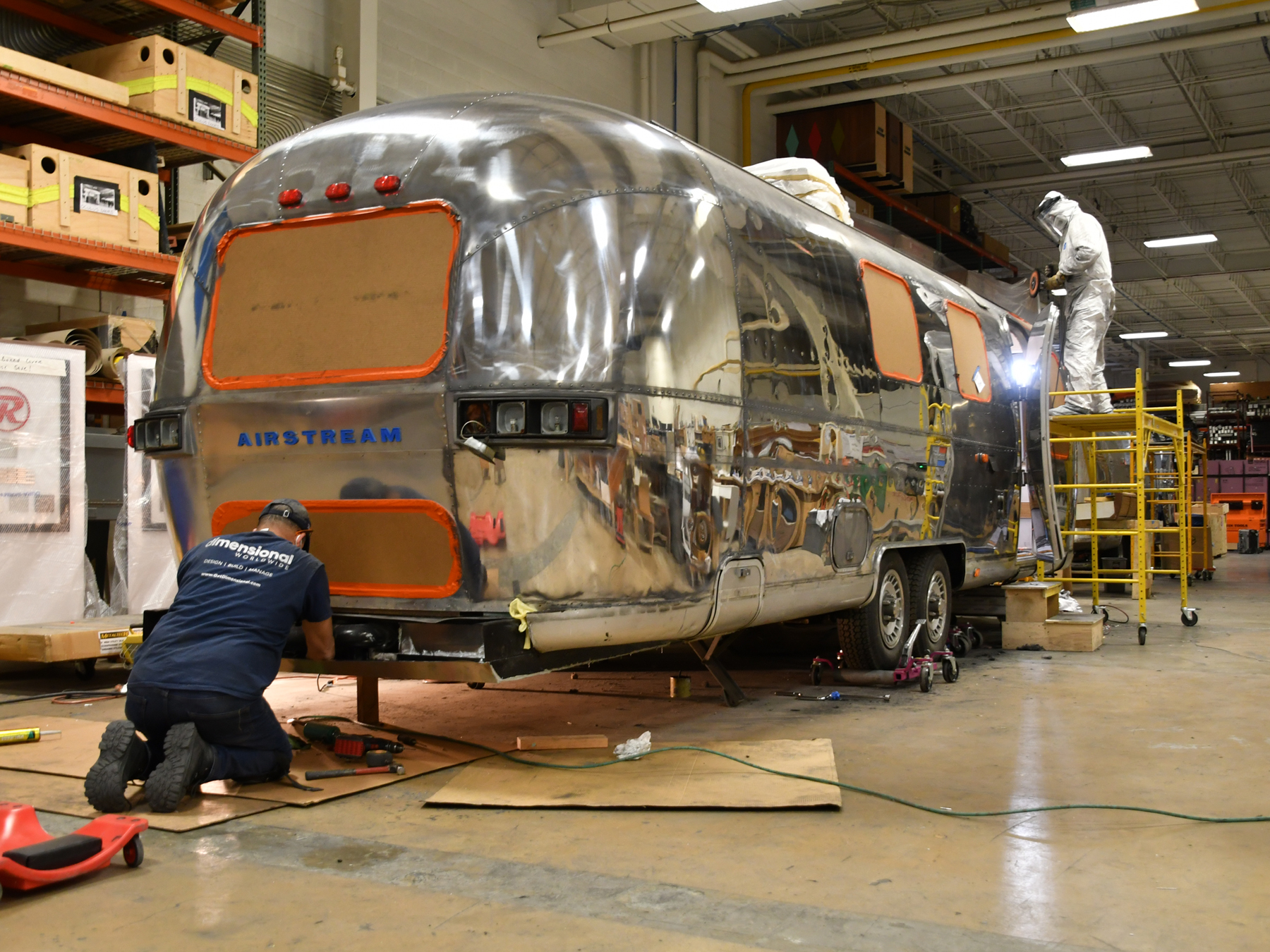
Unbeknownst to all involved, the actual seminal moment for the vintage Airstream venture came when Dimensional Worldwide executive Lee Martindell asked Company President Doug Fixell if, during the Covid downturn, he could employ the company’s presently underutilized stable of skilled craftsman to rebuild his personal 1959 Airstream trailer. Martindell says, with the great skills our guys have, there was no reason our guys could not do the whole thing.” Fixell agreed saying that hours would be logged and Martindell would be billed. The agreement poised to unleash a torrent of talented carpenters, cabinet makers, metal workers, electricians. painters and printers on Martindell’s 1959 Airstream.
In recognizing the potential of this suddenly activated high quality Airstream restoration juggernaut, Martindell’s imagination took a leap. He approached fellow company executive Karen Samnick with one of those “this may be crazy but, what do you think” blue sky thoughts.
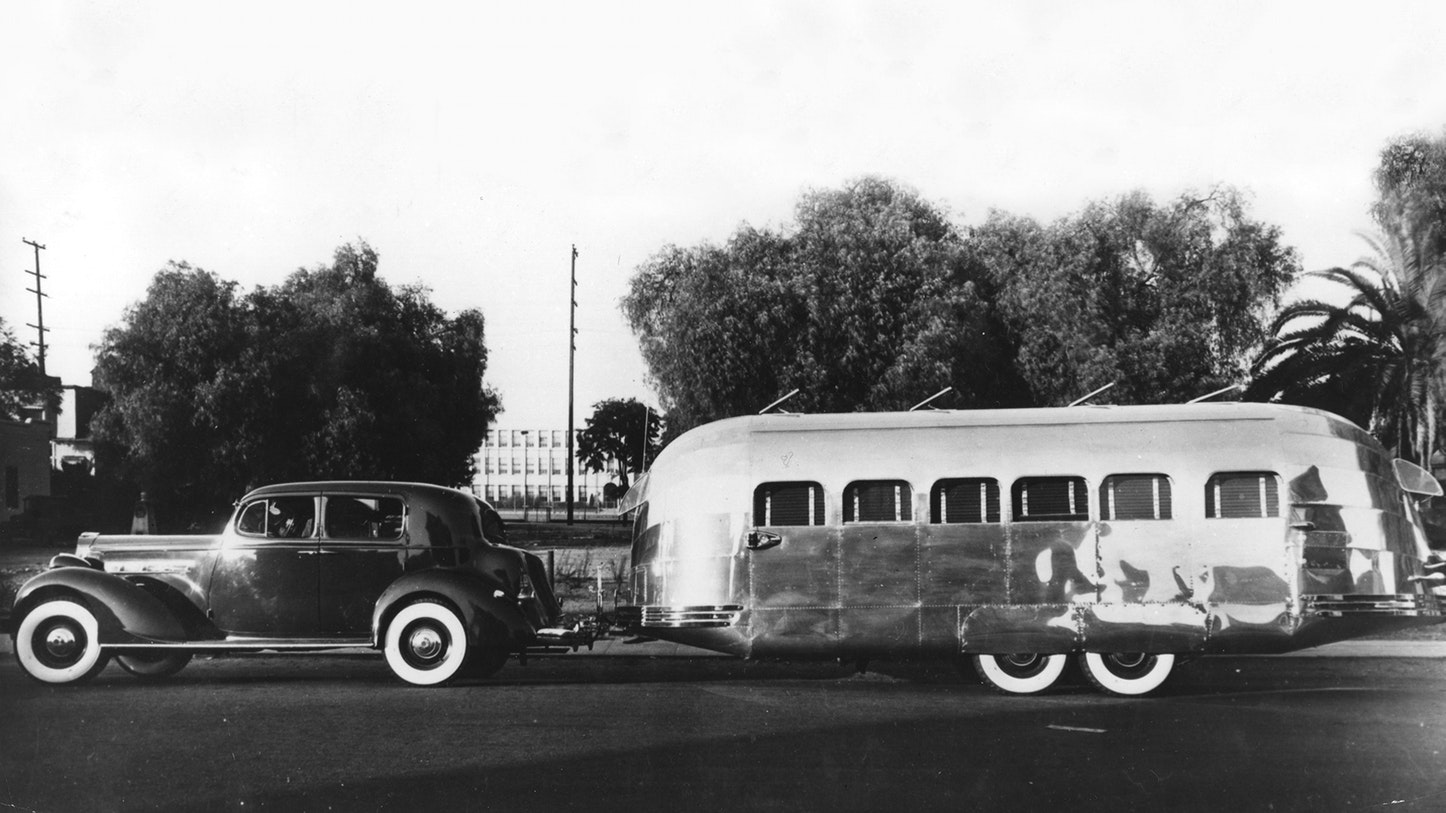
1936 Airstream trailer
Historically the original brainchild of Oregon native Wally Byam, Airstream trailers always had a following dating back to Airstream’s beginnings in 1931. They originated with a DIY Popular Mechanics article written by Byam on how to build the trailer. Soon people asked him to build the trailer for them. Airstream as a business came to life.
Since the beginning, Airstreams have earned an extraordinary reputation for longevity built on the quality of their materials and construction. Byam’s design focused on function with aerodynamics and low weight being critical design objectives. Airstream’s signature steel frame featured a riveted aircraft quality aluminum hard shell ensuring Byam achieved his desired superior strength and light weight.
Martindell suggested to Karen, “What if we went down the rabbit hole and restored vintage Airstreams as a business?” Initially aghast, Samnick’s says, her first thought was, “We are going to search for and work on trailers that have had more mice in them than people in the last, you know, decade or two?.”
However, Samnick quickly warmed to the idea as Airstream owner Martindell’s deep affection for Airstream trailers and the associated culture of quality and commitment that surrounds them took hold of her imagination. Samnick says, “So I am listening to Lee tell the story of why people like these trailers and what this world of Airstream people is really like. Then, the next day we are going to a meeting out in Montauk. We pass an RV trailer park, and there’s literally a bazillion Airstream trailers. I do a little quick research and find that you can’t even get a reservation. It’s all booked.”. That was enough for Samnick. She was sold on the idea.
With Karen on board Martindell pitched it to President Fixell. Without hesitation Fixell’s replied, “Great let’s do it.”
However, Martindell and his team quickly realized that the search for a solid east coast trailer would closely parallel the search for a solid vintage car not riddled with damage and deterioration. That said, the Airstream aluminum body represented a significant plus.
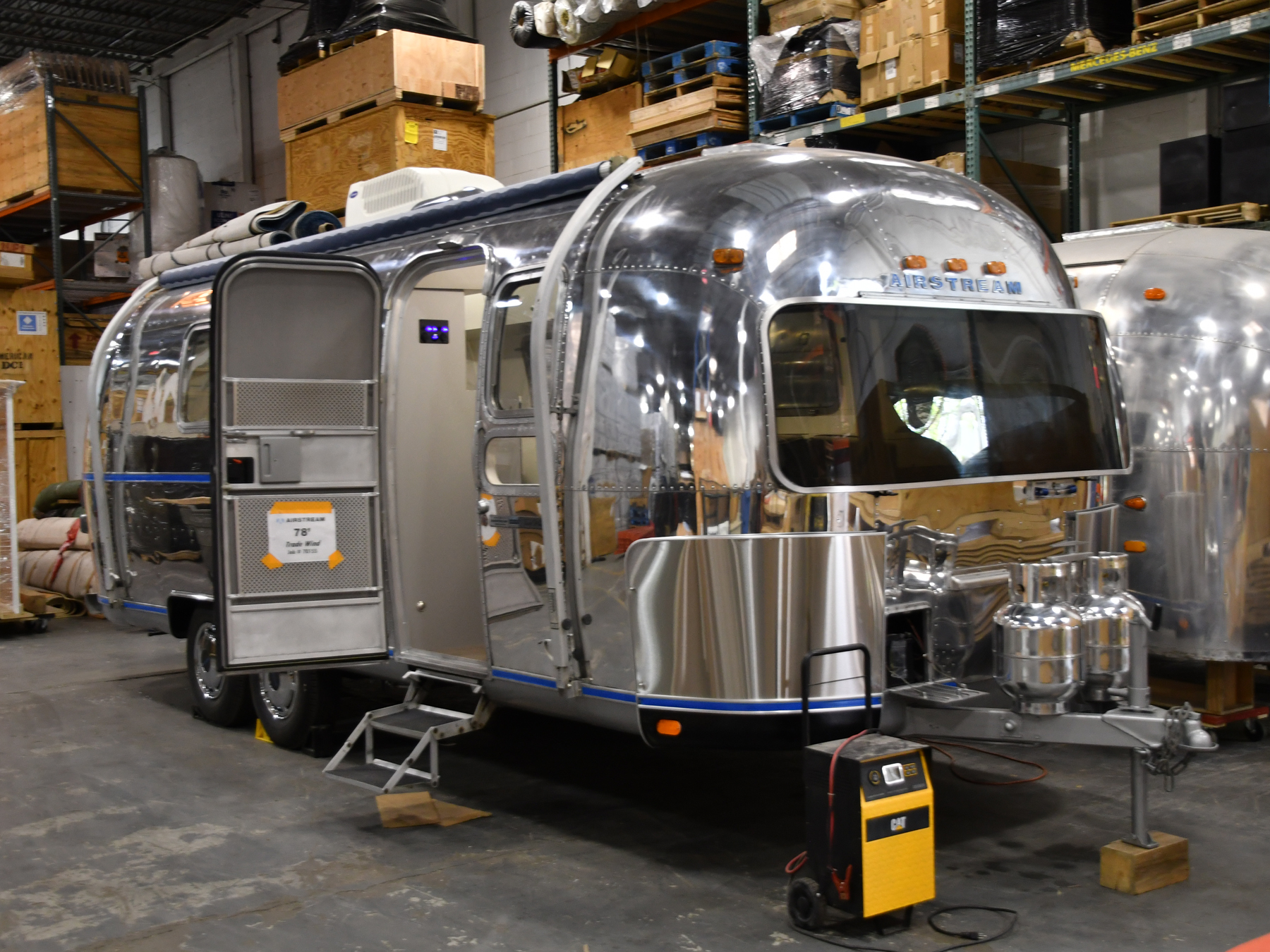 While being very particular in the quality of the trailers selected, success was realized with three being purchased. (1968, 1975, 1978)
At this point President Fixell had an epiphany. Fixell realized that it did not make sense for Dimensional to sell the trailers. They needed to establish a brand. They needed to create an entity dedicated to marketing and selling the restored Airstreams. Thus, Rivet Custom LLC came to life as the home of high quality restored vintage Airstream trailers.
As the Rivet vision morphed into reality the wisdom of its creation quickly displayed itself.
Martindell says, “We knew that even with no work in the shop or on the horizon, these guys were so talented, so special, that if we laid them off we were not getting them back. Not only are they skilled craftsman but, they are also really good people. The kind of quality individuals you want as the foundation of your organization.”
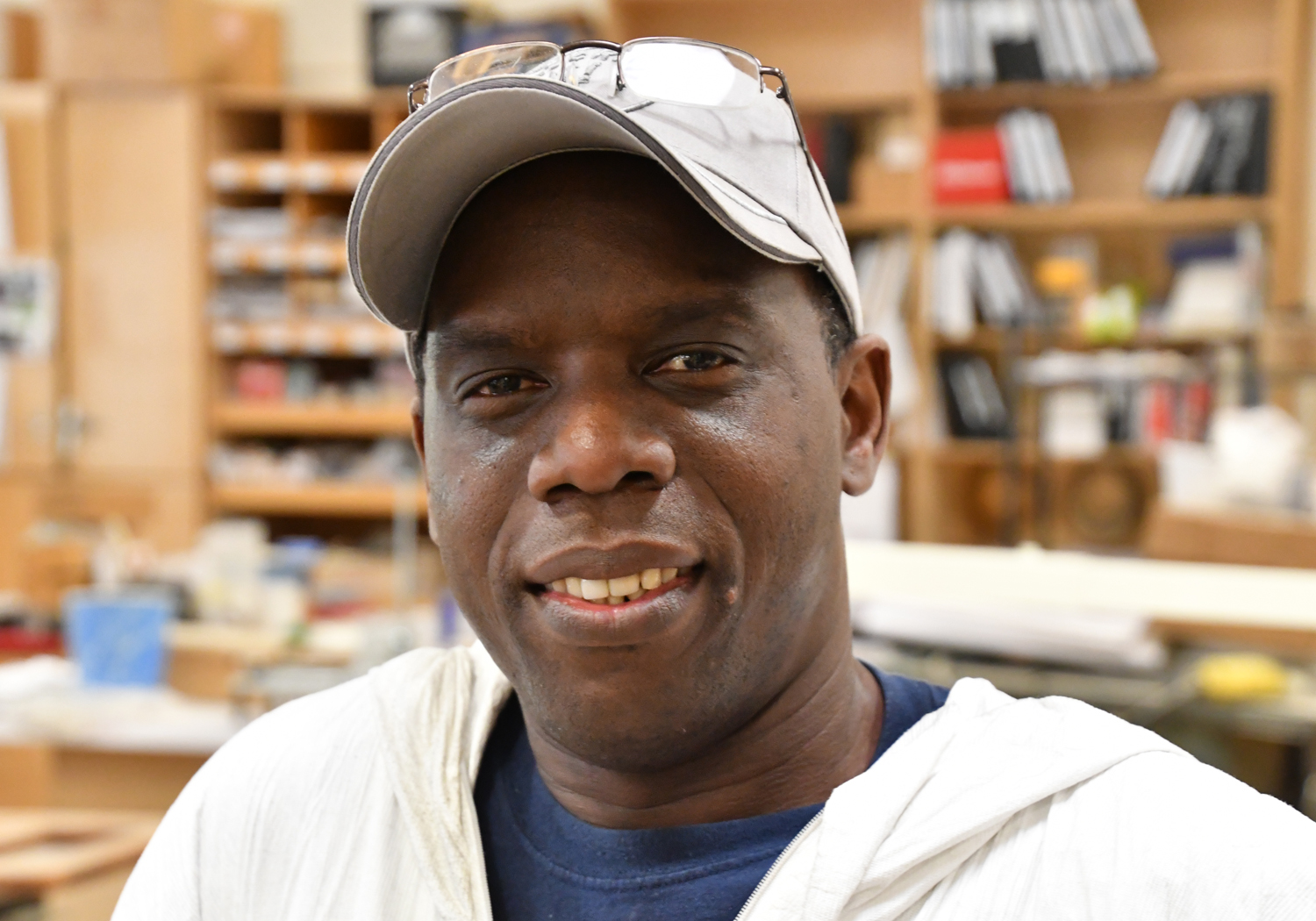
Fitzroy Hutchinson
Craftsman Fitzroy Hutchinson says, “ With the Covid lockdown we were all scared that we would lose our jobs.” Hutchinson’s last employer closed for good in 2009 when the economy took a nose dive. Hutchinson had worked there for 17 years. Being laid off deeply concerned all of the Dimensional staff.
Plant manager and super skilled craftsman Jerry Cardillo says, “As to Lee’s crazy Airstream plan, needless to say it excited the guys to have an alternative to having no work.” Initially some of the guys had known about Airstream trailers, other guys had no clue.
Hutchinson ads, “We quickly got the hang of it and, then, the fun began.” The Airstream adventure brought an added source of pride to already highly accomplished craftsman. Hutchinson says, “The guys love it because it’s like bringing a classic car back to life. Cardillo laughs saying, “Maybe we can get our own TV show, Trailer Tales.”

Jerry Cardillo
It soon became evident that the Airstream project not only provided meaningful work, but work that inspired already accomplished craftsmen with an elevated sense of purpose born of preserving recognizable and treasured pieces of American camping and highway history. And while the focus had been on preserving jobs, It became evident that Rivet may have stumbled upon a concept with significant sales potential.
Right now there is a two-year waiting list for a new Airstream. At this time Rivet can provide a totally rebuilt vintage Airstream for about half the cost.
A well spring of curiosity has bubbled up from commercial interests. Martindell with a smile says, “We would like nothing better than an order for a half dozen custom Airstreams from Corona Beer or a similar number from a glamping site looking to permanently station them for nightly renting.”
Each one of the Airstream trailers provides Rivet with a one-of-a-kind opportunity to preserve the past and at the same time introduce new families into a brand new “vintage” camping experience reflecting a past distinctively American lifestyle. Martindell says, “We believe Covid sensitized families to the value of being together.” He sees a real interest for the unique combination of high quality and the more traditional character of Revit Airstreams.
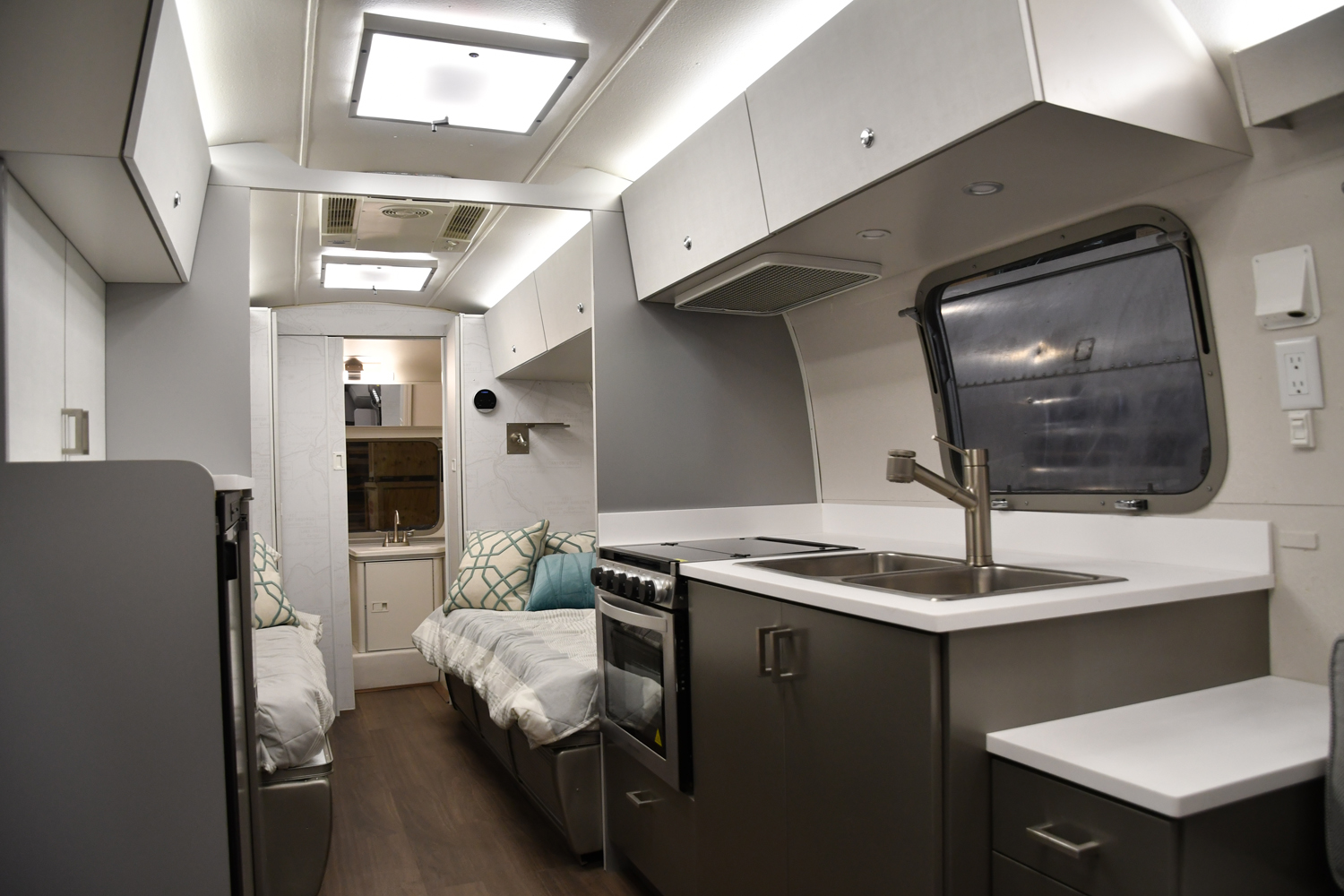
Martindell goes on to say, “I’ve got hundreds of thousands of dollars worth of TVs in inventory. None will go into a Rivet Airstream as a standard install. We have the ability to give you Wi-Fi so that the kids can have their iPads and their iPhones. Our Airstreams will have none of it. We believe Rivet Airstreams offer people a unique opportunity to personally reconnect with each other. I believe in these times it is a most worthy goal to pursue.” If people request an Airstream to be equipped a certain way, Rivet will of course integrate a quality installation.
Martindell’s own experience illustrates the powerful attraction of vintage Airstream ownership. He says, “With log books often available, we would love to provide new owners with a diary of the journeys experienced by the original owners. We want to share the lives these trailers have already lived as part of the Rivet vintage Airstream experience. Connecting with the people and experiences once enjoyed paves the way for a new round of adventures and delivers a powerful emotional connection across generations.” Rivet offers products with the exceptional and unique power to generate fresh memories for a family afforded the joy of continuing in the spirit of the earlier family’s wanderlust.
Martindell personally owns a 1959 Airstream that came with a log of the campgrounds that the prior owners visited. Martindell says, “This September I’m intentionally taking the trailer back to Maine to the same camp grounds that they had visited in 1961.
Right now there is a two-year waiting list for a new Airstream. Rivet can presently deliver a totally rebuilt example for about half the cost. Examples will be on display May 22nd At Dimensional Worldwide in Mahwah, New Jersey.
Rivet’s motto says it all, “preserve the past, plan for the future, build for now. But above all enjoy the journey.”
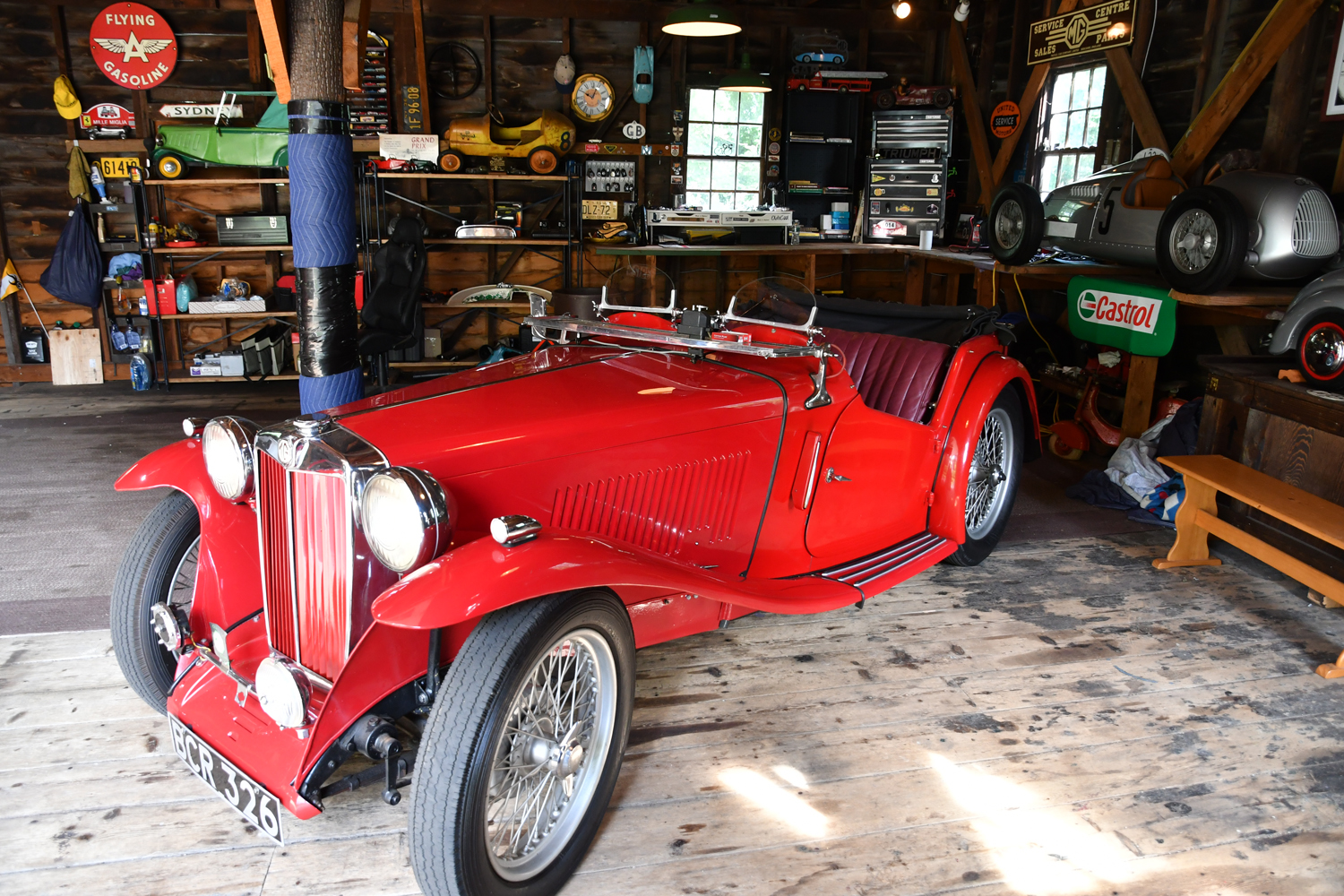
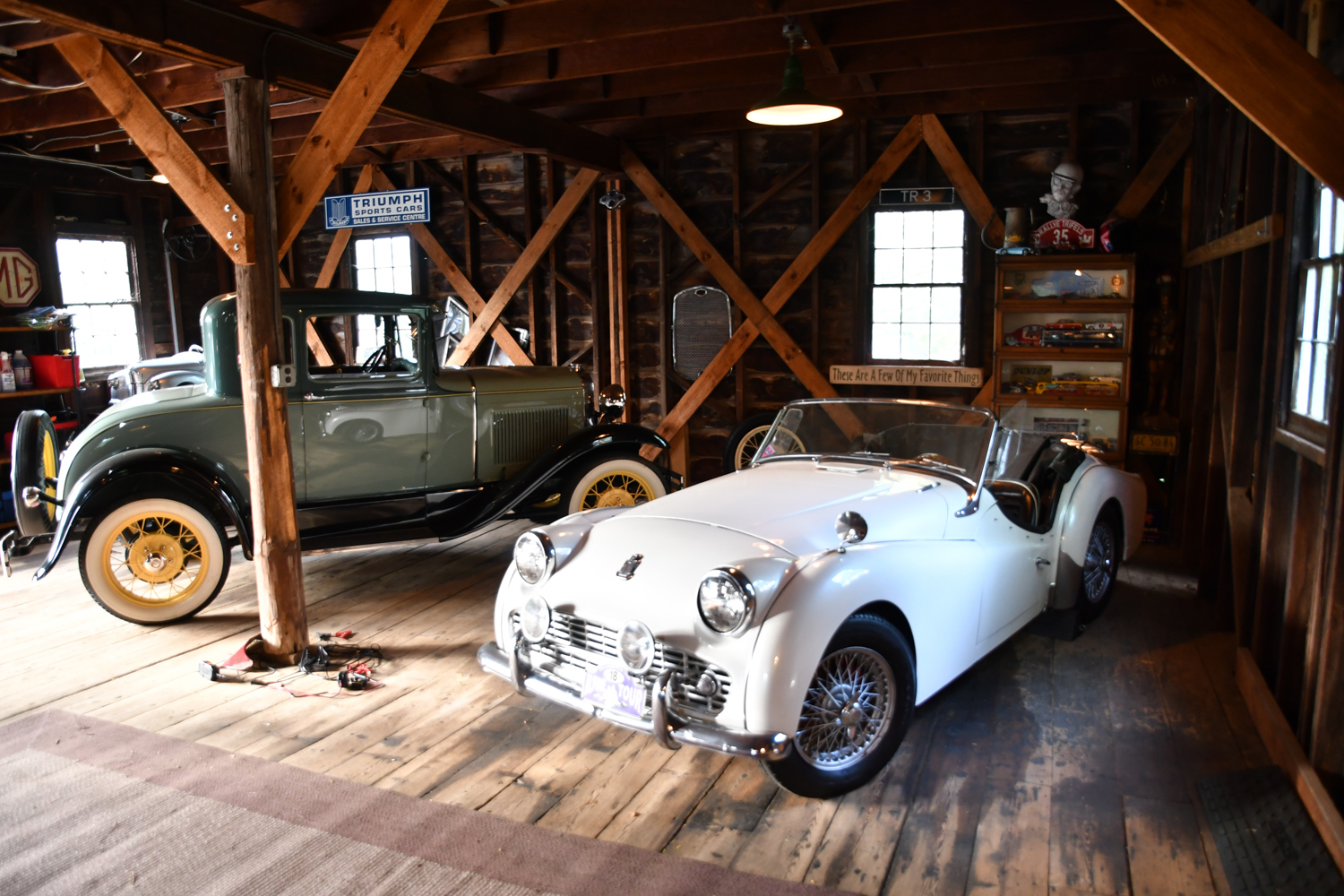
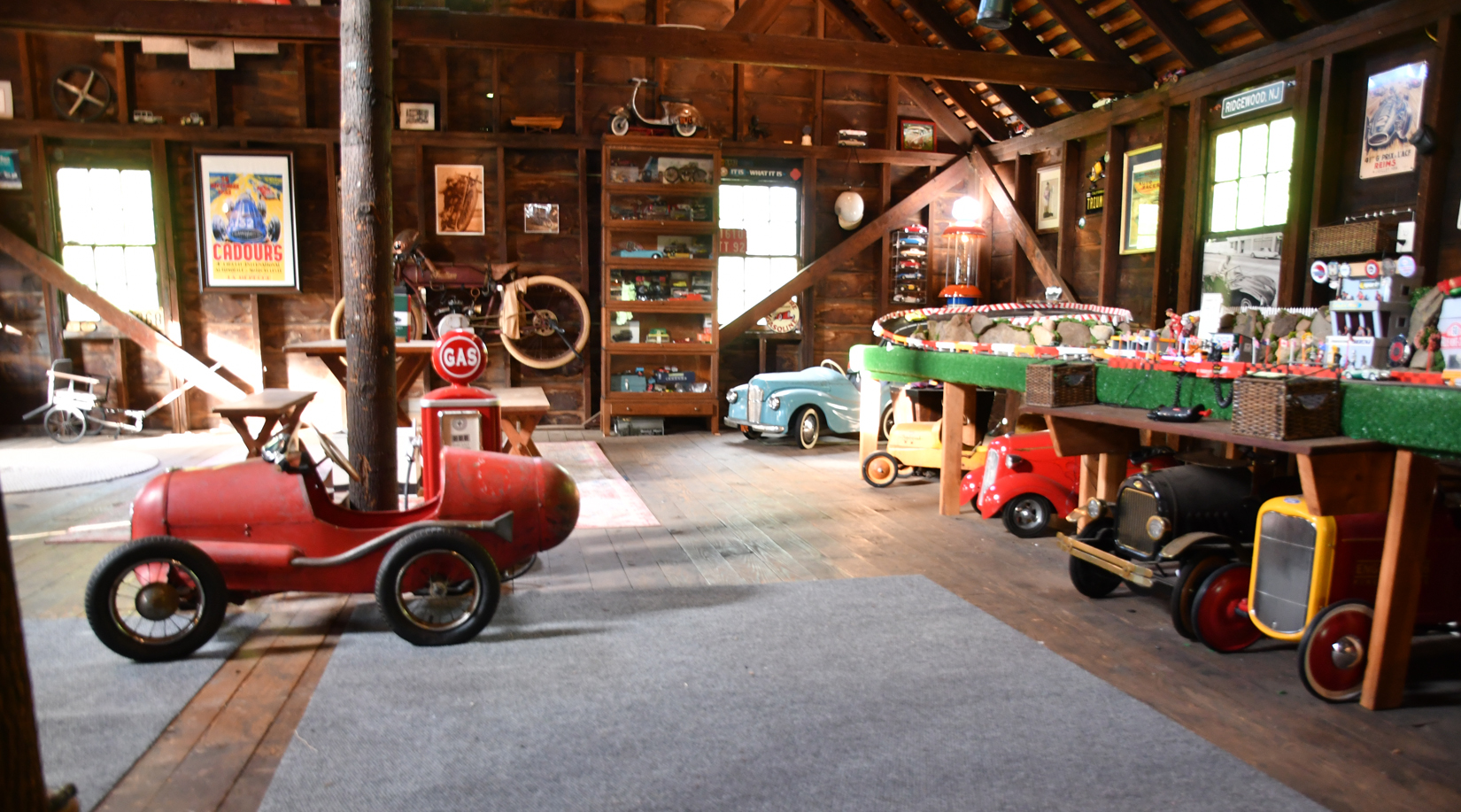
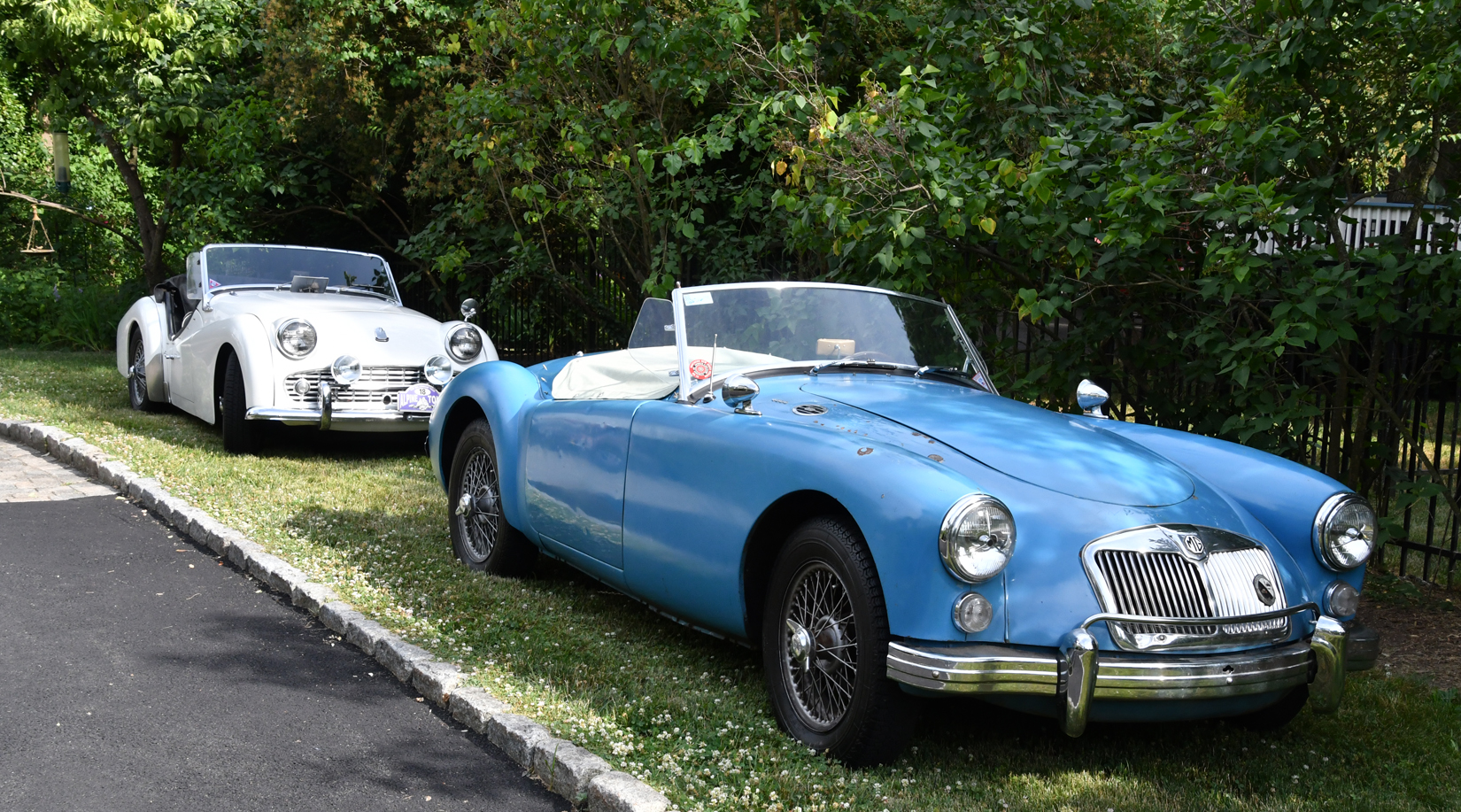
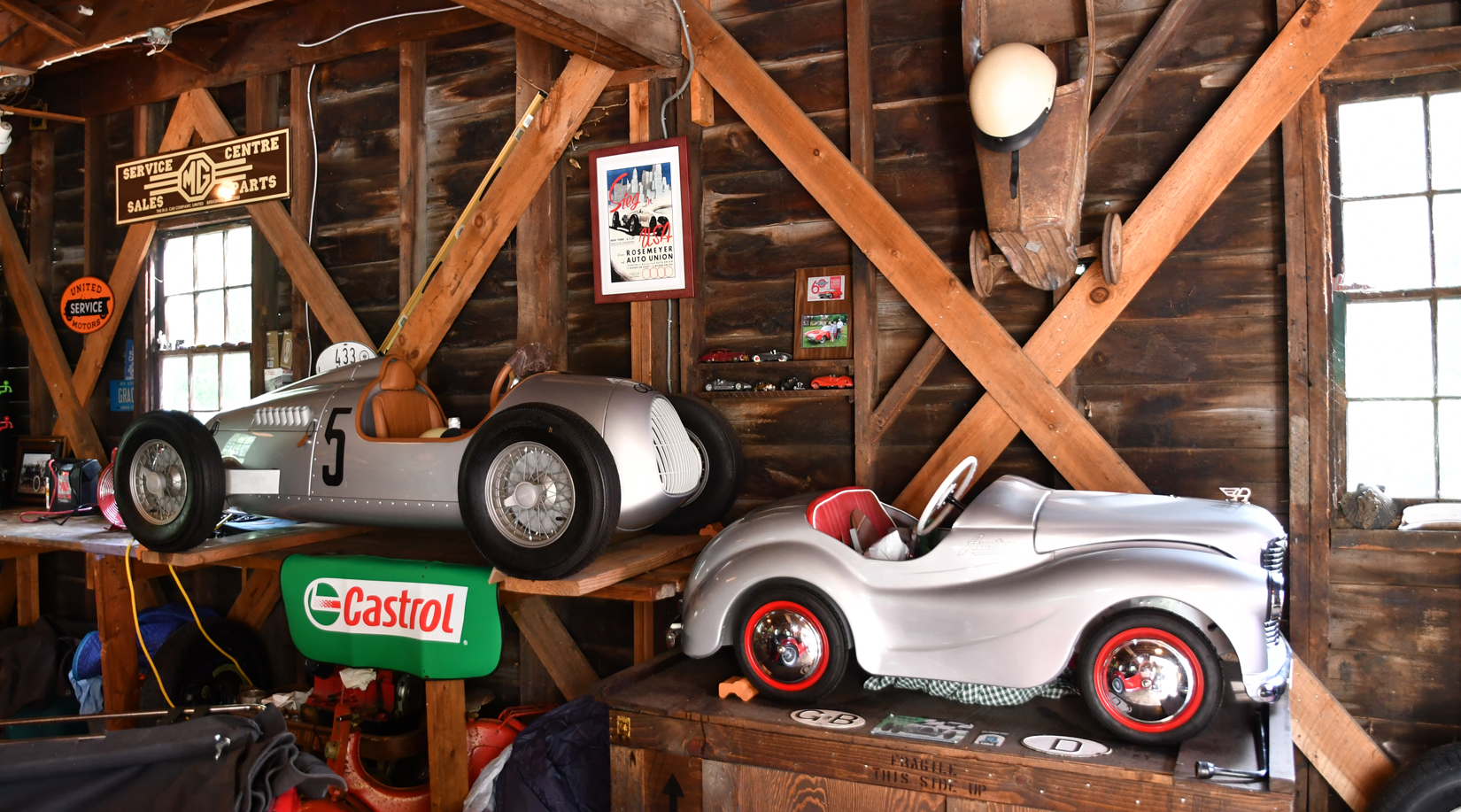
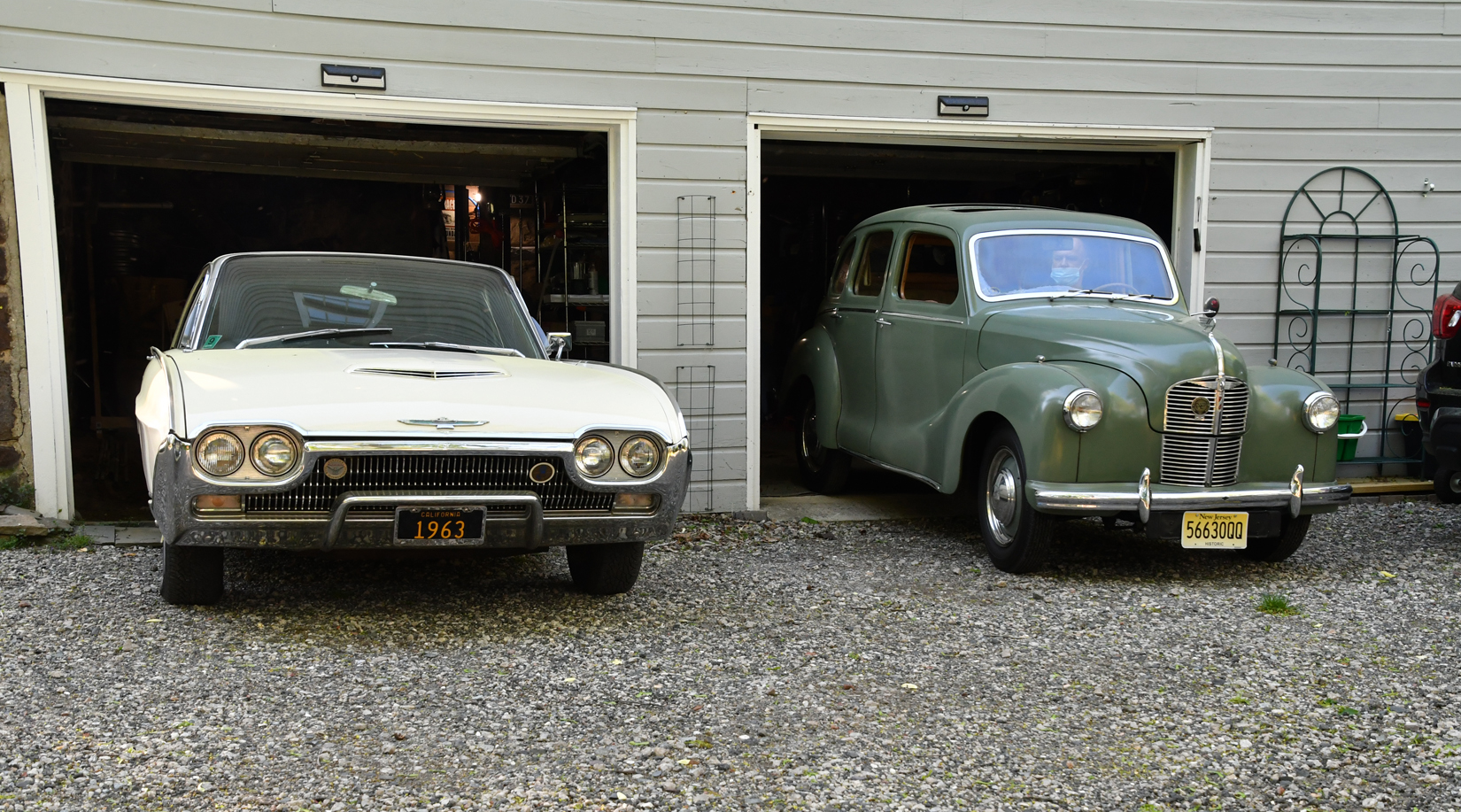


 While clearly car flavored, various vendor offerings provided an eclectic array of goods. Man Cave organizer Bob Austin says, “We had some interesting vendors with everything from gumball machines to airplane propellers and fur coats.” With a good size crowd throughout the day the feeling was festive and the selling was brisk. A smiling Austin says, ”Absolutely a fun day and for some of us it afforded a great opportunity to reunite with friends that we haven’t seen for the better part of the year.” As for Covid concerns, with a good breeze and everyone wearing a mask confidence ran high.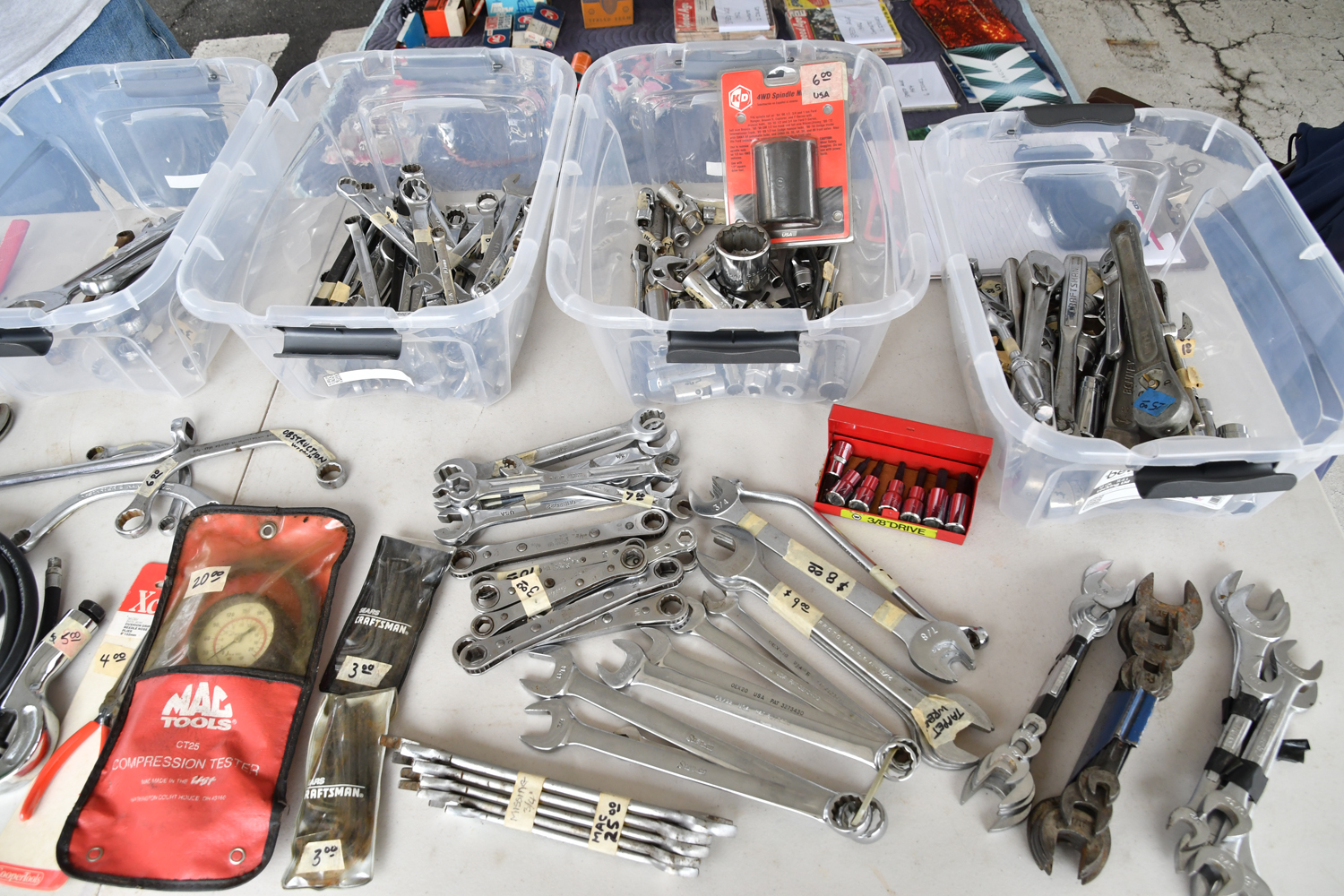
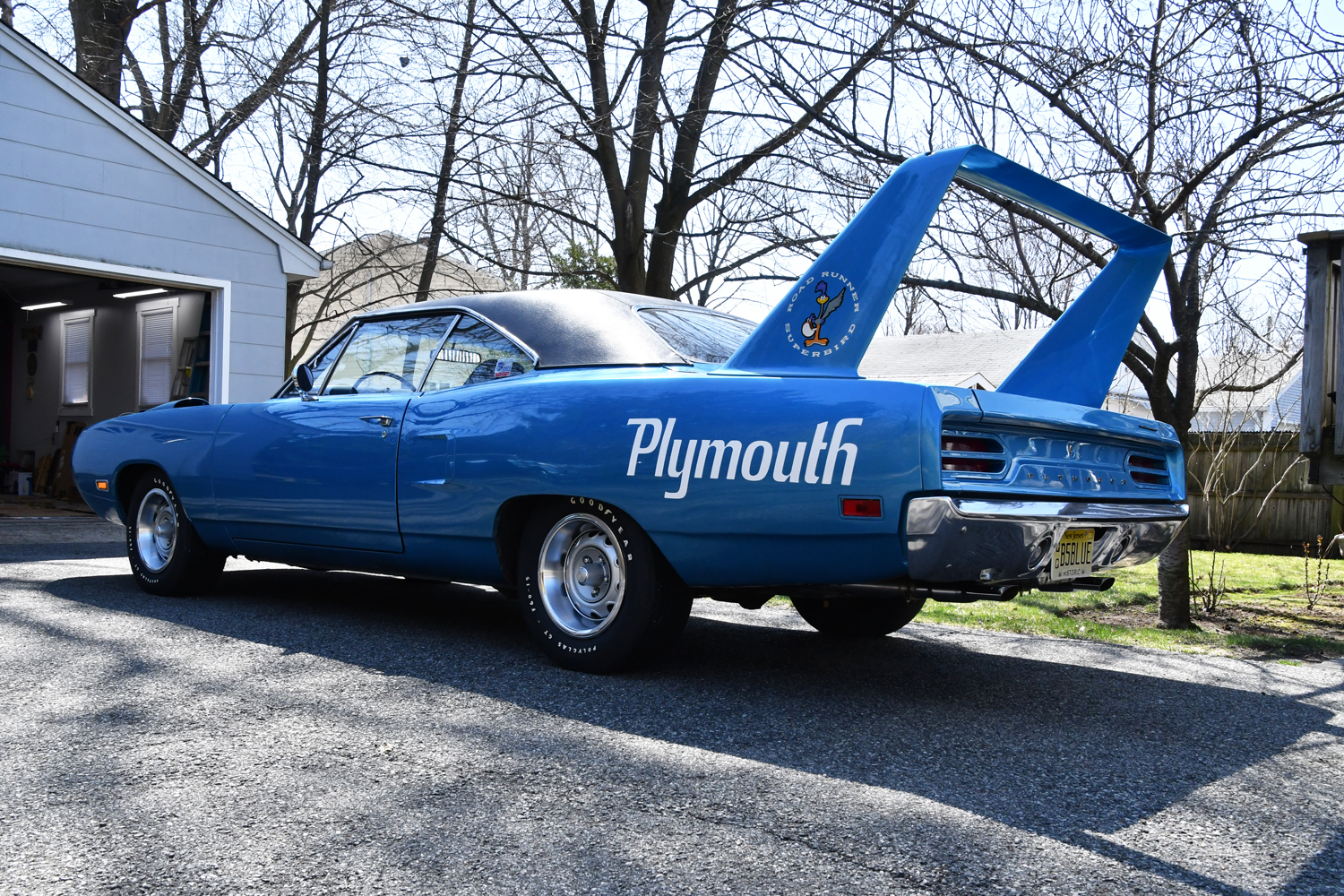
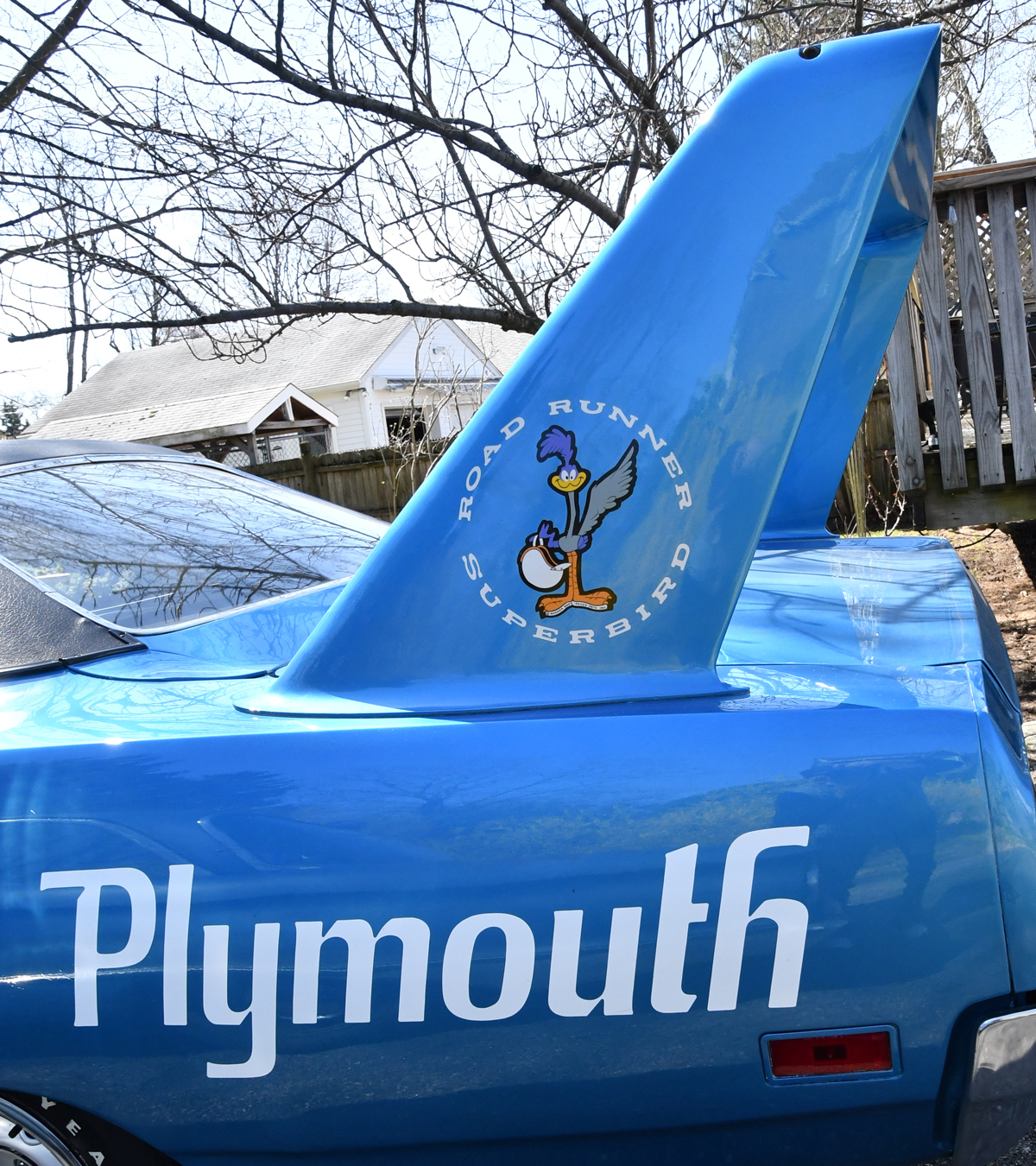
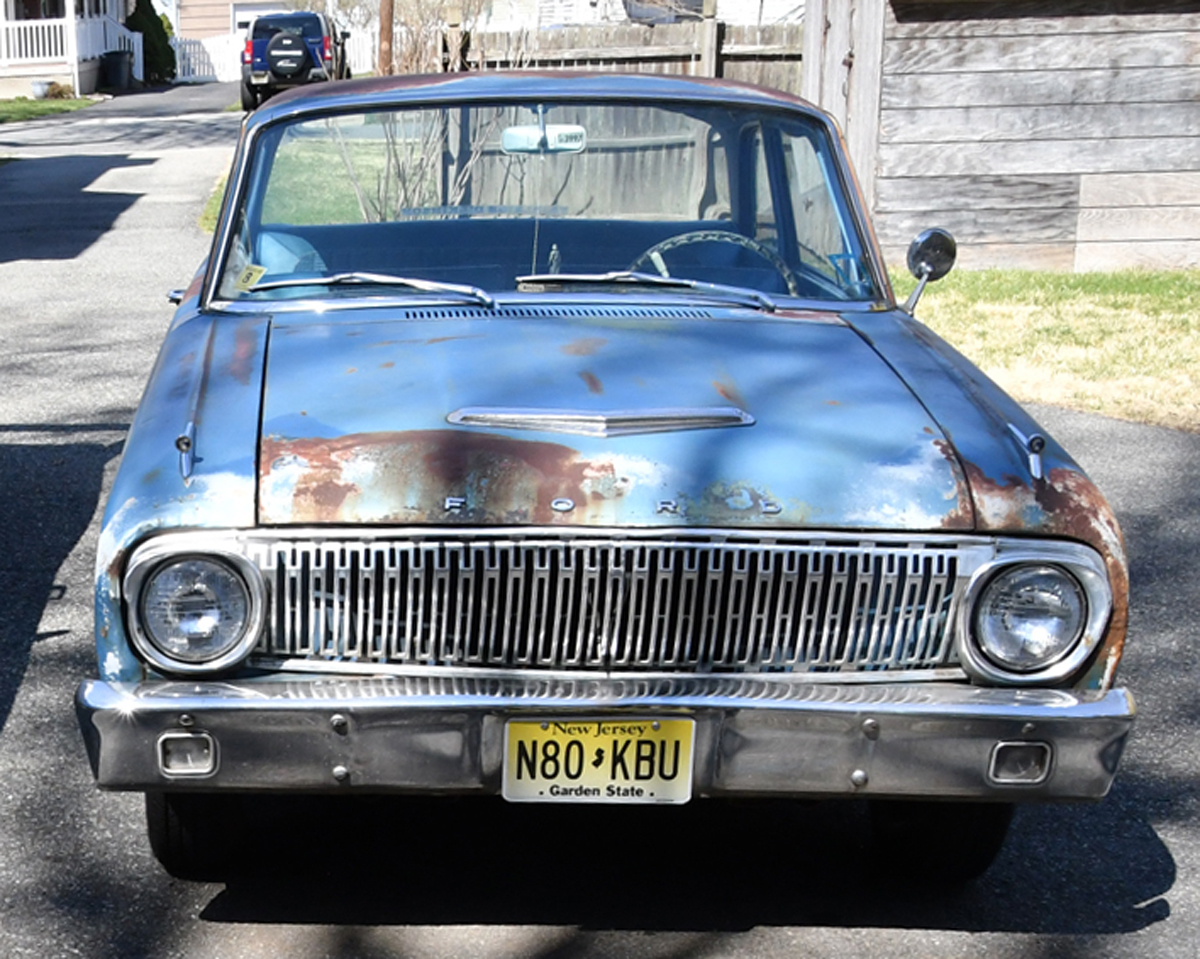
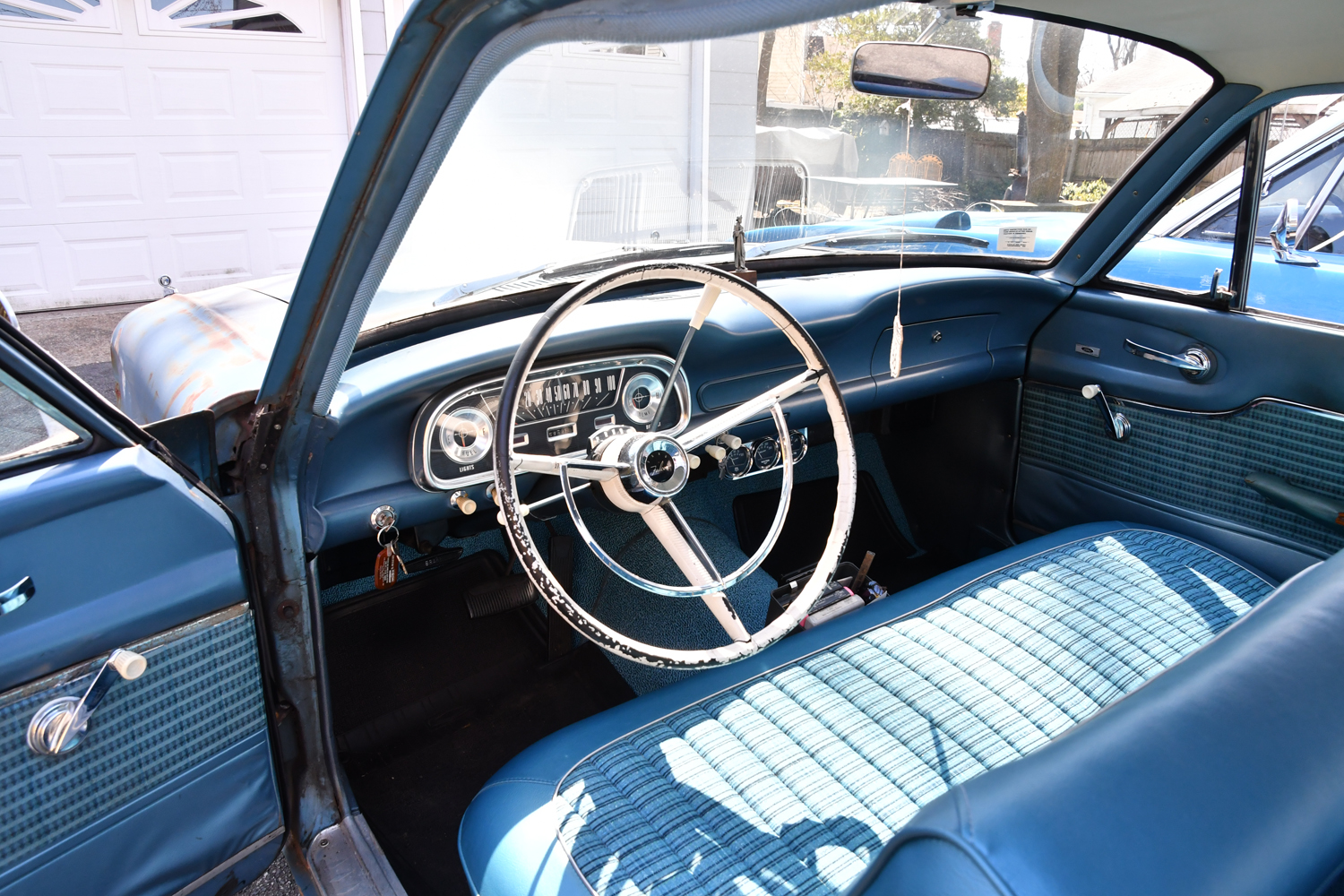



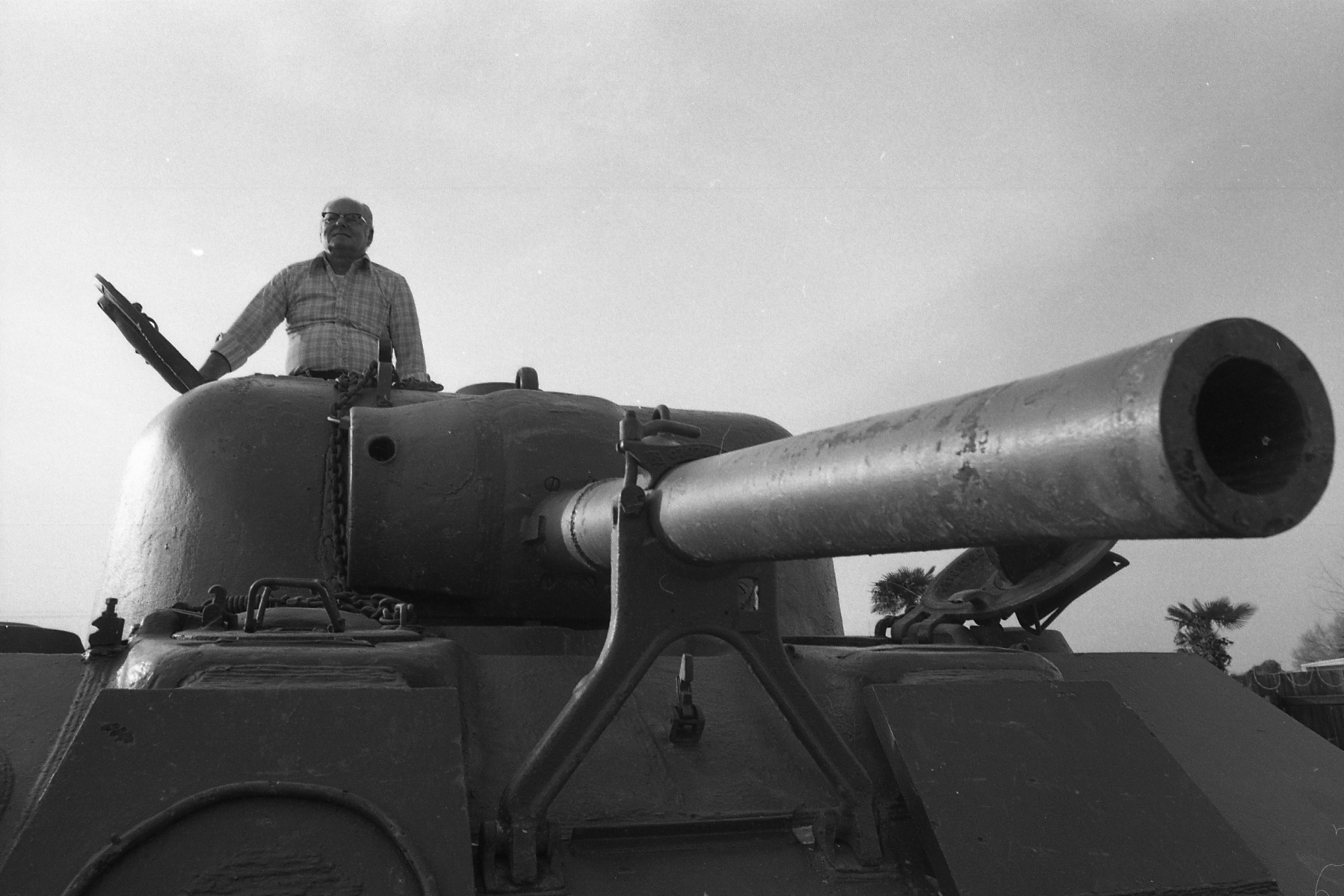
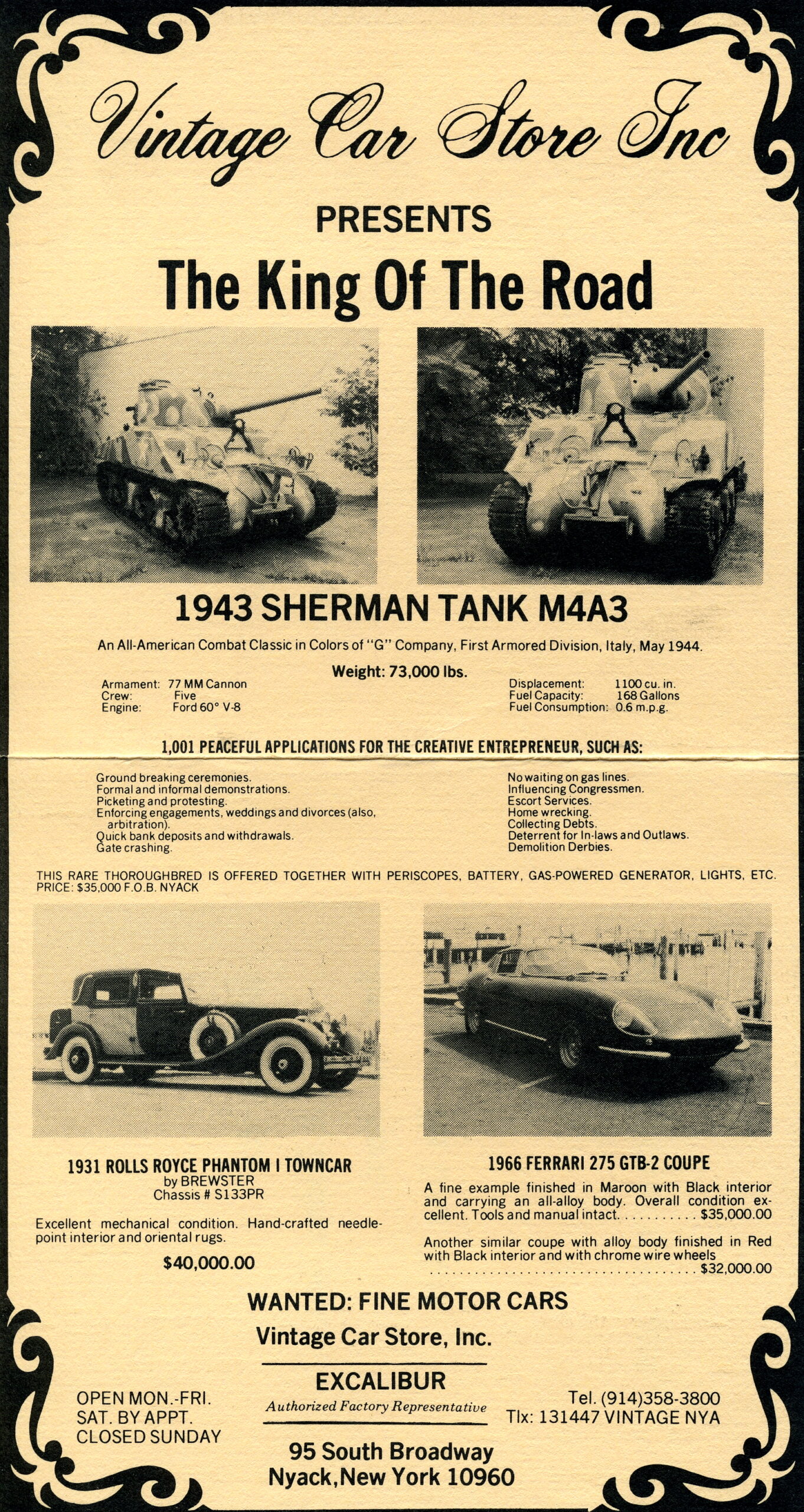

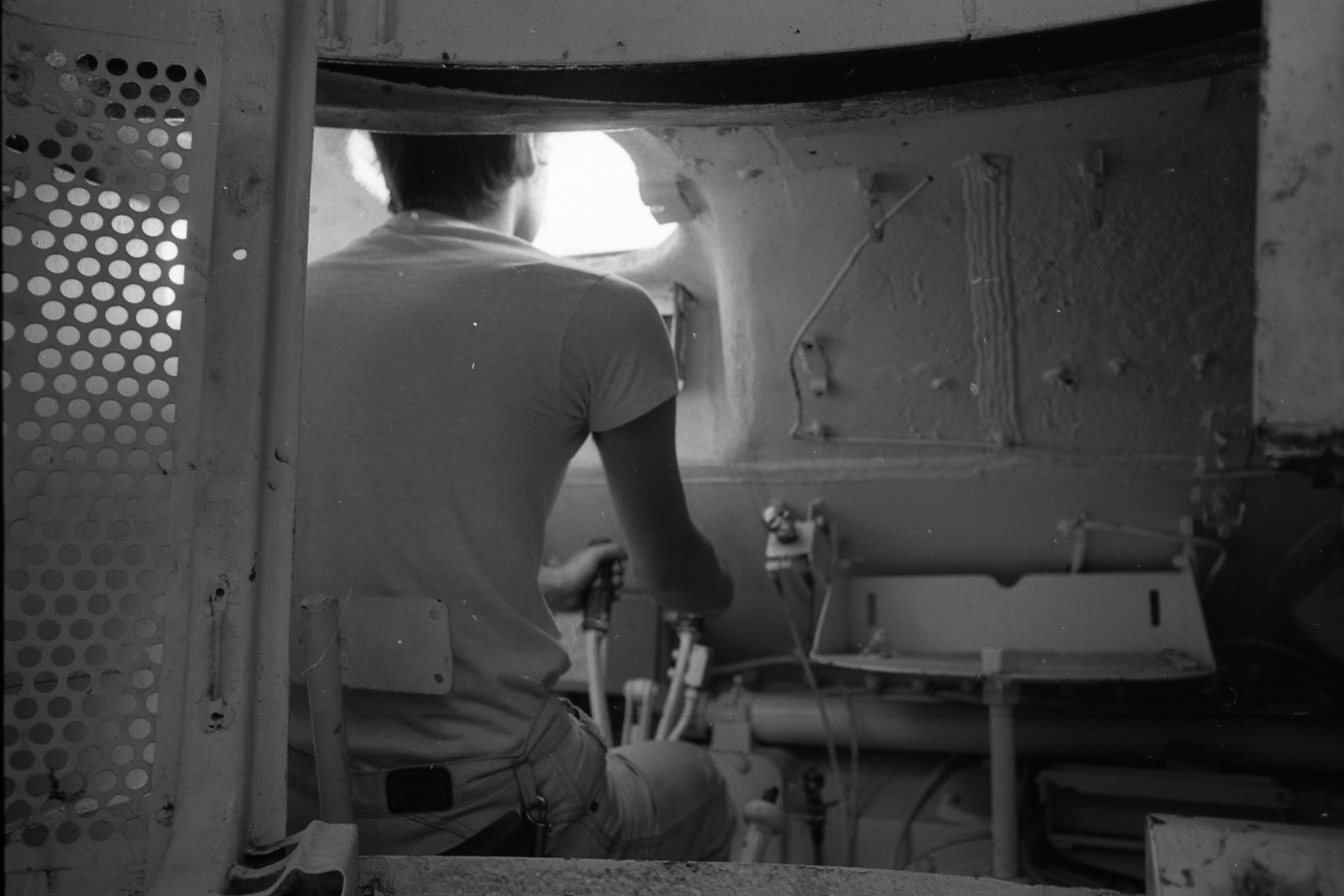
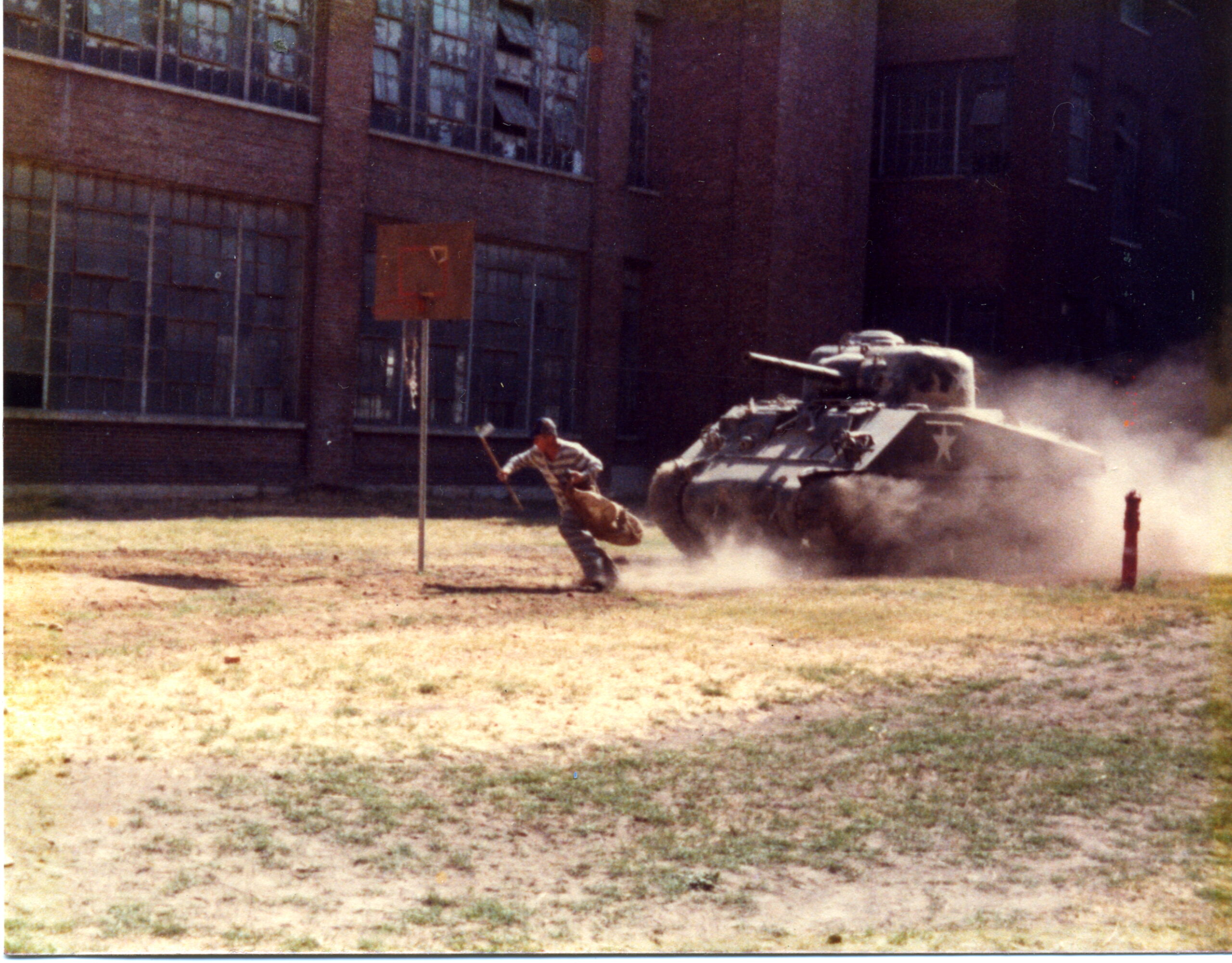
 Bill Wahnish a warm and friendly bear of a man began in Hollywood as a truck driver for the movie studios. By 1980 Bill and his wife of 42-years Beverly had been restoring old cars as a hobby for over 25-years. During that period Bill’s collection of cars had attracted the attention of the film industry. By the time the tank arrived that hobby has morphed into a full time car rental business for the film industry with credentials that including the contracts to supply period vehicles for films like “Chinatown” and “Day of the Locust.” Bill’s Car Rental now had over 130 vehicles available.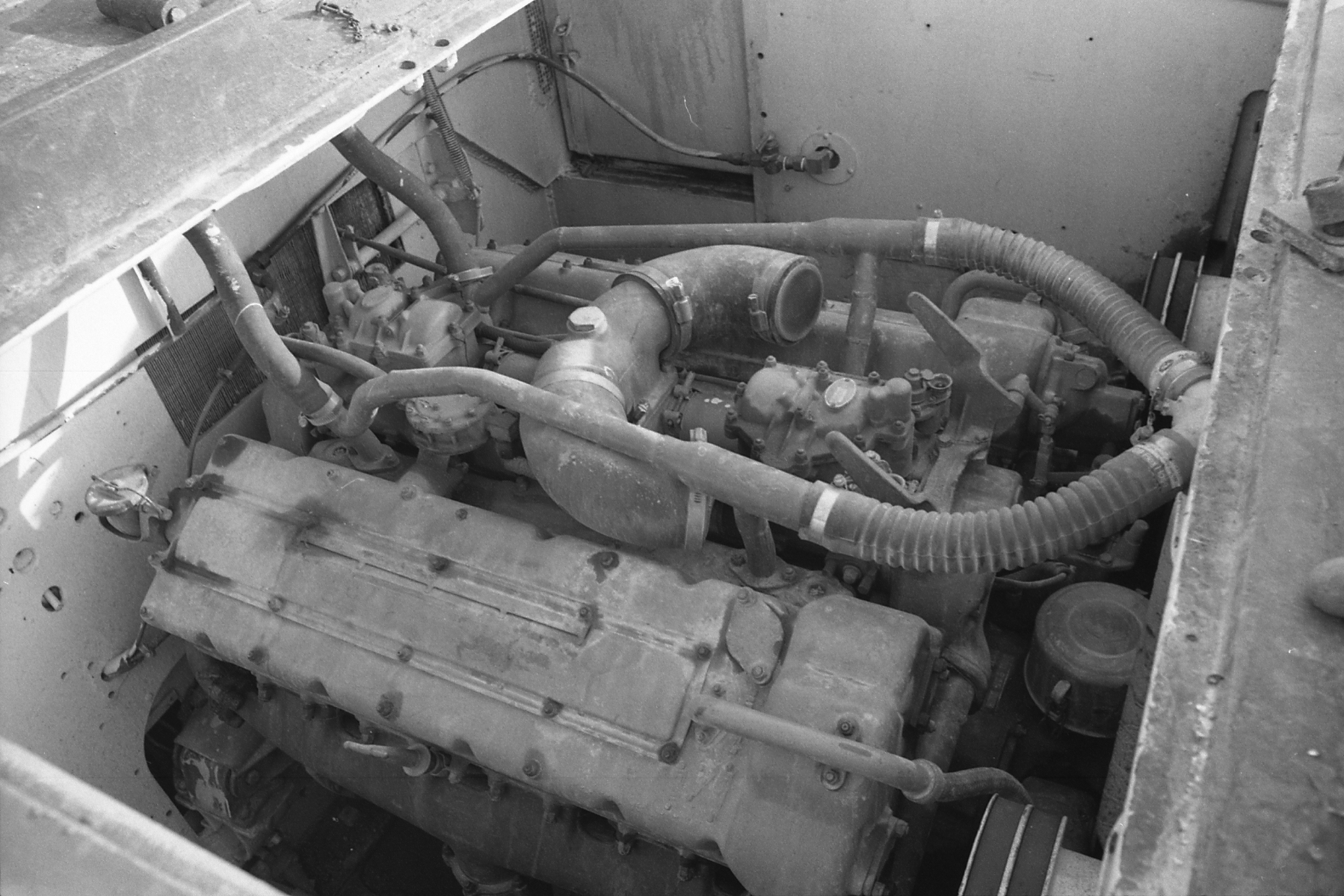


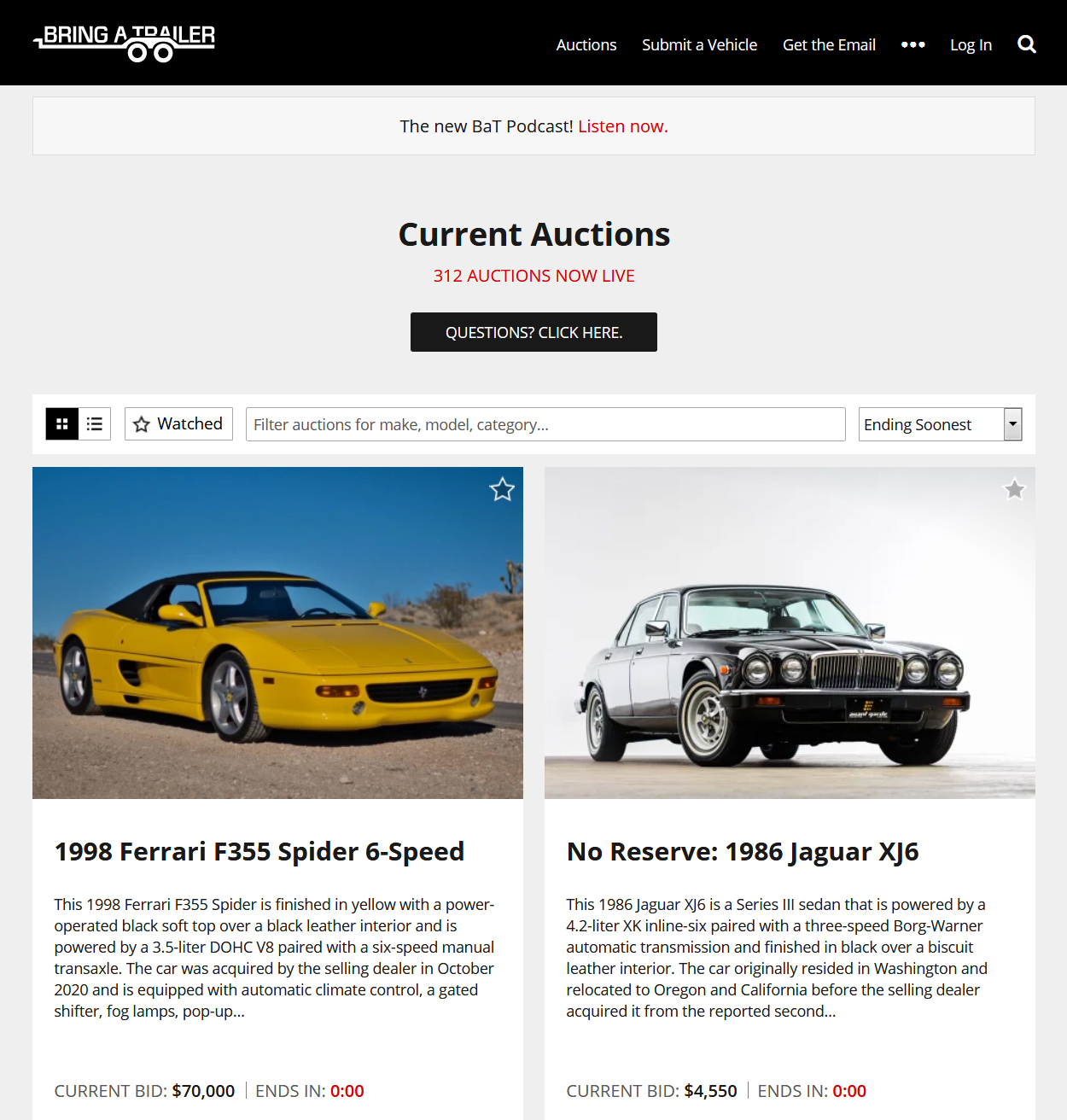
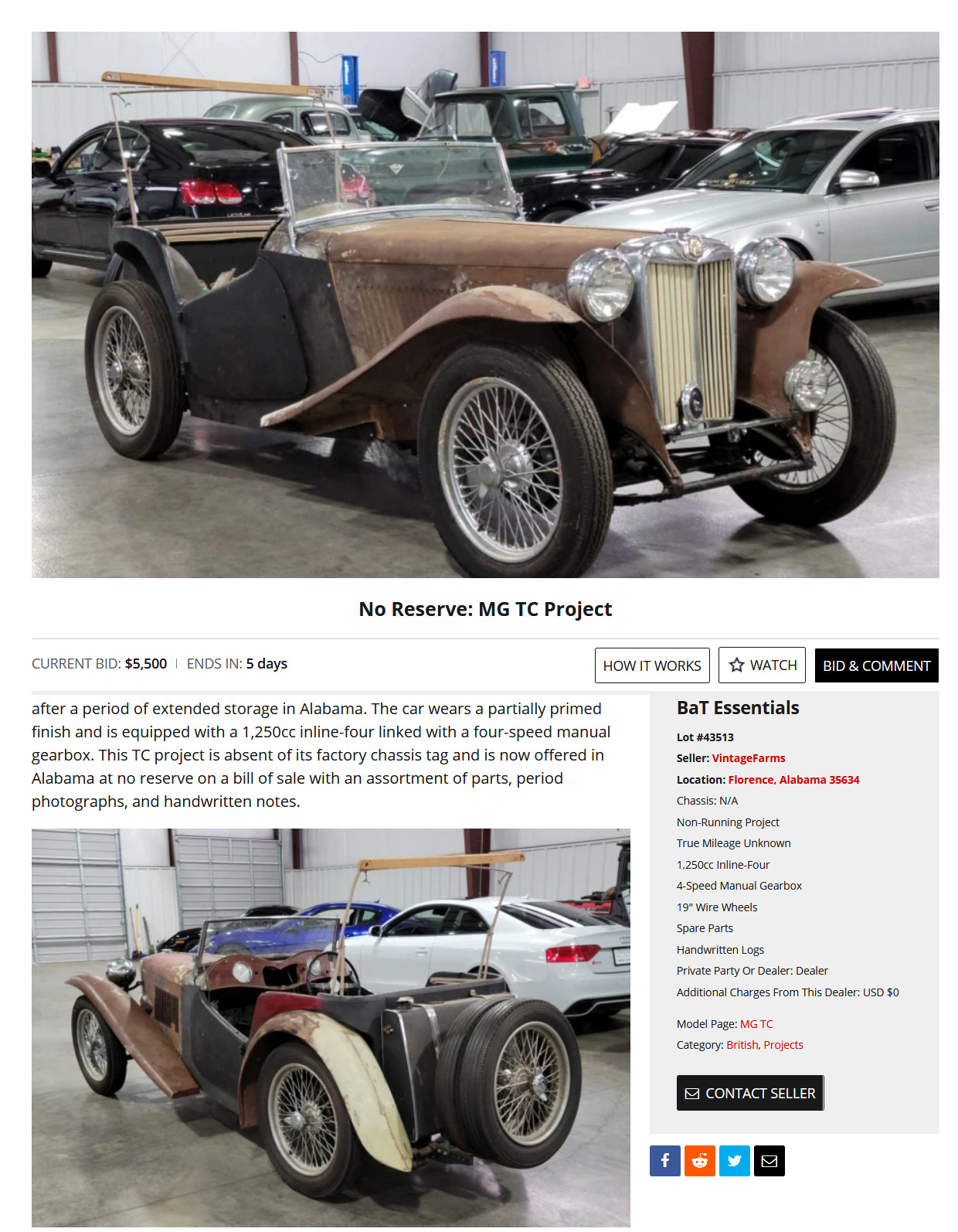
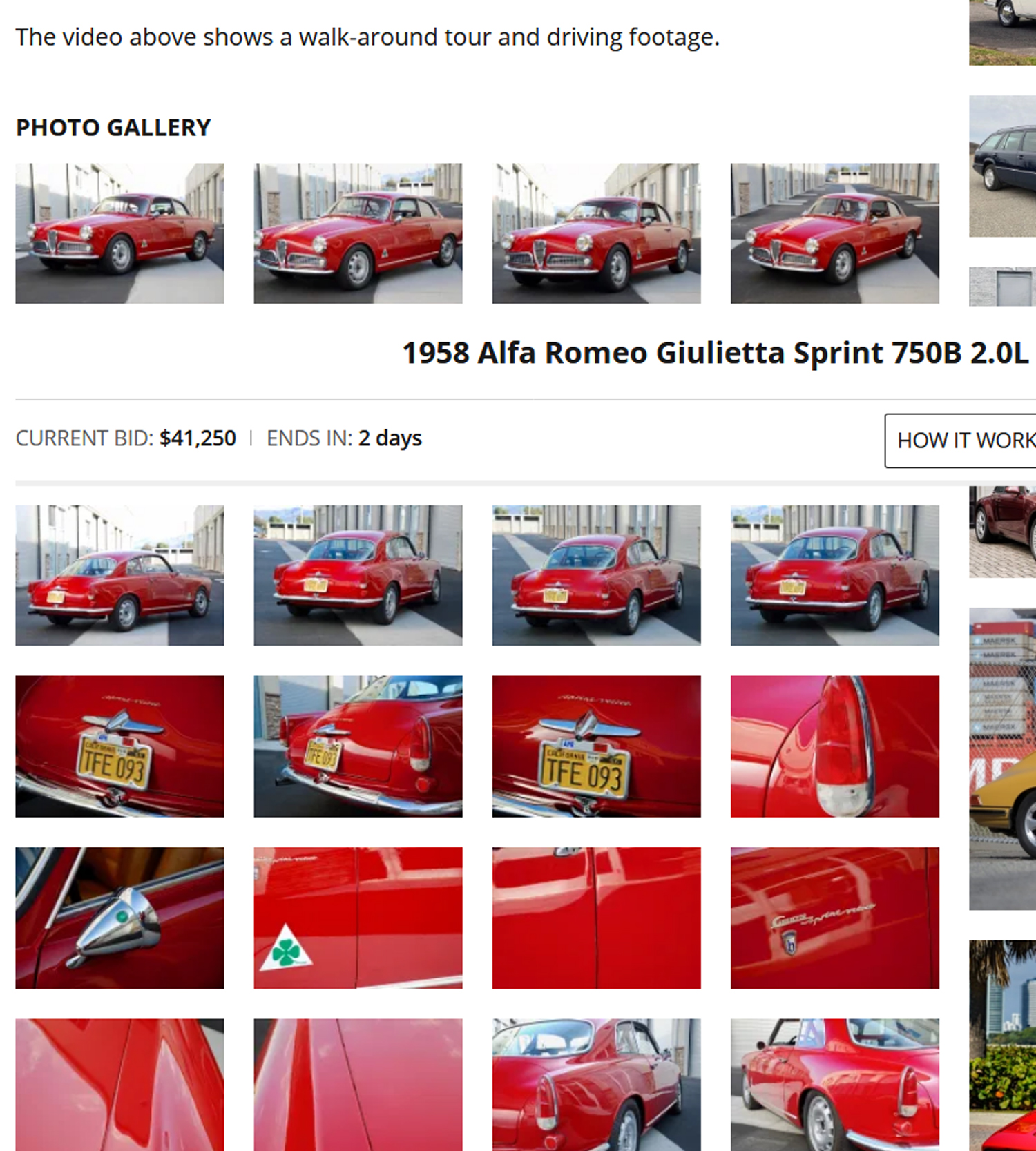 A visual and content rich feast for the car enthusiast, each vehicle being auctioned features high quality photography, driving videos and succinct and detailed descriptive copy. Matt says, “BaT really upped the game for photo quality from the craigslist days of ‘here’s a wheel’ and ‘here’s a bumper’ to BaT’s current comprehensive photo profile of easily 100 or more pictures.
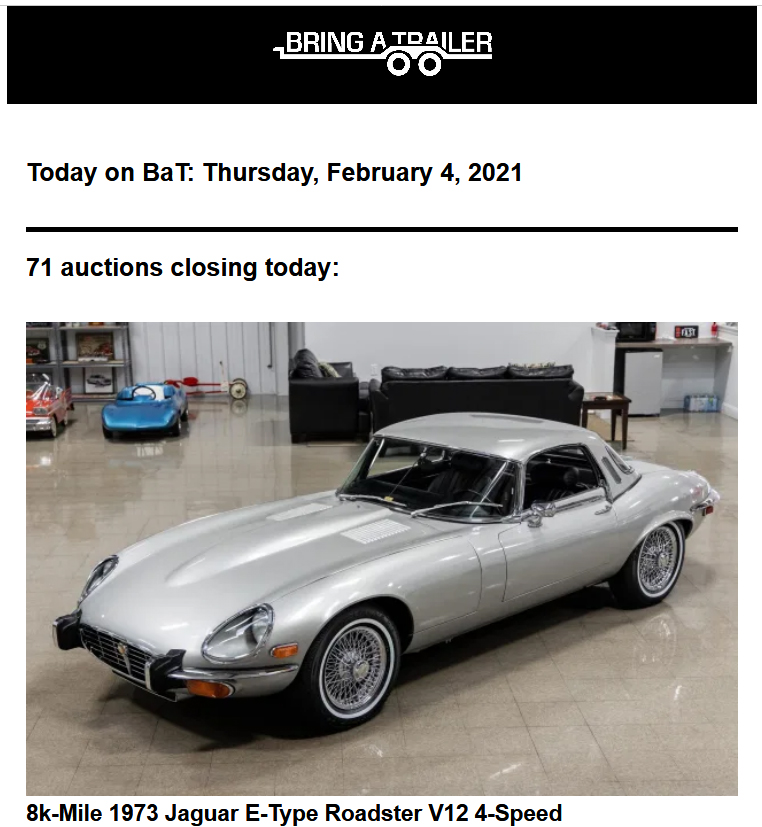 Unlike eBay, BaT does not permit sniping. Sniping refers to a common practice on eBay where a bidder waits to the last second to place a hopefully winning bid while leaving no time for another bidder to counter. BaT, however, prevents sniping by adding an additional two minutes to any last second bid. Matt points out that the two minute extension can actually draw a bidder in and overwhelm the bidder’s better judgment. Matt says, “It gives other people time to jump in. Acting on behalf of a client and under the client’s direction, I found myself in an online bidding battle. Someone else REALLY wanted this car. It got to the point where the bidding had gone far beyond reason. Someone would be paying way over its true value. I had to pull my client back and say this is crazy.”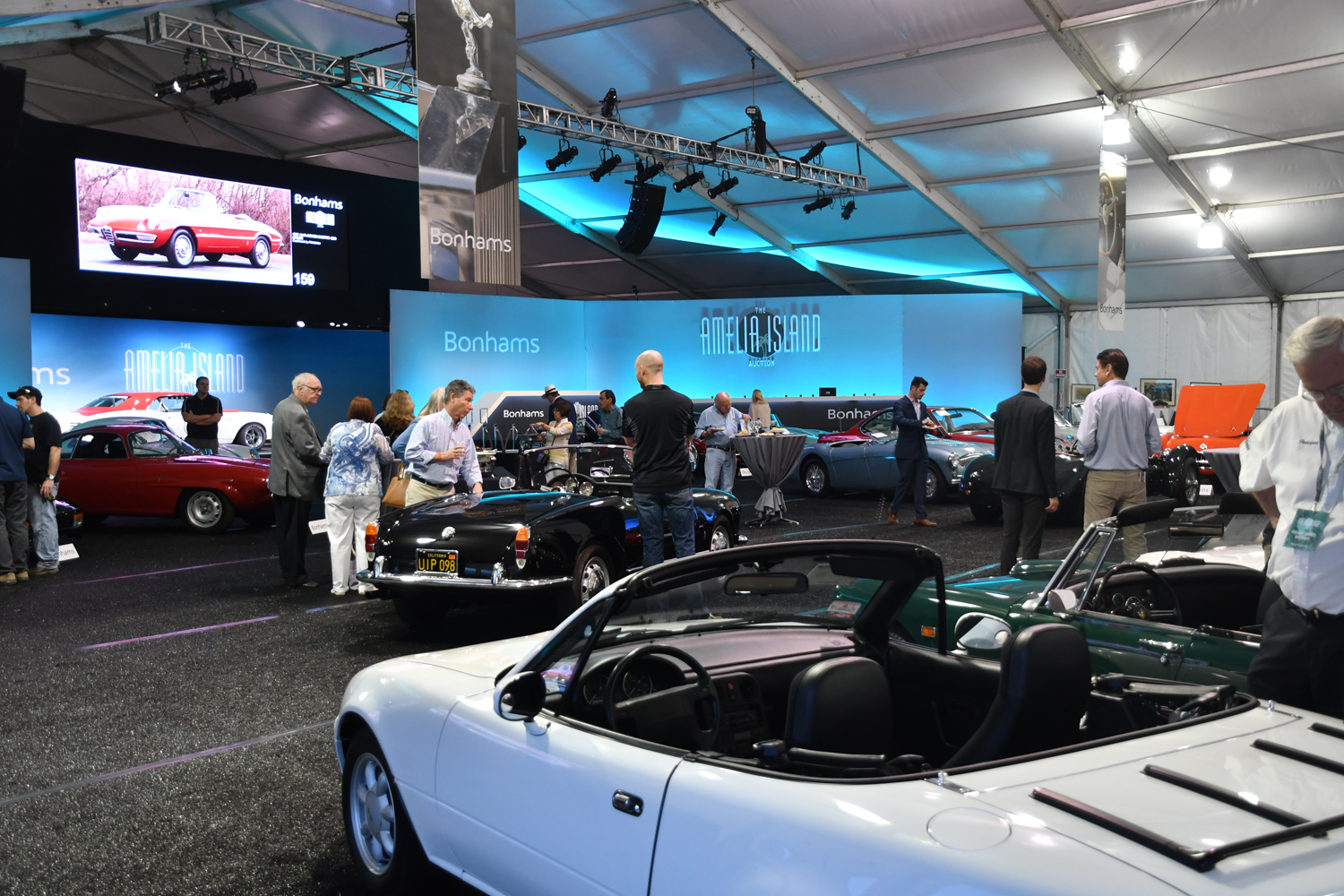
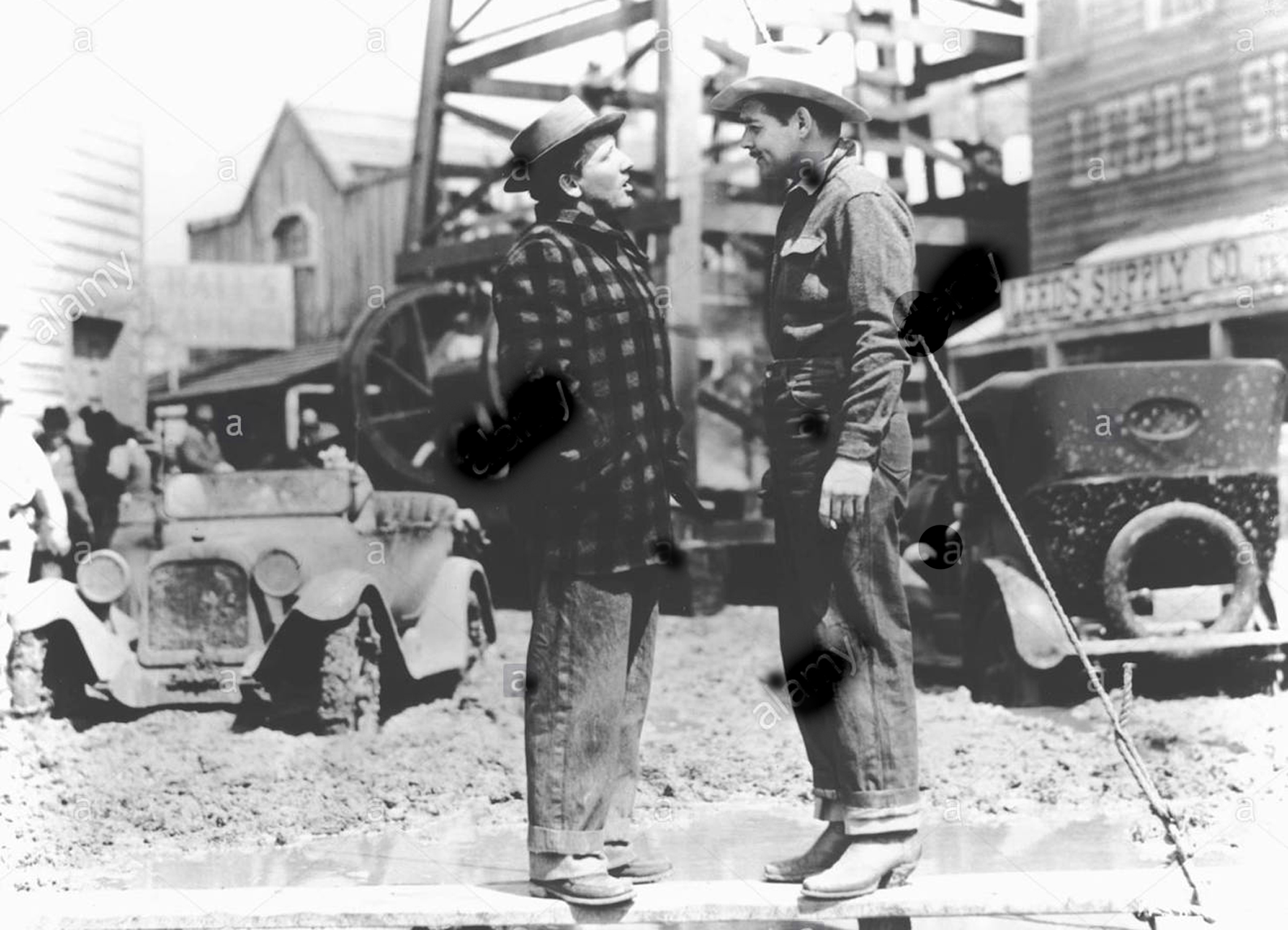
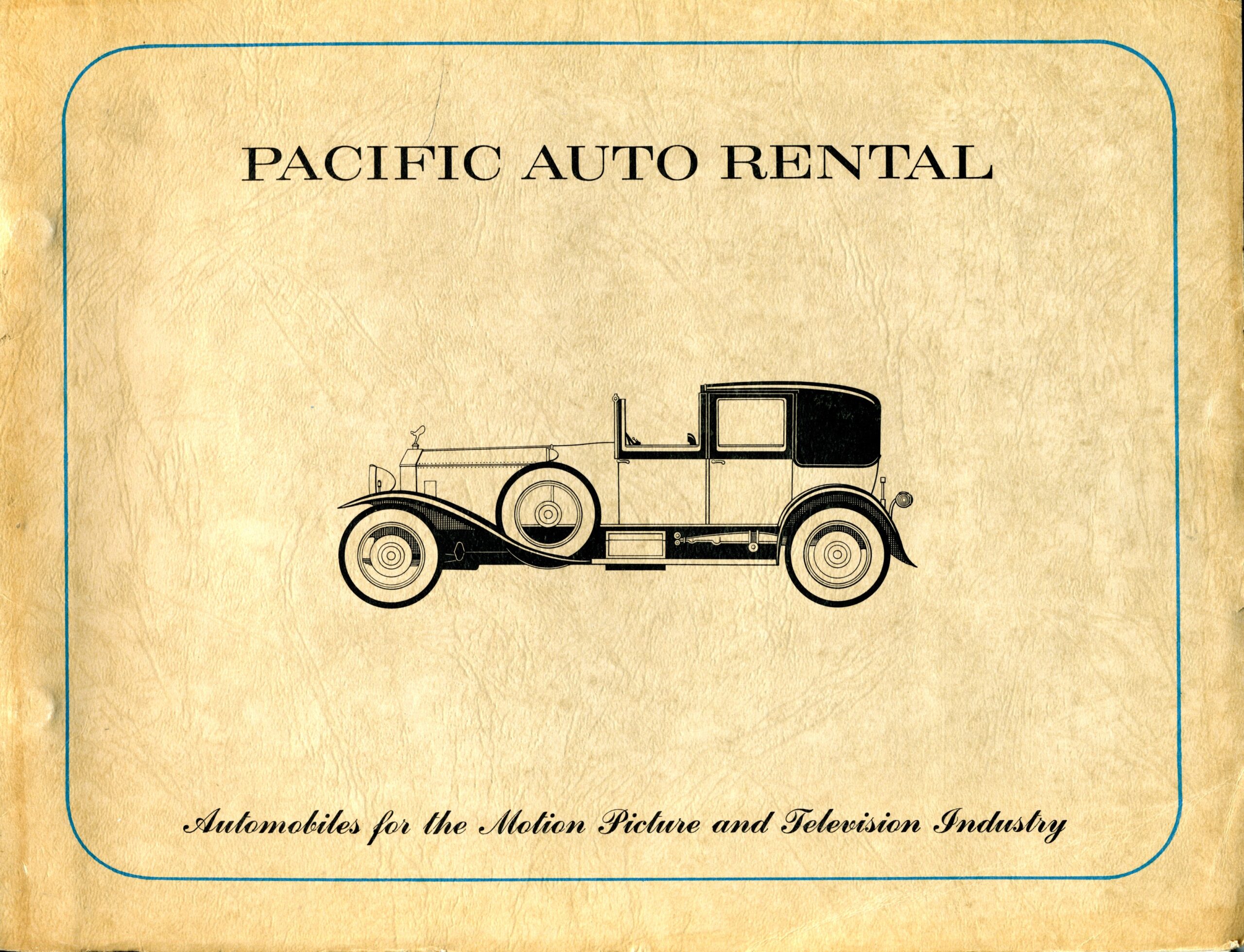
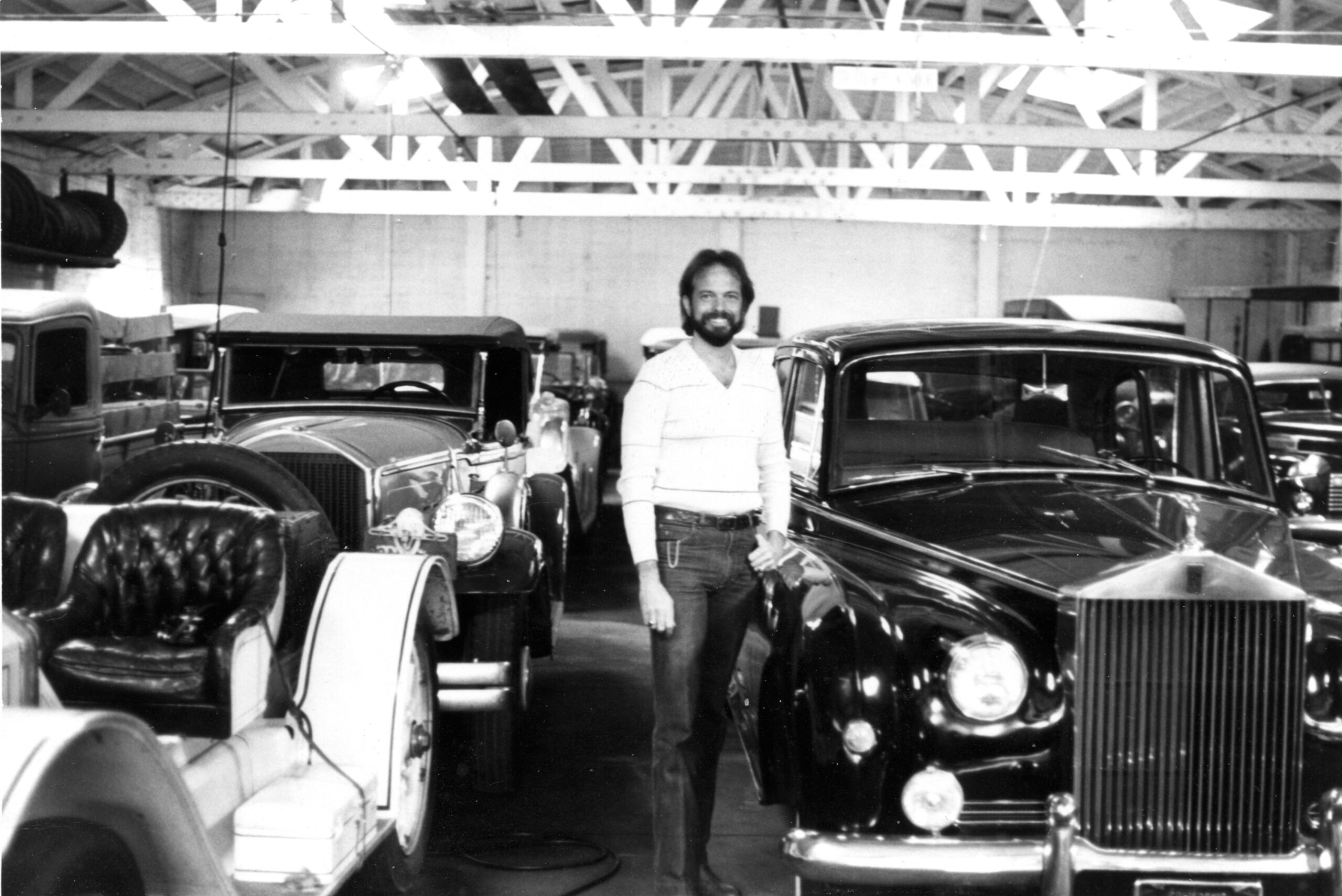
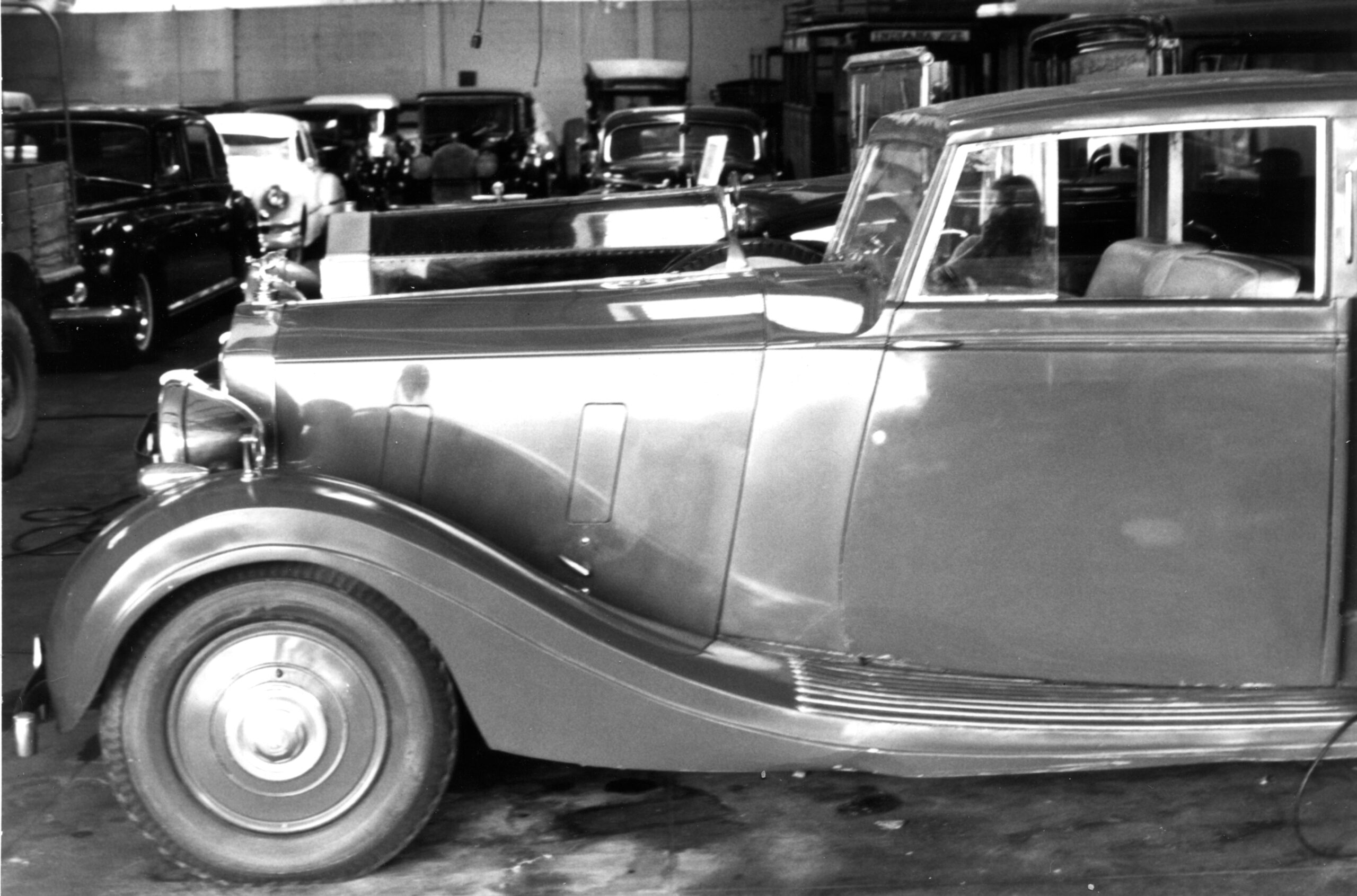 Our conversation would be held in Schweiger’s office. Directed to my left, we approached a classic glass pane and metal panel factory floor office. It displayed all the patina one would expect after spending over forty plus years in a vintage vehicle storage facility. Pacific Auto Rental had moved there in 1940. During that time Schweiger’s original partner had passed away in 1943. Shockingly for Schweiger, his sixty-year old son predeceased him some years back and forced the doctor to resume control of the business. Considering the impressive size of his collection, the minimal nature of the Pacific Auto Rental support staff came as a shock. It consisted solely of a postman who worked part time and a young man with learning disabilities. Everything else was left to the studio renting the vehicle and specialists on the other end of a phone call.