Cars We Love & Who We Are #19
The Drivin’ News theme of “Cars we love and who we are” invites the reader into experiencing great cars and learning about the interesting people associated with them. Normally the motivation behind the “why” that inspires the great affection is taken as a given considering the desirability, beauty and provenance of the classic cars in question. However, some times the “why” leads us down an even more interesting path revealing a vehicle made beautiful by a patina of sweet memories. Such stories rooted in personal history often involve love, loss, salvation and heartwarming resolutions.
In the garage of Vinny Plotino resides an incongruous pair of treasured vintage cars with very different “whys.”
The odd couple in Vinny Plotino’s garage
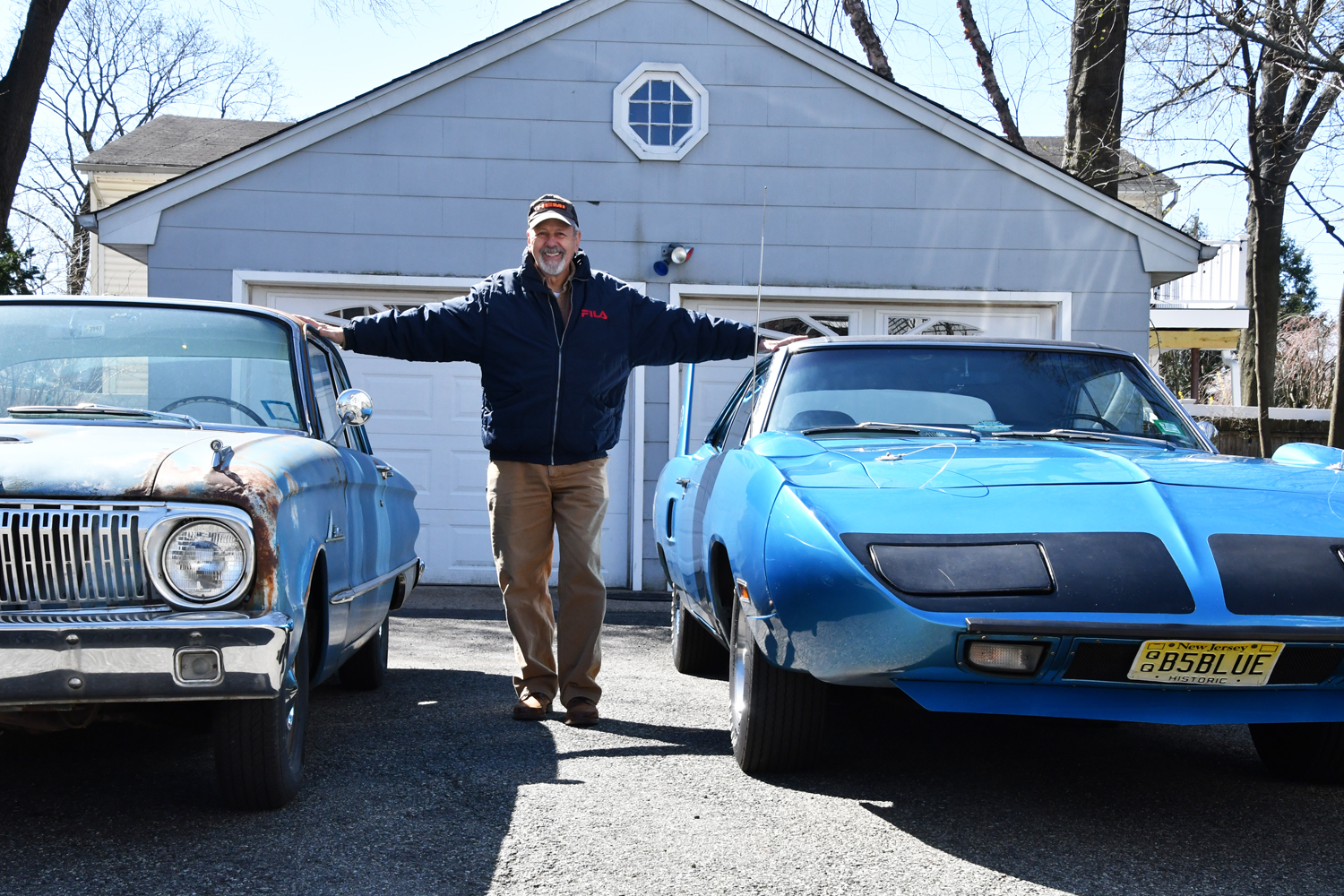
Vinny Plotino and his “Odd Couple”
Housed in an orderly and well equipped 2-bay garage both cars make a statement. For the 1970 Plymouth Superbird on the right, the “why” screams at you, for the other, a quite pedestrian and weary 1962 Ford Falcon the “why” softly asks “why?”
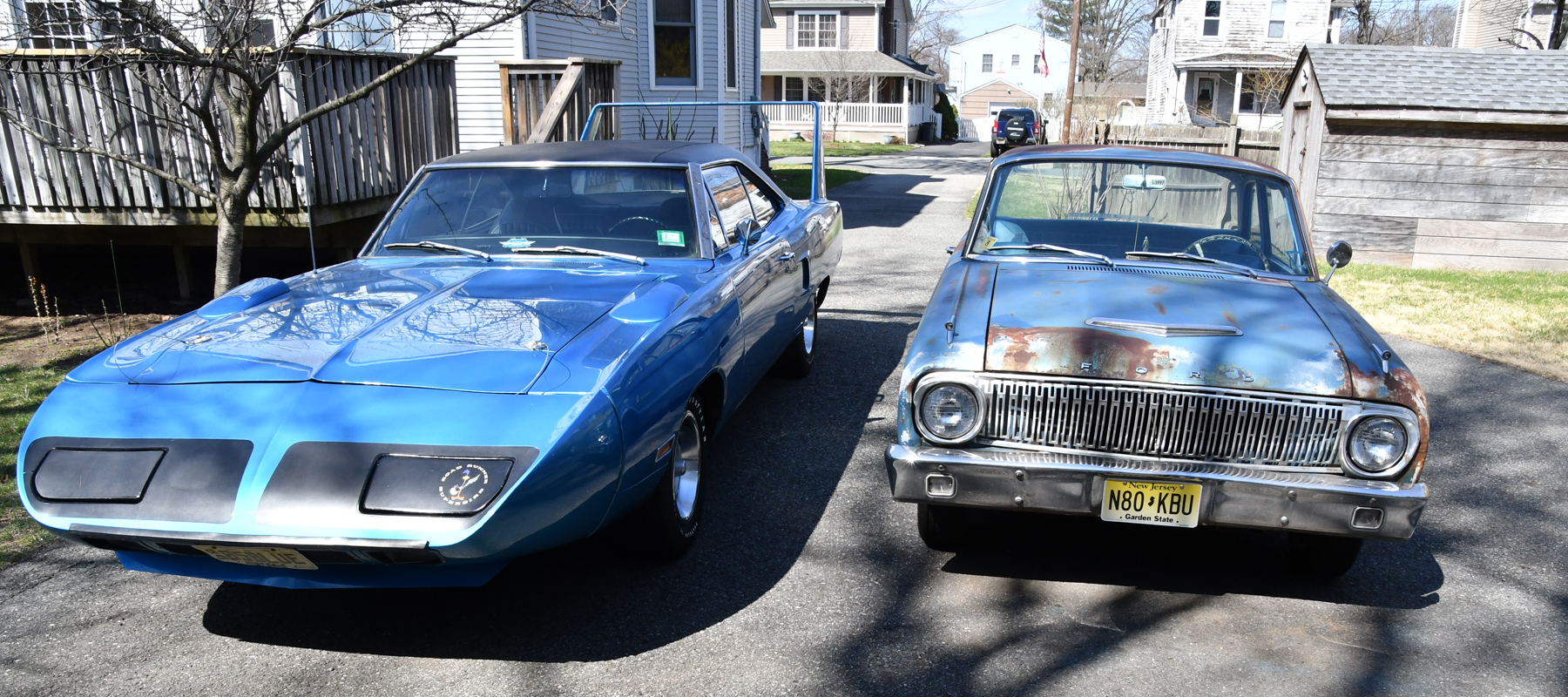
Indeed, screamingly obvious in its attraction, the Superbird sports a nose cone front end and outsized rear spoiler with signature “Roadrunner” graphics. Resplendent in 1970 Plymouth Blue Fire Metallic or B5 Blue (color code) as it is known throughout Mopar circles and among collectors, Vinny Plotino’s Plymouth Superbird leaves no doubt as to what inspires the love. With the original 440 cu. in. V8 fed by a single 4-barrel and delivered through a 4-speed manual trans Vinny’s Superbird delivers 375 horsepower. It reigns as an iconic presence in the pantheon of muscle cars of the golden age.
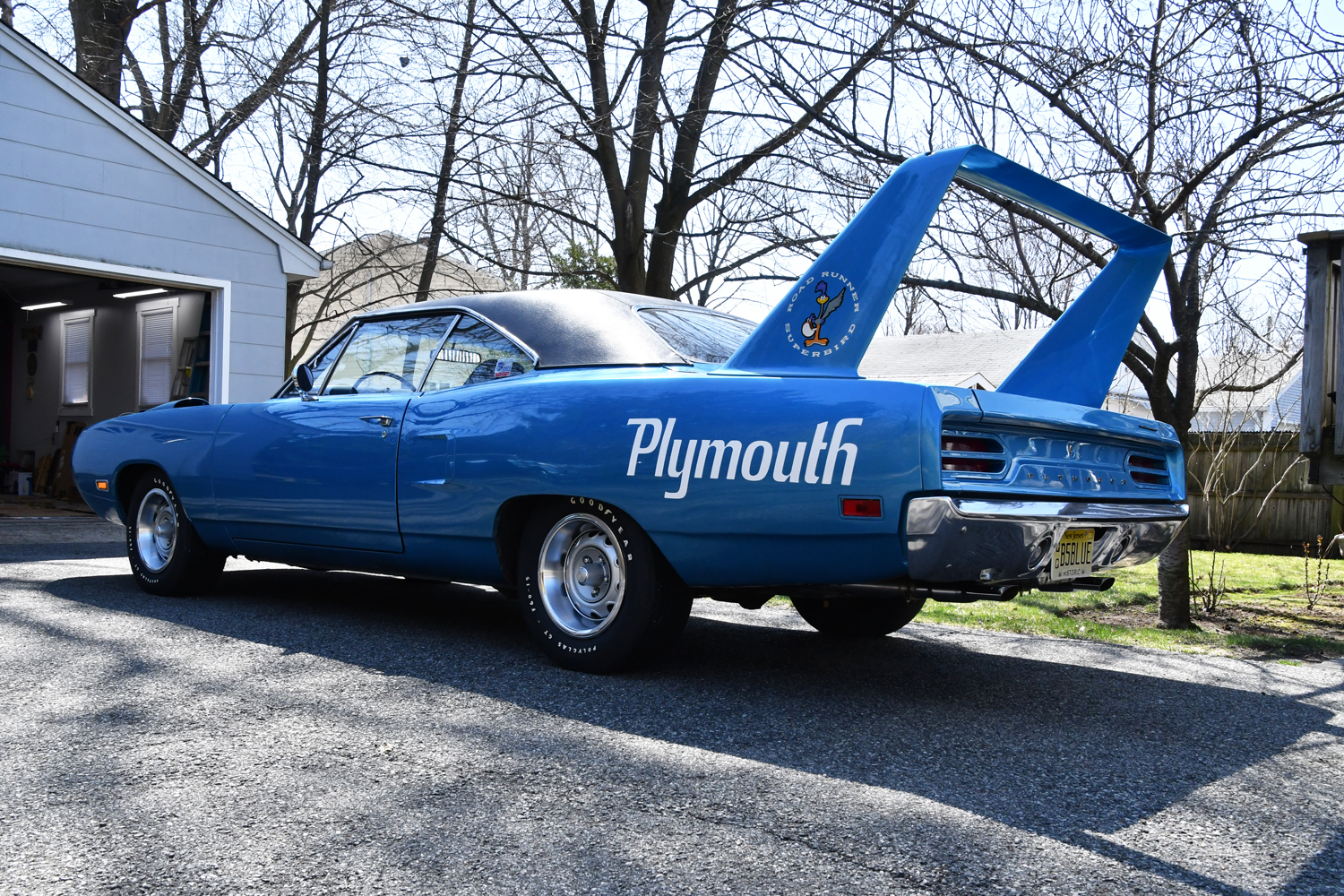
Created by Chrysler corporation purely as a means to dominate NASCAR racing for the 1969-1970 season, the Superbird with its 19-inch extended bullet nose and car wash nightmare, outsized rear wing did not move especially well out of the showroom as a retail money maker. For homologation purposes 1,920 Superbirds came from the factory for retail sale. It did, however, achieve its intended dominance by exceeding 200 mph at Talladega Superspeedway to set a NASCAR record. In NASCAR race trim, powered by a 426 Hemi V8 with a 0 – 60 mph time of 4.8 seconds and a drag coefficient of 0.28 (still an impressive level of slipperiness 50-years later) the Superbird with Richard Petty at the wheel won eight NASCAR races and finished high in others.
Right around that time as a 16-year old teenager pedaling his bike past Frey Chrysler in Bergenfield, New Jersey, young Vinny fell under the spell of the new Superbird in the showroom window. He would just stop and stare at the outrageous Roadrunner on Steroids and dream. One day Vinny knew he would own one.
History would prove Vinny right, twice. He found a B5 Blue Superbird in 1979 and grabbed it. However with the birth of his daughter Vinny’s first Superbird left to feather the nest for the expanding Plotino family. While appreciating the necessity for the move, Vinny immediately regretted it.
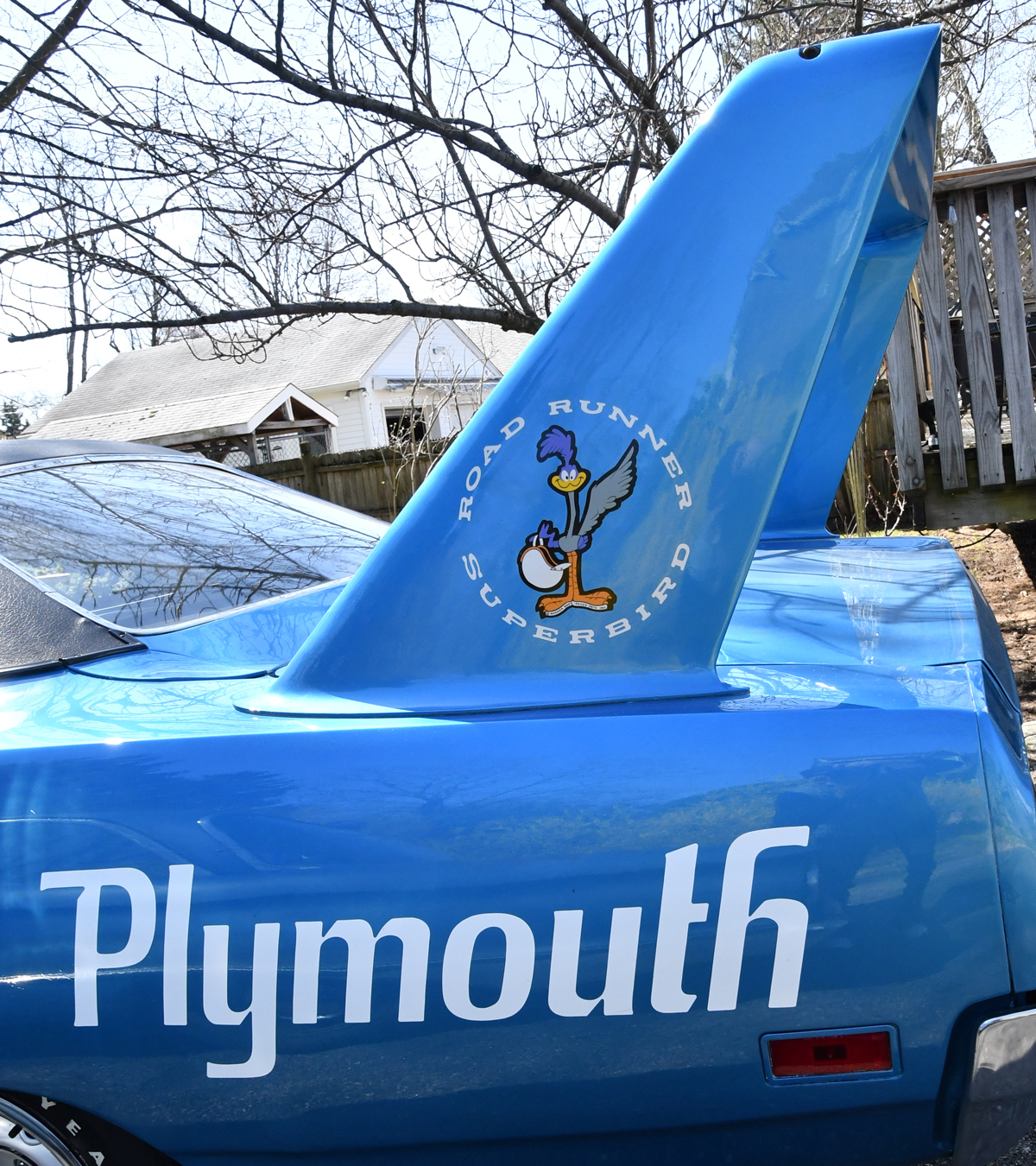
It would be another ten years before the second opportunity arose when Vinny could again own his dream car. In 1989 a B5 Blue Superbird appeared on his radar and shortly thereafter arrived in his driveway and with 36,000 original miles rolled into his garage. Today, 30 plus years later that B5 Blue numbers matching Superbird now with 40,000 miles, receives with great frequency the same loving gaze that first inspired the dreams of a teenage boys heart.
When asked for any stories of interest relating to the Superbird, Gina Plotino, Vinny’s wife, offered a small story that spoke volumes about relationships, priorities, love, friendship and understanding, not necessarily topics one immediately associates with iconic muscle cars. Gina recalled when Vinny faced a challenging task that involved replacing the Superbird’s exhaust system.
Gina said, “I watch him at car shows when a father and son or daughter come by his car. It is so important to him that he provides an opportunity for the father to engage with his children. Vinny really cares about others. He is such a good person. Now, I always take good care of myself and I love my nails, but, Vinny needed help with the exhaust system. I cut my nails off so we could do the job together. I love him.” They have been married 40 years.
Worthy of inspiring a softly quizzical “why”?, a fairly forlorn 1962 2-door Ford Falcon with a level of patina edging ever closer to crossing the line to perforated corrosion nobly plays the role of sidekick to the bigger than life hero Superbird.
Told with warmth and feeling, Vinny lovingly shares the story behind his deep affection for “Mrs. Olesko’s Falcon.”
“I grew up in Bergenfield, New Jersey, says Vinny, “I was 9-years old when my friend Ron Olesko’s mother bought a 1962 Falcon.” From the day she took delivery until today, it has never left Bergen County. Ron was the only child and the car serviced all the family needs by going to church, the grocery store and taking Ron to and from school. Vinny says, It probably never took a longer ride than 20 miles.”
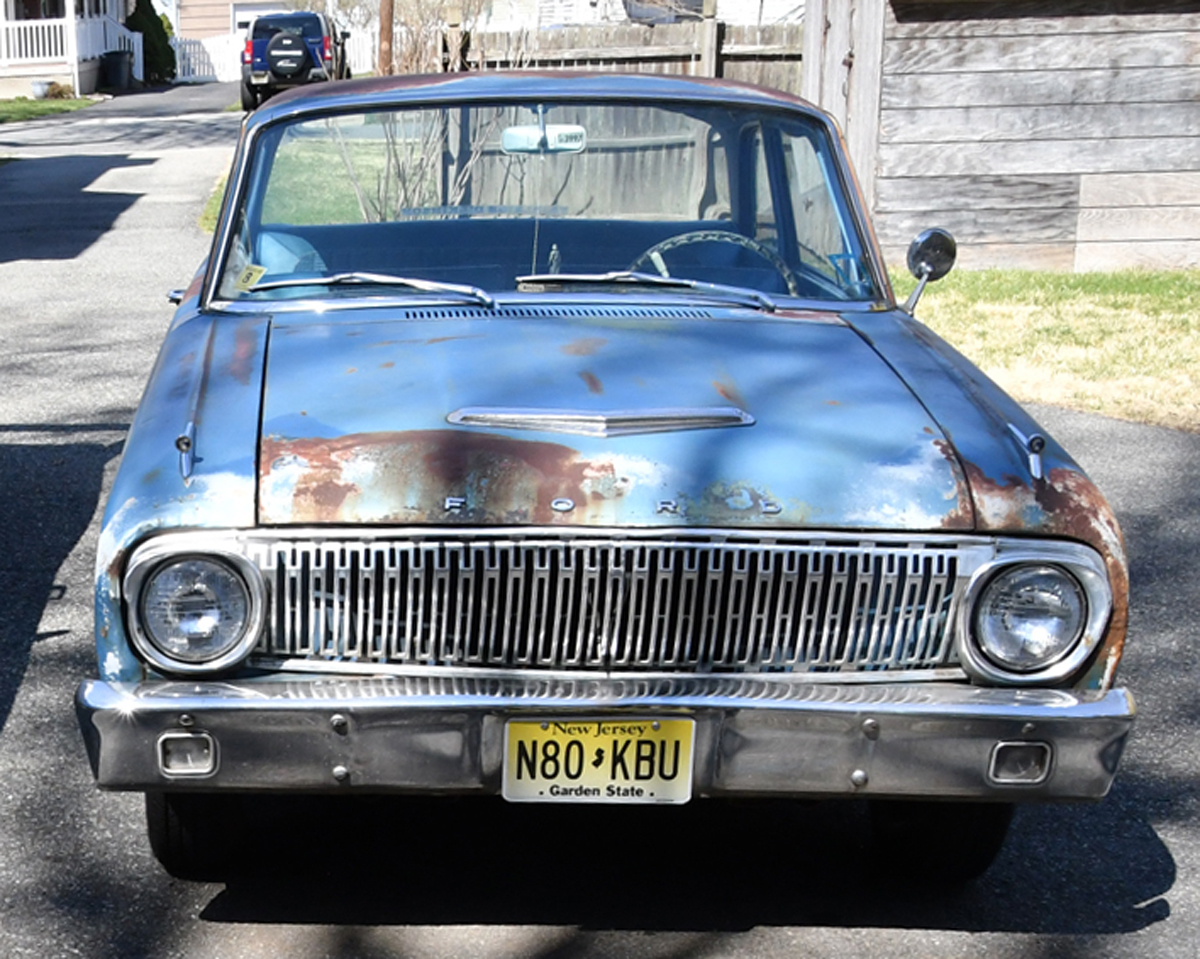
Since in years later Mrs. Olesko had a concern about mice getting into the car inside the garage, the Falcon stayed outside exposed to the elements from around 2002 to 2017. After Mrs. Olesko turned in her driver’s license due to poor eye sight, the Falcon sat idle for a few years. Despite Vinny’s most passionate pleas she refused to sell the car. She wanted it out in front to let potential burglars know that someone was always home. Son Ron Olesko says, “Despite my best efforts I could not persuade her that a rusty car with four flat tires would not fool anyone.”
After taking a fall Mrs. Olesko moved into a nursing home. Her first thought expressed when she moved was, “Give the car to Vinny.” When contacted by Ron, Vinny asked how much Ron’s mom wanted for the beloved Falcon. Ron said, “All she said was maybe Vinny could get it running and someday ride it in a parade.” Mrs. Olesko passed away in 2017.
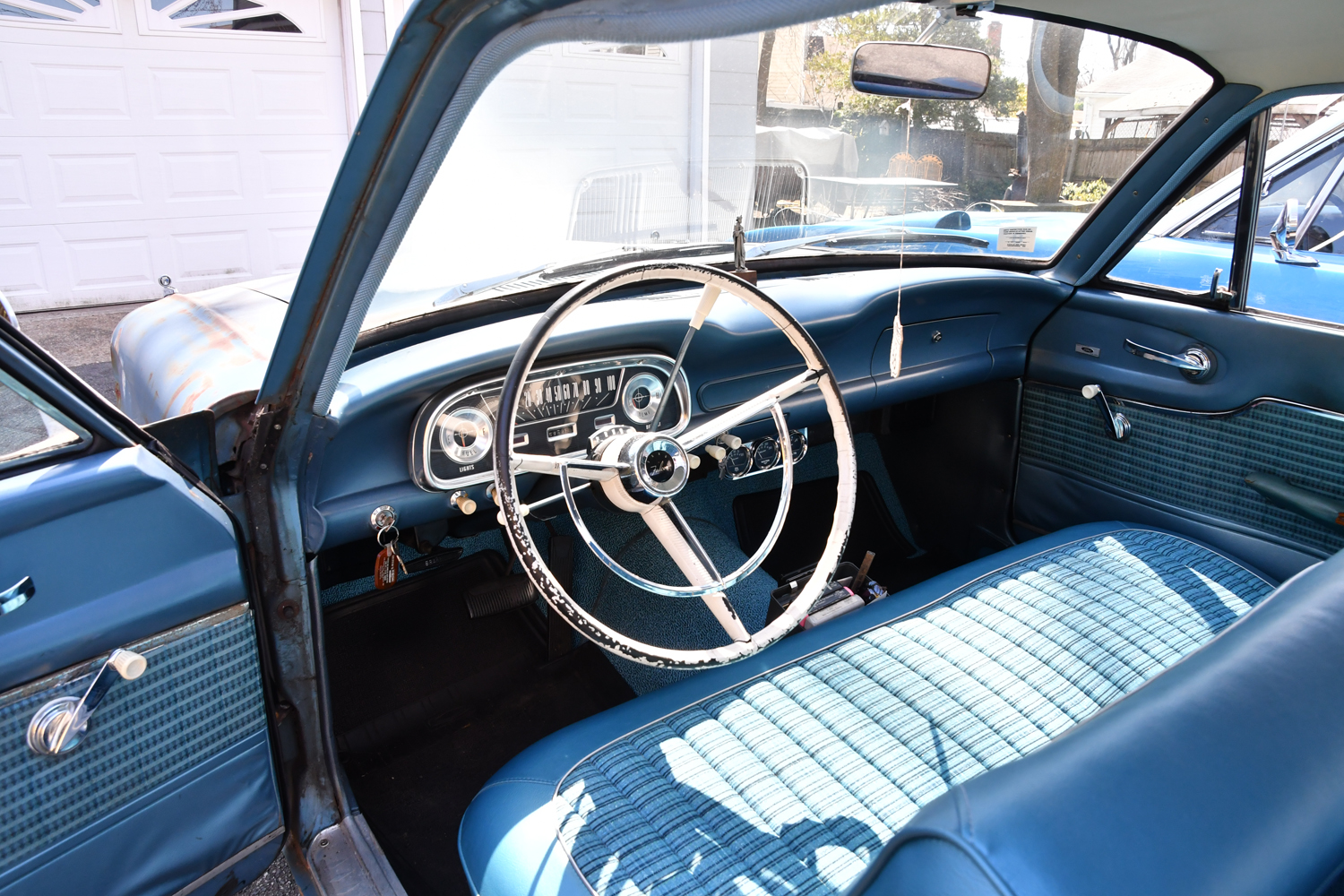
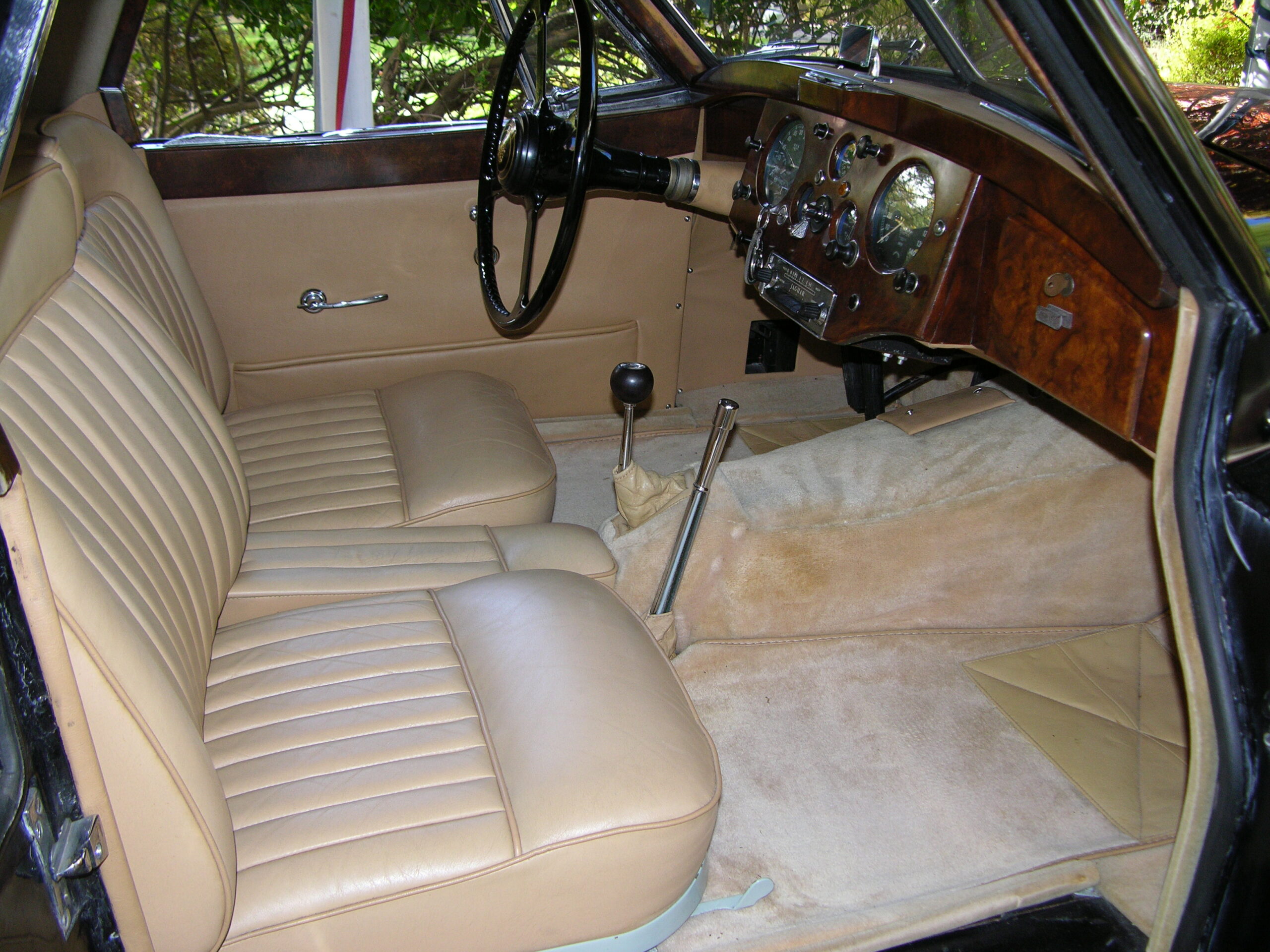
1962 Falcon refurbished interior
Interestingly the original purchase paperwork and window sticker accompanied the car. As displayed on the window sticker, the Olesko family purchased a 2-door model with the 85 horsepower 6-cylinder engine and 2-speed Ford-O-Matic automatic transmission. Vinny says, “The only option it had was the deluxe package which gave you some chrome trim on the sides and behind the wheels and those little guys on the top of the fenders. No radio (Vinny still has the little radio opening block-off plate). No power steering. No power brakes.“ The paperwork indicates a payment of $45.99 a month for 36 months.
Transporting the Falcon to Vinny’s garage posed some major challenges. Wheels had bonded to brake drums and would not turn. Vinny finally freed up the wheels and with the help of his Cousin Frank rolled the Falcon onto Vinny’s trailer. Changing all fluids and replacing all brake lines allowed the Falcon to slowly rise like the Phoenix from its past as a dead rusted hulk. Inspired by a ,now running car, Vinny found NOS 1962 Falcon upholstery and installed it.
When Mrs. Olesko passed away Vinny drove the refurbished faded blue Falcon to the church and followed the hearse as they drove one last time past her house.
Vinny says, “I do not want to remove the rust and repaint the car. I want to retain the patina that represents the loving life of Mrs. Olesko. While some may look at it and see only rust, I see a big part of a person’s life and memories that can never be replaced.”
Son Ron Olesko is quoted as saying, “Thanks Vinny, you do fine work. My mom got her parade.”
Loved for very different reasons but with equally heartfelt affection, Vinny Plotino’s odd couple sit side by side emblematic of the very human connection bonding people, the cars they love and the emotional charge that seals that bond and expresses human values far deeper than the attraction of horsepower and chrome.



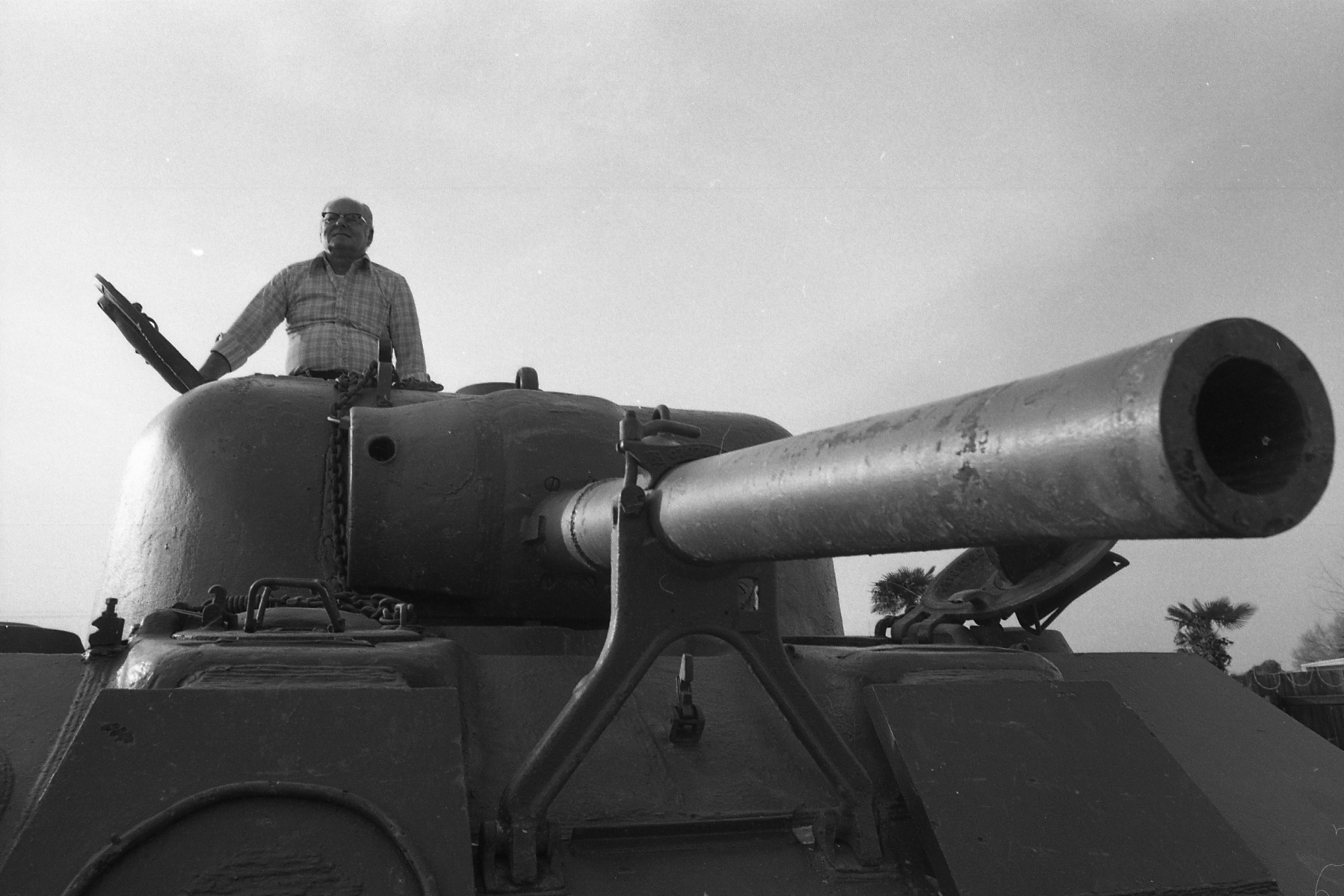
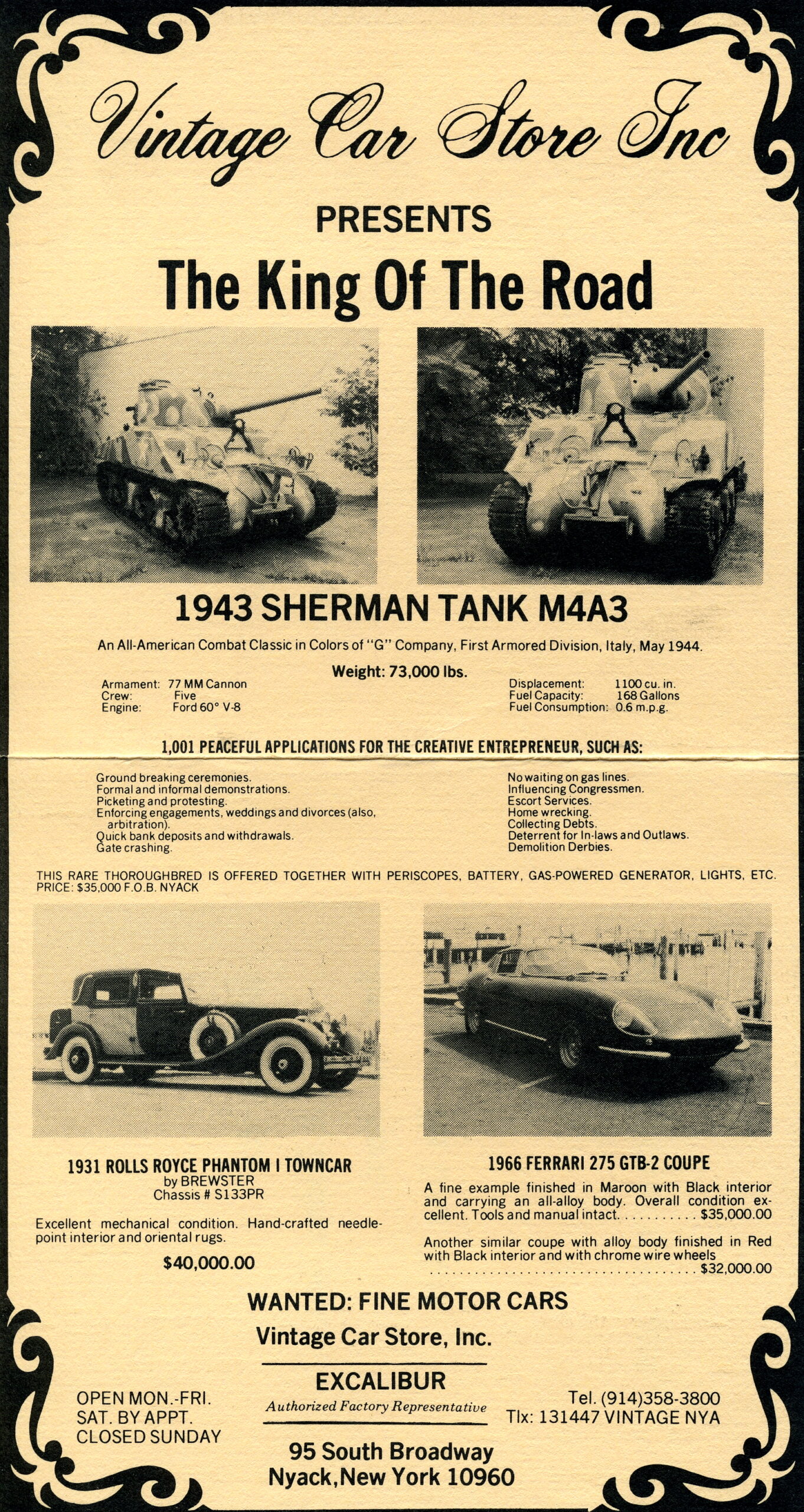
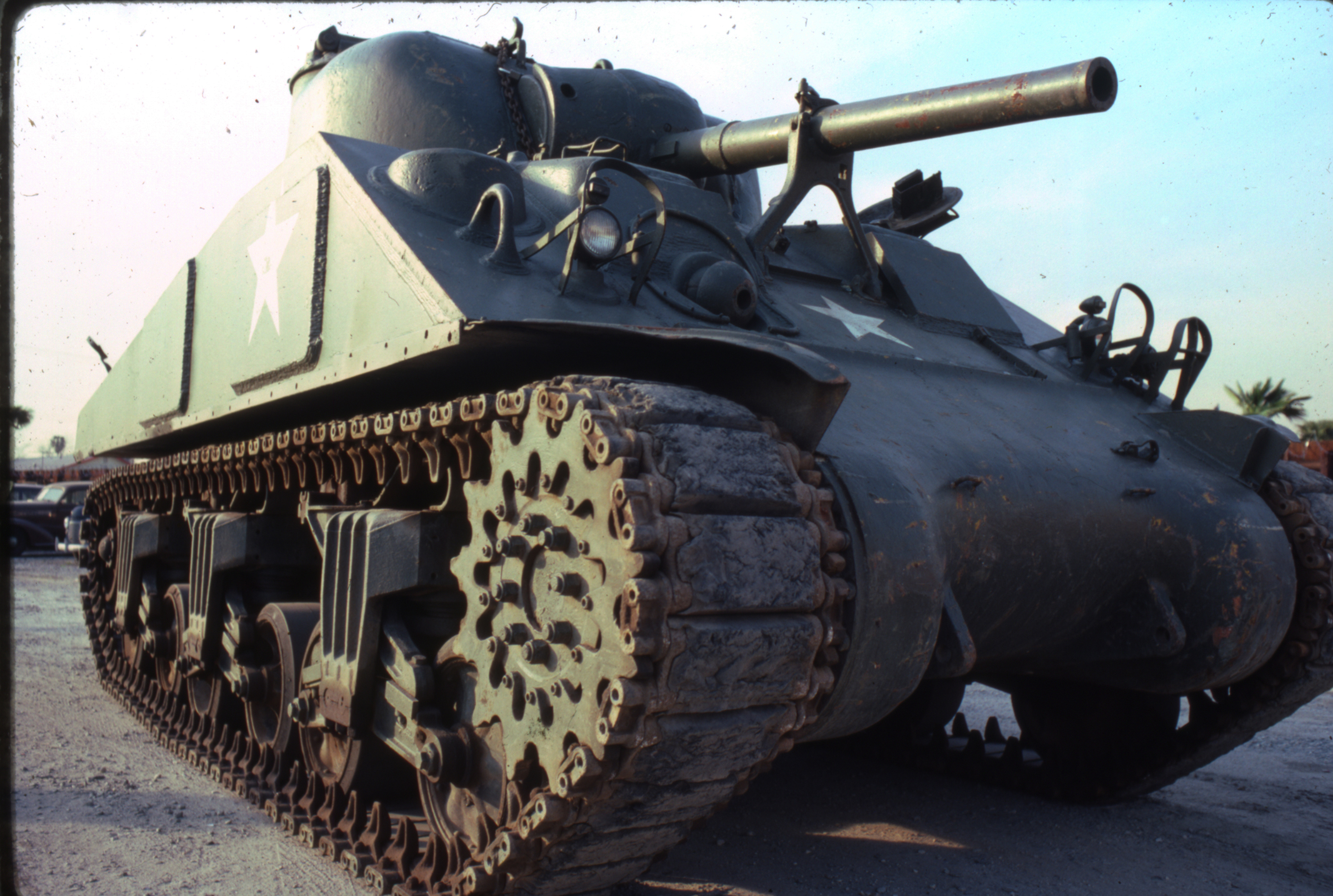
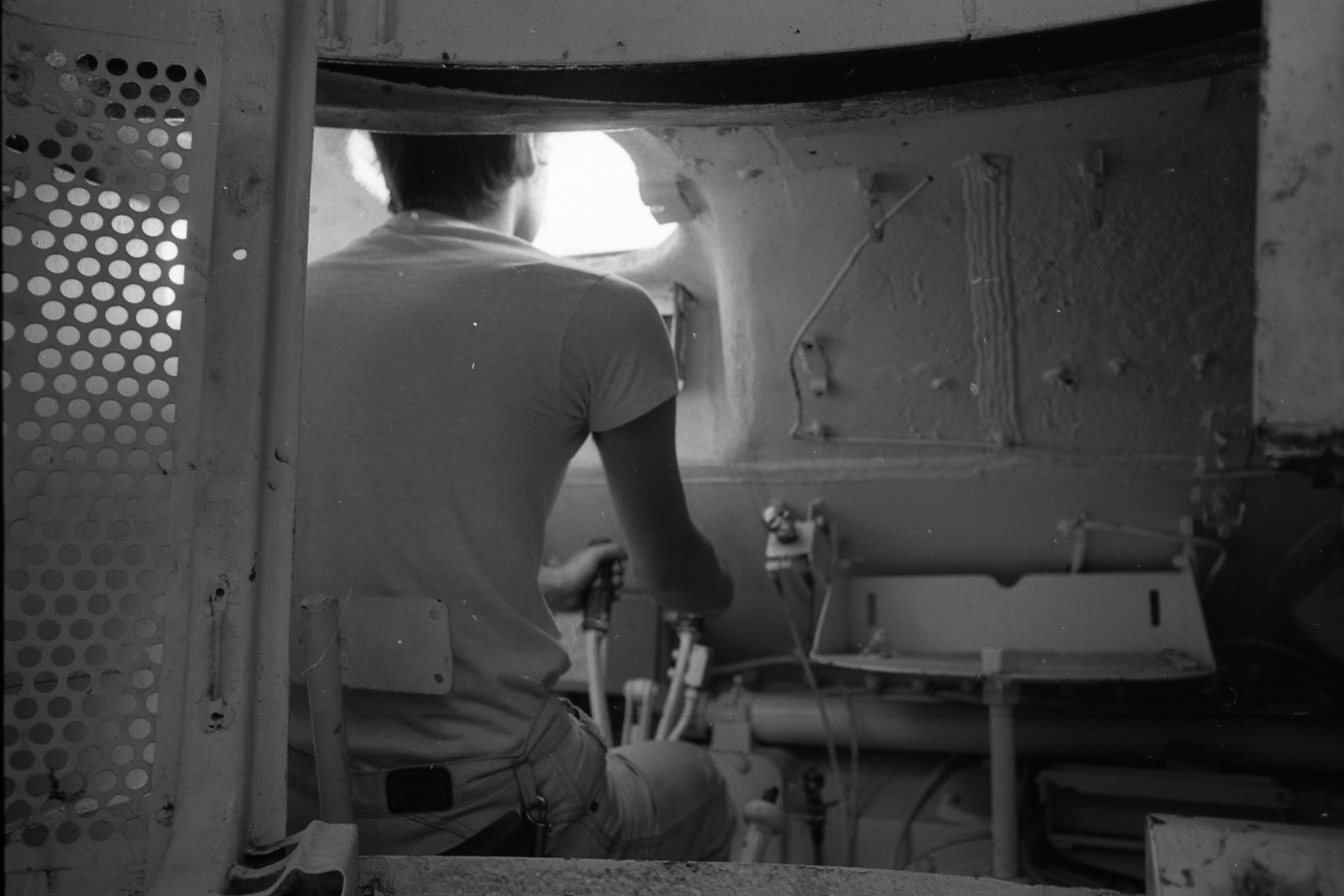
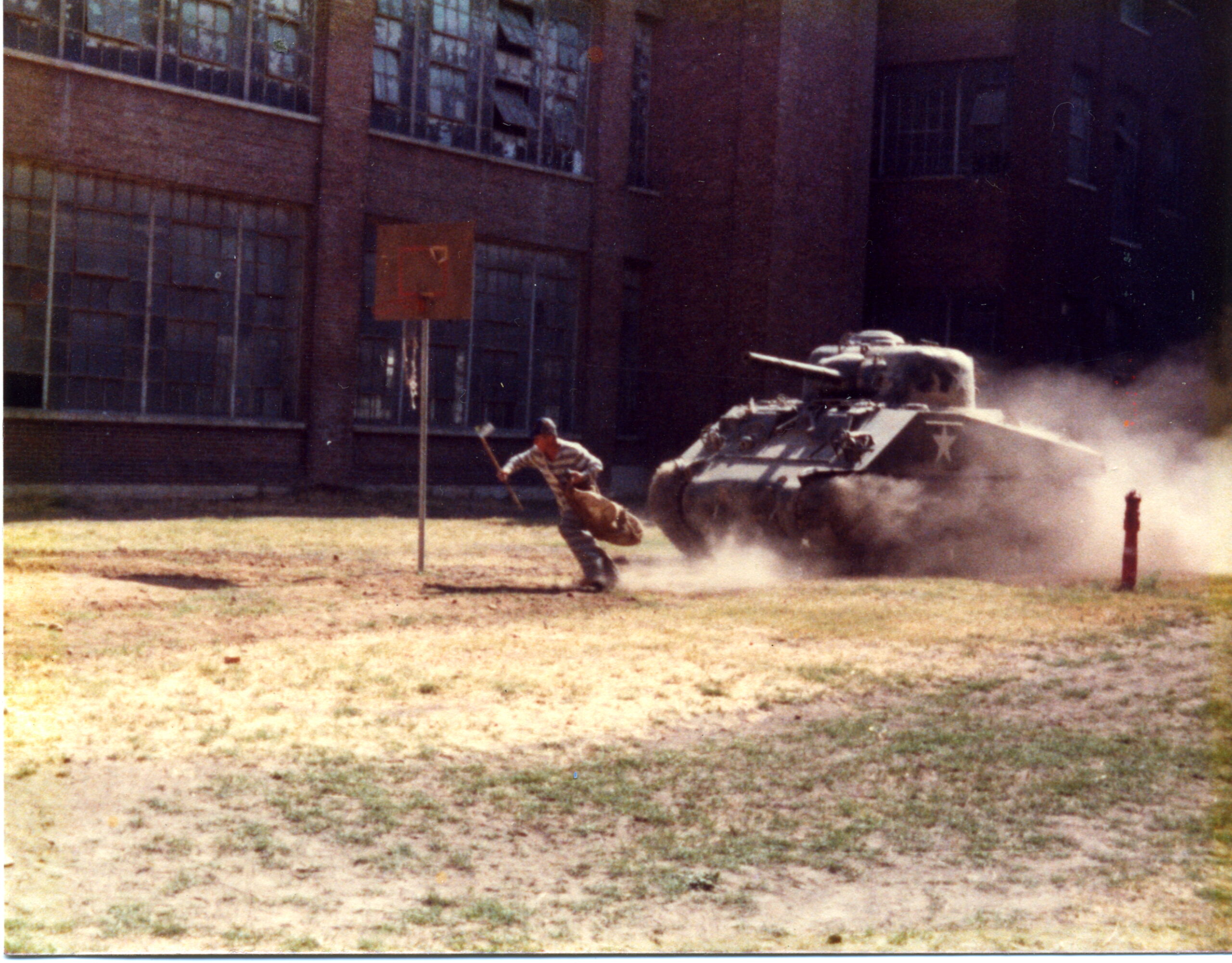
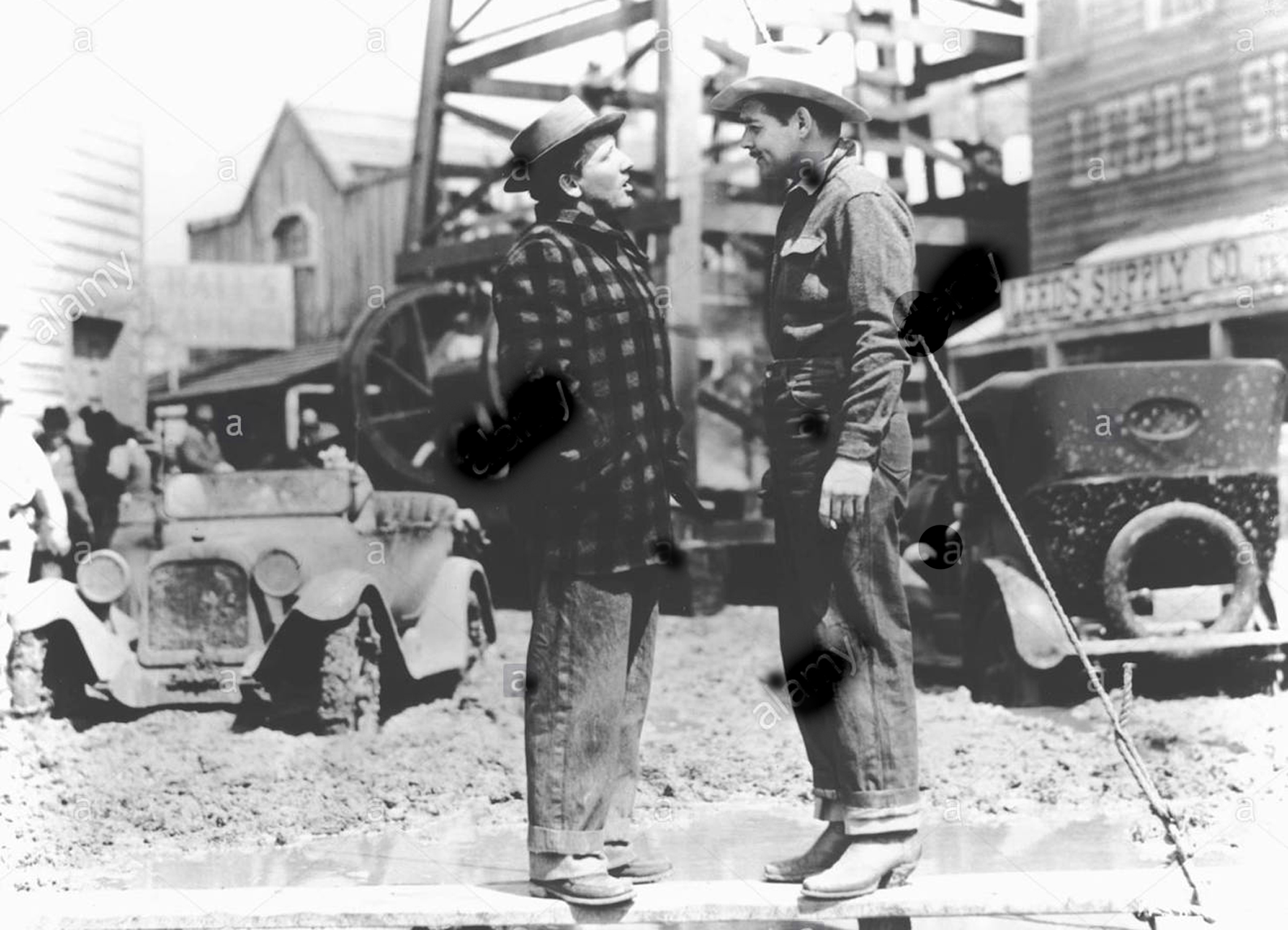
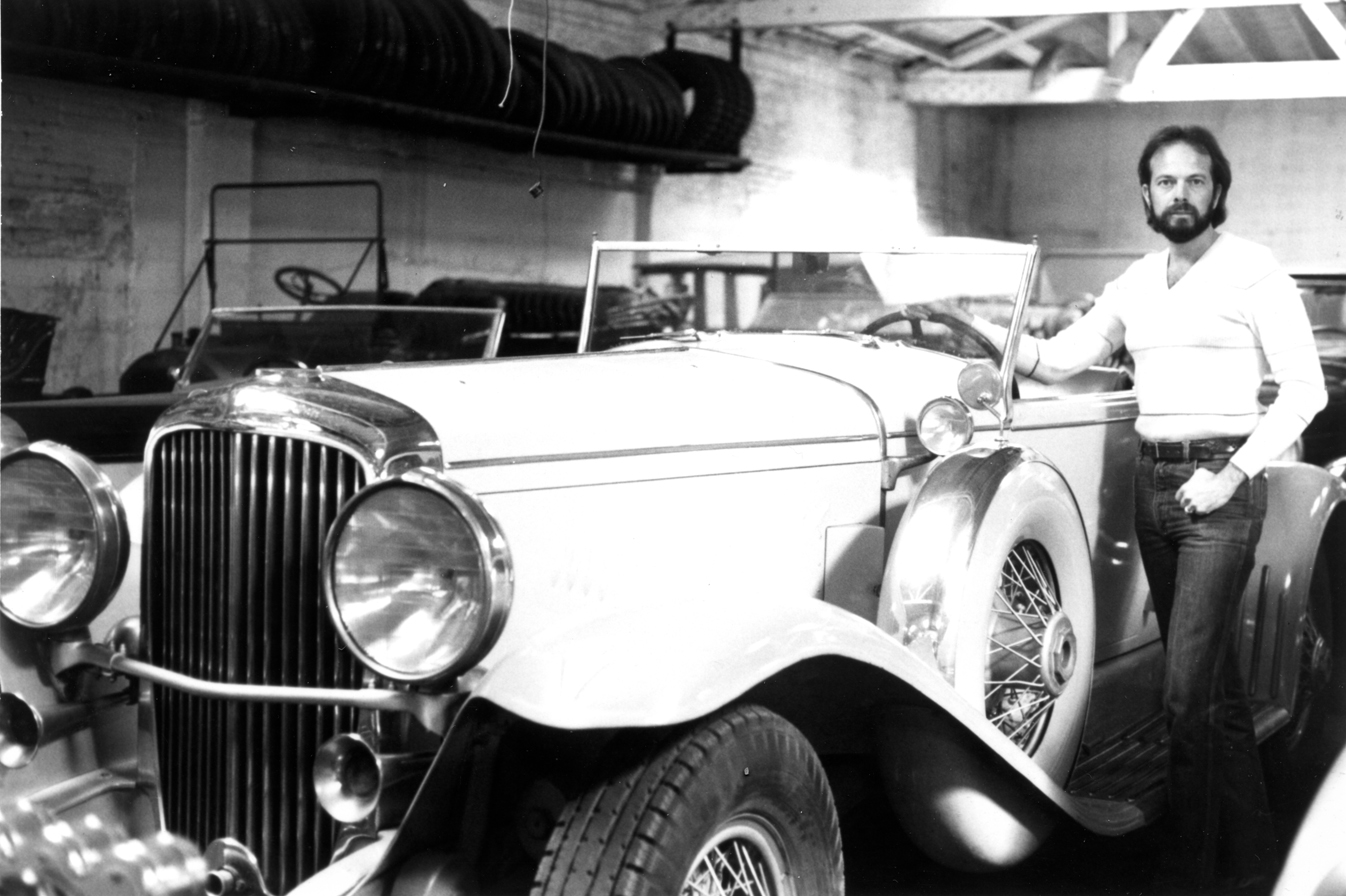
 Bill Wahnish a warm and friendly bear of a man began in Hollywood as a truck driver for the movie studios. By 1980 Bill and his wife of 42-years Beverly had been restoring old cars as a hobby for over 25-years. During that period Bill’s collection of cars had attracted the attention of the film industry. By the time the tank arrived that hobby has morphed into a full time car rental business for the film industry with credentials that including the contracts to supply period vehicles for films like “Chinatown” and “Day of the Locust.” Bill’s Car Rental now had over 130 vehicles available.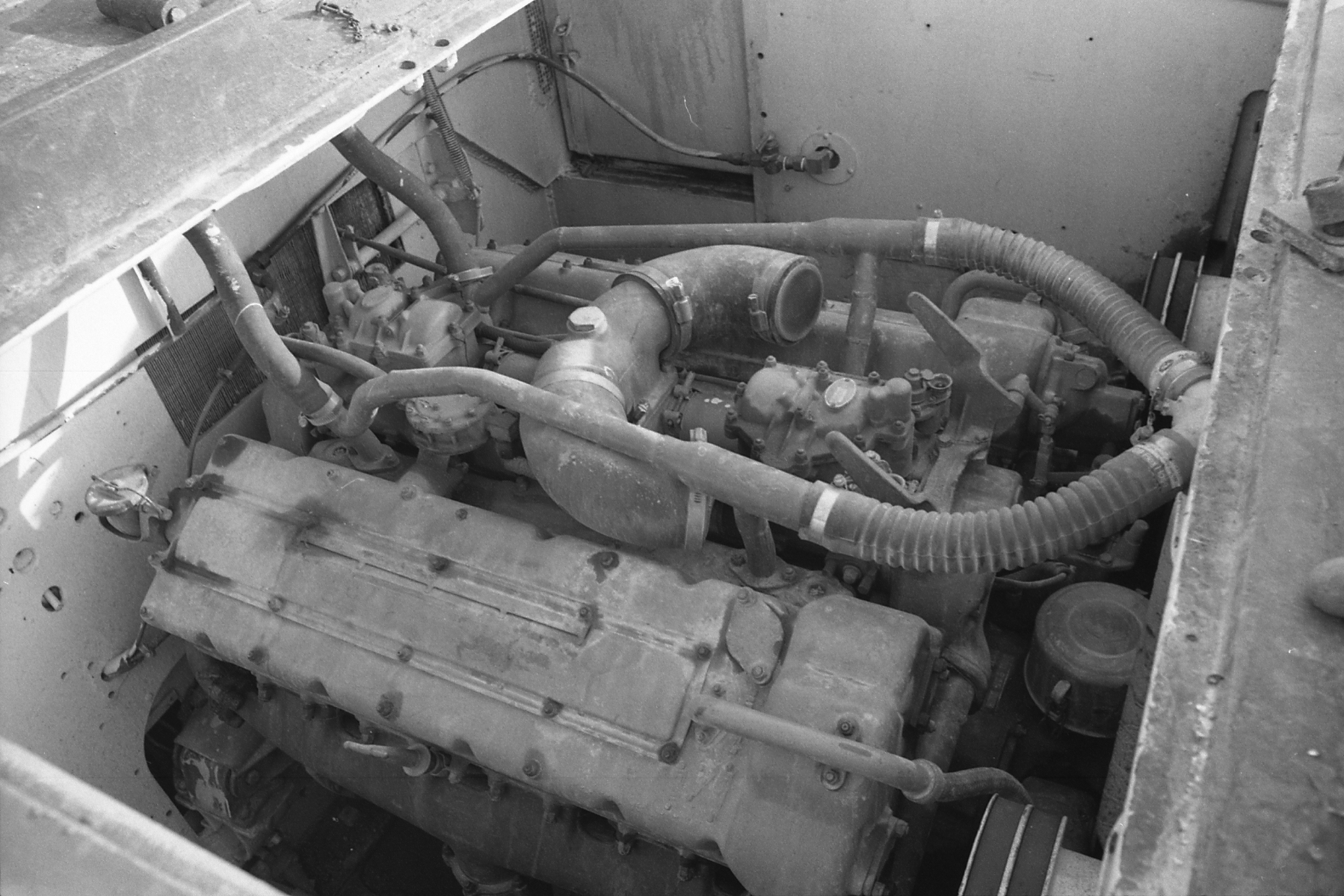


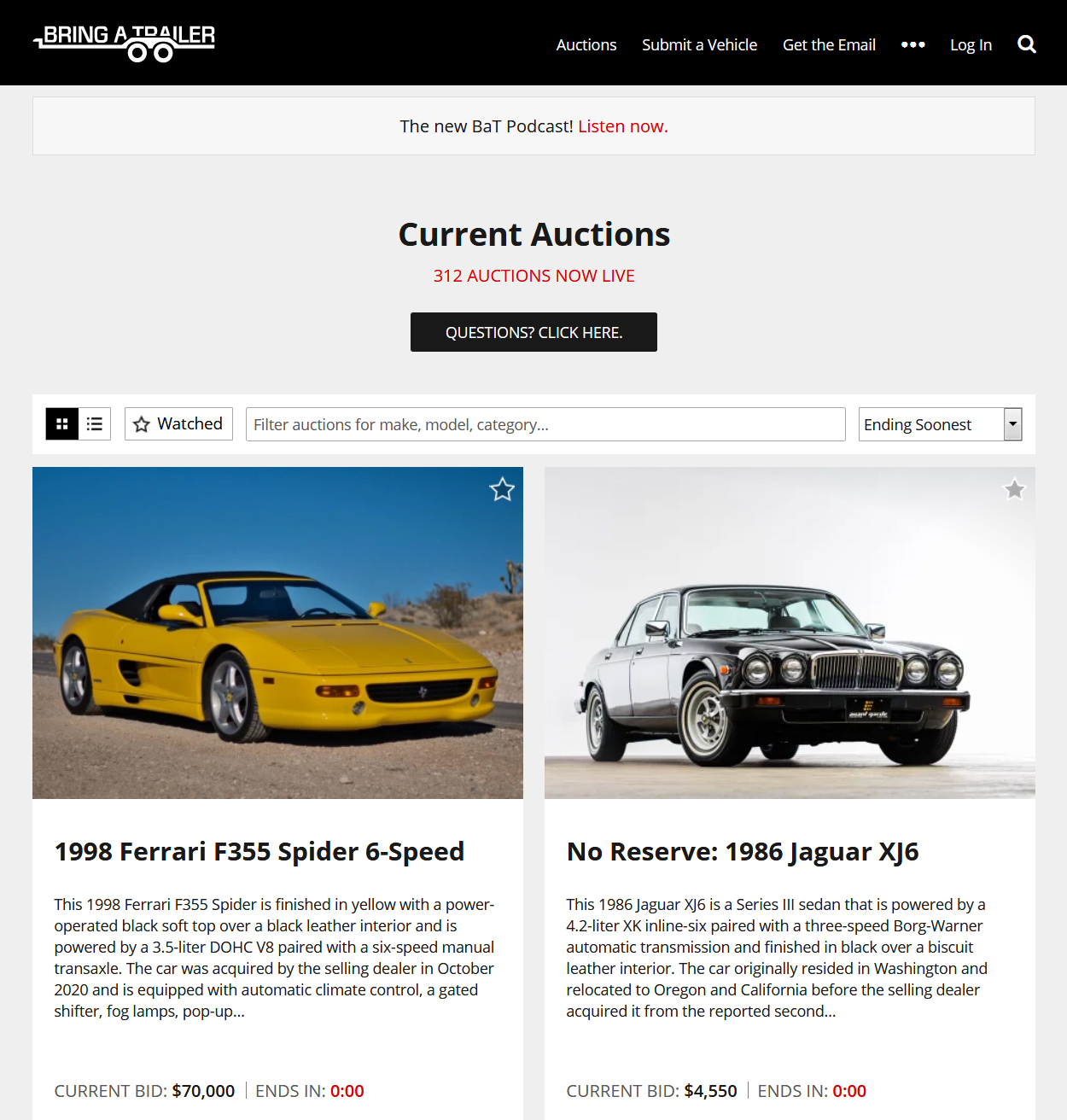
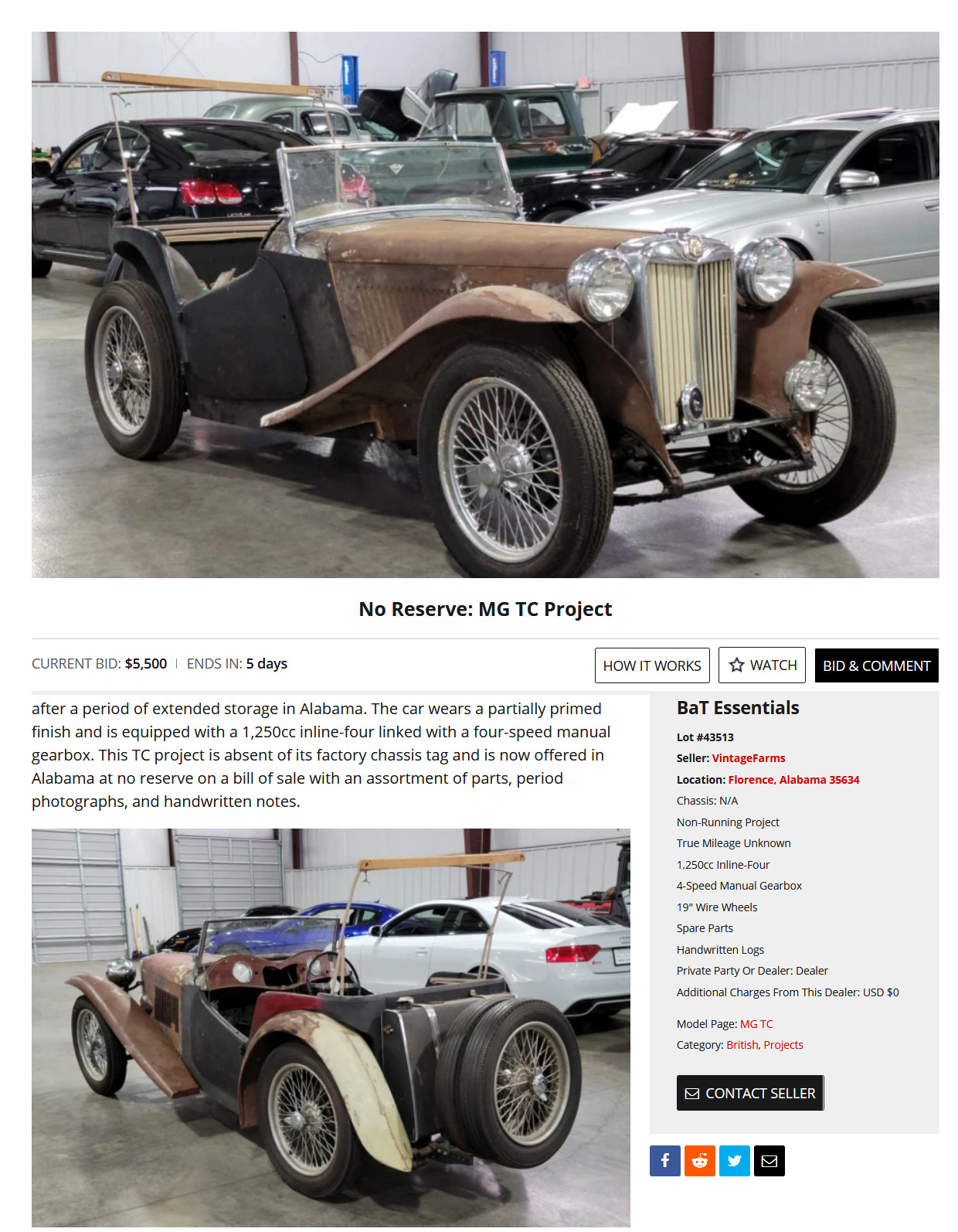
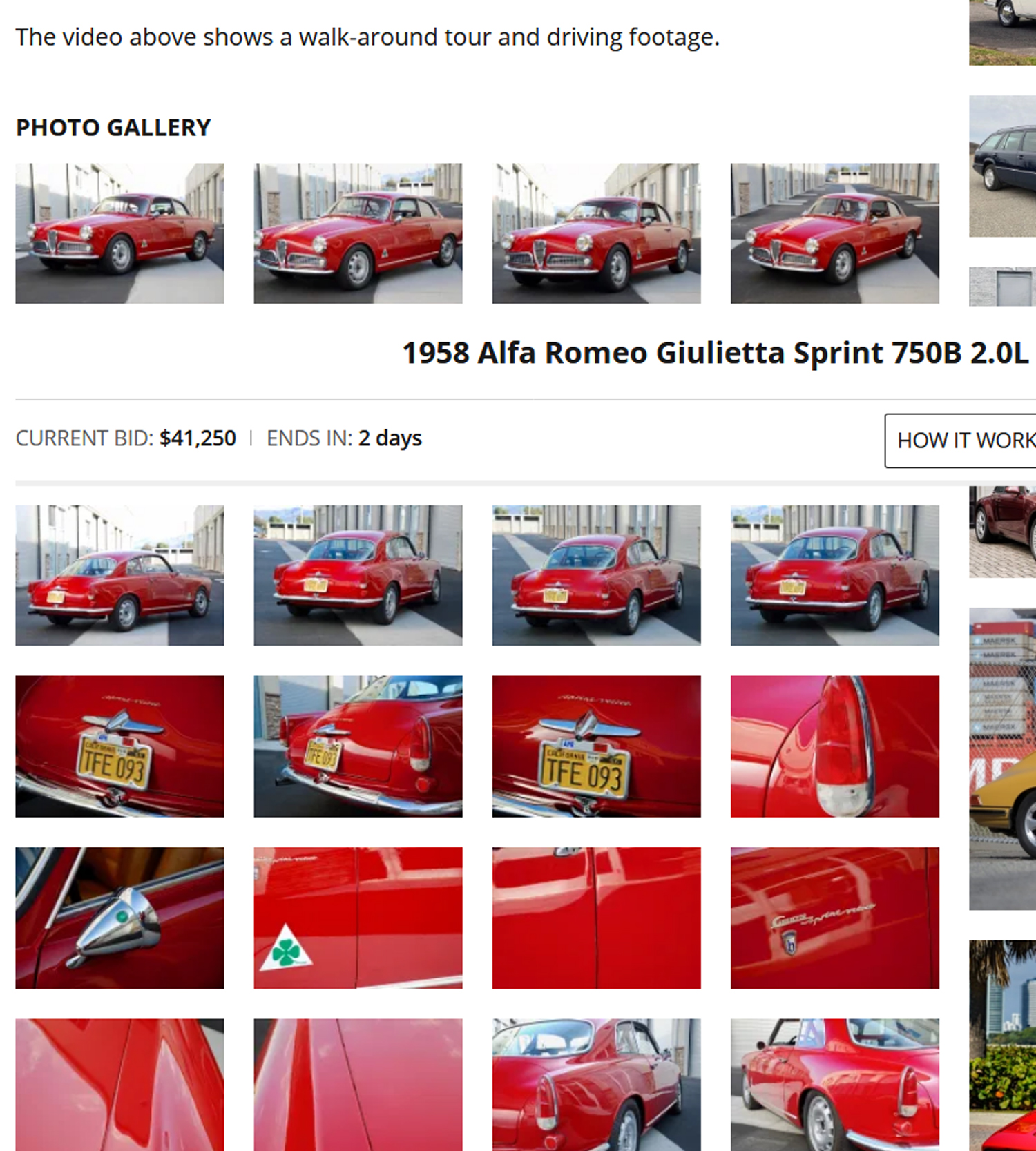 A visual and content rich feast for the car enthusiast, each vehicle being auctioned features high quality photography, driving videos and succinct and detailed descriptive copy. Matt says, “BaT really upped the game for photo quality from the craigslist days of ‘here’s a wheel’ and ‘here’s a bumper’ to BaT’s current comprehensive photo profile of easily 100 or more pictures.
 Unlike eBay, BaT does not permit sniping. Sniping refers to a common practice on eBay where a bidder waits to the last second to place a hopefully winning bid while leaving no time for another bidder to counter. BaT, however, prevents sniping by adding an additional two minutes to any last second bid. Matt points out that the two minute extension can actually draw a bidder in and overwhelm the bidder’s better judgment. Matt says, “It gives other people time to jump in. Acting on behalf of a client and under the client’s direction, I found myself in an online bidding battle. Someone else REALLY wanted this car. It got to the point where the bidding had gone far beyond reason. Someone would be paying way over its true value. I had to pull my client back and say this is crazy.”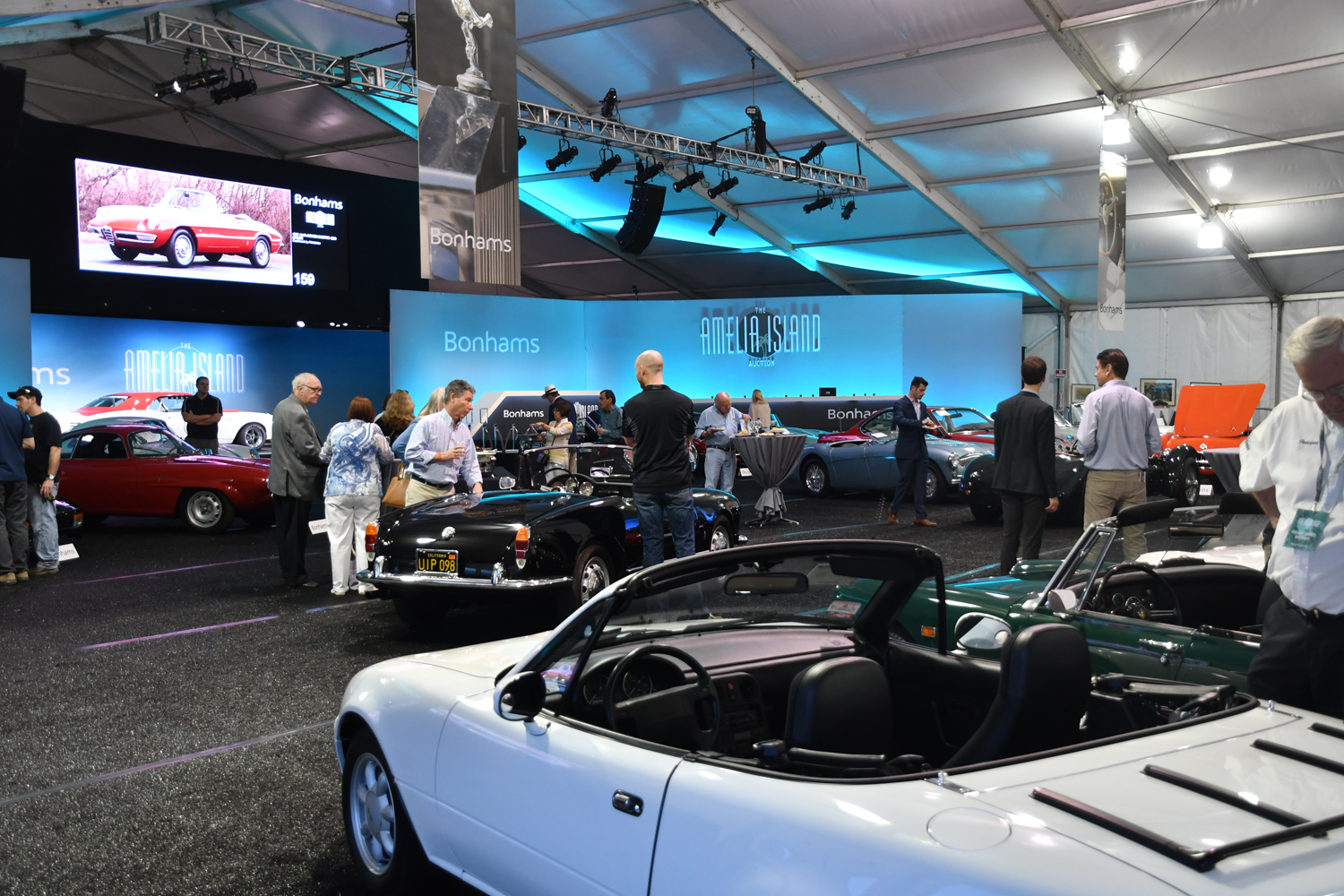
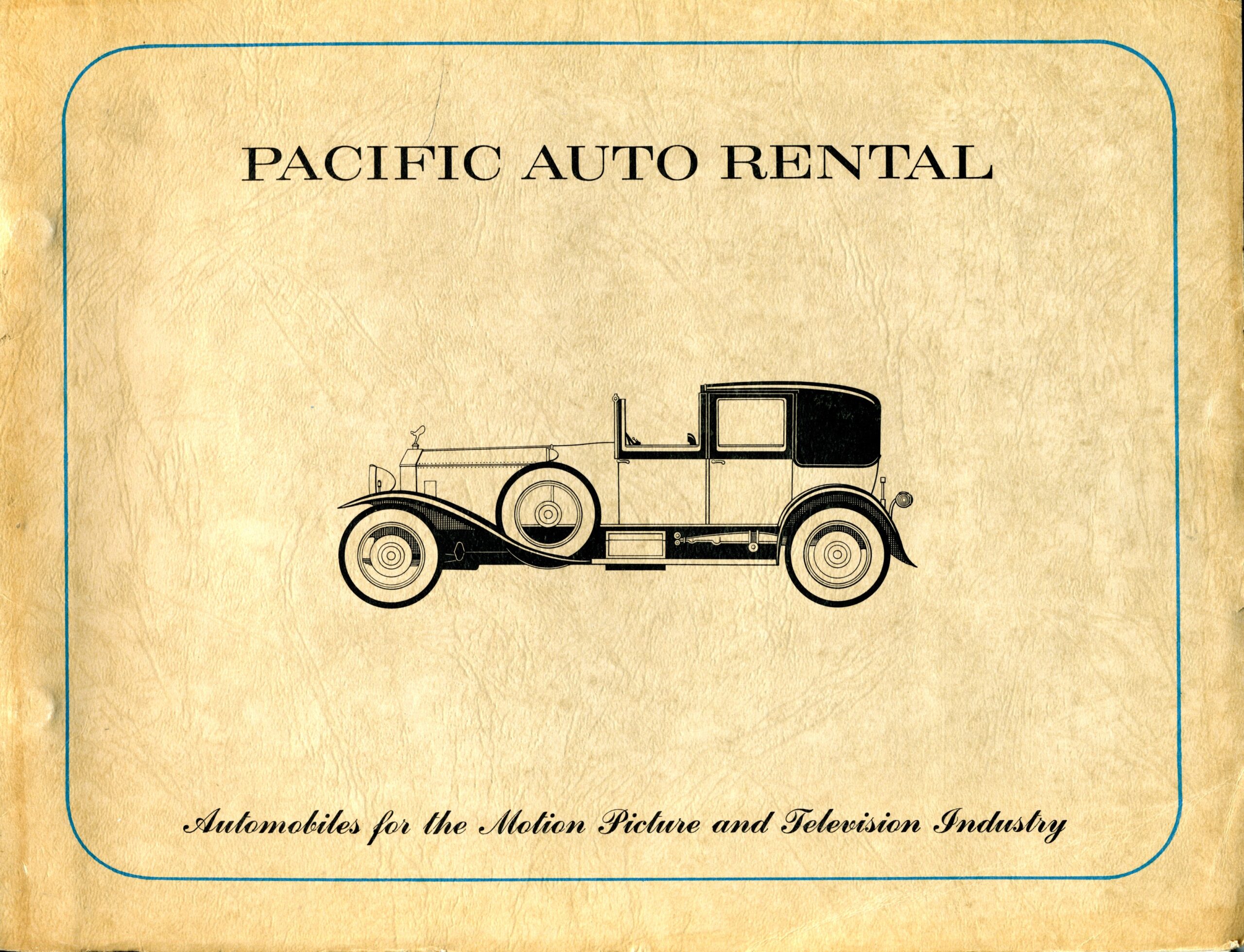
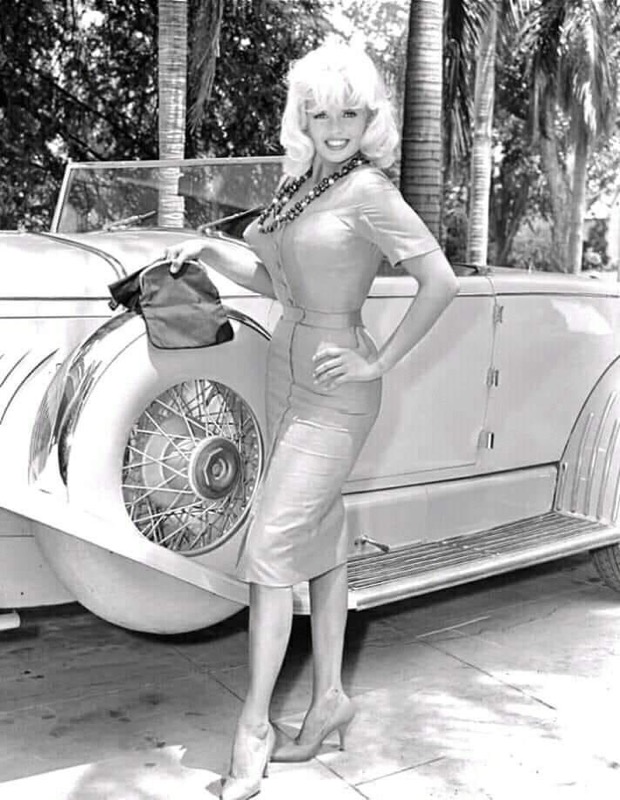
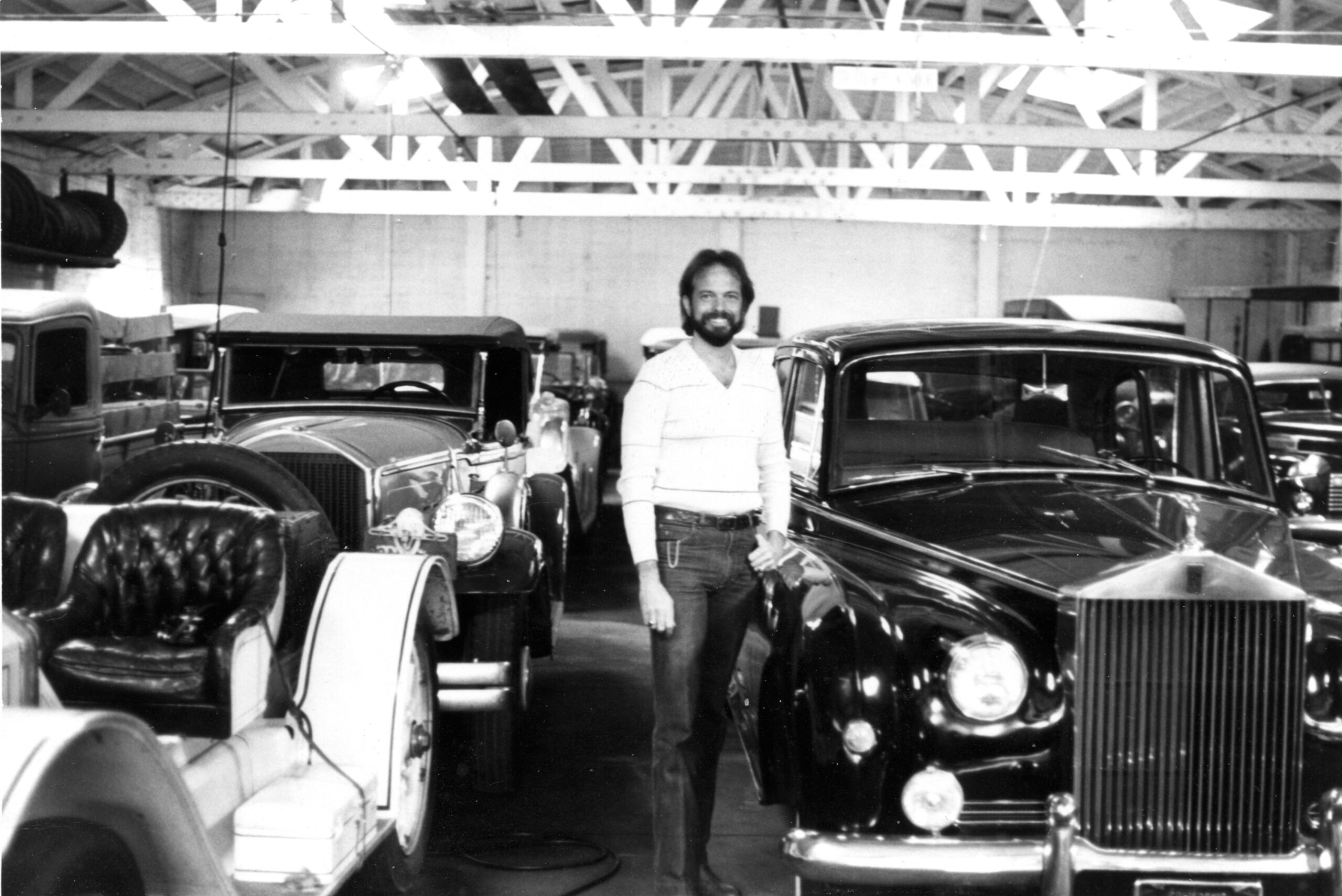
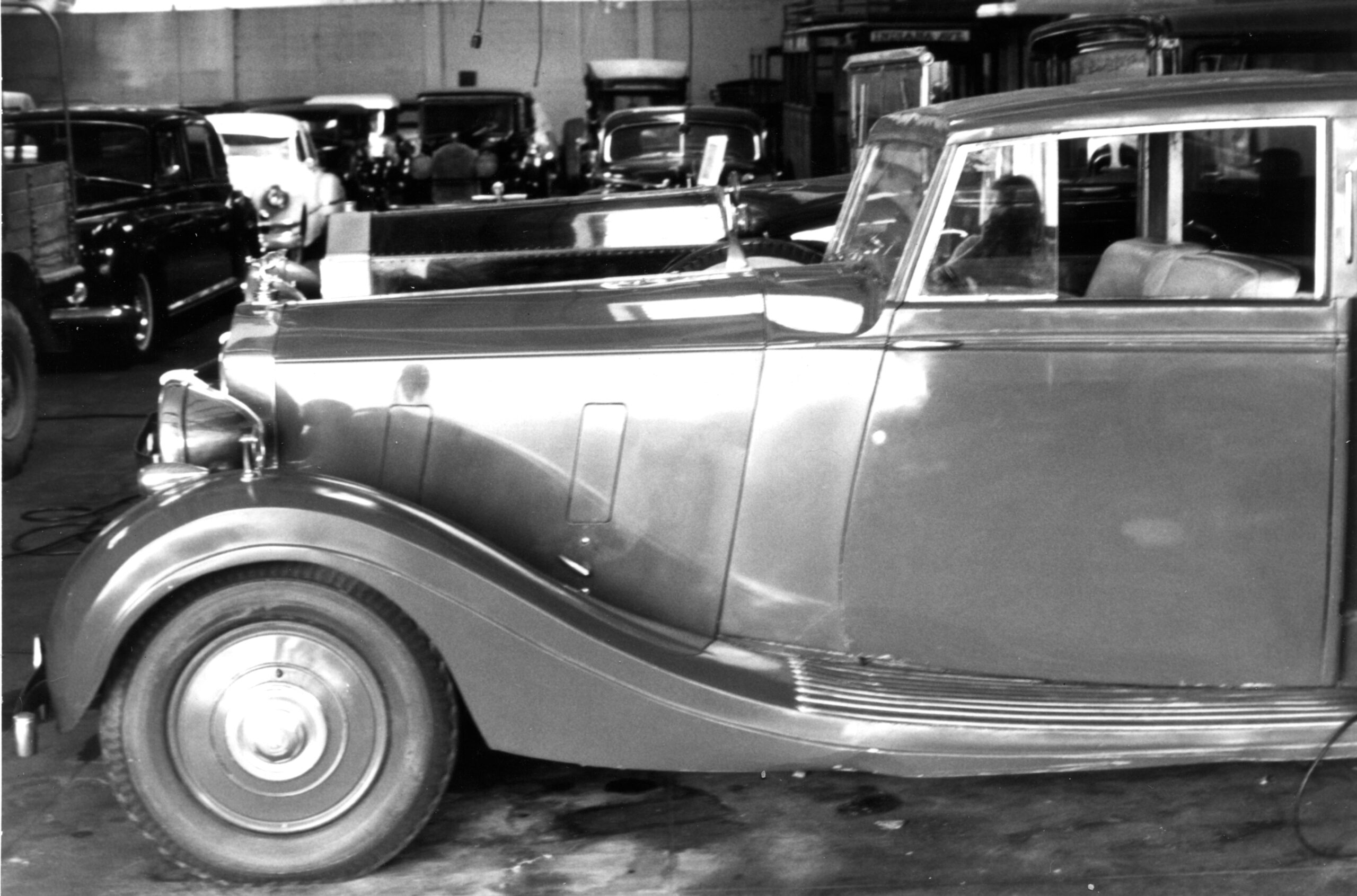 Our conversation would be held in Schweiger’s office. Directed to my left, we approached a classic glass pane and metal panel factory floor office. It displayed all the patina one would expect after spending over forty plus years in a vintage vehicle storage facility. Pacific Auto Rental had moved there in 1940. During that time Schweiger’s original partner had passed away in 1943. Shockingly for Schweiger, his sixty-year old son predeceased him some years back and forced the doctor to resume control of the business. Considering the impressive size of his collection, the minimal nature of the Pacific Auto Rental support staff came as a shock. It consisted solely of a postman who worked part time and a young man with learning disabilities. Everything else was left to the studio renting the vehicle and specialists on the other end of a phone call.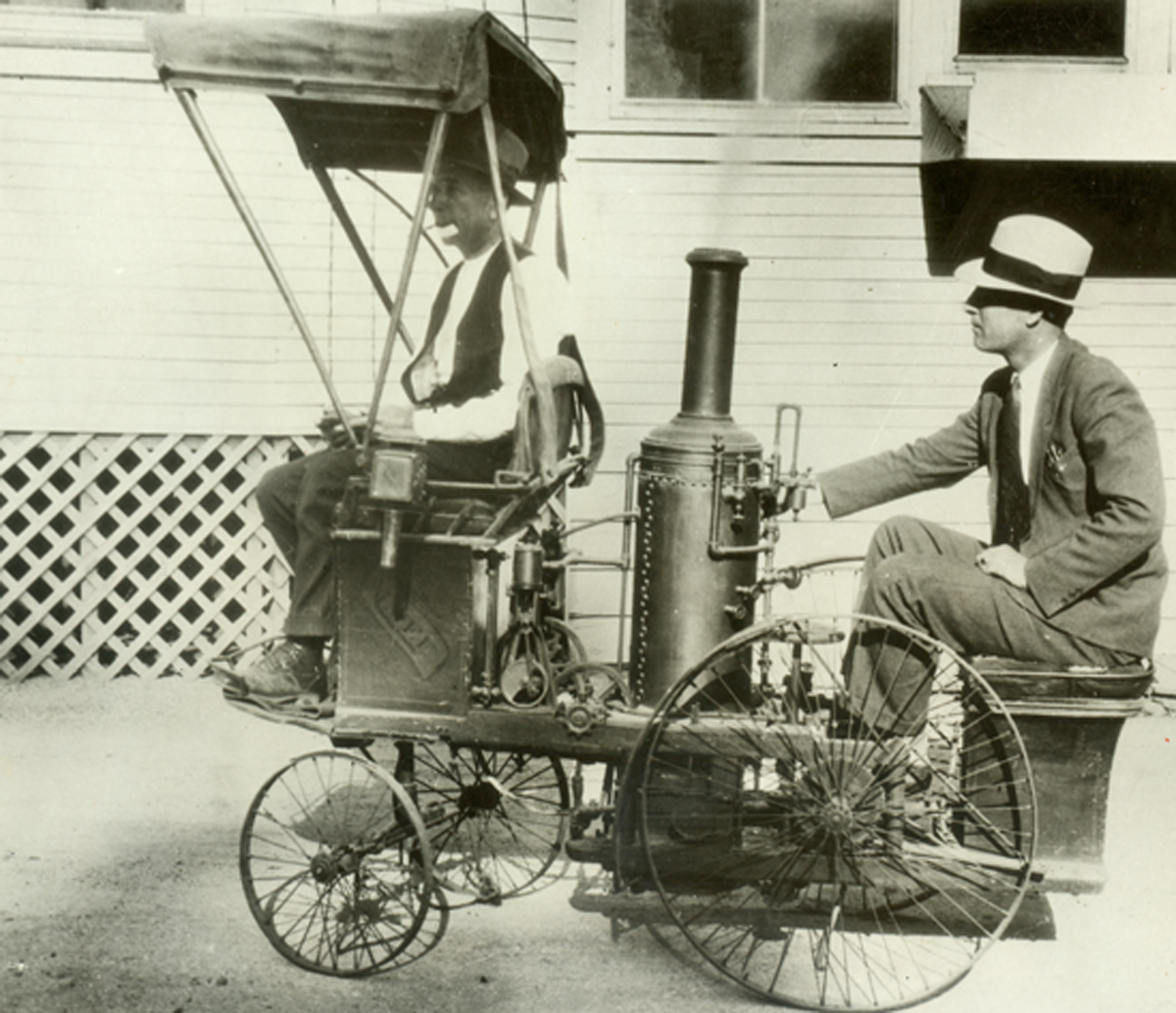






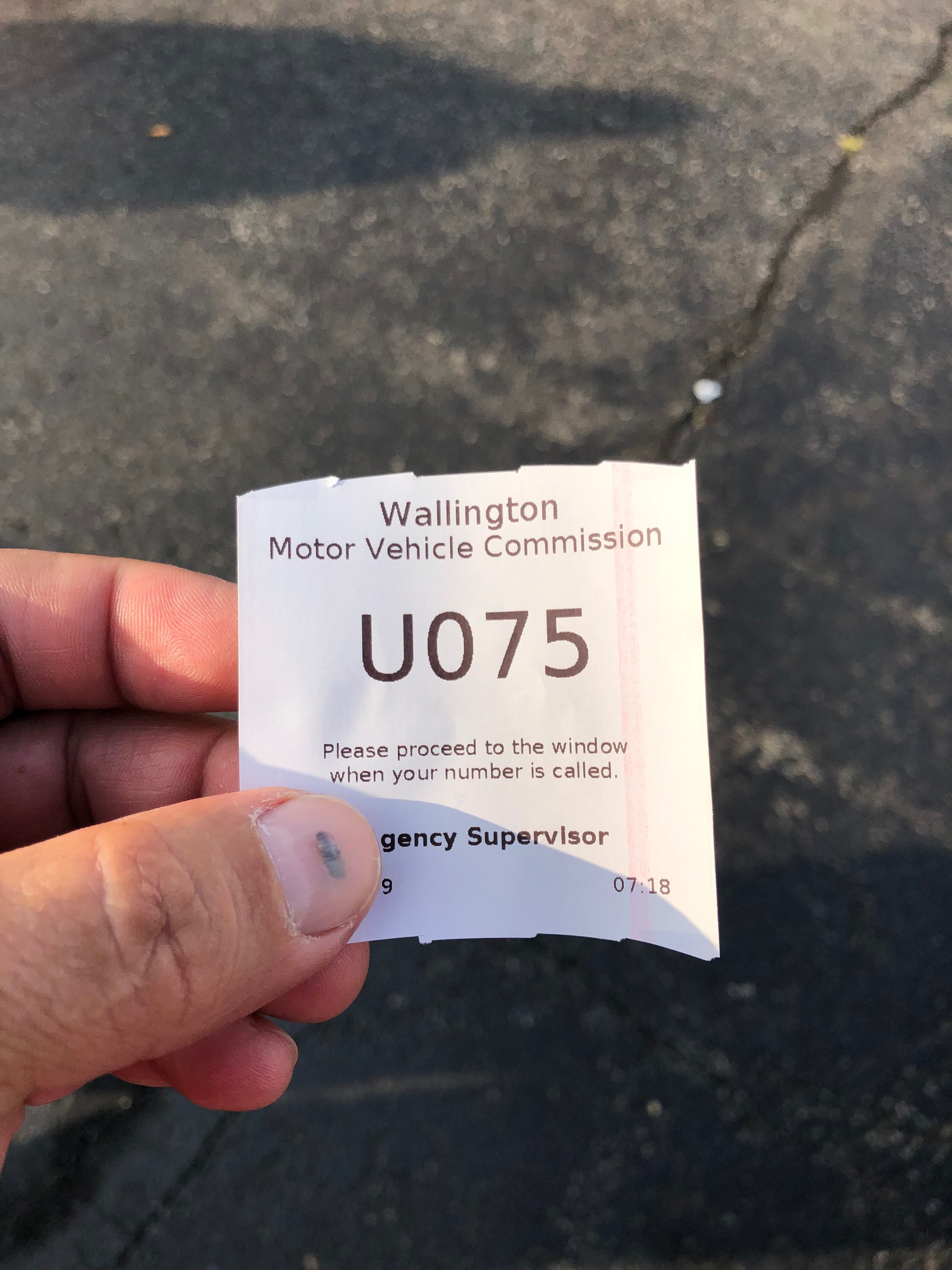 Two weeks passed. Tom’s plan had his brother drop him off by the Wallington office at around 9:30 pm the night before for what would be his fourth attempt. Arriving properly provisioned with food and blanket, he cracked the top 100. Tom’s tenacity had earned him position number 75 on the line. He described the long wait as a big party attended by people wearing masks standing 6 feet apart on a hot summer night. Tom felt confident though uncomfortable as his butt flat-spotted like an old tire as he reclined on the concrete pavement.
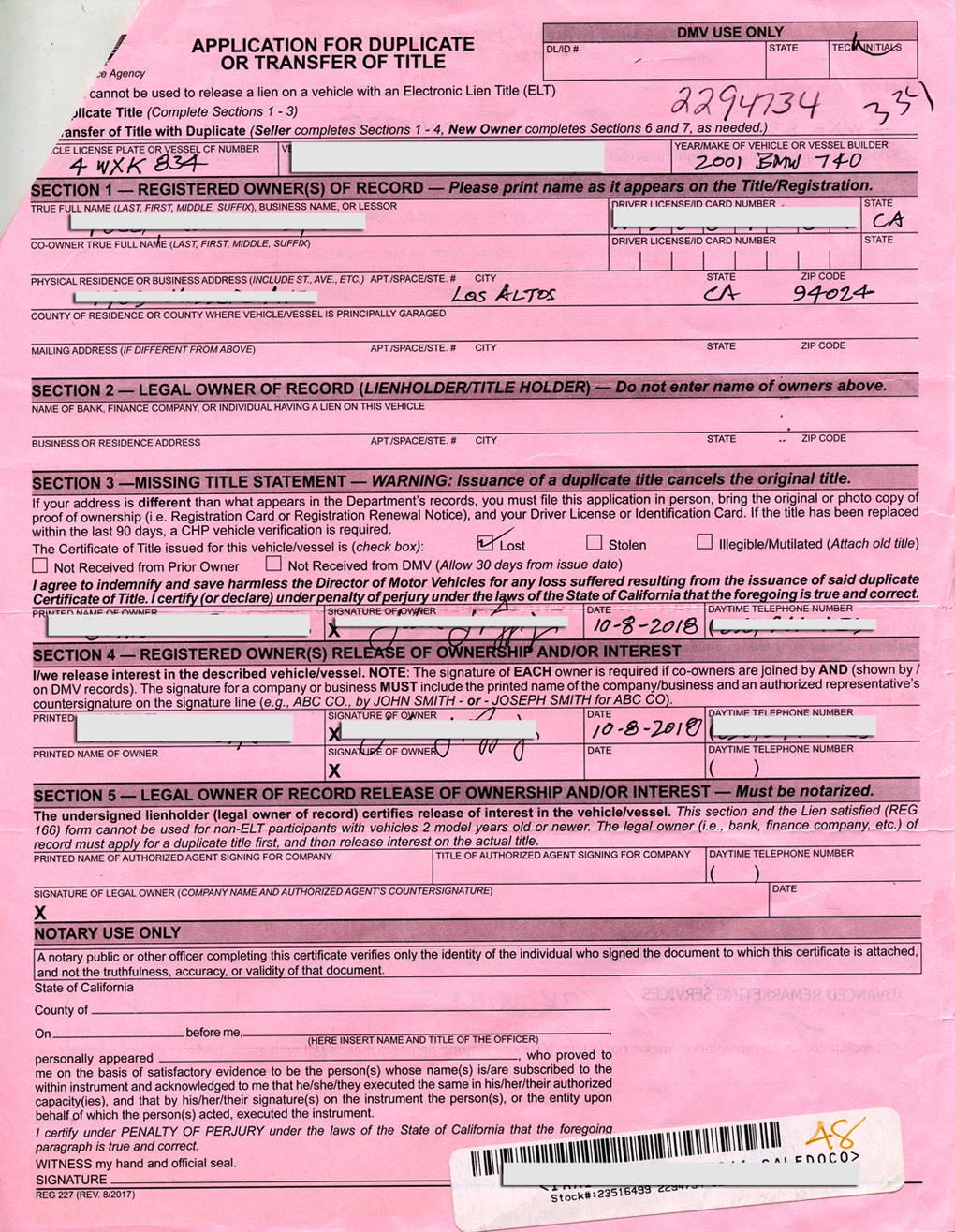 work that would require a Herculean bi-coastal effort on Tom’s part to get a title. In reviewing the paperwork Tom found that he had overlooked a tiny box that indicated “Missing Title.” The box contained a check mark. Getting a title would require waiting on line at the California DMV. All of a sudden the west coast seller seemed strangely unavailable. Tom wanted the car. He resigned himself to taking on the task of getting a clean New Jersey title.