Some roads discovered far from home reward us with a once in a lifetime driving experience. Others are old friends revisited to elevate our spirits and celebrate the joy of life behind the wheel.
Roads We Remember #6
Recently a scary event with my 1961 Corvette reminded me why some companies remain in business for decades while others do not.
So, a shout out to Hackensack Auto Spring & Wheel Alignment in Hackensack, NJ. Owned and operated since 1964 by three generations of the Zillitto family starting with founder grandfather Joe, then son Frank and now grandson Bryan, all have been called upon to service my Corvette going back to 1968.
Recently it was time for front end work. Victoria at Hackensack Spring answered my call for an appointment. I mentioned that I had always respected the work of Jimmy but that was decades ago. She responded, “Oh, Jimmy is still here.” Jimmy first worked on my Corvette in the 1970s. We booked it.
I arrive. Door rolls up. Grandson Bryan welcomes me as I pull in. I roll to a stop. Bryan looks at my car and yells, “Holy S*%t!” A puddle of gas is building under the front of my Corvette. We lift the hood to reveal gas pouring out from below the bowl of the front Carter WCFB like a high octane Mr. Coffee. Luckily puddling gas had not reached the hot exhaust manifold.
All owner Bryan said was, “Do you want to call AAA.” I told him I felt I couldn’t be in a better place than right where I was if it was okay with him. While his business focuses on suspension, Bryan made fire extinguishers available and without hesitation told his guys to take a look. Dave, a technician with extensive small block experience, pulled the front carburetor after draining the bowl. He found that a press fit rivet that sealed access to the bowl had popped out. Amazingly lucky for me, the rivet had remained on the top of the intake manifold where it had landed. Dave returned the sealing rivet to its rightful place. My Corvette would make it home where both carburetors would be removed and rebuilt.
Everyone had remained calm, professional and focused on the unexpected job at hand. Everyone accepted my problem as their problem. Disaster was averted for which I thank Hackensack Auto Spring.
…And speaking of Thanksgiving, it appears that for 2020 finding alternatives to large gatherings tops the menu.
A drive on New York Route 9D through the historic Hudson Valley offers a worthy consideration.
NY Route 9D – A sure cure for Covid boredom


Anthony’s Nose
Prefaced by either a great warm-up cruise north on the Palisades Interstate Parkway or a meandering journey through Harriman State Forest, NY Route 9D launches into deep woodlands at “Anthony’s Nose,” the peak at the eastern foot of the Bear Mountain Bridge. Exactly the identity of “Anthony” and why his nose has been so honored since the 1690s has been lost to history.
A well paved two-lane, Route 9D provides a willing accomplice to whatever manner of driving pleasure you desire. It explores the highlands above the Hudson River while elsewhere it dips down to hug the eastern shore of the River.
Leaving behind the thickly wooded lands of Camp Smith military base at its origin, 9D rides a wave of rolling countryside featuring a decidedly rural character where structures of both historic and contemporary lineage coexist and dot the landscape. Offering over 25 miles of history, hiking, hangouts and tons of Hudson Valley culture, 9D delivers a memorable alternative should Grandma and her turkey be subject to a lockdown.
Taking a brief diversion from 9D by way of a winding road descending to the Hudson River delivers you to Phillipstown. Bearing a sense of time-gone-by, Phillipstown retains its historic character, though now transformed, with century old buildings housing galleries and the old train station a performing arts center. Looking east across from Phillipstown, the sprawling campus of West Point dominates the bank of the western shore. Returning to 9D, the road crosses another link to the past though this one remains unchanged. It is the Appalachian Trail.
Upon entering the village of Garrison, a glance up and to the right captures a sight reminiscent of the German countryside where castles built on the high ground peer down upon the surrounding fields and villages. High above Garrison the iconic gilded age mansion, Castle Rock, sits like a monarch on a throne majestically perched above the Hudson Valley and Route 9D.
Built in 1881 as a summer home for Railroad Magnate William H. Osborne, the 10,500 sq. ft. mansion resides 620 feet above the Hudson River. It is said to have served as an inspiration for the castle of the Wicked Witch of the West in the Wizard of Oz.
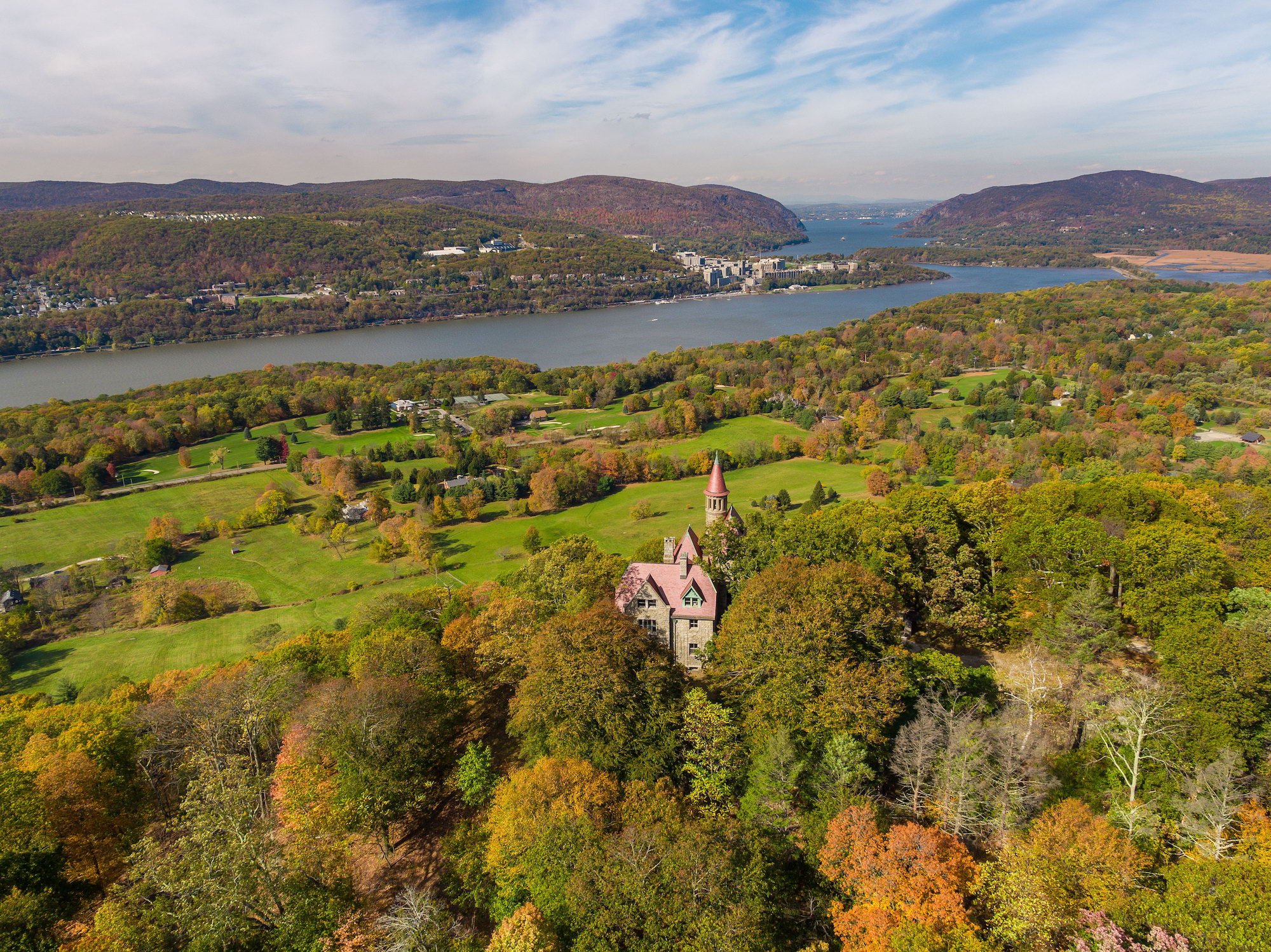
Castle Rock overlooking Hudson Valley
Today, most of the surrounding acreage whether through donation or purchase now belongs to the State of New York. A public hiking trail of roughly a mile will bring you onto the grounds of Castle Rock which remains privately owned. For a look inside the castle you can contact a local realtor as it has recently been listed for sale. Warning, it qualifies as a fixer upper.
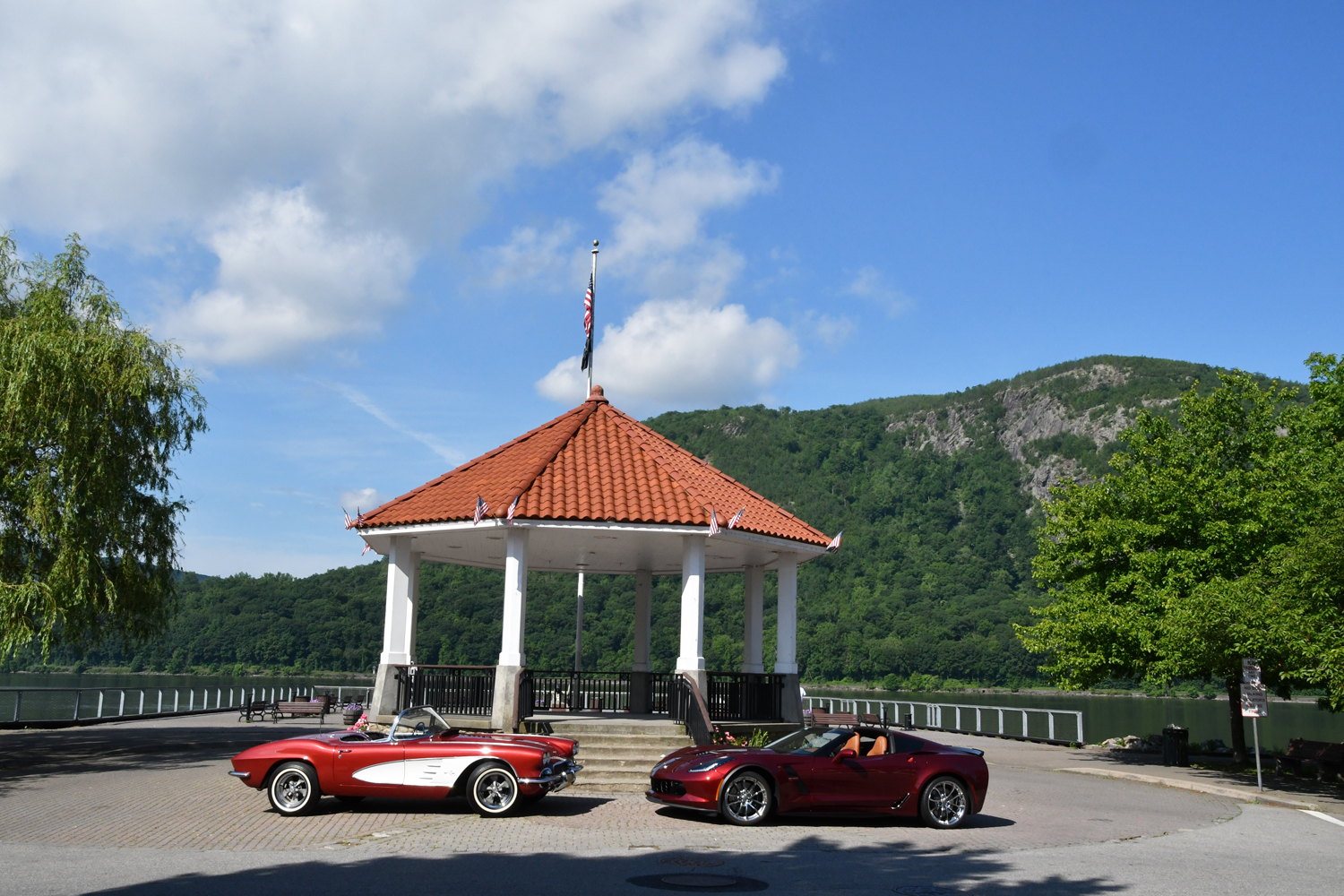
1961 and 2019 Corvettes at Cold Spring Plaza
Continuing along 9D and about midway through the drive brings you to the village of Cold Spring. A vintage gem on the Hudson River it features small specialty shops, quaint eateries, a marina and a handsome waterfront plaza overlooking the Hudson.
While hiking trailheads abound along 9D, none possess a more foreboding and accurate name than Breakneck Ridge. As noted in the trail guide, “Generally considered to be the most strenuous hike in the East Hudson Highlands. It involves steep climbs over rock ledges that can be very slippery. Do not attempt in wet weather.”
After passing through the Breakneck Ridge Tunnel comes the only sketchy part of the drive. In this stretch be alert, danger lurks even if you are not hiking, especially on weekends. Wandering people and poorly parked cars seemingly with no particular place to go make 9D look like the escape route on one of those impending apocalypse movies.

Bannerman Castle
Not satisfied to offer one castle, 9D offers two. Filling tiny six-acre Pollepel island located a few hundred yards off the eastern shore of the Hudson River resides Bannerman Castle.
Francis Bannerman began a military surplus business after the Civil War. By the end of the 19th century no one in the world bought more military surplus. Having purchased most of the arms captured in the Spanish American War he had a huge facility in downtown Manhattan. City fathers rankled at the thought of a massive warehouse chock full of gun powder in the city center. They strongly urged Bannerman to relocate. In 1900 he bought Pollepel Island and began construction of his castle. Just as it neared completion in 1918, Bannerman died. In 1920 the powder house with 200 tons of powder and shells blew up taking a good portion of the castle with it. The subsequent decades witnessed a steady deterioration until the 1990s when a fundraising effort stemmed the decline.
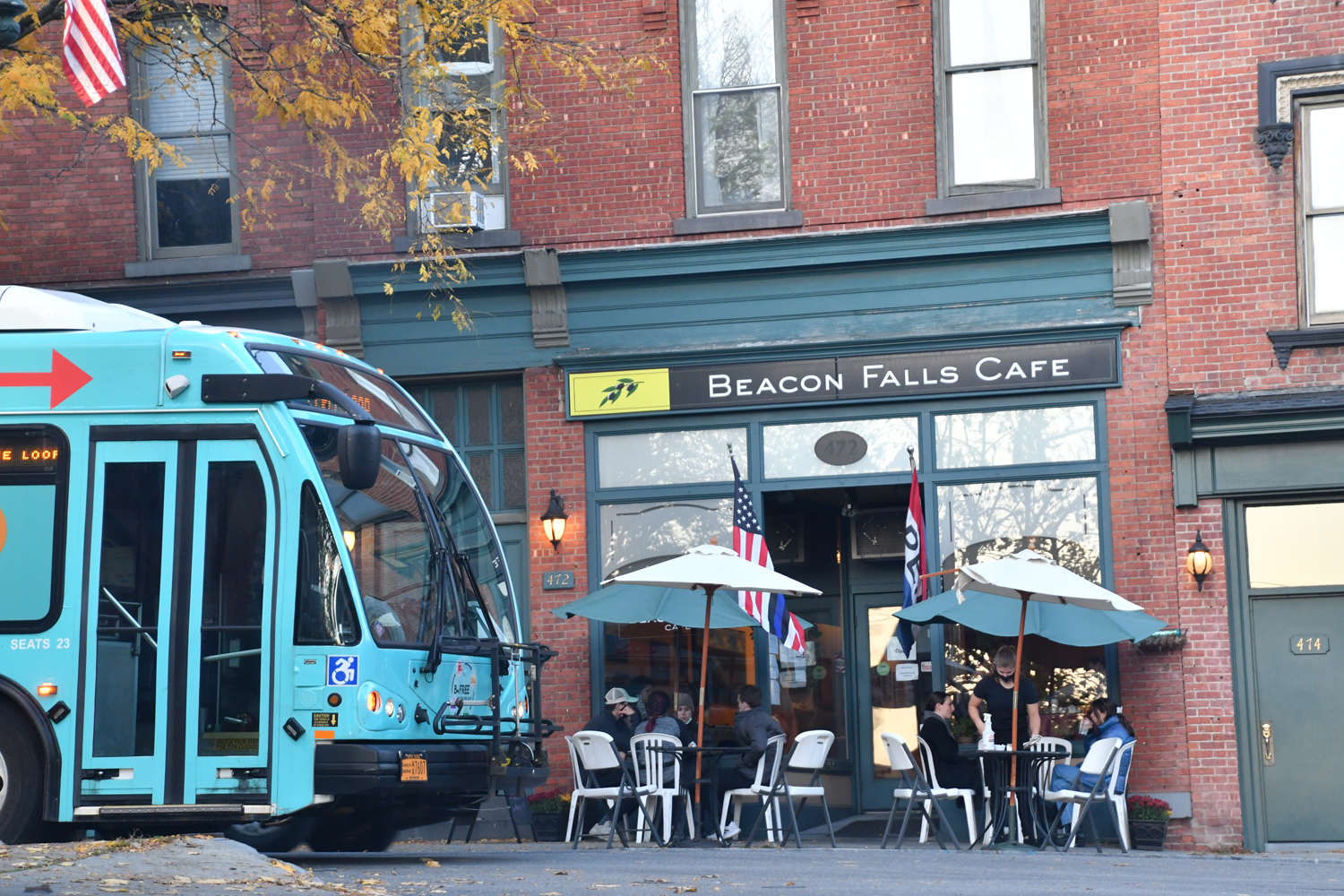
Beacon, NY
With Bannerman’s Castle ruins in the rearview mirror, the bustling town of Beacon approaches. An energized metropolitan flavored upstate village, Beacon’s rebirth has blossomed with restaurants and attractions that have sought to integrate their hipness with the character of the community. It offers a great place to explore.
For those with a continued sense of adventure, 9D concludes in the small town of Wappinger’s Falls where it connects with the route leading to the spectacular Walkway over the Hudson State Park. But that would be a story for another day, though hopefully that day will not be Christmas and Covid will not slam the door on Santa.


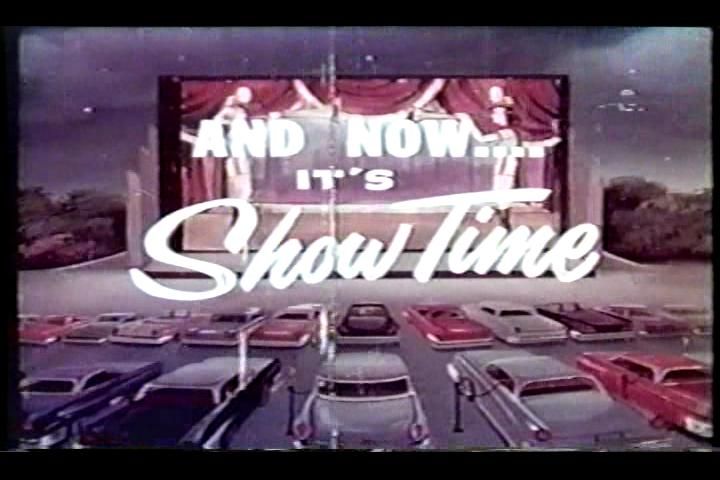
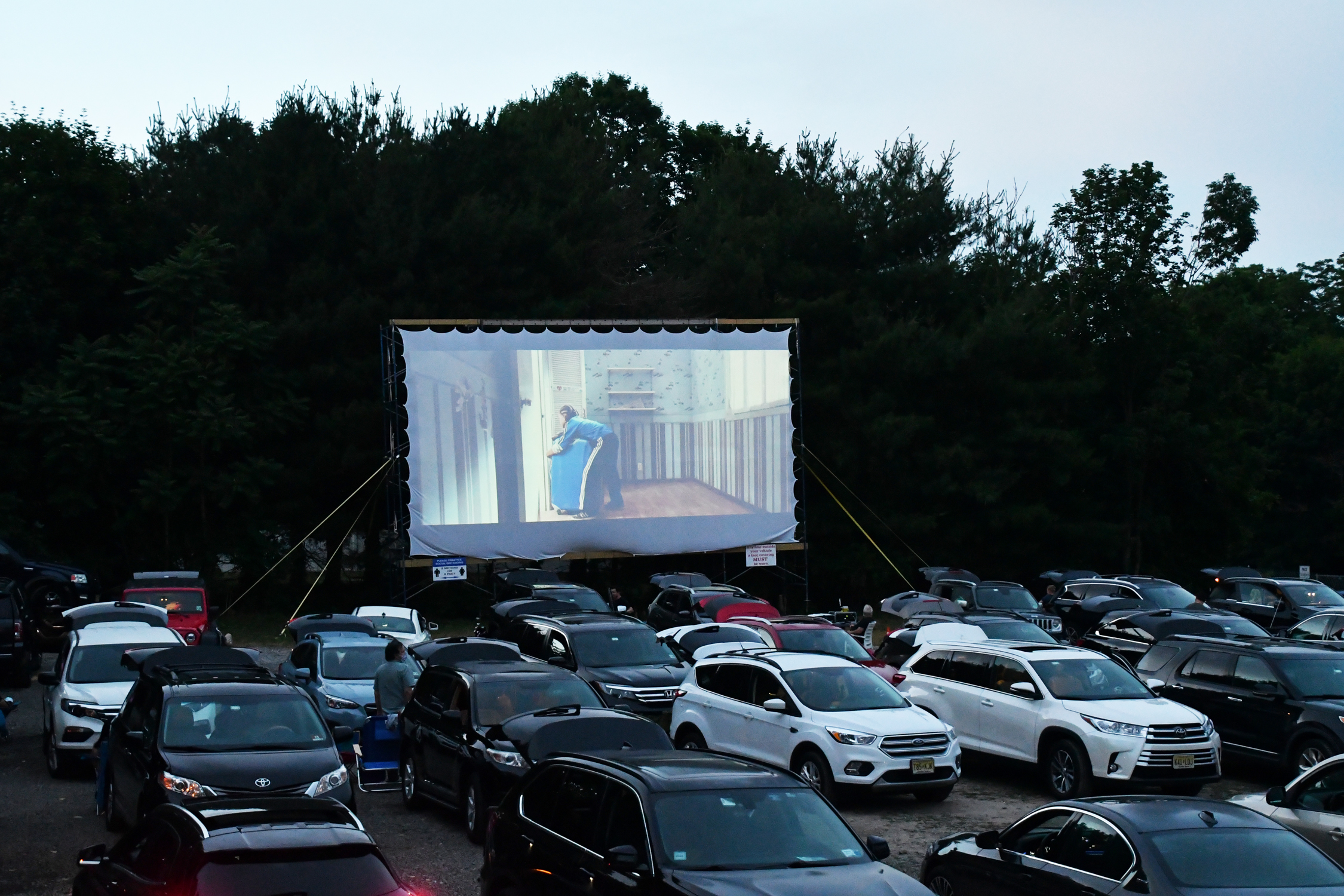 Emerging from the mist of a life long gone by, the drive-in movie has come to the rescue. Local town pool parking lots, farm stands, malls, any place with a flat surface that can fit at least 75 cars seems to have a portable screen and people are loving it.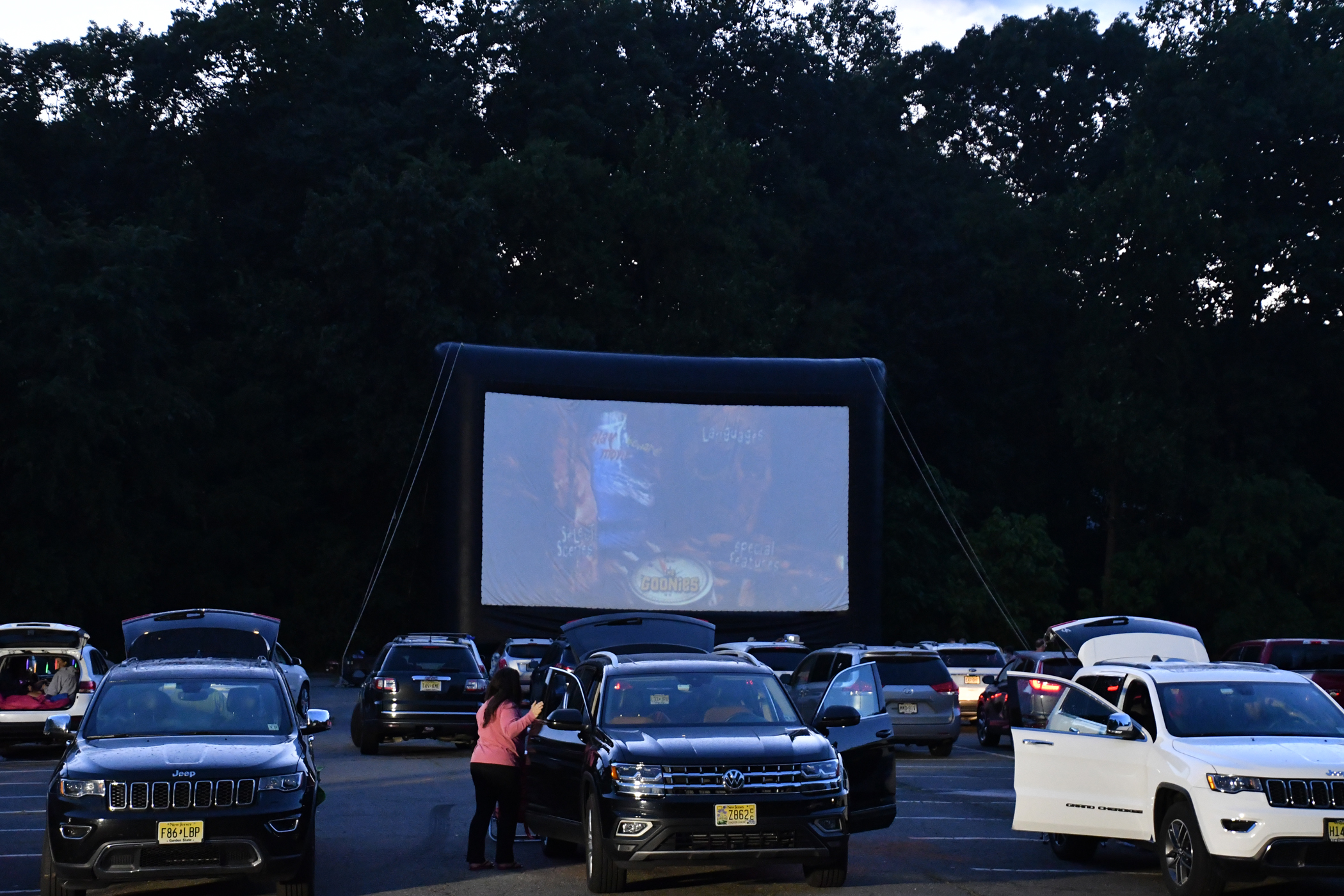
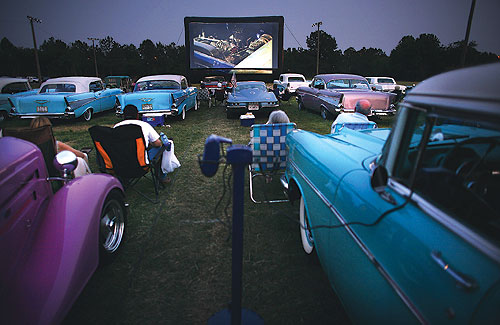 the screen with rear hatches raised. In the 60’s my VW microbus, alone, stared defiantly in the opposite direction allowing for my uplifted hatch to afford fresh air and a fully reclined viewing position on the mattress in back.
 positioned your vehicle on the viewing berm, car mounted speakers, 60-second dancing hot dog snack bar promo films, the chorus line of salty, sweet, greasy and crunchy treats arrayed across the screen under the “It’s intermission time” banner and of course mastery of the discrete wandering eye as, with cardboard snack tray of goodies clutched in both hands, you weaved your way back through the aisles of mid-century Detroit iron with no air conditioning and fogged windows.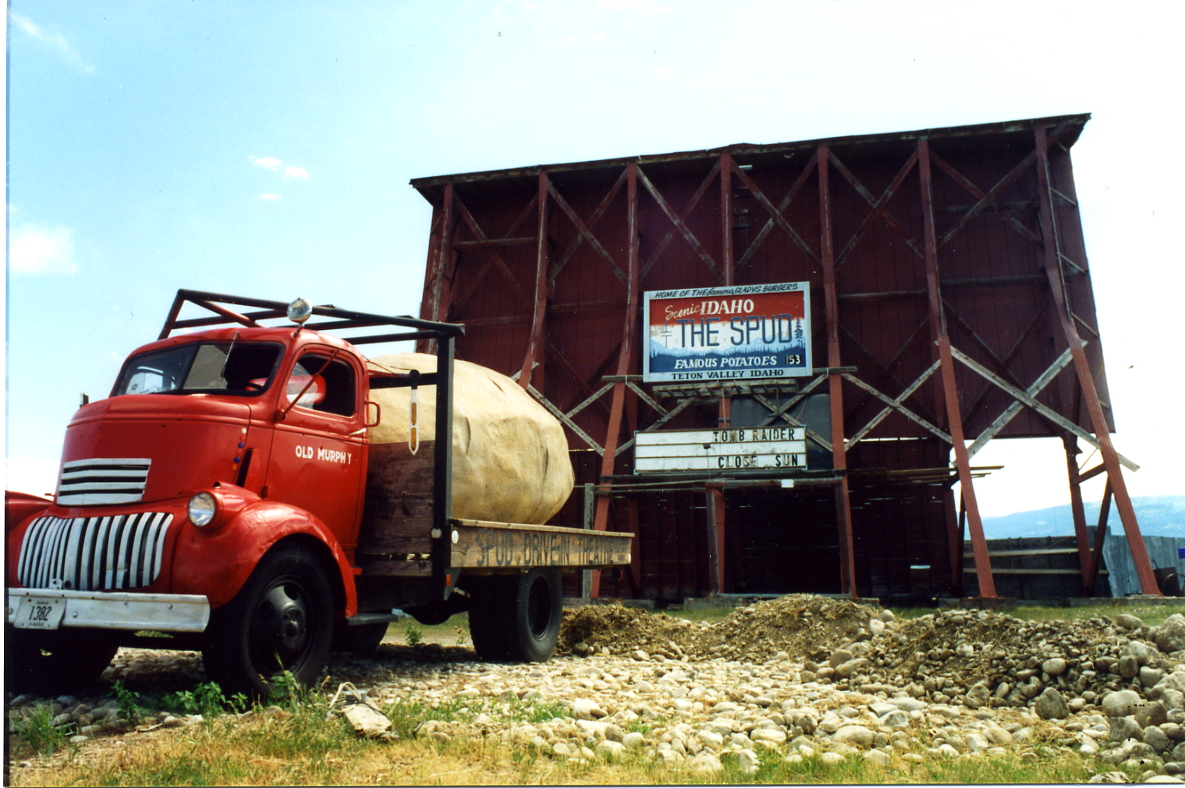
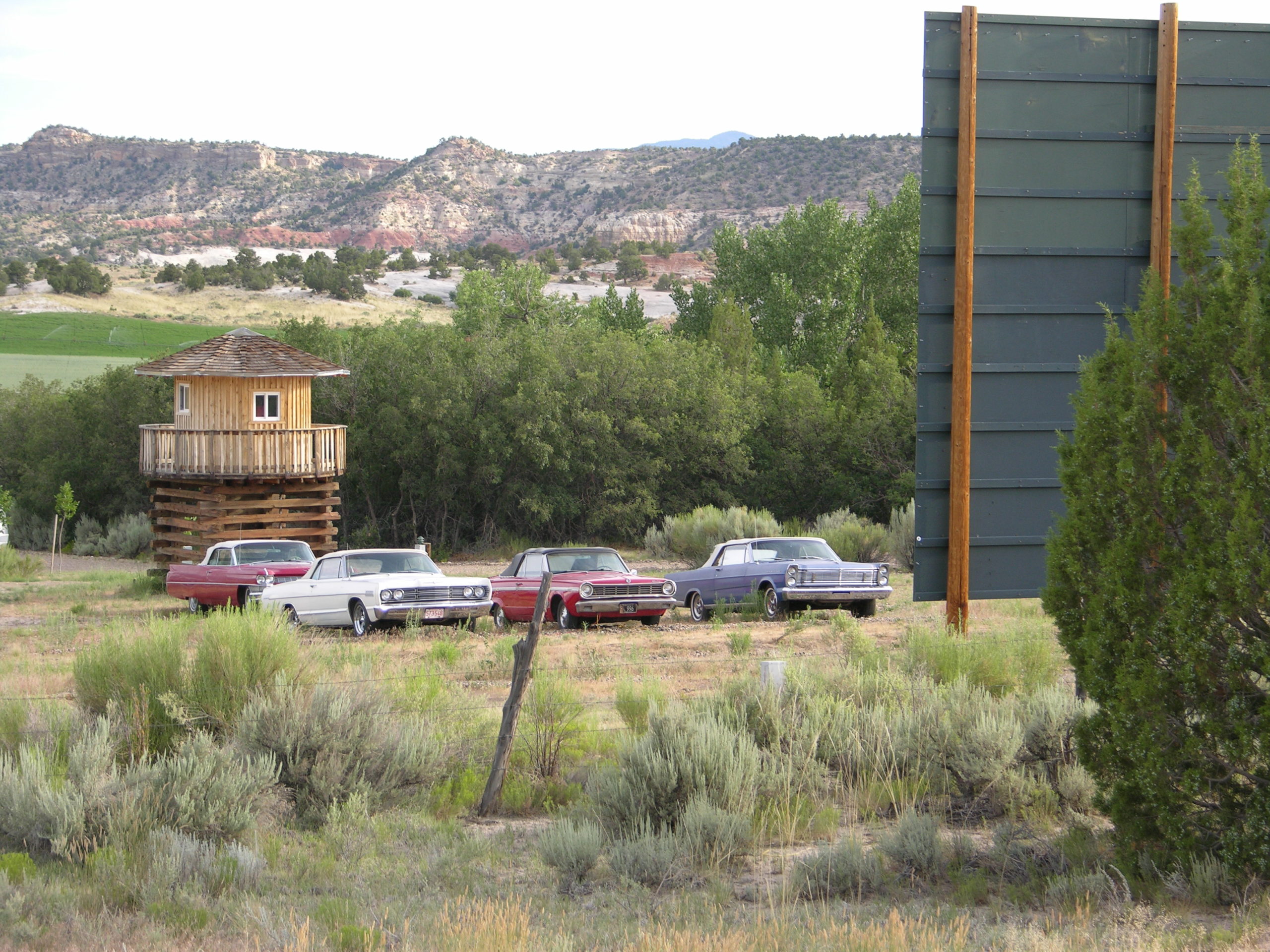 y the movie in a time capsule.
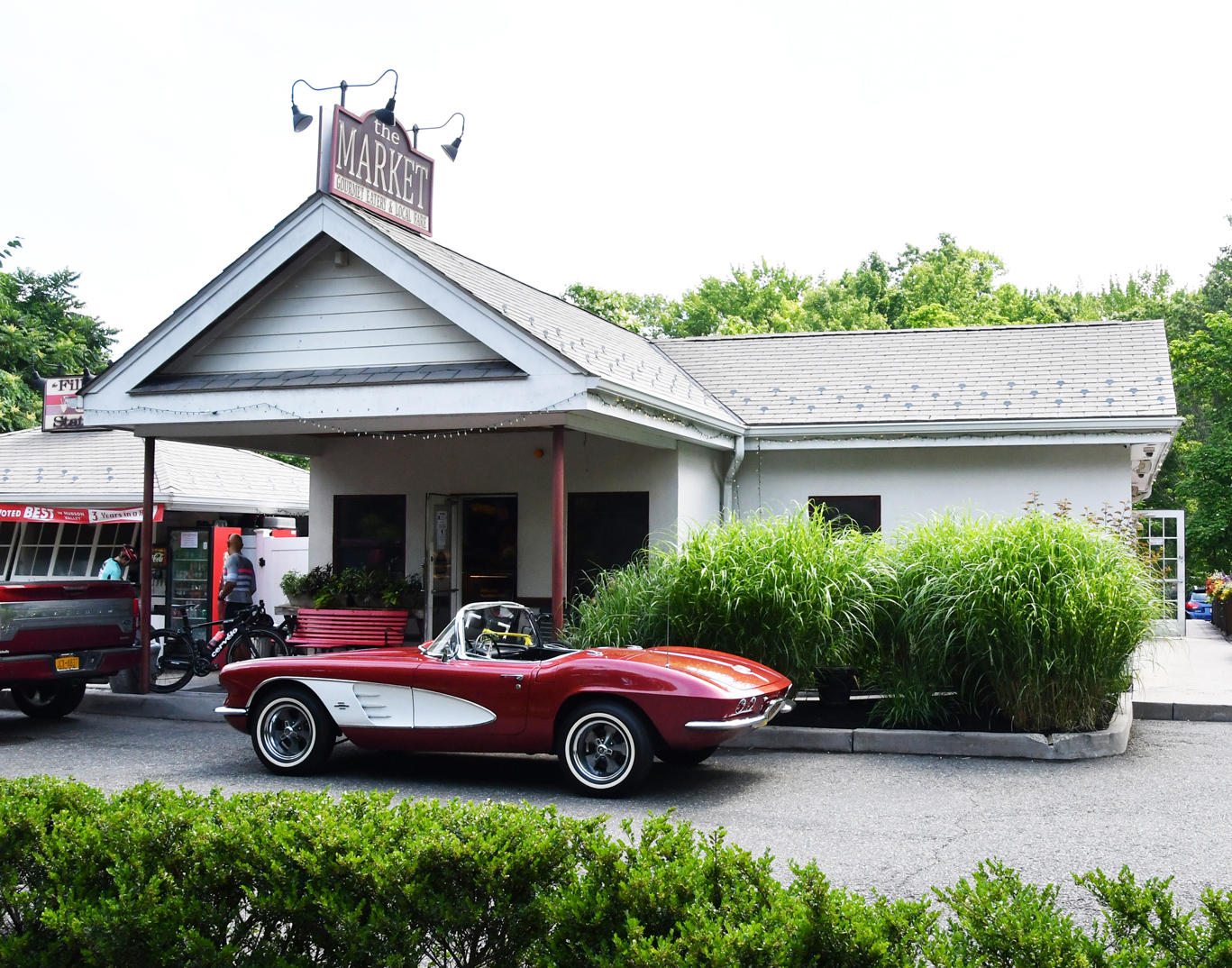 gourmet food oasis that has become a magnet for bicyclists from all over the Tri-state area. It is doubtful that anyone enjoying their pan fried organic egg sandwich has a clue about the structure’s first life and its starring role in one of the boldest automobilia thefts in local history.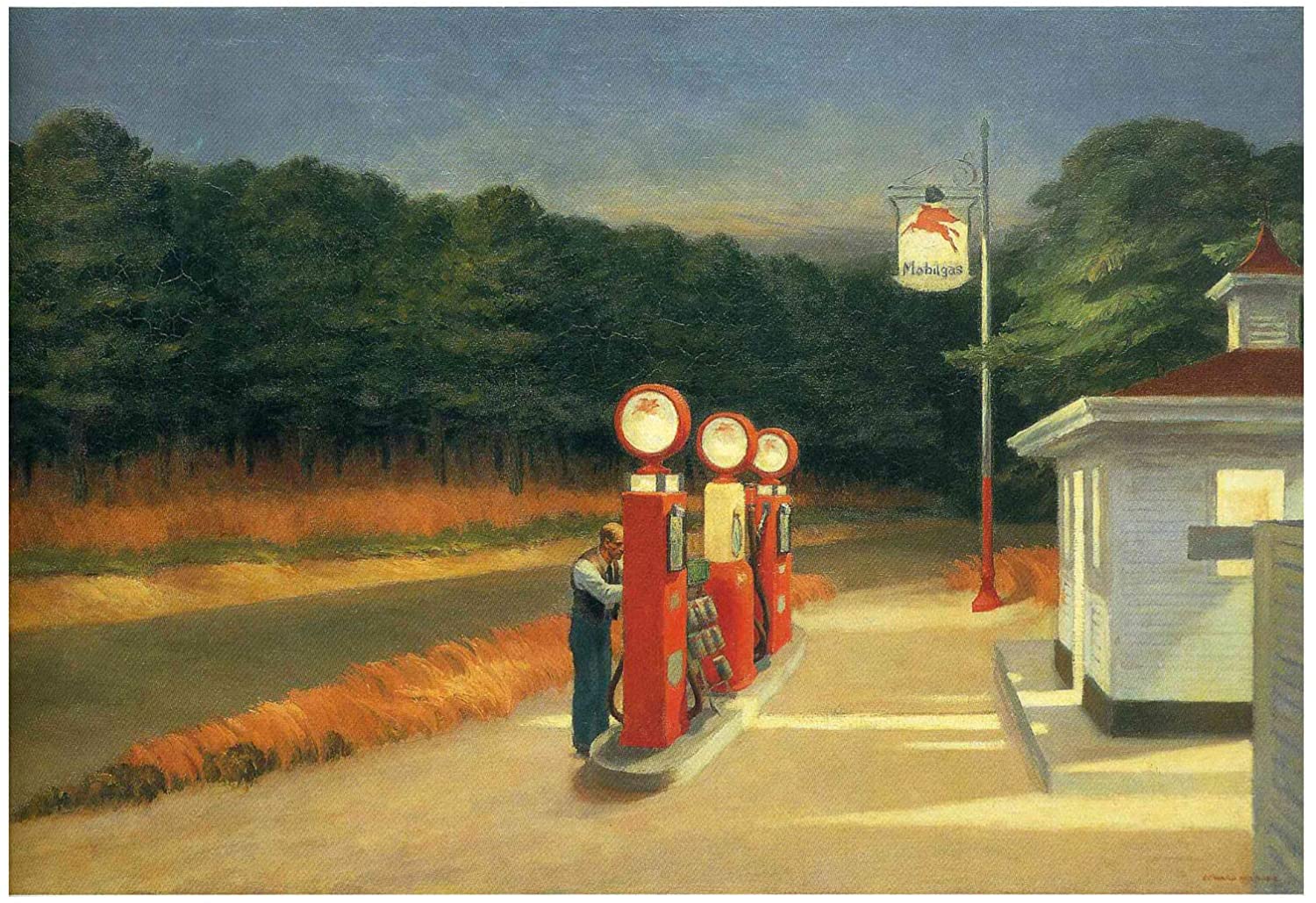
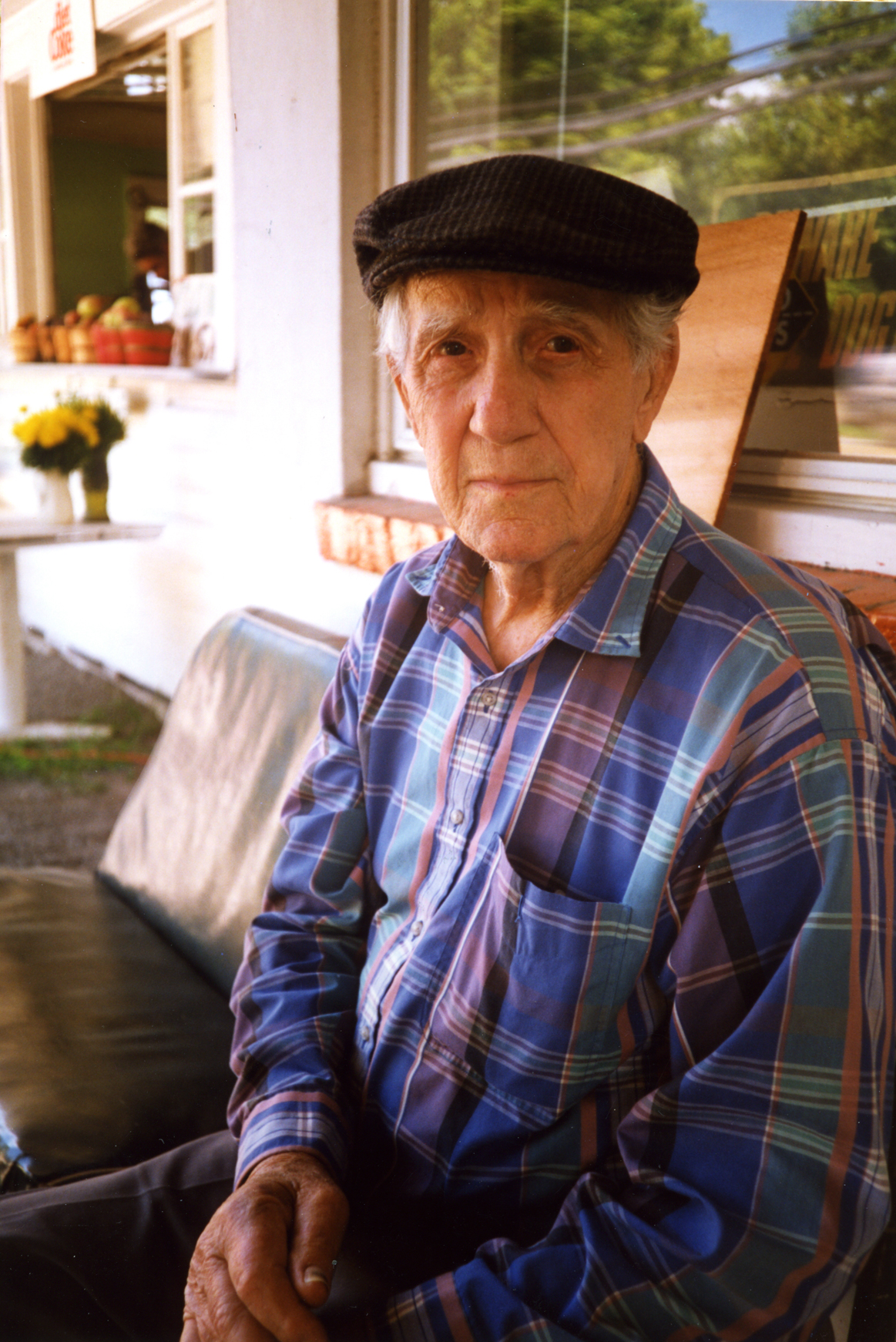

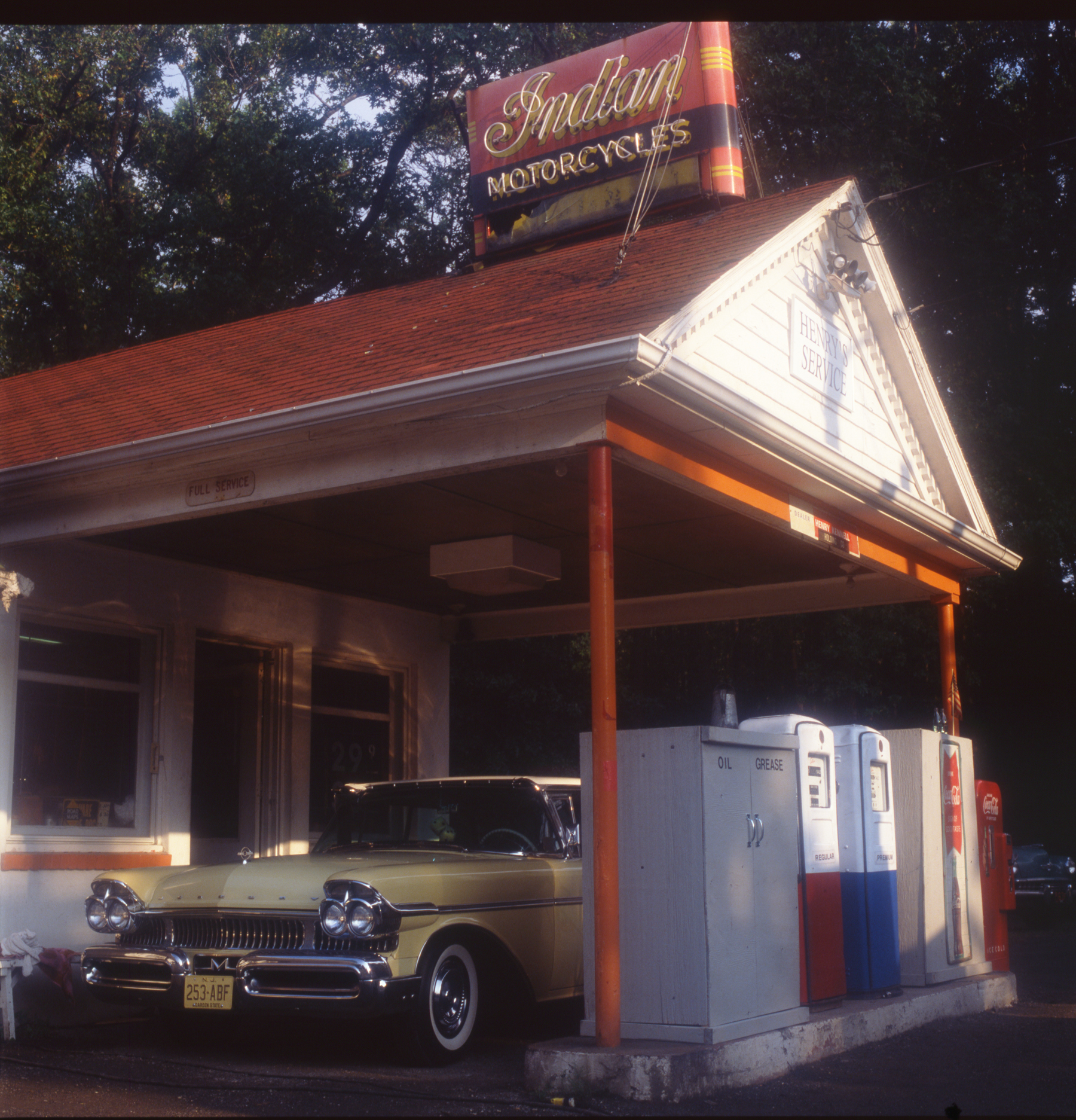
 adage. For Jerry McSpirit Tropical Storm Floyd in 1999 fits the bill.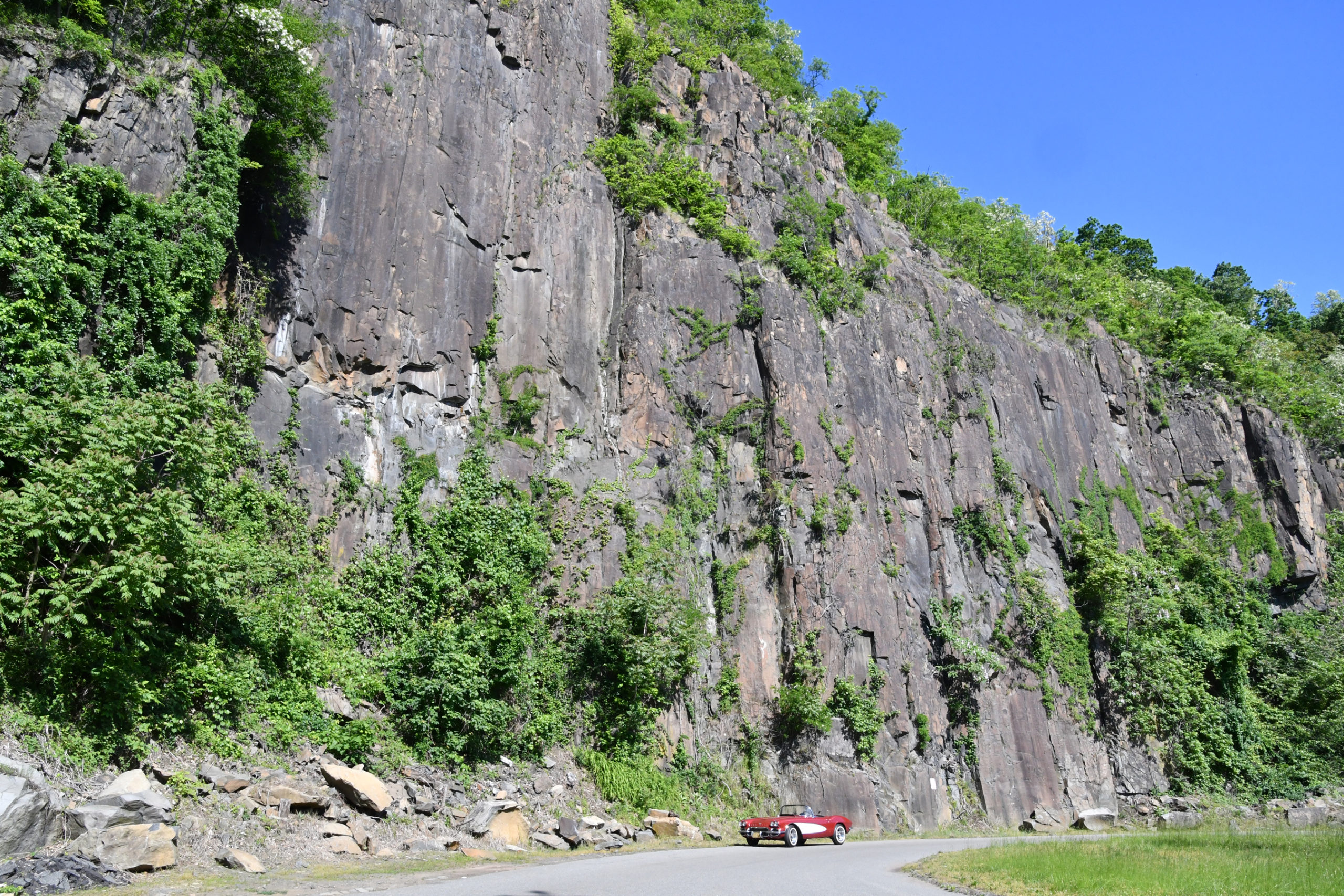
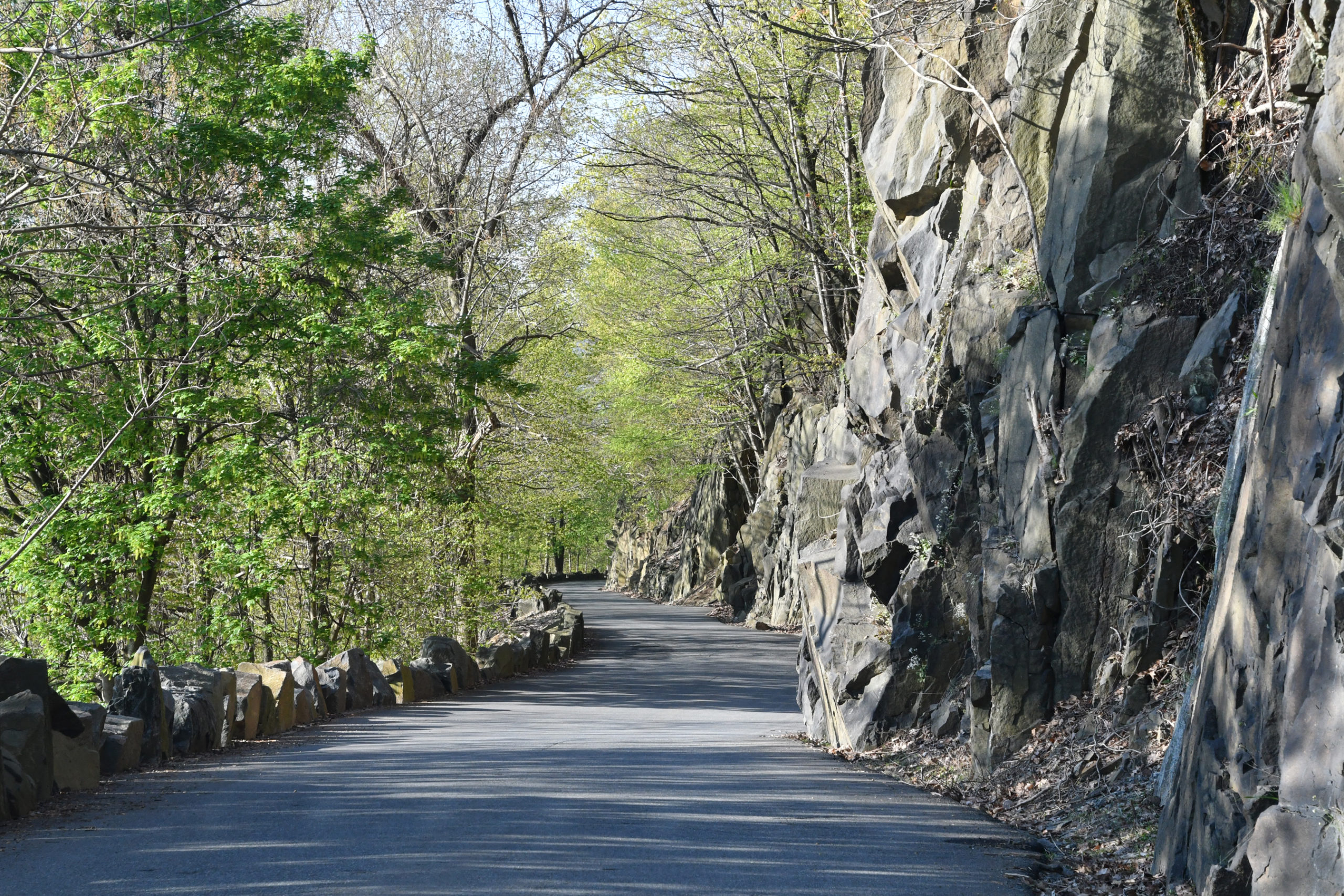 in a lower gear. Once finding that low gear RPM sweet spot, the engine‘s throaty exhaust note will be enriched and reverberated by the sheer stone face of the Palisades that flanks the road. This rumbling symphony enhances the sensory delight courtesy of the Henry Hudson Drive, a narrow serpentine road clinging to the towering Palisades. Driven at night only makes it better.
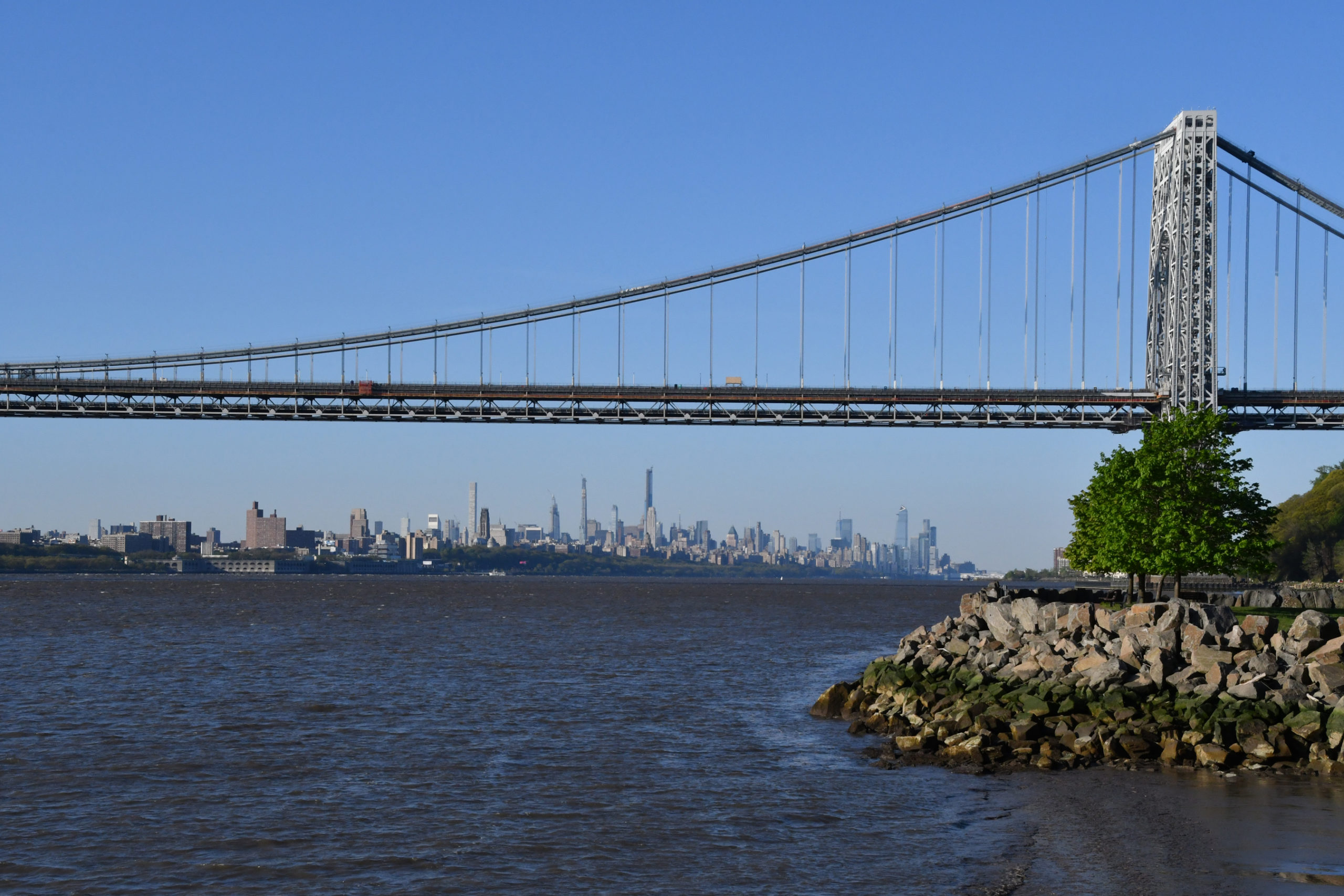 however, the Hudson Valley is actually the southernmost fjord in the northern hemisphere.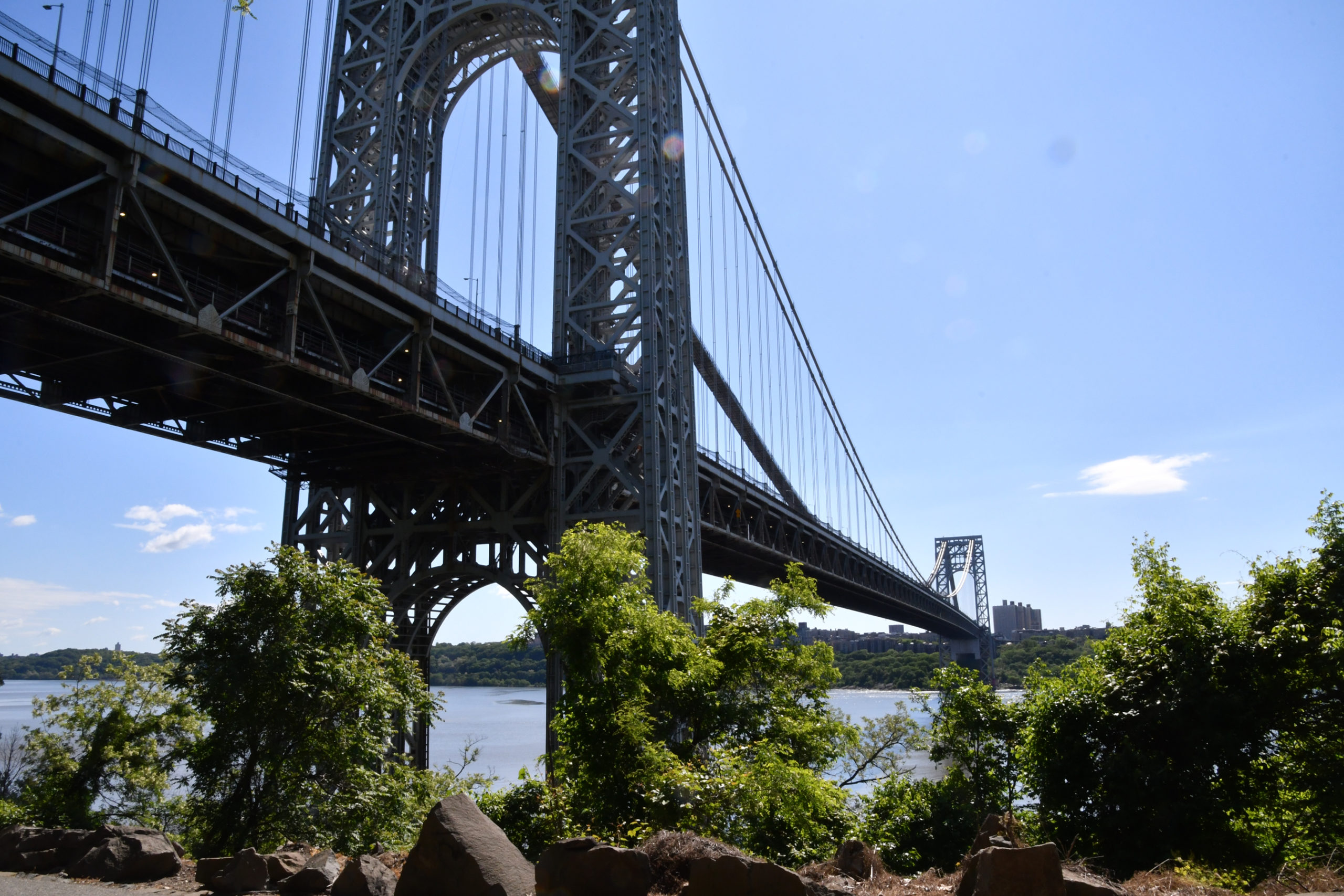
 be seen on the street and Mary Pickford made her film debut. It would last but a decade as bitter winters and cheap land in balmy southern California put a quick end to New Jersey’s silver screen dreams.
 Clinging to the craggy eastern face of New York’s Storm King Mountain, Storm King Highway delivers majestic views of the southernmost fjord in the Northern hemisphere better known as the Hudson Valley.
 Whatever your point of departure for Storm King Highway all roads lead to Route 9W. Heading north from the Bear Mountain Circle, one experiences a palpable sense of not only traveling through towns but traveling back through time. Old structures from the early days of motoring mingle with landmarks recalling the early days of the nation.
 Leaving 9W for Route 218 North in Highlands Falls, Storm King Mountain looms above to the west. The section of Route 218 between Lee Rd. in the town of Highlands to the South and Cornwall-On-Hudson to the North demarks the section of breathtaking two-lane that merited Storm King Highway’s inclusion in the National Historic Register of Places.
 Be aware that you may not be the only motoring enthusiast attracted by the allure of Storm King Highway’s charms that day. Don’t meander over the double yellow. Best to assume someone around the next bend will be whipping a juiced M3 coupe or WRX to within an inch of your life.
 Another mile will bring you into the heart of Cornwall with its many shops, attractions and restaurants.