Talking with the skilled professionals who support our passion for collectible automobiles.
Conversations with People We Value #4
In the moment you felt the vigor draining from your very being. Shadows took on living form and danced across your field of vision taunting you to react as they evaporated. Your eyes blinked like a neon tube going bad. You cranked up the radio, sang loudly, rolled down the windows regardless of the season or the weather. To no avail. Succumbing to the embrace of Morpheus the Greek god of dreams, you had fallen asleep at the wheel.
In Rest Stop Recovery, Dr. Charles Berg with over 40 years of experience as a chiropractor, practitioner of integrative nutrition and a lifestyle coach for organizations such as BMW and UBS offers helpful pointers and a 5-minute revitalizing routine that will get you safely back on the road and up to speed as a driver and a traveler.
Asleep at the wheel, Rest Stop Recovery
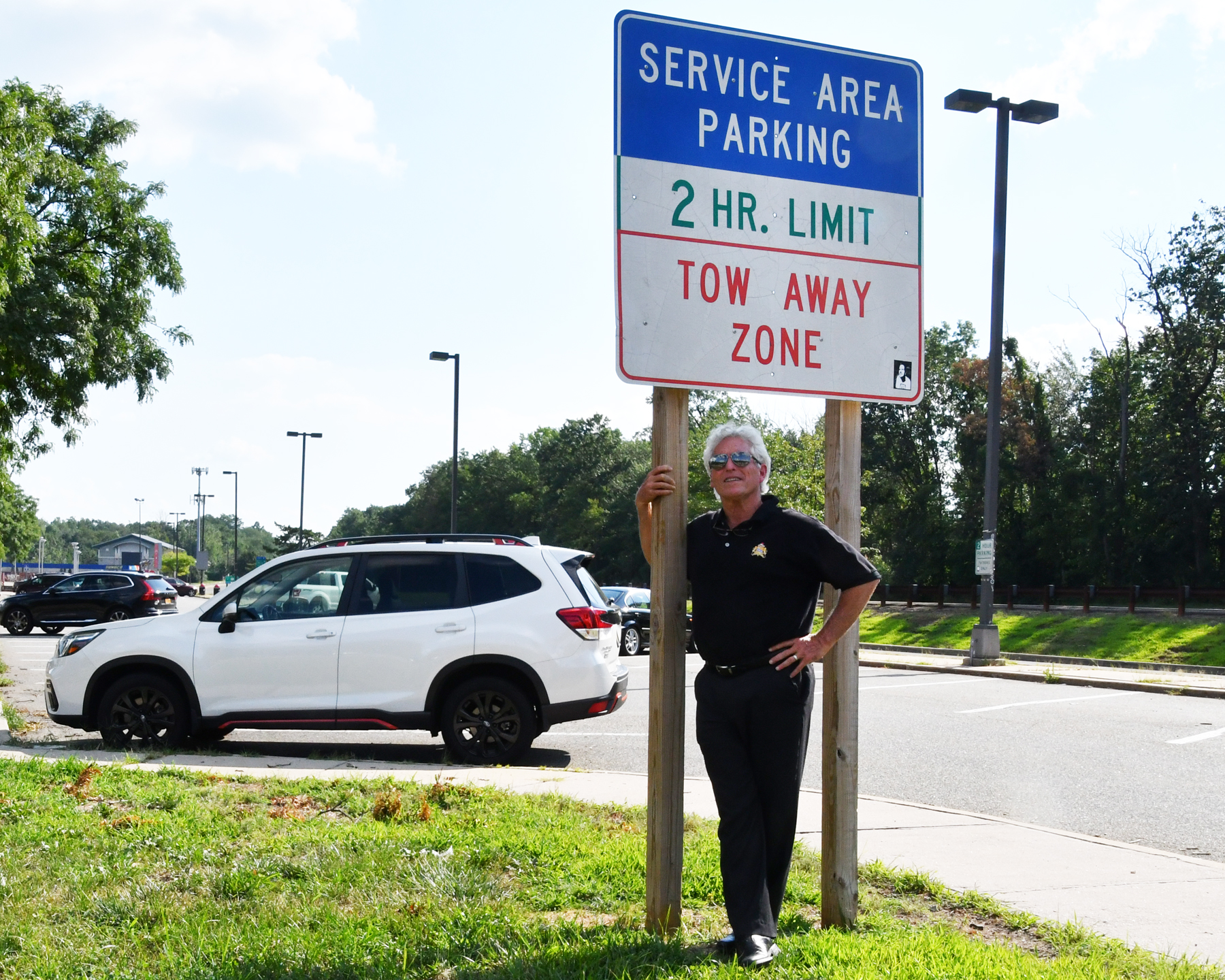
It’s a horrible feeling. Ignoring it can have deadly consequences. Estimates from the American Automobile Association show that one of every six deadly traffic accidents and one of every eight accidents requiring hospitalization are the result of drowsy driving.
Dr. Berg’s focus will be on long drives e.g. a four-hour ride home after a Thanksgiving dinner or a ten-hour ride returning from a vacation.
Rule one when drowsy behind the wheel, pull over. Then the distance to your destination will determine the right course of action so that you get there.
For short term drives within an hour of your destination the traditional solution of pulling over to take a brief 20-minute nap or down two cups of coffee normally provide the reinvigoration necessary to get home safely. It is a whole different story for that long drive home on a monotonous interstate with daylight fading and oncoming headlights twinkling in your eyes.
“In the ideal scenario, it’s a matter of prior planning,” says Dr. Berg. Plan to be rested for the drive. Plan the best time of day to depart. Plan to eat properly before and during the drive.
Get a good sleep the night before. Understand your circadian rhythm. Are you an early bird or a night owl? Plan your travel time accordingly.
Plan so that you do not drive on a full stomach. Like the proverbial pig in the python, your body after a large meal directs blood flow to the digestive system and away from cognition and muscle activity. Pythons having consumed a sizable meal become sedentary and unresponsive. Similar behavior is witnessed in male family members after a holiday meal at your grandmother’s.
Unfortunately, a vast majority of us endure travel schedule’s determined by happenstance, constricted windows of opportunity and evaporating available time that pushes us to the limit. What should someone do facing that situation?
“Biohack,” says Dr. Berg. Think of biohacking as turbocharging your consciousness. Biohacking pumps oxygen into your system and stimulates your senses.
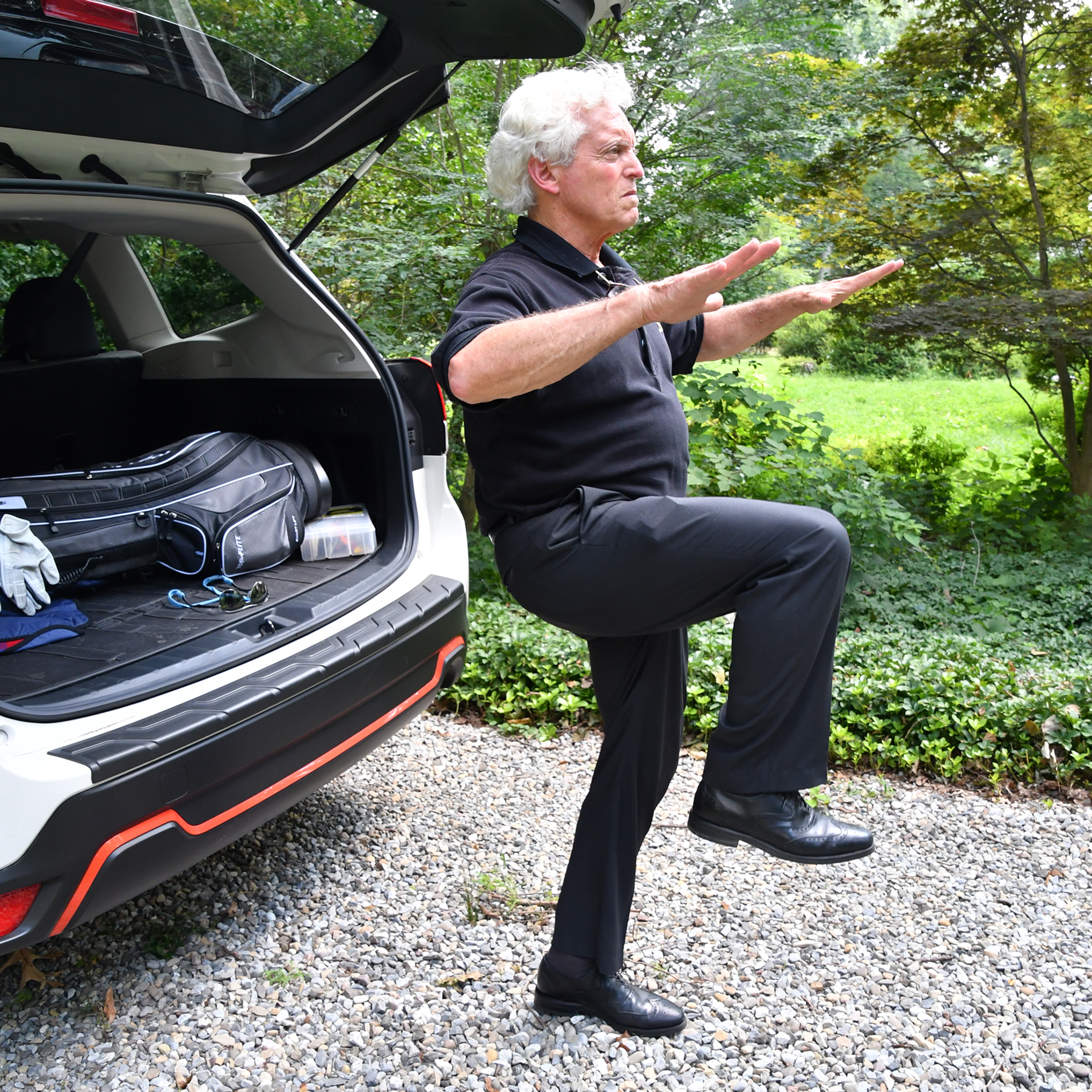
Stair Step
Curing drowsiness demand’s elevating your oxygen supply and increasing your blood flow. An infusion of oxygen elevates your body’s ability to generate energy, just like a turbo. Large muscle movement increases blood flow which utilizes that energy.
“Biohack,” says Dr. Berg. Think of biohacking as turbocharging your consciousness. Biohacking pumps oxygen into your system and stimulates your senses.
Curing drowsiness demand’s elevating your oxygen supply and increasing your blood flow. An infusion of oxygen elevates your body’s ability to generate energy, just like a turbo. Large muscle movement increases blood flow which utilizes that energy.
Biohacks (all require pulling over):
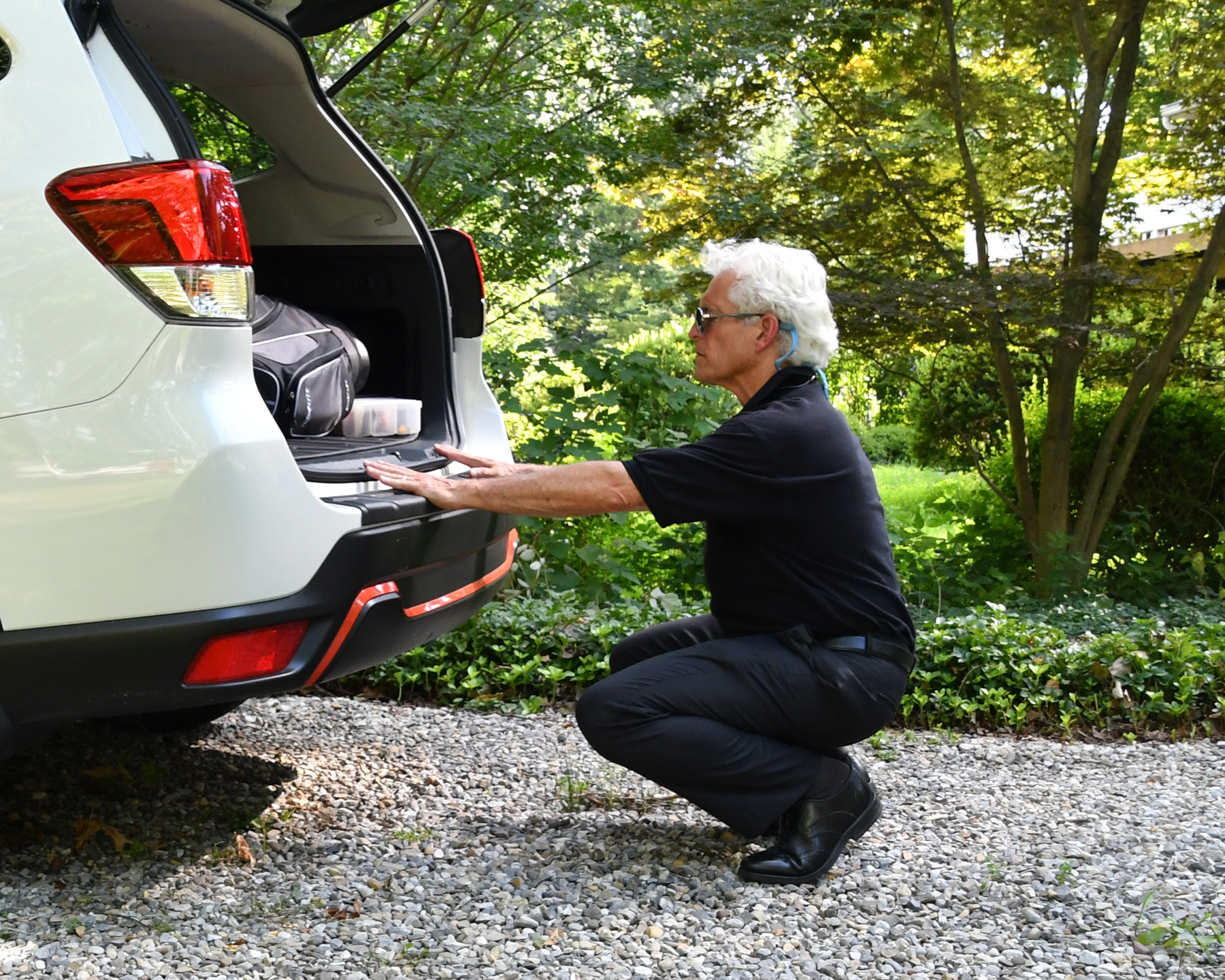
Deep Squat
- Deep inhalations and exhalations for 30 seconds. This stimulates your sympathetic nervous system and increases the oxygen supply which energizes the body.
- Shout!, just like the Eisley Brothers. Do it five or six times. It gives your system a jolt. Do this in conjunction with the deep breathing.
- Cold water splashed on your face and neck gives your bodya jolt. It’s just water even if you have a dress shirt on it will do no damage.
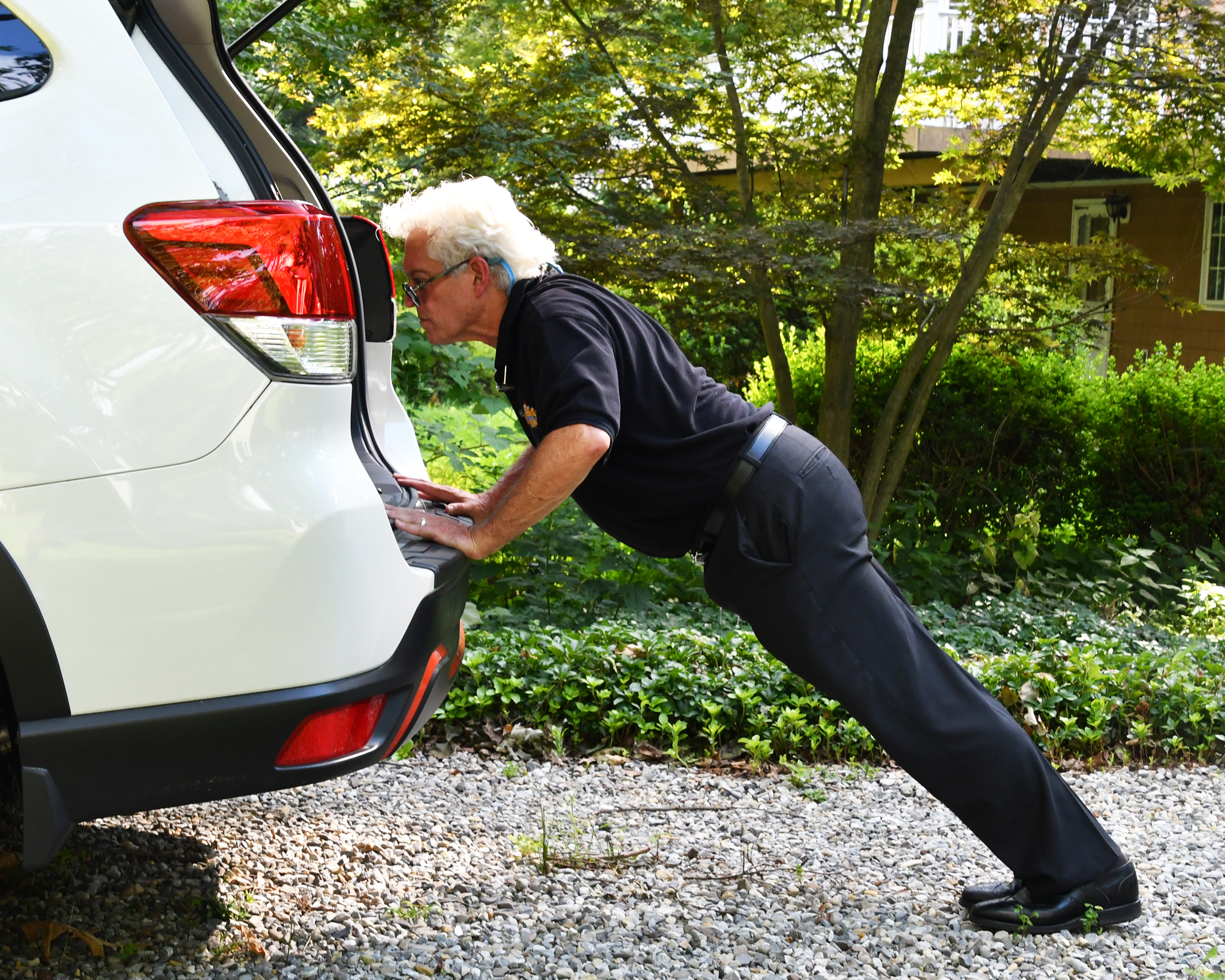
Push-up
- Dr. Berg’s 5 to keep you alive – Each activity employs large muscle systems such as the buttocks, thighs, quads and biceps to bring the heart rate up which increases blood flow and oxygen delivery.
The level of exertion should be in line with your level of fitness. Do each exercise for 30 seconds,
#1 Stair steps – In a stationary position bring your knee up to waist high alternating the left and right leg.
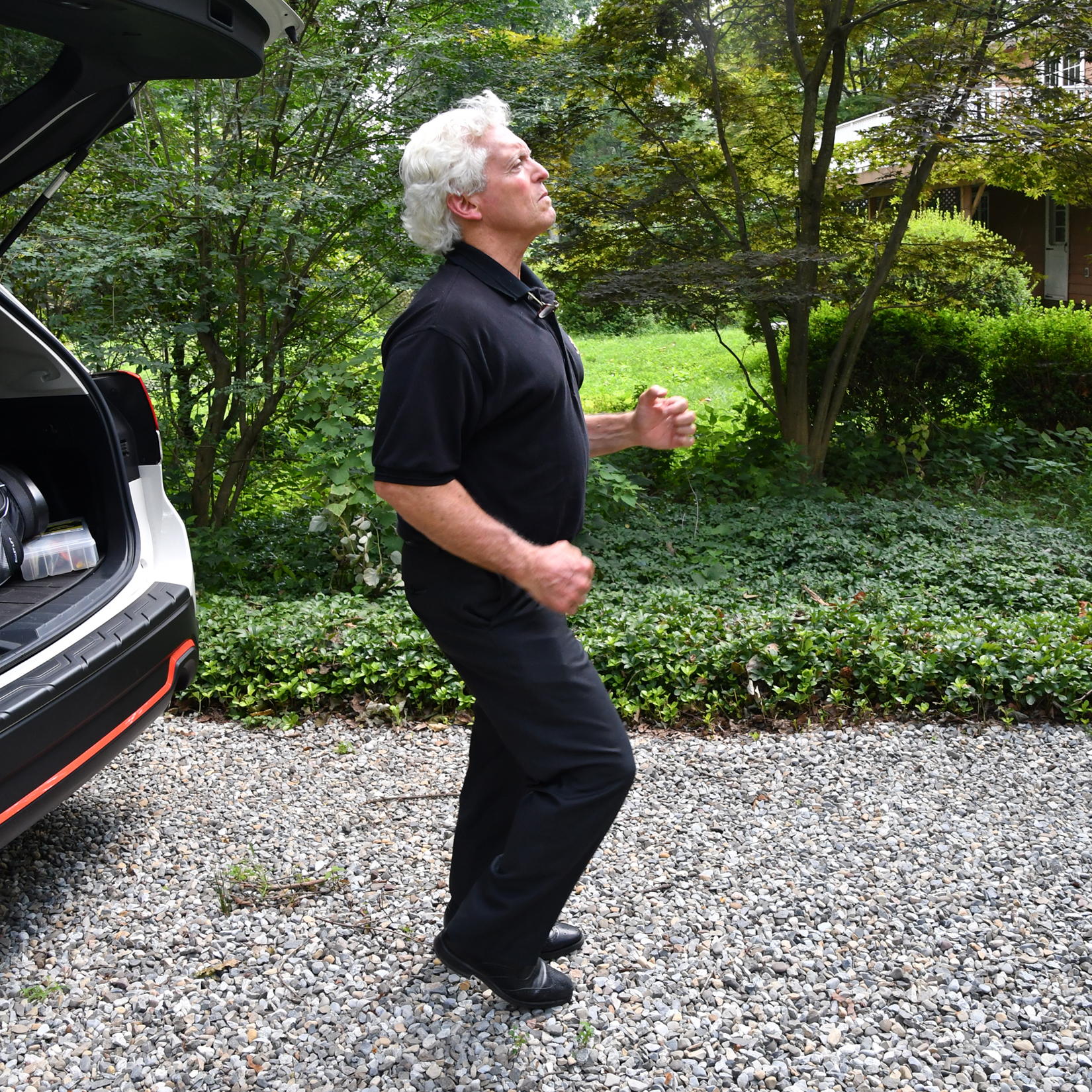
Running in place
#2 Squats – From a vertical position lower your body in a seated position to the bumper of the car. Then sit up. Repeat.
#3 Push-ups – With feet firmly shoulder length apart, place both hands on the hood, a fender or rear
bumper then raise and lower your body.
#4 Running in place
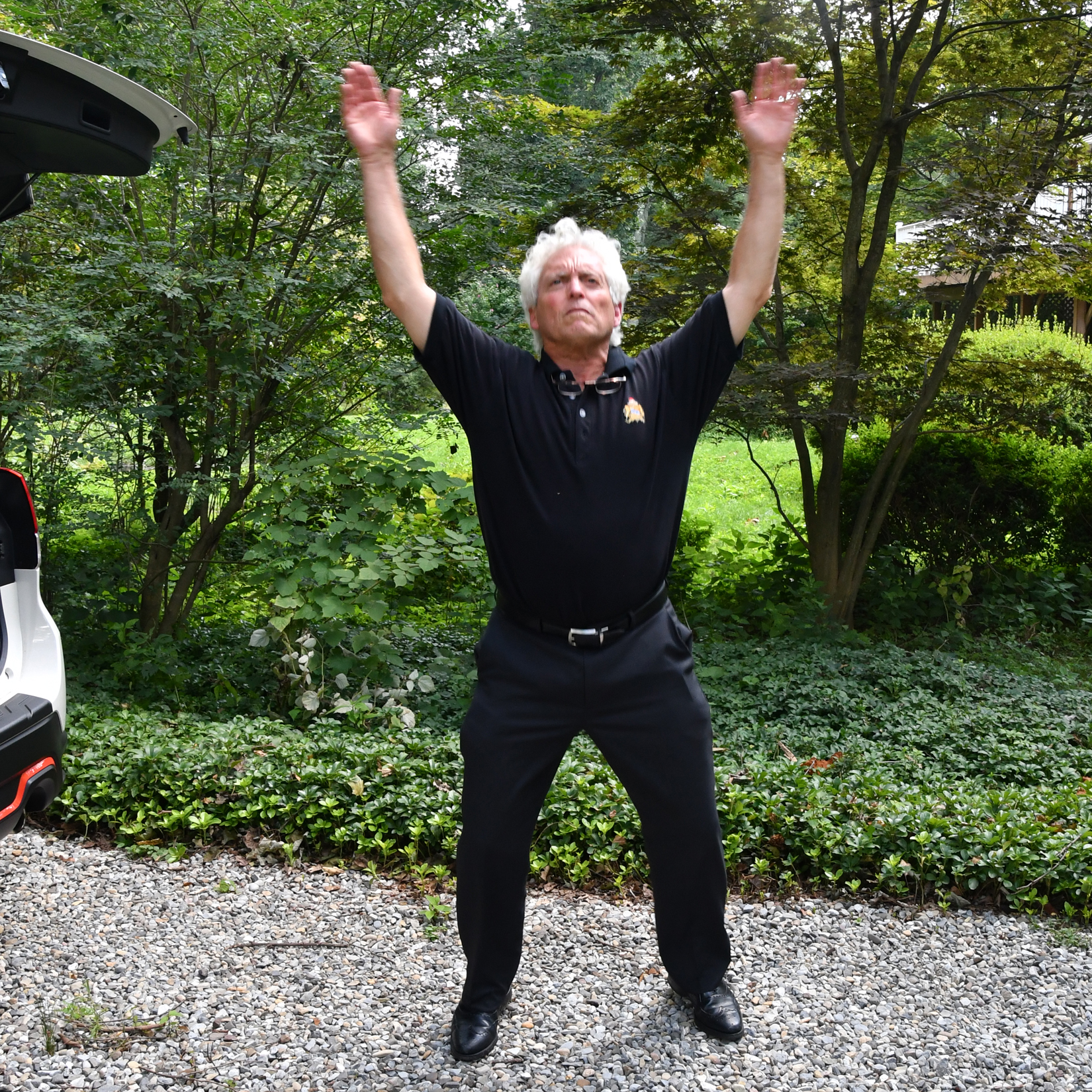
Jumping Jacks
#5 Jumping Jacks
The only thing better than knowing how to ward off drowsiness is not to experience it. Dr. Berg identifies driver seating posture and choice of snacks as two critical factors in defending against drowsiness. He calls driving with your seat reclined at a 45 degree angle, “horrific. In that position you have assumed a sleeping posture and sent a message to your brain to pull up the covers and turn out the lights.” He strongly recommends bringing the seat back up a few inches to what he calls “church pew” seating. This reinforces the need to maintain attention.
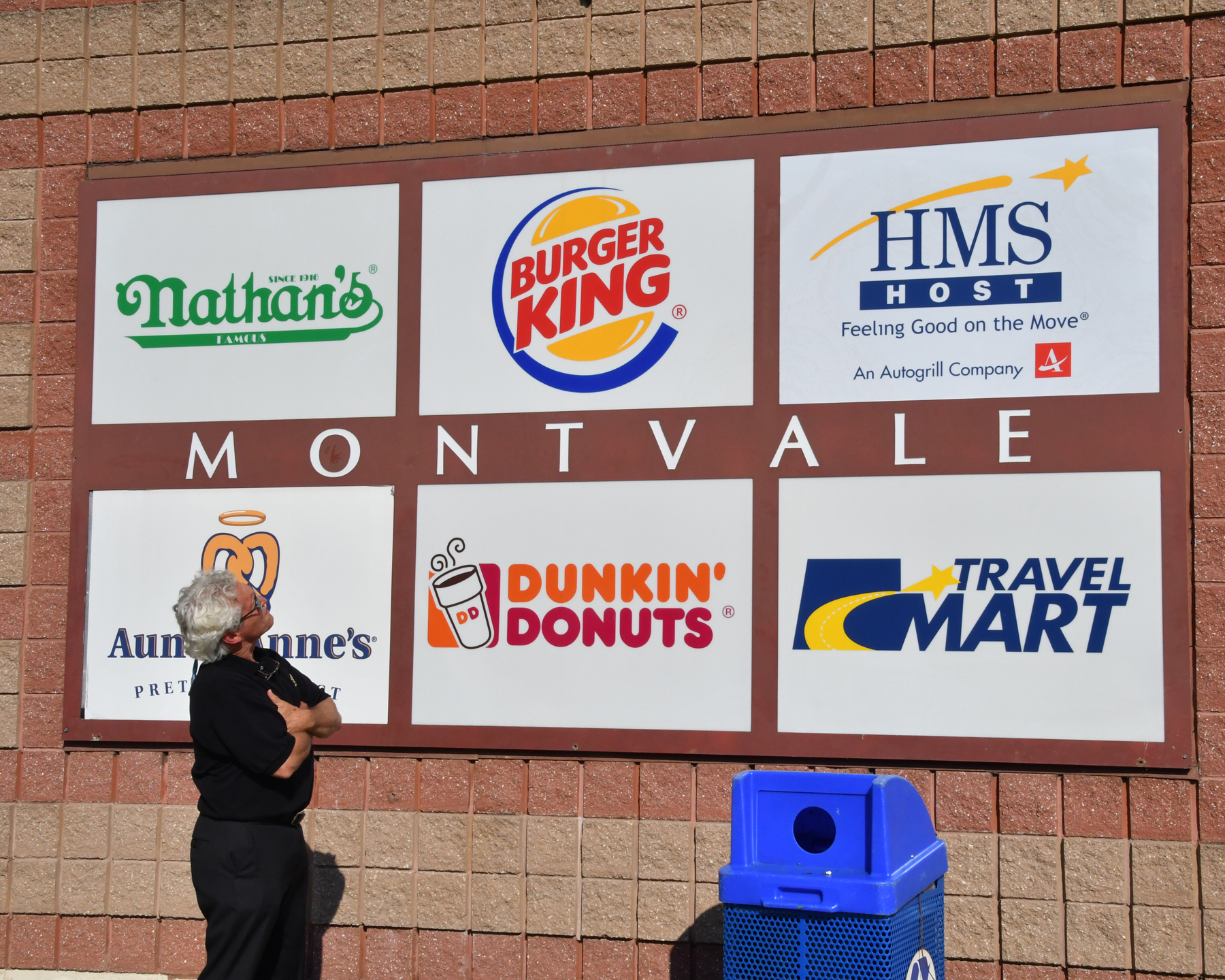
Rest Stop “less than ideal” menu
Many people consider car snacking an art. It should also be appreciated as a science, a nutritional science. “The last things you want to snack on during a long trip are carbohydrates especially sugar,” says Dr. Berg. Carbohydrates offer a short term boost followed by a punishing plunging crash. Protein foods are much better. Almonds and most nuts rank high as a driving snack as do vegetable and fruit slices. Chips, chocolate, pretzels, sugary beverages all put you on the fast lane to snoozeville.
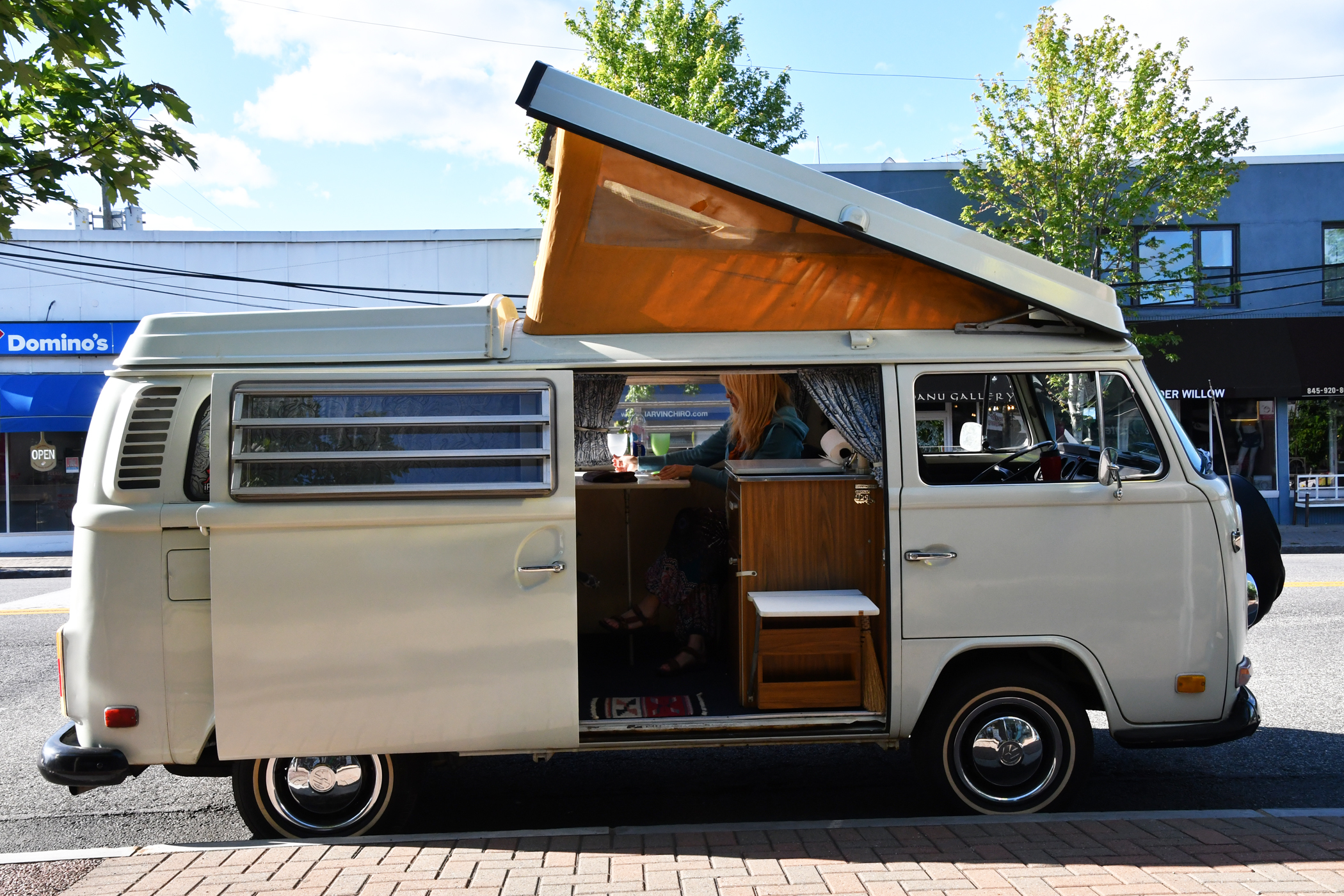
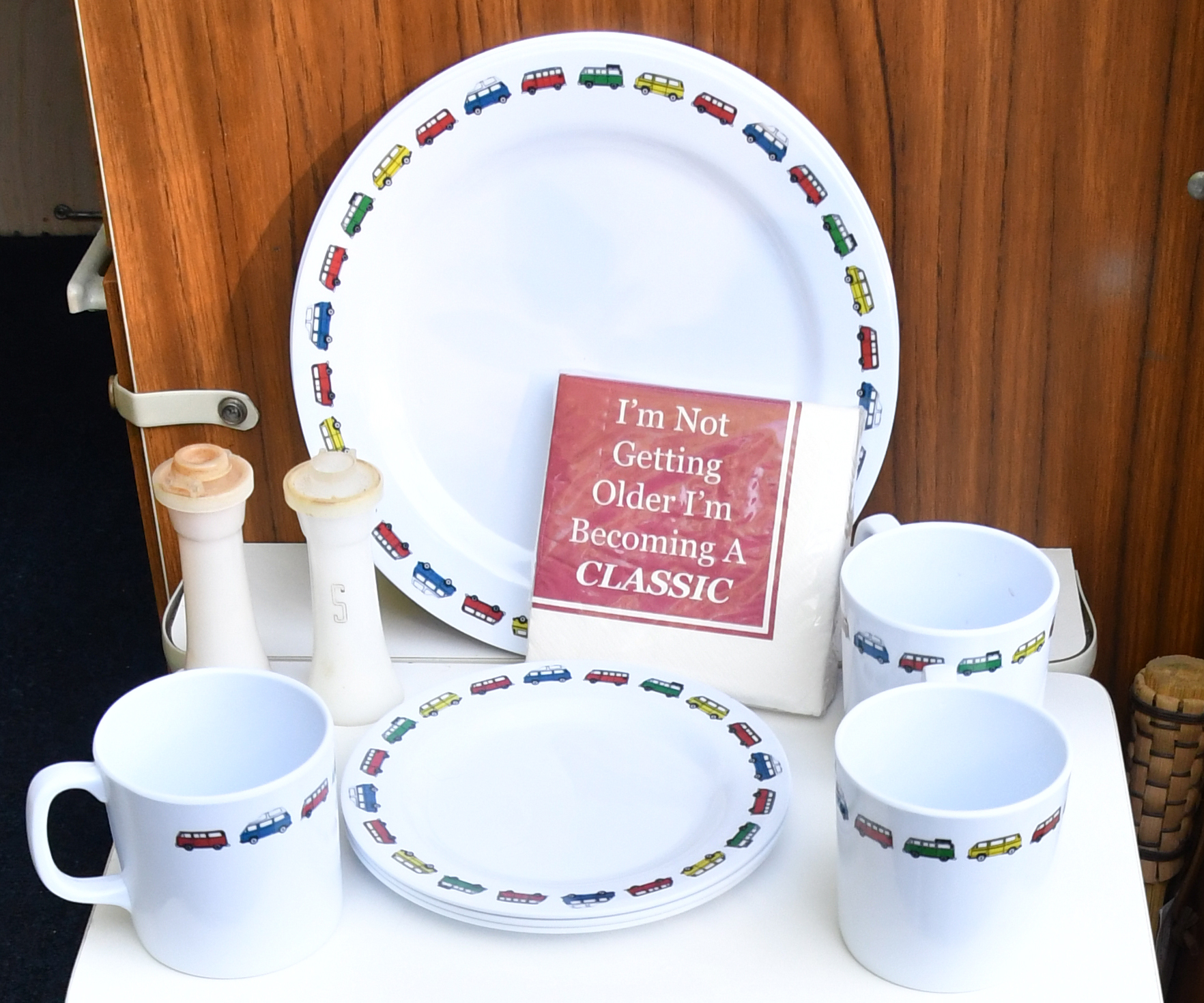
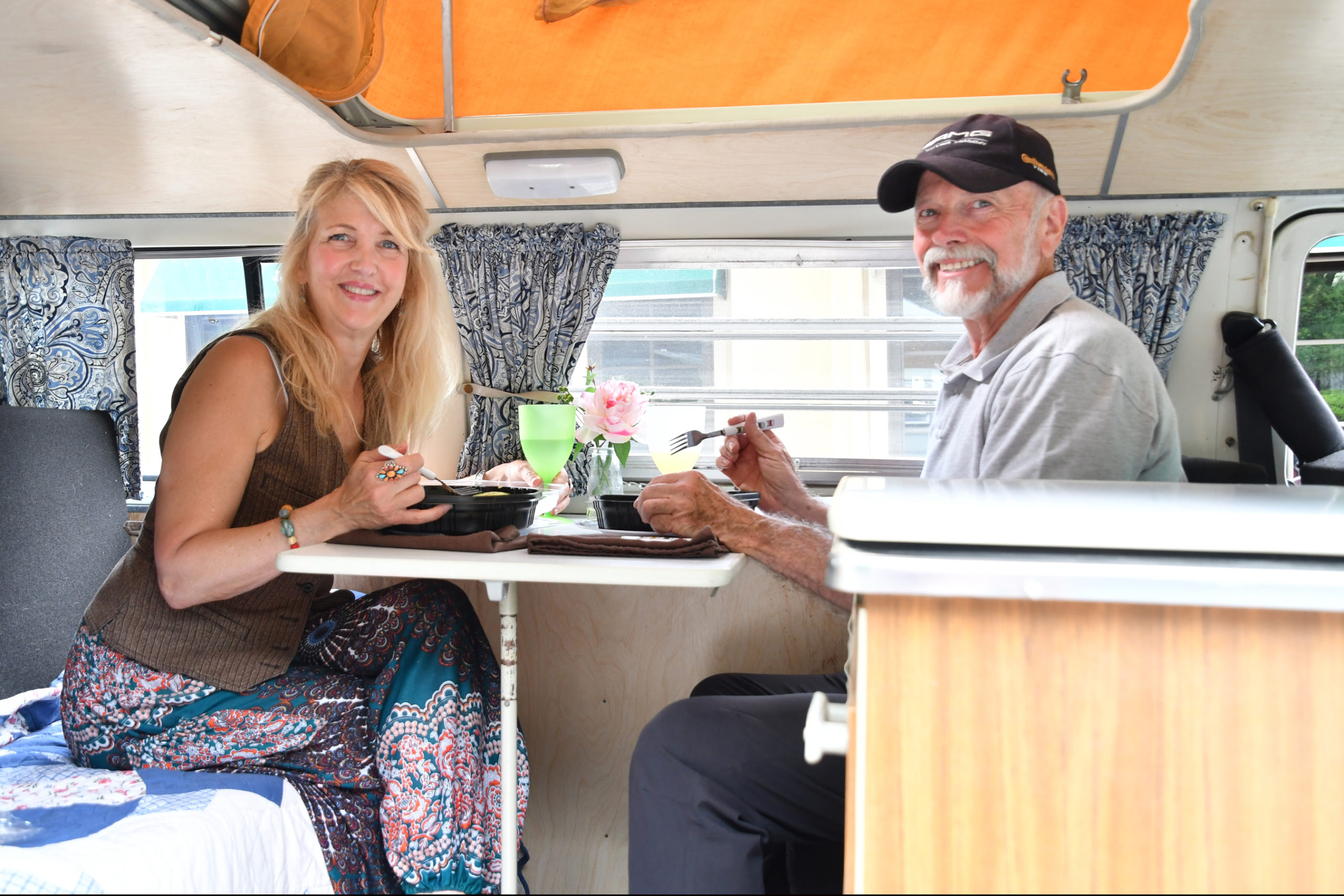 themed designer cutlery and place settings. Proper social distancing is no problem. There is only room for two.
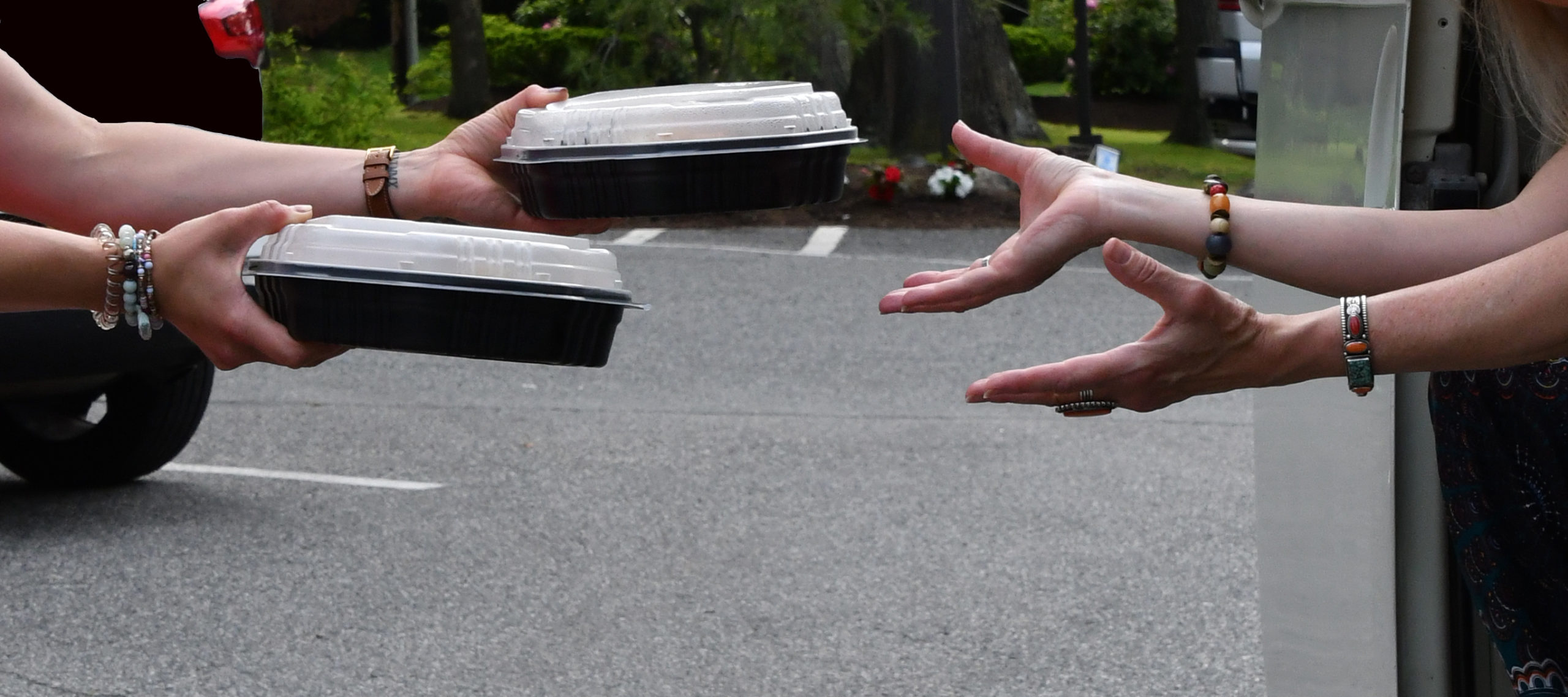
 All the restaurants visited functioned with an almost military precision. Cell phones alerted customers to pull up as the food came from the kitchen. Payment was either done by card in advance or with mobile hand units at pickup.
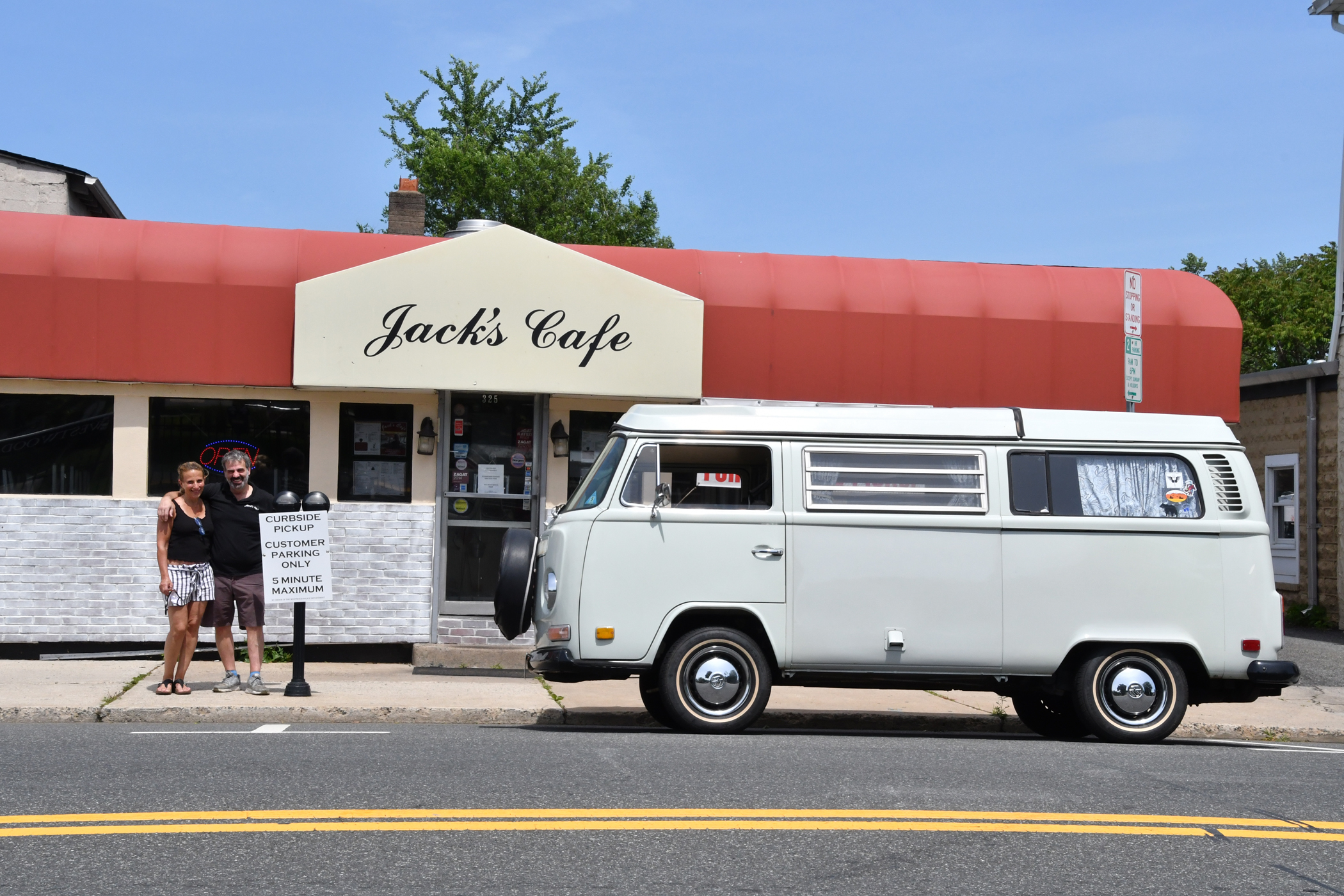 We are at a fraction of our normal business but we are holding on. I miss the people. I am so thankful that I am going to be allowed to have some seating on June 15th though it will only be half capacity. Before Covid-19 It was already hard to make a living in the restaurant business so TAKE OUT will remain critical to our survival.
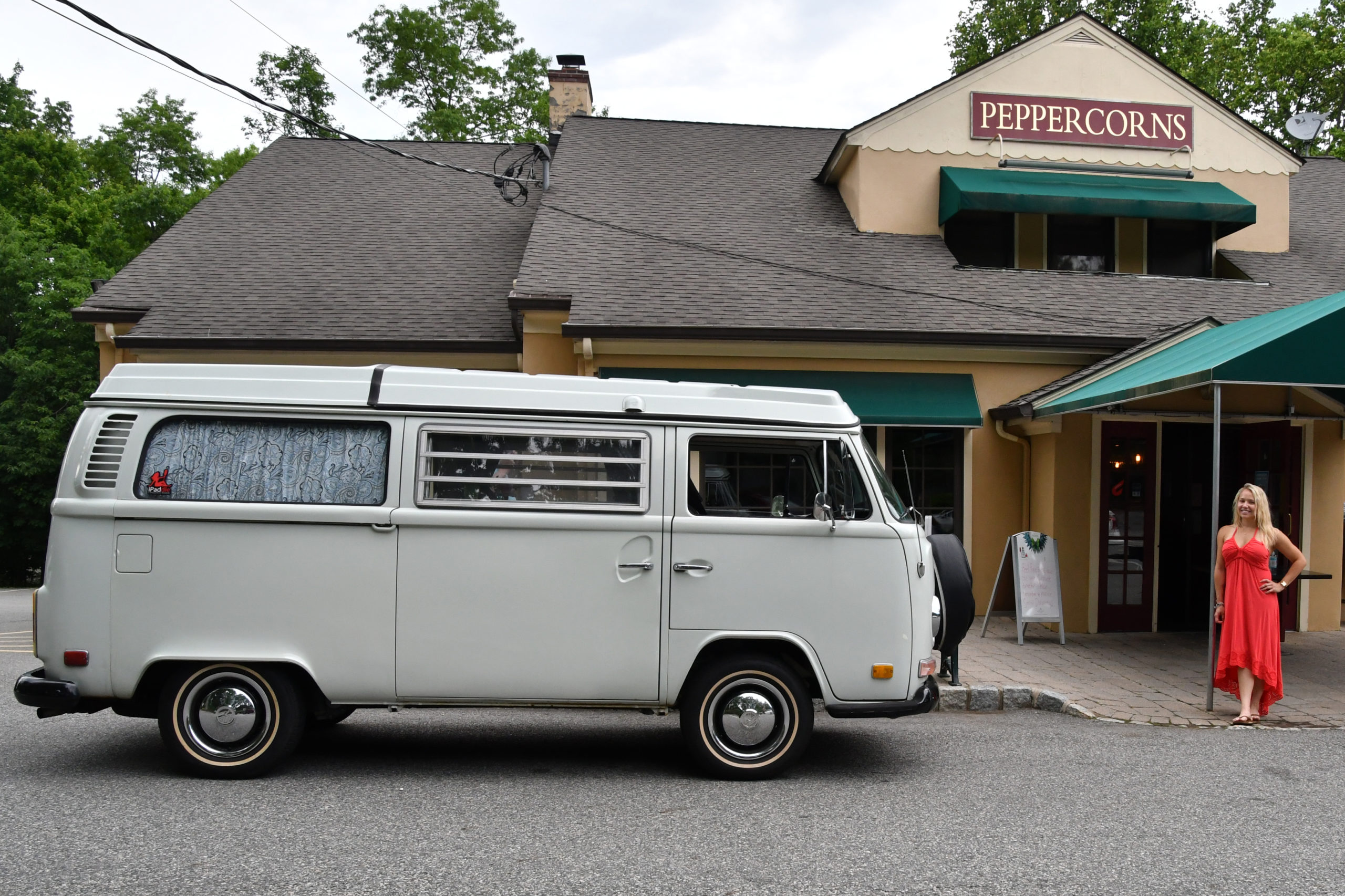 have owned Peppercorn’s for a year. I never saw this coming. They say tough times make you tougher. So be it. Right now if it wasn’t for TAKE-OUT I would have my doors shut.
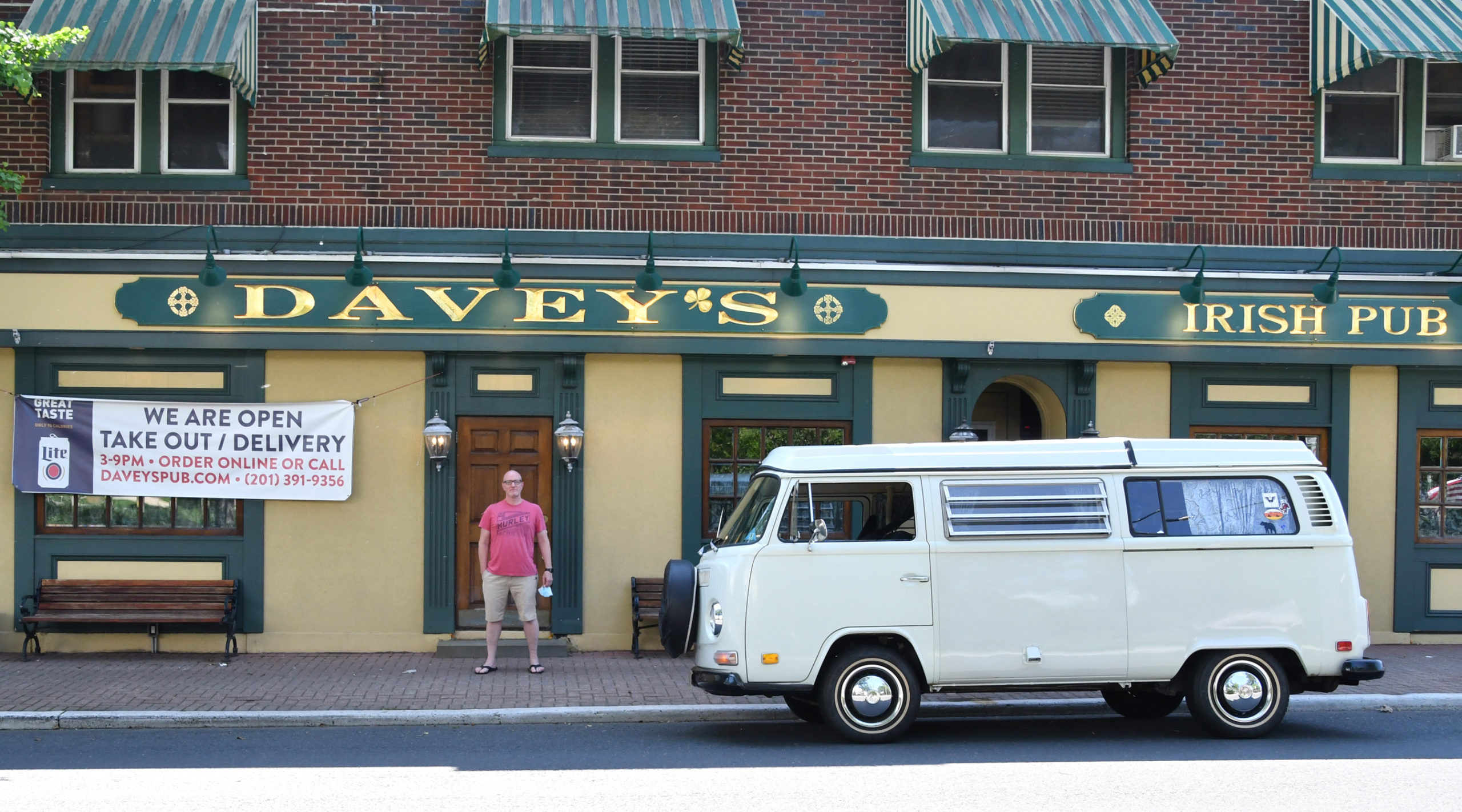 we bridge to the future “new normal.” Opening up outside is going to help. We are planning for inside where we will have socially distanced seating. If we are lucky we will be doing maybe half of what we used to do. TAKE-OUT will remain fundamental to our continued existence.
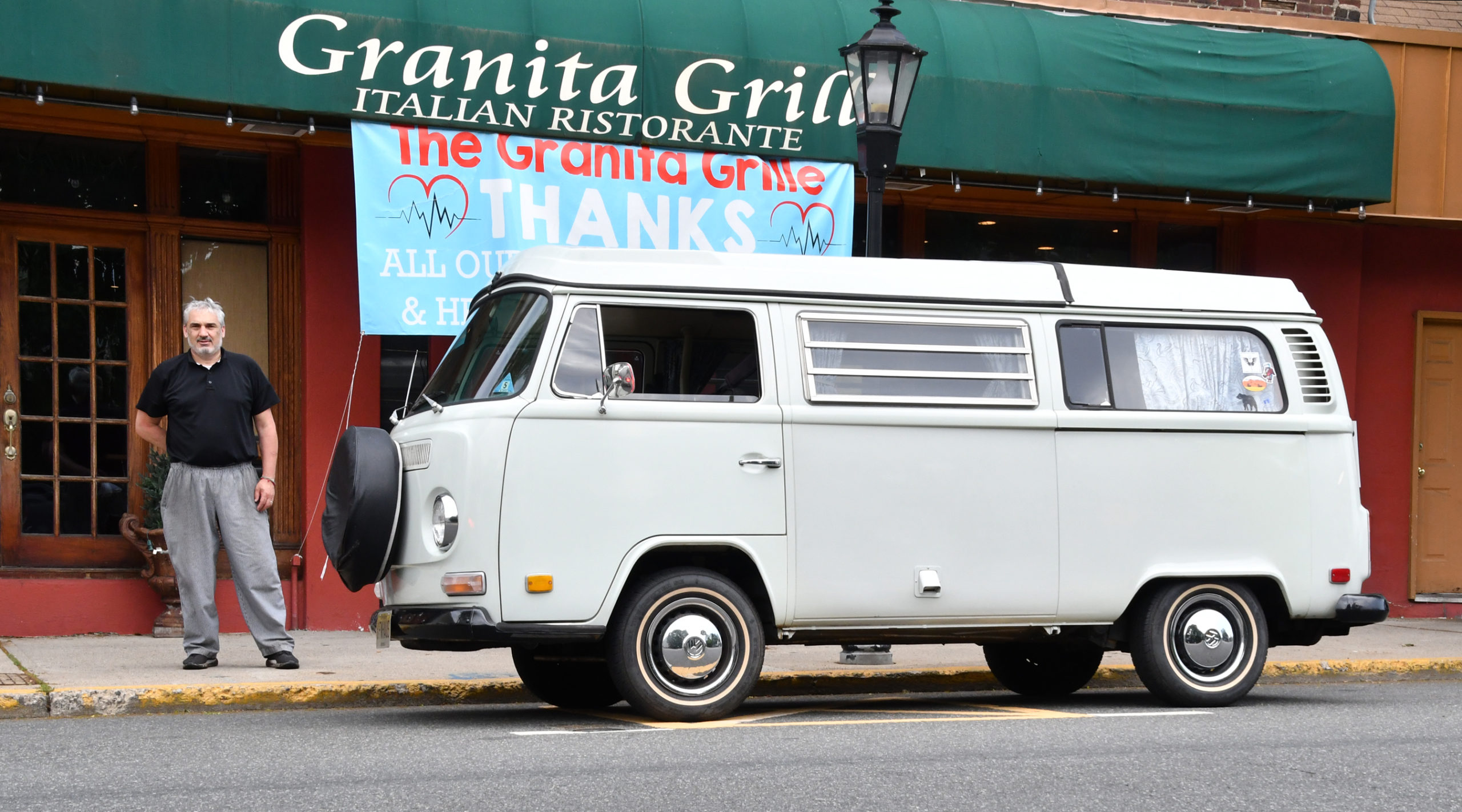
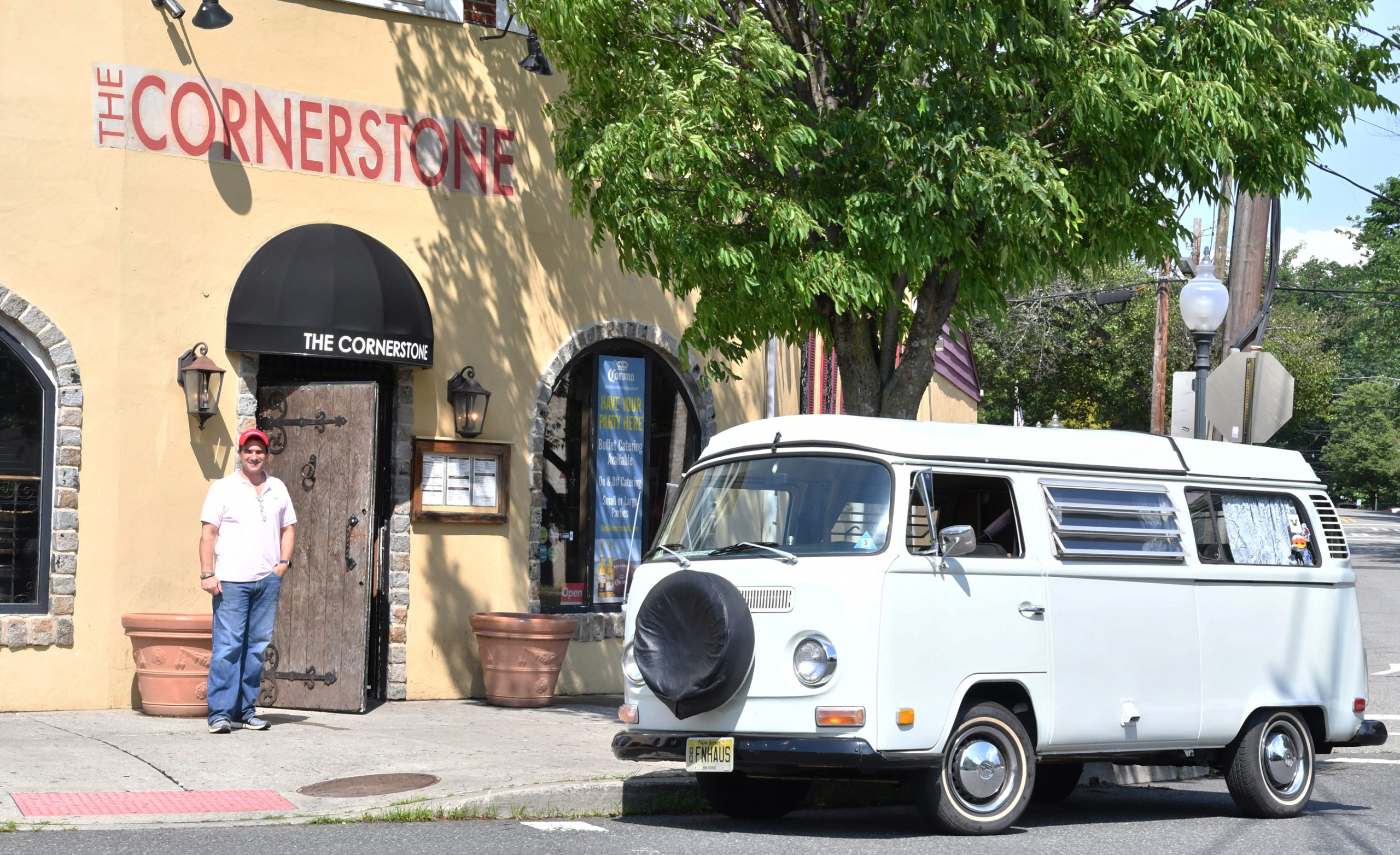 for one year.
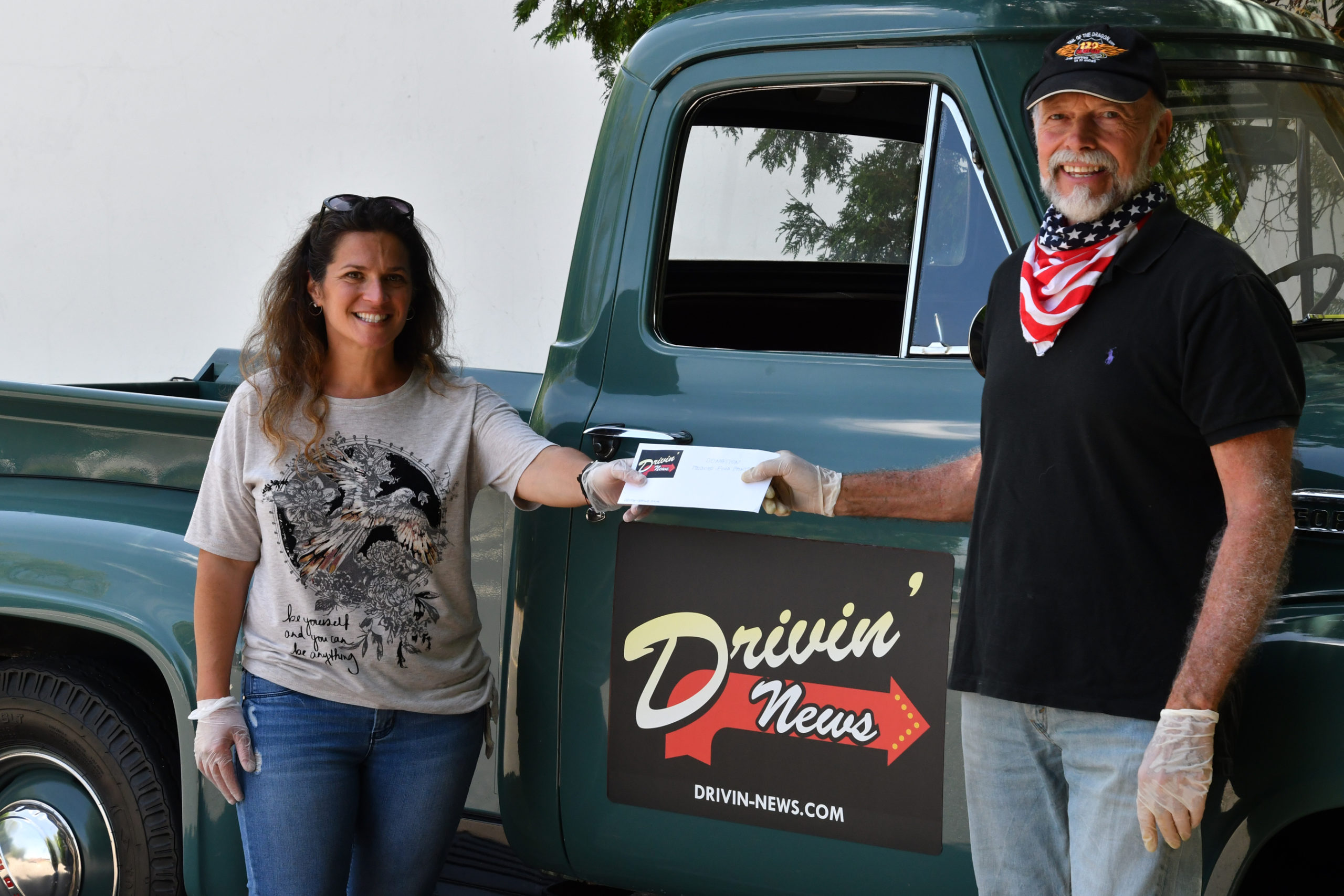
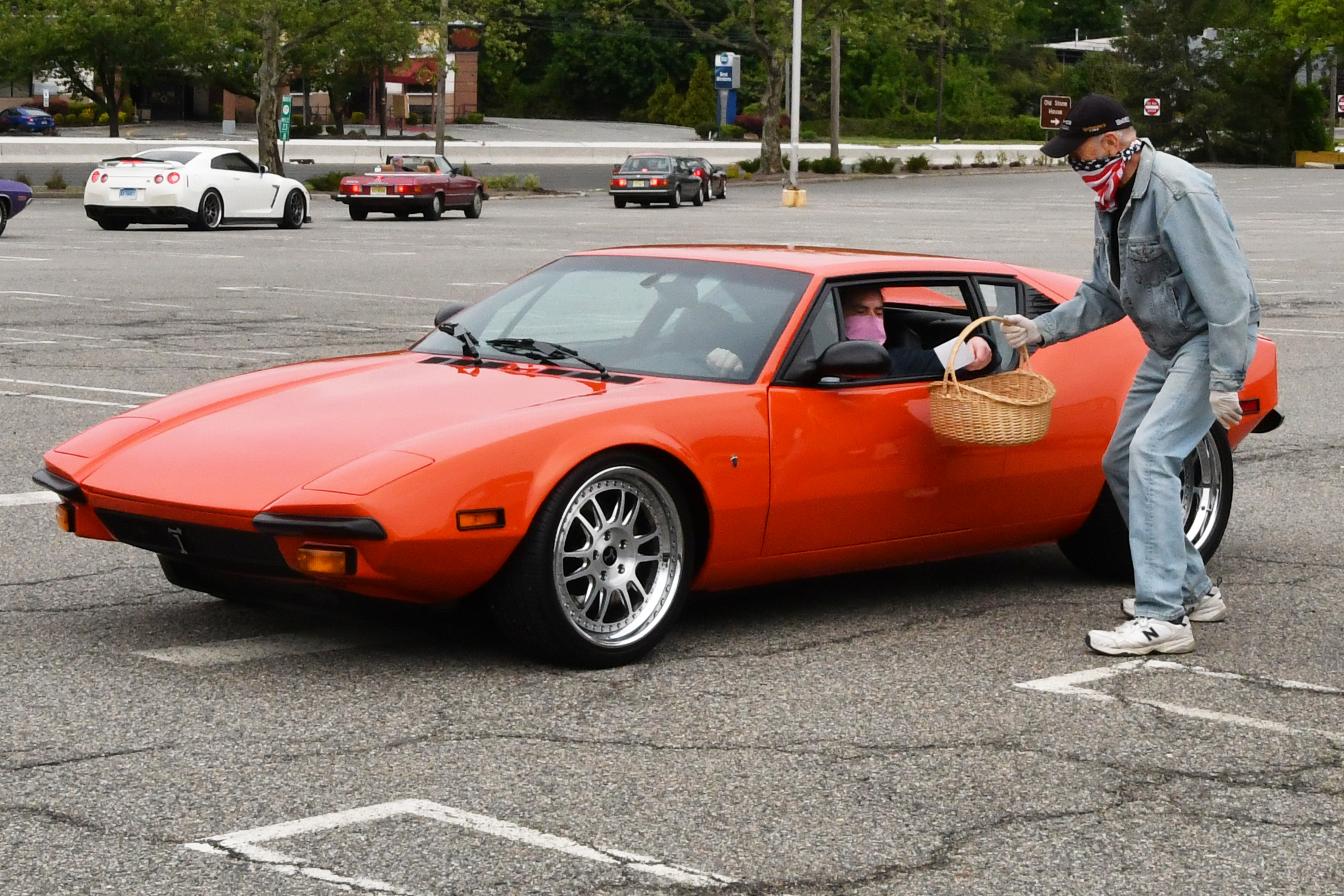
 has more than tripled. Where last May the pantry normally served 30 families a week, This May it serves 110 families a week.
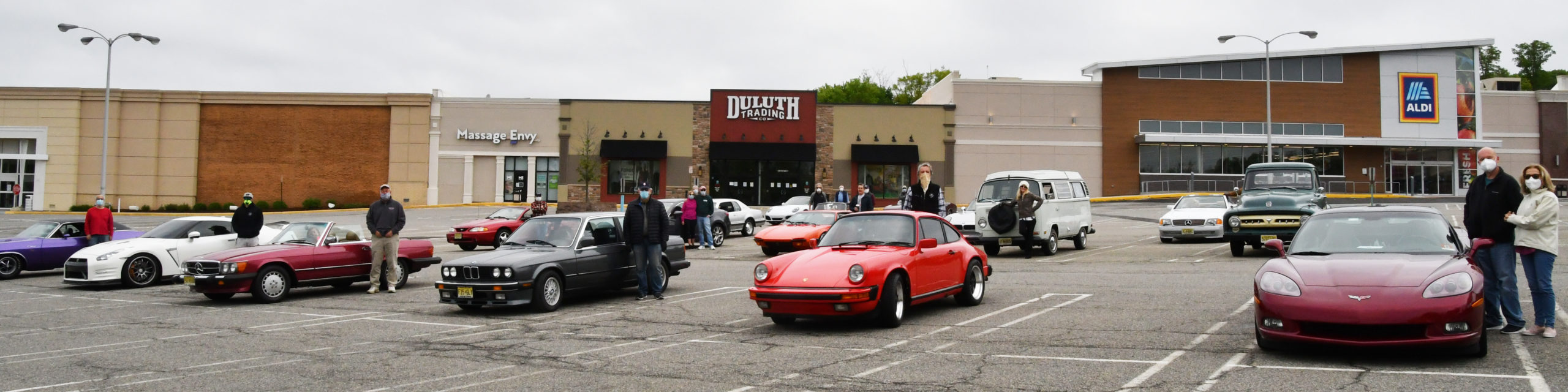
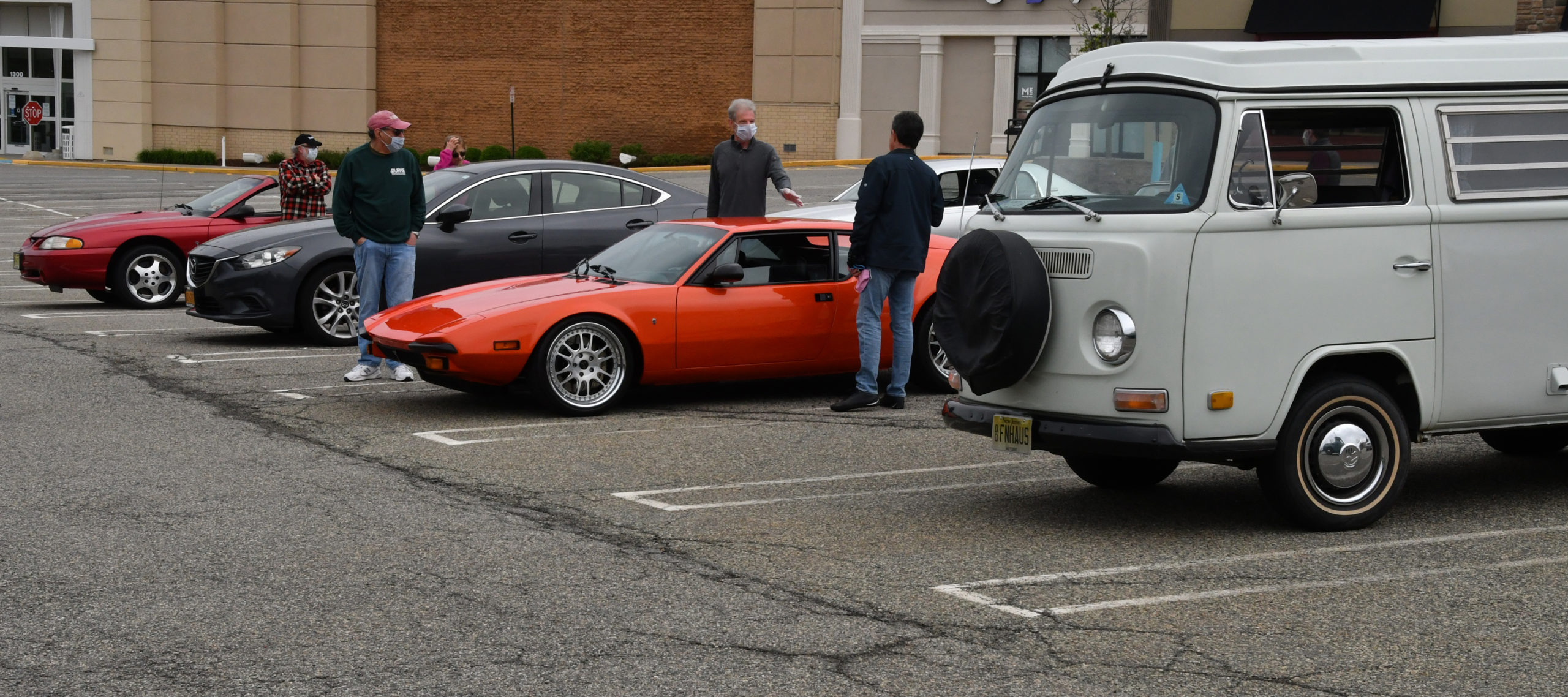
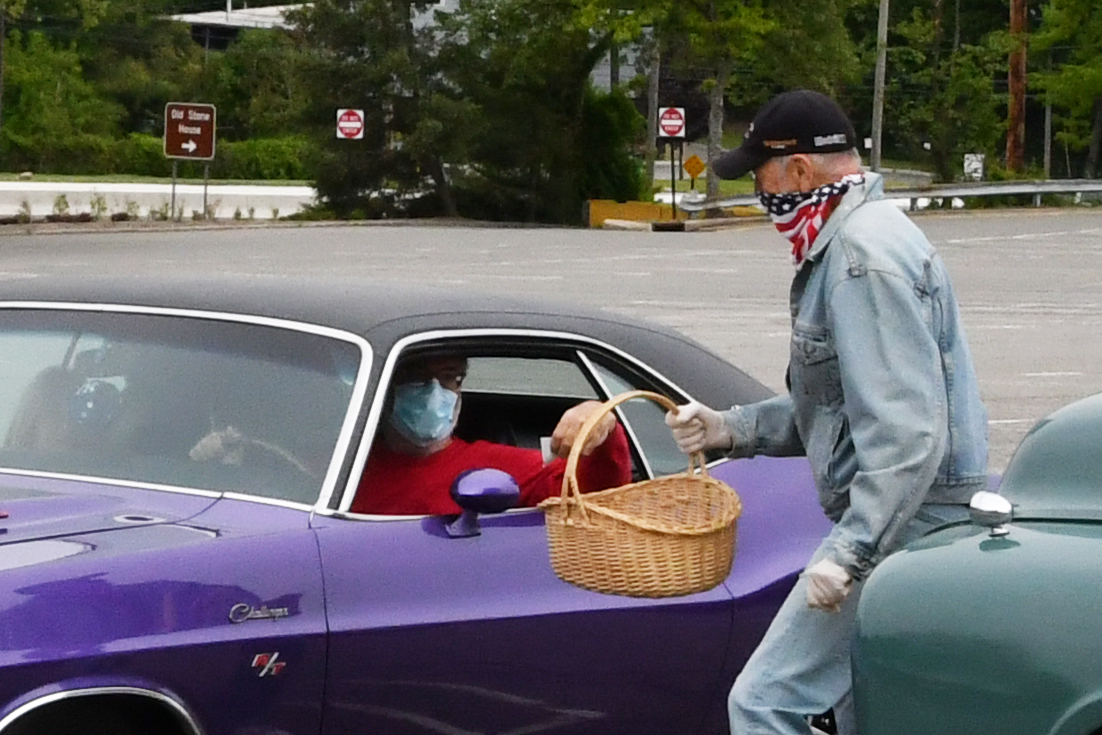 sought to stall the ravages of time. Others were messengers from history recalling distant memories of family adventure.
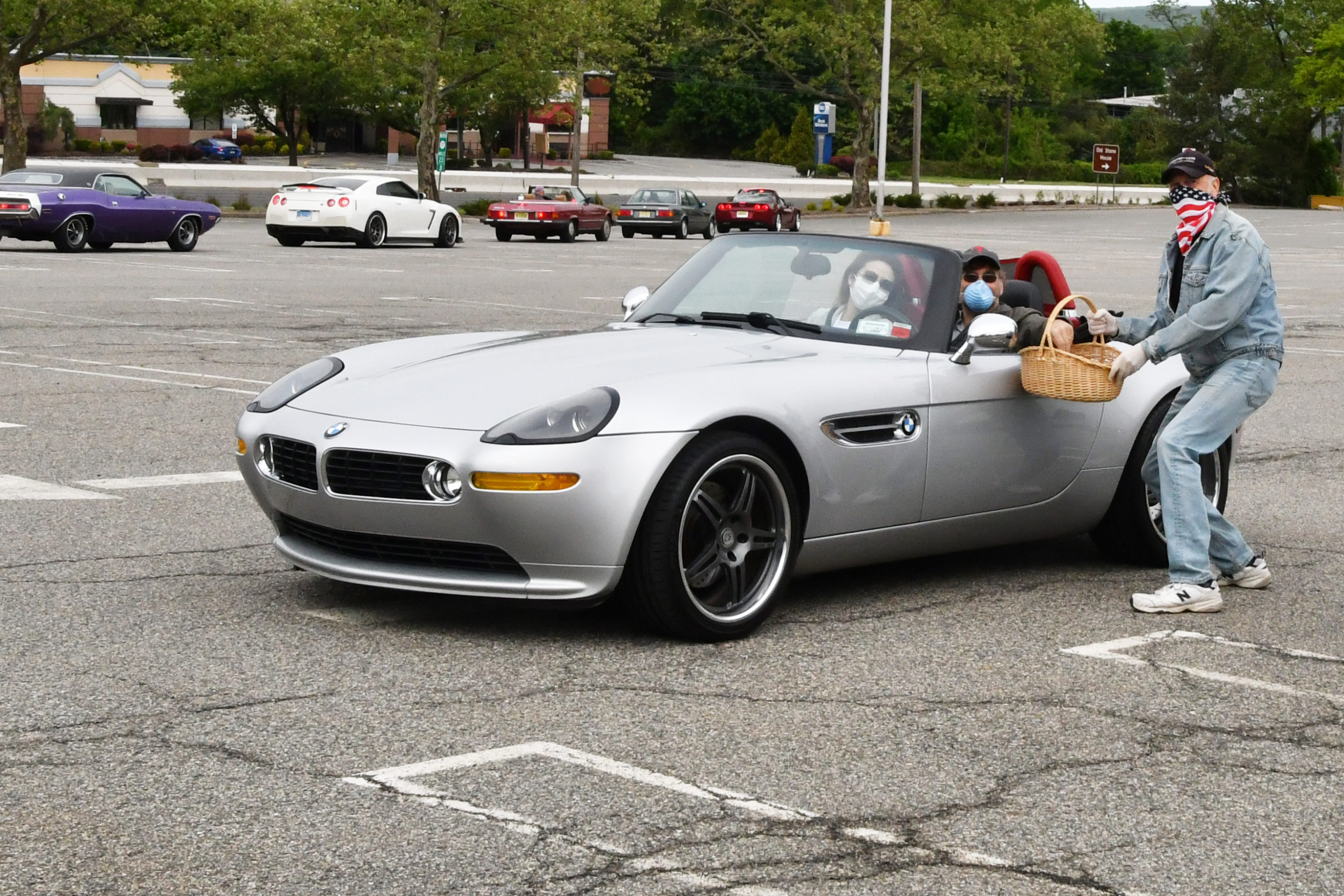
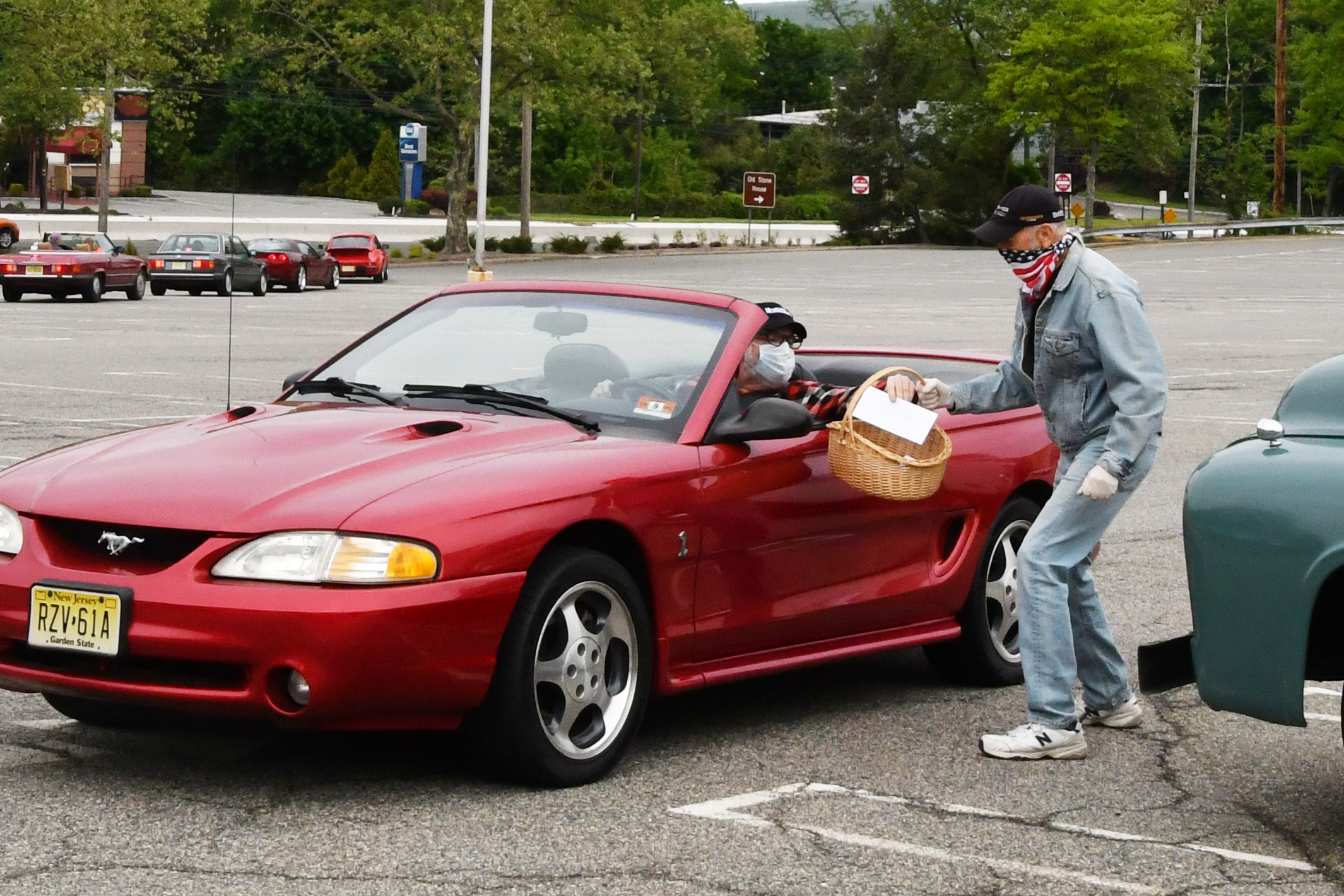
 to pass the Drivin’ News 1953 Ford F100 pickup and drop off their donations.



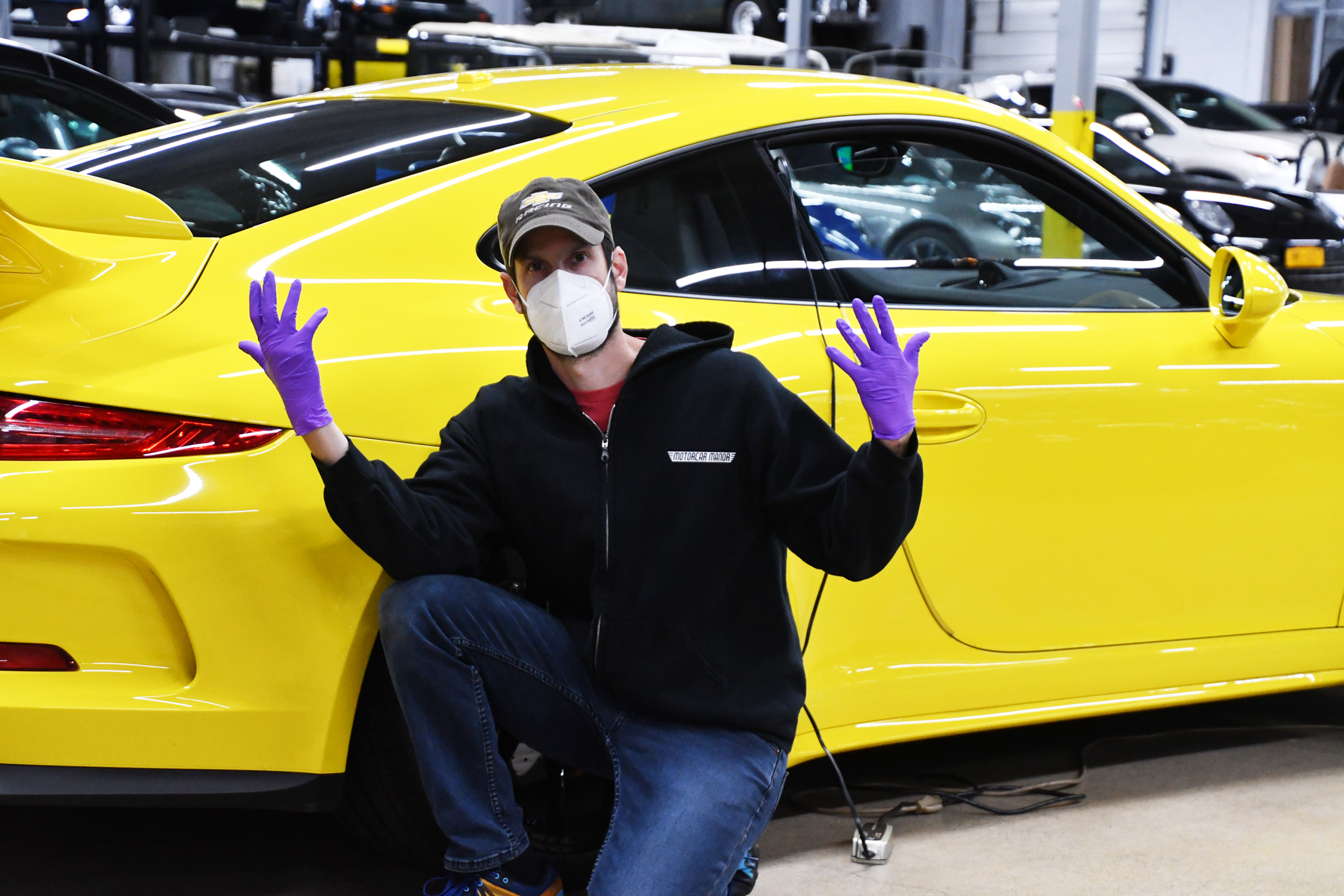
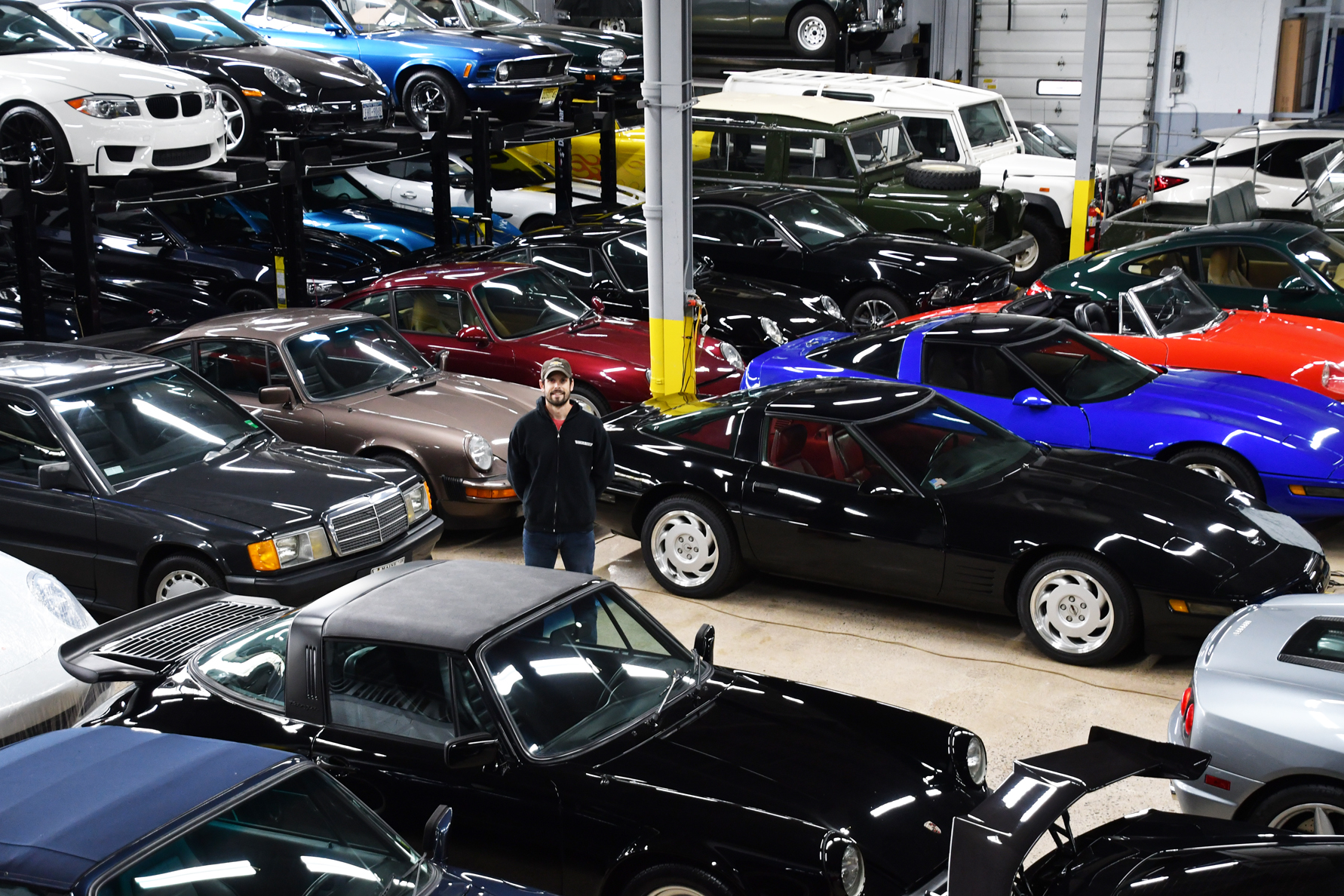
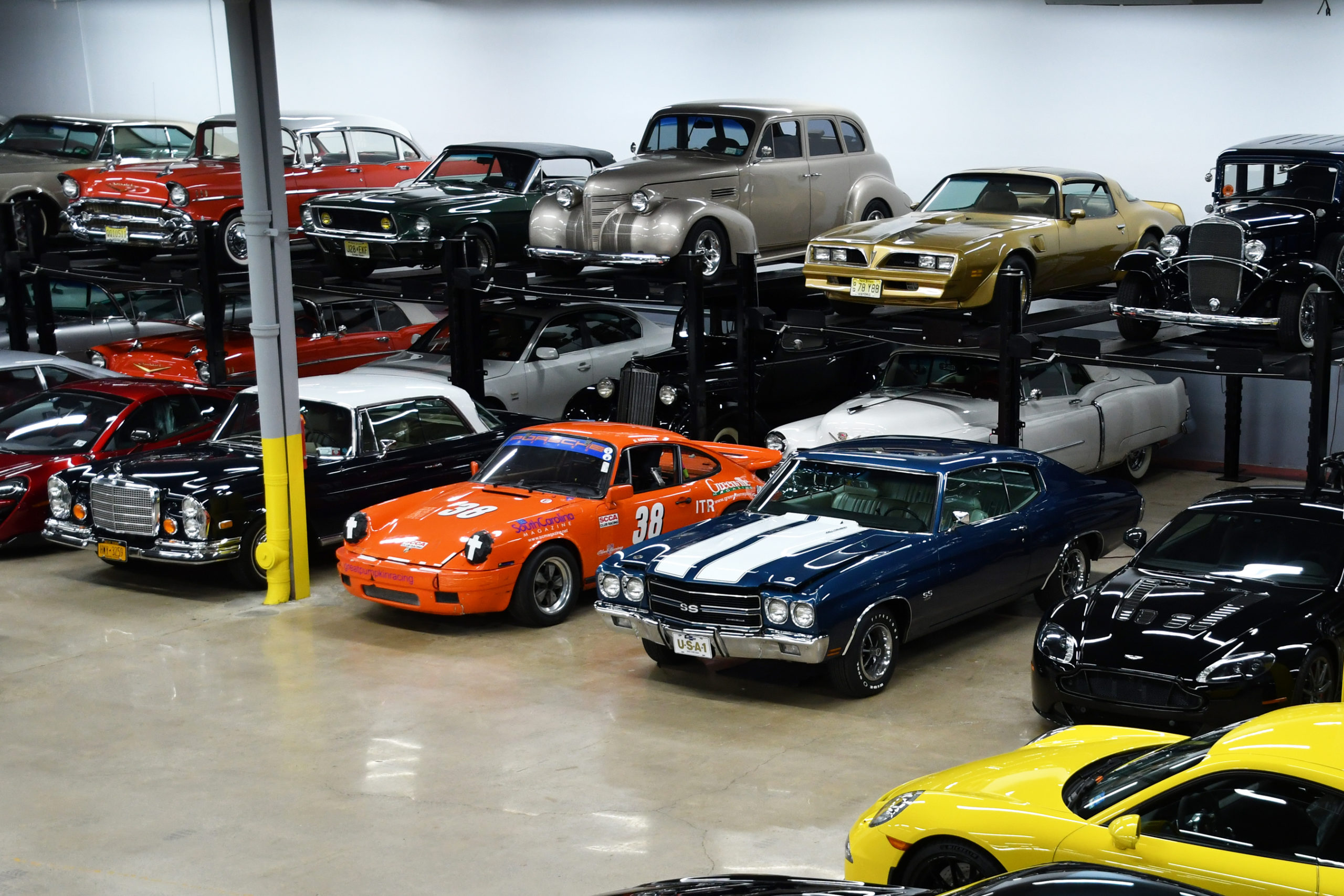
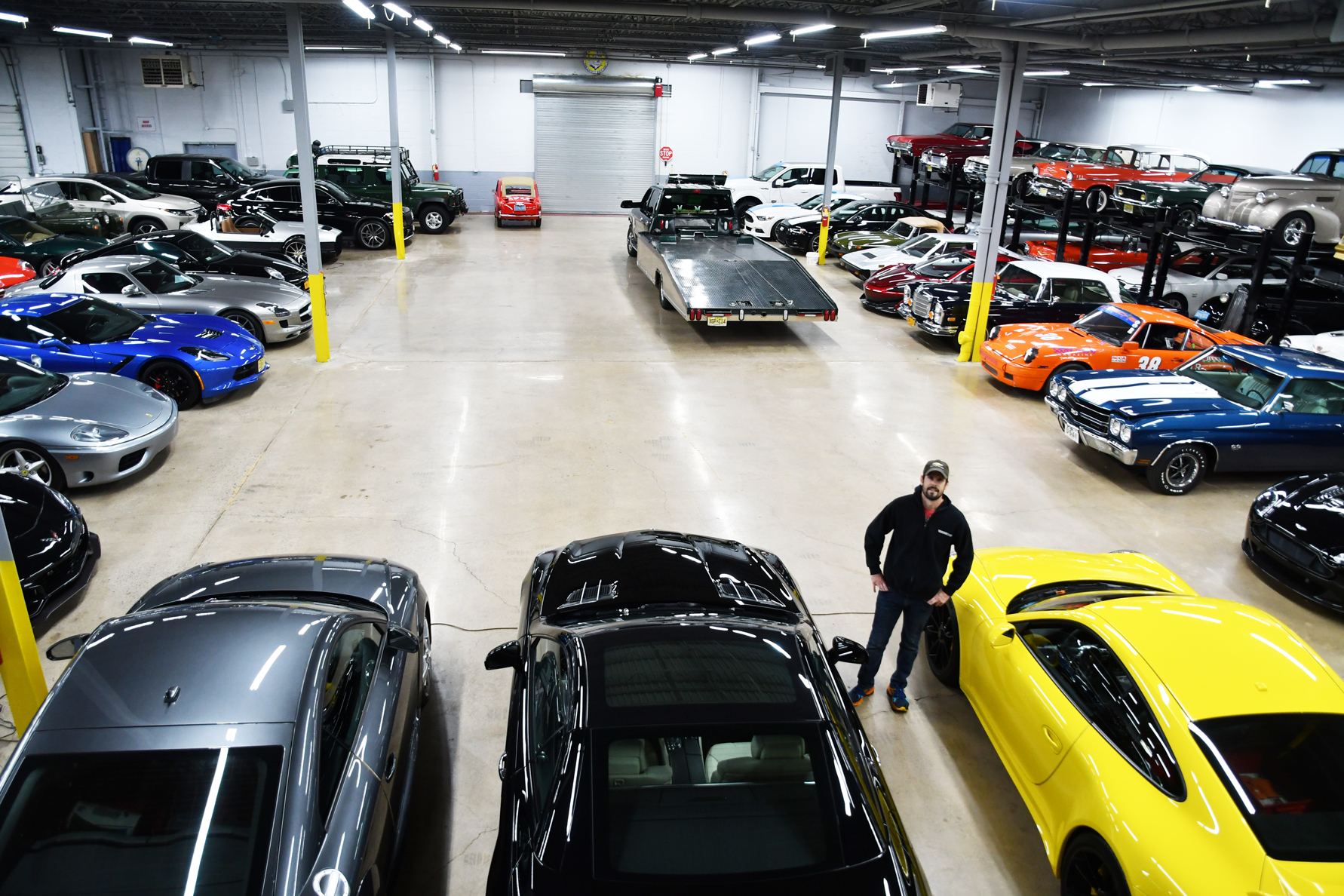
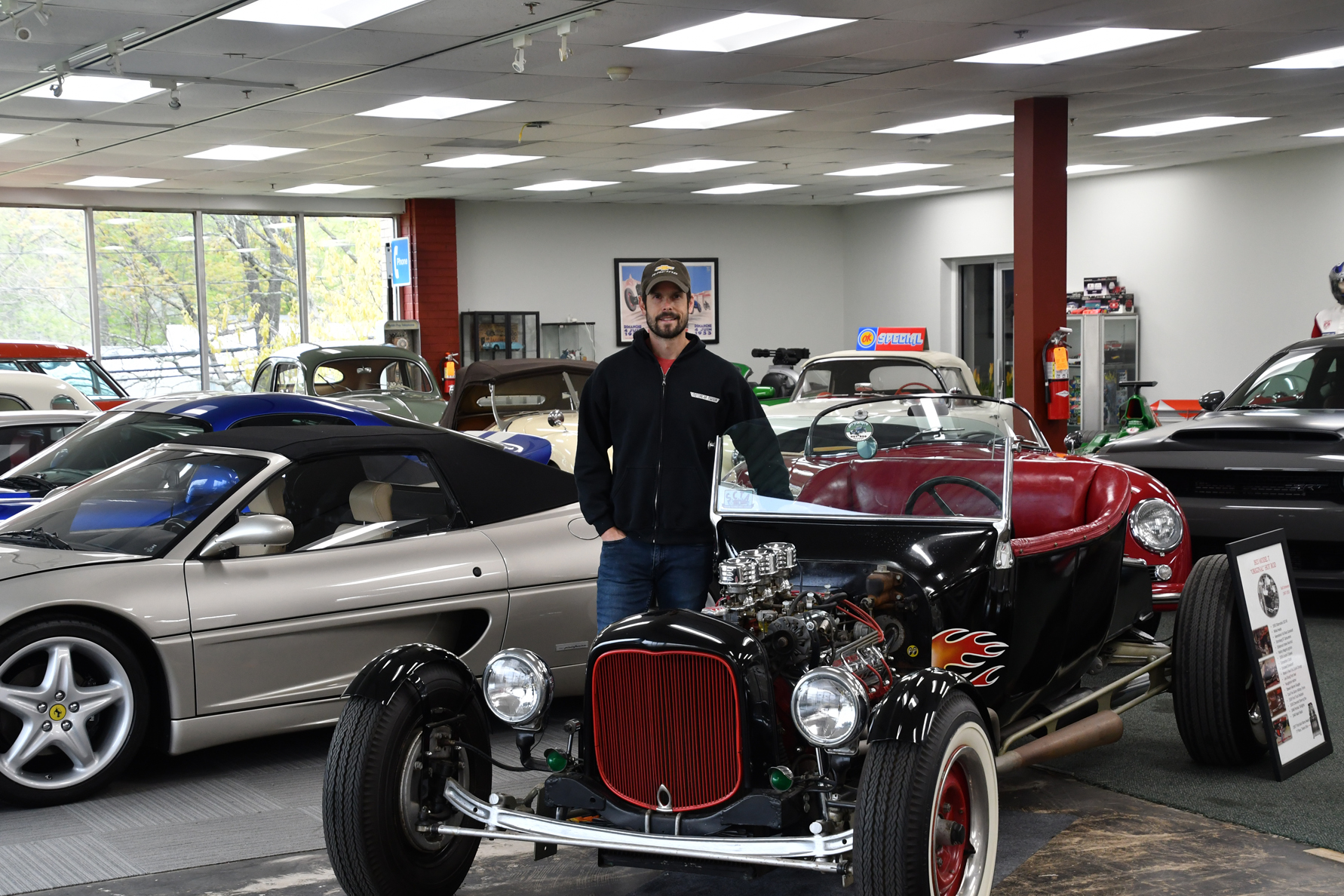 Initially it really has not impacted us. We’re still storing people’s cars because the weather here in the Northeast until recently has been pretty gloomy.
 Through March maybe 10 to 12 different live auctions were cancelled. Some of the higher end auctions have gone the online route. RM did an online auction and was decently successful. They had more potential bidders than they had last year, which was just a normal auction. They did maybe $13.7 million worth of cars, which is lower than what they sold in the past, but the number and quality of vehicles was lower.
 typically sells. European cars and Japanese Imports even newer domestics have definitely been more popular. Vehicles 25 years old and newer are drawing great “Newtimer” interest. It’s not necessarily that they’re higher value than the older cars. They’re just more popular right now with the age group of people in their late 20s to early 50s that is not as affected by this virus economically.
 Older iron was dwindling down in popularity already, but the age group that would be interested is the one impacted by this virus. Most are already on fixed incomes with money set aside to purchase a vehicle. But now they don’t want to go anywhere. They don’t know what’s going to happen to them. They don’t know what’s going to happen to their loved ones. Fewer in that generation are at ease making a big expenditure on a classic car with an uncertain future.