Talking with the skilled professionals who support our passion for collectible automobiles.
Conversations With People We Value #31
Cars & Coffee, Caffeine & Carburetors, Cars & Croissants, you get the idea. Starting somewhat organically in 2006, the original Cars & Coffee came to life on a spacious (organizers thought) corporate parking lot in Irvine California. It’s astounding and fatal success created a new class of casual auto event. In the case of Cars & Coffee Irvine, its demise came abruptly on December 20th of 2014 when 2,000 classic cars showed up. Cause of death – too popular.
In 2013 an enterprising 20-something Jerseyite decided that North Jersey needed a branded source of events with its own distinctive character. Thus was born Cars & Caffe. Caffe is Italian for coffee. Hey, this is Jersey.
Meet the man behind Cars & Caffe, Tony Boniello
Cars & Caffe’s Tony Boniello is always looking to
brew up something new
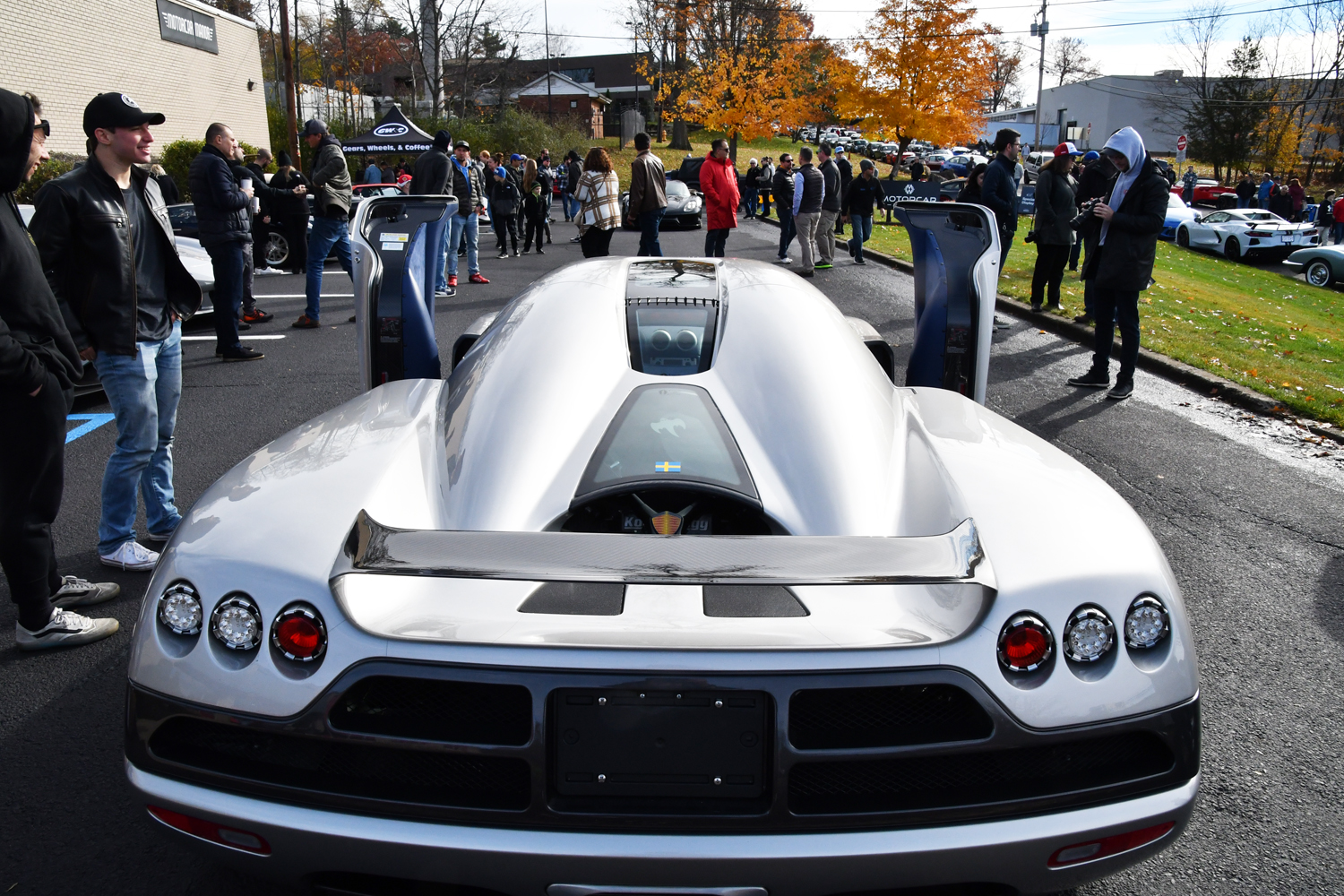
So, what if you threw a party and 10,000 cars showed up. Ask Tony Boniello. In the fall of 2017, Boniello in partnering with other groups held a Sunday Cars & Caffe event that filled a major North Jersey shopping mall parking lot and drew 20,000 people in addition to the 10,000 very cool cars. Tony openly admits that that event stands out as an outlier significantly contrasting with the 500 to 1,000 car events associated with the Cars & Caffe name.
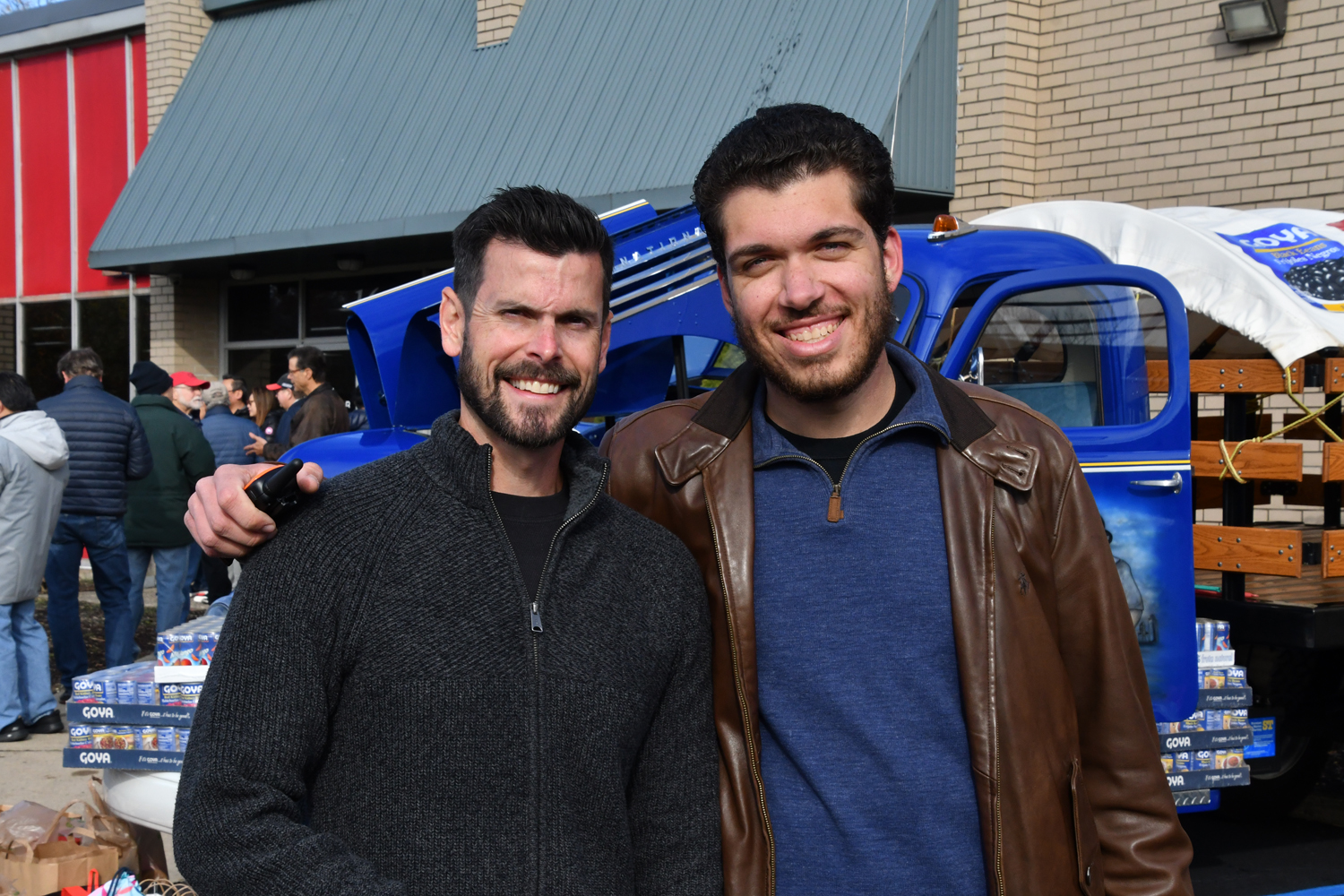
Matt Maisano and Tony Boniello
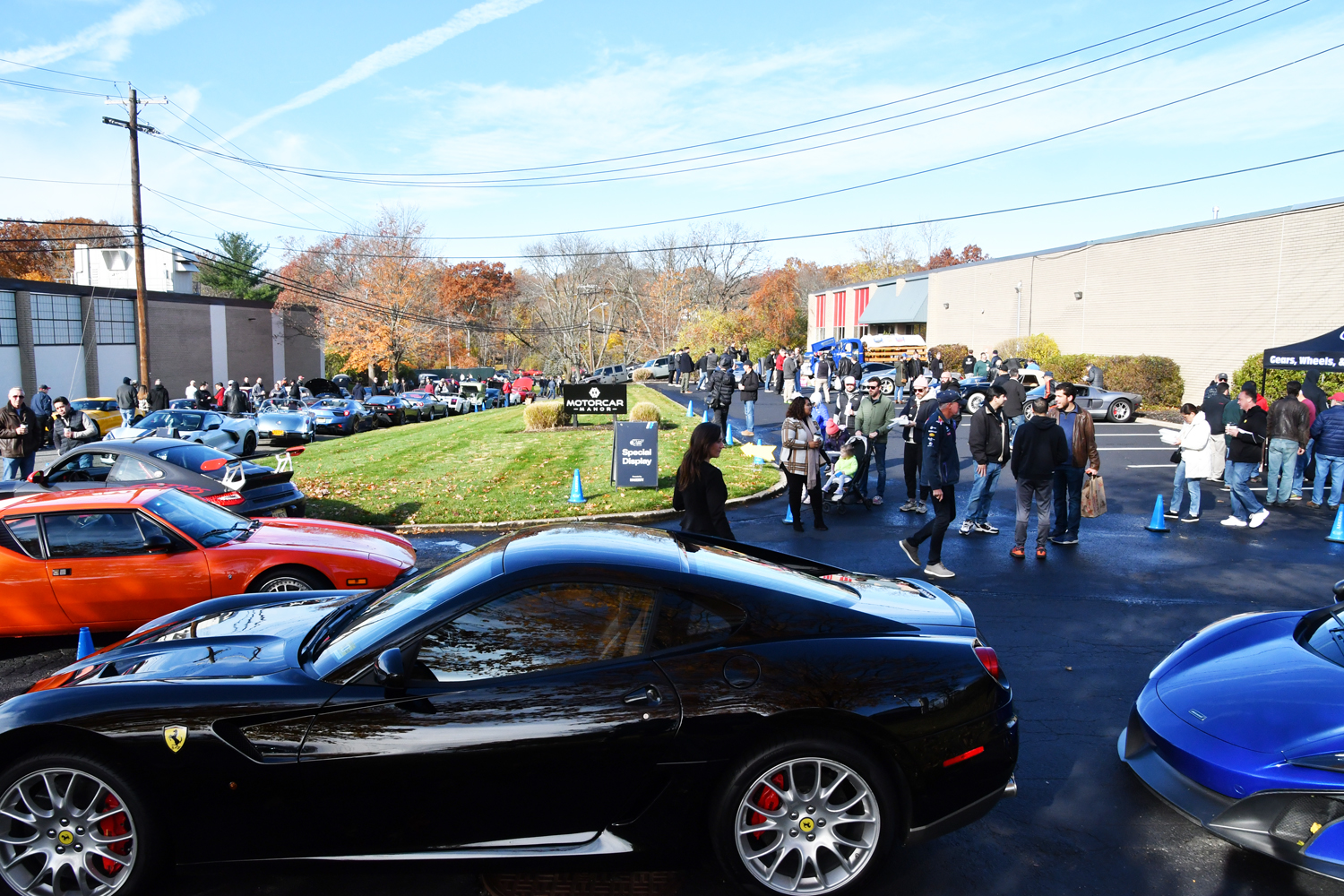
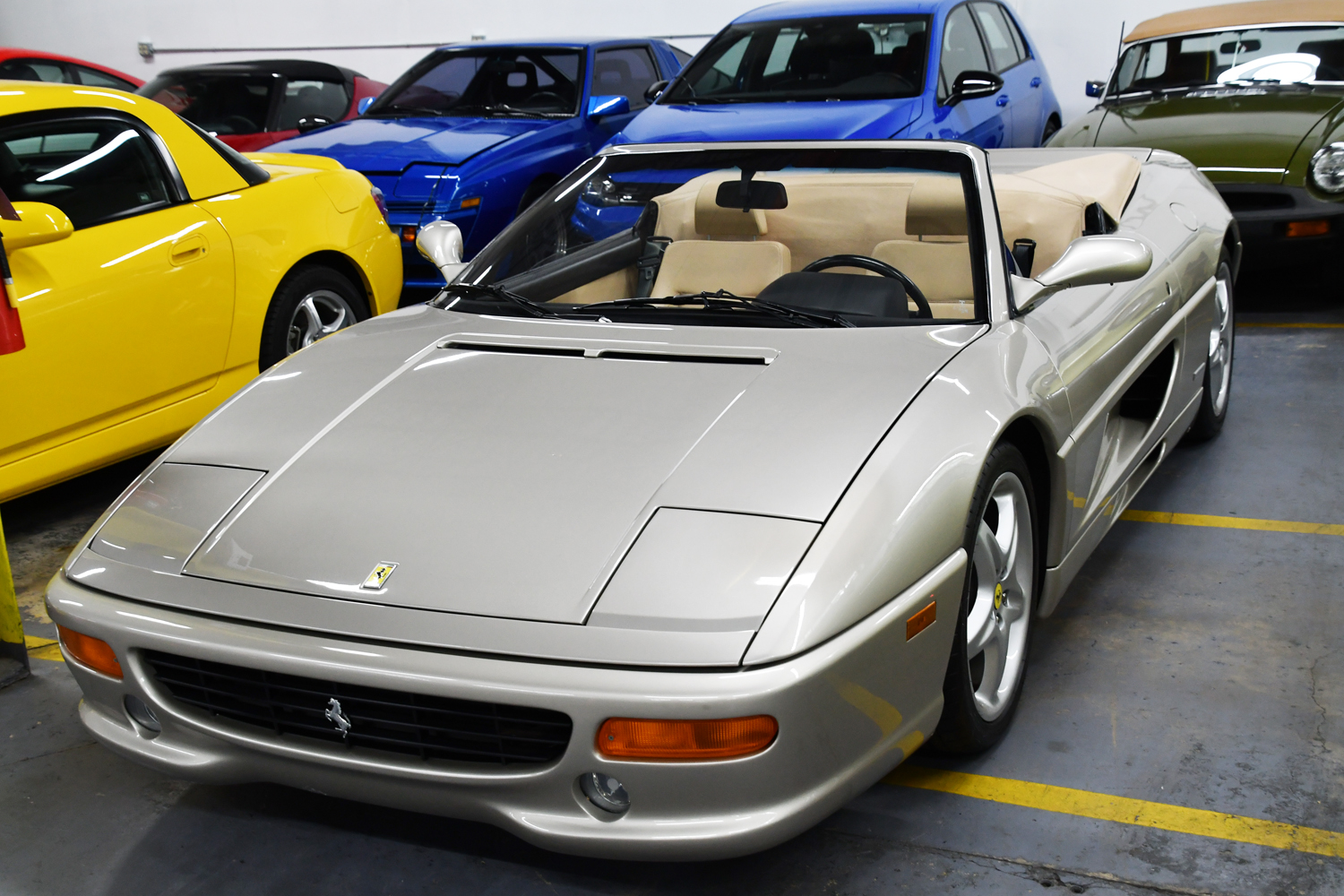
Drivin’ News caught up with Tony at this year’s final Cars & Caffe event. Taking place at well known classic car storage facility Motorcar Manor in Ramsey, NJ, and co-hosted by Motorcar Manor owner Matt Maisano, it provided a perfect venue to display Tony’s vision of a classic Cars & Caffe event.
Tony’s path to staging an eclectic array of distinctive classic car events began as a pre-teen. A fascination with automobiles at an early age evolved into a driving (literally) passion as Tony aged through his teens becoming a true automobile enthusiast. During the journey his desire to classic car event manage took shape.
The essence and attraction of the original and oft copied Cars & Coffee concept resides in its simplicity. It many ways it resembles a slow motion classic automobile flash mob. Tony explains saying, “it’s really intended for like-minded car enthusiasts. The crowd is welcome, but it’s really a car event for car people.“ For the event, enthusiasts’ cars casually assemble at a designated gathering site. Tony says, “It is a very laid back gathering of automotive enthusiasts from across all spectrums of the car world, muscle cars, exotic cars, hot rods, pre-war, post-war, brand-new and JDM (Japanese Domestic Market).” The event exists to provide a communal assembly for like minded enthusiasts. Tony says, It is not a cruise. It is not a concours. There’s no judging. It’s car people engaging, enjoying and bonding with other car people.” Events normally do not promote to spectators though they are welcome. Events take only a few hours on a Sunday morning, never past noon.
Co-Host Matt says, “Enthusiasts drive their car to the event. They hang out for just a couple of hours and then they leave. There’s no entry fees, no registration, no trophies, no ceremonies, no DJs it’s all about the cars. There’s nothing but car people enjoying each other’s cars and conversation. It’s pure. It’s a quick event. You can leave whenever you want. It’s perfect. You can enjoy a great car event and still have time to get stuff done with the rest of your day.
As a teenager Tony witnessed first-hand the promise and problems by attending the original Cars & Coffee Irvine event. Back on the east coast a very successful version of the Cars & Coffee concept called Caffeine and Carburetors blossomed in New Canaan Connecticut. Tony recognized the New Canaan groups commitment to the concept and their professionalism. It all came together when at the age of 20 Tony decided to bring the Cars & Coffee concept to Bergen County. So why not Cars & Coffee?
Tony Says that the owners of the Cars & Coffee brand wanted a five-figure licensing fee. As a college student, the idea of a debt that size held no appeal. Tony decided that he would develop his own branded event.
Tony says, “I didn’t see the advantage of shouldering that debt. I chose rather to build my own brand. I created my own database, my own network and my own business model.” He admits that it remains a work in progress.” His attitude embraces the “Build it and they will come” philosophy with a version that states “Keep building it better and more will come.” And what about the name?
Tony says, “I wanted to do something unique, something with a little Italian flair. There’s a lot of spin-offs of Cars & Coffee. Being Italian I had a fondness for the Italian word for Coffee, Caffe.
Tony believes that over his eight years in operation, Cars & Caffe has developed a reputation not unlike Caffeine and Carburetors which he clearly respects. Tony says, “The New Canaan event is synonymous with upscale collectible vehicles old and new in the Northeast. I like to believe that Cars & Caffe is at home in that category.”
Tony acknowledges that rules, control and being a good neighbor play a critical role in the ongoing acceptance and success of an event. Rules, if violated will result in a person and vehicle being banned. Rules are simple: No engine revving, shut your audio system off, no burnouts, no donuts (They don’t mean the Dunkin kind) and no speeding.
Tony has incorporated fund raising and food donation as an integral part of the Cars & Caffe culture. His first show featured a Hurricane Sandy fundraiser. The event at Motorcar Manor combined a very successful food drive and a fundraiser to help defray the medical costs facing an 8-year old stroke victim.
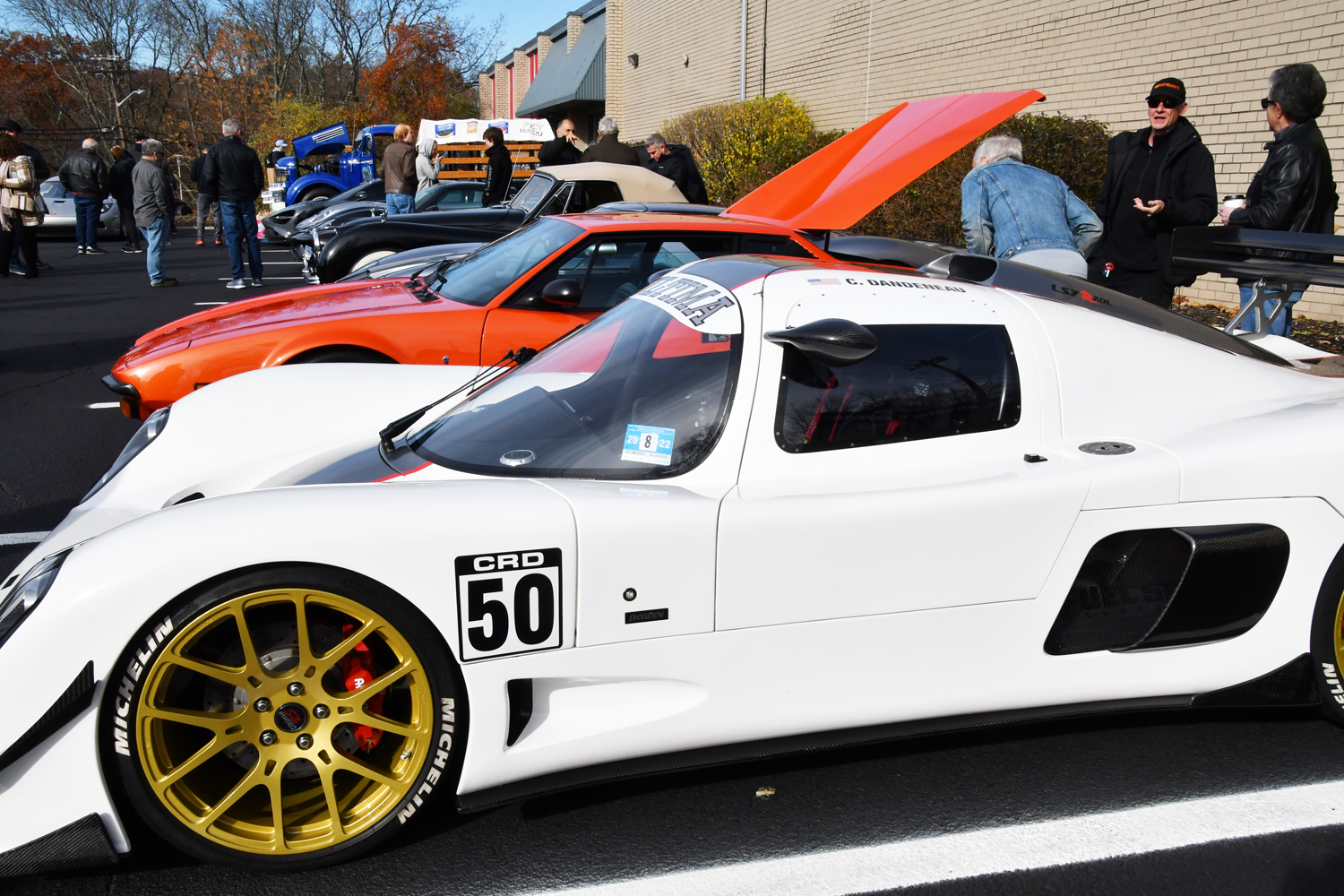
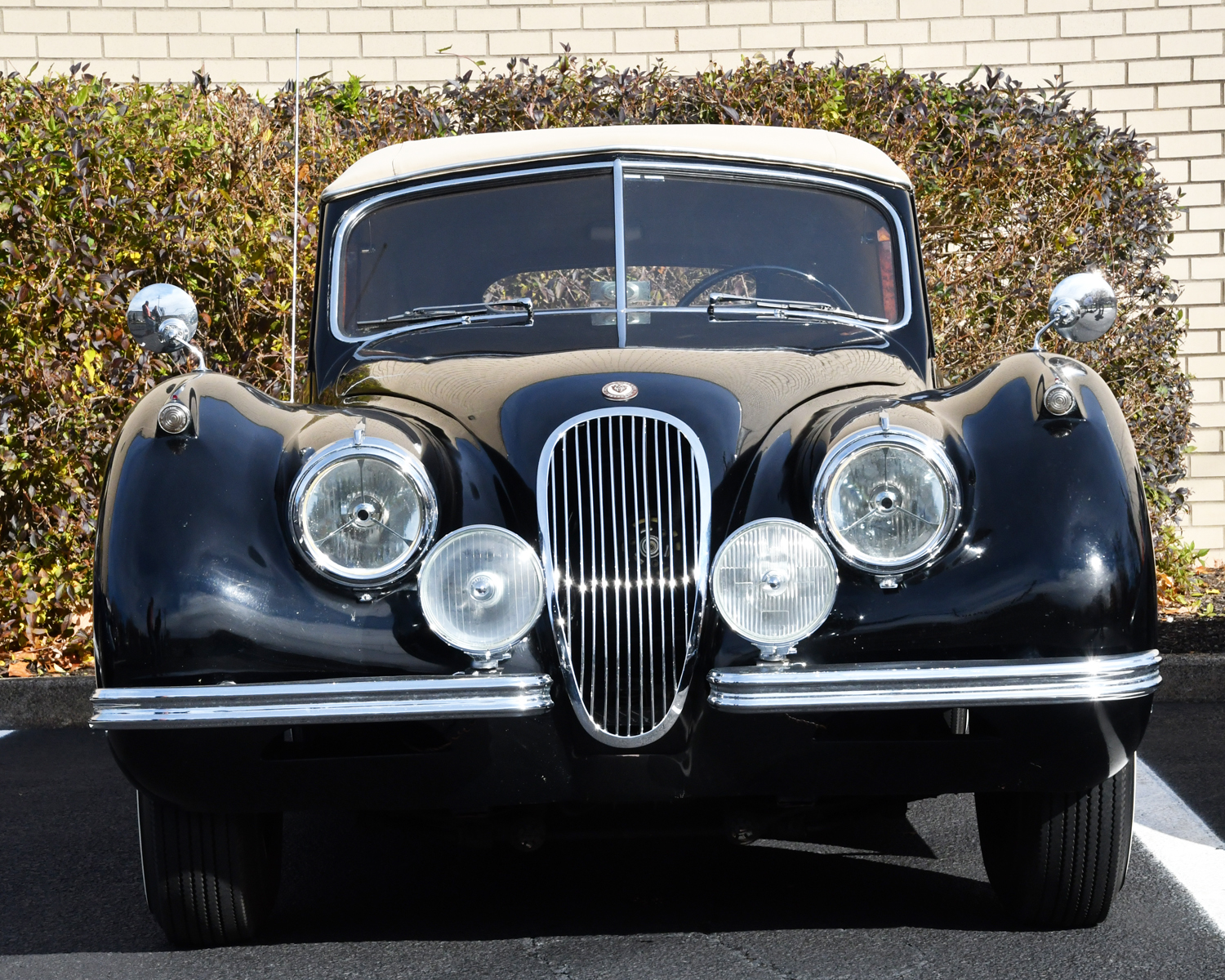
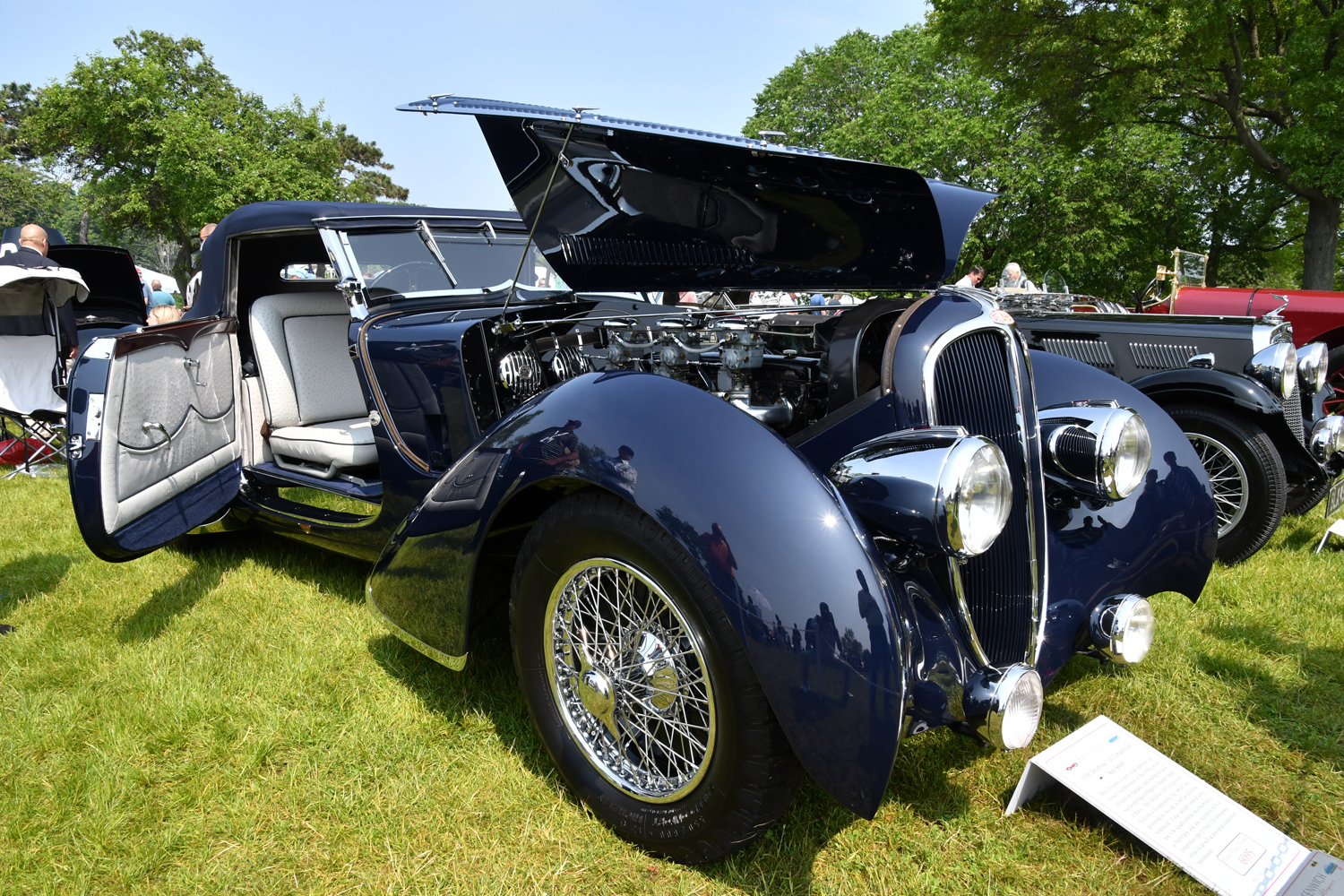
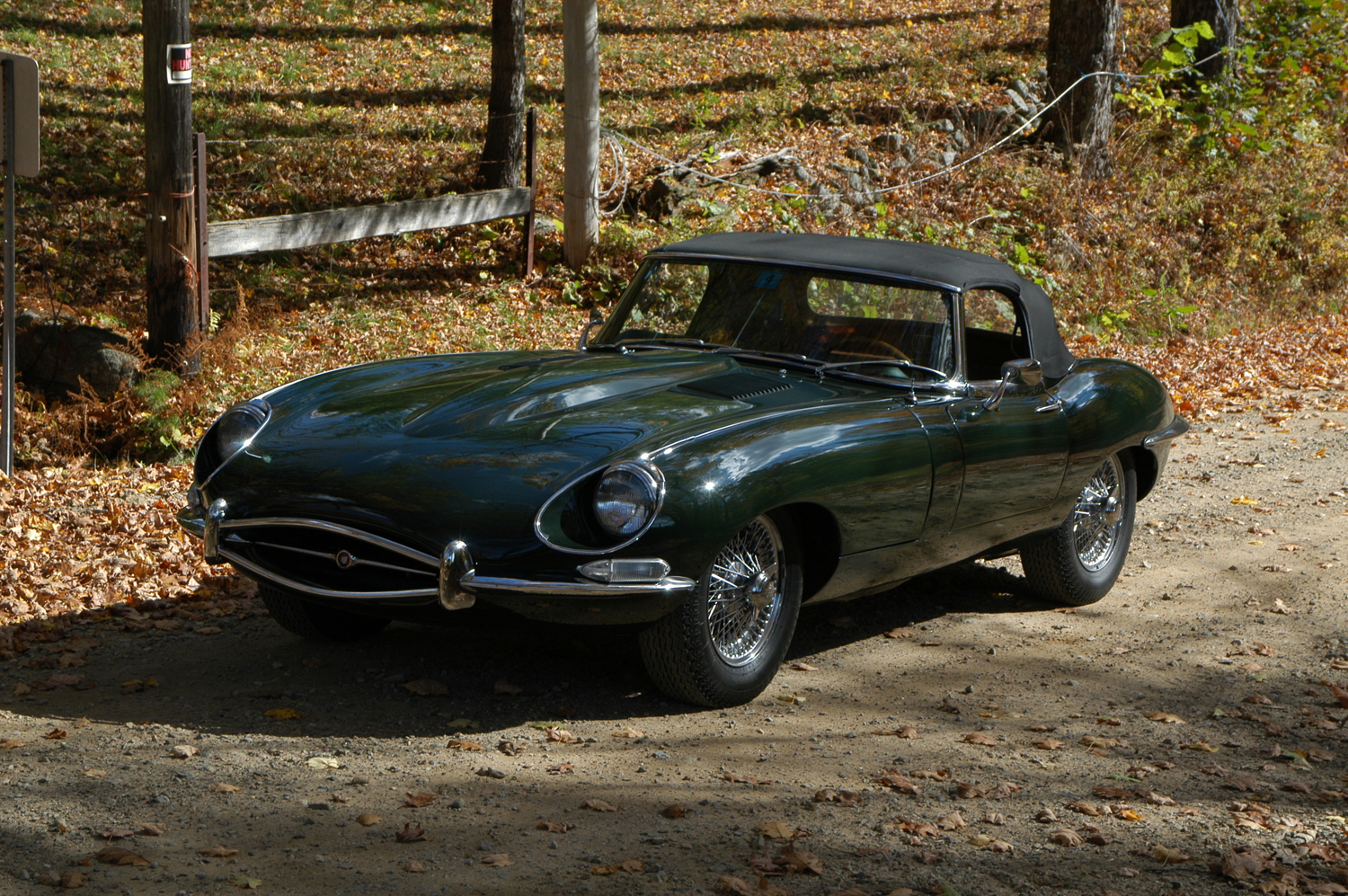
Over the years Tony has shepherded the character of Cars & Caffe events with the goal being to promote an ever more eclectic composition. He notes that early on the location of the event would significantly impact the type of cars that would show up. Tony says, “When we were at Ridgewood High School early on, we got a lot of vintage American cars and vintage European cars. As I moved the events around it became more Supercar heavy.” As Cars & Caffe has developed its personality, it has become a more consistently eclectic event. Tony, clearly pleased, says, “Now at any event you might have a Jaguar XK120 pull in next to a Porsche 918 or a ’55 T-Bird alongside a LaFerrari, a brand new Corvette next to a “63 split window fuelie. It’s great.”
Clearly, Tony possesses a vision that extends beyond his Cars & Caffe events. He has set his sights on developing a regional presence. His efforts already evidence themselves with events such as Festival Italiano a judged event with over 100 cars of Italian heritage, RennZeign German heritage concours and “Cars on the Lawn,” a curated eclectic display of 150 cars at the ex-Vanderbilt Florham Mansion.
Tony says, “I think there’s a demand for a large-scale high-end family of events in the Northeast. I would like to bring that to reality and I’m working towards that every day.
In closing Tony says, “I have found that Cars & Caffe is more about the people than the cars. I think that the community and the friendships that have been made help pass our passion, appreciation and respect for the classic automobile on to the next Generation. There’s a lot of younger people, high school kids, even middle school and younger that their parents bring. I see these kids grow up. I see these kids get their driver’s license and continue with the interest they have developed though our events.
Clearly Tony has found the rewards of Cars & Caffe to be his cup of tea.


 If you suspect that the party you seek has passed away




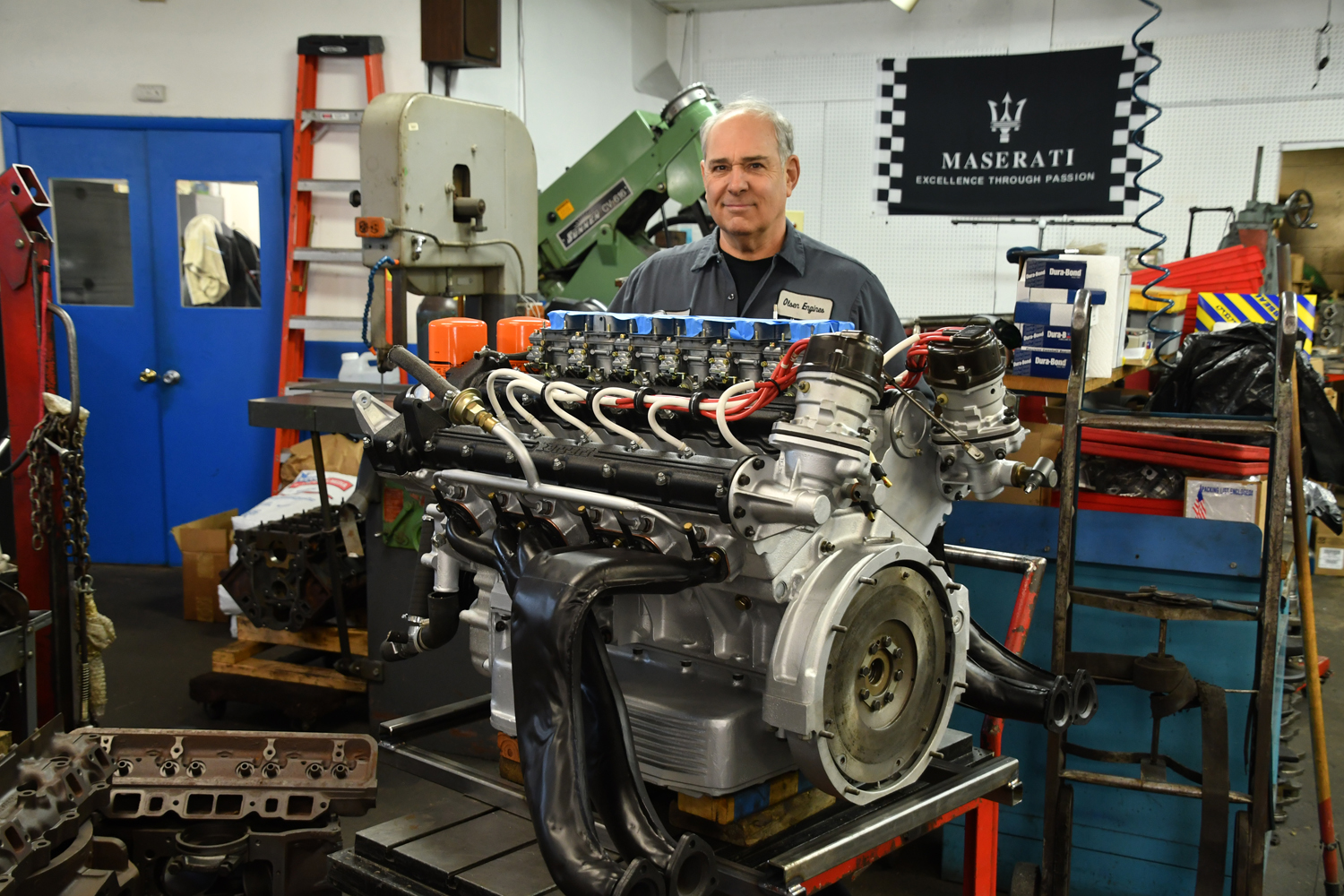


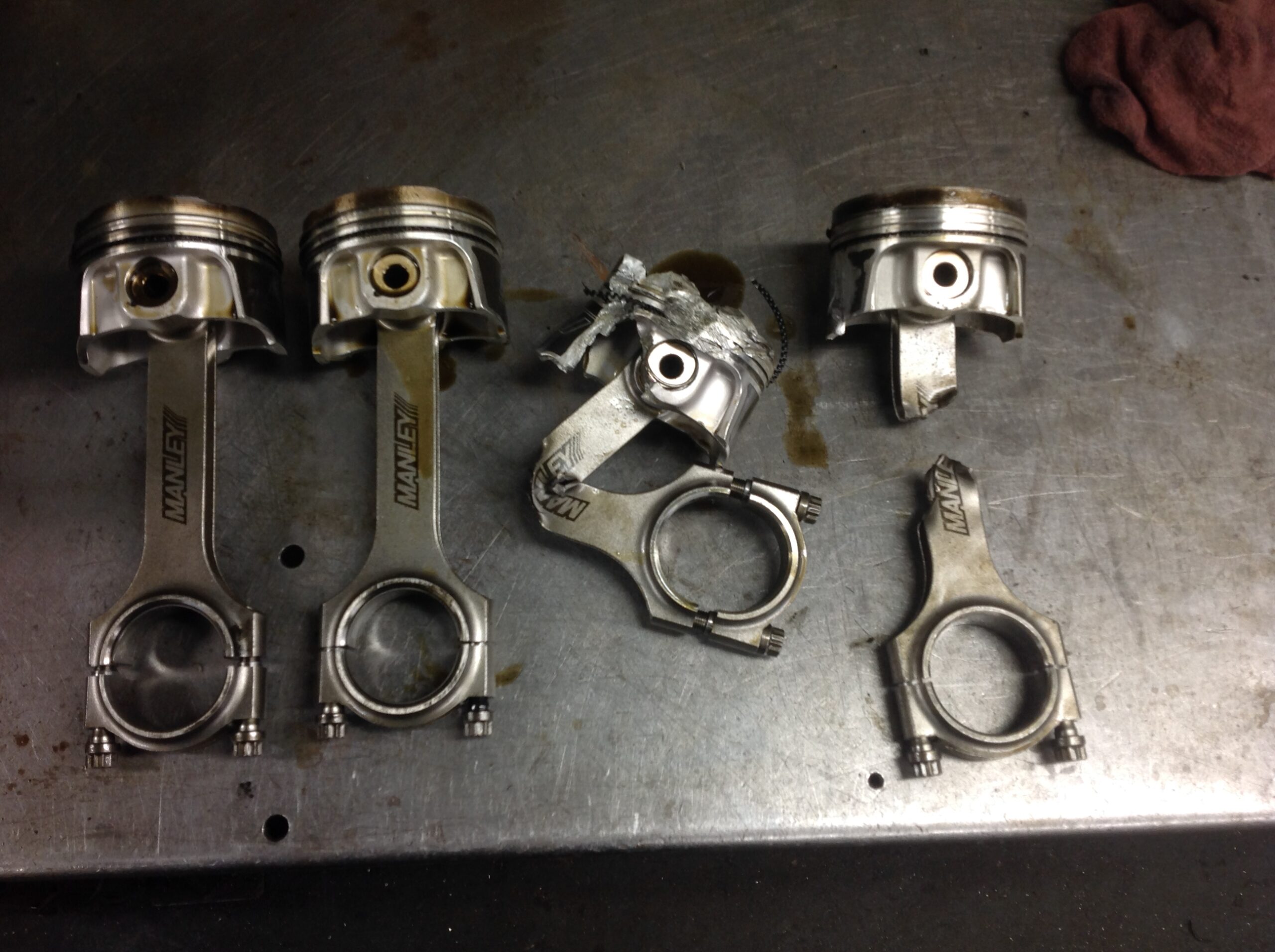
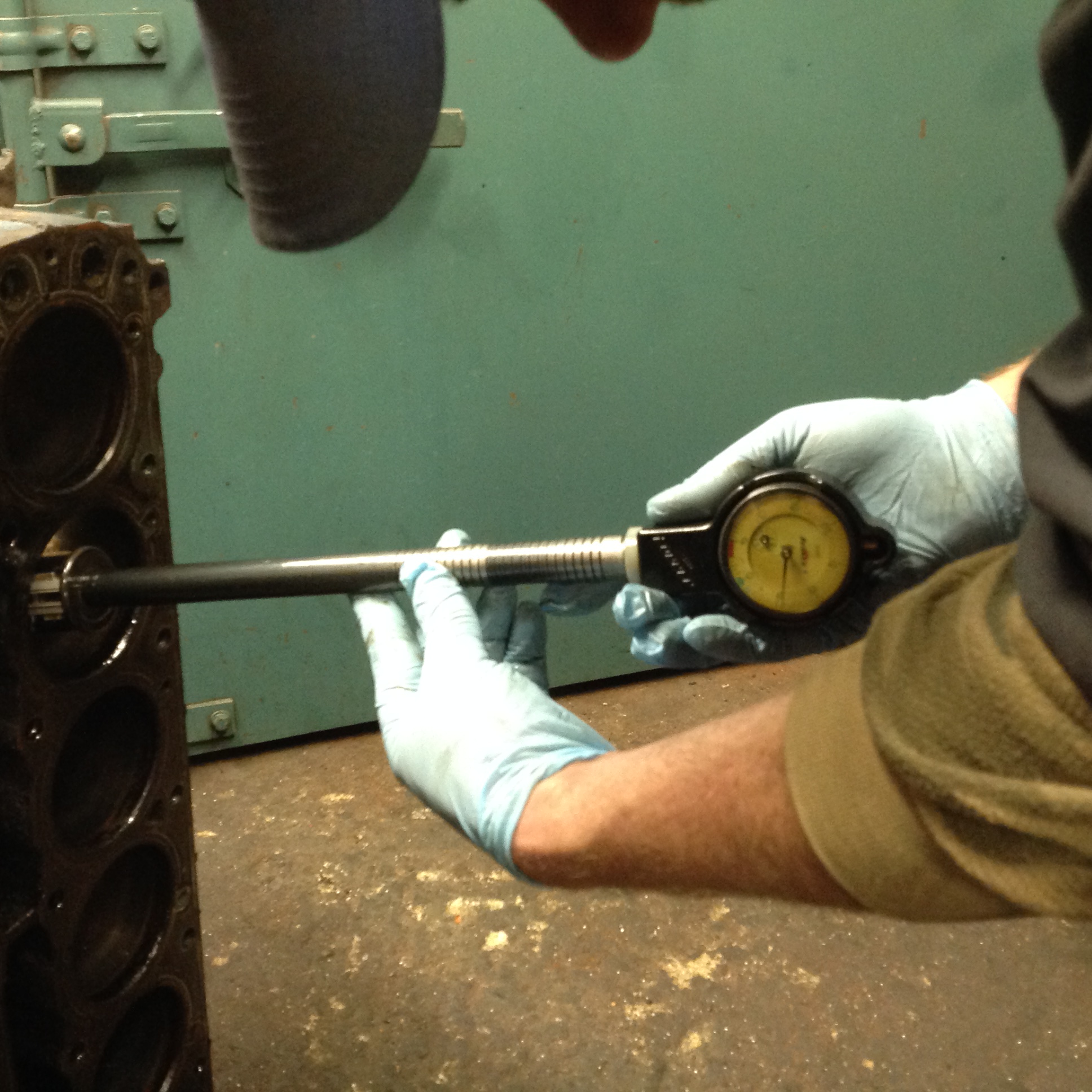 In discussing engine rebuilding for 21st century modern engines Charlie says, He does not recommend rebuilding an engine for a stock production vehicle. He recommends simply buying a new engine.” Interestingly Charlie says that OEM production techniques have improved so much that modern engines are close to blueprint quality due to the superior production and inspection technology used today.

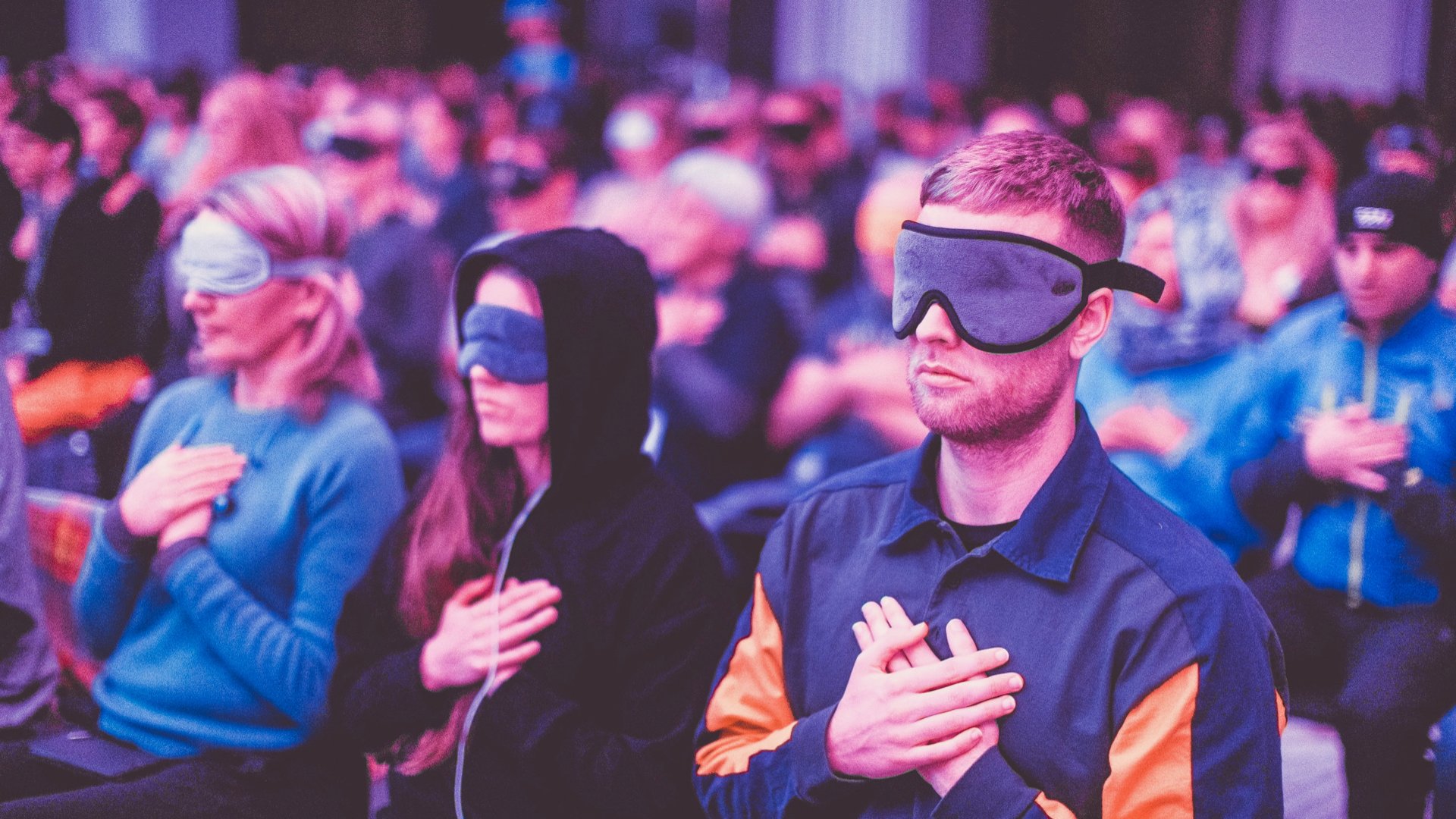
 reality as a subject of cause and effect. It is all about waiting for something outside of us to change how we feel inside of us.
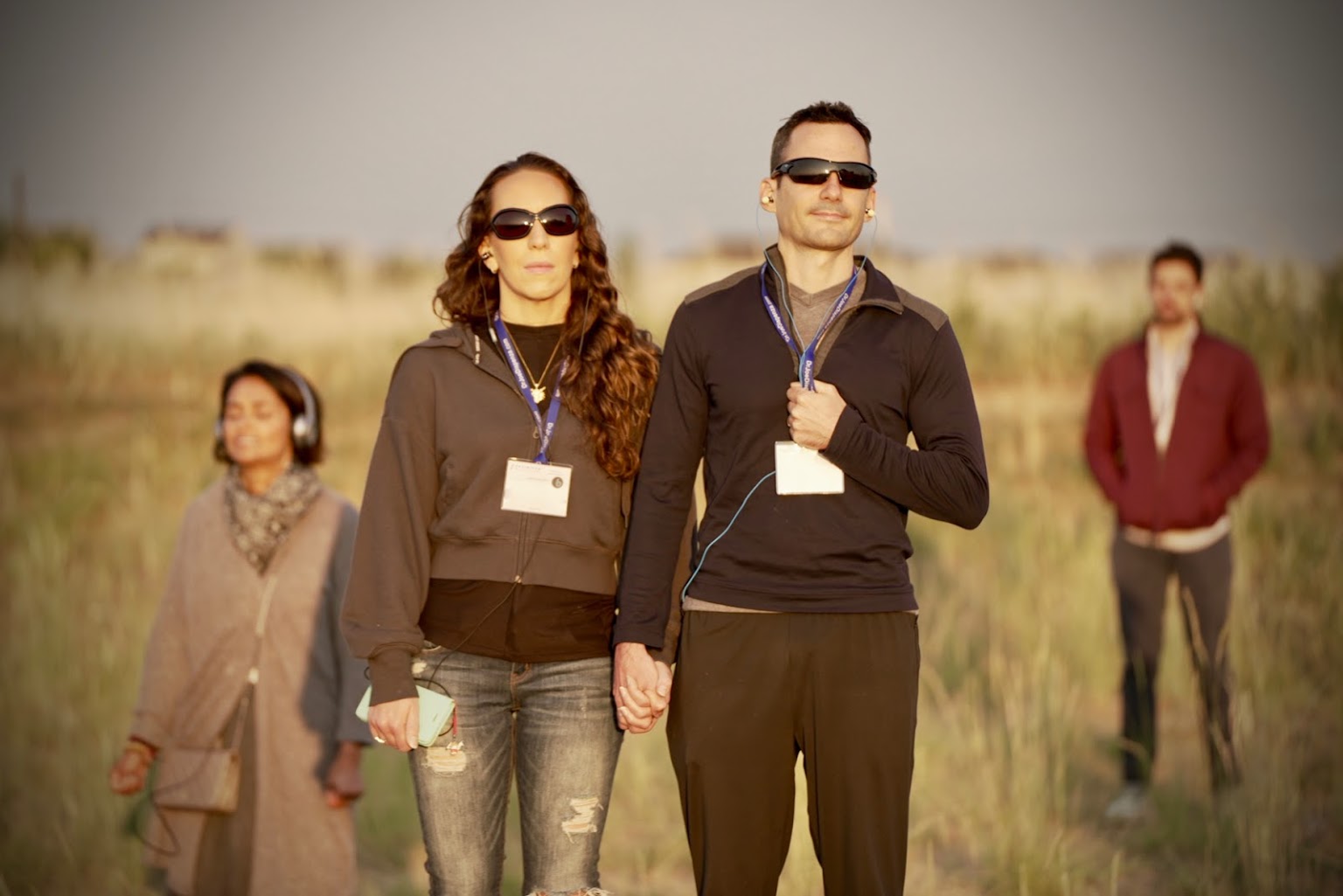 his high state of consciousness the individual will have aligned his or her thoughts with the one frequency among the infinite possible outcomes in the quantum field that matches the future the person desires. When the person returns to the 3D state in which we live they will experience life as if they have already achieved their goal. They do not experience a life of lack. SKEPTICS ALERT! I Get it.
 So how do we go from, I have this negative emotion. It’s controlling my life. It’s got me in this cycle where I think about the emotion which then triggers a chemical reaction which trains my body to feel that way. This makes it more likely that I will do it again. So, now, I find myself in this unconscious vicious cycle.




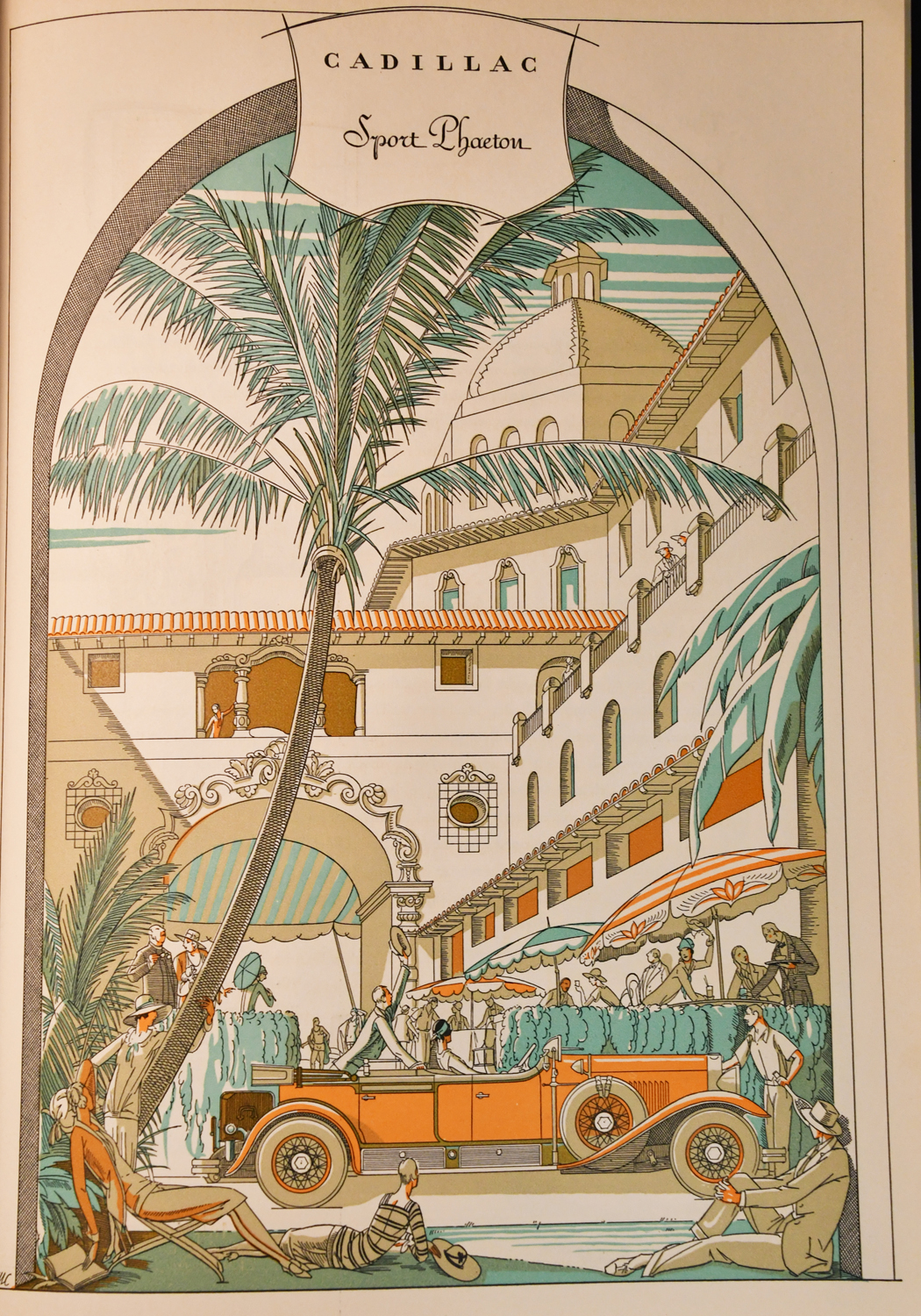

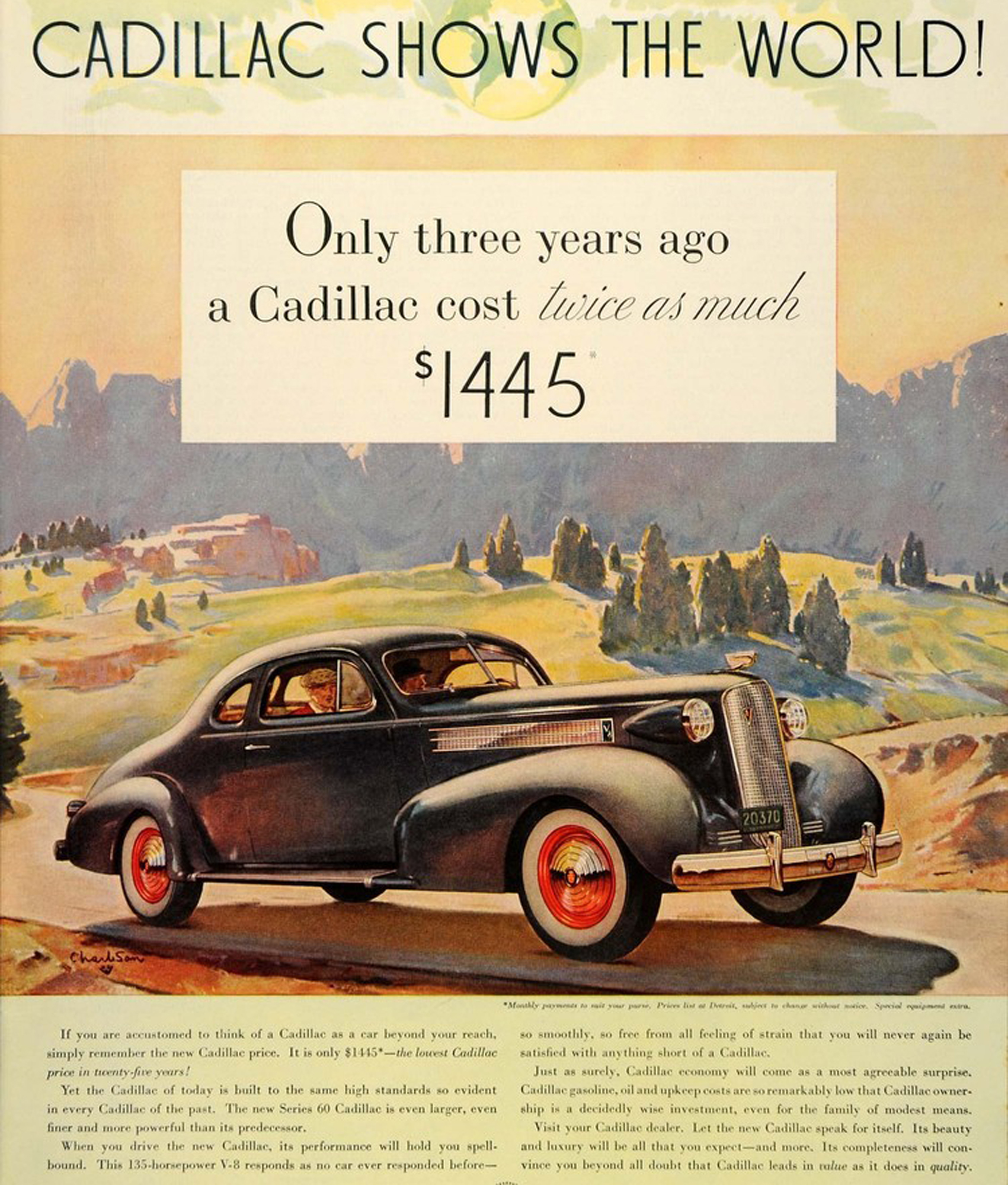

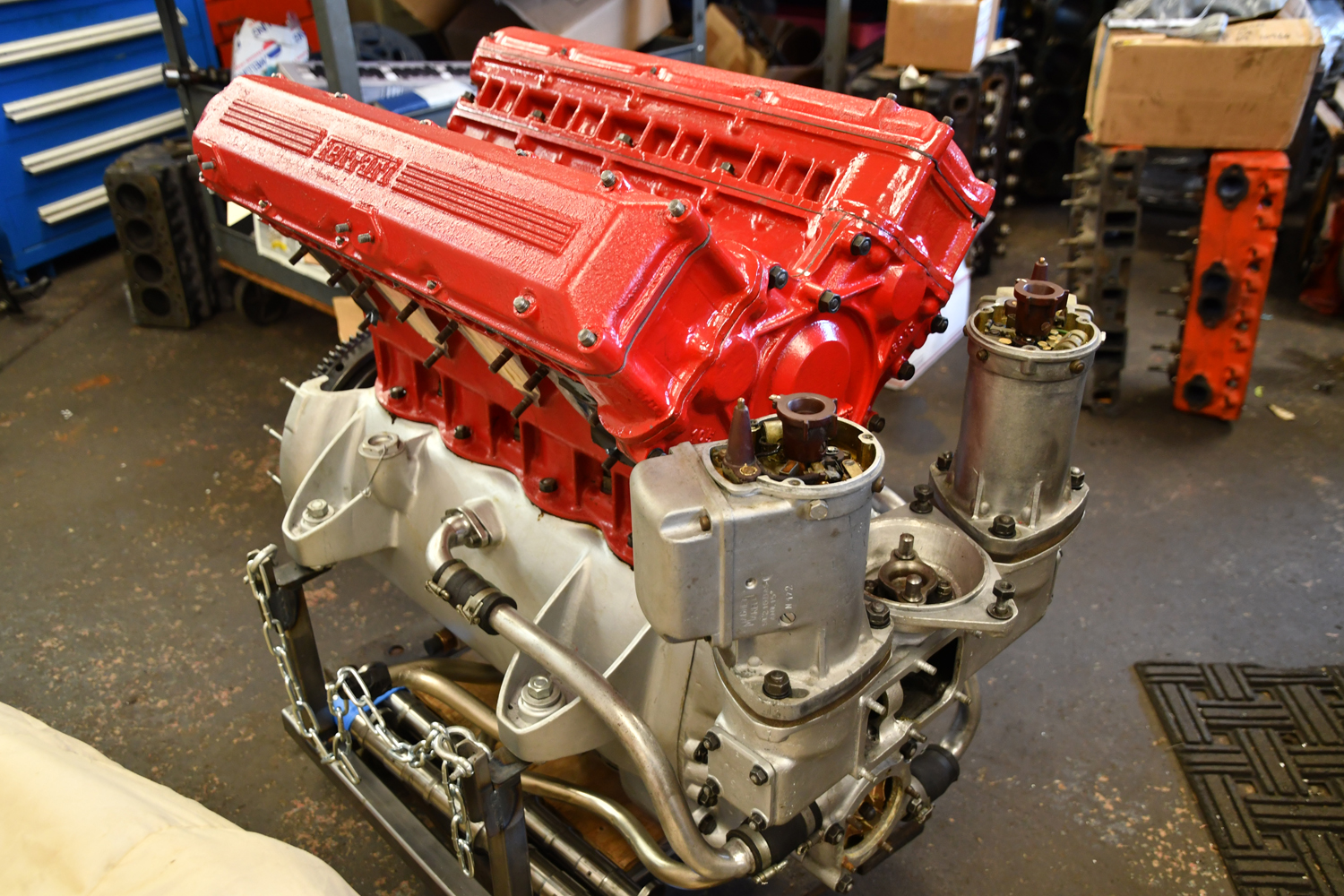
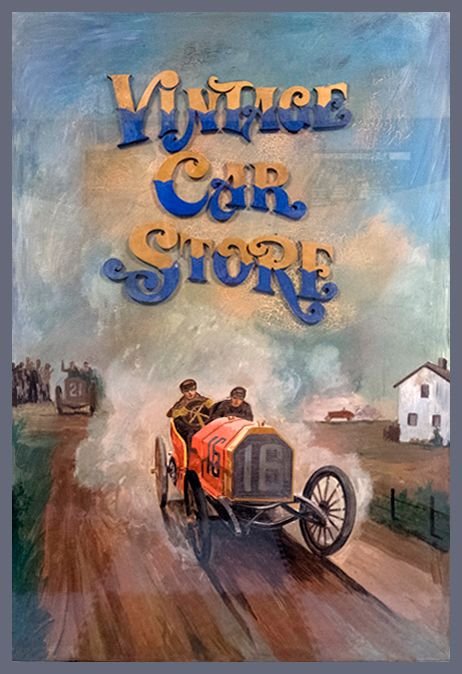 Entering Ed Jurist’s Vintage Car Store in Nyack, New York offered a visual wonderment of not only vintage automotive but, as well, vintage aircraft art and artifacts. A 12-cylinder Merlin engine, the type famous for powering the P-51 Mustang, sat proudly cradled where it could be viewed through the building’s large front window that faced the street.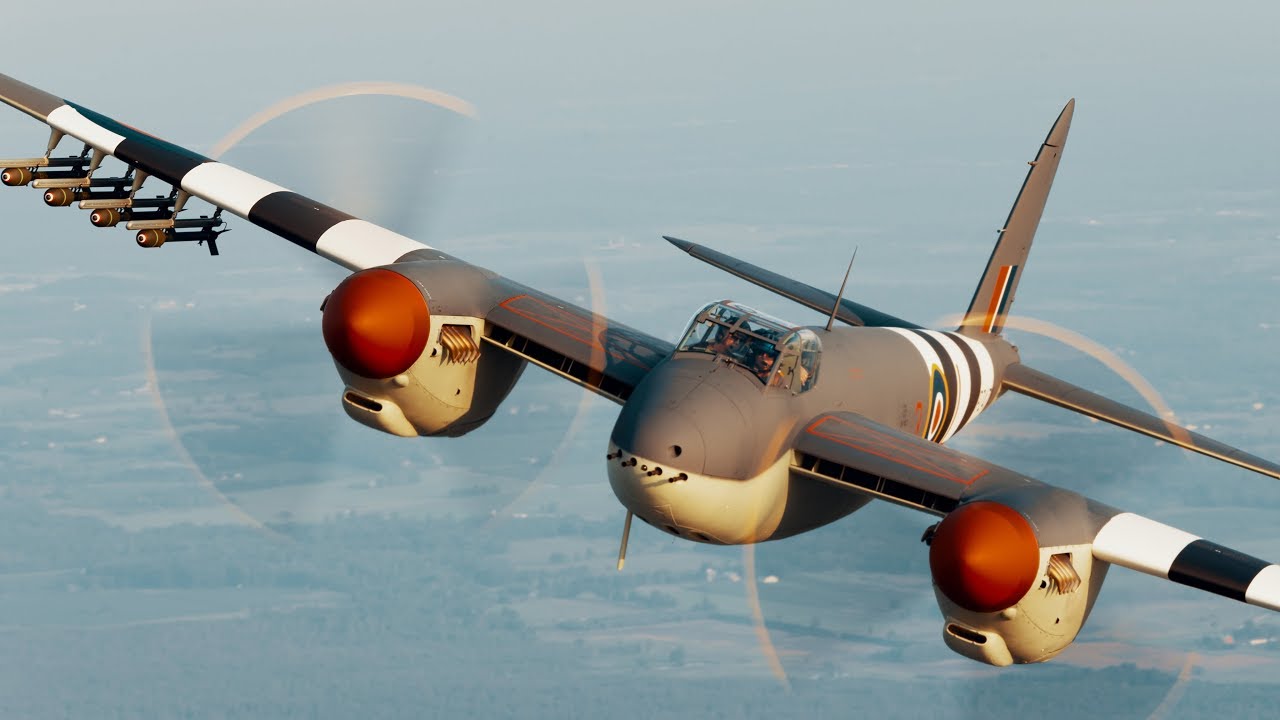

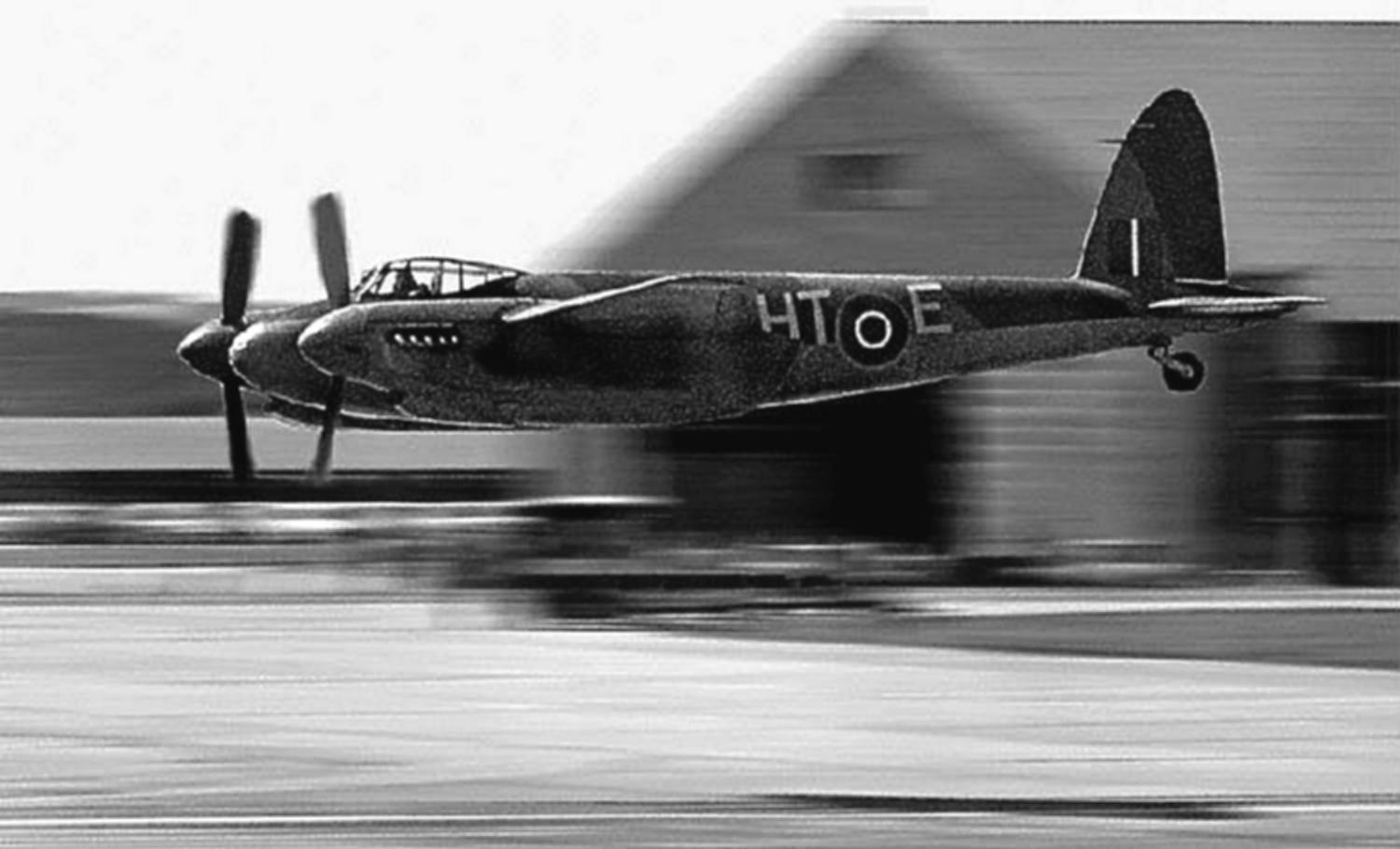 Powered by two Rolls-Royce Merlin engines, the Mosquito had a maximum speed of 415 MPH that made it the fastest aircraft on either side during much of the war. It had a range of 1,500 miles with the ability to carry a bomb load of 4,000 lbs. That bomb load equaled the capability of the four-engine B-17 flying fortress. With a crew of two consisting of a pilot and navigator/bombardier, the Mosquito filled a broad range of roles including bomber, fighter and special operations specialist. One wonderful Special Ops example highlighted the Mosquito’s ability to execute high speed, pin-point, low level attacks. It took place on the morning of January 31, 1943 at a parade in Berlin billed to feature an address by Hermann Goering. As head of the Luftwaffe, Goering had boasted that no enemy aircraft could fly unscathed over Berlin. As Goering prepared to present to the assembled crowd, a squadron of Mosquitoes appeared out of nowhere and effectively put an end to the morning’s festivities. Later that afternoon a second squadron of Mosquitoes put an exclamation point on the RAF’s refutation of Goering’s claim of enemy free skies when a second parade intended to feature a Goering address received the same treatment as the morning festivities.
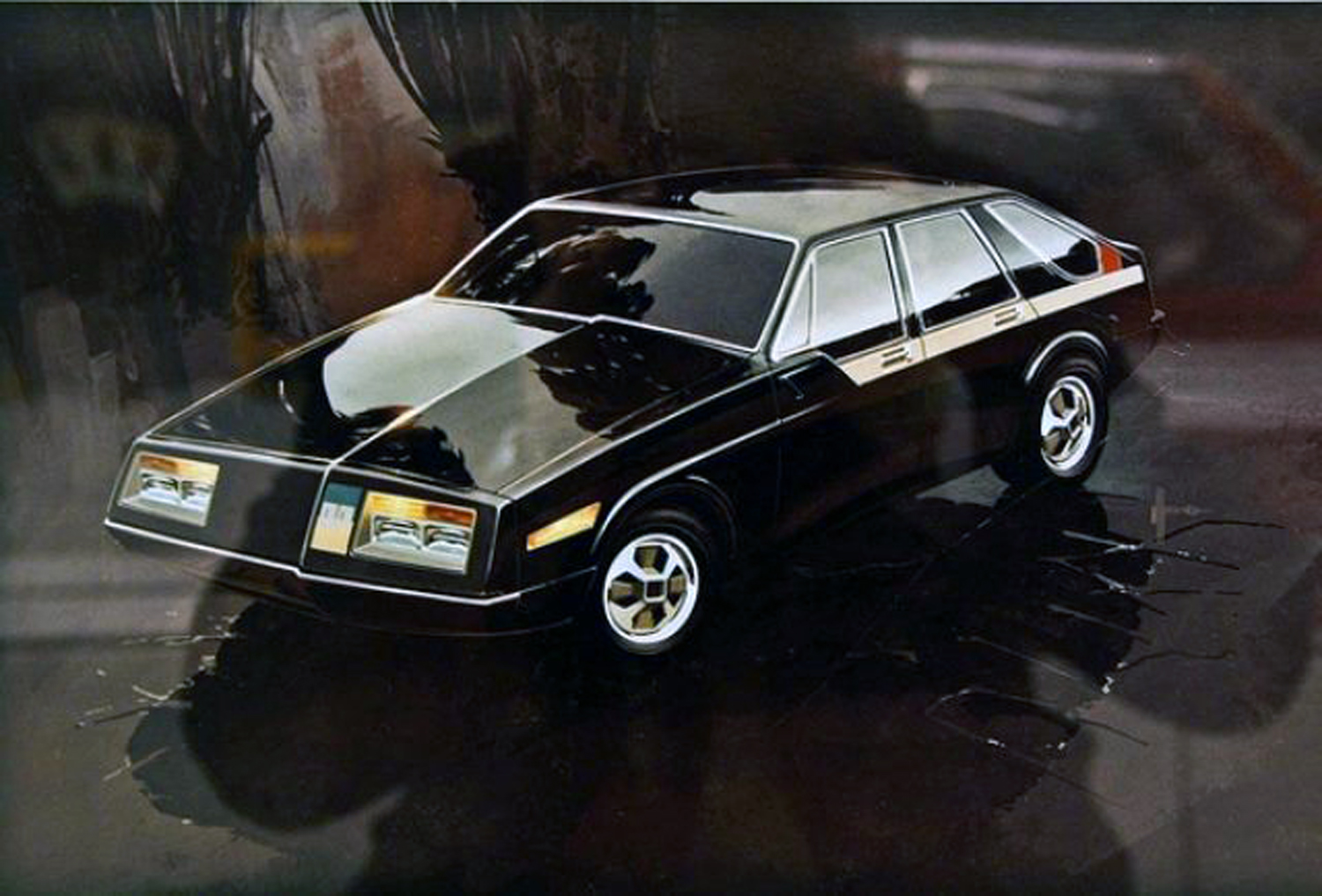



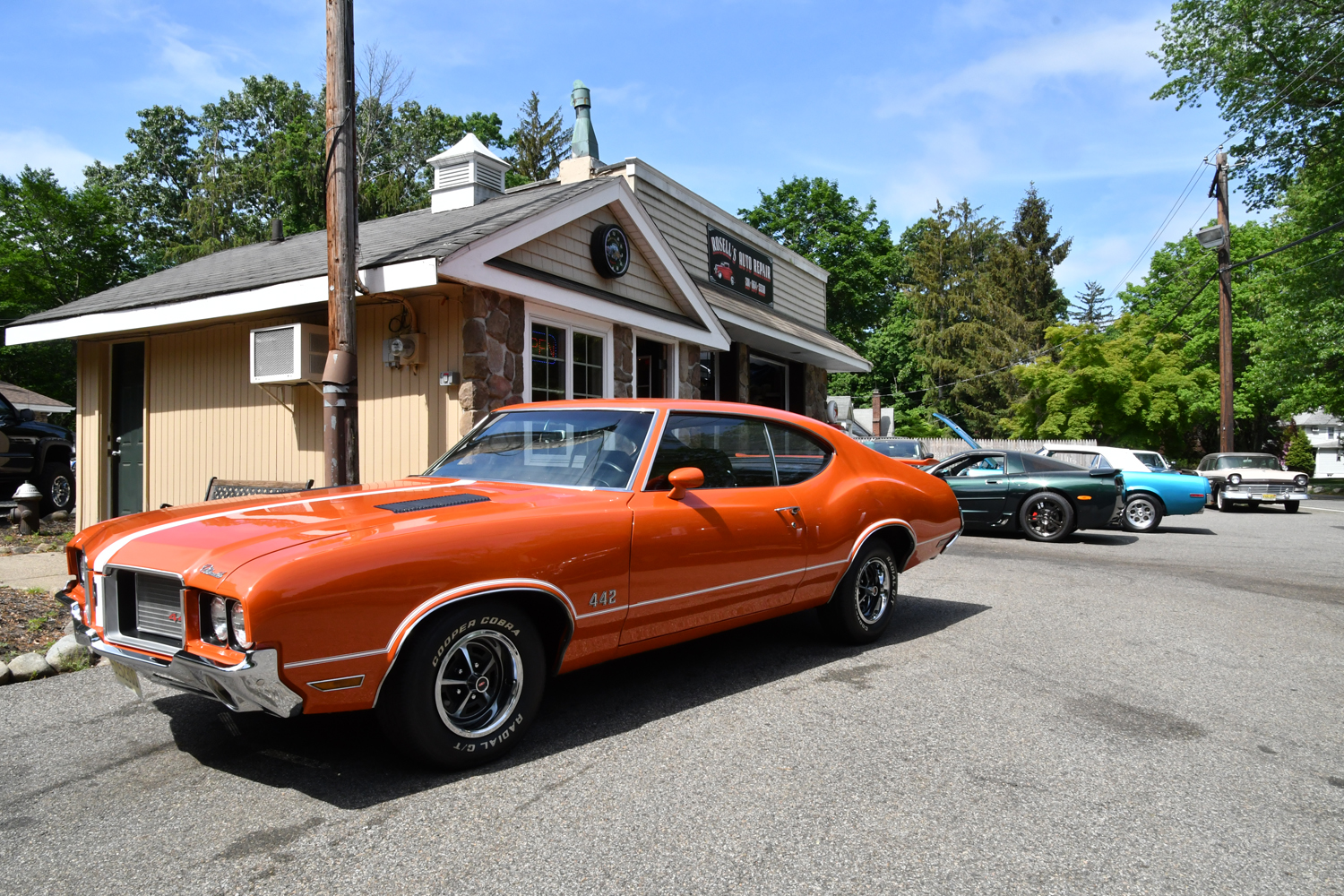
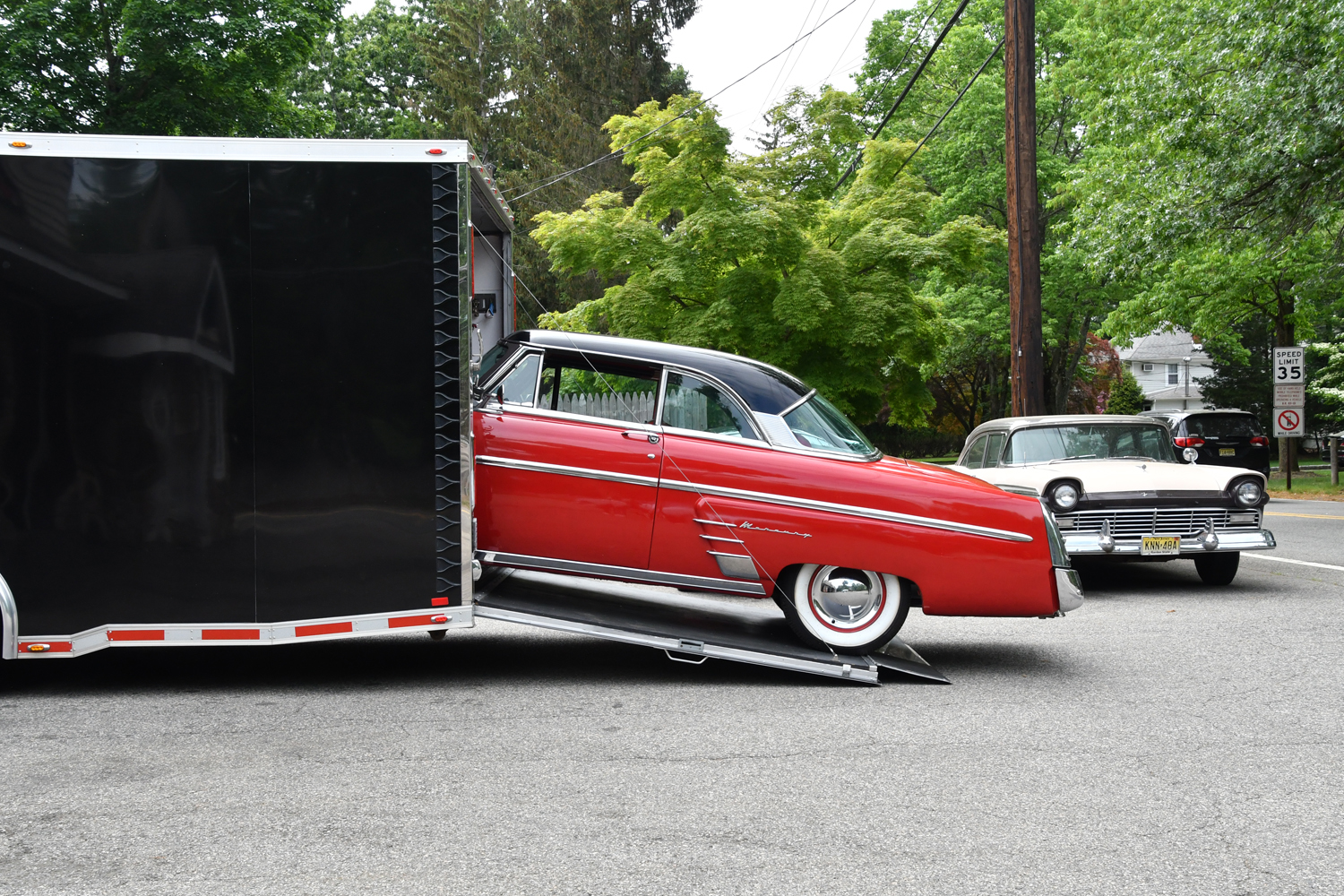
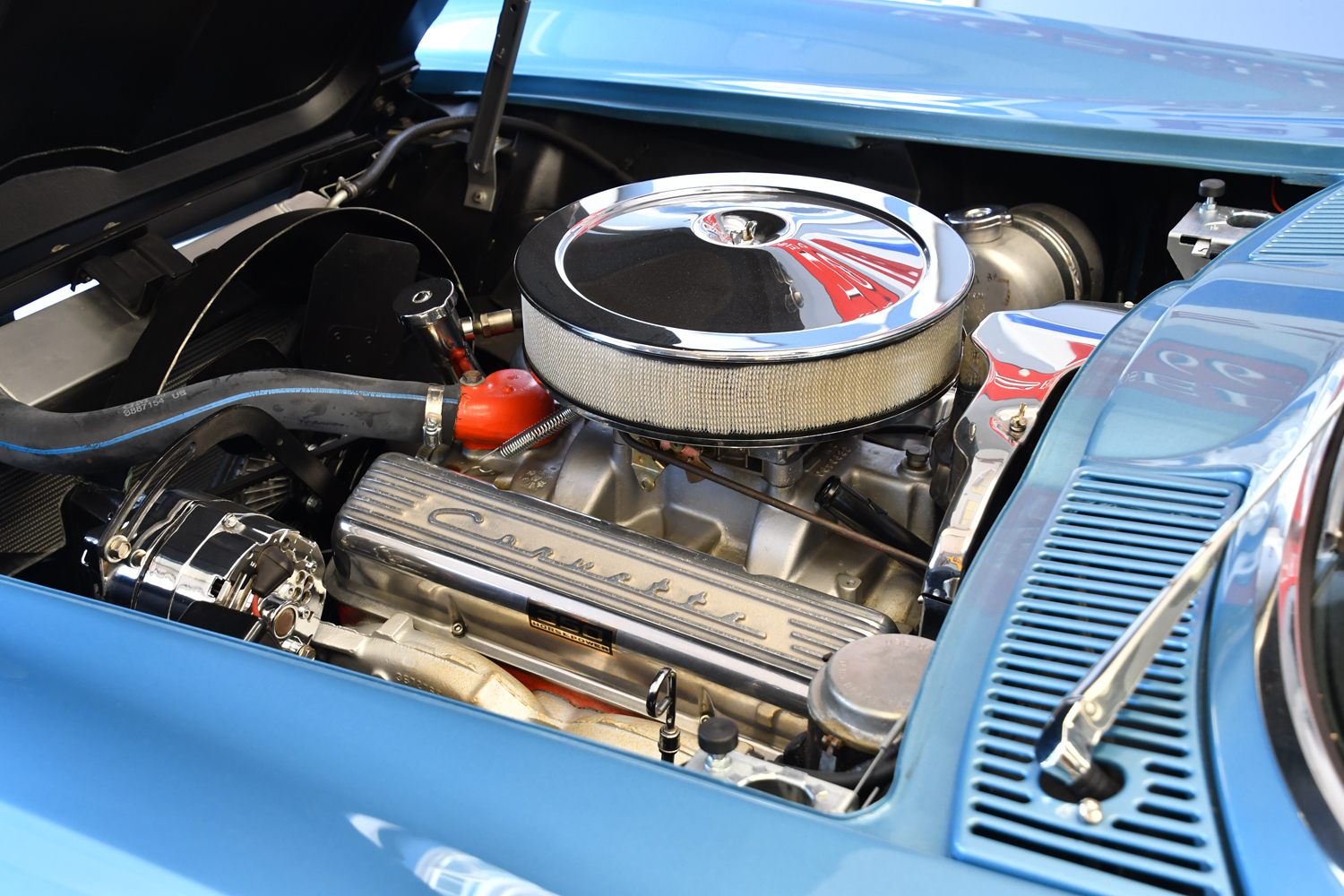 “We do everything except body and paint”,” says Al. Rosell’s Auto Repair eagerly accepts power train and chassis challenges. Al says, “We do new engines, great motors for speed, a wide range of conversions, suspension upgrades, disc brake work, all of that kind of stuff. We also do interior work.” In describing his favorite work Al says, “I love doing engines. We will pull an engine, rebuild it, dyno tune it, detail it and if the customer wants, we incorporate chrome touches to whatever degree desired. When finished, that engine stands out as a work of art that can smoke the tires through all the gears.”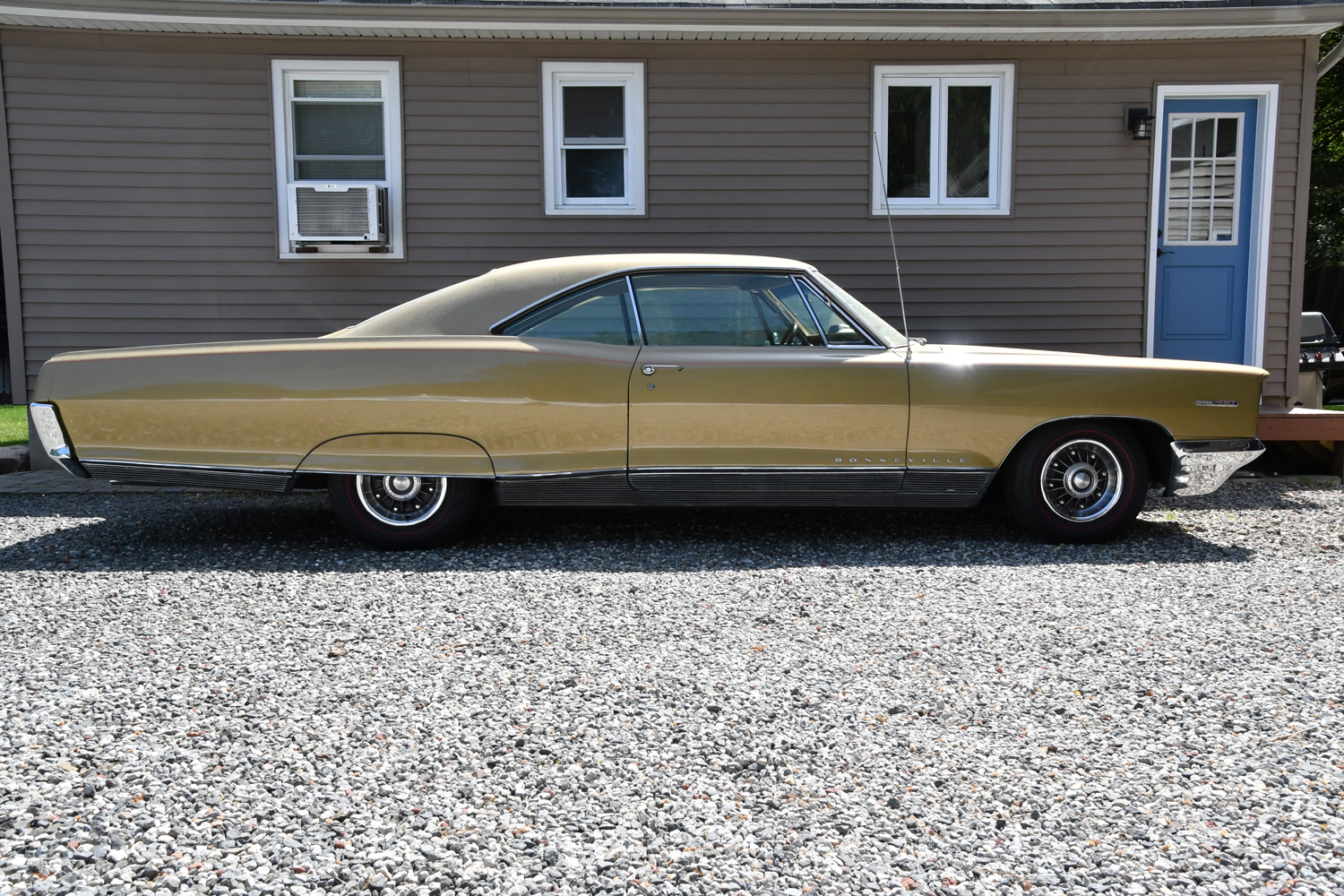
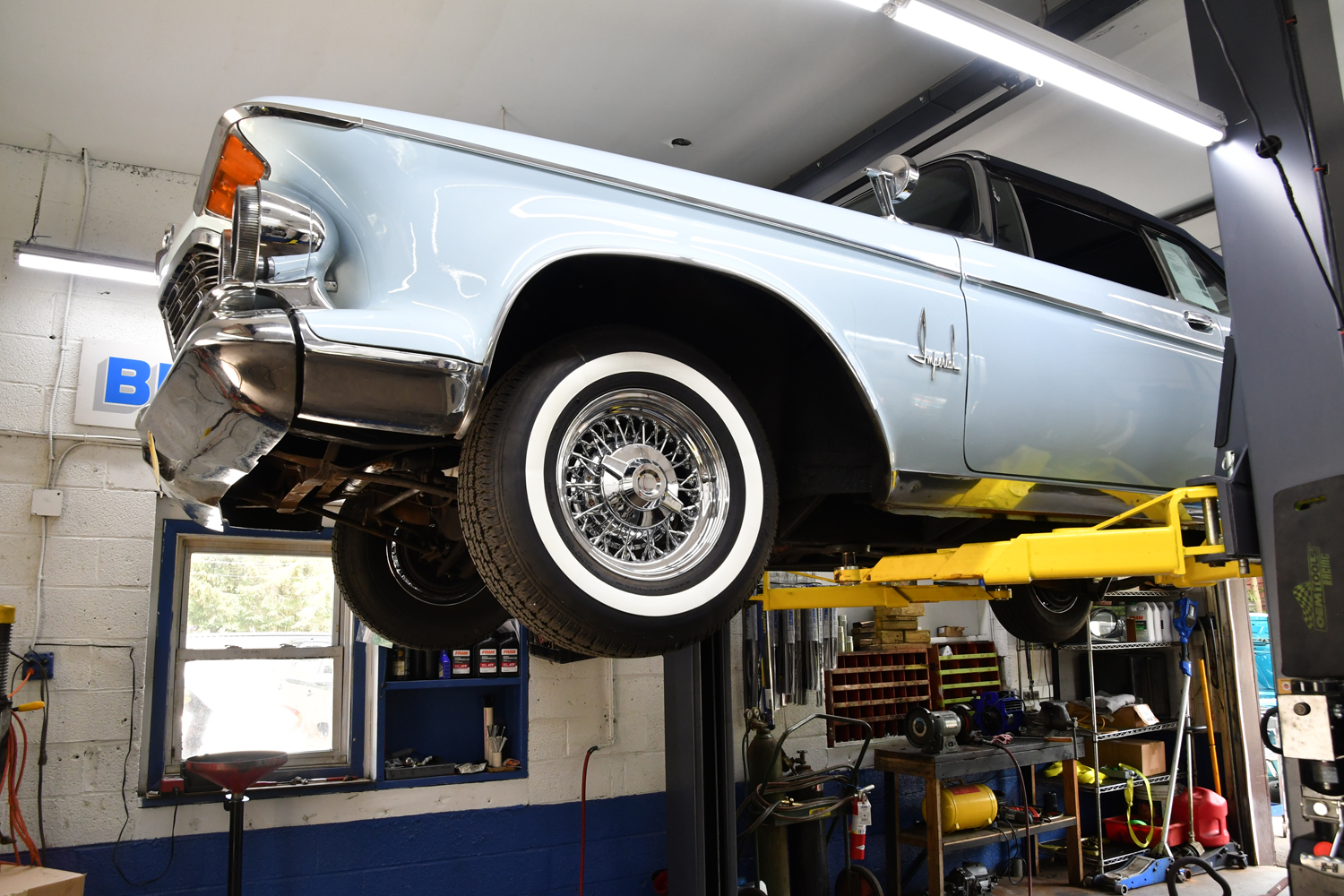 One significant trend that Al has observed over the last few years is the ascendance of the restomod as a preferred choice by many enthusiasts versus the traditional classic car with its original equipment.
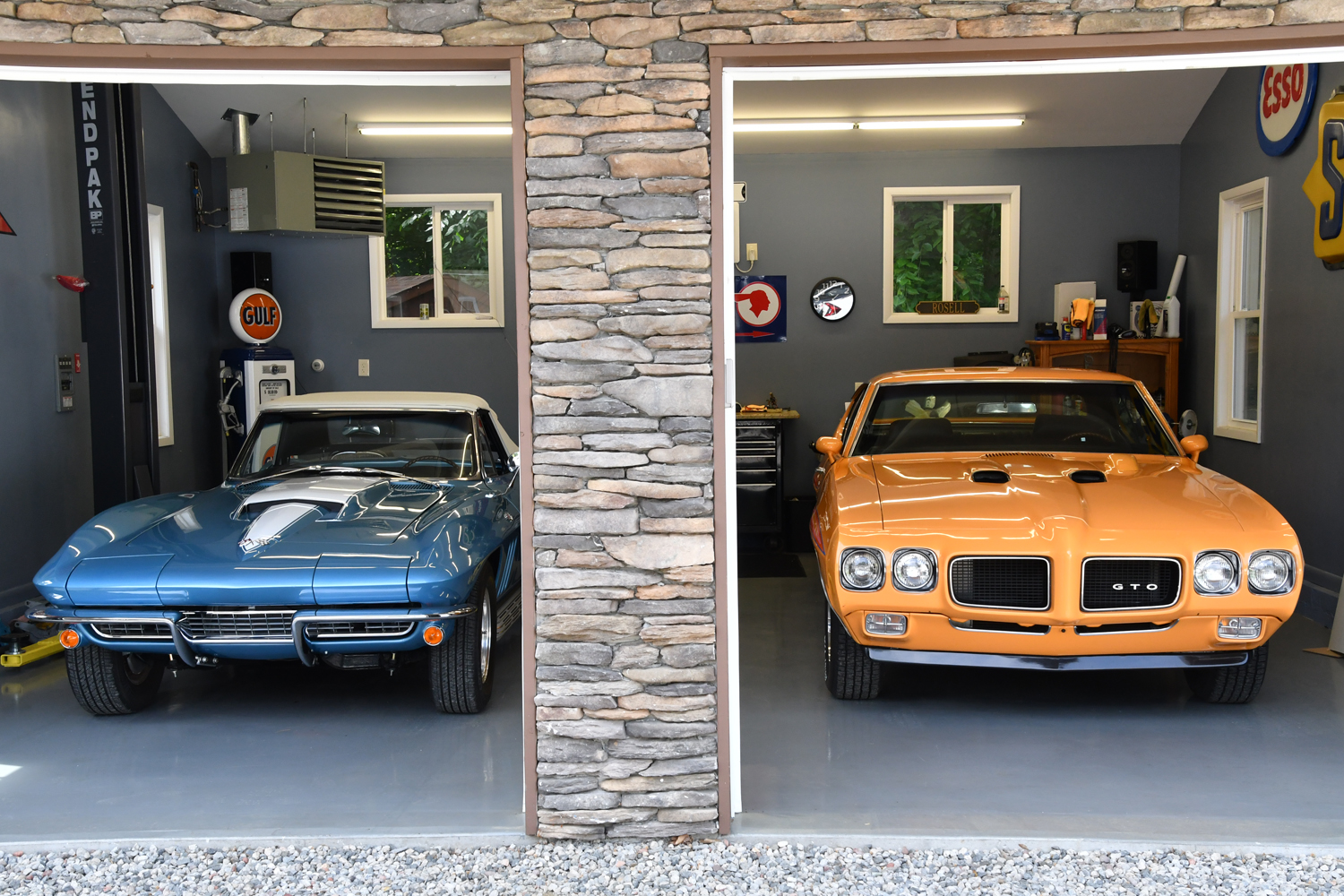 ery interesting cars reside in a special place in Al’s heart. In 2015 an older gentleman approached Al describing a 1966 Corvette that had been in his garage since a bad accident in 1971. Al saw the car. It rested under a deep shroud of dust. Al bought it. He did a complete frame-off restoration. Al says, “Every piece of the car is new except the antenna and the grill. “The Nassau Blue beauty sits proudly in Al’s personal two-bay garage he built on his 4 acres. The other bay holds the subject of a love lost and found.