Cars We Love & Who We Are #73
My 2008 BMW X3 “Refresh or Replace” “Drivin’ News” post garnered significant feedback sympathetic to and supportive of my decision to refresh. An appreciable number of people shared that they too had lately mulled the same question. Some had already made the commitment to refresh. Maybe not surprisingly, I found those seriously considering undertaking this fairly costly preservation effort bore many similarities and shared concerns. For me, reader comments drew attention to an evolution in the character of car enthusiasm that I found quite telling.
Let’s see if you agree.
My 2008 BMW X3 Refresh, Going all in on another 50,000 miles
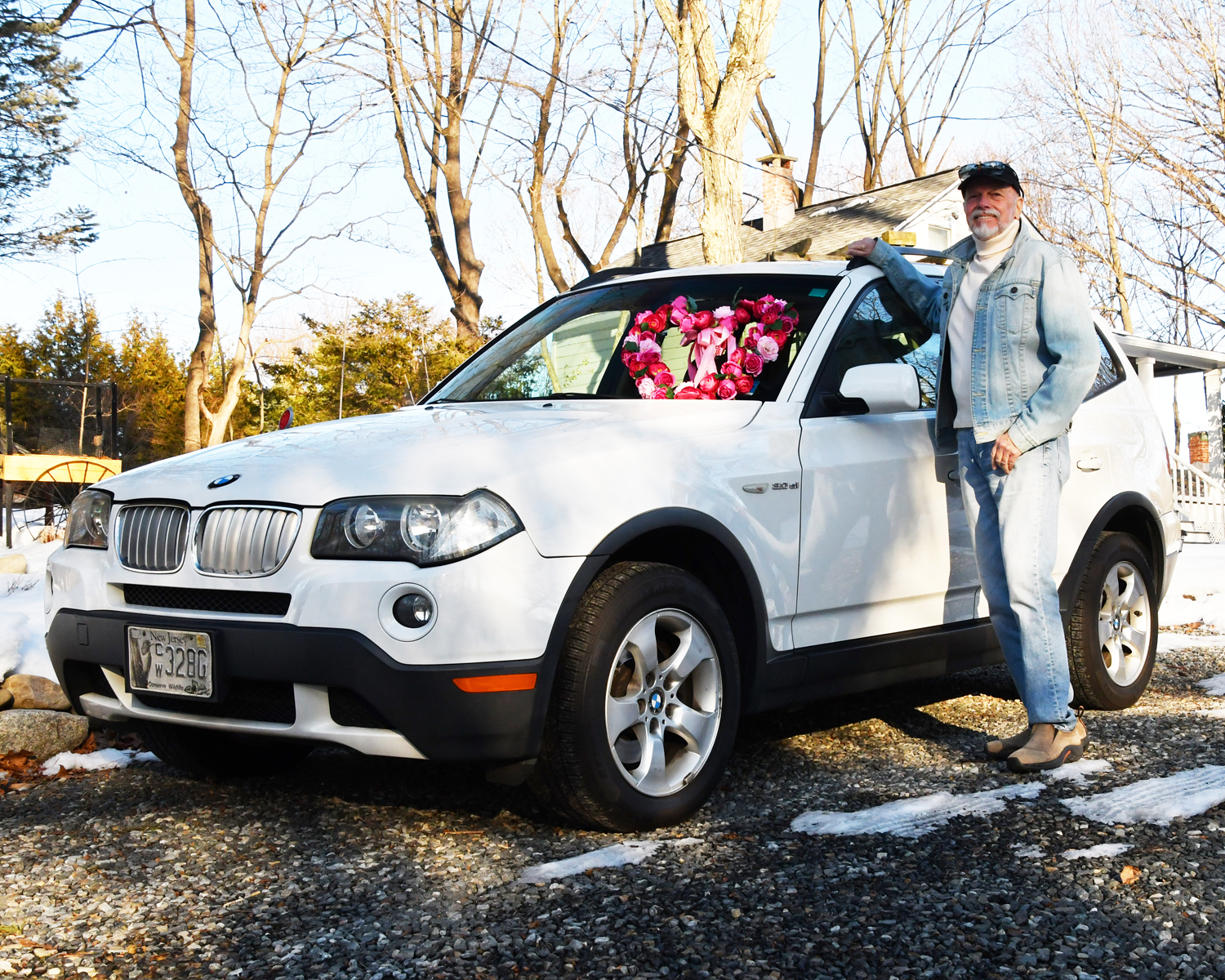
Valentines Day present. Just got my X3 Refresh back
Defining a Refresh demands focusing on functional excellence as compared to aesthetic perfection when applied to a long time daily driver. It is not a restoration. When successfully executed it does not target attracting huzzahs from admiring Concours judges. It does reward an owner’s investment in a long held daily driver by providing additional years delivering the driving experience that earned the owner’s loyalty in the first place. My experience has identified three requisites necessary for a vehicle to merit consideration for a Refresh: Good bones, an owner with a comprehensive knowledge of the car and a marque astute shop to entrust with the work.
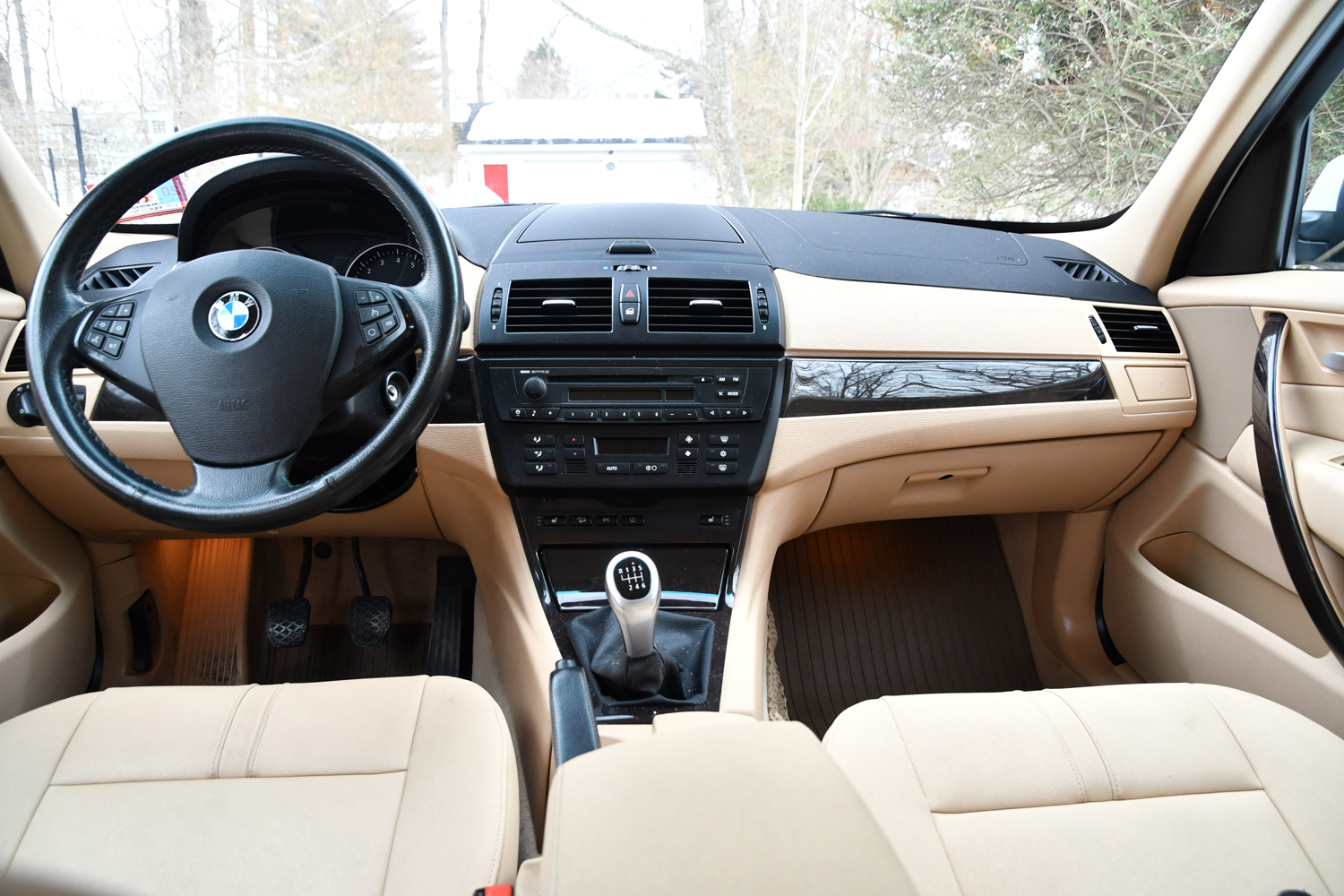
The quality of the car being considered for a Refresh ranks first and foremost. Good bones, proper treatment, regular maintenance and a proven track record over its driving history all determine if a vehicle merits the investment. Good bones displayed in a car bear similarities to the desirable qualities bred in a horse. Over time, the quality of materials, construction integrity and design of a specific make and model imparts a reputation; sometimes good, sometimes not so good.
Step one demands knowing if the car deserves the love and money a Refresh will demand of its owner. Other than the general attributes that history has shown the car to possess, the specific vehicle’s track record means everything. Thus, long time ownership by the present owner ranks very high. Only he or she will know how the car has been treated; how it has been maintained and all or at least a considerable portion of its driving history. In my opinion, a serious accident in a car’s past disqualifies it for consideration as a Refresh. Contemplating a Refresh on a car that you just purchased introduces too many questions, any of which could produce an answer that would disqualify the car.
Finally, the third leg to support a successful Refresh, and very possibly the most important, resides in the shop entrusted with the Refresh. The guy who changes your oil or can fix “any car” has no place in the conversation. You must do your homework. If you are looking to get off cheap, it will be the most expensive mistake you could make. You are lucky if a marque specialist already services your car. In my case MotorWorks West has previously worked on my 2003 E46 BMW 330. It features a very professional exclusive BMW facility and enjoys a very positive reputation. For a Refresh, consider the shop you choose as your partner in the project. As well, the shop, too, should view this relationship as more than just another job. It certainly will be more expensive. Finally, thoroughly review the vehicle with the shop owner. This review must include both an under the hood and an up on a lift visual inspection. Before proceeding you should have a written estimate from the shop detailing all aspects of the project. This is when you decide if the Refresh merits the cost. If yes, establish a budget before proceeding. It should include a contingency of maybe 15% for legitimate work not foreseen. Have the shop save all of the old parts removed for your confirmation and inspection. Remember this job will dent your wallet. Know and respect the limit of yours.
With my X3’s Refresh completed Steve Smith owner of MotorWorks West reviewed the final invoice. the absence of any surprises delighted me. To my BMW’s credit the clutch and flywheel, both with 155,000 miles of wear, remained fully functional. However, inspection clearly showed that future failure fast approached. As to the engine Steve provided me the individual cylinder wave form printouts of my compression test. These graphic representations confirmed my engine’s health as did the results of the other diagnostic tests. They supported a decision to proceed with the Refresh. Should the diagnostics have shown serious engine problems, I would not have proceeded. Either way the diagnostics would have been worth the cost in providing evidence supporting a go/no go decision.
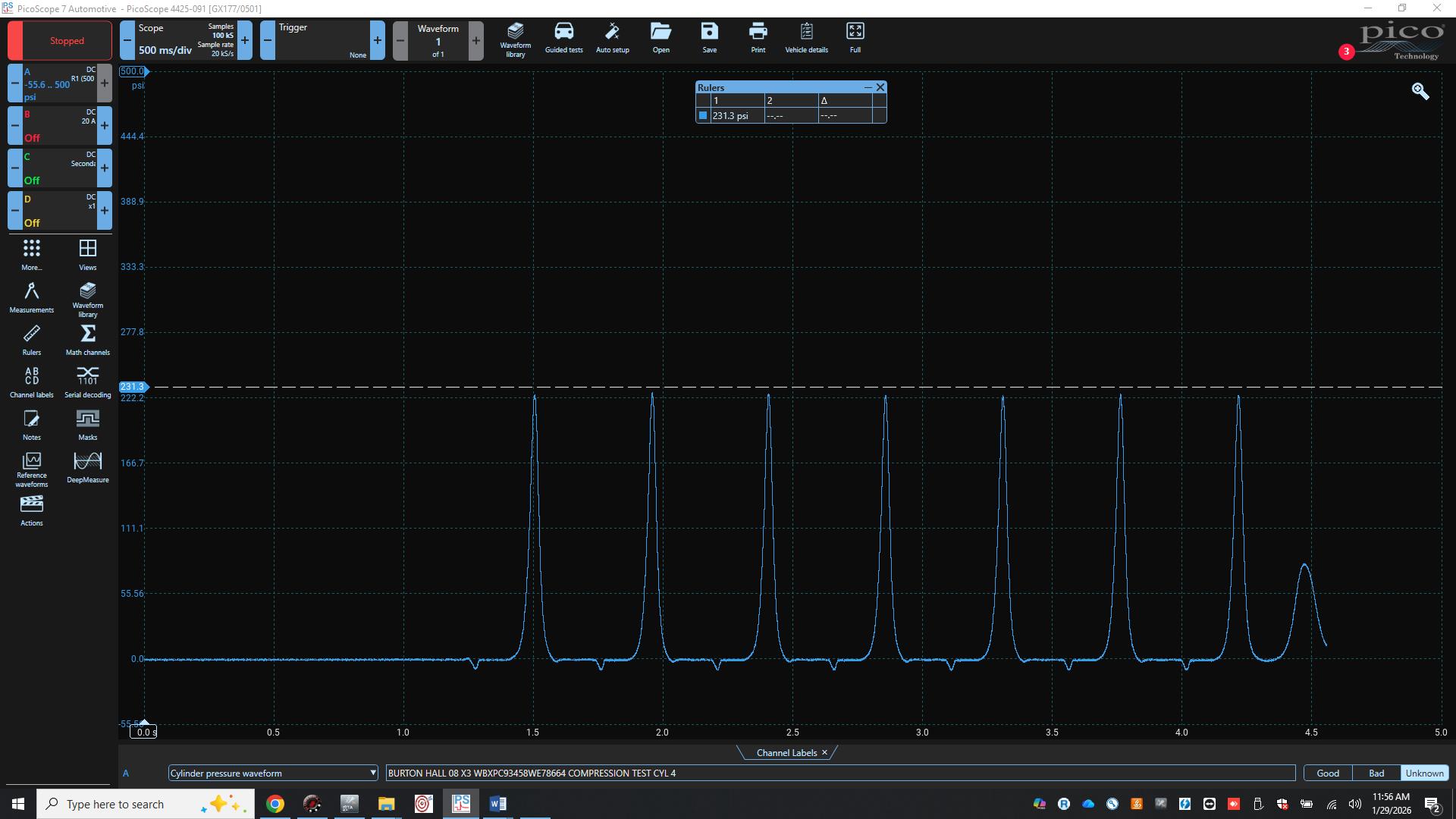
Compression test wave form #4 cylinder
To add perspective to the wisdom of refurbishing a long time daily driver, I interviewed five seasoned car enthusiasts and friends of Drivin’ News who have or are considering giving new life to their high mileage daily driver.
Jim El Nabli loves his 2011 BMW X5 with 135,000 miles and recently conducted a major refresh to keep the love alive. Once upon a time an automobile technician, now an attorney and passionate BMW enthusiast, Jim, a multiple BMW owner, has for the past decade, immersed himself in a 100 point restoration of a 1999 BMW Euro-spec E36M he purchased new.
Peter Desbets cannot say good bye to the 2011 Volvo XC60 daily driver with 173,000 miles he has owned since new. He has spent over 40 years as an executive in the automobile industry and president of a media company serving the automobile industry. A dyed in the wool car guy he presently owns a pristine 1986 Porsche 911 Carrera and an eclectic track record of classic car ownership.
Bill Hoover bought his 2015 Volvo XC70 T-6 daily driver new. He describes it saying, “It’s the last of the in-line 6’s with just the right level of technology. A Polestar performance upgrade adds some fun to the experience.” Now, with 100,000 miles recently showing on the clock he looks to do whatever is required to provide another 100,000 miles of high-quality motoring. An auto industry executive in both the United States and Asia he has an SCCA racing history and a significant roll call of classic cars owned now and in the past.
Each of these men champion a perspective that embraces an analog, tactile driving experience left in the dust if not for dead by today’s new car offerings. Possibly the leading edge of a movement, the cohort of individuals rejecting today’s expensive, technology drenched automobiles appears to be growing.
Jim says, “I’m the original owner of my 2011 X5. I bought it brand new. I special ordered it with pretty much every option. It had everything that I want.” Upon hitting 130,000 miles he looked into a new replacement. He ran the numbers to cost out buying an equivalent new X5. Jim says, “I was shocked to find myself looking at a price well into the 90s, maybe even higher, which sounds crazy, but that’s where the prices are today. That’s a huge pill to swallow financially.” He even notes that prices for a used X5 go through the roof as well. Luckily for Jim his X5 enjoys life being owned by a fastidious owner. For the decision on doing a Refresh, Jim’s X5 checked all the boxes. He has owned it since new. It had enjoyed all scheduled services and been maintained to keep it in peak running form. It had good bones. He started on his Refresh by addressing all recognized weak points such as the harmonic balancer.
Jim estimates that the Refresh made great financial sense. He says, “If I can get another hundred thousand miles out of it. I’d be very happy. I think that would have been well worth the cost. When it comes to dollars you can’t look at it as I’m putting in ten thousand, twenty thousand dollars and I’m going to lose that money. You have to amortize that over time so let’s say I hold on to the car now the five years. So, how much am I really spending per year?
A universal concern among all the men interviewed played a significant role in Jim’s decision to refresh. He says, “Complexity towers as a growing concern for automobile longevity. The past 15 years have witnessed a profound reengineering of automobile functions utilizing sophisticated electronics. Jim has an opinion saying, “Cars are far more complicated by the integration of digital technologies and electronics. In my experience electronics don’t last. Today’s cars are so complex that when things go wrong, diagnosis can present a formidable, frustrating and costly challenge.”
Jim acknowledges that his car while considered cutting-edge when new, today, ranks as a dinosaur based on today’s technology. That said, he responds saying, “Dinosaurs did last for 75 million years. I’ll take my chances on my X5 not being wiped out by a meteorite.”
Bill, in describing how he feels when he slides behind the wheel of his 2015 Volvo XC70, says, “There is a comfort factor when I jump into that car in the morning. It feels like an old friend. The feeling brings to mind the old Mastercard tag line, that feeling is priceless.” Bill finds much of that comfort in the smooth robust power delivered by the Polestar tweaked Turbocharged inline 6-cylinder engine putting out 370 horsepower. With his home in Tucson 200 miles away from a mountain getaway at an altitude of 7200 feet Bill savors his Volvo’s elevation eating performance.
Bill says, “With power to spare, it’s great for my drive up to the mountain house. It’s a car that is reliable. It’s not going to have suspension issues or brake issues. It’s basically going to perform like a new car. Yeah, it’s priceless.” Bill is confident in the longevity inherent in his 2015 Volvo’s bones. He expresses concerns about the product life inherent in today’s maximized low displacement engines and the reliance on sophisticated complex technology, engineering solutions upon which contemporary automobiles rely.
Bill, while accepting some technology such as parking sensors and blind spot warning, lacks any passion about wanting every next new thing that comes along. Actually he comes across as being quite sanguine about all of the latest things absent in the 2015 Volvo XC70 that he loves. To his driving delight one of the newer things his XC70 lacks is EPS (Electronic Power Steering). It does have the old traditional hydraulic power steering which features exceptional driver feedback. EPS on the other hand provides the means for enabling the inclusion of advanced driver-assist features like lane-keeping assist and automatic parking. Bill clearly favors his XC70’s old school hydraulic. He says, “I occasionally drive my partner’s car with EPS. For me it has nowhere near the same road feel as my XC70. It’s too light. It drives me crazy. They have the software dialed in to prevent torque steer. The steering angle also controls the throttle response. I find myself pressing on the accelerator and not going anywhere. It’s like wait a minute, wait a minute. Now, unwind the steering wheel. OK, now we’re going. It frustrates the crap out of me. As for my partner, she sees no problem other than my complaining.”
In recent years Peter has casually explored a suitable replacement for his limited edition Cosmic White Metallic 2011 Volvo XC60, but to no avail. In reflecting on his long time daily driver it features a 3.2 liter non-turbo inline 6 cylinder engine with a 6-speed Geartronic transmission and Haldex all-wheel drive. It ranks among the last of Volvo’s non-turbo sixes.
He says, “I like the way it looks. I love the way it drives. Great suspension, it’s all been rebuilt over time. Marvelous seats. It’s an R design. Its 20-inch wheels and stance look great.” But, now with 15 years and 173,000 miles on the clock, Peter finds himself at a crossroads. He says, “I’m the original owner. I’ve had it for 15 years this February. It runs great. All the known quirks have been addressed including oil consumption issues and a leaky windshield. It has been meticulously maintained. Frankly, no real necessity demands a Refresh or Replace decision. All that exists is that nagging 173,000 on the odometer.”
Peter’s first move took him to the new car marketplace. He has a new car in the family, his wife’s Acura. Reflecting on the new Acura he says, “Pricing is ridiculous.” With that in mind he decided to explore CPO (Certified Pre-Owned) used cars. He looked in the $25,000 to $28,000 range. About his CPO search Peter says, “Cars in that range have 80,000 miles to 100,000 miles. I look at that and think has it been serviced properly? Have the brakes been done and when? Have this and that been done.” The idea of leaving a good car that he knows well and jumping into something that he knows little about haunts him. And, then, comes the complexity kicker: Newer cars possess much more sophisticated electronics. He expresses his concern saying, “This is all great. But what will the sophisticated electronic features be like five years down the road? And if you look at something with a high degree of complex technology what happens seven, eight, nine or ten years down the road. Will that technology be supported? Software changes constantly. What if the software running something in your car is no longer viable like a cell phone that is no longer viable or your laptop can’t be upgraded. What do you do?” After due consideration, Peter’s decision called for keeping his XC60.
Peter says, “It has been so well maintained I don’t see any major investment needed in the foreseeable future. God forbid, the transmission goes. Still, I’ll probably get it fixed and continue to use it. Certainly from a cost of insurance standpoint money savings versus a new car is huge.” Echoing the sentiments expressed by Bill about his beloved XC70, Peter says, “I love my Volvo. Settling into the great Volvo seat, my XC60 fits like a great pair of old sneakers.” Similarities common to each individual’s experience painted a fairly clear image of Refresh minded owners.
Clearly an older group, predominantly but not exclusively male, all gained their driving chops in the late 20th century’s “Golden Age” of the automobile. They cut their motoring teeth when feeling the road qualified as a good thing. All possess confidence in their skill behind the wheel and frequently find high tech driver aides an annoyance or worse a distraction. They know what they like and they like cars designed to enhance the driving experience not dull it.

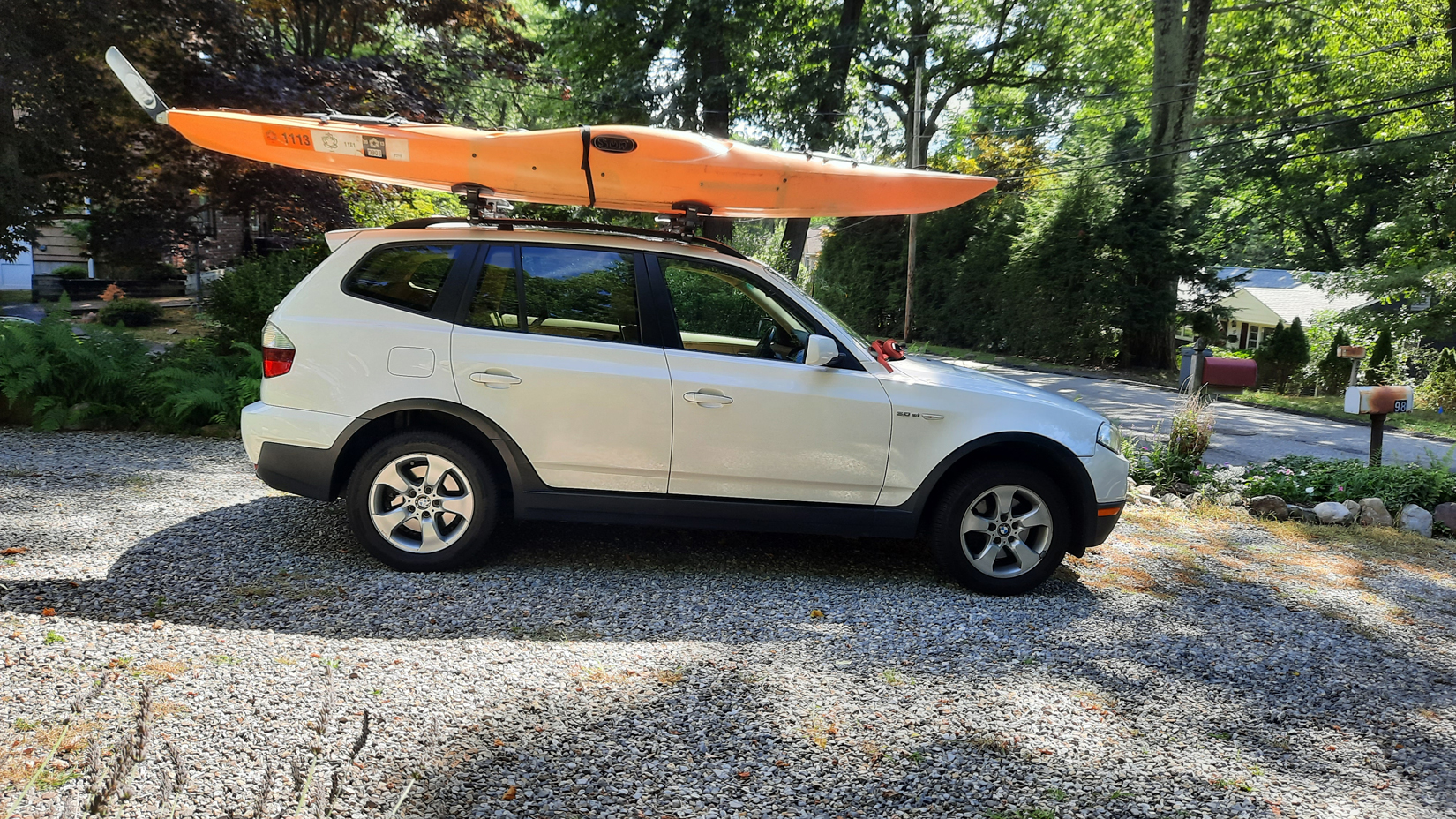
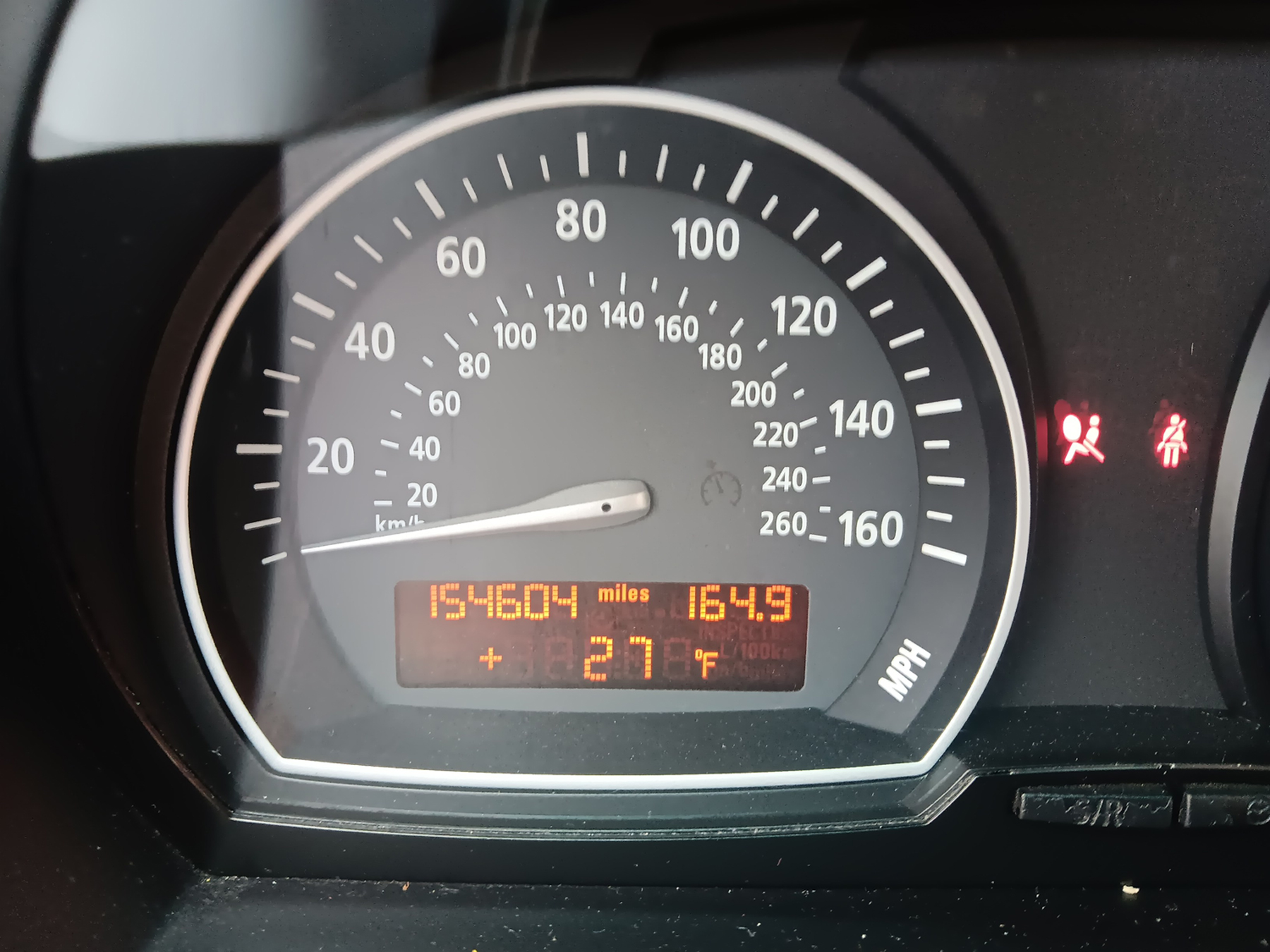 Considered the last of the legendary naturally aspirated inline-6 engines upon which BMW built its reputation, the N52 in my X3 with its inherently balanced inline-6 configuration, advanced features like Valvetronic, Double VANOS and lightweight magnesium-aluminum block boasts smooth, linear power and superior reliability compared to the more complex B48 turbocharged engine found in newer BMWs.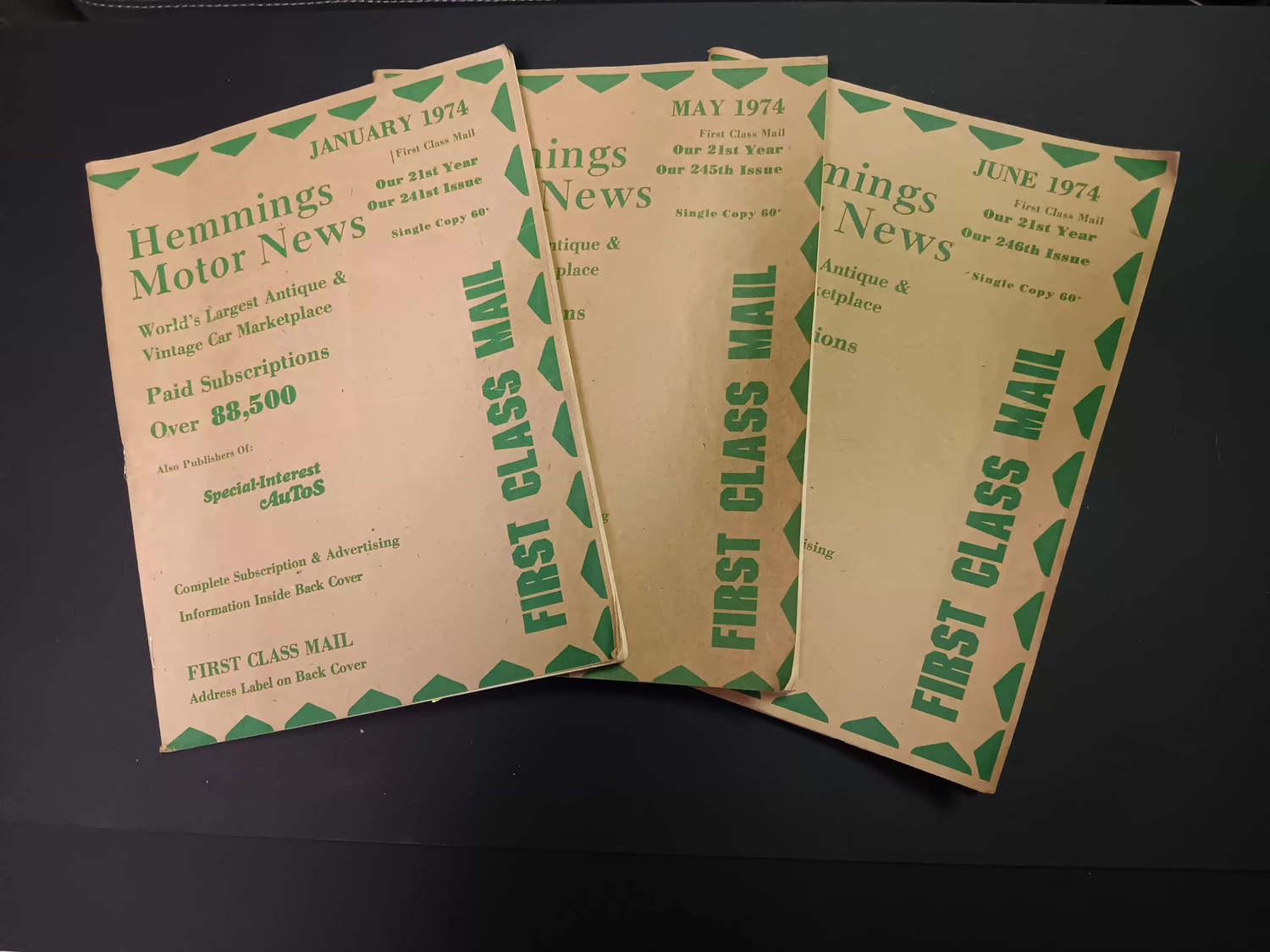

 As a harbinger of coming change early 1974 saw a new company called “Computerized Antique Car and Parts Service” advertise in Hemmings. Like some ancient aquatic denizen in an early but unsuccessful attempt to venture onto land, this business sought to apply computerized search techniques to marketing vintage cars and parts. It failed. However, decades later that business’ basic idea, empowered by 21stt century e-commerce tools, resurfaced as a powerful global entity energizing the collectible car culture. It had evolved into the online auction site Bring a Trailer and its kin. Indeed, the winds of change spurred on by profound advancements in digital commerce have expanded the enjoyment and associated business opportunities associated with a global collectible car culture to heights unthinkable fifty years ago. Such changes clearly demanded adjustments in the content and character of an evolving Hemmings.
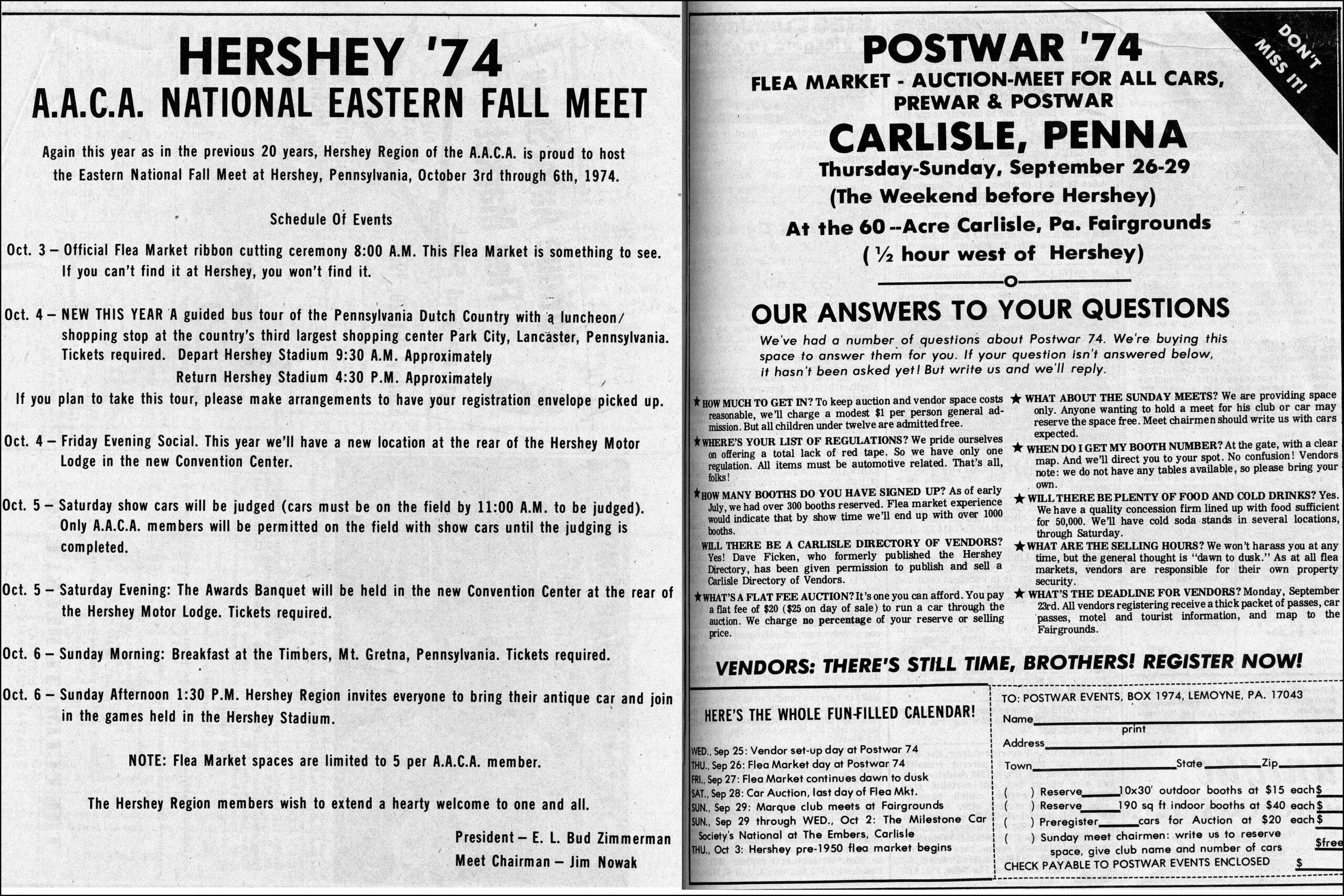 It would be into this fertile yet largely untapped realm of classic car culture that a few visionaries would initiate a sea change.Nurtured by a Hemmings advertiser, Leo Gephart, an Ohio classic car dealer, the seeds of change had shown green shoots by the early 1970s. Gephart, whom many consider the father of the modern large-volume classic car auction, had an idea. His experience had shown that car collectors would travel from state to state looking for old cars at estate sales. Based on this he believed that a lot of collectors could be expected to gather if a huge number of cars had been assembled for sale in one place. Gephart, a long time member of the Auburn-Cord-Duesenberg Club, approached a friend Russell Kruse with the idea. Till then Kruse had specialized in the auctioning of Construction equipment. Both men like the idea. On Labor Day in 1971 Kruse Auctions in collaboration with the Auburn-Cord-Duesenberg Museum hosted the Auburn Labor Day Auction.
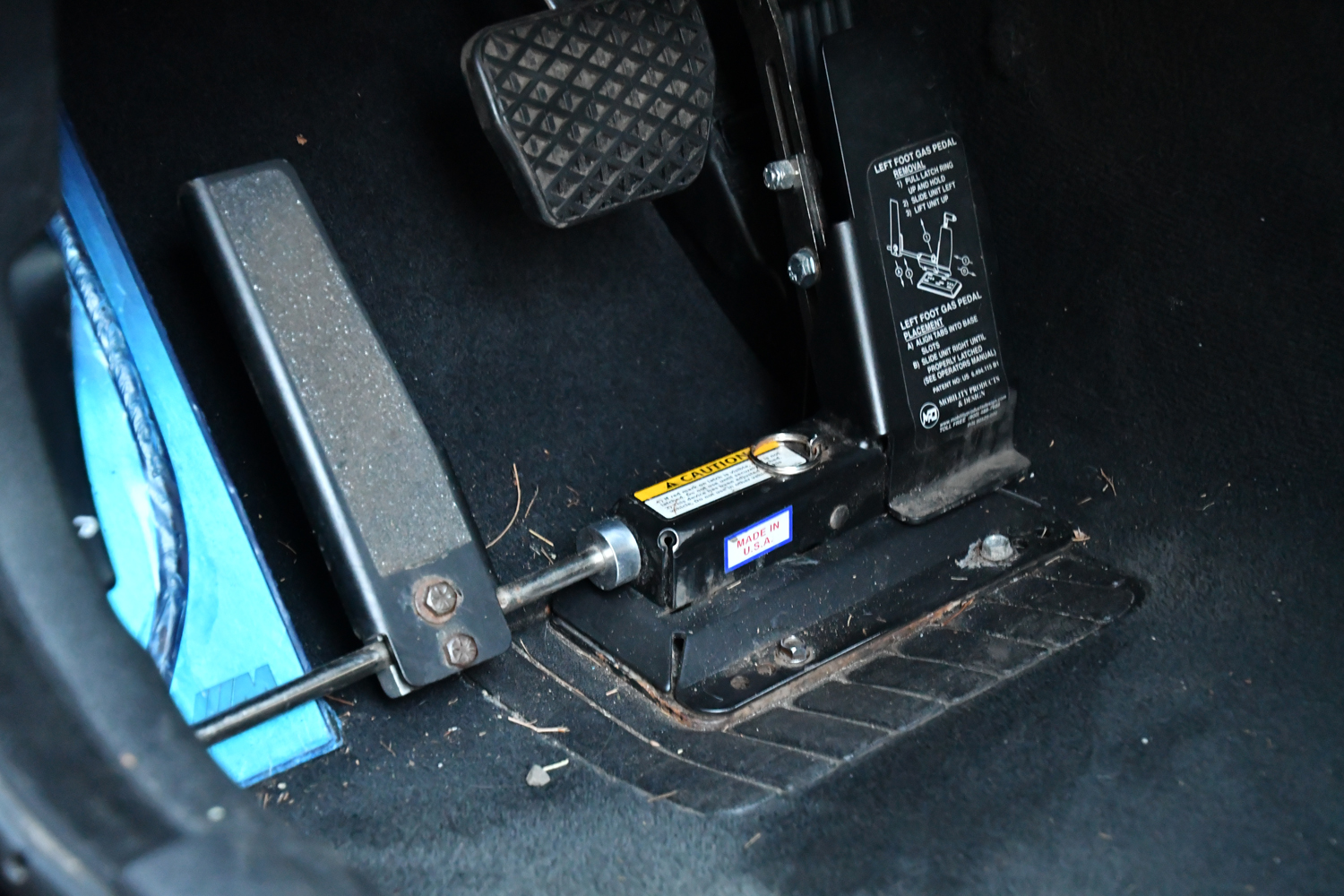 amputees. When they took off my leg I had first intended to get rid of my 440i and buy something else. But then, I learned I could drive my BMW using my left foot with a device available locally. What a great device.
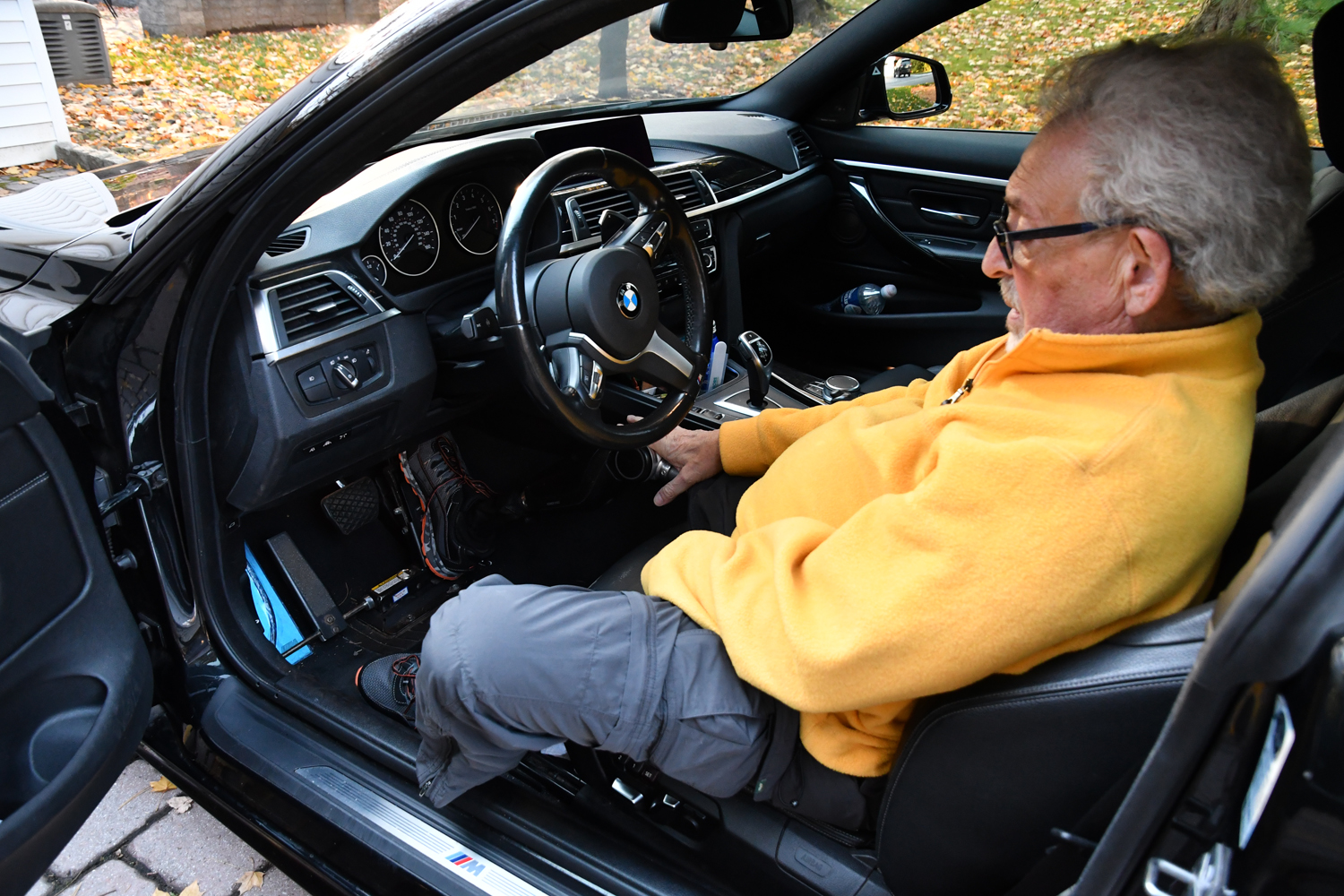 “I have to have a 2-door coupe, like my 440i,” says Herb. He explains why saying, “You need a big door when you have a prosthetic leg. In my case, it’s my right leg, and I’m sitting on the left side of the car. I have to lift my right leg with my hand, slide it out and then slide my body. In order to do that, I need a big door and automatic seat settings.” To exit the car requires Herb to have the seat all the way back. Herb says, “I couldn’t drive a car that didn’t have electric seats because without a memory seat, it would be a nightmare every time I got in and out of the car.”
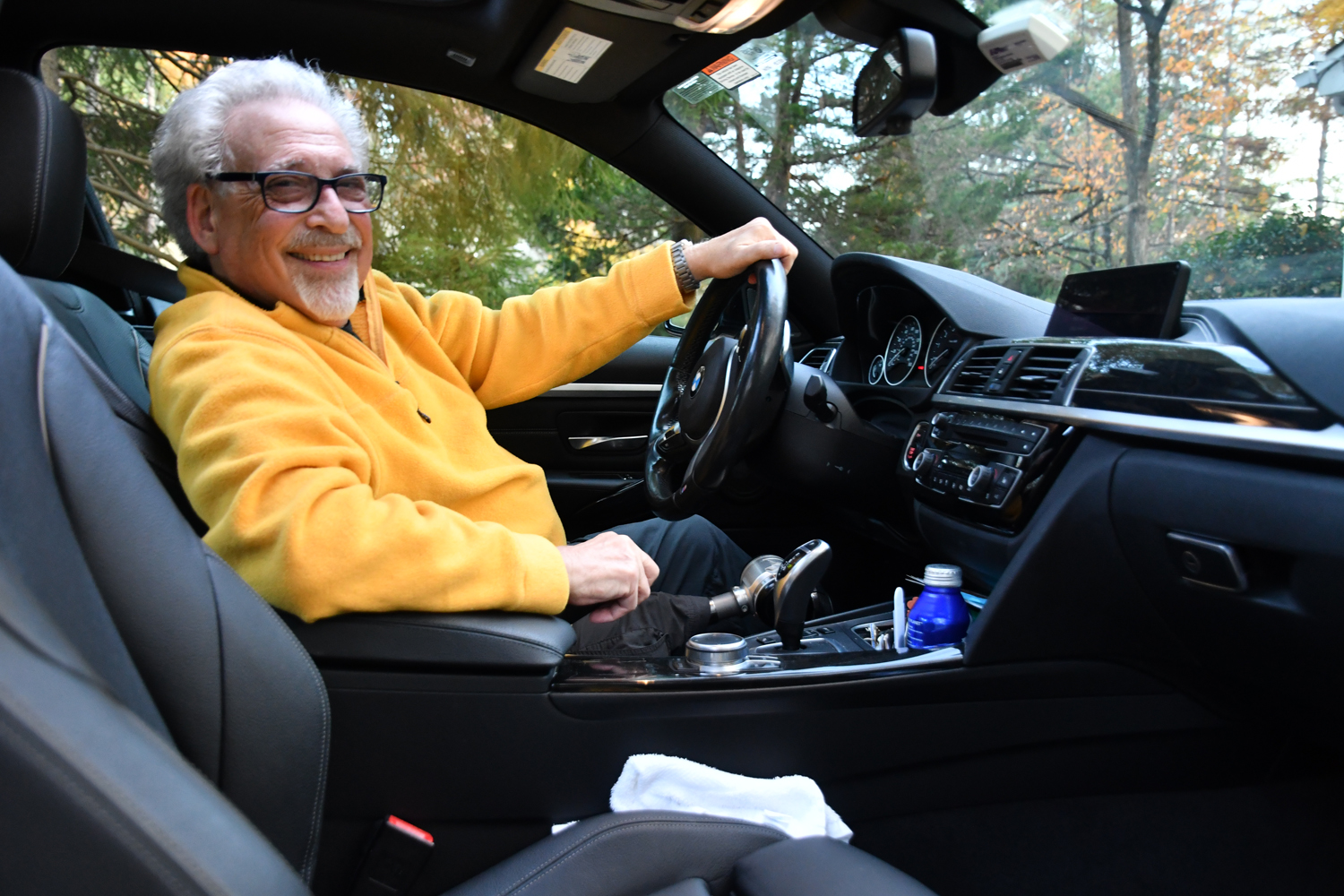 When asked if the driving experience changed with the prosthetic device, Herb says, “Yes and no. I have always loved driving, however, all my cars had been stick. However, because of what happened I can no longer drive stick. But considering that pretty much all brands have stopped making them, it seems an inevitability. I don’t like the paddles. Not the same, not even close. So that’s where it’s changed. But I got used to it and I still love to drive. I mean, I get relaxation. I love being surrounded by my music. I love the quickness and toss-ability of my BMW. I rejoice in tracking on a serpentine back road. Yeah, I still take exit ramps at 60 miles an hour, you know, just to feel how the car holds the road.”
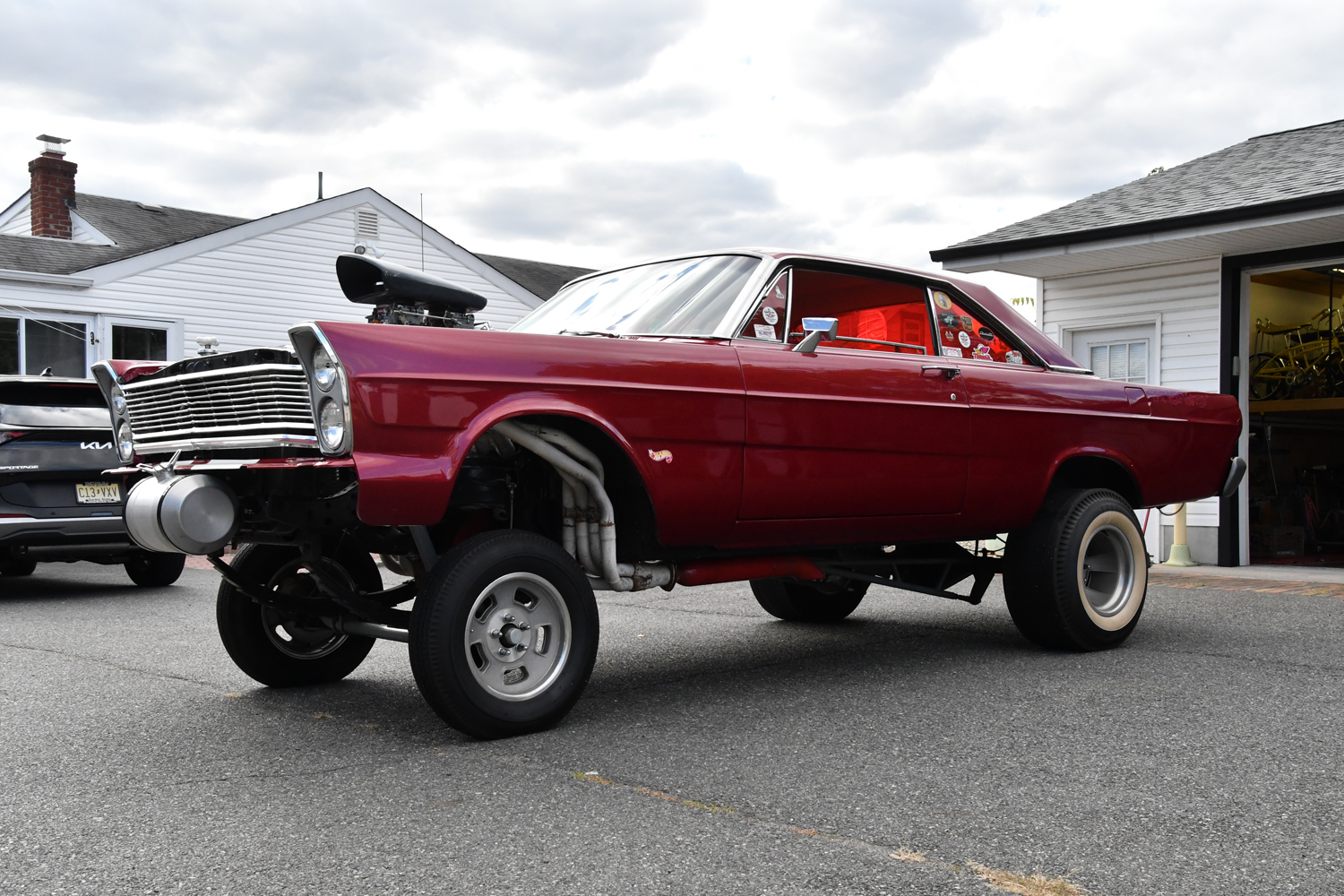
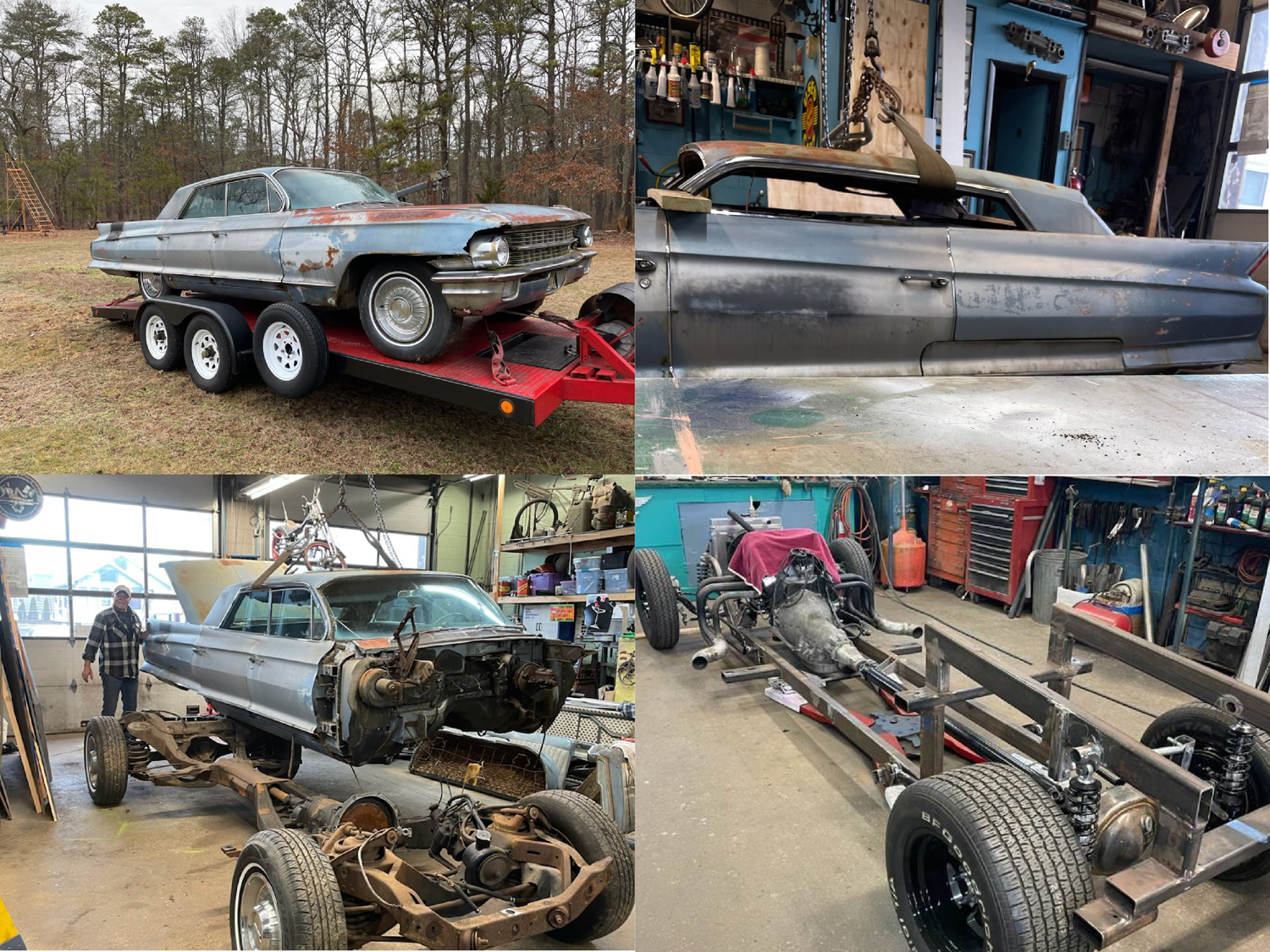
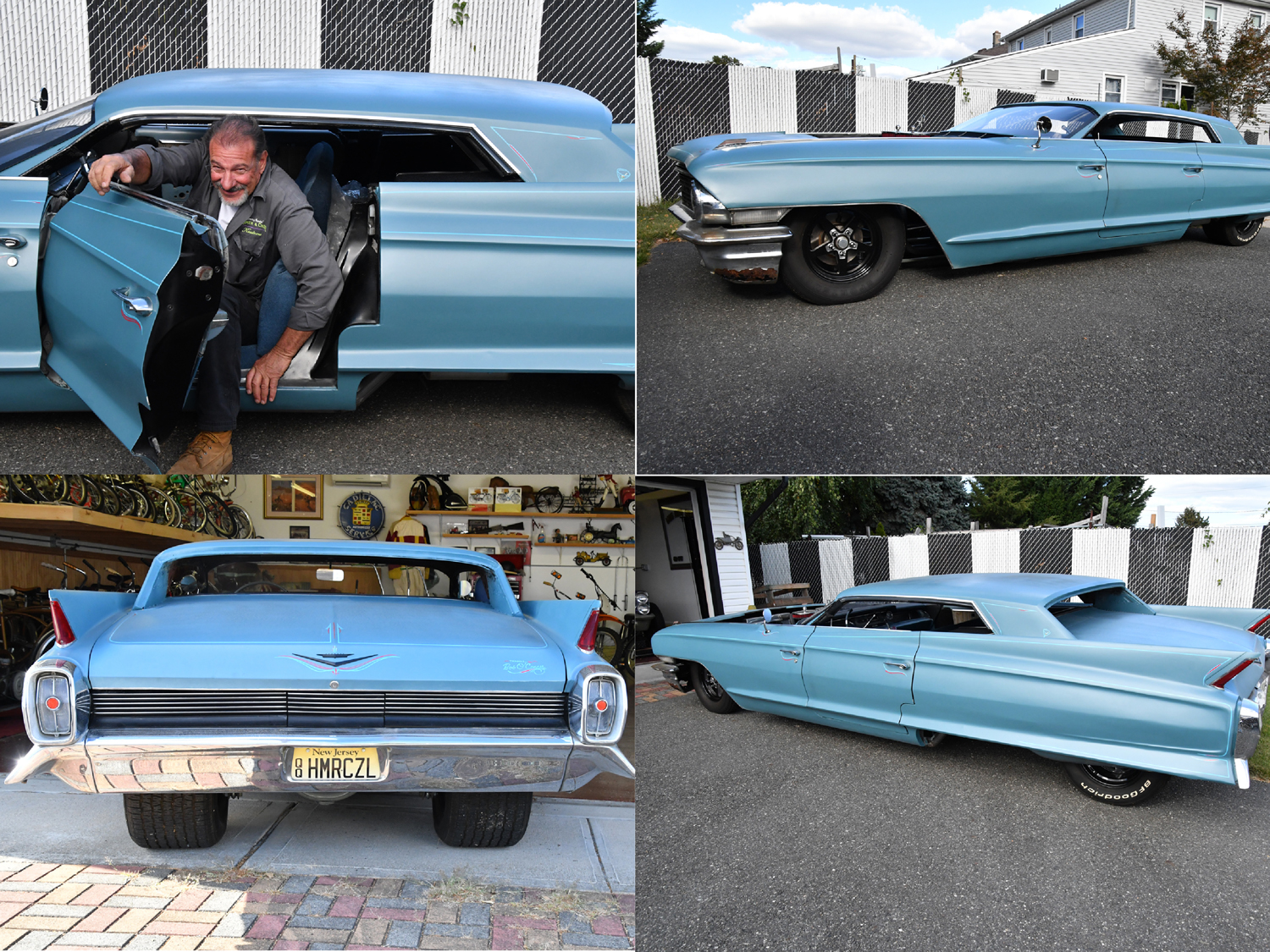
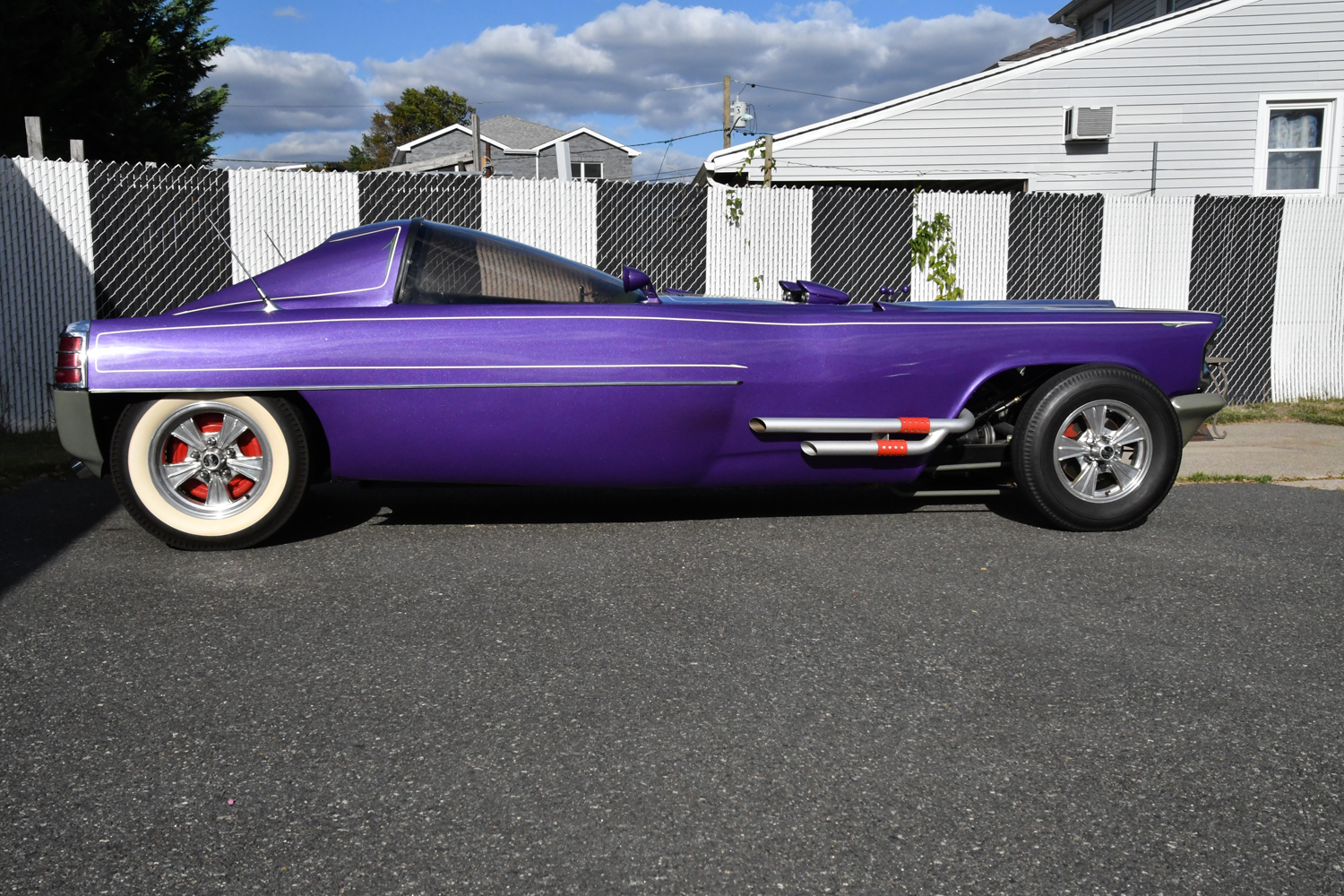
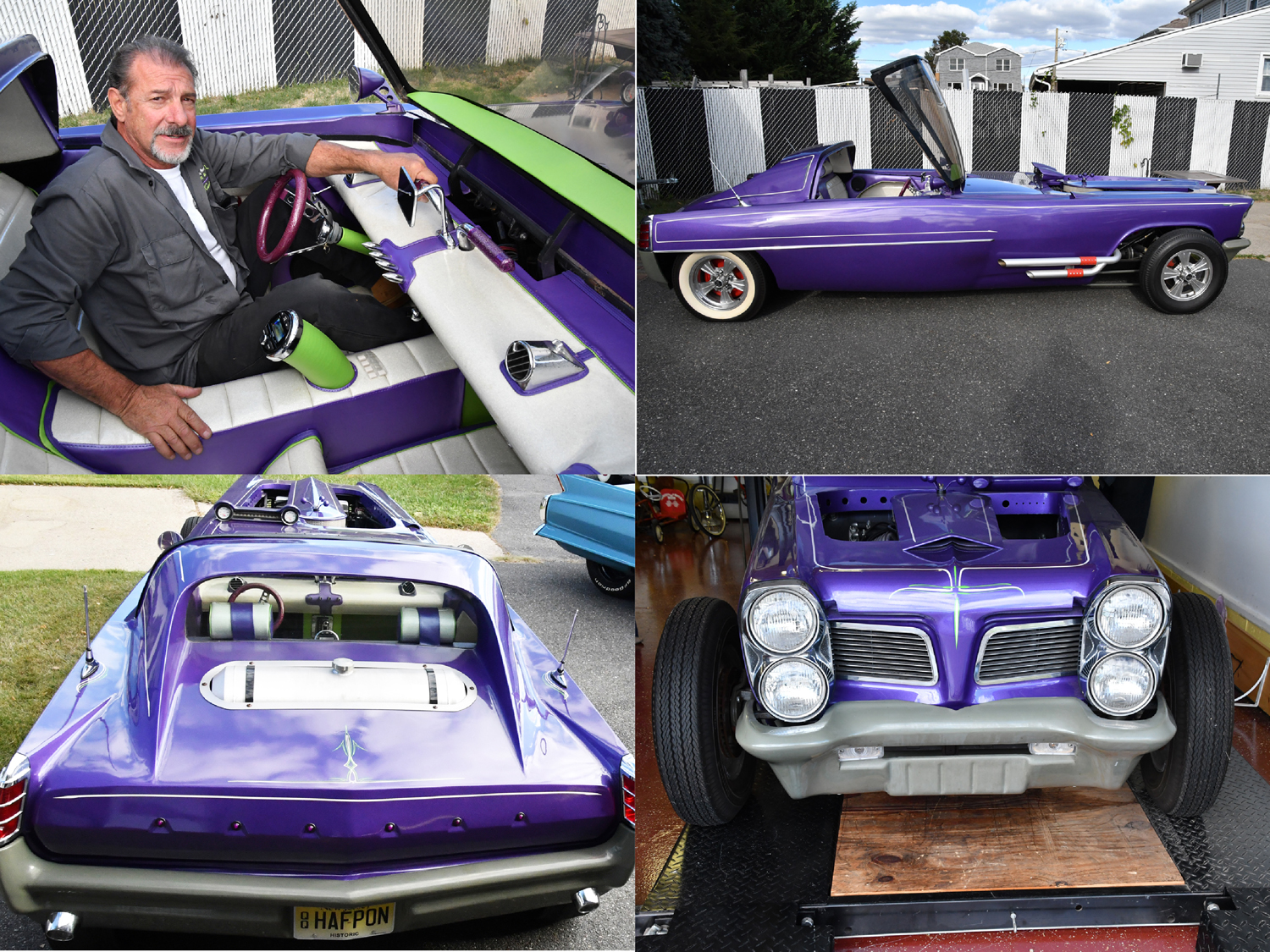
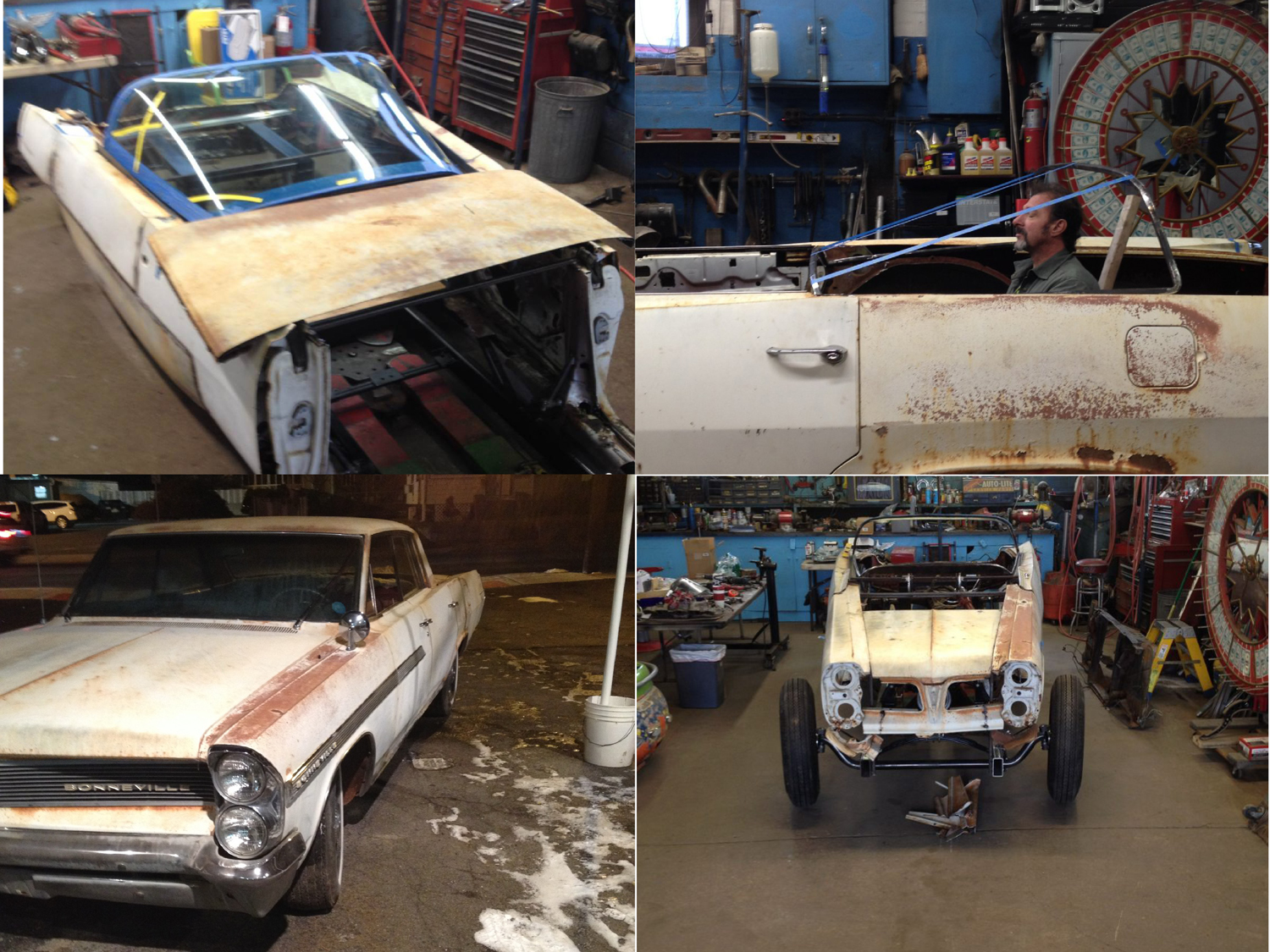
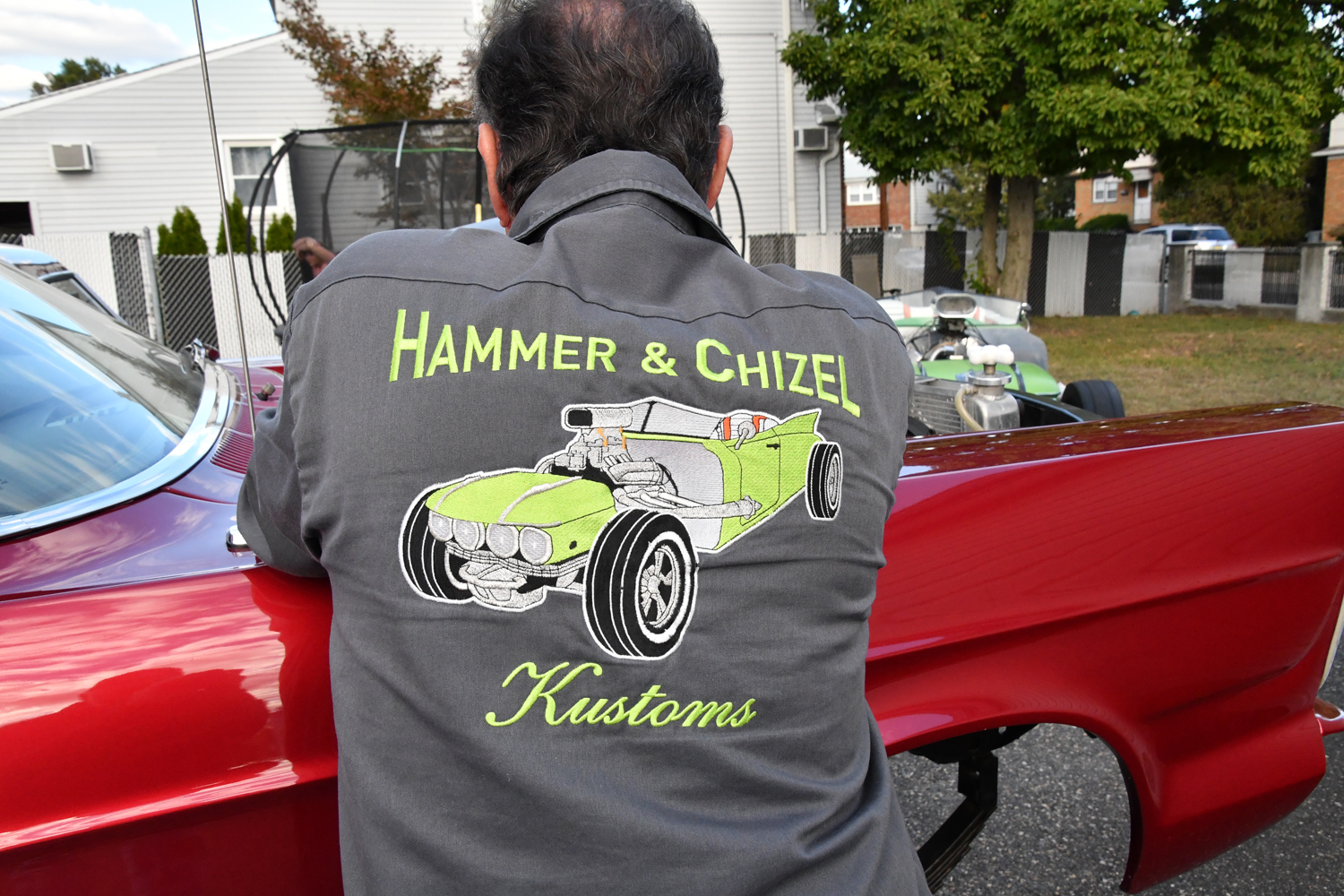 reflecting on his passion for hands-on car creation Jim says, “Most of my found happiness is probably through my father. He owned the used car lot that colored my early life experiences. He had the passion for cars. He is gone now but his spirit lives on through the life my work brings to his garage.” As an added bonus Jim says, “Ours is a neighborhood of close friendships. Even after my father passed, his old friends and, now, my old friends like Big Bill, Mike and Bob stop by the garage regularly to check in and maybe lend a hand on my latest project.” Jim has even continued hosting what was once his father’s annual Christmas party at the garage.”
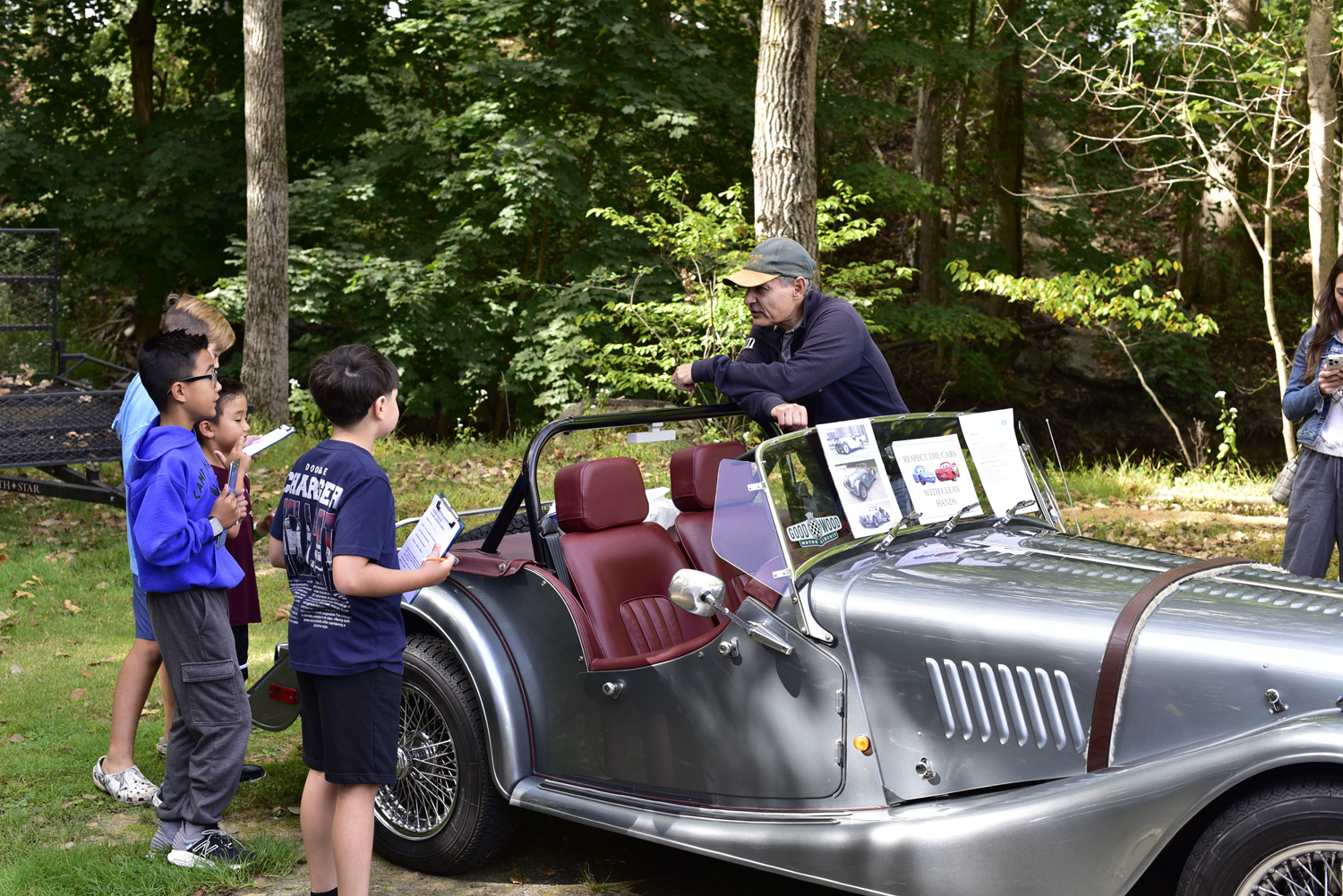
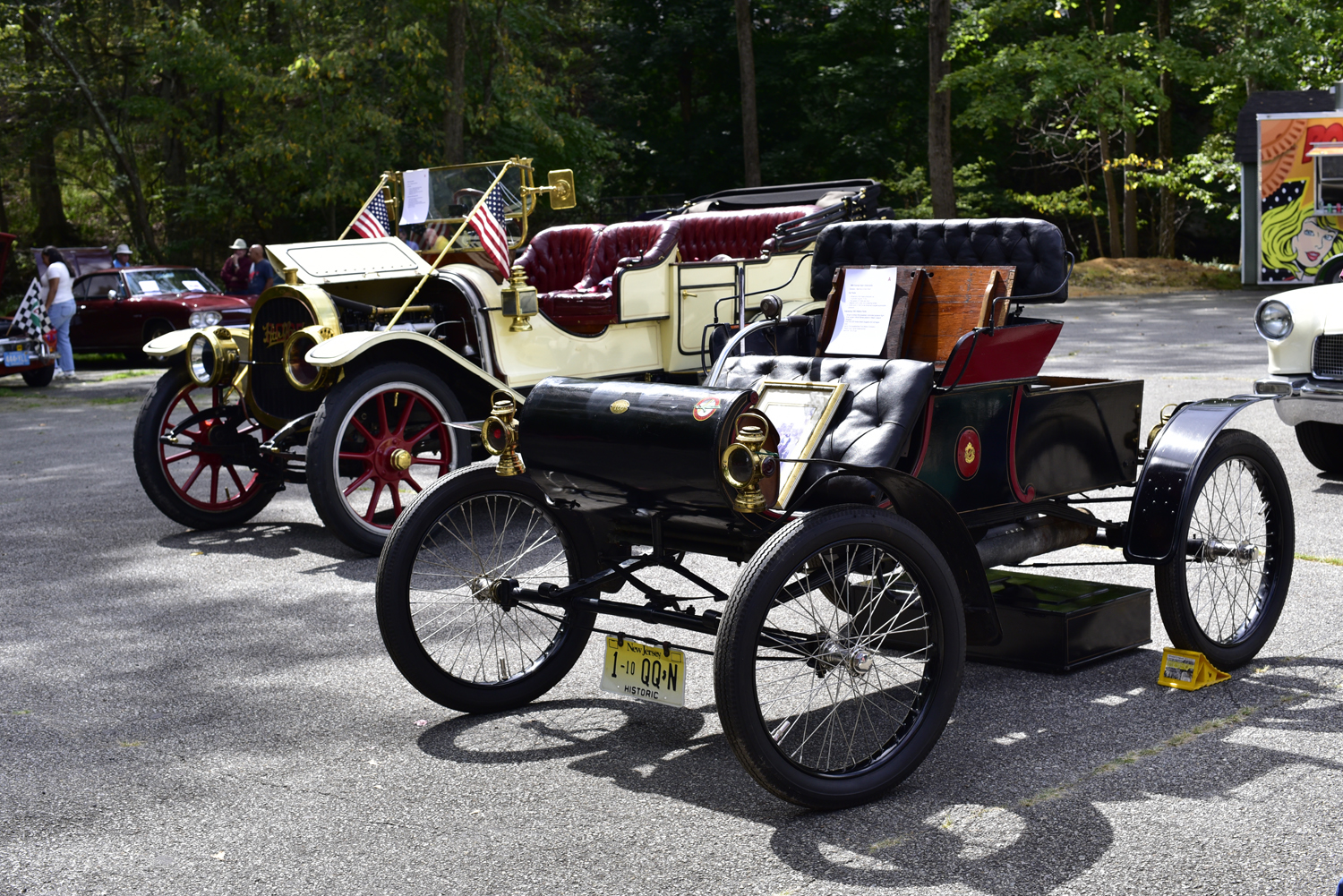 were lobbied. The effort succeeded in generating the opportunity to deliver a presentation to middle school students on the significance and excitement of vintage automobiles. The effort’s intent resided in motivating children to take advantage of the coming event to experience historic vehicles first hand. In so doing they could better appreciate the character, beauty, and excitement of the iconic vehicles that revolutionized individual lives and forever changed global culture in the 20th century. The effort proved successful.
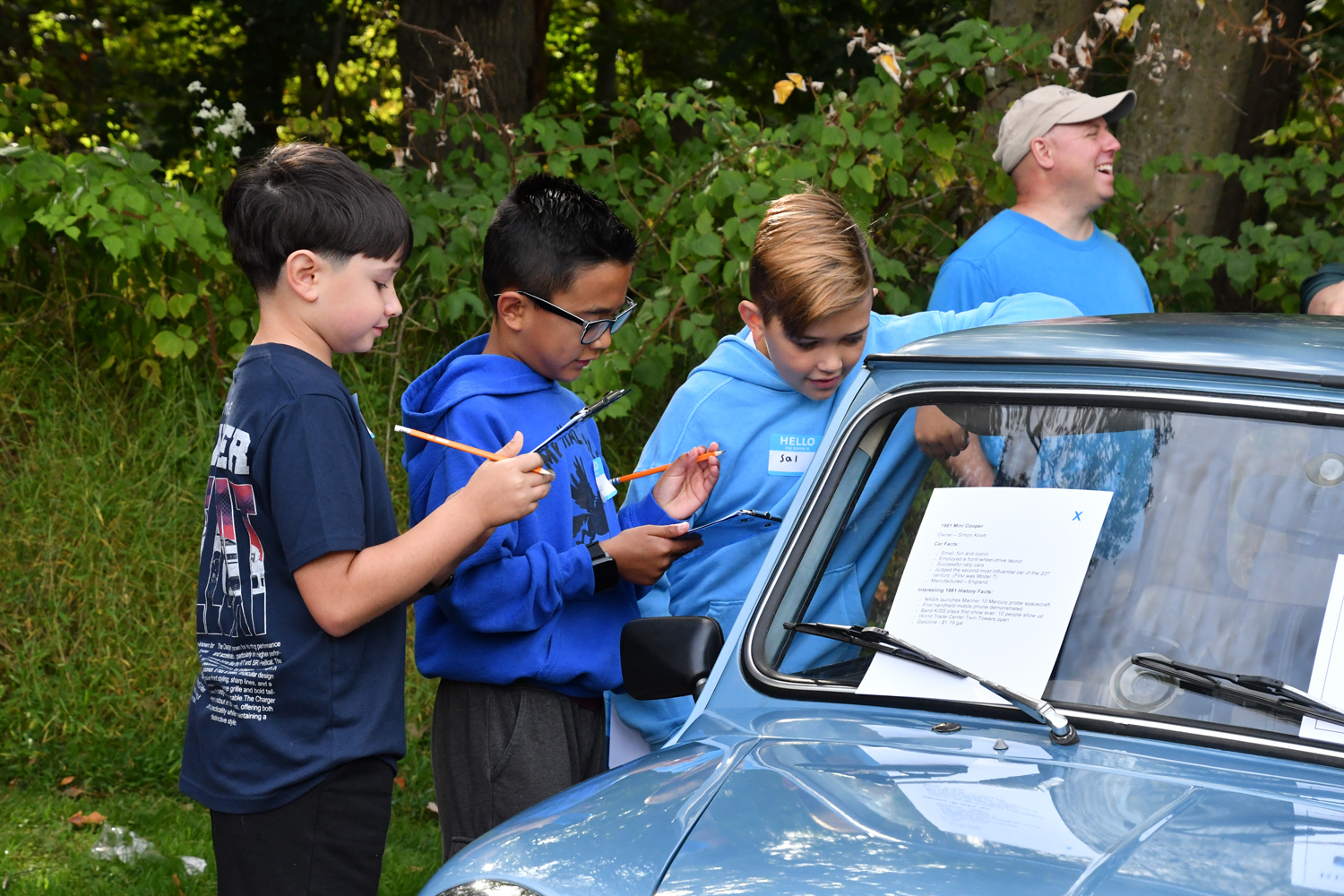
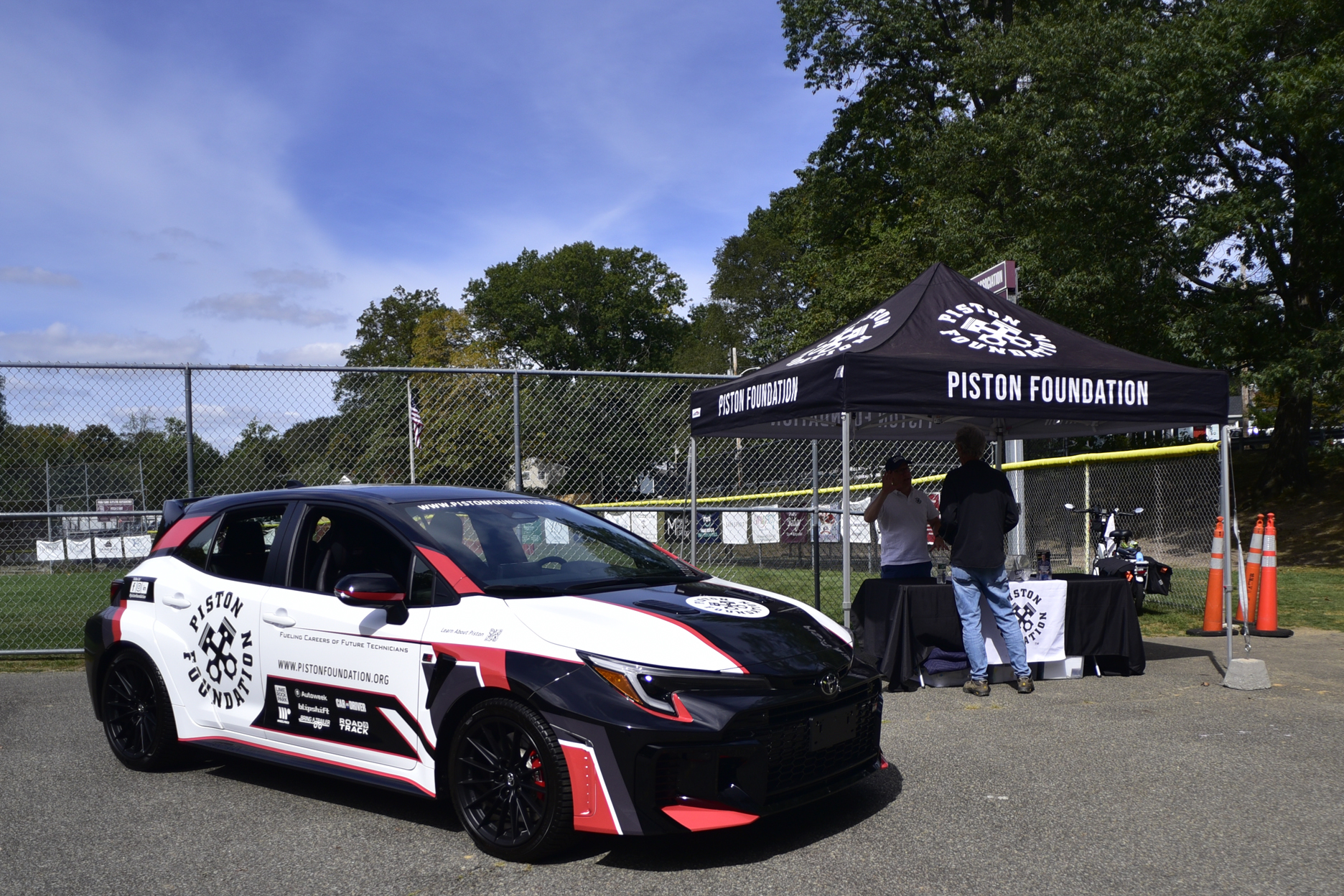 with an information scavenger hunt. Centered on car specific questions, this 20-question quiz encouraged children to interact with the classic cars on display and the car owners.
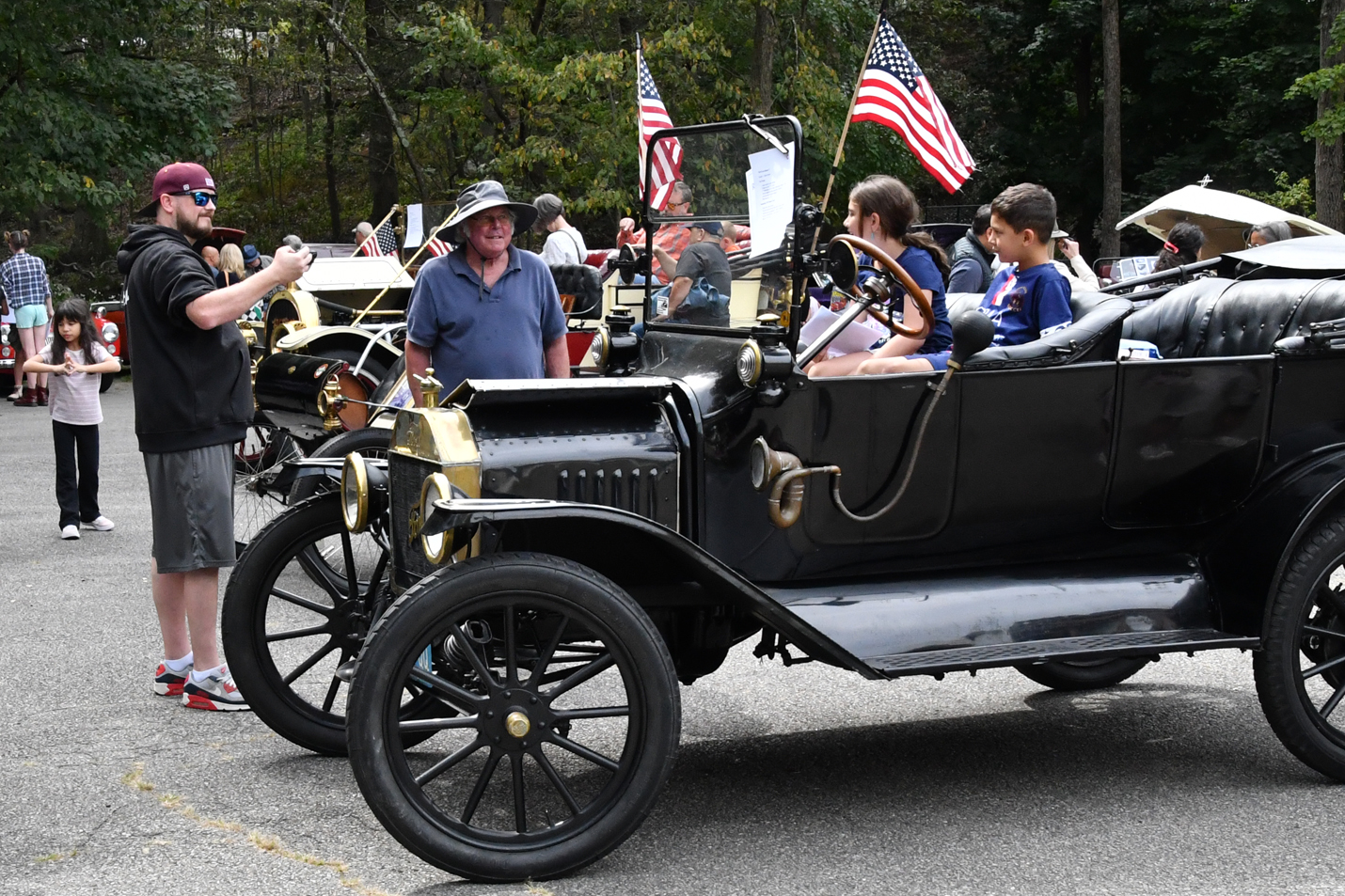
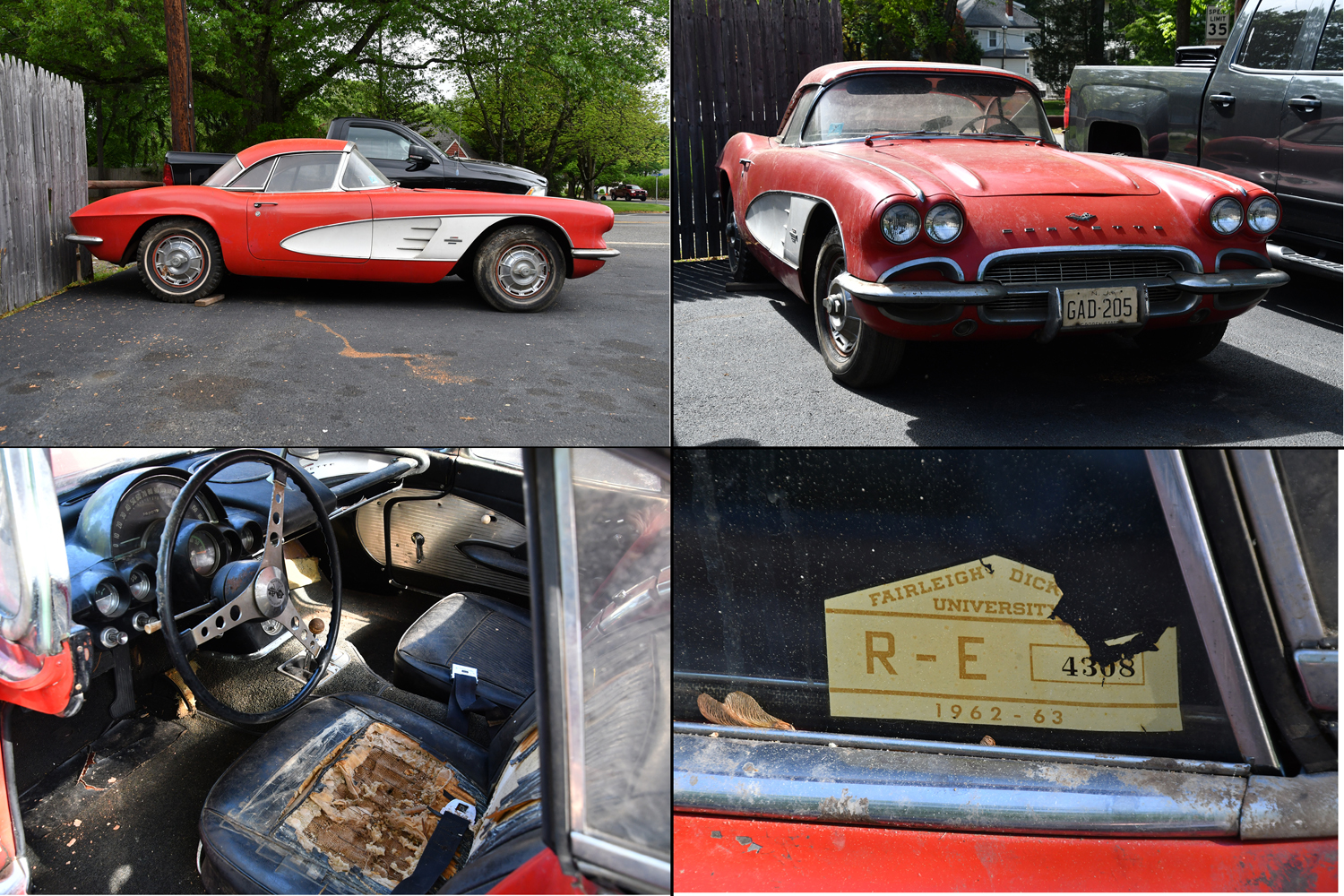
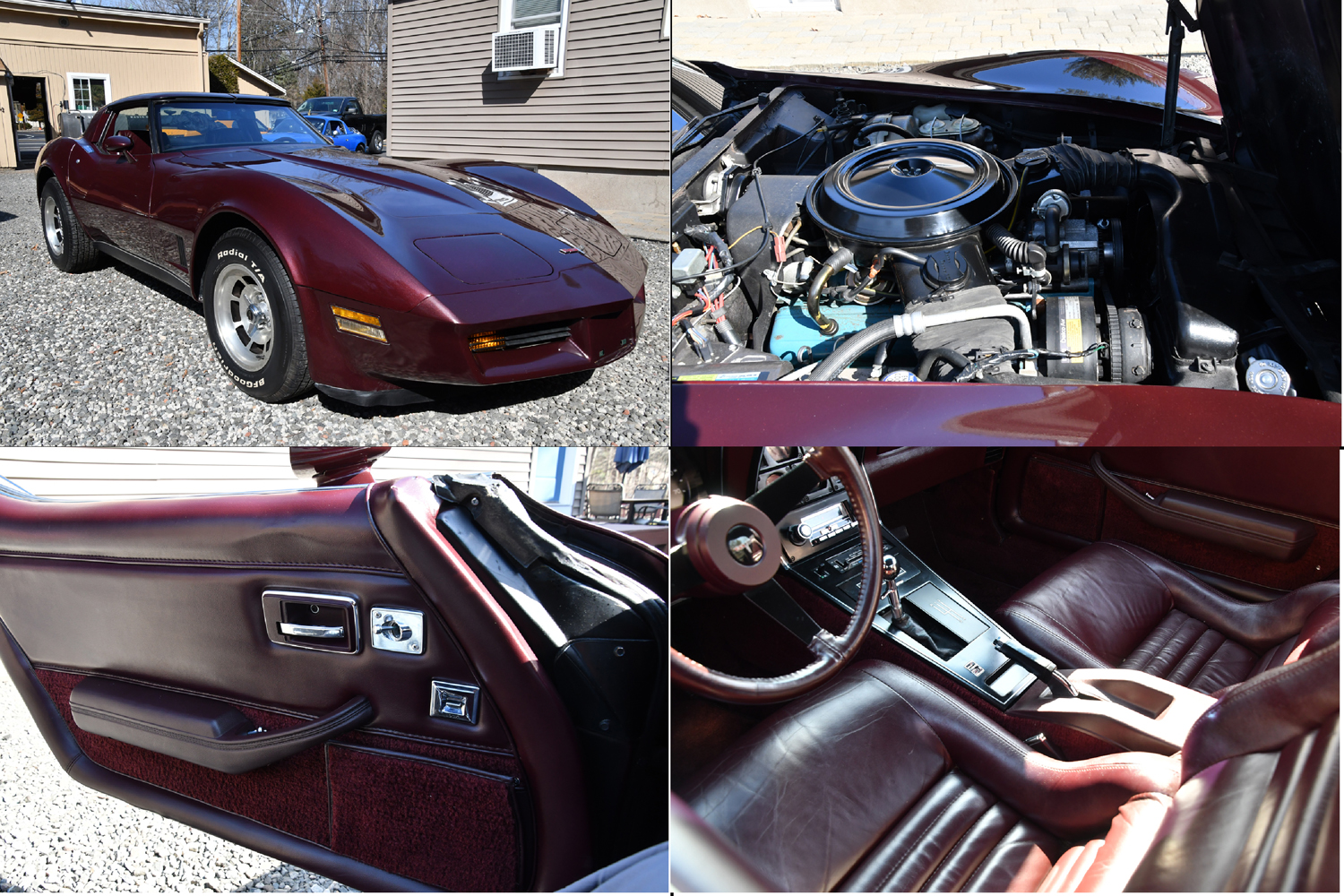
 Sitting tall and proud children fired questions at Glenn, the knowledgeable owner. They found the need for a hand crank start especially fascinating and the squeeze bulb horn proved irresistible. My Corvette drew admirers but my favorite asked if he could sit in it. Once in, he gripped the wheel with both hands and made the best “I am doing 100 mph and loving it” face. Interestingly a major source of comment in the Corvette was the dashboard mounted location of the rearview mirror.
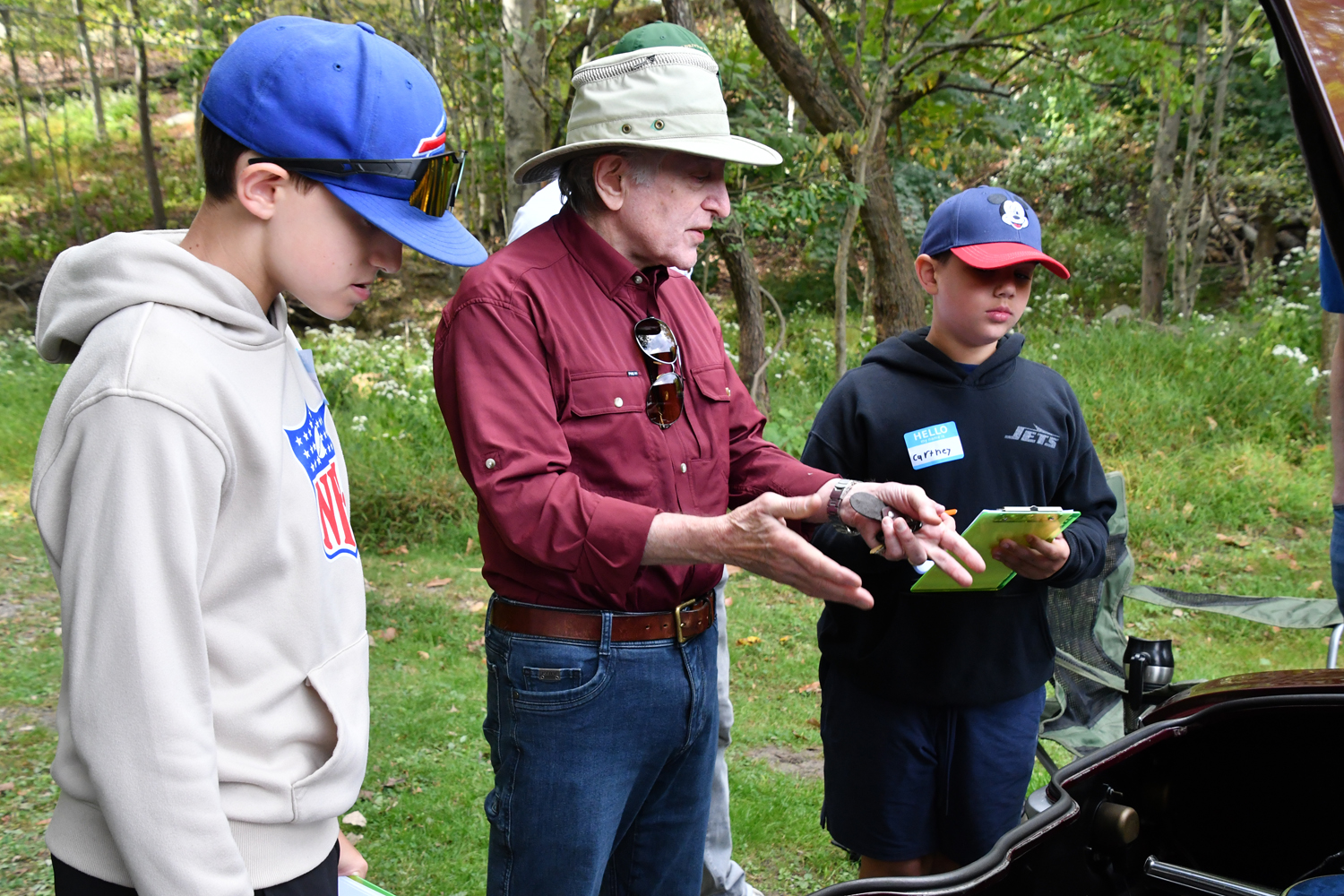

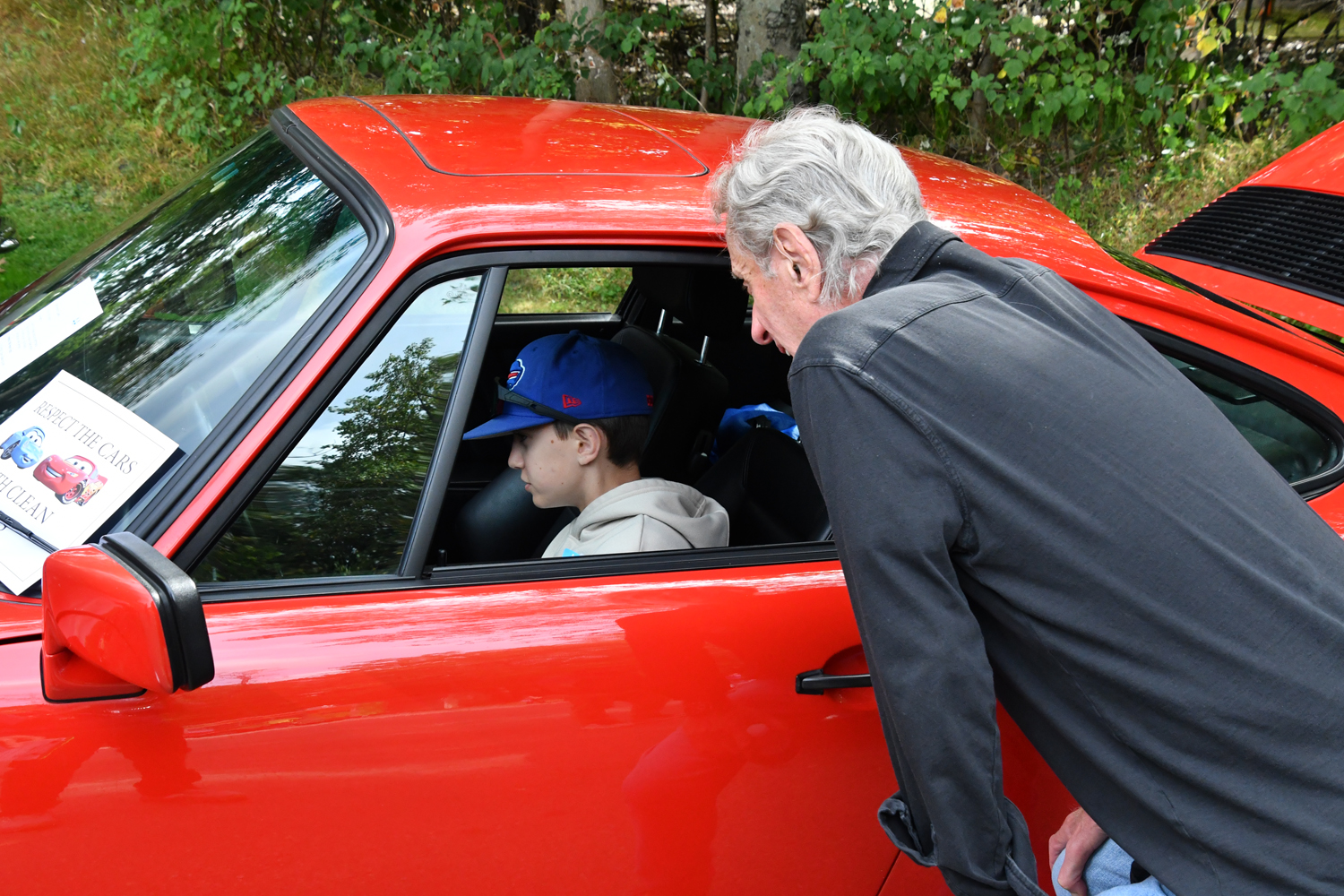
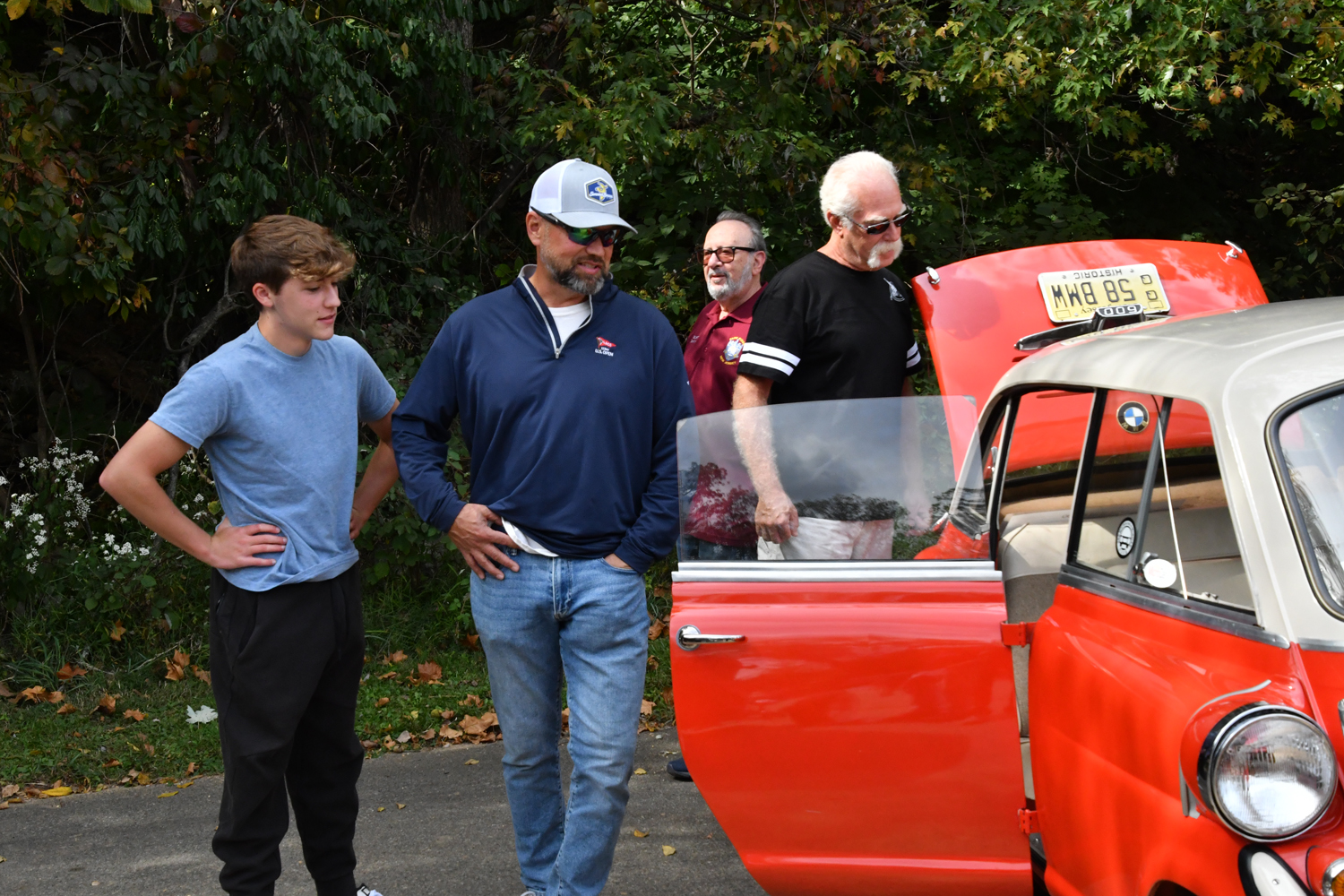
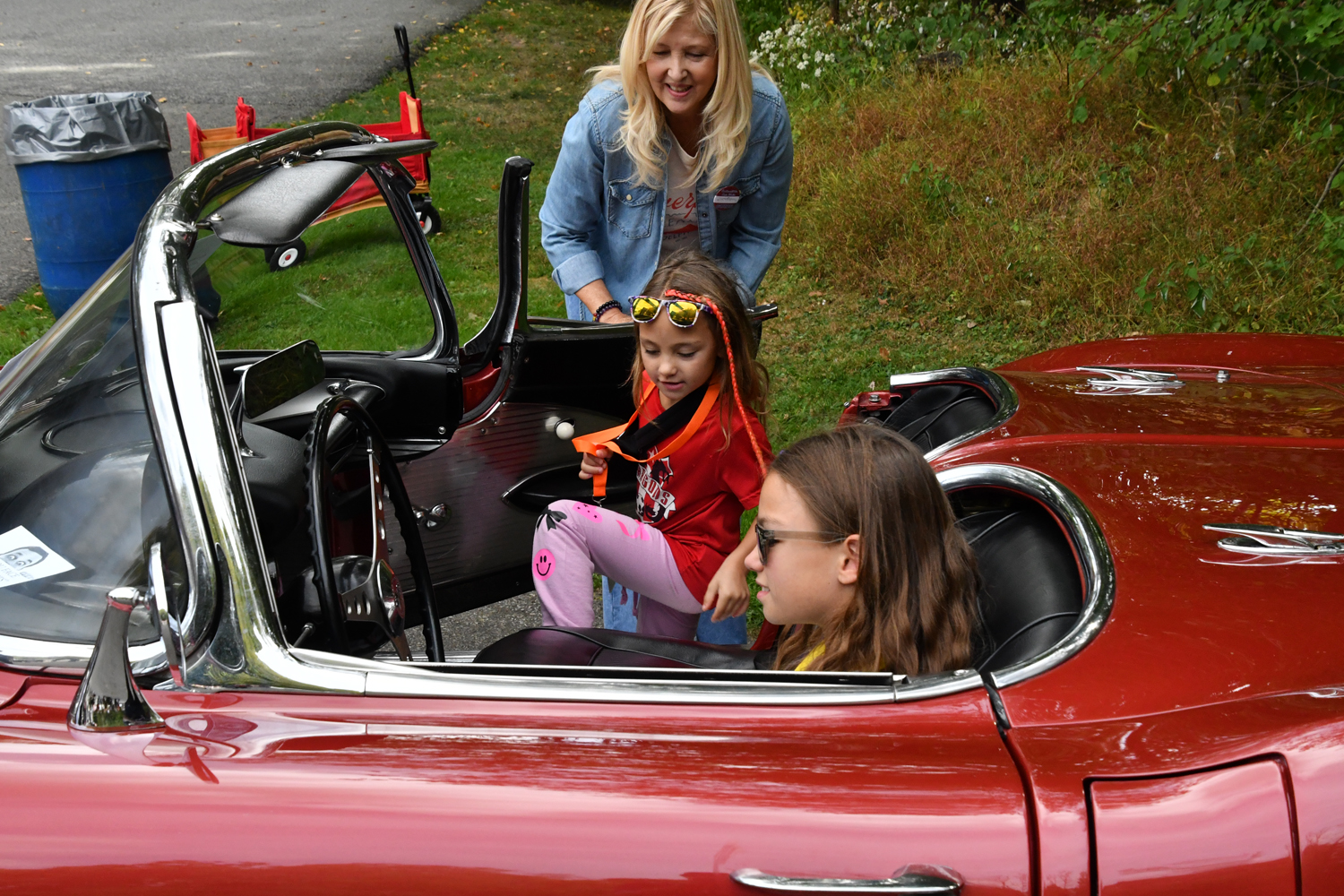 Show, I know the damage inflicted by bad kids with evil intent. That unsupervised environment differs profoundly from the local events most of us populate. Experience from Collectible Car Fairs 1 and 2 has shown kids to be respectful and appreciative. Do they need to be monitored? Yes. They may not know how to interact with a classic car. That is certainly something we as car enthusiasts can share in a friendly manner. For my 2 Collectible Car Fairs and the Autism event described in the last Drivin News story (Classic Autos and Autism, A Shared Journey to Betterment) I have brought the 1961 Corvette that I have had since 1967. After 50 years of ownership, I conducted a major restoration. It has been featured in Hemmings publication Muscle Machines. I am very protective. I have also realized my greatest gift as an automobile enthusiast is to employ my car as a vehicle (Double meaning intended) to engage those who will carry on my passion when their turn arrives.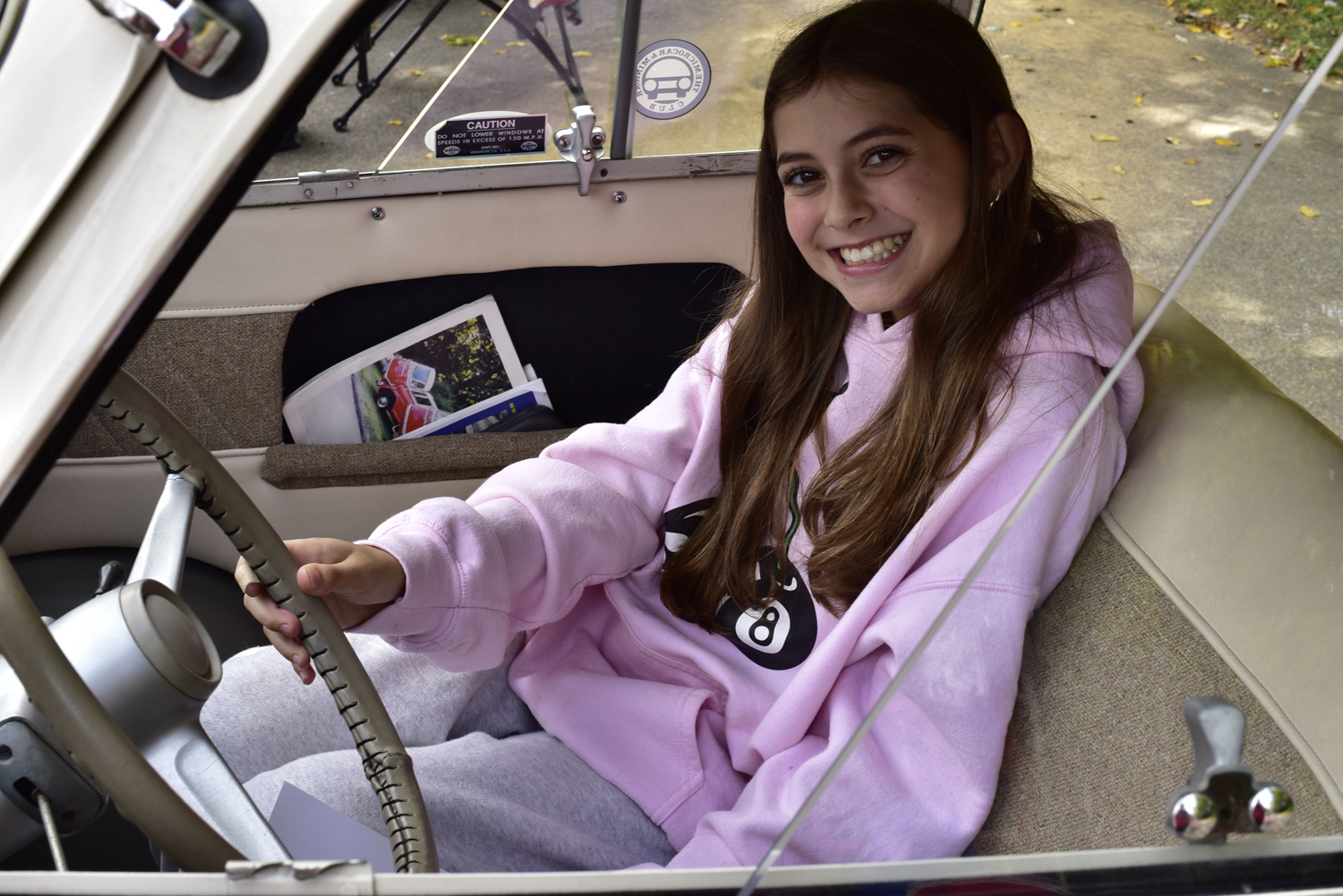
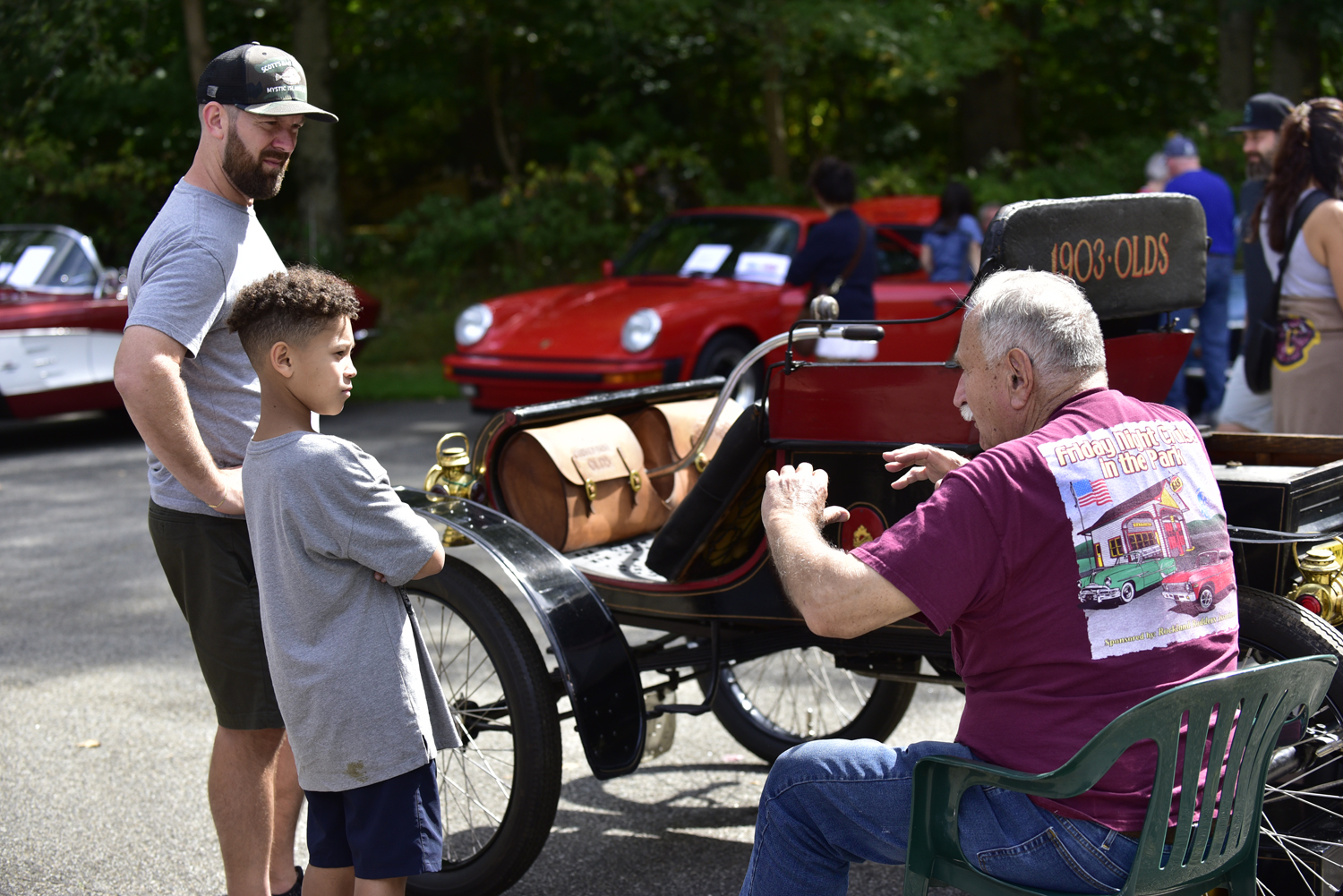
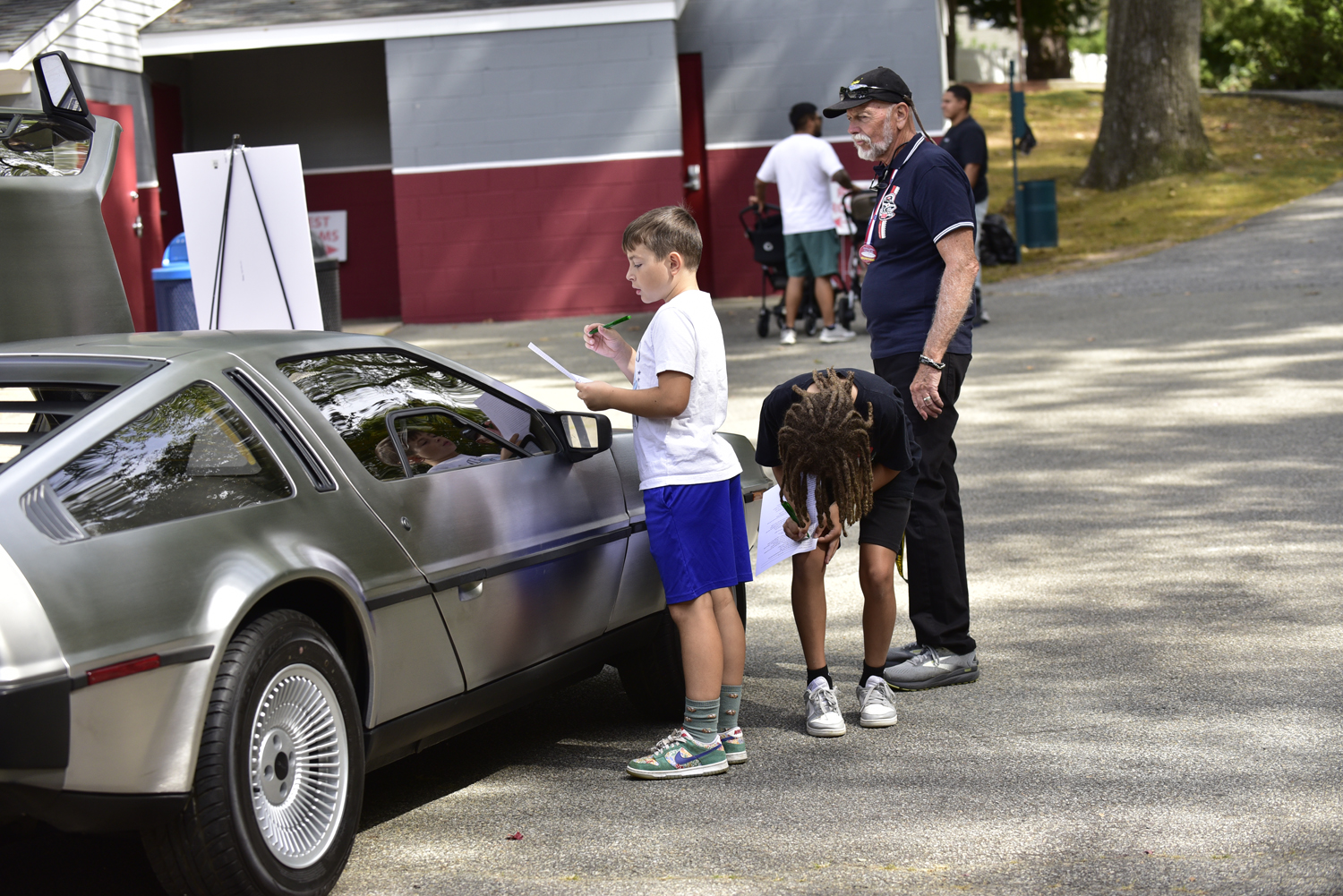

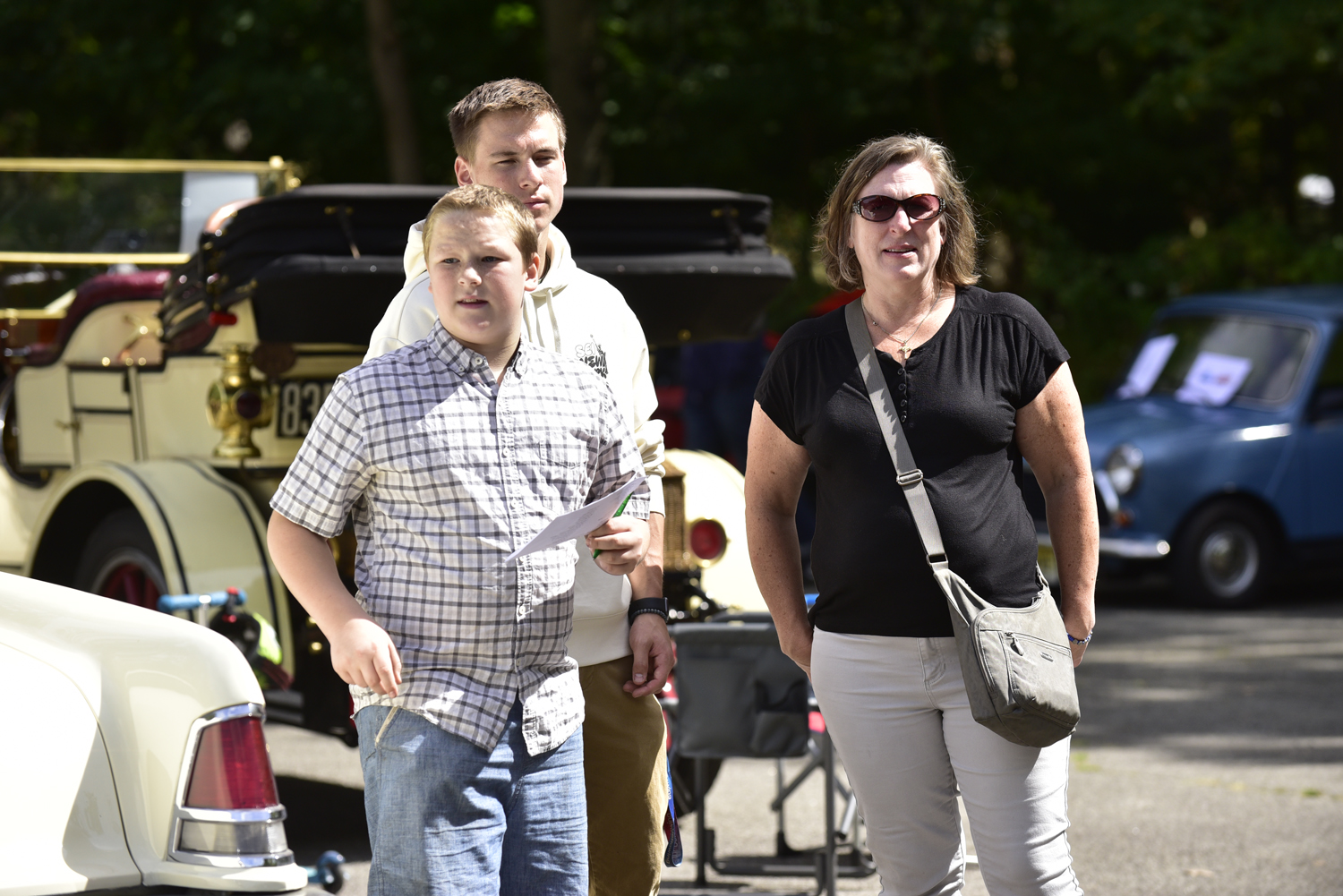
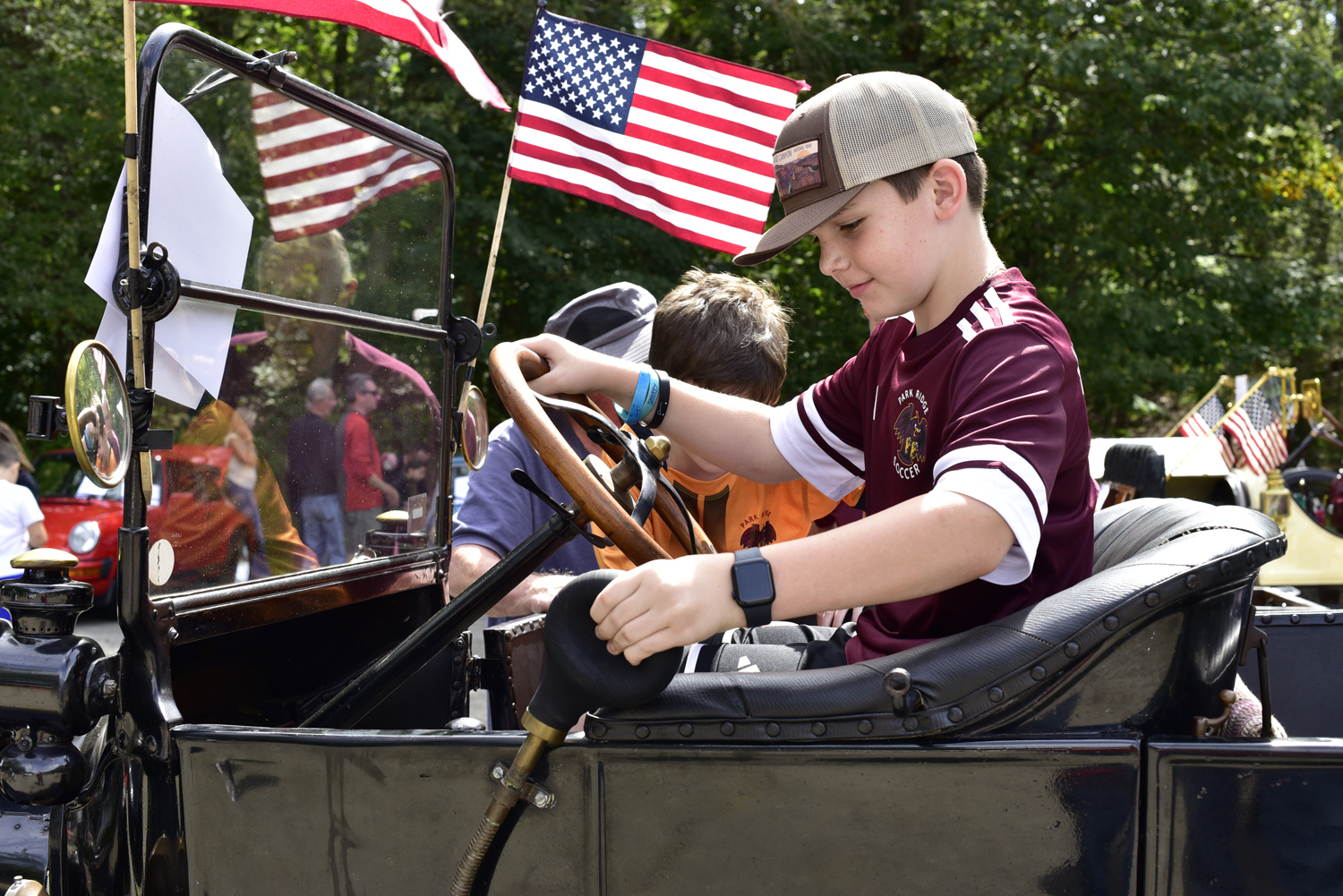

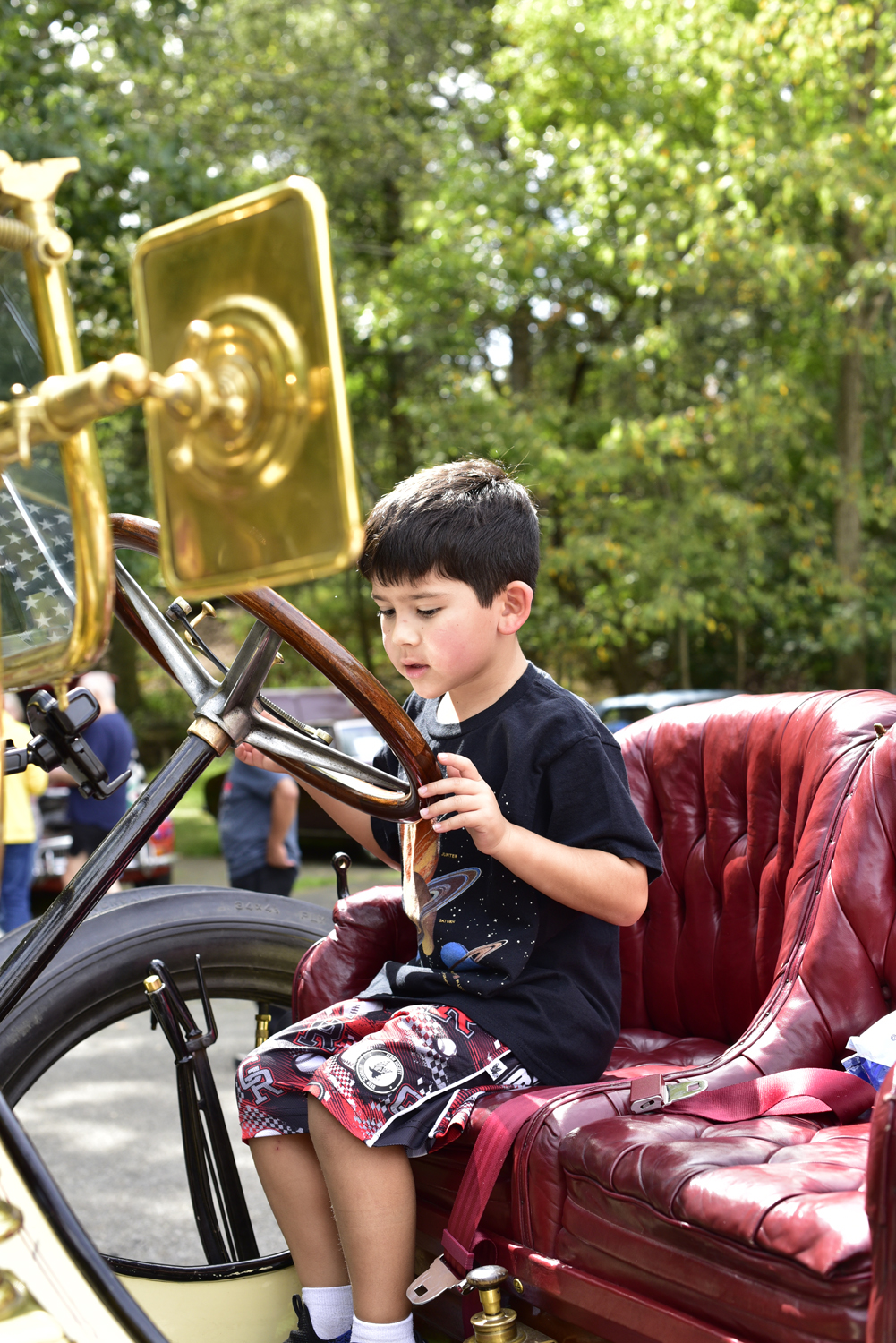
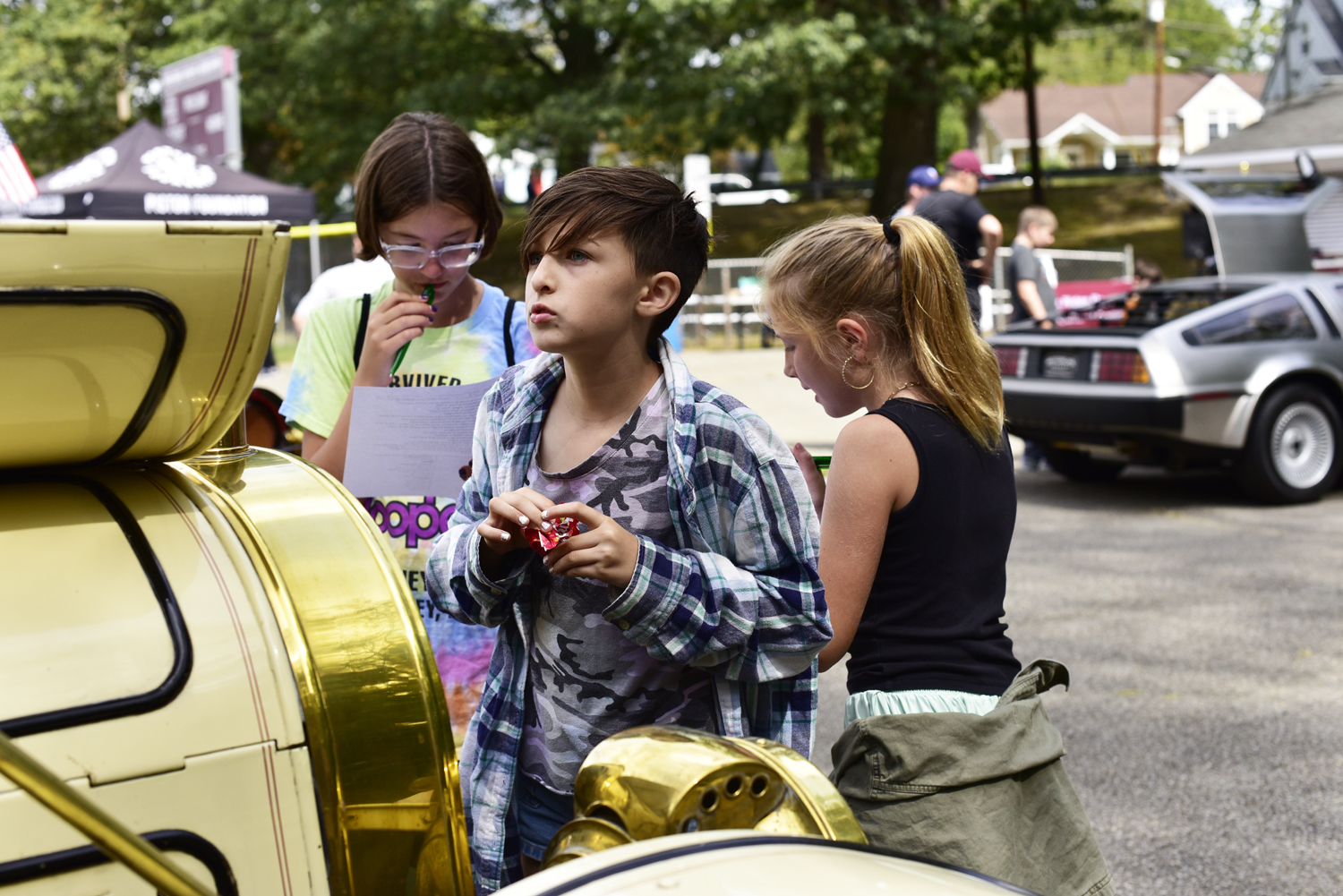
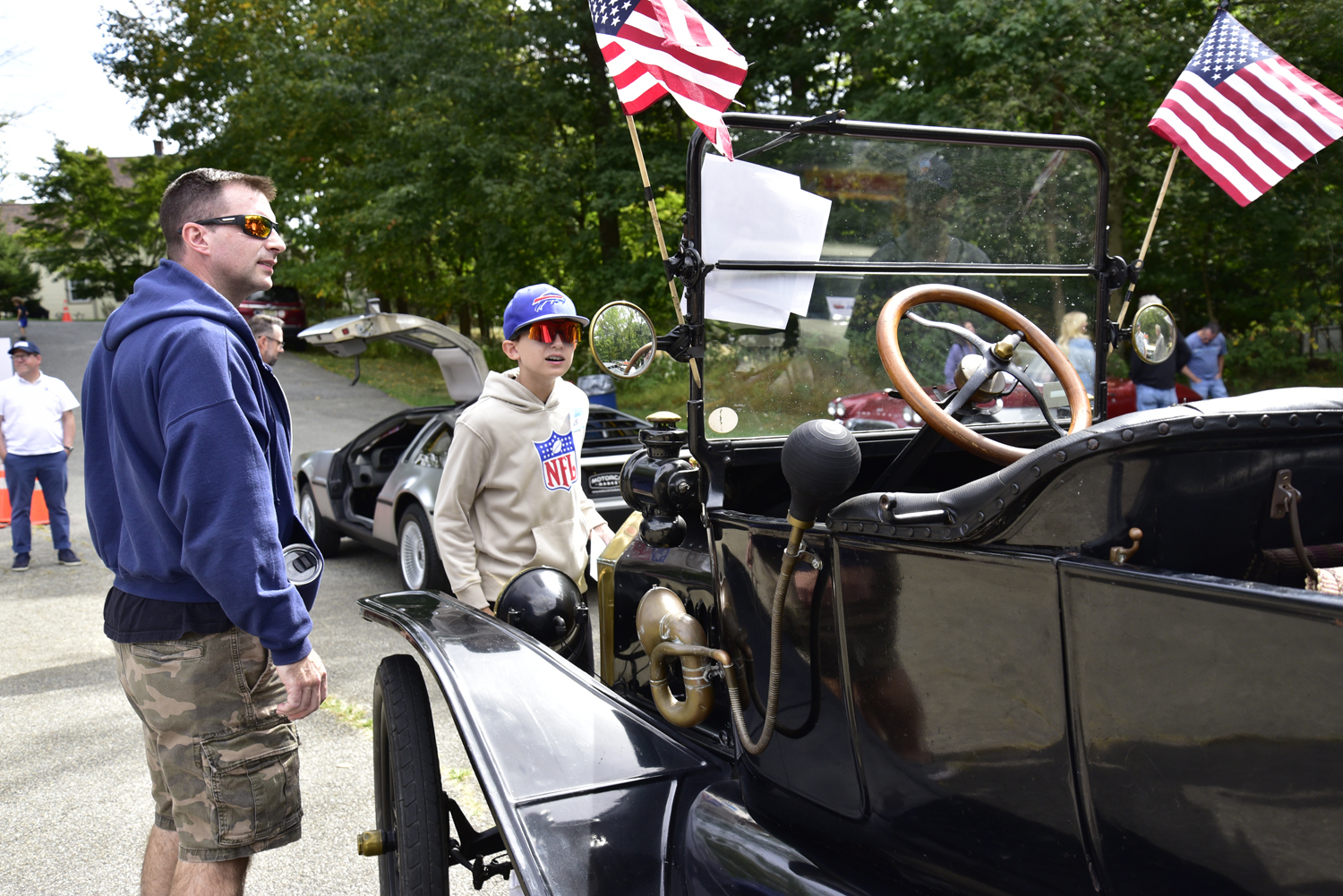
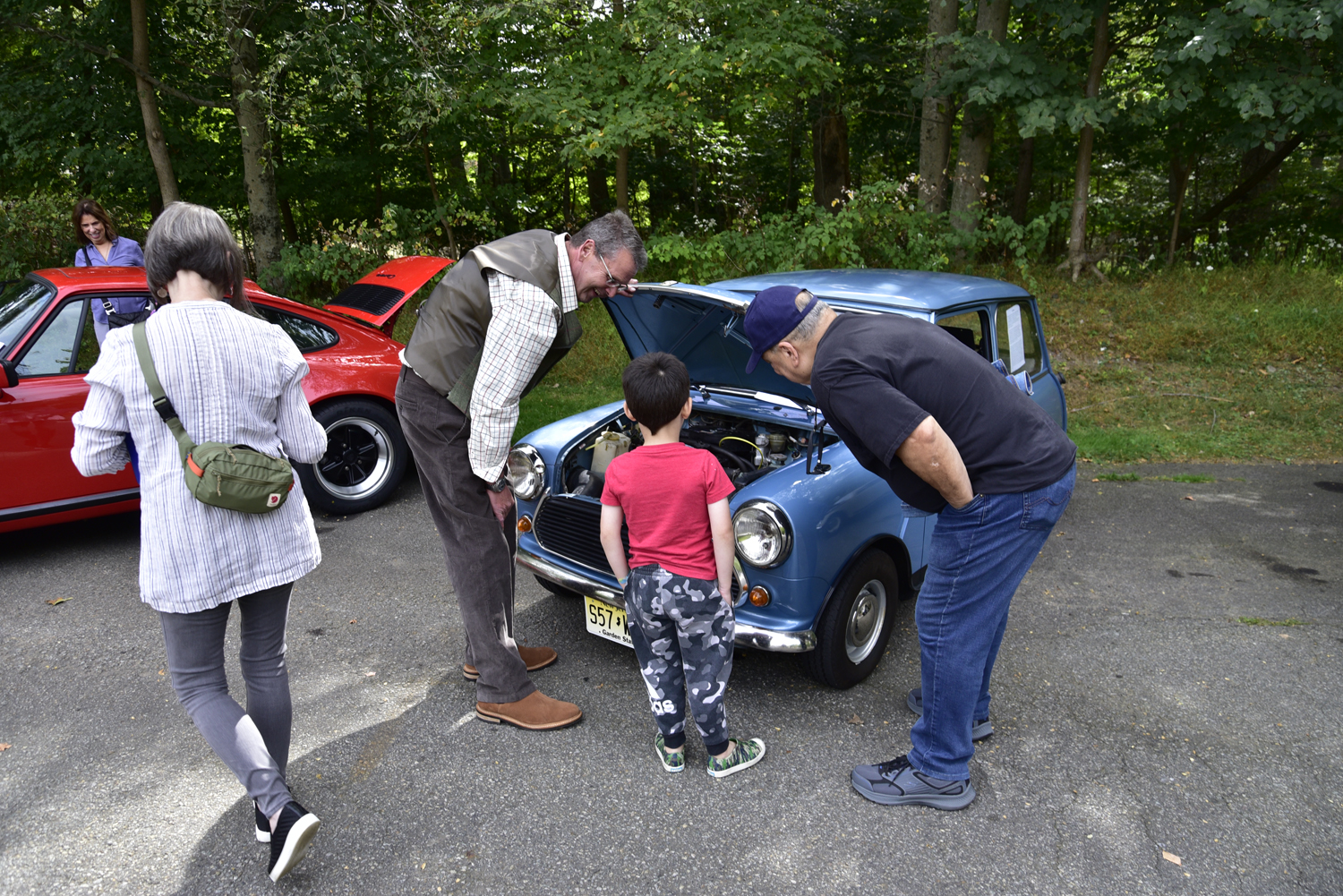
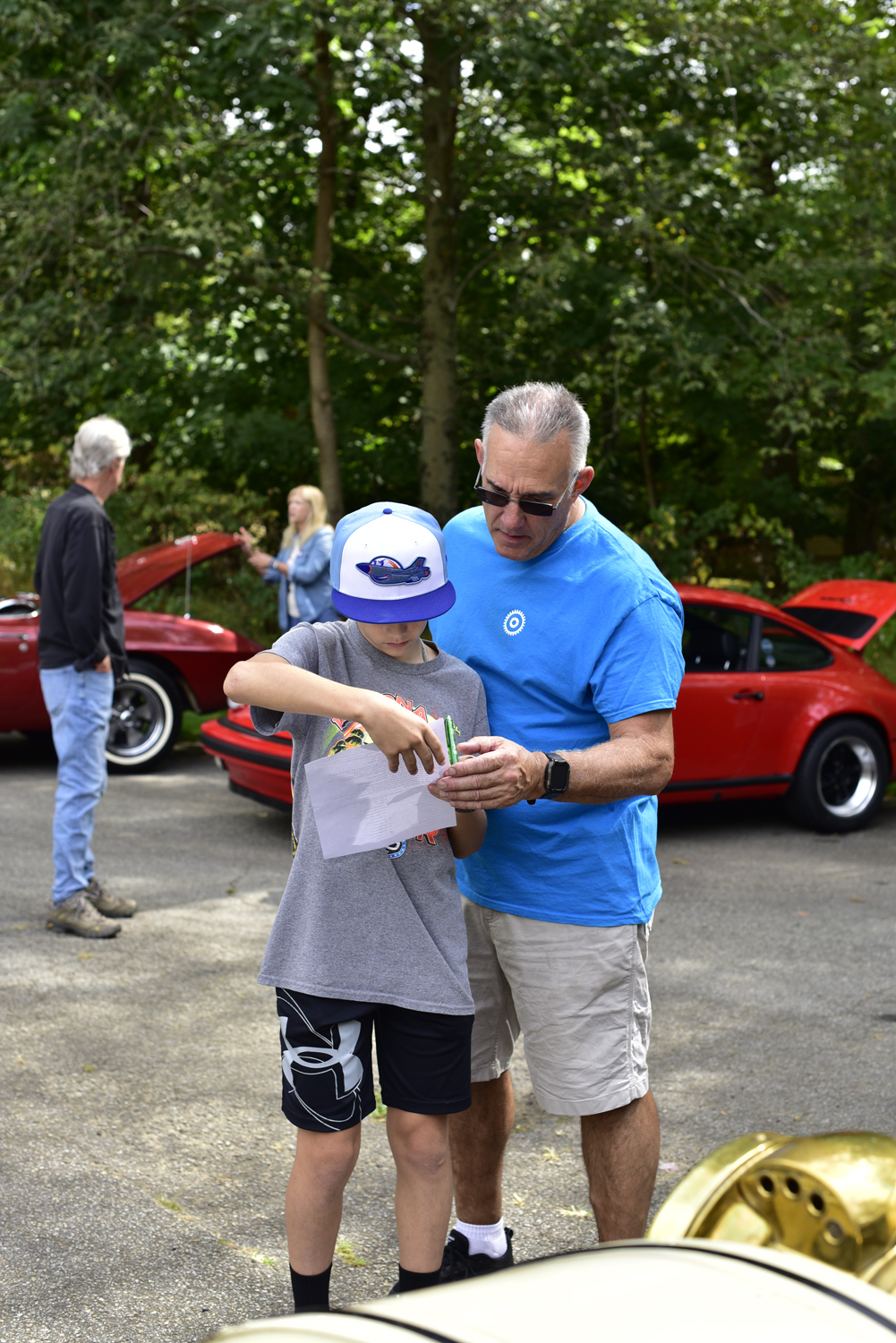

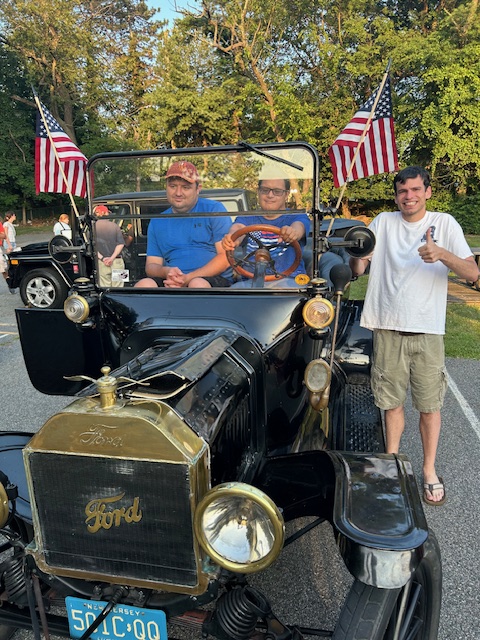
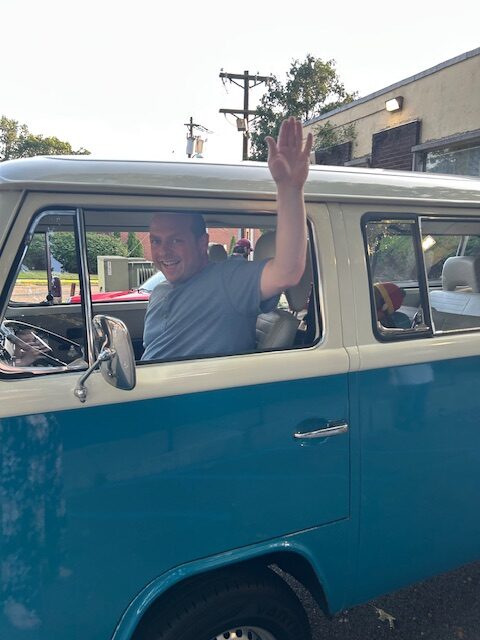 The “Car Show” represented a unique activity in the ongoing effort to create engaging monthly social events. In this setting these young adults could engage with the classic cars and the owners in a social setting with familiar faces. In so doing they could develop the social skills necessary to improve their quality of life.
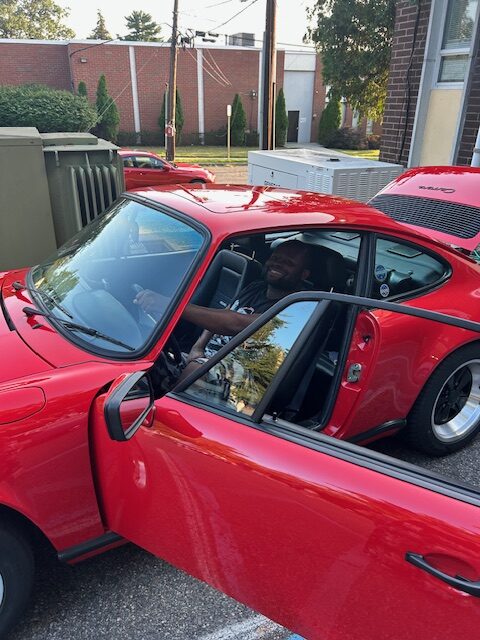 One great example of the conflicting cognitive versus social abilities of clients occurred with Peter, the owner of an especially nice 1986 Guards Red Porsche 911 Carrera and a knowledgeable car guy. One of the clients approached to view Peter’s Porsche. Peter invited the client to take a seat behind the wheel. “Oooohhh nooo,” the young man replied as he retreated from the interaction. A while later the young man returned to ask if he could, indeed, sit in the Porsche. Peter guided him behind the wheel while taking his place in the passenger seat. Peter in delightfully describing his shock says, “This young man spoke so knowledgeably about Porsches I was completely blown away. I never expected that.”
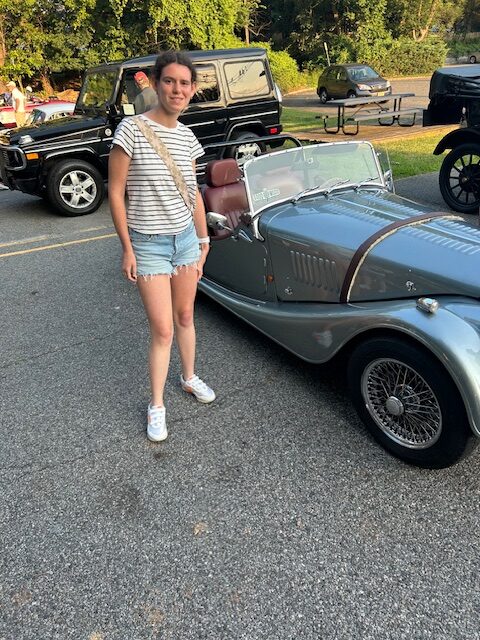 Car-centric activities engaged the clients throughout the evening till the summer sun sank to the horizon. Long shadows signaled that the time had arrived for the show to end. Illuminated in the golden glow of the sweet light cast by a setting sun, the eclectic collection of classic cars individually departed to the cheers of the clients as they gathered to wave goodbye to their new friends.
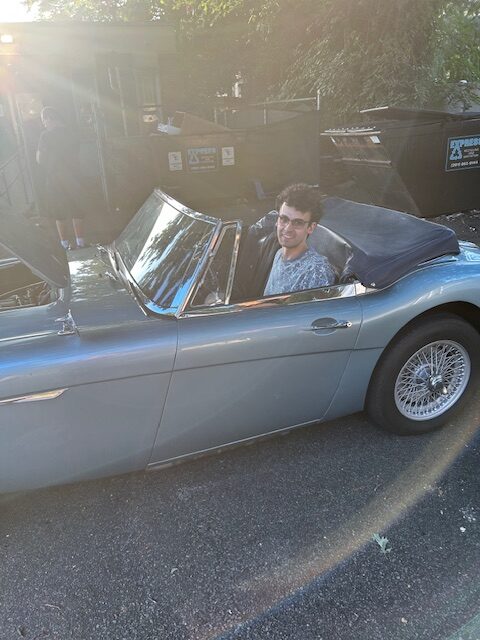 Both Arlene and Kayleigh praised the owners. Arlene said, “Your people were so patient. I watched and saw how some of them kind of stood back and observed. And when a client approached close enough to indicate interest that’s when the owner would slowly make his way over. He would casually go up and say, ‘Do you want to see it?’
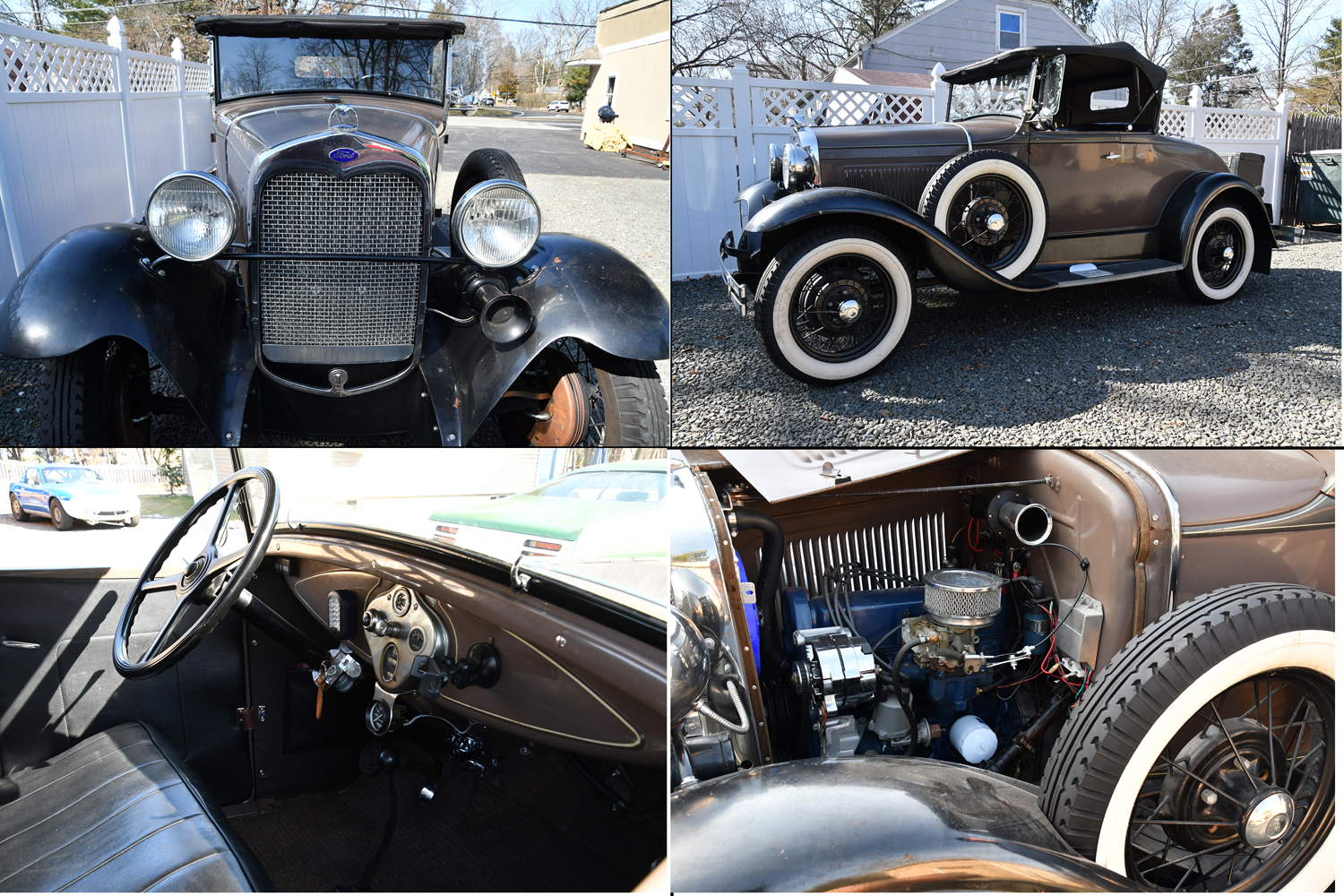
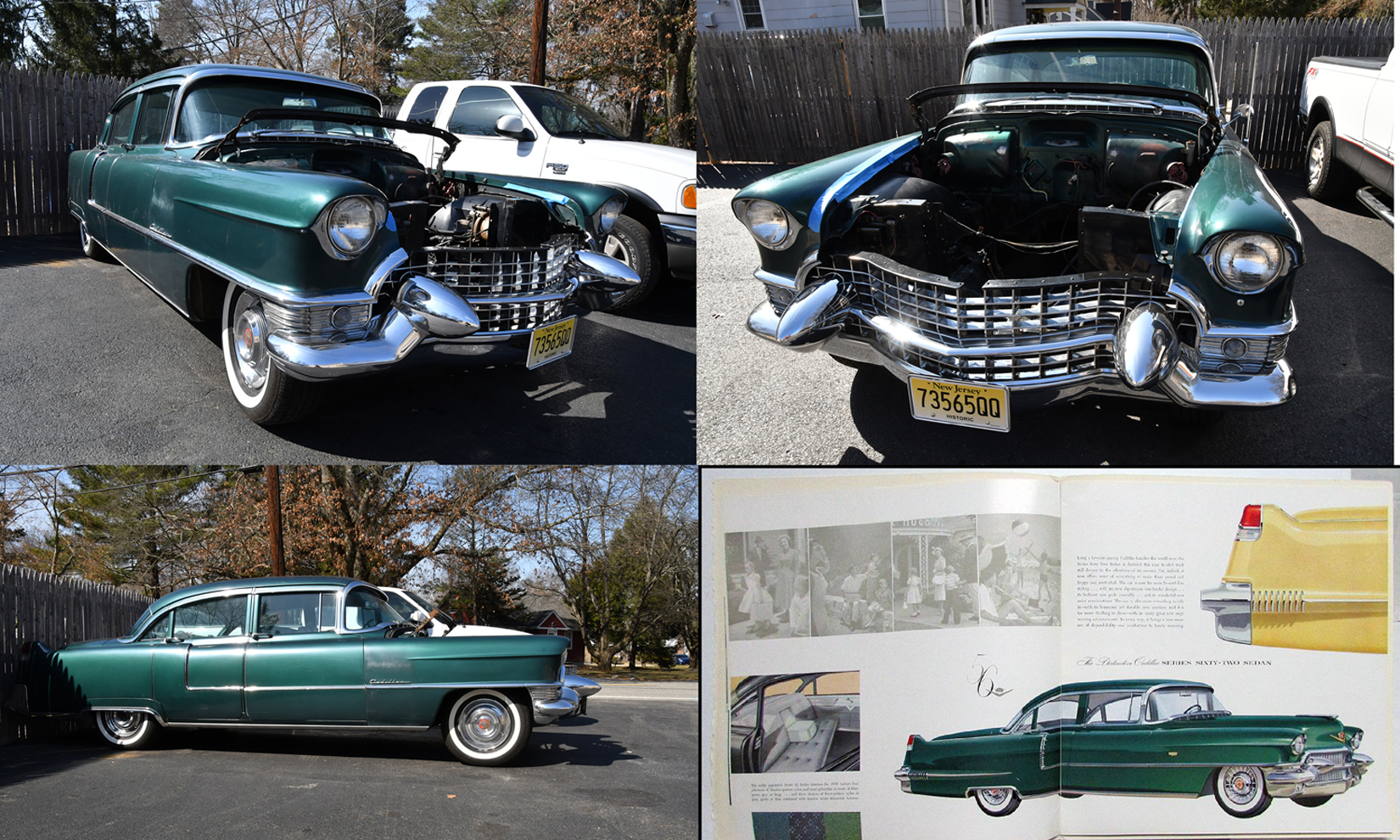


 Teams faced treacherous back roads that twisted through the rugged narrow mountain passes of the Italian back country that challenged both driver and navigator. Each race witnessed head to head competition between some of the most dominant performance vehicles from companies such as Alfa Romeo, Lancia, Ferrari, Mercedes-Benz, Porsche, Maserati, Aston Martin and Jaguar. In 1957 one of those vehicles, a Ferrari 335S driven by Alfonso de Portago had a front tire burst causing him to somersault through a crowd of spectators by the tiny village of Guidizollo. Eleven people including de Portago and co-driver Ed Nelson died. The dead included 5 children. This catastrophic accident outraged the Italian public to a such a degree that it ended the Mille Miglia as a competitive race and indeed pretty much ended all racing on public roads in Italy.
 how the previous two days were spent driving to Brescia in a steady downpour. Starting with Day 1 rain would never be an issue. Heat would be.


 Being the owner of a Jaguar XK120MC, I appreciate the intolerance for heat engineered into every XK120. As Day 5 approached conclusion, cars had to wait for an extended period idling in a queue under a blazing sun. As minutes ticked by and temperature gauges pegged, Many decided to simply shut down before damage occurred. I have noted that few photos of the 2025 Mille Miglia, if any, show incredibly credentialed and valuable vintage automobiles being pushed to the foot of the elevated stage. That said, I can now claim that while I never ran in the Mille Miglia, I did walk, as I helped Daisy Chu and Ping Hsu push their BMW 328 towards the finish line.