Cars We Love & Who We Are #3
Leaving the cold sun of winter behind, May brings the first hot kiss of provocatively lengthening daylight. Memorial Day approaches. Garage doors open to proclaim wrenching’s transition to a summer sport.
Even as the Coronavirus shroud lingers, the summer sun brings hope. Cars we love, like hibernating bears, prepare to leave their caves. We do all we can to help them. This is one man’s story.
Austin Healey? Nope! It’s Austin’s Crosley

Wayne Carini badly wanted Irv Gordon’s 3-million mile P1800, the world’s most famous Volvo. Bob Austin, who had joined Carini at the Long Island garage that housed Gordon’s collection since Gordon’s passing in 2018, possessed an equally passionate desire. However, though a longtime Volvo executive and Irv Gordon’s good friend, Austin’s yearning focused on another car in 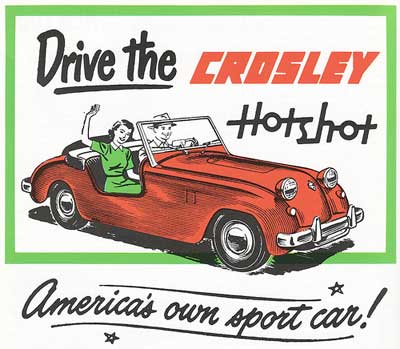 Gordon’s collection, a little green golf cart sized Crosley sports car.
Carini’s effort would bear no fruit. Gordon’s 3.2 million mile P1800 would assume its rightful place of honor in Sweden as a star at the Volvo Museum. Austin on the other hand smiled all the way home as the owner of a 1949 Crosley Hotshot with 4,700 miles.
Austin’s taste in automobiles might best be described as eclectic. Austin’s litany of past drives include a Ferrari, Avanti, Willy’s Jeepster, Cobra, Sunbeam Tiger, MG TD, Volvo 740 Turbo station wagon, a Royale Formula Vee race car (which presently resides in Austin’s living room…no really, his living room), but his heart belongs to Crosley. Austin’s youthful dalliance with an NSU Sport Prinz is best considered a telling behavioral marker foreshadowing his lifelong blind love for anything Crosley.
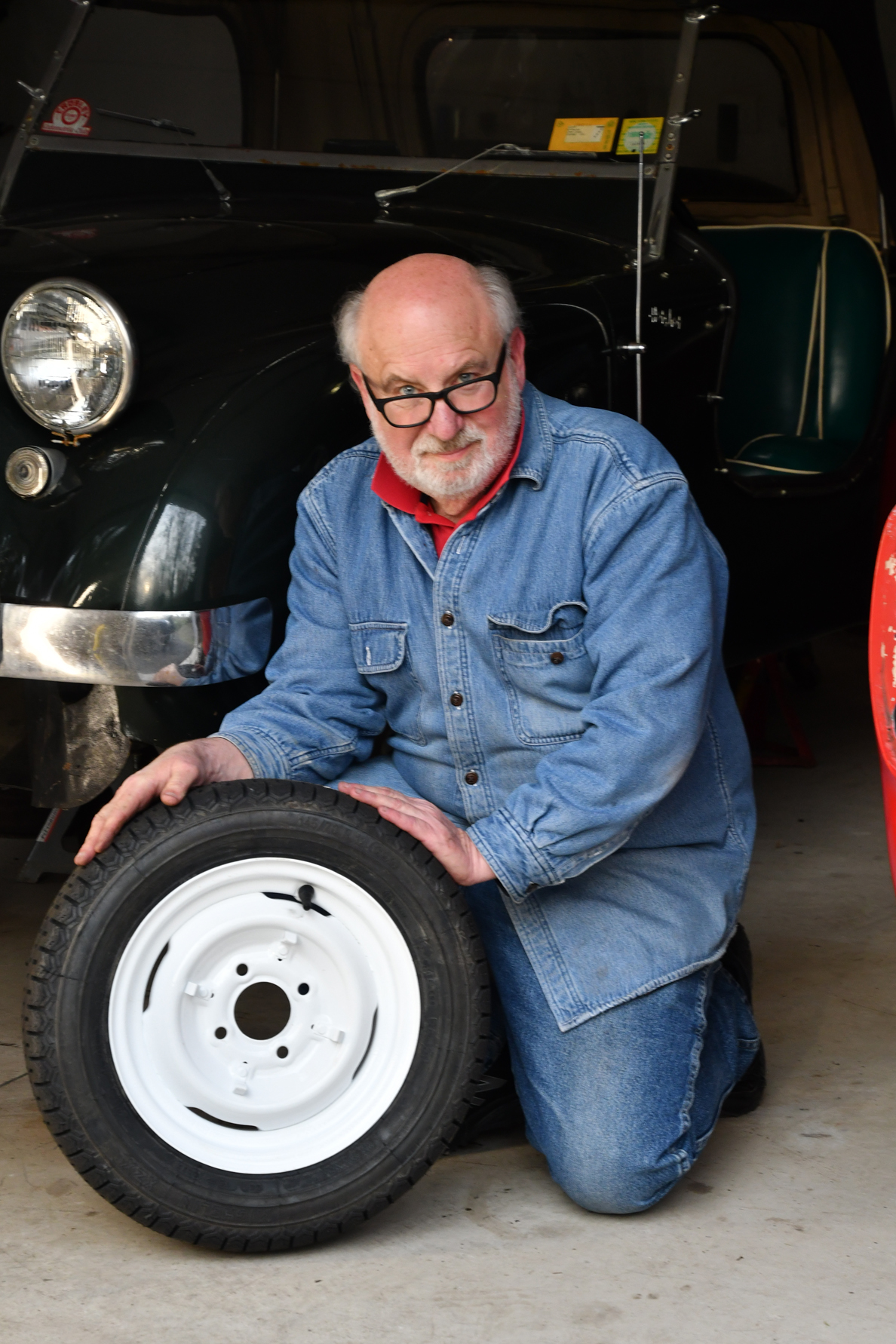 Peering behind Austin’s unapologetic passion for vehicles born of Powell Crosley’s post-WWII foray into the automobile business reveals, as is often the case with curious behavior displayed in adulthood, a childhood experience.
As a 10-year old, Austin loved his father’s 1957 Chrysler. With giant fins, sleek visual dynamics, hemi power and a massive road presence, that Chrysler bristled with character cues that George Barris would later employ in creating Adam West’s iconic Batmobile. However, young Austin could not conceive of piloting that finned chrome behemoth. Boy and beast just did not connect. But then one day…
Young Austin laid eyes on a Crosley. In recollecting that first glimpse, Austin says, “As a kid I thought hot damn! This is a car I can relate to.” For young Austin here was a car built for him. It had little tiny wheels and tires on a kid scale chassis. He could imagine driving a car like this and working on a car like this.
Sporting a smile with roots in a child’s dream, Austin says, “Every time I see one, it takes me back to that joy experienced as a 10-year old.”
Restored in the early 1980s, Irv Gordon’s Hotshot was last driven in 1988. Austin finds the 4,700 mile odometer reading quite believable. Acknowledging the Crosley’s limited comfort, Austin says, “I doubt anyone could drive a Crosley much more than that.” Austin notes that when dealing with hills, the Hotshot’s 46 cu. in. 25.4 HP engine is incapable of breaking any posted speed limit.
Austin’s initial intention simply called for new tires and a fresh battery. However, the Covid-19 lockdown restricted his driving opportunities, severely limited his ability to register the car and expanded his free time. Thus, the Covid-19 pandemic while sparing 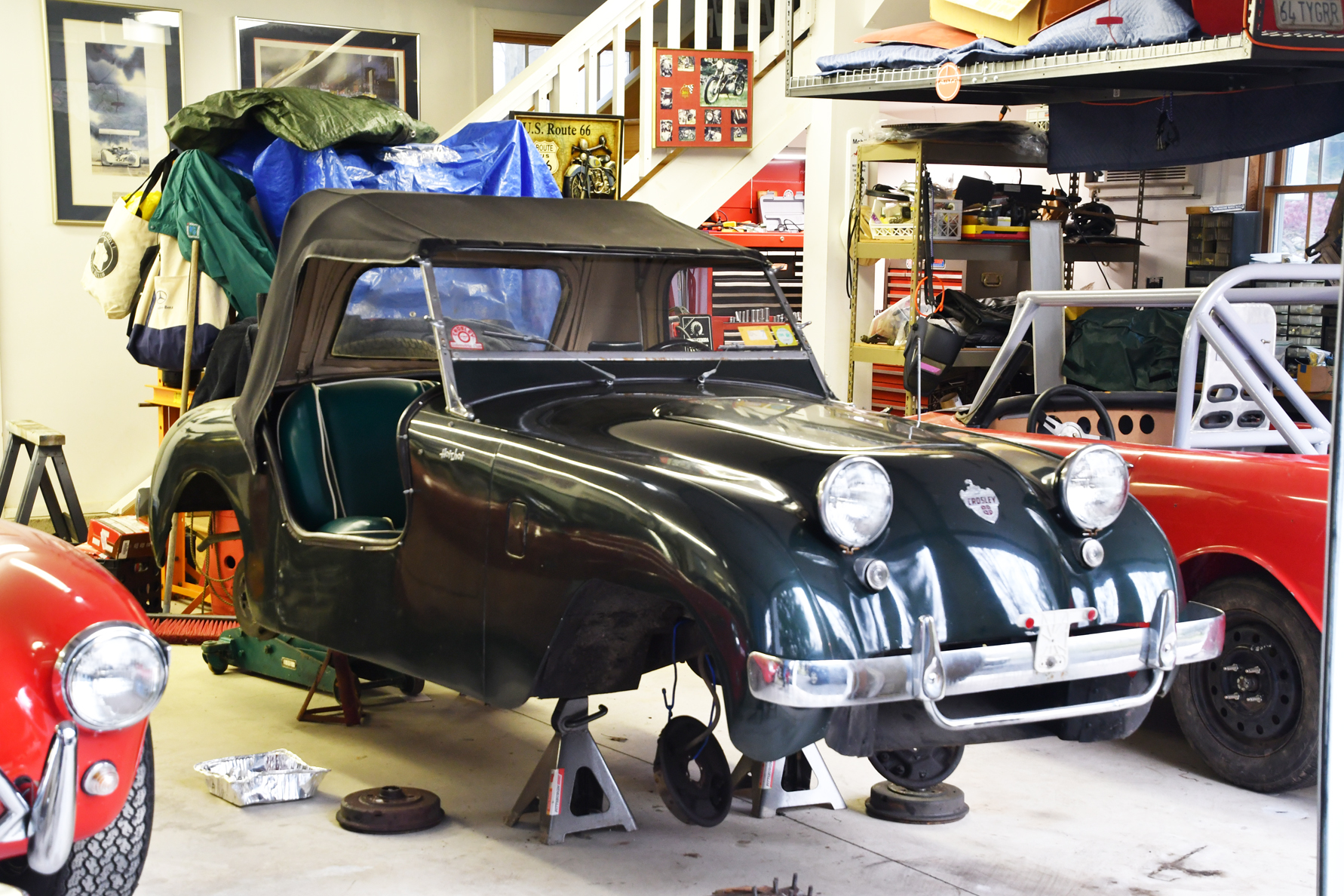 Austin’s health infected Austin’s Hotshot project with the dreaded “Scope Creep.”
The famous slippery slope witnessed “new tires and a battery” drift into “maybe those kingpins seem a little sloppy’ to presently where the disassembled suspension and brake components litter the floor below the four jack stands that suspend the shoeless Hotshot like Luke Skywalker’s Landspeeder in dry dock.
“It will be finished by June,” says Austin. As he lowers the garage door he looks back at the Crosley and flashes a smile that remains forever young.
 Clinging to the craggy eastern face of New York’s Storm King Mountain, Storm King Highway delivers majestic views of the southernmost fjord in the Northern hemisphere better known as the Hudson Valley.
 Whatever your point of departure for Storm King Highway all roads lead to Route 9W. Heading north from the Bear Mountain Circle, one experiences a palpable sense of not only traveling through towns but traveling back through time. Old structures from the early days of motoring mingle with landmarks recalling the early days of the nation.
 Leaving 9W for Route 218 North in Highlands Falls, Storm King Mountain looms above to the west. The section of Route 218 between Lee Rd. in the town of Highlands to the South and Cornwall-On-Hudson to the North demarks the section of breathtaking two-lane that merited Storm King Highway’s inclusion in the National Historic Register of Places.
 Be aware that you may not be the only motoring enthusiast attracted by the allure of Storm King Highway’s charms that day. Don’t meander over the double yellow. Best to assume someone around the next bend will be whipping a juiced M3 coupe or WRX to within an inch of your life.
 Another mile will bring you into the heart of Cornwall with its many shops, attractions and restaurants.
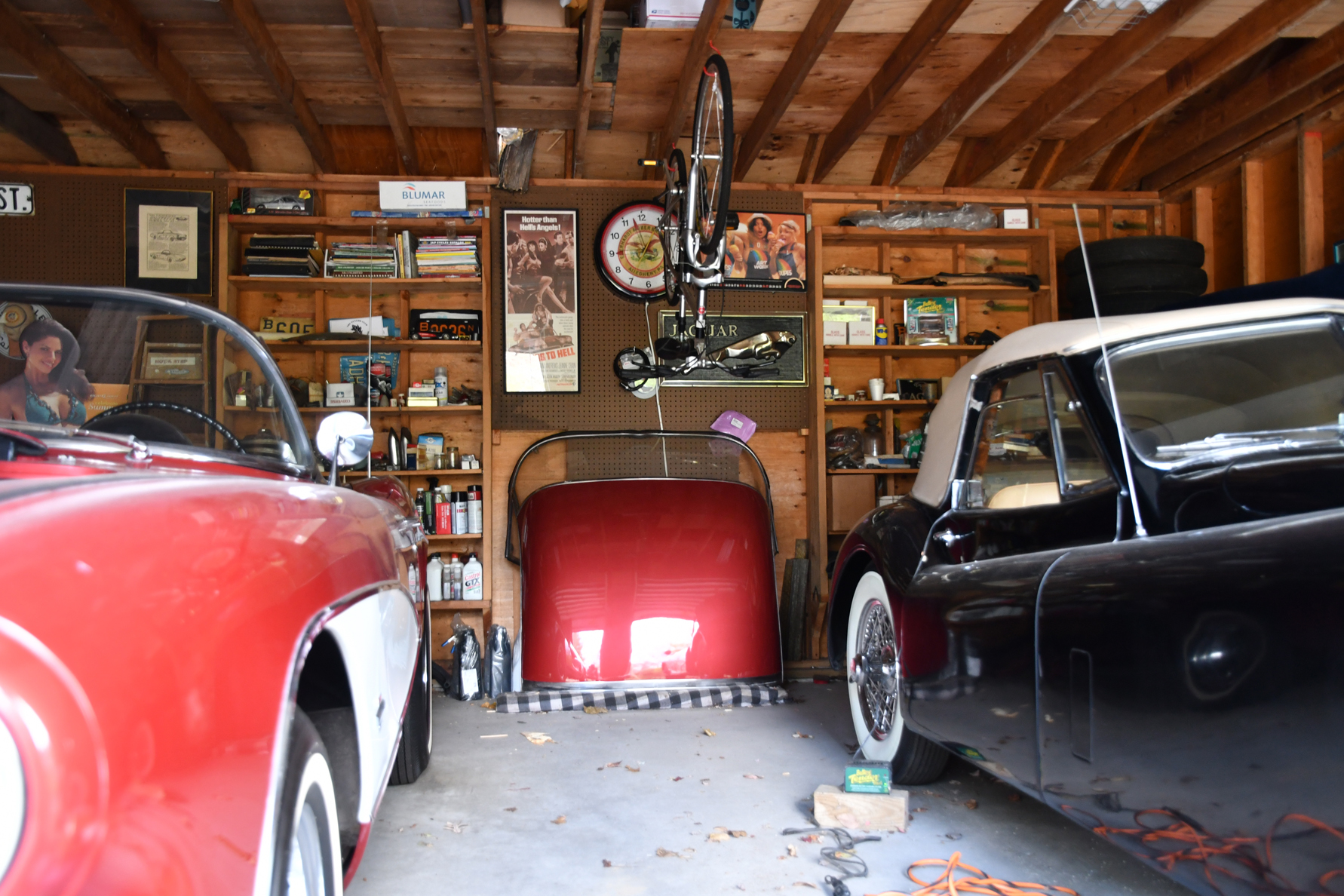 Having launched Drivin’ News, I decided to take a brief staycation at a favorite destination, my garage. Birthing the blog consumed a significant amount of time. Occurring as it did during the Covid-19 lockdown it served as a time gobbling blessing. However, being time consuming it had kept me away from my garage. No longer.
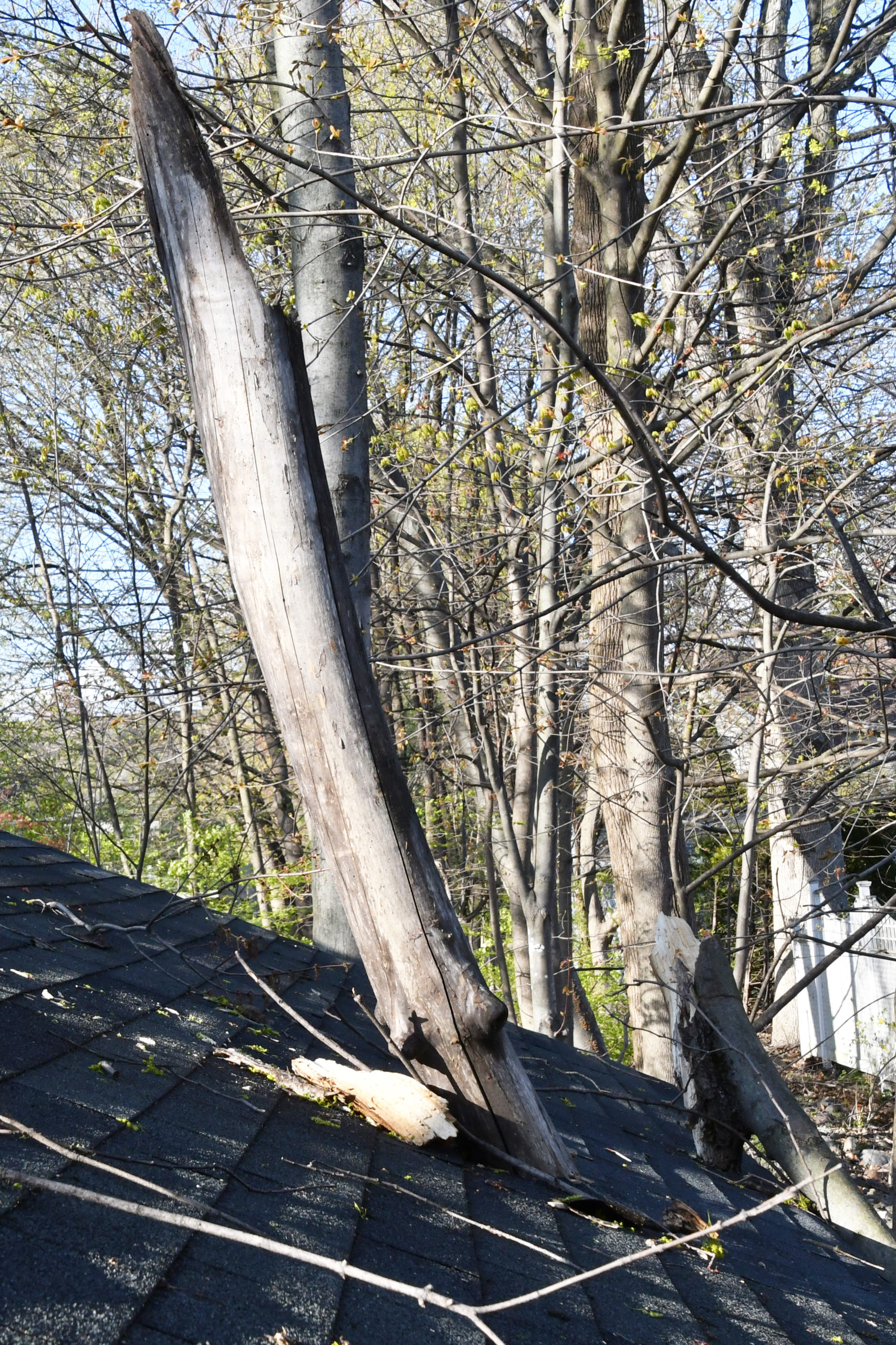 Broken plywood? After a frozen moment absorbing the incongruity of its presence on the garage floor, my eyes flashed everywhere in pursuit of clues.
 First out of the garage came the Corvette which had a healthy deep throated rumble when put away for the winter. It fired up without hesitation. However, apparently, the engine gremlins had visited my freshly rebuilt small block during winter hibernation. Any engine speed around 2700 rpms or above produced an ugly chorus of intense backfiring. I chose to grandma the mile or so to my alternate shelter. Engine issues would be addressed but the garage would come first.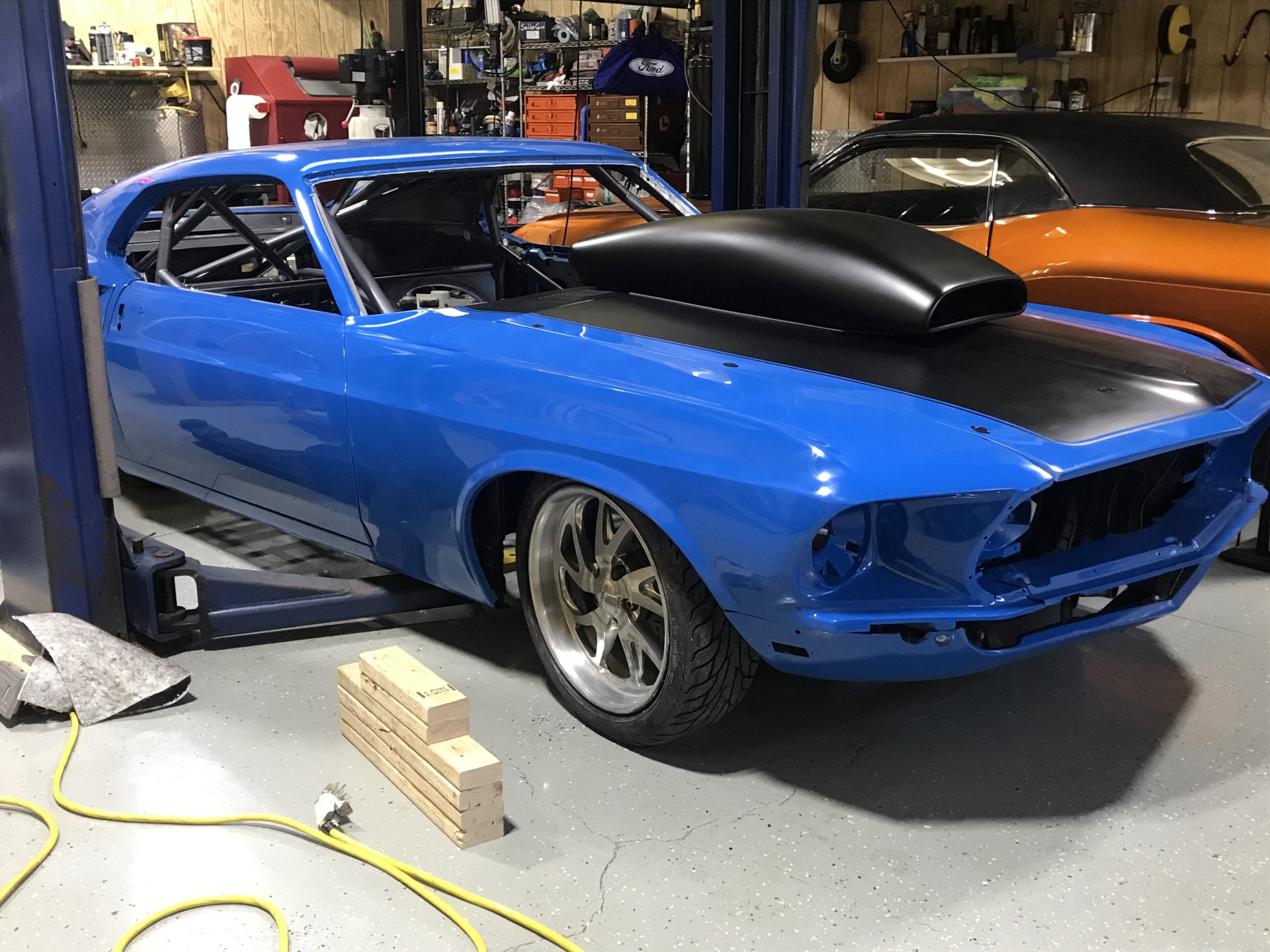
 By the early 2000s Varjan’s Mustang sat literally as a sad shell of its once high performance self. Little remained of critical support structures. For “Collectible automobiles” class members it was the epitome of the “Buy It Or Bury It” question. In Varjan’s mind the choice was clear, scrap it or start from scratch with a tube chassis. As Varjan says, “Anyone in his right mind would have scrapped it. Still that Mustang meant so much to me, I decided to rebuild it.”