Cars We Love & Who We Are #8
Over my decades of motoring along mostly forgotten blue highways, catching sight of an abandoned vehicle long retired to an open field ranked as the visual prize in the back road Cracker Jack box.
Whether huddled next to a weathered outbuilding or a lifeless shell serving as its own gravestone in a windswept field, it fascinated me.
The forsaken and forlorn car or truck rests in a virgin bed of weeds. Witnessing it defending its integrity in an inevitable losing battle against oxidation and time, I would wonder what stories it could tell?
While often no more than a pile of patina with a shape sustained by little beyond a memory, that vehicle, for me, always held out the hope of a fresh and satisfying story waiting to be savored like a new apple from an old tree.
However, while I often stopped, I rarely pursued the story.
Now, as life has afforded me more opportunities to travel blue highways in a more leisurely fashion, I am committed to harvesting the rewards of asking “what’s your story?”
So it was with this 1946 Dodge.
What’s a “Vineyard truck?”

It came into view as the gravel road crested behind the sheep farm on a stony hill overlooking the Atlantic Ocean in Martha’s Vineyard.
Bulbous pontoon front fenders projected a decidedly 1940s look. Though denuded of trim and trappings and literally put out to pasture, the strong and stylish truck cab projected a defiant attitude.
Its Tonka Toy-like early post-war architecture displayed a kaleidoscopic patina with patches of color that indicated a life with many chapters.
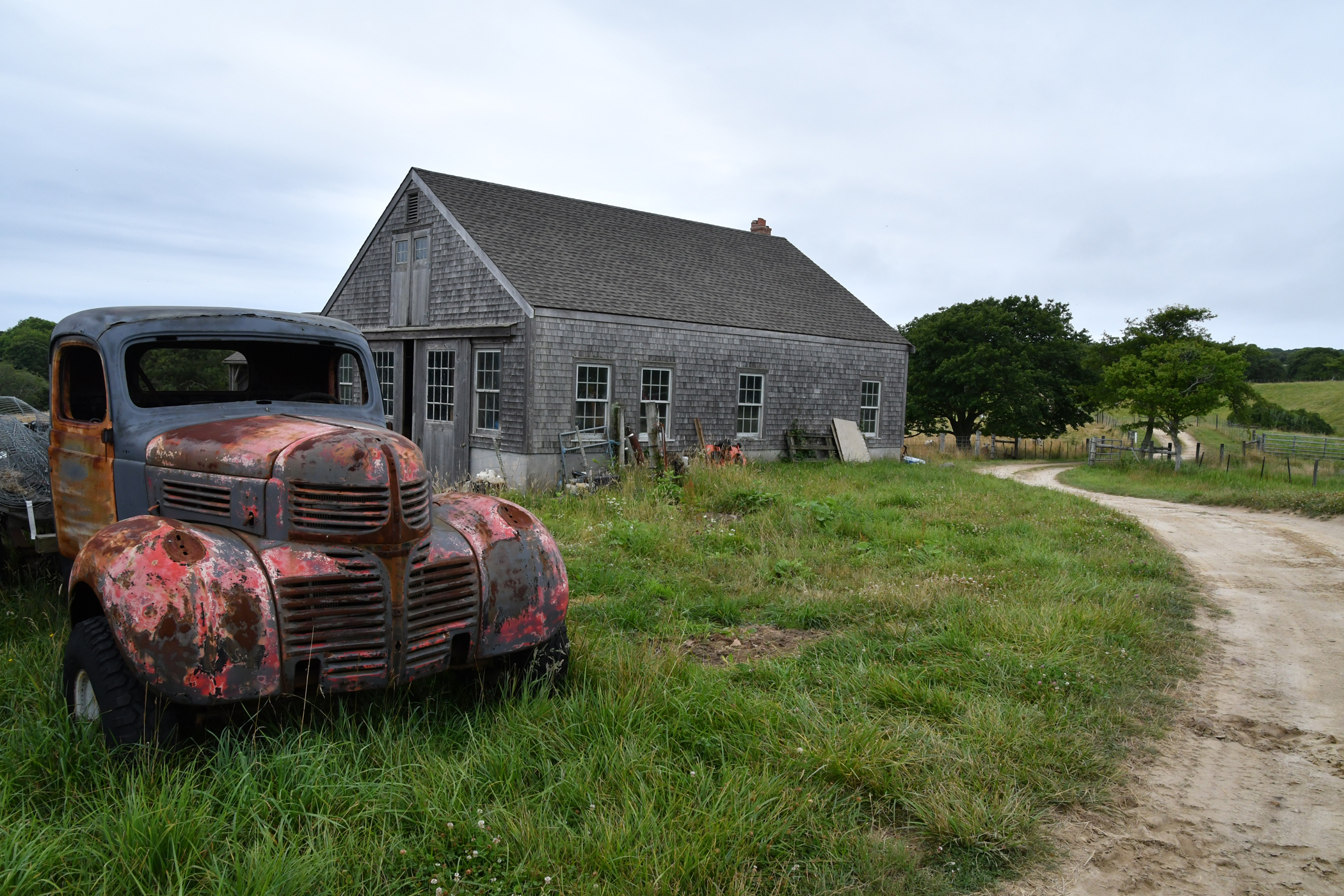 Away from the truck a path led to a rustic barn and sounds of a man at work.
“That your truck on the hill,” I asked. “Yes sir,” came the reply. A tall friendly man in his 30s with a red neckerchief exited the barn. He introduced himself as Steve Broderick. I asked “What’s your story?”
Martha’s Vineyard has dual personality disorder. Both coincide on the same spot of verdant land off the coast of Massachusetts. During the summer months the mega-rich, simply wealthy, ex-presidents and self important celebrity types summer in rustic splendor. George Soros thinks it’s swell.
For the rest of the year with summer and glamour gone elsewhere, when snow falls and bitter winds sweep down barren beaches one finds the people who call Martha’s Vineyard home and who seal deals with a handshake. Many of those people survive by renting out their homes that have been passed down from generation to generation for the short but highly prized summer season. Steve calls it the Vineyard scramble.
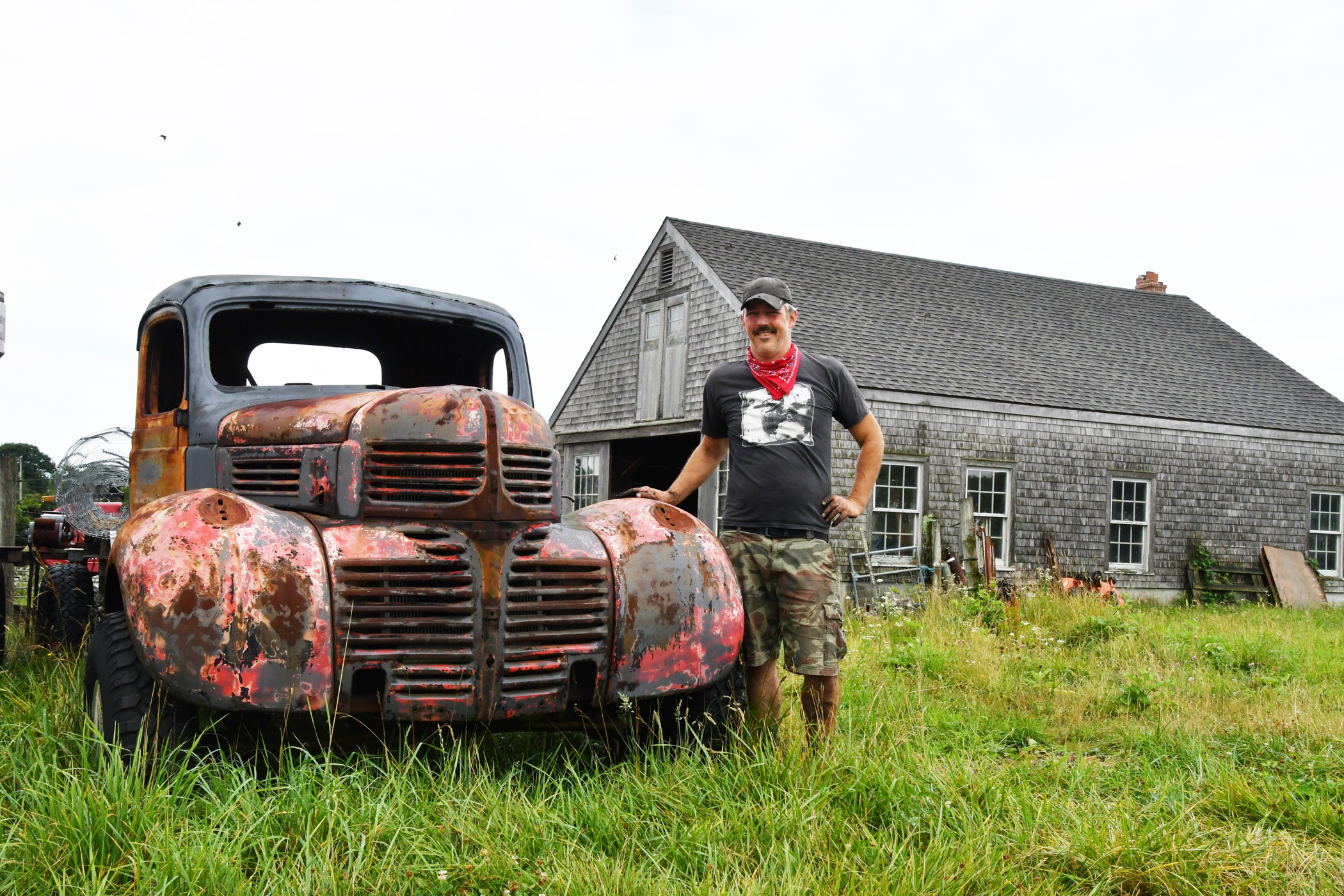 Steve, a talented mechanic, is not one of the mega-rich. Born and raised on the island, Steve rents out his house and performs repairs for a local farm.
It’s a 1946 Dodge one ton. “I’ve always liked these Dodges. They are not as popular as Fords or Chevies, but they’re so stylish.” Says Steve.
With the Dodge’s long standing history in front of a friend’s shop across the island, the truck had acquired the status of “permanent fixture.” In 2009 Steve bought it. According to Steve it was pretty complete.
Steve had a plan.
Steve envisioned the Dodge becoming a “Vineyard truck” daily driver. “Vineyard truck?” Clearly, like a “Brooklyn bagel,” a “Vineyard truck” had to exhibit certain taste-based standards to qualify.
“Its nuanced’” said Steve. He continued, “A ‘Vineyard truck’ is not too shiny. It should look like it has a story behind it. By the mere fact that it still runs, it should inspire a general observer fascination. It is not a rat rod, but its patina affords it a certain rough hewn style. It’s a bit freaky, a bit funky. It’s got to be usable. You know, tow a trailer. Go to the dump. Rumbling past you a “Vineyard truck” is big on cool. When it passes you should almost feel the history. Yeh, history is good.”
No simple solution would do for Steve. His plan involved fitting the Dodge body on the chassis of a low mileage 1988 Ford F350 cut van ambulance that he also owned. Steve wanted his Vineyard truck” to look like 1946 but drive like 1988.
Once back at his shop, the Dodge was completely disassembled. The first three years produced great progress. All sorts of body work, floors and according to Steve a horrifying amount of fabrication.
However, at the top of the challenge list loomed integrating the F350 chassis and the Dodge body. Steve retained the column shift, power steering, everything.
 The very sound F350 chassis featured a 7.3-liter International diesel engine with the C6 3-speed automatic transmission. “The 7.3 is a good engine though not an exceptionally high performance engine, but It does sound cool,” says Steve with a smile.
An enormous amount of re-engineering brought the dissimilar hero and donor vehicles into a smoothly operating, if rough looking, truck. In reflecting Steve’s professionalism, he said, “Doing it right demanded an enormous amount of engineering.” But I‘m a mechanic, you know, it’s got to work right.”
So how did the Dodge end up in the field? “Life,” says Steve. In 2012 life dealt him a hand that would result in his facing single parenthood with three boys, a five–year old and one-year old twins.
At that point the Dodge ran great. It just was missing the trimmings. It needed an interior, glass and a bed.
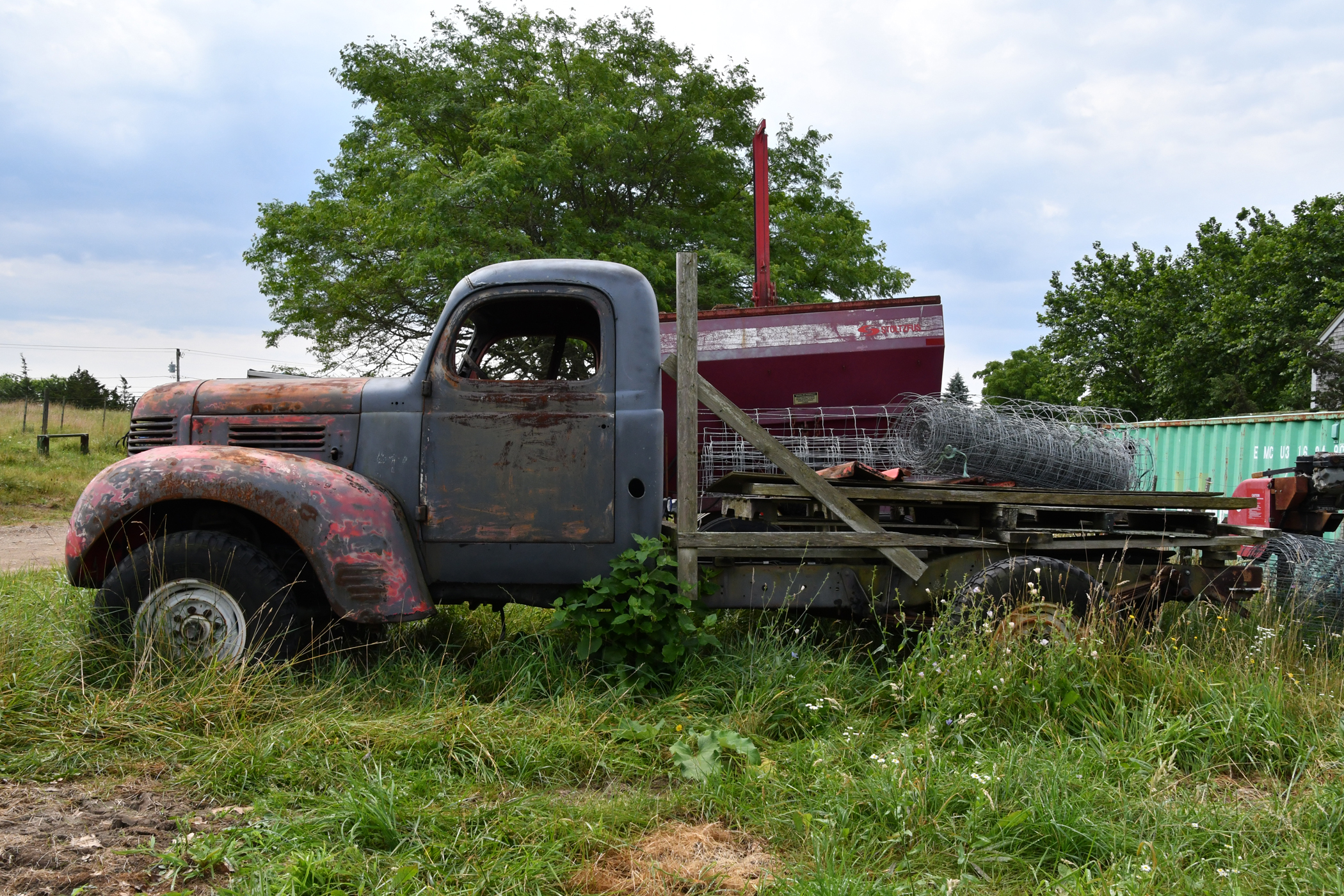 We would go out for a few burn-out sessions and donuts in the field. “But,” says Steve, “I had to shut the project down. I had to focus on the kids. I no longer had the budget or the time.”
With his ‘46 Dodge stoically sitting there, Steve estimates that completing the truck would take a year and about $7,000. Neither of which he presently has to spare.
“However, with most of the re-engineering done,” a smiling Steve says. “In a few years it could make a great dad and kids project.
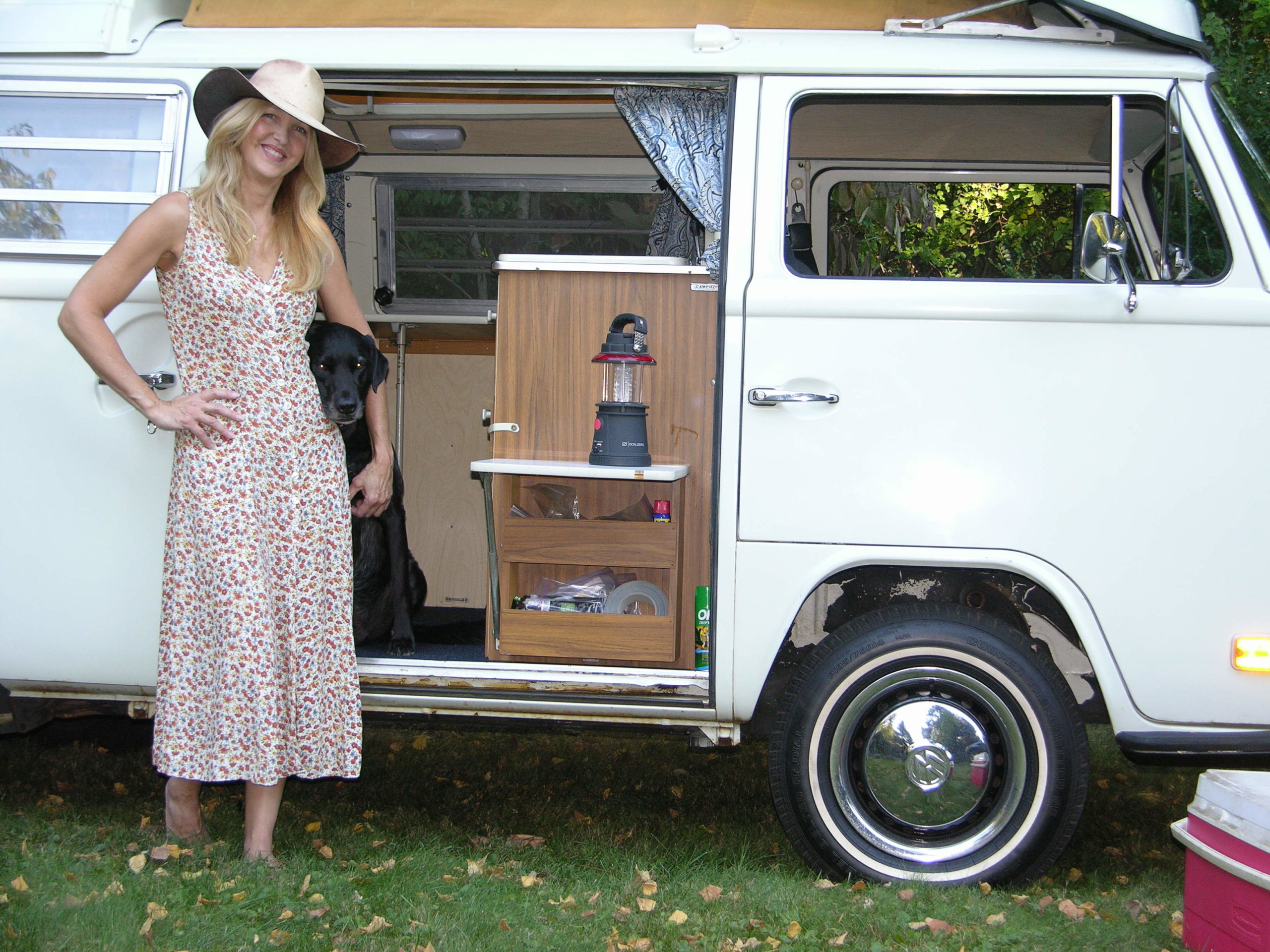
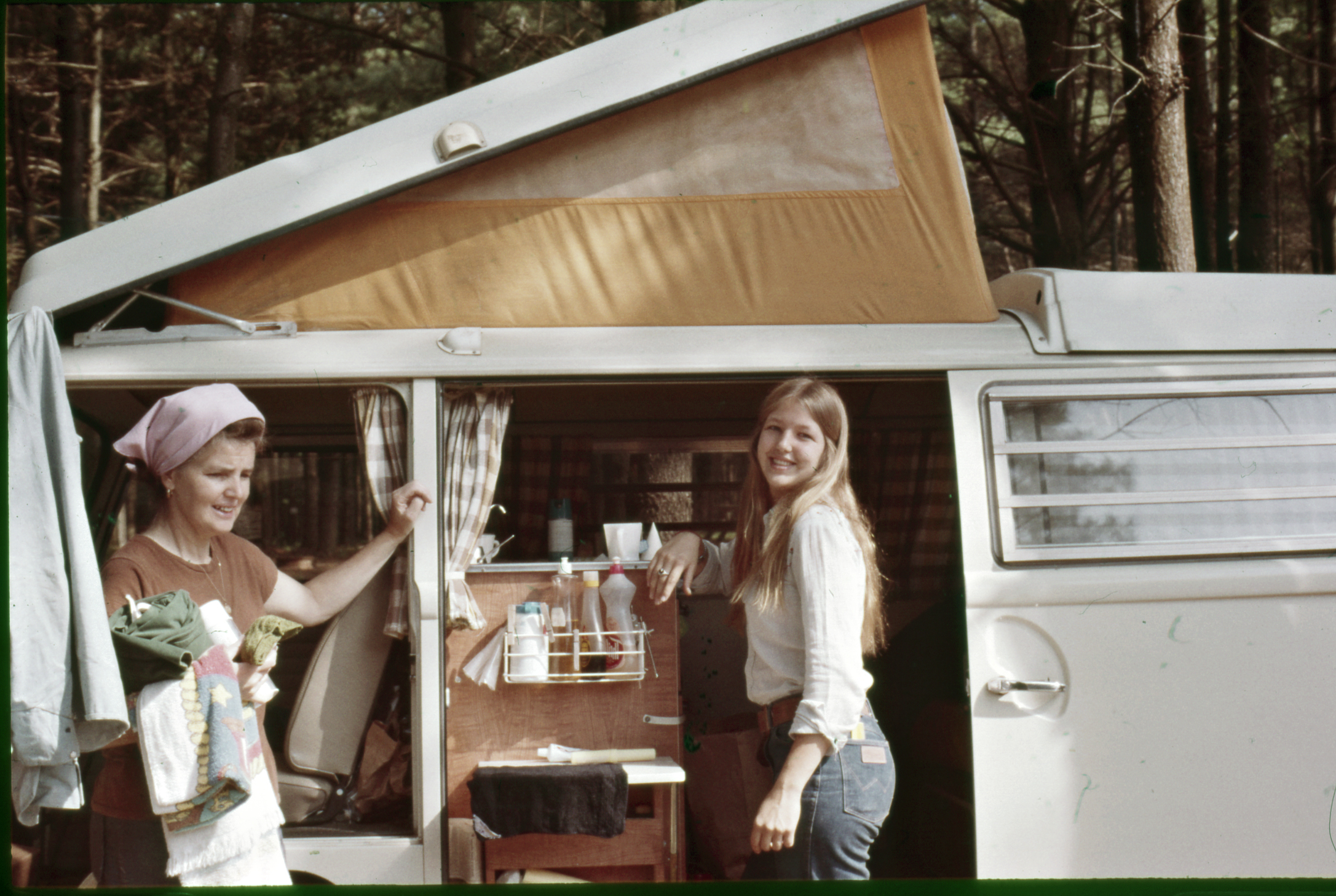 2014 ad found while I surfed The Samba.com website. “What country is it in?” Elaine asked with conversational interest. While not a “car guy,” Elaine always waxes fondly when recalling teenage cross country family road trips in her family’s 1970 Westfalia.
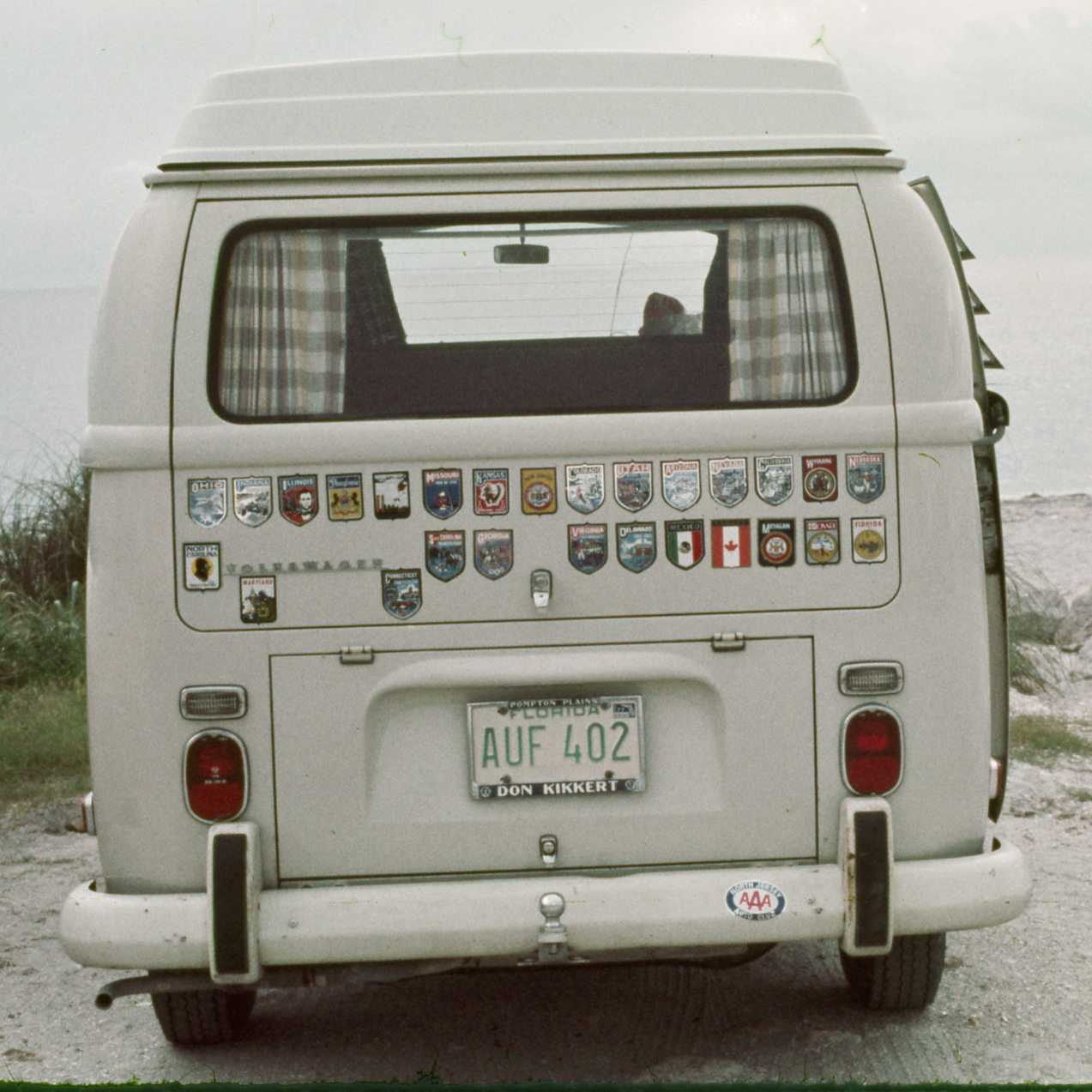 Memories of her father, a retired Jersey City motorcycle cop, her adventurous mother and BFF brother generate nothing but smiles when Elaine recalls 6-week escapes in the early 1970s where the family visited mountains, prairies, and, yes, oceans white with foam.
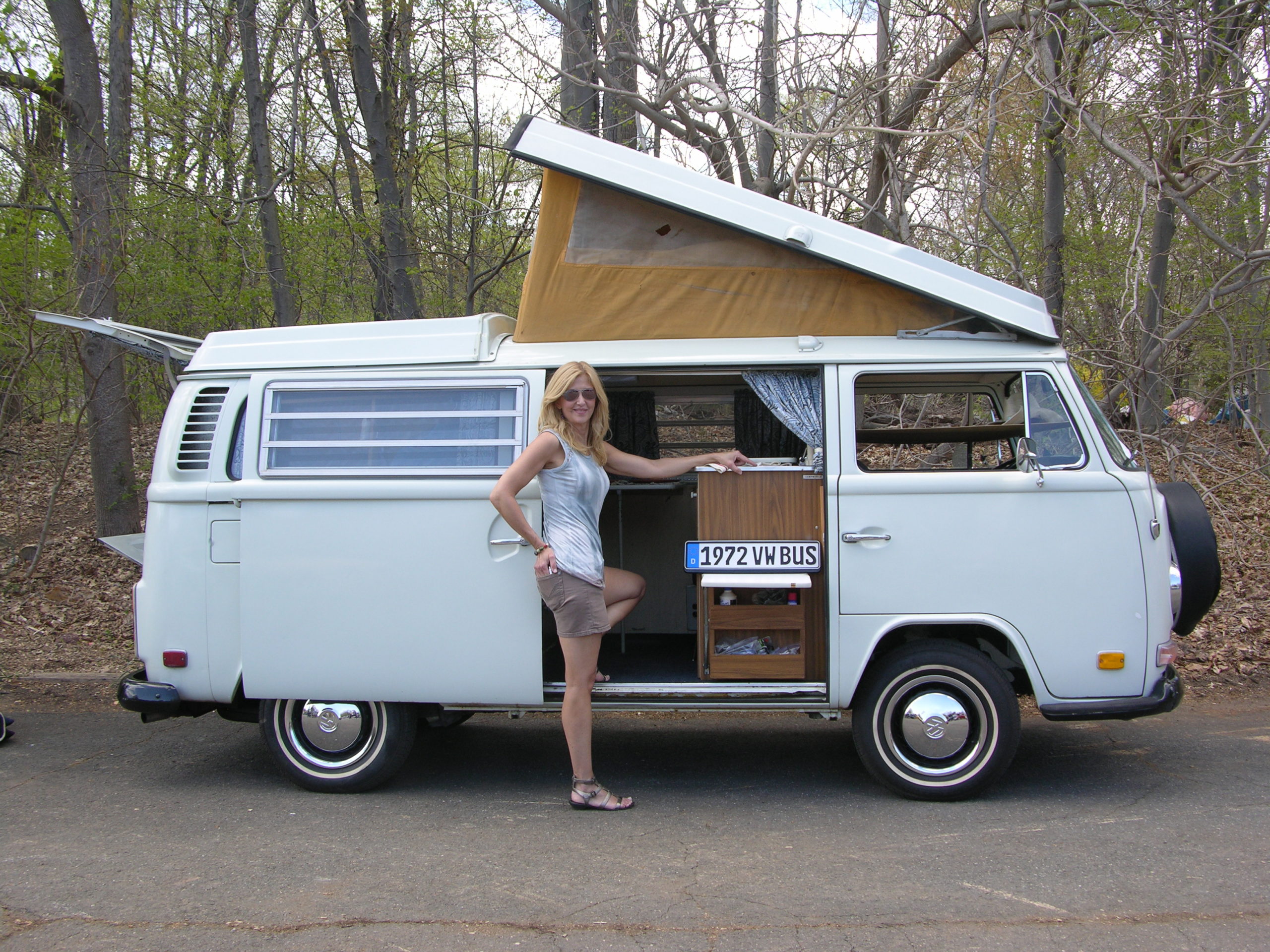 ile between her home and the van owner’s house.
 k later while attending her first car show as an owner, she found an endless stream of visitors eager to sit inside the van. Little kids, parents, police officers all shared a common fascination. As the roll call of awards rang out over the sound system, the final award went to the “People’s Choice.” The people had chosen Elaine’s van.
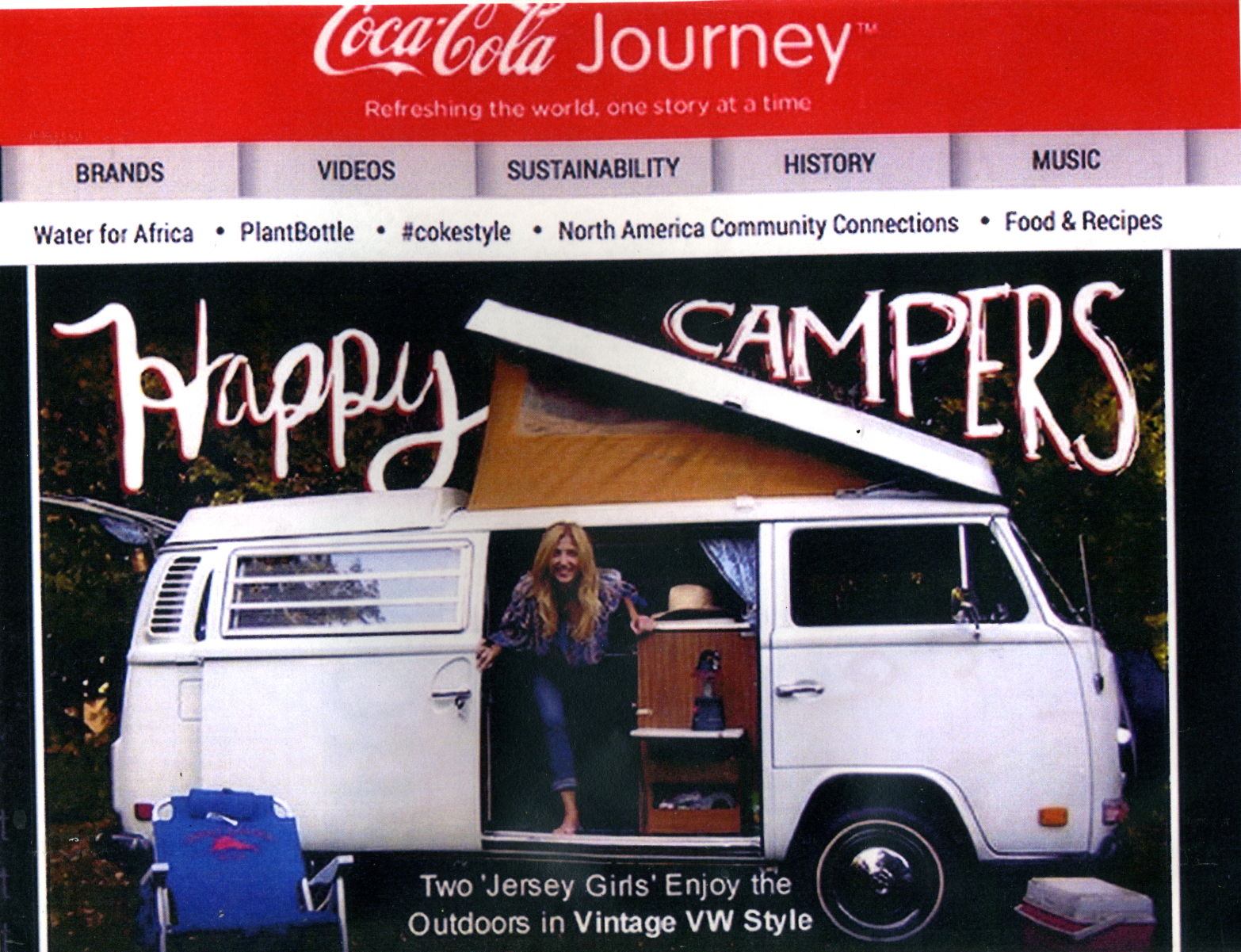
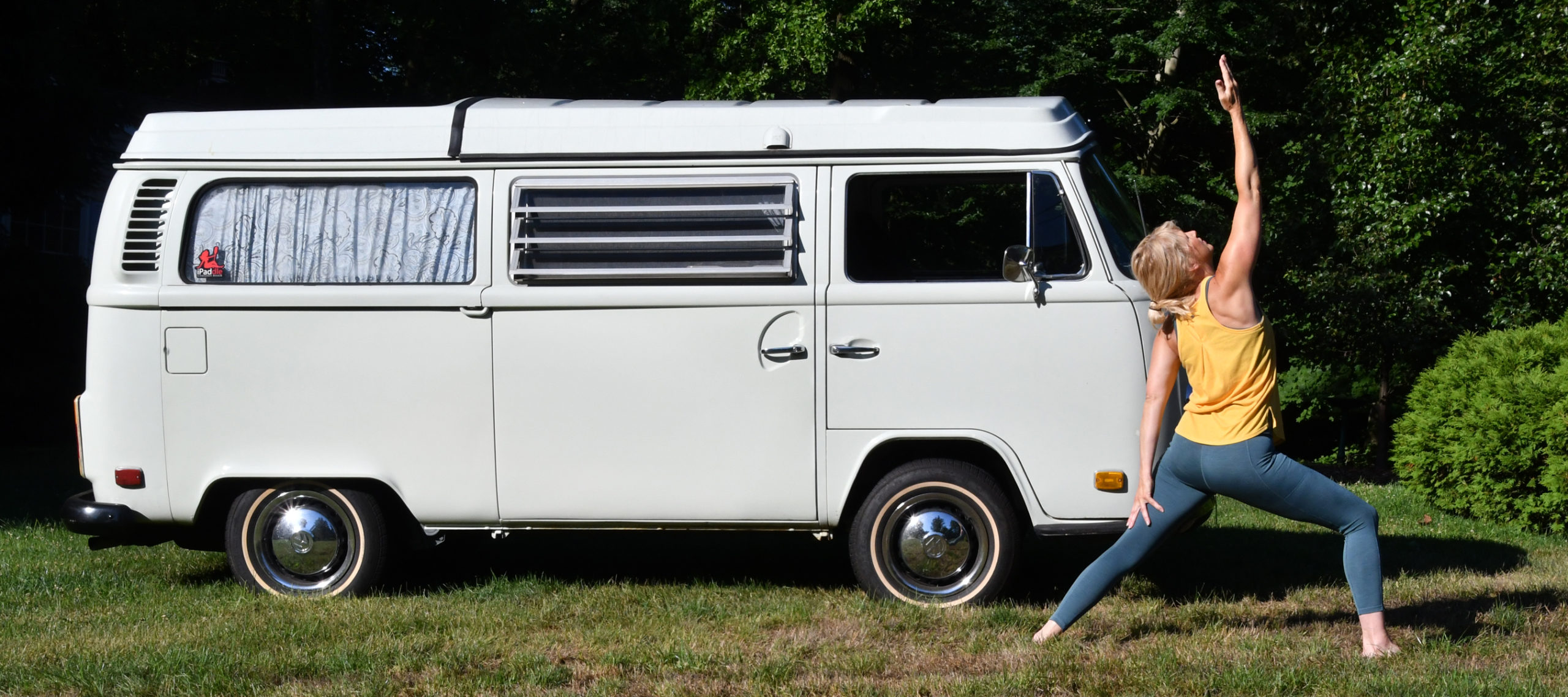 van has become a locally recognized fixture as, together, they traverse the county in search of interesting garage sales and more importantly to manifest quality yoga experiences. Training as a yoga teacher, Elaine will incorporate her Westfalia in offering an open air yoga experience she has developed called “Roadhouse Yoga.”




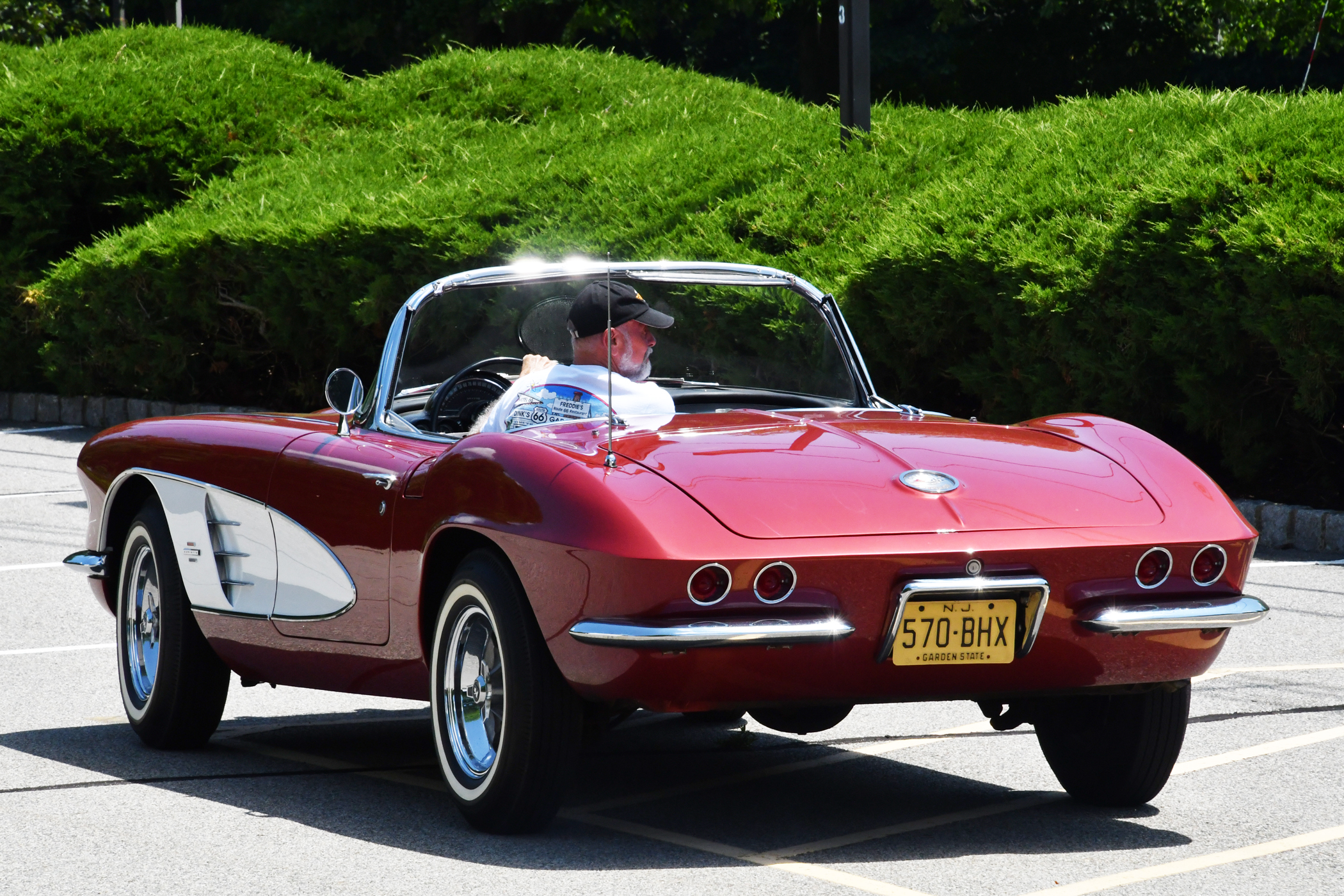 With a burst of Pollyanna-like optimism, I thought maybe the frozen odometer was just an anomaly, waiting for a second chance to cure itself.
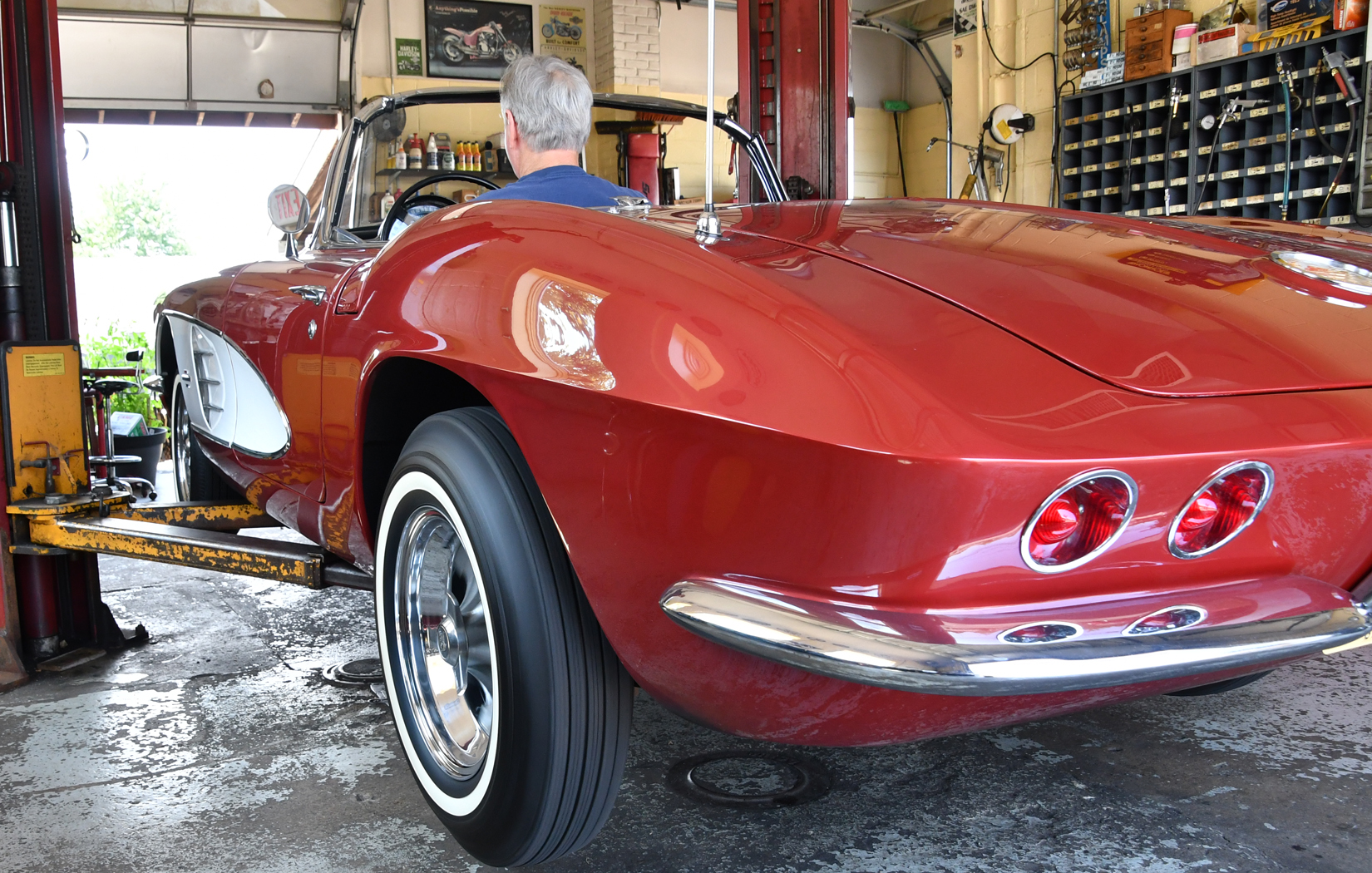 my friend and vintage car expert, Bob Tasman. Up on the lift went the Corvette. Under Bob’s doubtful but supportive eye my plan of peeling off 10 miles to “free” the odometer commenced. I surmised that rewinding two of the rotating number barrels would do the trick. Ten backward miles later, I left Bob’s shop to get a high speed highway head start at pushing that odometer through the 59,000 mile barrier. Bob in a friendly kind of way expressed his complete doubt at any chance of success. “One of the tangs in the head unit got broken or was improperly installed,” Bob said as I rumbled off with a shaken faith not unlike that of a small child seeing Santa drawing on a Marlboro behind the Macy’s Christmas display.
 While I think I would have had a good case for justifiable homicide especially with a jury of vintage car owners, I instead have opted to simply enjoy my beautiful rumbling living recollection of mid-century American sports car history. Maybe the odometer will heal itself. If not, I am going on record for posterity that as of June 28th 2020 my 1961 Corvette had an honest 258,999.9 miles. I do not foresee ever selling it.
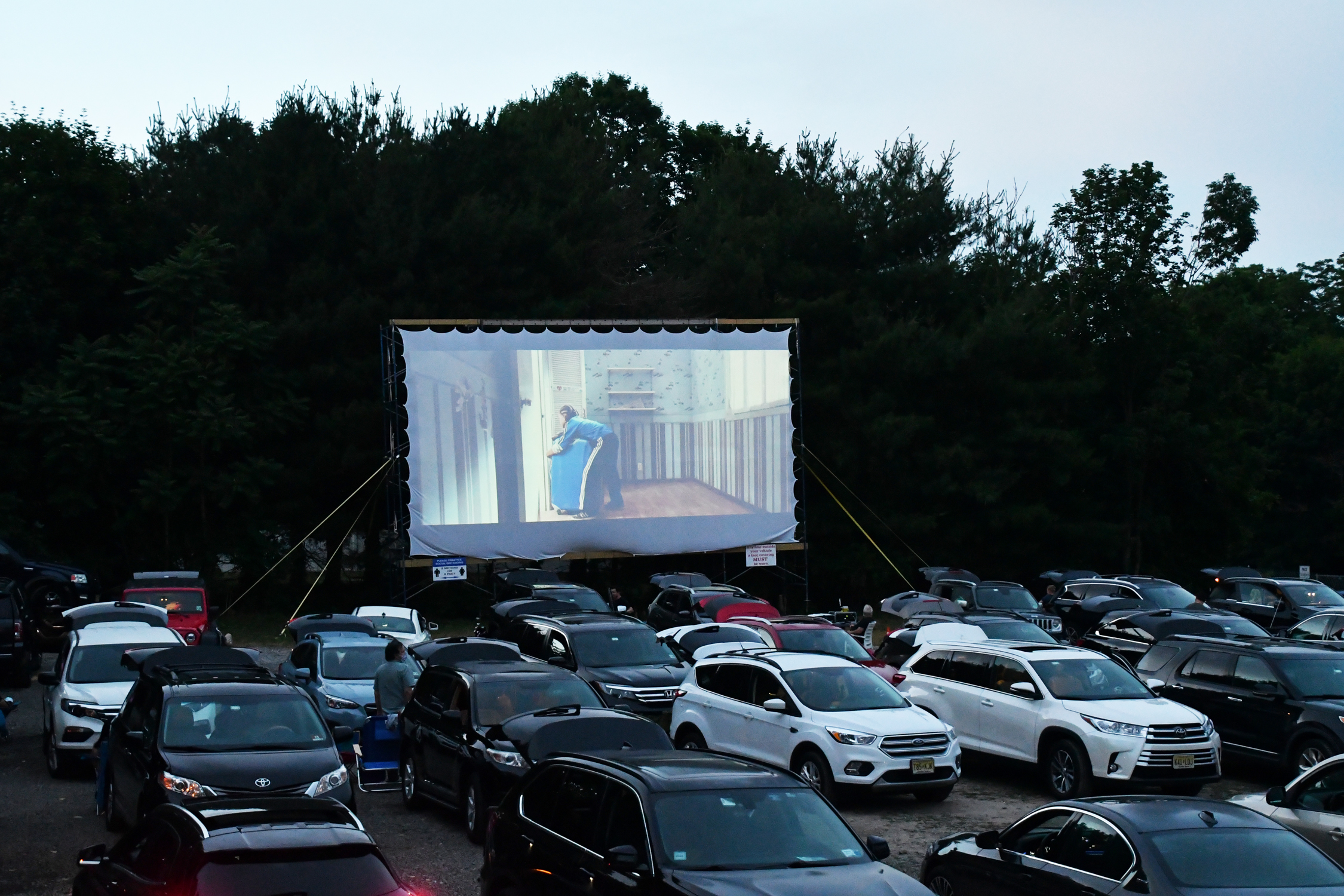 Emerging from the mist of a life long gone by, the drive-in movie has come to the rescue. Local town pool parking lots, farm stands, malls, any place with a flat surface that can fit at least 75 cars seems to have a portable screen and people are loving it.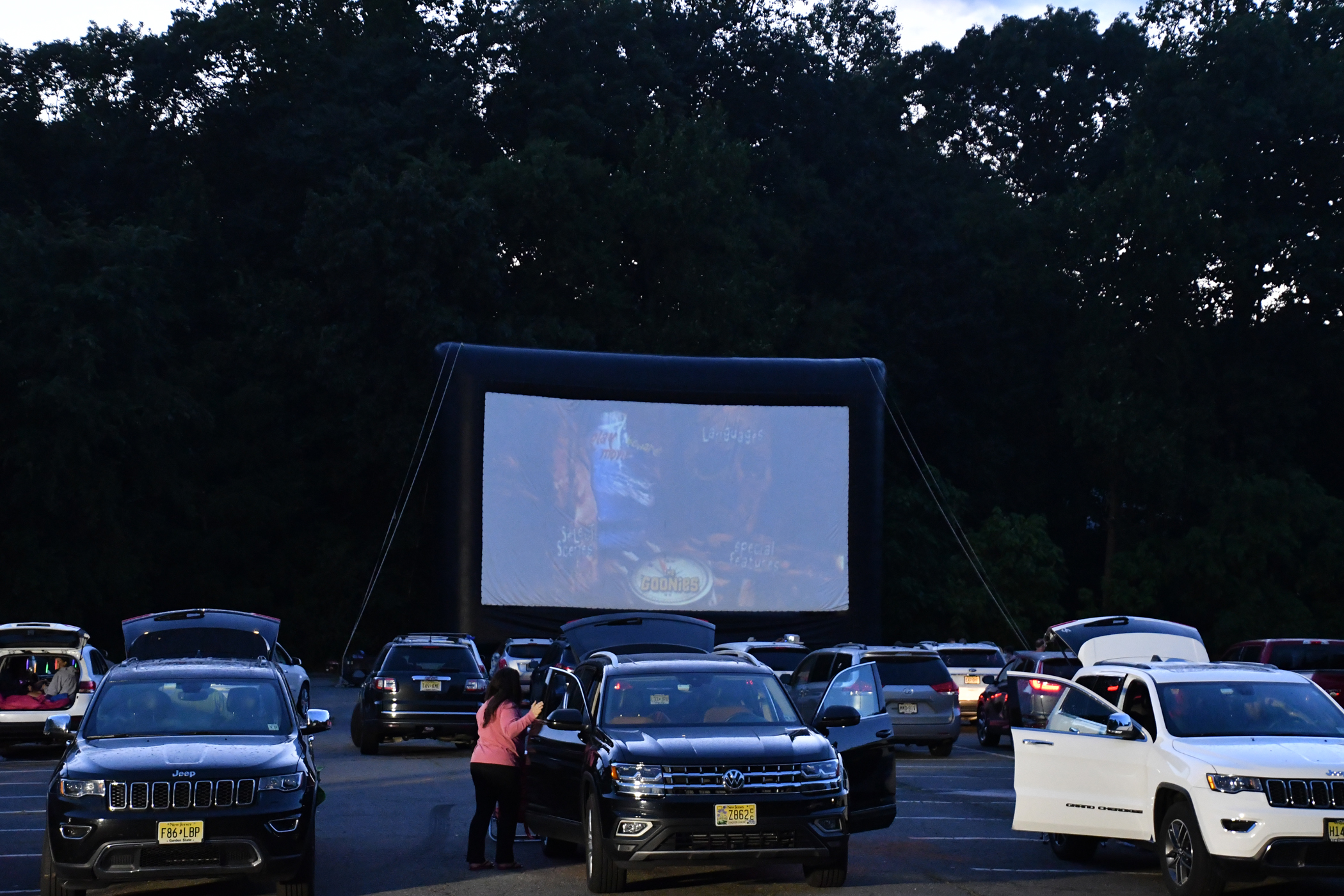
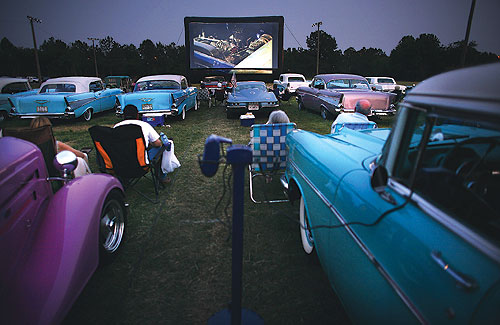 the screen with rear hatches raised. In the 60’s my VW microbus, alone, stared defiantly in the opposite direction allowing for my uplifted hatch to afford fresh air and a fully reclined viewing position on the mattress in back.
 positioned your vehicle on the viewing berm, car mounted speakers, 60-second dancing hot dog snack bar promo films, the chorus line of salty, sweet, greasy and crunchy treats arrayed across the screen under the “It’s intermission time” banner and of course mastery of the discrete wandering eye as, with cardboard snack tray of goodies clutched in both hands, you weaved your way back through the aisles of mid-century Detroit iron with no air conditioning and fogged windows.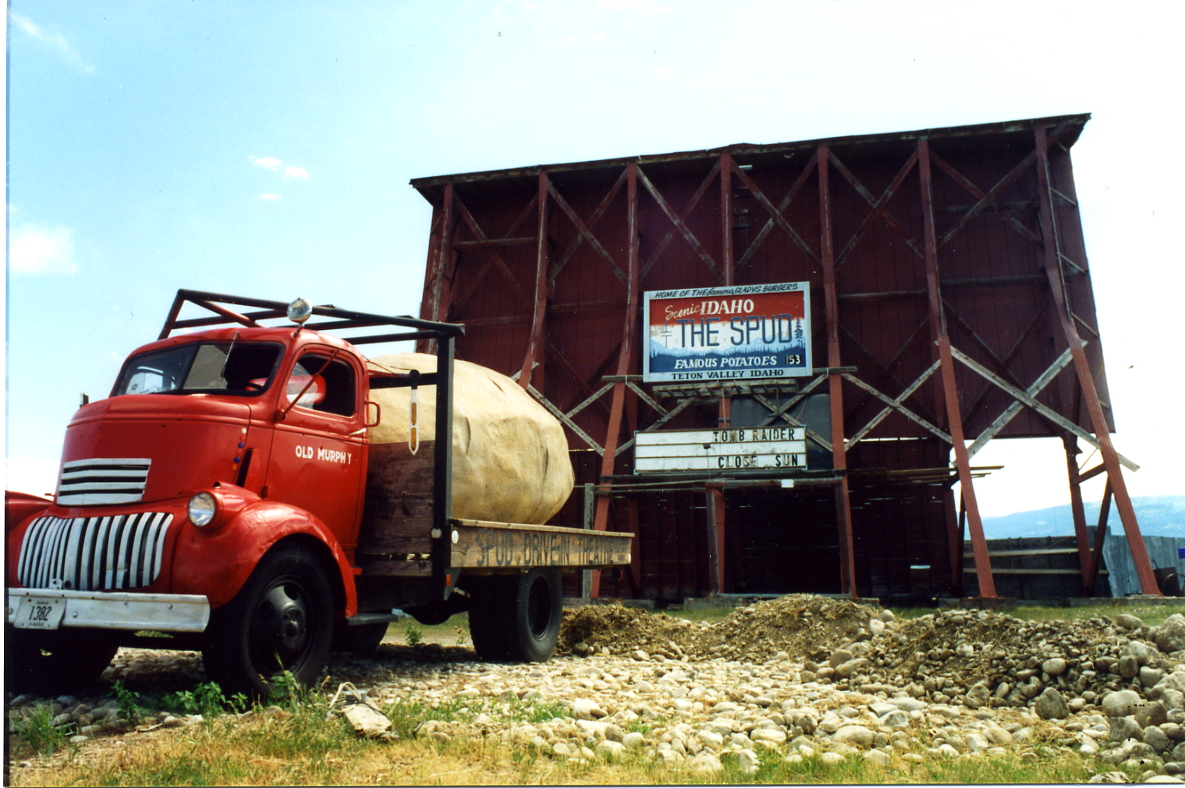
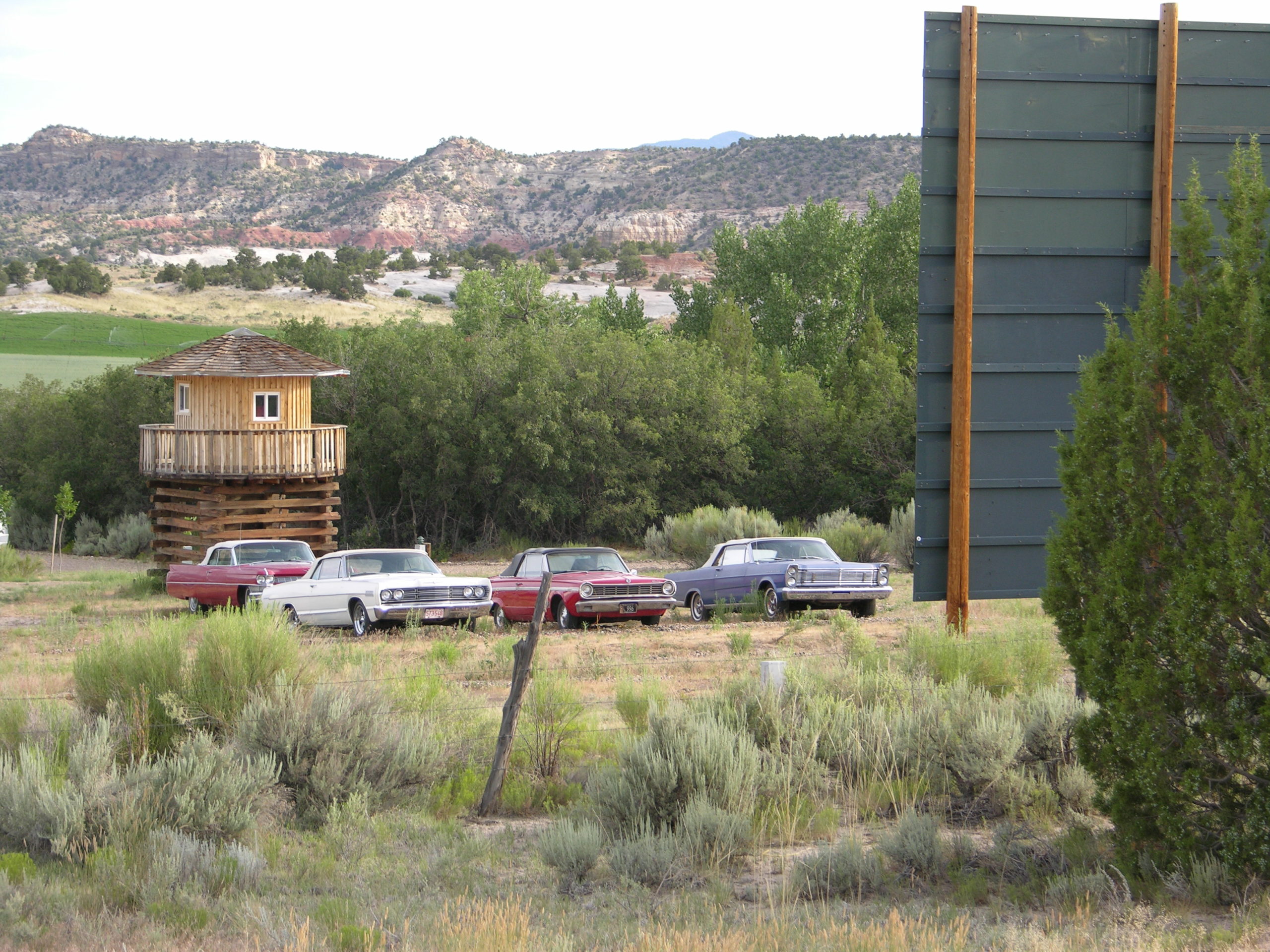 y the movie in a time capsule.